Using traction and stability control in your Sonata is essential for safe driving, especially in adverse weather. Traction Control prevents wheel spin by managing brake pressure or engine power, while Electronic Stability Control helps maintain your vehicle’s intended path. Always keep these systems activated for peak safety, but disable them briefly if you get stuck. Understanding their functionality and how to respond to warning lights can enhance your driving confidence. You’ll find more tips to maximize these systems for better performance ahead.
What Is Traction Control and How Does It Work?
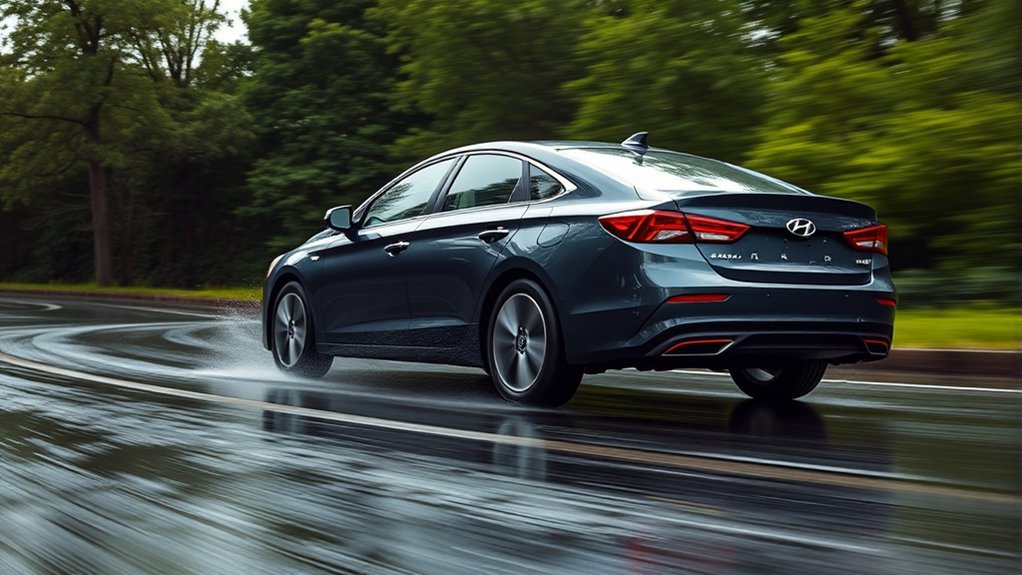
Traction control is your vehicle’s guardian against wheel spin, especially on slippery surfaces. This system monitors tire speed and kicks in when it detects a tire spinning faster than the vehicle itself. By applying brake pressure or reducing engine power, it helps you maintain control and avoid skidding. The traction control benefits are clear: it enhances safety during acceleration, particularly in rain or snow, making your driving experience more secure.
However, it’s essential to recognize traction system limitations. While TCS is mandatory in new vehicles since 2012 and works alongside Electronic Stability Control (ESC), it can’t defy the laws of physics. If the conditions are excessively slippery, even the best traction control may struggle. Keep an eye on the TCS warning lights; a flashing light indicates it’s active, but a steady light might signal a malfunction. Understanding these elements empowers you to drive with confidence and freedom.
What Stability Control Does for Your Car
Control and confidence are vital when maneuvering challenging road conditions, and that’s where Electronic Stability Control (ESC) comes into play. This system works by comparing your intended direction with your vehicle’s actual path, intervening as needed to guarantee stability. When it detects a loss of control, it automatically applies brakes to individual wheels, helping to prevent skidding and maintain traction, especially on slippery surfaces.
One of the key stability benefits of ESC is its ability to adjust engine power, preventing unwanted RPM increases during tricky conditions. This intervention enhances your driving dynamics by allowing for smoother, more controlled maneuvers. However, it’s important to remember that ESC isn’t a substitute for safe driving practices. Staying aware of your vehicle’s dynamics is essential, particularly in adverse weather. Embrace the freedom that stability control offers, enabling you to tackle the road with confidence and poise.
Why You Should Keep Traction and Stability Control Activated
When traversing slippery roads or challenging terrains, keeping your traction and stability systems activated is essential for maintaining control. These systems offer significant traction control benefits, preventing wheel spin and loss of grip, especially in conditions like snow and ice. They react faster than you can, providing vital assistance during acceleration and cornering.
Traction control automatically applies brake pressure or reduces engine power to avoid dangerous situations when tire slippage occurs. Meanwhile, stability control features work in tandem, correcting any unintended vehicle movements, ensuring you navigate safely through tricky landscapes.
Disabling these systems should be limited to specific scenarios, like getting unstuck from mud or snow, as they’re designed to optimize safety in most driving conditions. By keeping them activated, you empower yourself to tackle challenges with confidence, enhancing both your driving experience and safety on the road.
Driving Safety Tips for Challenging Weather

Driving in challenging weather can test even the most experienced motorists, so it’s crucial to be prepared. In adverse conditions, employing effective driving strategies can make all the difference. Always keep your Traction Control (TC) and Electronic Stability Control (ESC) enabled during snowy or icy conditions. Familiarize yourself with your vehicle’s handling characteristics, as modern systems react faster than most drivers can.
Using winter tires instead of all-season tires enhances traction on slippery surfaces. If you’re stuck in mud or snow, briefly disable TC to regain traction, but remember to reactivate it once you’re free. Regularly check your ESC and TC warning lights; a continuous illumination indicates a malfunction.
Here’s a quick reference table to guide you:
| Driving Strategy | Description |
|---|---|
| Keep TC/ESC Enabled | Maintains grip and stability |
| Use Winter Tires | Improves traction in cold weather |
| Disable TC When Stuck | Allows wheel spin to regain traction |
| Check Warning Lights Regularly | Confirms systems are functioning properly |
Identifying and Responding to Traction Control Warning Lights
When you see the traction control system (TCS) warning light, it’s essential to understand what it means for your vehicle’s safety. A steady light suggests a malfunction, while a flashing one indicates that the system is working to maintain traction. Knowing these signals and how to respond can keep you safe on the road and help you troubleshoot potential issues effectively.
Common Warning Light Signals
Understanding the various traction control warning lights on your dashboard is essential for maintaining vehicle safety and performance. The TCS warning light briefly illuminates at ignition; if it stays on, it signals a malfunction in the traction control system that needs your attention. A flashing TCS light during acceleration indicates the system’s working hard to prevent wheel spin on slippery surfaces. If the TCS OFF light is on, it means the system’s been manually disabled, which can be useful in low-traction scenarios. Persistent TCS warning illumination may suggest sensor misalignment, warranting a visit to a mechanic. Always consult your owner’s manual for specific TCS warning light indicators and their meanings for your vehicle model.
Troubleshooting Warning Light Issues
After recognizing the various traction control warning lights on your dashboard, it’s important to know how to address any issues that arise. A steady TCS warning light signals a malfunction, while a flashing one means traction control is actively engaging. If you accidentally deactivate the TCS, consult your owner’s manual for steps to reactivate it. For persistent warning lights, you’ll likely need diagnostic tools for deeper inspection. Often, wheel speed sensor issues can be resolved for under $200. Restarting your vehicle may clear temporary alerts, but if the light remains, prioritize safety and have it checked. Regular sensor calibration can prevent future problems and guarantee your system operates smoothly.
Troubleshooting the Traction Control System Light
The TCS warning light serves as your vehicle’s alert system for potential traction control issues. If the light illuminates briefly during ignition but stays on or doesn’t light up at all, you might face sensor calibration problems or other malfunctions. A flashing TCS light during acceleration means the system’s engaging to prevent wheel spin, a good thing under slippery conditions. However, if the light remains on continuously, it needs your attention. Restarting your vehicle can sometimes reset the system, but if the light persists, it’s time to consult your owner’s manual or a mechanic for diagnostics. Also, be aware that you might accidentally deactivate the TCS by pressing the TC OFF button. Verify it’s reactivated for maximum safety in regular driving situations, allowing you to navigate with confidence and liberation.
Routine Maintenance for Optimal Traction Control Performance
To keep your traction control system performing at its best, regular tire maintenance is essential. Proper tire pressure and tread depth not only enhance grip but also guarantee your vehicle responds effectively in slippery conditions. Additionally, scheduling routine diagnostics for your TCS can help identify any underlying issues before they become serious problems.
Tire Maintenance Importance
While many drivers overlook tire maintenance, keeping your tires in top condition is vital for ideal traction and stability control. Regularly checking your tire pressure is important; under-inflated tires can reduce grip, negatively impacting your traction control and stability systems. Additionally, inspect your tread depth frequently. Tires with insufficient tread can greatly impair your grip on slippery surfaces, making your traction control less effective. Rotate your tires according to the manufacturer’s recommendations to guarantee even wear. In cold conditions, opt for high-quality all-weather or winter tires, as they provide superior traction. Finally, maintain proper alignment and balance to prevent uneven wear, making sure your traction and stability systems perform effectively across various driving conditions.
Regular System Diagnostics
Regular system diagnostics are essential for maintaining ideal traction control performance, especially as driving conditions change. By regularly checking your vehicle, you can guarantee your safety and enhance your driving experience. Consider these key maintenance steps:
- Monitor the TCS warning light; a steady light indicates a malfunction, while a flashing light shows active traction control.
- Conduct annual inspections by a qualified technician to address potential sensor misalignments.
- Keep an eye on tire quality and pressure to support TCS and ESC functionality.
- Update your vehicle’s software to benefit from performance optimization and improved system responses.
Traction vs. Stability Control
Understanding the difference between traction control (TC) and electronic stability control (ESC) is essential for every driver. TC focuses on preventing wheel spin during acceleration on slippery surfaces, providing significant traction benefits when you need them most. By applying brake pressure or reducing engine power, it helps maintain grip, especially in challenging conditions.
On the other hand, ESC monitors your vehicle’s steering direction and actual path, delivering stability advantages during cornering. It corrects unintended movements, ensuring you stay in control during slippery or emergency situations. While you might disable TC in specific low-traction scenarios like mud or snow, keeping ESC enabled is crucial for preventing skidding.
Both systems rely on sensors and integrate with anti-lock braking systems (ABS), enhancing your vehicle’s overall safety. Understanding these differences equips you to make informed decisions, ensuring a smoother, safer driving experience.
Choosing the Right Tires for Optimal Traction

When it comes to optimizing traction, selecting the right tires is key. Winter tires can dramatically outperform all-season options in icy conditions, while all-weather tires offer a compromise that might not be enough for severe weather. Regular maintenance, including checking tire pressure and tread depth, is essential to guarantee your tires perform at their best when you need it most.
Tire Types Comparison
Choosing the right tires is essential for enhancing your vehicle’s traction and stability, especially as road conditions change with the seasons. Here’s a breakdown of tire types to help you decide:
- Winter Tires: Softer rubber compounds and unique tread patterns for icy conditions.
- All-Season Tires: Versatile but may lose effectiveness under 4/32 inches of tread.
- All-Weather Tires: A compromise, handling both snow and dry conditions, yet not as effective as winter tires in severe weather.
- Tire Size: Using the wrong size can lead to Electronic Stability Control issues.
Understanding the winter vs. all season debate can greatly impact your tire performance, ensuring you stay safe and in control, no matter the weather.
Importance of Tire Maintenance
While many drivers overlook tire maintenance, neglecting it can severely impact your vehicle’s traction and stability. Choosing the right tires is essential; winter tires can boost traction by up to 50% in icy conditions, while all-weather tires provide balanced performance. Always maintain proper tire pressure, as under-inflated tires can reduce traction by 20% and heighten the risk of hydroplaning. Regularly inspect your tire tread depth—if it dips below 4/32 of an inch, handling and stability on wet surfaces can suffer. Finally, using the same size and type of tires on all wheels guarantees your traction and stability control systems work effectively. Prioritize tire maintenance to enhance your driving safety and liberate your experience on the road.
Essential Techniques for Safe Driving in Snow and Ice
Driving in snow and ice can be challenging, yet mastering essential techniques can greatly enhance your safety on the road. By understanding and implementing effective snow driving strategies, you can navigate slippery conditions with confidence. Here are some vital traction techniques to keep in mind:
- Keep Traction Control (TC) and Electronic Stability Control (ESC) activated to maintain vehicle stability.
- Familiarize yourself with your vehicle’s dynamics to understand how TC/ESC responds during slides.
- Use all-weather or winter tires, which notably improve traction in cold conditions.
- Practice controlled driving techniques in safe environments to build your skills for low-traction scenarios.
Frequently Asked Questions
How Do You Fix a Traction or Stability Control Light?
To fix a traction or stability control light, use diagnostic tools to check for warning signs. If the light remains after restarting your vehicle, consult a mechanic for a thorough inspection and potential repairs.
Conclusion
In a world where driving can feel like steering through a stormy sea, keeping your traction and stability control activated is your lifeline. These systems work tirelessly to guarantee your safety, especially in challenging conditions. By understanding their functions and maintaining your vehicle, you’re not just enhancing performance but also protecting yourself and your loved ones. So, embrace these technologies and equip yourself with the skills to conquer any road, no matter the weather. Drive smart, drive safe!