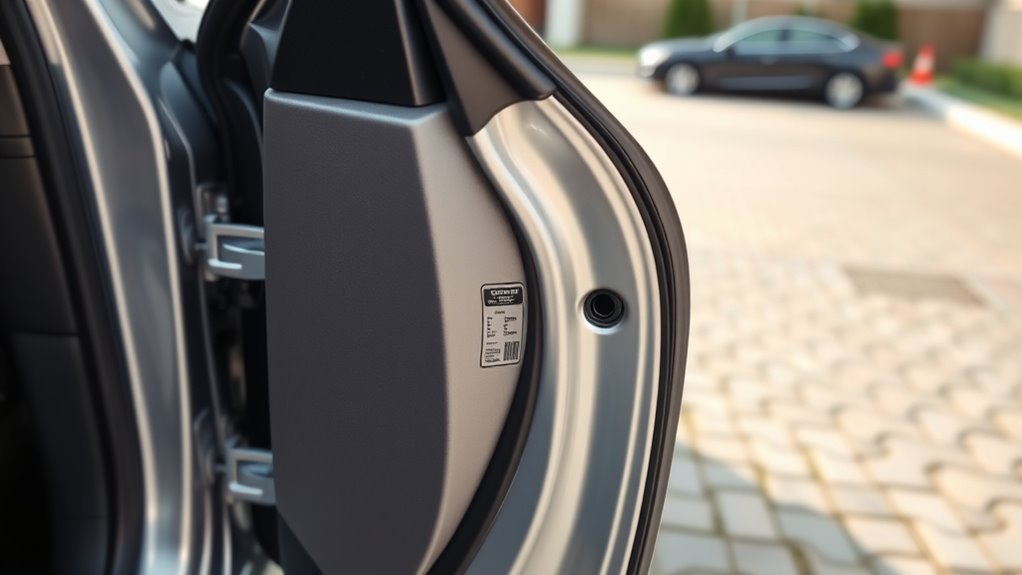
Adding engine oil to a 2017 Hyundai Sonata is simple, but the amount and procedure matter. A top-off is not the same as a complete oil change: you should add only enough oil to bring the dipstick level to the F/Full mark. The correct total refill capacity also depends on whether your Sonata has the 1.6 T-GDI, 2.0 T-GDI, or 2.4 GDI engine.
Quick Answer
Park your 2017 Hyundai Sonata on level ground, bring the engine to normal operating temperature, turn it off, and wait about five minutes. Check the dipstick, then add the specified engine oil in small amounts through the filler cap until the level reaches F/Full. Never pour the engine’s full oil-change capacity into an engine that only needs a top-off.
Key Takeaways
- Hyundai’s 2017 procedure calls for checking the oil after the engine reaches normal operating temperature and has been shut off for about five minutes.
- Add oil gradually and stop at the F/Full mark; do not automatically pour in one quart or the engine’s full refill capacity.
- Drain-and-refill capacity is about 4.75 US qt for the 1.6 T-GDI and 5.07 US qt for the 2.0 T-GDI and 2.4 GDI.
- If the red engine-oil-pressure warning stays on after the level is corrected, shut the engine off and do not continue driving.
- Use the viscosity and oil specification listed for your exact engine in the owner’s manual.
At a Glance
| Time Required | About 10–15 minutes for an oil-level check and top-off |
| Difficulty | Easy |
| Tools Needed | Correct engine oil, clean funnel, lint-free rag or paper towel, and gloves |
| Cost | For a simple top-off, usually only the cost of the amount of specified engine oil needed |
Why Regular Oil Checks Matter
Regular oil checks help protect the engine from running with an insufficient supply of lubricant. On a 2017 Hyundai Sonata, the oil level should remain between the L/Low and F/Full marks on the dipstick. A falling level may result from normal oil consumption, an external leak, or an engine problem that deserves investigation.
Hyundai’s owner-maintenance guidance treats the engine-oil level as a routine check, not something to ignore until the next scheduled oil change. Checking it regularly is especially useful before long trips and whenever you notice oil spots, unusual engine noise, or a warning light.
Warning: The red oil-can warning light indicates low engine-oil pressure, not simply that the oil is slightly low. Move to a safe location, shut the engine off, and check the level. If the warning remains on after correcting a low level and restarting the engine, turn the engine off again and do not continue driving until the problem is inspected.
Gather Your Tools for an Oil Change
If you are only adding oil, you need little more than the correct oil, a clean funnel, and a lint-free rag. A complete DIY oil change requires additional equipment, and the exact access hardware can vary with engine and underbody configuration.
For a simple top-off, do not remove the drain plug or oil filter. Those steps are needed only when performing a complete oil and filter change.
- Sockets and hand tools: A 17 mm socket is commonly used for the drain plug, while 10 mm hardware may be present on sections of the plastic underbody cover. Confirm fit before applying force.
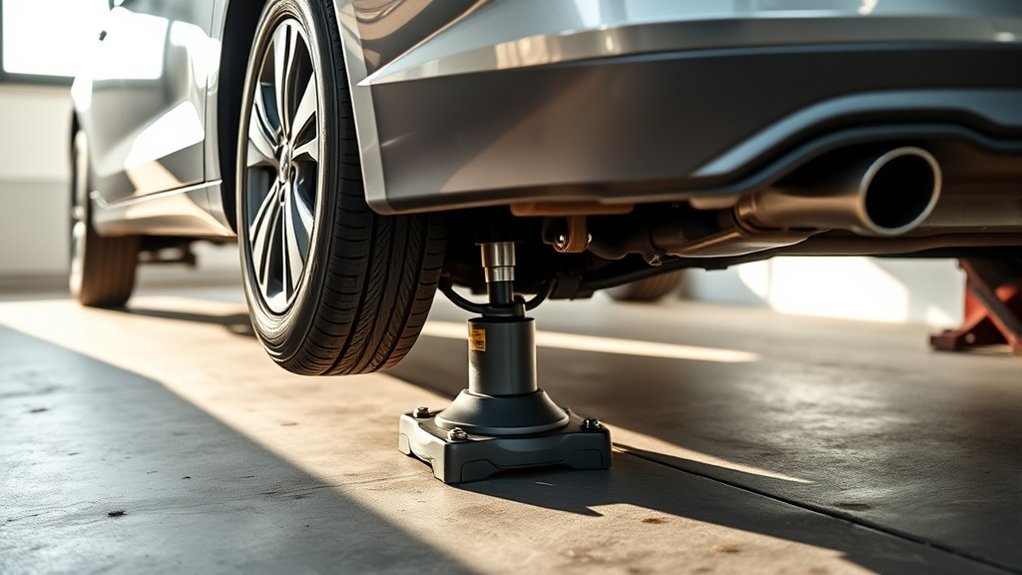
- Lifting equipment: If access requires raising the car, use properly rated ramps or a hydraulic jack with jack stands at approved lift/support points. Never work beneath a vehicle supported only by a jack.
- Oil-change supplies: Use the correct engine oil, a suitable oil filter, a new drain-plug sealing washer when required, a drain pan, gloves, and shop towels.
Do not treat pre-filling the replacement oil filter as a universal requirement. Hyundai’s owner guidance does not specify that every filter must be pre-filled. Follow the instructions supplied with the filter and the appropriate service procedure for your engine. Lubricating the new filter’s sealing gasket with clean engine oil, when directed by the filter manufacturer, is different from filling the entire filter before installation.
[Products Worth Considering]

This long-neck automotive funnel makes pouring oil, gas, and lubricants cleaner and easier from different angles. Its wide neck and raised sides help reduce spills, dirt entry, and leaks, while the flexible, reusable plastic design stands up to regular use. Sized for convenient handling, it’s a practical tool for routine vehicle maintenance across cars, trucks, and SUVs.

This spill-proof radiator coolant filling funnel kit helps you refill cooling systems cleanly while reducing trapped air pockets that can affect heater and engine performance. It includes a 5-inch extension bar and 45-degree elbow for easier access under shrouds or at awkward angles. Color-matched caps for dedicated adapters make setup simpler and more organized.

Castrol GTX Full Synthetic 5W-30 motor oil is designed to deliver maximum engine protection in severe driving conditions. It helps fight wear, control sludge, and resist viscosity breakdown while supporting longer intervals between oil changes. Formulated to meet or exceed key industry and vehicle manufacturer specifications, it offers dependable performance for modern engines.
Preparing Your Vehicle for Oil Addition
For the 2017 Sonata, Hyundai’s documented oil-level procedure starts with the vehicle on level ground, the transmission in P (Park), the parking brake applied, and the engine brought to normal operating temperature. Turn the engine off and wait about five minutes so oil can return to the oil pan before reading the dipstick.
This is more useful than applying a generic “check it cold” rule to this vehicle. After the waiting period, remove the dipstick, wipe it clean, insert it fully, remove it again, and read the level.
Before adding anything, identify the engine and make sure the oil you have meets the viscosity and performance requirements in your owner’s manual. Hyundai provides manuals and warranty information through its official Hyundai Manuals & Warranties resources.
Pro Tip: Keep the car in the same level parking spot for each oil check. A significant slope can change the dipstick reading enough to make a healthy oil level look too low or too high.
[Products Worth Considering]

Castrol EDGE 0W-20 advanced full synthetic motor oil is engineered for drivers seeking strong wear protection, excellent viscosity control, and thermal stability. It delivers superior performance in critical engine areas, including fuel economy, high-temperature protection, sludge control, and wear defense. Designed for extended oil-change intervals, it helps keep modern engines running smoothly under demanding conditions.

These adjustable oil filter pliers are designed to help remove engine filters, conduit, and fittings with better reach and control in tight spaces. The bent head design improves access, while soft nonslip grips add leverage and comfort during use. Built with high carbon steel and a Permalock fastener, they offer dependable strength and long-lasting performance.

Locate the Oil Filler Cap and Dipstick
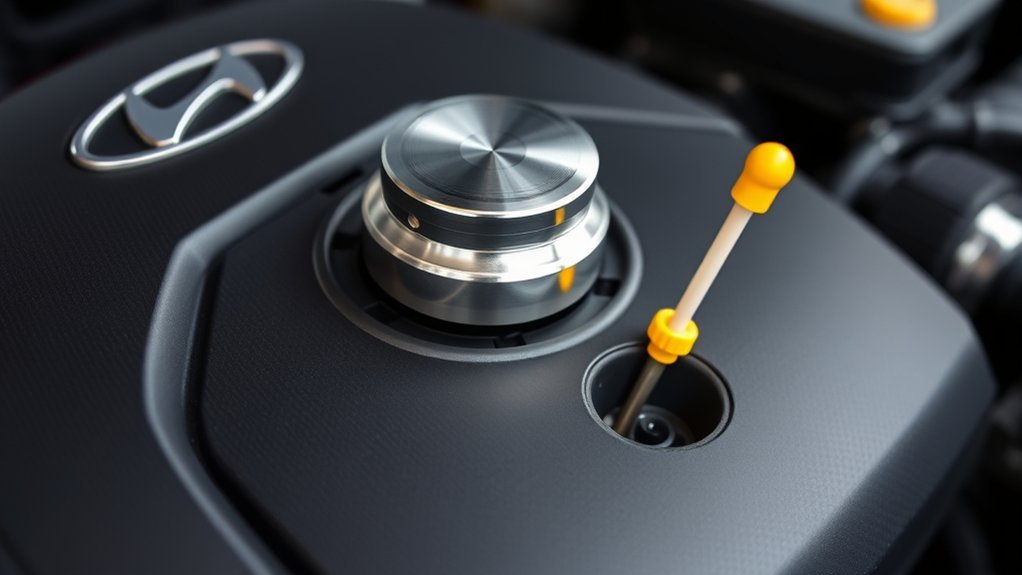
Open the hood and locate the engine-oil filler cap and dipstick. The filler cap sits on top of the engine and normally carries an oil-can symbol or oil-viscosity information. The dipstick has a pull handle and is positioned where it can be removed from its tube for a manual level check. The exact appearance and location vary slightly among the 1.6 T-GDI, 2.0 T-GDI, and 2.4 GDI engines.
[Products Worth Considering]
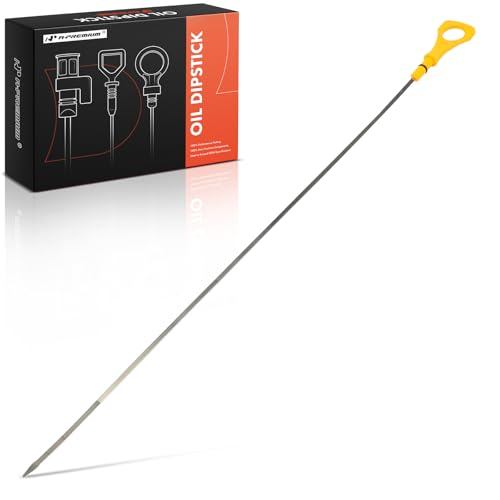
[Vehicle Fitment-1]: Compatible with Hyundai Azera 2007-2012 V6 3.3L, Azera 2006-2011 V6 3.8L, Entourage 2007-2010 V6 3.8L, Genesis Coupe 2010-2014 V6 3.8L, Santa Fe 2007-2009 V6 3.3L, Santa Fe 2010-2012 V6 3.5L, Sonata 2006-2007 L4 2.4L, Sonata 2006-2010 V6 3.3L, Veracruz 2007-2012 V6 3.8L --- Gas Model

✅[Manufacturer Part Number]: 26611-3C100

✔OE# 26611-2E021. Compatible with: For Hyundai 11-16 Elantra 1.8L丨13 Elantra Coupe 1.8L丨13 Elantra Coupe 2.0L丨13 Elantra GT 1.8L丨14-18 Elantra GT 2.0L丨16-18 Sonata 2.0L丨14-18 Tucson 2.0L. For 14-16 Kia Forte 1.8L丨14-18 Forte 2.0L丨14-18 Forte5 2.0L丨14-16 Forte Koup 2.0L丨17-18 Optima 2.0L丨12-18 Soul 2.0L. Please check the second main picture to confirm rngine oil level dipstick whether compatible with your car.
Identify the Oil Filler Location
- Open the hood and secure it.
- Locate the engine-oil filler cap on top of the engine.
- Locate the nearby engine-oil dipstick.
- Wipe dust or grit away from the filler-cap and dipstick areas before opening or removing them.
Keeping dirt away from these openings reduces the chance of contamination entering the engine.
Check the Dipstick Reading
- Park on level ground in P (Park), apply the parking brake, and bring the engine to normal operating temperature.
- Turn the engine off and wait about five minutes.
- Pull the dipstick out and wipe it clean with a lint-free rag.
- Insert the dipstick fully into its tube.
- Remove it again and check where the oil film sits between L and F.
- If the level is near or at L, add a small amount of the correct oil.
- Wait briefly, recheck the dipstick, and continue only until the level reaches F/Full.
The dipstick—not the engine’s total refill capacity—determines how much oil you should add during a top-off.
Use the Correct Oil Type
The 2017 Sonata was offered with several gasoline engines. Their drain-and-refill capacities and oil requirements are not identical.
| 2017 Sonata Engine | Drain-and-Refill Capacity | Oil Guidance |
| 1.6 T-GDI | 4.75 US qt (4.5 L) | Hyundai calls out SAE 5W-30 as the fuel-economy recommendation; use an oil meeting the manual’s required performance specification. |
| 2.0 T-GDI | 5.07 US qt (4.8 L) | Follow Hyundai’s temperature/viscosity chart and ACEA requirement for this turbocharged engine. |
| 2.4 GDI | 5.07 US qt (4.8 L) | SAE 5W-20 is Hyundai’s preferred fuel-economy viscosity; 5W-30 is also shown in the viscosity chart. |
These capacities are for a drain and refill. They are not instructions to pour that much oil into an engine that already contains oil.
The original manual references oil standards that were current when the car was new. The American Petroleum Institute’s current oil-category guidance explains that newer gasoline-engine API categories include the performance properties of earlier categories. Always keep the correct viscosity and Hyundai’s engine-specific requirements in mind.
Add Oil Without the Mess
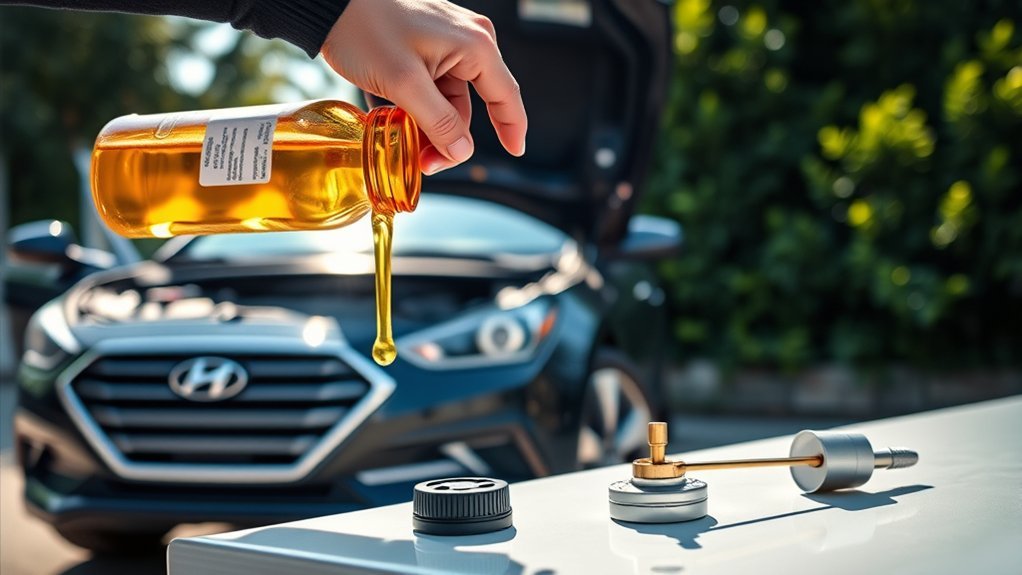
Use a clean funnel when pouring oil through the filler opening. Hyundai specifically cautions against spilling engine oil onto engine components and recommends adding oil in small quantities rather than risking an overfill.
- Check the dipstick using the warm-engine/five-minute procedure above.
- Wipe around the filler cap so loose dirt cannot fall into the engine.
- Remove the filler cap.
- Place a clean funnel in the filler opening.
- Add a small amount of the correct oil rather than an entire quart at once.
- Pause to let the oil drain into the sump.
- Recheck the dipstick.
- Repeat until the level reaches F/Full, then reinstall the filler cap securely.
- Wipe away any spilled oil before starting the engine.
Note: If the dipstick already reads at or above F/Full, do not add more oil. Significant overfilling can cause engine problems and should be corrected before normal driving.
Know Your Oil Capacity
Oil capacity is useful when performing a complete drain and refill, but it should not be confused with the amount needed for a top-off. The 2017 Sonata’s 2.4 GDI engine takes approximately 5.07 US quarts (4.8 liters) for a drain and refill. The 2.0 T-GDI is also listed at 5.07 US quarts (4.8 liters), while the 1.6 T-GDI is listed at 4.75 US quarts (4.5 liters).
Even during a full oil change, the final dipstick reading remains important. Fill carefully, run the engine as appropriate after service to circulate oil and check for leaks, shut it off, allow the oil to settle, and verify the final level rather than assuming an entire container must always be poured in.
Three points prevent most oil-level mistakes:
- Know which engine you have: Do not rely on a generic Sonata capacity.
- Use the dipstick for top-offs: Add only enough oil to reach F/Full.
- Do not overfill: More oil is not better once the correct level has been reached.
Identifying Common Signs of Oil Leaks
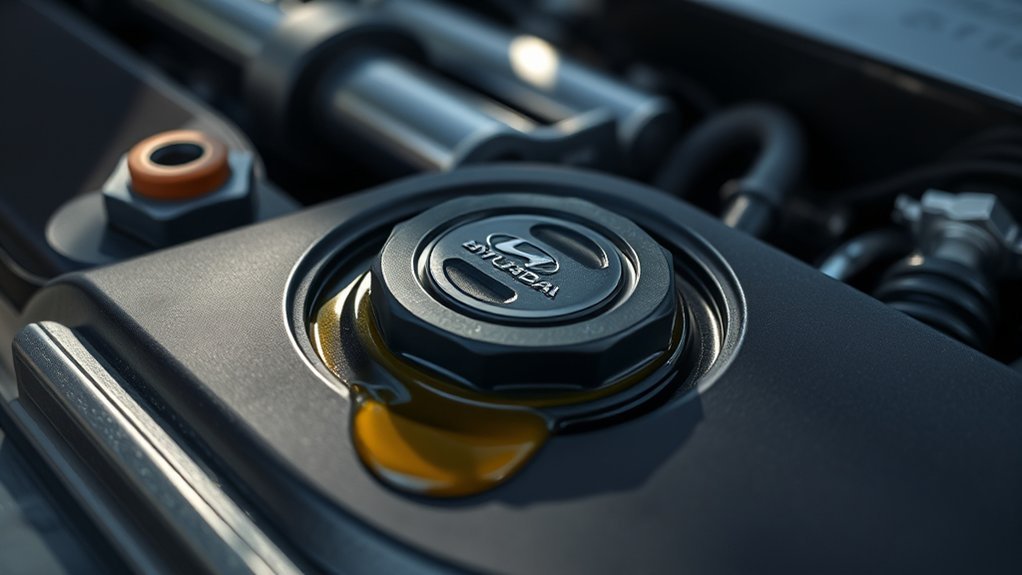
If the oil level repeatedly drops between checks, look for signs of leakage rather than continually topping it off without investigating the cause. Possible leak areas include the oil drain plug and sealing washer, oil filter and filter seal, valve-cover area, oil pan, and engine seals.
Check the ground after the vehicle has been parked, and inspect accessible engine surfaces for fresh oily residue. Remember that clear water beneath the vehicle after air-conditioner use can be normal condensation and should not automatically be mistaken for engine oil.
A loose filler cap can also allow oil mist or seepage around the top of the engine. Clean suspected areas and monitor them so you can identify where fresh oil first appears.
Pro Tip: Record the mileage and dipstick level after topping off. If the level falls again, the record gives you a better idea of how quickly the engine is losing or consuming oil.
Fixing Low Oil Pressure Problems
The engine-oil-pressure warning light requires more urgency than a routine low dipstick reading. Hyundai’s current warning-light guidance says to drive carefully to the nearest safe location, stop the vehicle, turn the engine off, and check the oil level. If it is low, add oil as required.
If the warning light remains illuminated after the oil level has been corrected and the engine is restarted, turn the engine off again and do not continue driving. A mechanical problem may be preventing the engine from developing proper oil pressure. Hyundai advises having the vehicle inspected before continuing. See Hyundai’s official warning-light guidance.
Low oil level can cause low oil pressure, but a correct oil level does not prove that oil pressure is normal.
Possible causes of low oil pressure include:
- Insufficient oil: A leak or oil consumption may allow the sump level to fall too low.
- Oil leak: A substantial leak can reduce the amount of oil available to the pump.
- Oil-pump or pickup problem: A mechanical fault can prevent adequate circulation even when oil is visible on the dipstick.
- Engine wear or another internal fault: Excessive internal clearances can also affect pressure.
- Faulty pressure switch, sensor, or wiring: Electrical faults are possible, but do not assume the warning is false until actual oil pressure has been checked.
An oil “stop-leak” additive should not be treated as a repair for an illuminated oil-pressure warning. The underlying cause needs to be identified, particularly when the warning persists after the oil level is corrected.
Preventing Low Oil Pressure
You cannot prevent every mechanical failure, but routine oil checks, correct oil selection, timely oil changes, and prompt leak repairs reduce avoidable lubrication problems.
Common Causes Identified
- Low oil level: Check the dipstick regularly and top up only to F/Full.
- Oil leaks: Investigate fresh oil around the filter, drain plug, oil pan, valve-cover area, and seals.
- Incorrect oil: Use the viscosity and performance specification intended for your engine.
- Mechanical lubrication-system fault: If the pressure warning stays on despite a proper oil level, stop the engine and obtain service.
Regular Maintenance Importance
A top-off restores the oil level but does not replace a scheduled oil and filter change. Oil gradually accumulates contaminants and its additives are consumed during service. Follow the maintenance schedule that applies to your engine and operating conditions.
For modern replacement oil, choose a product that meets the required manufacturer specification. API explains that current gasoline-engine service categories are designed to cover earlier API gasoline categories, but viscosity and manufacturer-specific requirements still matter.
Immediate Actions Required
If the red oil-pressure warning appears while driving:
- Move carefully to a safe location.
- Turn off the engine.
- Check the engine-oil level.
- If low, add the correct oil gradually until the dipstick reaches F/Full.
- Restart only long enough to determine whether the warning clears.
- If the warning remains on, shut the engine off immediately and arrange inspection or towing rather than continuing to drive.
Quick Tips for DIY Oil Changes
If you decide to perform a complete DIY oil and filter change, keep the top-off procedure separate from the drain-and-refill procedure. Gather the correct oil, filter, drain pan, hand tools, new drain-plug sealing washer when required, gloves, and safely rated lifting/support equipment if the vehicle needs to be raised.
Before loosening anything underneath the car, make sure it is securely supported. Drain the old oil into a suitable container, replace the filter according to its installation instructions, reinstall the drain plug with the appropriate seal, and refill according to your engine’s specification. Do not assume an oil filter must always be pre-filled; follow the correct filter and engine service procedure.
After the change, check for leakage around the drain plug and oil filter. Verify the final oil level with the dipstick and correct it if necessary.
Do not pour used engine oil onto the ground, into a storm drain, or into household plumbing. The U.S. Environmental Protection Agency’s used-oil guidance recommends storing used oil in a suitable leak-resistant container and taking it to an appropriate recycling or collection facility.
Frequently Asked Questions
Can I add engine oil instead of changing it?
You can add oil when the level is low, but topping off does not replace scheduled oil and filter changes. A top-off restores the quantity of oil in the engine; an oil change removes used oil and contaminants and replaces the filter when required.
How much oil should I add if my Sonata is at the L mark?
Do not automatically pour in a preset amount. Add the correct oil in small quantities, allow it to drain into the sump, and recheck the dipstick until the oil reaches F/Full. Stop adding oil once the correct level is reached.
How much oil does a 2017 Hyundai Sonata take?
For a drain and refill, Hyundai lists approximately 4.75 US qt (4.5 L) for the 1.6 T-GDI and 5.07 US qt (4.8 L) for both the 2.0 T-GDI and 2.4 GDI. These figures are full drain-and-refill capacities, not automatic top-off amounts.
Should I check the 2017 Sonata’s oil when the engine is hot or cold?
Hyundai’s 2017 procedure says to bring the engine to normal operating temperature, switch it off, and wait about five minutes before checking the dipstick on level ground.
What should I do if I accidentally overfill the engine oil?
If the dipstick is clearly above F/Full, do not keep adding oil. The excess should be removed until the level is back within the specified range. A substantial overfill should be corrected before normal driving because excess oil can interfere with proper engine lubrication and crankcase operation.
Can I drive if the oil-pressure warning light stays on?
No. Move to a safe location and shut the engine off. Check and correct a low oil level if necessary. If the oil-pressure warning remains illuminated after restarting, switch the engine off immediately and have the vehicle inspected before continuing to drive.
Conclusion
Adding oil to a 2017 Hyundai Sonata is straightforward once you separate a simple top-off from a complete oil change. Check the level on level ground after bringing the engine to normal operating temperature, shutting it off, and waiting about five minutes. Add the correct oil gradually and stop at F/Full rather than relying on a fixed quantity.
The biggest mistakes to avoid are overfilling, using one generic oil specification for every 2017 Sonata engine, and continuing to drive with an oil-pressure warning that remains illuminated. Regular level checks and prompt attention to leaks can help catch problems before they become much more expensive repairs.
Sources
- Hyundai Manuals & Warranties — official Hyundai resource for model-specific owner’s manuals and maintenance information.
- Hyundai Warning Lights — official guidance for responding to the engine-oil-pressure warning.
- American Petroleum Institute Oil Categories — current API and ILSAC engine-oil classification and backward-compatibility guidance.
- U.S. EPA: Managing, Reusing, and Recycling Used Oil — safe handling and recycling guidance for used motor oil and filters.