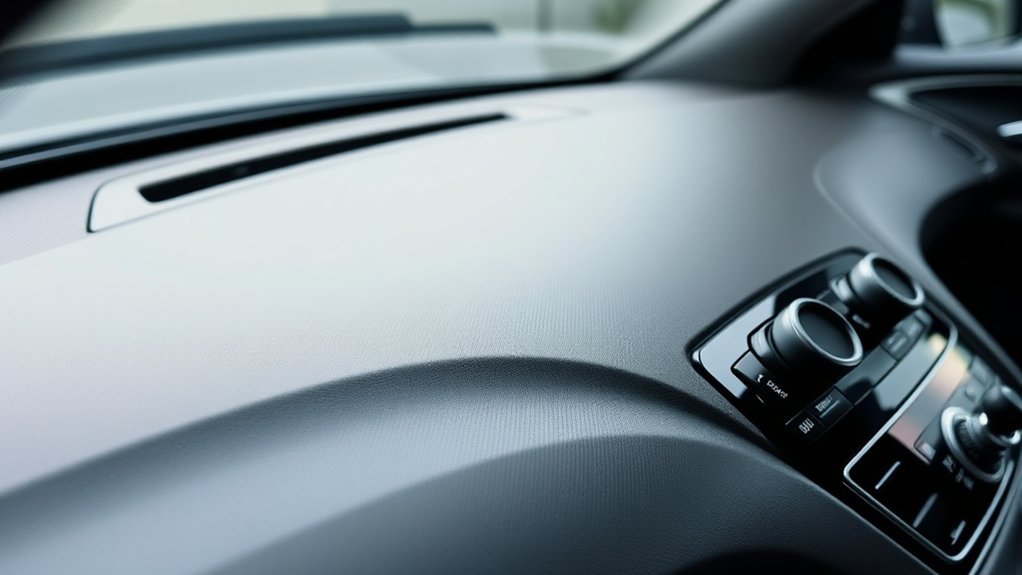
Your Hyundai Sonata dashboard takes a lot of punishment from sun, heat, dust, fingerprints, and cleaning products. The best protection is simple: clean it gently, keep harsh chemicals away from the dash and airbag areas, use a windshield sunshade when parked, and choose a safe, custom-fit dash cover only if it does not interfere with airbags, vents, sensors, speakers, or visibility.
Quick Answer
To protect a Hyundai Sonata dashboard, vacuum loose dust, wipe with a damp microfiber cloth and mild non-detergent cleaner, dry the surface, use a matte UV protectant made for automotive interiors, and park with a windshield sunshade. Use a dash cover only if it is custom-fit and kept clear of airbag areas.
Key Takeaways
- Use a microfiber cloth, vacuum, and mild cleaner instead of harsh solvents, silicone-heavy shine sprays, or abrasive pads.
- A windshield sunshade is often the safest first layer of heat and UV protection because it does not sit on the airbag cover.
- If you buy a dash cover, choose a Sonata-specific fit with the correct cutouts for vents, speakers, light sensors, defroster openings, and available HUD areas.
- Never place a dash mat, adhesive strip, air freshener, phone mount, or loose object over or near airbag modules on the instrument panel.
At a Glance
| Time Required | 10–20 minutes for cleaning; 20–45 minutes for a careful dash cover test-fit |
| Difficulty | Easy for cleaning; moderate for dash cover alignment |
| Tools Needed | Microfiber towels, soft brush, vacuum with brush attachment, mild non-detergent cleaner, water, matte UV protectant, optional windshield sunshade |
| Cost | Usually low for cleaning supplies; dash covers vary by material, brand, and model-year fit |
Why You Need a Dash Cover for Your Hyundai Sonata
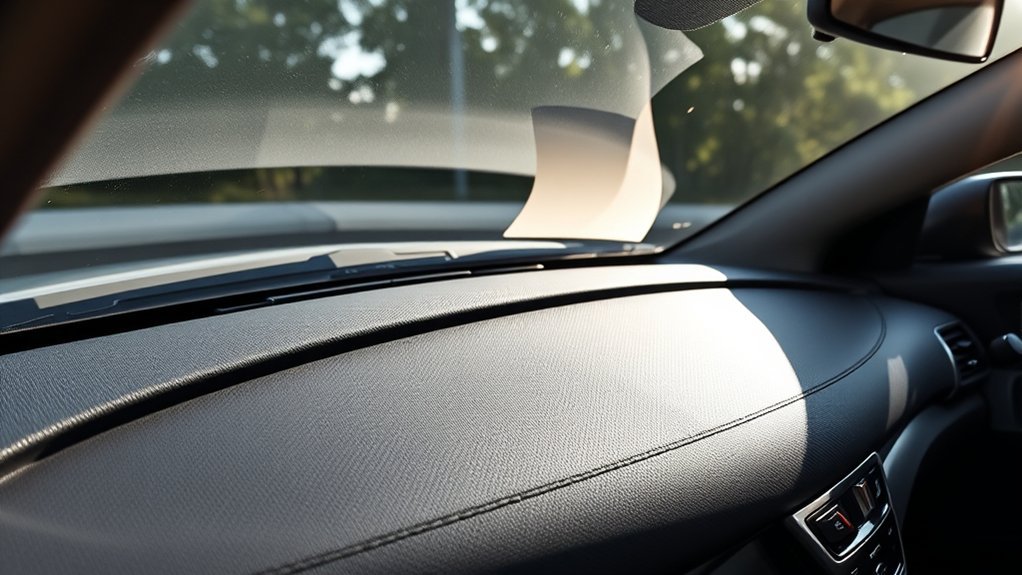
A dash cover can help protect your Hyundai Sonata’s dashboard from daily sun exposure, dust, and light surface wear. It may also reduce windshield glare when it has a low-sheen finish and a precise fit. That makes it useful for drivers who park outside, live in hot climates, or want to preserve the cabin’s clean look for resale.
Sun and heat are the biggest enemies of many interior surfaces. The National Weather Service explains that a dark dashboard or seat in a parked vehicle can reach extremely high surface temperatures in direct sunlight. Over time, that heat, plus UV exposure, can speed up fading, drying, and surface cracking on interior plastics and trim.
Still, a dash cover is not always the first product you should buy. A windshield sunshade is often the safer starting point because it blocks sunlight before it hits the dash and does not rest on the passenger airbag cover. A dash cover makes the most sense when it is made for your exact Sonata year and trim, lies flat, and does not block any safety or driver-assistance features.
Warning: Hyundai’s owner guidance warns against placing objects such as dashboard covers, stickers, phone holders, air fresheners, or other accessories over or near airbag modules on the steering wheel, instrument panel, windshield glass, or front passenger panel above the glove box. Before using any dash cover, check your Sonata owner’s manual and avoid any product that covers an airbag deployment area.
Dash Cover vs. Sunshade vs. UV Protectant
The strongest dashboard protection usually comes from using more than one method. Each option solves a different problem, so it helps to know what each one does best.
| Protection Method | Best For | Watch Out For |
|---|---|---|
| Windshield sunshade | Reducing direct sunlight and heat when parked | Poorly fitting shades can leave gaps, sag, or fall while parked |
| Dash cover | Surface protection, glare reduction, and hiding light wear | Unsafe if it covers airbags, vents, sensors, speakers, or the HUD area |
| Matte UV protectant | Adding a low-shine protective finish after cleaning | Glossy or greasy products can increase windshield glare and attract dust |
| Garage or covered parking | Long-term interior preservation | Not always available, especially for commuters or apartment parking |
Pro Tip: For daily parking outside, use a custom windshield sunshade first. Then clean and protect the dash with a matte interior product. Add a dash cover only after confirming it is safe for your Sonata’s airbag layout and trim features.
[Products Worth Considering]

EcoNour Car Windshield Sun Shade helps block harmful UV rays and reduce heat buildup to keep your vehicle’s interior cooler and better protected. Its reinforced overlapping design provides a more secure fit, while the pop-open, foldable construction makes it quick to install and easy to store. Designed for a range of compact vehicles, it offers dependable everyday sun protection for your dashboard, seats, and cabin.

EcoNour’s foldable windshield sun shade helps keep your vehicle cooler by reflecting heat and blocking harmful UV rays. Its multi-layer construction and reinforced design protect your dashboard, seats, and electronics while fitting most sedans, SUVs, and pickup trucks. It opens quickly, folds down compactly, and stores easily for everyday driving or travel.

Chemical Guys Swift Wipe Waterless Car Wash Spray lets you clean, shine, and protect your vehicle without a hose or bucket. Its high-lubrication formula lifts dirt and grime while helping reduce scratches and swirl marks, leaving a glossy, streak-free finish on paint, glass, wheels, chrome, and plastic. Ideal for quick detailing anywhere, it adds a protective layer that helps repel dust and keep your vehicle looking freshly washed longer.
Choose the Best Material for Your Dash Cover: A Comparison
When choosing a dash cover for your Hyundai Sonata, focus on fit, safety, and finish before color. The best material is not just the one that looks nice; it is the one that stays flat, resists sun exposure, does not shed fibers into vents, and does not create glare.
[Products Worth Considering]
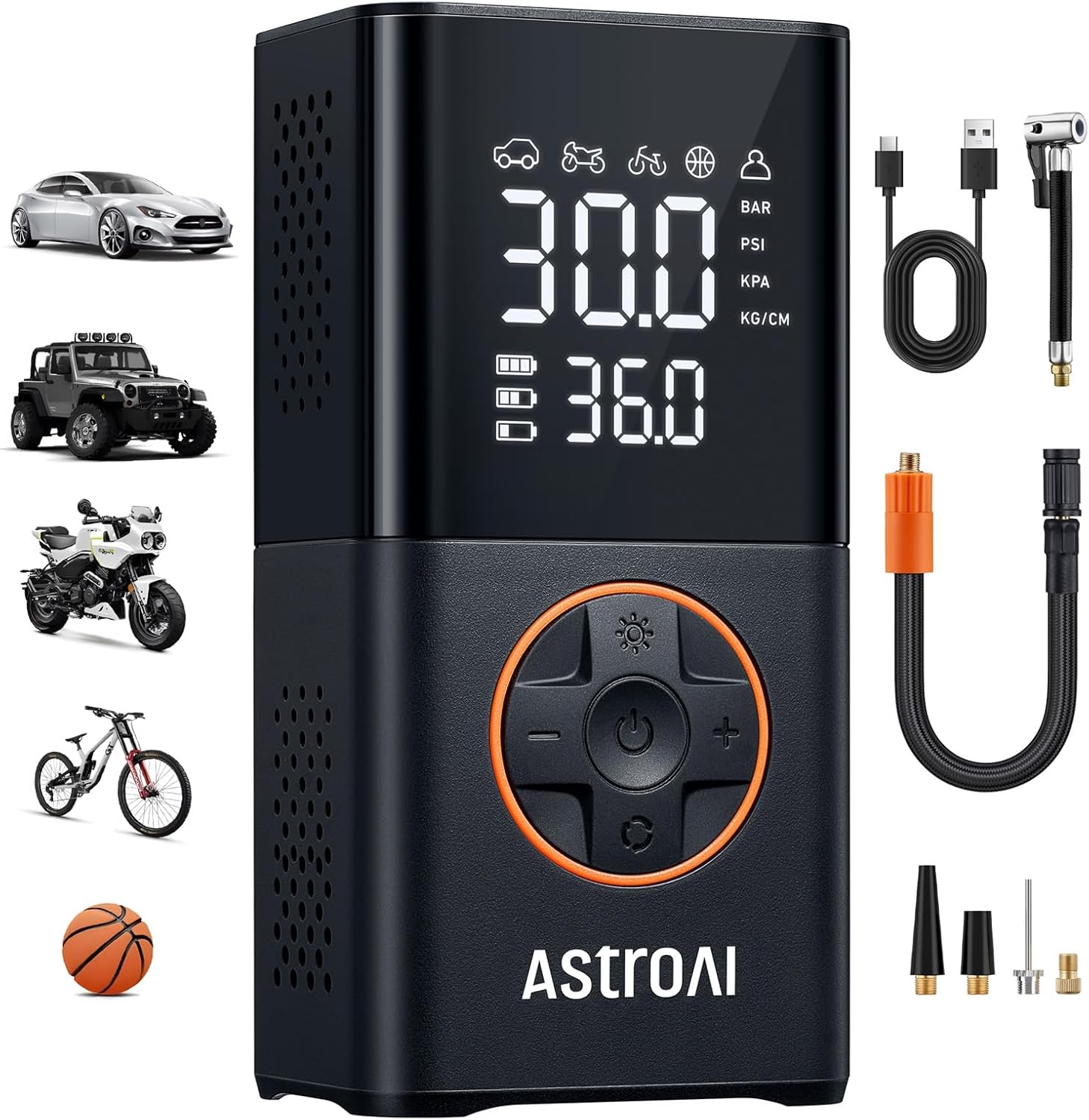
The AstroAI L7 portable tire inflator delivers fast, accurate inflation with a bright digital display and real-time pressure monitoring for easy use day or night. Its cordless design, preset modes, and wide pressure range make it a versatile solution for car tires, bikes, balls, and other small inflatables. A built-in battery, auto-stop function, LED emergency light, and power bank capability add convenience for routine maintenance and roadside use.

Protect your car seats from muddy feet, dirt, and scratches with this back seat cover designed for kids and everyday family travel. The waterproof kick mats help keep leather and upholstery looking clean while the built-in pocket organizer adds convenient storage for road trip essentials. This two-pack offers wide coverage for most vehicles and makes cleanup easier after busy rides.
Material Durability Comparison
Dash cover names vary by manufacturer, but most fall into a few common material groups. Carpet-style covers are affordable and soft, suede-like covers look more upscale, molded covers can look more factory-finished, and polyester-based covers often balance cost, fade resistance, and easy cleaning.
| Material Type | Pros | Cons | Best Use |
|---|---|---|---|
| Carpet or polycarpet | Budget-friendly, soft, helps reduce glare | Can collect lint and dust if not vacuumed | Daily drivers parked outside |
| Velour or suede-like fabric | Cleaner look, low glare, comfortable texture | May show dust, pet hair, or uneven brushing marks | Drivers who want a softer, more finished interior look |
| Molded hard cover or dash cap | Can hide existing cracks or damage better than fabric | Needs careful fitment and may require stronger attachment | Older Sonatas with cosmetic dashboard damage |
| Reflective sunshade material | Best for blocking sunlight before it hits the dash | Used when parked, not as a permanent dash mat | Hot, sunny climates and outdoor parking |
UV Resistance Levels
Look for a product description that mentions UV-resistant fibers, solution-dyed material, fade resistance, or heat-tested automotive use. These claims matter because dashboards sit behind glass and receive intense sun exposure for years. Research on automotive polymers has shown that UV exposure can change the appearance and surface behavior of plastic materials, which is why blocking light and heat is a practical prevention step.
Color also matters. Black dash covers often match interiors well, but lighter dark-gray or charcoal covers may show less lint and absorb slightly less heat. Avoid bright or glossy finishes on the top of the dash because they can reflect into the windshield.
Clean and Maintain Your Dash Cover Effectively
Good dashboard protection starts with cleaning. Hyundai’s interior care guidance recommends removing dust and loose dirt from interior surfaces with a whisk broom or vacuum, then using a mixture of warm water and mild non-detergent cleaner when needed. Always test a cleaner on a hidden spot first.
- Remove loose dust first. Use a vacuum with a soft brush attachment or a clean detailing brush. This keeps dust from turning into grit while you wipe.
- Wipe with a damp microfiber towel. Use water or a mild non-detergent cleaner diluted in warm water. Spray the towel, not the dashboard, so liquid does not run into buttons, seams, speakers, vents, or screens.
- Dry the surface. Follow with a second clean microfiber towel to prevent streaks and moisture spots.
- Apply a matte protectant sparingly. Choose an automotive interior UV protectant labeled safe for vinyl, plastic, or trim. Buff it dry so the finish is not greasy or shiny.
- Vacuum a fabric dash cover regularly. Use low suction and a brush attachment. For stains, blot gently with a damp cloth instead of scrubbing hard.
Note: Avoid ammonia glass cleaner, strong degreasers, petroleum solvents, bleach, rough pads, and high-gloss dressings on the dashboard. Around airbag pad covers, use only a soft cloth lightly moistened with water unless your Sonata owner’s manual says otherwise.
Customizing Your Dash Cover: Essential Tips for a Perfect Fit
Customizing your dash cover for the Hyundai Sonata can improve both protection and style, but fit is everything. Start by matching the product to your Sonata’s exact model year, generation, trim, steering position, and feature set. A cover made for a 2011–2014 Sonata will not fit the same way as one made for a 2020–2023 or 2024–2026 Sonata.
Check for the right cutouts before buying. Depending on your Sonata, you may need openings for defroster vents, side vents, center speakers, light sensors, alarm indicator lights, forward-facing sensor areas, and a head-up display area. If the product listing does not clearly show these cutouts, choose another cover or contact the seller before ordering.
Also check the attachment method. Many soft dash covers use small hook-and-loop strips. Use the minimum needed to keep the cover from sliding, and never place adhesive strips over airbag covers, warning labels, vents, or sensor openings. If a cover needs heavy adhesive, permanent bonding, screws, or drilling, skip it for a modern Sonata dashboard.
How to Easily Install Your Dash Cover?
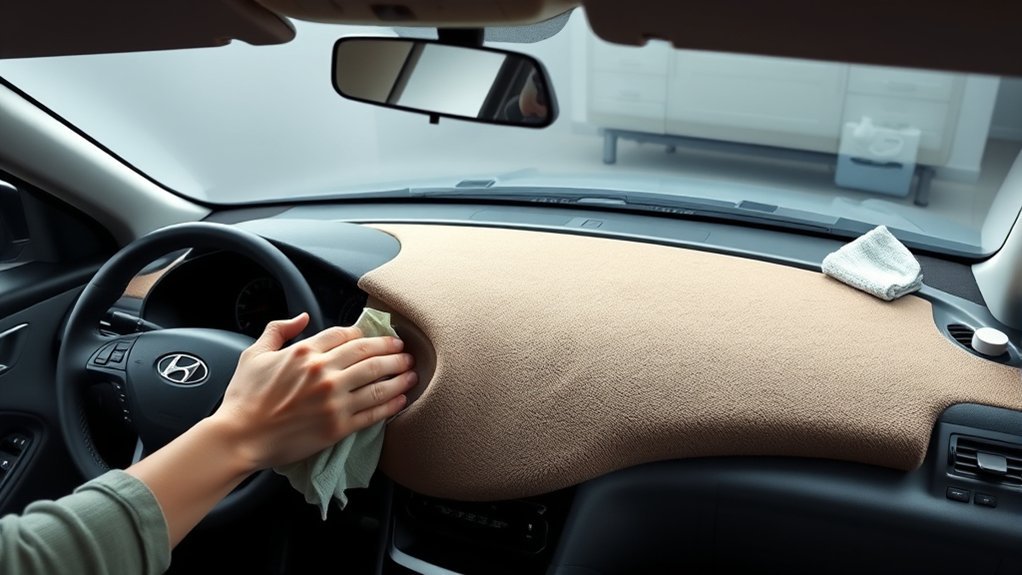
Installing your dash cover is simple if you slow down and test the fit first. Do not rush straight to adhesive. The goal is a flat, secure cover that does not slide, bunch, block airflow, reflect into the windshield, or interfere with safety systems.
Required Tools List
Gather the right tools before you start:
- Clean microfiber cloths: Use one damp towel for cleaning and one dry towel for finishing.
- Vacuum with brush attachment: Remove dust from the dash, defroster vents, and speaker openings before test-fitting.
- Mild non-detergent cleaner and warm water: Use only if plain water is not enough.
- Painter’s tape: Mark safe alignment points without leaving heavy residue.
- Small hook-and-loop strips: Use only if supplied or recommended by the dash cover manufacturer.
Warning: Do not cut the dashboard, drill into trim, add screws, or use strong glue on the instrument panel. Do not trim around airbag areas unless the dash cover manufacturer and your vehicle manual clearly allow that type of cover for your exact Sonata.
Step-by-Step Installation Guide
- Park in the shade. A cool dashboard is easier to clean and helps adhesive strips sit properly.
- Clean the surface. Vacuum first, then wipe with a lightly damp microfiber towel. Dry the dash completely.
- Lay the cover in place without adhesive. Let it relax on the dash. Some fabric covers need time to flatten after shipping.
- Check every opening. Make sure vents, speakers, sensors, warning lights, and any HUD area are fully clear.
- Confirm airbag clearance. If the cover sits over or near an airbag module area described in your owner’s manual, do not install it.
- Use minimal attachment points. Place small hook-and-loop strips only in safe, flat areas recommended by the manufacturer.
- Press gently and evenly. Smooth the cover from the center outward so it does not ripple or bunch near the windshield.
- Recheck from the driver’s seat. Confirm visibility, glare, vents, sensor openings, and fit before driving.
Troubleshooting Common Installation Problems
| Problem | Likely Cause | Fix |
|---|---|---|
| Edges curl upward | Cover is still shaped from shipping | Let it relax in a warm room or on the dash while parked, then recheck fit |
| Cover slides while driving | Too few safe attachment points or dusty dash | Clean again and add only manufacturer-approved hook-and-loop strips in safe areas |
| Windshield glare is worse | Material is too shiny or color is too reflective | Switch to a matte, darker, low-pile material |
| Vents or sensors are partly covered | Wrong model year, trim, or cutout pattern | Remove it and order the correct Sonata-specific version |
Where to Buy a Quality Dash Cover
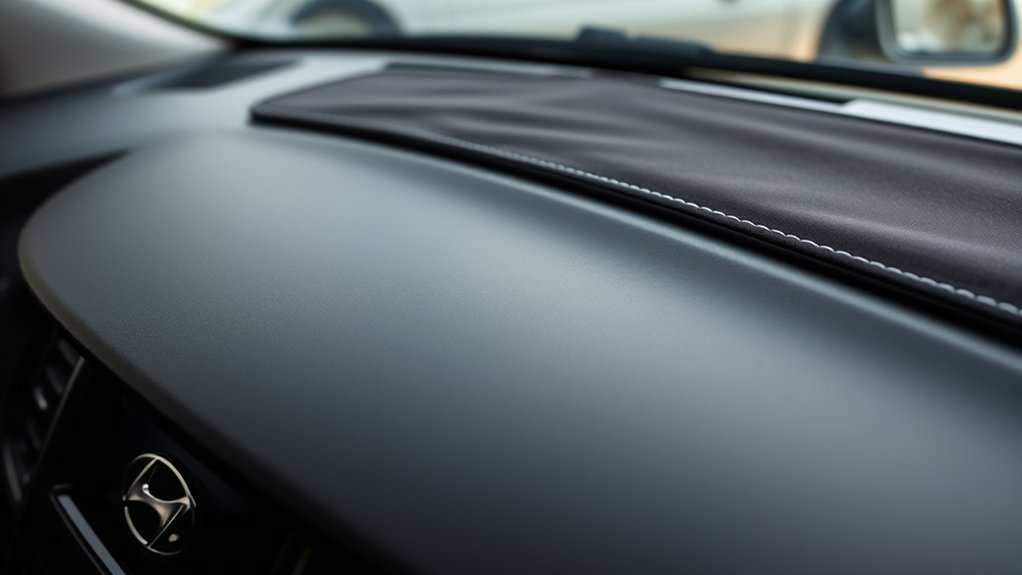
Wondering where to find a quality dash cover for your Hyundai Sonata? Start with your Hyundai dealer or a reputable parts and accessories seller that lets you filter by exact year, model, and trim. Phil Gilbert Hyundai is one dealer option for Hyundai genuine accessories, but always confirm whether a dashboard cover is offered for your specific Sonata and whether it meets the safety guidance in your owner’s manual.
Before buying, use this checklist:
- Match the exact vehicle: Select the correct Sonata year, body style, trim, left-hand or right-hand drive layout, and feature package.
- Review cutouts carefully: Look for openings for vents, defrost outlets, speakers, light sensors, alarm indicators, and available HUD areas.
- Check the airbag warning: Avoid any cover that sits over or near the passenger airbag area or instrument panel airbag module.
- Choose a matte finish: Low-glare materials are better for driving comfort and visibility.
- Read the return policy: A safe fit is not guaranteed until you test it on your actual dashboard.
- Compare real photos: Product renderings can hide fit issues, so look for customer photos on the same Sonata generation.
A dashboard cover should protect your Sonata’s interior, not create a new safety or visibility problem. If it blocks an airbag area, vent, sensor, speaker, or HUD opening, it is the wrong cover.
Daily Dashboard Protection Routine
A few small habits will do more for your Sonata dashboard than one heavy cleaning session every few months.
- When parking outside: Use a windshield sunshade and crack windows only if it is safe and legal where you are parked.
- Once a week: Dust the dashboard with a clean microfiber towel or soft brush.
- Every few weeks: Vacuum vents and seams so dust does not collect around the windshield base.
- Every 1–2 months: Wipe the dashboard with a damp microfiber towel and reapply a matte UV protectant as directed on the product label.
- Before road trips: Remove loose objects from the dash. They can slide, distract you, or become hazards in sudden braking.
Frequently Asked Questions
How do I clean a Hyundai Sonata dashboard safely?
Vacuum or brush away loose dust first. Then wipe the dashboard with a microfiber towel lightly dampened with water or a mild non-detergent cleaner diluted in warm water. Dry with a second towel. Do not spray cleaner directly onto the dash, screens, vents, seams, or buttons.
What can I use to protect my car dashboard from sun damage?
Use a windshield sunshade when parked, keep the dashboard clean, and apply a matte automotive UV protectant that is safe for interior plastic or vinyl. Covered parking also helps. A dash cover can add protection, but only if it fits correctly and does not interfere with airbags or sensors.
Is a dash cover safe for a Hyundai Sonata?
A dash cover is only safe if it is compatible with your exact Sonata and kept clear of the airbag modules, instrument panel airbag areas, vents, sensors, speakers, windshield glass, and HUD opening. If the cover rests over the passenger airbag area or needs permanent attachment, do not use it.
How do I protect a car dashboard from scratches?
Keep keys, tools, phone mounts, hard objects, and air freshener containers off the dashboard. Dust before wiping so grit does not scratch the surface. Use microfiber towels instead of paper towels, and avoid abrasive pads or stiff brushes.
Should I use a shiny dashboard protectant?
No. A shiny or greasy dashboard can reflect into the windshield and attract more dust. Choose a matte or natural-finish protectant, apply it lightly, and buff the surface dry with a clean microfiber towel.
Can I use household cleaners on my Sonata dashboard?
Avoid harsh household cleaners, ammonia, bleach, strong degreasers, and solvent-based products. They can discolor interior trim, leave residue, or affect sensitive surfaces. Use plain water or a mild cleaner intended for automotive interiors, and test it on a hidden area first.
Conclusion
Protecting your Hyundai Sonata’s dashboard is not complicated, but it does need a careful approach. Clean with gentle products, use a windshield sunshade when parked, avoid glossy dressings, and keep loose objects off the dash. If you choose a quality dash cover, make sure it is custom-fit for your Sonata and safe around airbags, vents, sensors, speakers, and the HUD area. Do that, and your Sonata’s interior will stay cleaner, safer, and better-looking for years.
Sources
- Hyundai Owner’s Manual: Interior Care — supports dashboard cleaning guidance for interior surfaces.
- Hyundai Owner’s Manual: Airbag Locations — supports warnings about objects near airbag modules and the instrument panel.
- National Weather Service: Children, Pets and Vehicles — supports information about dashboard heat buildup in parked vehicles.
- MyHyundai Manuals & Warranties — supports checking the correct owner’s manual for a specific Sonata model year.
- Polymers: UV Exposure and Automotive Polymer Components — supports the relationship between UV exposure and cosmetic changes in automotive plastic materials.
- Phil Gilbert Hyundai Genuine Accessories — supports dealer accessory availability and warranty context.