
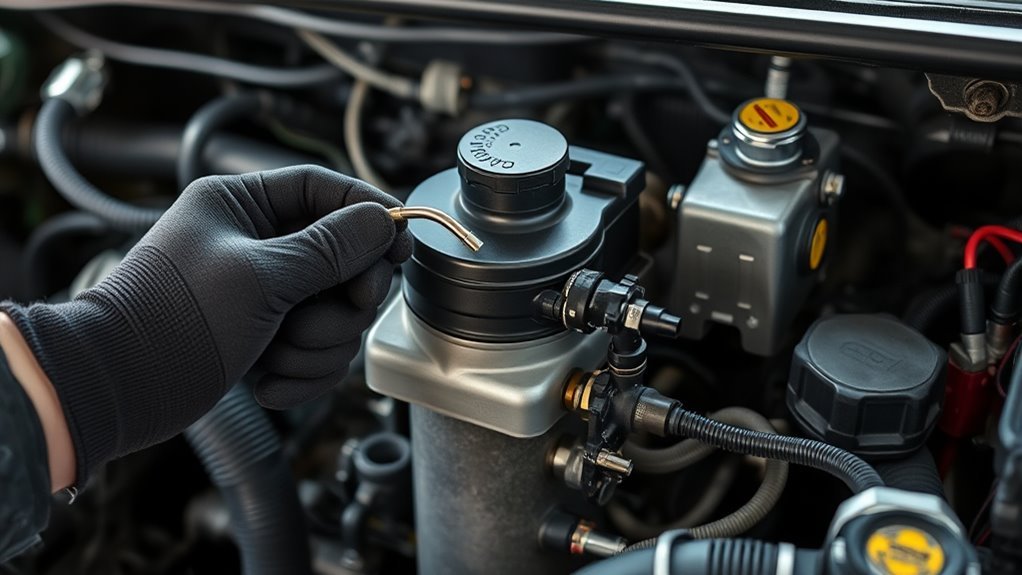
Your Toyota 4Runner’s EVAP system keeps gasoline vapors sealed inside the fuel system instead of letting them escape into the air. It stores vapors in a charcoal canister, then the engine computer opens purge and vent valves at the right time so those vapors can be burned in the engine. When the system cannot hold pressure or purge correctly, you may see codes such as P0441, P0455, or P0456. Start with the gas cap and visible hoses, then move to scan-tool, smoke-test, or dealer-level diagnostics if the code returns.
Quick Answer
The EVAP system on a Toyota 4Runner captures fuel vapors, stores them in a charcoal canister, and purges them into the engine under computer control. Common trouble codes usually point to a loose gas cap, cracked EVAP hose, stuck purge valve, vent valve problem, or small system leak.
Key Takeaways
- Check the gas cap seal first because a loose, damaged, or non-sealing cap can trigger EVAP leak codes.
- P0441 usually means incorrect purge flow, while P0455 points to a large leak and P0456 points to a very small leak.
- Do not top off the tank after the pump clicks off because liquid fuel can stress EVAP components.
- Use smoke testing, Techstream, or a qualified shop when basic checks do not find the leak.
At a Glance
| Time Required | 10–30 minutes for basic checks; 1–2 hours for smoke testing or shop diagnostics |
| Difficulty | Easy for gas cap and hose checks; moderate to advanced for valve testing and smoke testing |
| Tools Needed | OBD-II scanner, flashlight, gloves, basic hand tools, vacuum pump, smoke machine, or Toyota Techstream for deeper tests |
| Cost | Often $15–$40 for a fuel cap; more for valves, hoses, canister work, or professional diagnostics |
EVAP System on a Toyota 4Runner: Quick Owner Takeaway
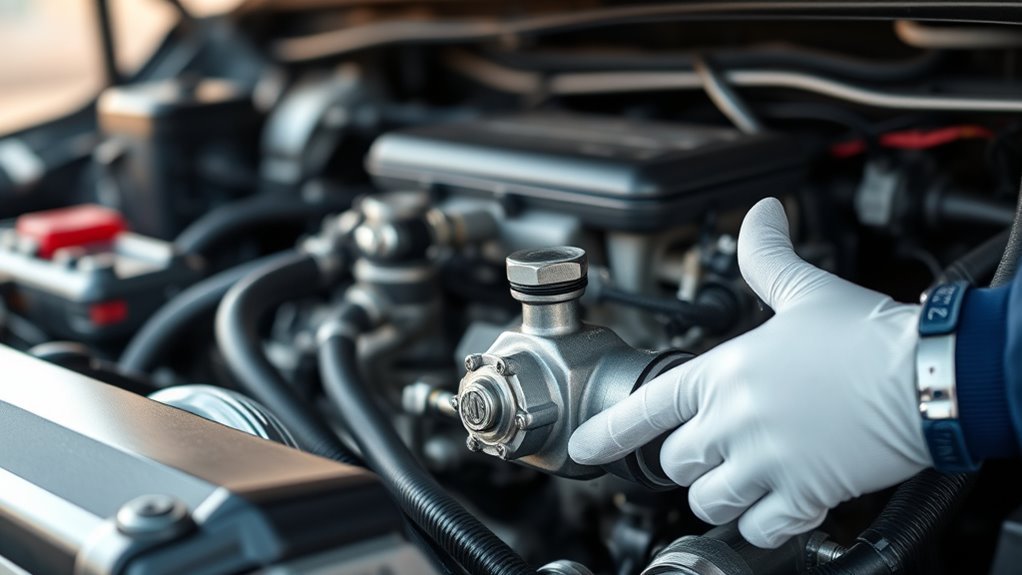
The EVAP system on your Toyota 4Runner is a sealed vapor-control system. Fuel vapors leave the tank through EVAP lines, collect in the charcoal canister, and later move through the purge valve into the intake so the engine can burn them. The engine computer uses pressure data and valve commands to check whether the system is sealed and purging correctly. Modern OBD systems are designed to detect emission-control faults, store diagnostic trouble codes, and alert the driver through the malfunction indicator light, as outlined in 40 CFR 86.1806-17.
For most owners, the practical takeaway is simple: check the gas cap first, inspect visible hoses second, and only replace parts after you confirm the problem. A small leak code such as P0456 can come from a cap seal, hose, fitting, purge valve, vent valve, canister, or filler-neck area. Component layout and part names can vary by 4Runner model year, so use your exact Toyota owner’s manual and warranty guide when you need year-specific details.
Warning: EVAP work involves fuel vapors. Work in a well-ventilated area, keep sparks and open flames away, avoid smoking, let hot exhaust parts cool, and do not force compressed air into the EVAP system. If you smell strong fuel odor or see wet fuel, stop and have the vehicle inspected.
EVAP Components on a 4Runner: Gas Cap, Canister, Valves, Sensors
Think of the 4Runner EVAP system as a sealed loop with a few key parts. The gas cap seals the filler neck. The charcoal canister stores fuel vapors. The purge valve controls when stored vapor enters the engine. The vent valve helps the system breathe during normal operation and seal during leak checks. A fuel tank pressure sensor or related pressure-monitoring strategy helps the computer detect leaks and abnormal purge flow.
The gas cap is the easiest place to start. A worn seal, damaged cap, or cap that is not tightened fully can keep the system from holding pressure. The canister and hoses deserve a careful look, too. Check for cracked rubber, loose fittings, broken plastic lines, missing clips, or impact damage near the rear of the vehicle. If your 4Runner has been driven off-road, inspect the canister area and EVAP lines for rock damage or mud-packed connectors.
The purge valve should stay closed when it is not commanded open and should open when the computer commands purge. A valve stuck open can cause rough idle after refueling, hard starts, or fuel vapor odor. A valve stuck closed can prevent stored vapor from clearing out of the canister and may set purge-flow codes. The vent valve can also stick or become blocked by dust, mud, or debris, which can cause leak codes or trouble filling the tank.
How EVAP Vapors Flow During Driving and Refueling
When fuel warms up or the tank is filled, gasoline vapors move from the tank into the EVAP system instead of venting directly to the air. The charcoal canister stores those vapors until engine conditions are right. Then the engine computer opens the purge valve in a controlled way so intake vacuum can draw vapor into the engine.
During refueling, the tank and filler-neck venting path must let displaced vapor move correctly. If the vent path is blocked, the pump nozzle may click off again and again. That symptom can come from a restricted vent line, saturated canister, stuck vent valve, damaged filler-neck component, or other model-specific EVAP fault. Do not keep topping off the tank after the nozzle clicks off. Repeated topping off can push liquid fuel toward parts that are meant to handle vapor, not liquid.
Federal evaporative-emissions rules also explain why this sealed system matters. Gasoline vehicles must meet evaporative and refueling emission standards, including limits for diurnal, hot-soak, running-loss, and fuel-system leak behavior under current regulations such as 40 CFR 86.1813-17.
Note: EVAP monitors do not always run immediately after you clear a code. Fuel level, temperature, drive time, and parked soak time can affect when the monitor completes. If you clear codes before inspection, confirm readiness status with a scan tool.
Common EVAP Codes on 4Runner: P0441, P0455, P0456
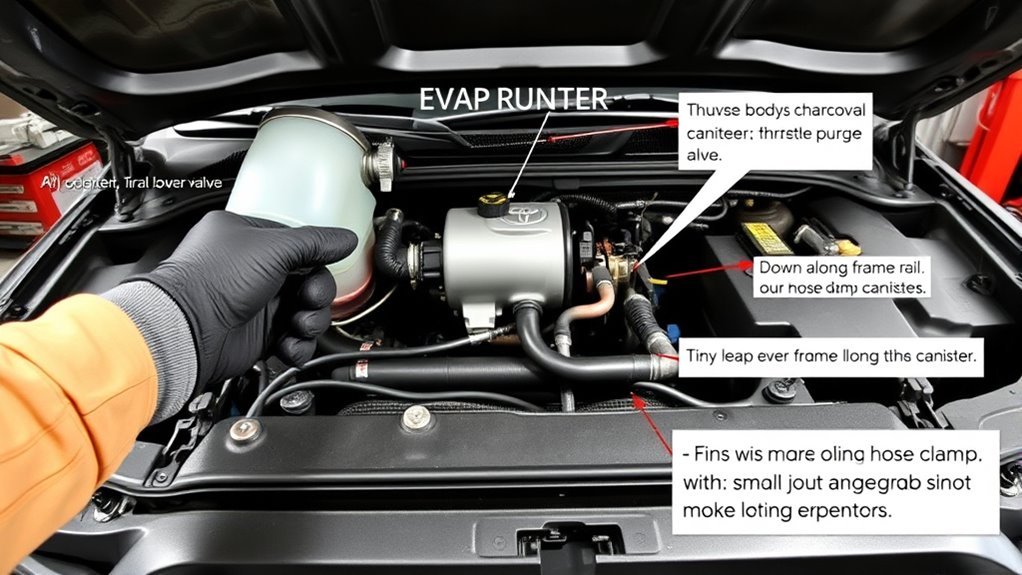
EVAP codes help you choose a diagnostic path, but they do not automatically name the failed part. Read the code, save the freeze-frame data if your scanner allows it, and check for related codes before replacing anything.
| Code | Plain-English Meaning | Common Checks |
|---|---|---|
| P0441 | Incorrect purge flow. The system is seeing purge flow when it should not, or not enough purge flow when purge is commanded. | Purge valve, purge line, vacuum leak, electrical connector, pressure sensor data, related EVAP codes. |
| P0455 | Large EVAP leak or no purge flow. The system cannot hold pressure well enough for the monitor to pass. | Loose or faulty gas cap, disconnected hose, cracked line, canister damage, vent valve stuck open. |
| P0456 | Very small EVAP leak. On many newer OBD systems, this can be triggered by a tiny leak that is hard to see. | Cap seal, hairline hose cracks, loose fittings, purge or vent valve seepage, canister seam leak, smoke test. |
A persistent check engine light, fuel smell, failed emissions test, or repeated code after clearing the scanner means the system needs a real diagnosis. Do not assume the charcoal canister is bad just because an EVAP code is present. Many EVAP repairs start with a cap, hose, seal, or valve.
[Products Worth Considering]

AutoLine Pro HyperSmoke is a professional automotive smoke tester designed to quickly find EVAP, vacuum, intake, boost, exhaust, and other leak sources with thick visible smoke. It features adjustable pressure, built-in air compressor motor, instant warmup, and OEM approved smoke fluid for safe, accurate diagnostics across a wide range of vehicles and systems. The kit includes essential accessories and is backed by a full coverage warranty for dependable shop or garage use.

This replacement gas cap is designed for a wide range of Toyota and Lexus models, offering a direct-fit solution for restoring a proper seal at the fuel tank. It helps address check engine light issues related to the fuel cap while providing easy installation and dependable performance. Built from durable materials and rigorously tested before shipping, it is a practical replacement for worn or damaged fuel caps.

This replacement gas cap is designed to restore a tight fuel-tank seal, helping reduce vapor leaks, prevent check engine light issues, and maintain proper fuel system performance. Built in OE-style form for a wide range of Toyota and Lexus vehicles, it offers a direct DIY fix with durable materials for reliable, long-lasting use.
Simple EVAP DIY Checks for 4Runner: Gas Cap, Hoses, Purge Valve
After you read codes such as P0441, P0455, or P0456, start with checks that are safe and low-cost. Do these before ordering expensive parts.
If you see P0441, P0455, or P0456, start with the gas cap, visible EVAP hoses, and purge-valve behavior before replacing the canister.
- Confirm the gas cap: Tighten it until it clicks, inspect the seal for cracks or flattening, and make sure the cap is the correct type for your 4Runner.
- Inspect visible hoses and lines: Look for cracks, hard rubber, loose fittings, chafing, broken clips, or disconnected lines near the engine bay, tank, and canister area.
- Look for fuel or canister damage: A canister that smells strongly of raw fuel or shows wetness may be saturated or damaged and should be inspected carefully.
- Check purge valve behavior: If you have the right tools, test whether the purge valve holds vacuum when closed and opens when commanded. A scan tool or Toyota-specific diagnostic tool is safer than guessing.
- Clear only after documenting: Record the code, freeze-frame data, and symptoms before clearing anything. That helps if the code returns.
Pro Tip: If the gas cap seal looks questionable, replacing the cap is often cheaper than paying for diagnostic time. Use a cap that matches your 4Runner’s model year and emissions setup.
[Products Worth Considering]

This OEM replacement fuel tank gas cap is designed for a wide range of Toyota, Lexus, and Scion vehicles, helping restore a proper seal for reliable everyday driving. It helps reduce fuel vapor leakage, may prevent check engine light issues caused by a faulty cap, and offers durable construction for long-lasting performance. Installation is simple with a direct-fit design that twists into place quickly.

The FOXWELL NT301 is a plug-and-play OBD2 code reader designed to help drivers and home mechanics diagnose check engine light issues with ease. It reads fault codes, clears emissions-related warnings, displays live sensor data in graph form, and shows I/M readiness so you can quickly check vehicle status before an emissions test. With broad compatibility across many OBD2 vehicles and a clear color screen, it offers a practical, user-friendly way to monitor and troubleshoot engine performance.

This replacement gas cap is designed to fit a wide range of Toyota and Lexus models, helping restore a secure seal for the fuel tank. It is built as a direct replacement for easy installation and reliable everyday use, with compatibility verified by part number to help ensure the right fit. Backed by warranty support and customer service, it is a practical solution for replacing a worn, cracked, or failing fuel cap.
Advanced EVAP Diagnostics: Smoke Test, Vacuum Test, Techstream
If simple checks do not find the fault, move to controlled testing. A smoke machine can show leaks that are too small to see. Low-pressure smoke is introduced into the EVAP system, and the technician watches for smoke escaping at hoses, fittings, valves, the canister, the fuel cap area, or the filler neck.
A vacuum test can help confirm whether a purge valve, line, or sealed section holds vacuum. Use the factory procedure for your model year because EVAP routing and valve logic can vary. Toyota’s Technical Information System is the official source for Toyota repair manuals, wiring diagrams, diagnostics, and Techstream scantool software information.
Techstream or a capable Toyota scan tool can command EVAP valves, read pressure data, run active tests, and help confirm whether the issue is mechanical, electrical, or control-related. This is especially useful when the code returns but the cap and hoses look fine.
| Test | Purpose |
|---|---|
| Smoke testing | Finds tiny leaks at hoses, fittings, valves, cap area, canister, or filler-neck parts. |
| Vacuum testing | Checks whether a valve or line holds vacuum when it should be sealed. |
| Techstream | Commands valves, reads live data, and runs Toyota-specific active tests. |
| Combined testing | Confirms whether the fault is a leak, stuck valve, wiring issue, or pressure-sensor problem. |
[Products Worth Considering]

FOXWELL NT201 is an easy-to-use OBD2 scanner designed to help drivers quickly read and clear check engine codes, view live engine data, and check emissions readiness. Its color screen, one-key I/M readiness test, and broad compatibility with most gasoline vehicles since 1996 make it a practical tool for everyday diagnostics and maintenance. With plug-and-play operation and lifetime free updates, it offers a simple way to understand vehicle issues without expensive shop visits.

The BLCKTEC 440 Bluetooth OBD2 scanner helps drivers and DIY mechanics quickly read and clear trouble codes, monitor live data, and check emissions readiness with confidence. Its color display, graphing capabilities, and battery and charging system testing make it a versatile diagnostic tool for OBD-compliant vehicles. Designed for plug-and-play convenience, it runs directly from your vehicle and includes support for report sharing and ongoing updates.

This replacement gas cap is designed for a wide range of Toyota and Lexus vehicles, offering a direct-fit solution for worn, cracked, or failing fuel caps. Built from durable materials and tested for reliability, it helps restore a secure seal and supports dependable everyday driving. It is a practical replacement part for owners looking for an easy installation and broad vehicle compatibility.
EVAP Repairs, Maintenance Tips, and When to See the Dealer
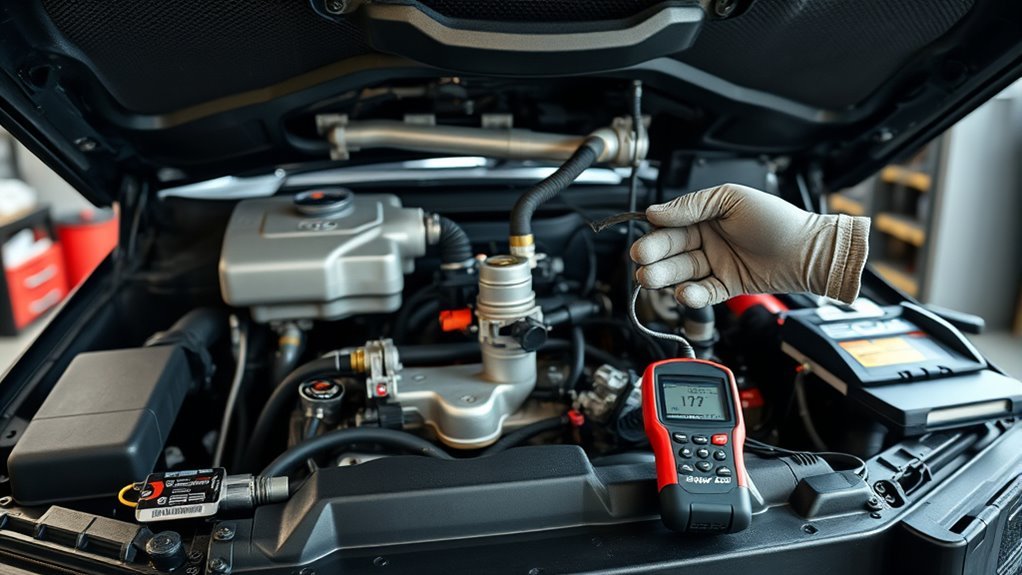
EVAP repairs should be based on test results, not guesses. You can handle basic checks, but some faults need a smoke machine, factory scan data, or a lift. If your 4Runner is still within warranty, check your model-year warranty guide and ask the dealer whether the repair may fall under emissions warranty coverage. You can also check VIN-specific recall information through the NHTSA recall lookup.
Routine Visual Inspections
A routine visual inspection should include the gas cap, filler-neck area, EVAP hoses, charcoal canister, purge valve connector, vent valve connector, and visible wiring. Look for cracked hoses, loose clamps, broken plastic fittings, abrasion, corrosion, mud, or signs of fuel saturation.
- Gas cap: Check the seal, threads, and click-tight engagement.
- Hoses: Look for cracks, rubbing, loose fittings, and disconnected lines.
- Charcoal canister: Check for impact damage, fuel odor, wetness, or cracked seams.
- Valves and connectors: Confirm that wiring plugs are seated and not corroded.
Common DIY Fixes
Common DIY fixes include replacing a damaged gas cap, repairing a cracked hose, reconnecting a loose EVAP line, or replacing a purge valve that fails a proper test. If you replace a hose, use fuel-vapor-rated hose where required and route it away from hot or moving parts. If a purge valve is stuck open, you may notice rough idle or hard starting after refueling. If the vent path is restricted, the fuel pump may click off repeatedly while filling.
After a repair, clear the code only after recording the original code and symptoms. Then drive the 4Runner long enough for the EVAP monitor to run. If the monitor stays incomplete or the same code returns, the original problem may still be present.
Dealer Diagnostic Steps
See a dealer or qualified shop when the code returns after basic checks, when you smell strong fuel odor, when the canister area is wet with fuel, when the vehicle is still under possible warranty coverage, or when you need Toyota-specific active tests. Dealer-level diagnostics may include:
- Smoke testing to find small or hidden leaks.
- Techstream active tests for purge and vent valve operation.
- Live pressure-data review during EVAP monitor operation.
- Physical inspection of the cap, filler neck, hoses, canister, purge valve, vent valve, and wiring.
- Warranty, emissions coverage, or recall review by VIN and model year.
Frequently Asked Questions
What are the symptoms of a bad EVAP system on a Toyota 4Runner?
Common symptoms include a check engine light, codes such as P0441, P0455, or P0456, fuel vapor smell, failed emissions inspection, hard starting after refueling, rough idle after filling the tank, or a fuel pump nozzle that keeps shutting off. Many EVAP faults do not cause obvious drivability problems.
Why does the gas pump keep shutting off when I put gas in my 4Runner?
The pump may shut off early when the tank cannot vent correctly during refueling. Possible causes include a restricted vent path, stuck vent valve, saturated charcoal canister, damaged filler-neck component, or blocked EVAP line. Stop topping off and inspect the EVAP and filler-neck system.
Can I drive a 4Runner with an EVAP code?
You can often drive short-term if the vehicle runs normally and there is no raw fuel smell, but you should diagnose the problem soon. EVAP codes can cause emissions-test failure, hide new check-engine issues, and may point to a leak or valve problem that gets worse over time.
Will a loose gas cap cause P0456 or P0455?
Yes. A loose, damaged, or wrong gas cap can cause a small or large EVAP leak code. Tighten the cap until it clicks, inspect the seal, and replace it if the rubber is cracked, flattened, or contaminated. If the code returns, continue with hose, valve, and smoke-test diagnostics.
Do I need Toyota Techstream for EVAP diagnostics?
Not for the first checks. A basic OBD-II scanner, flashlight, and visual inspection can catch many problems. Techstream becomes useful when you need Toyota-specific active tests, live pressure data, freeze-frame details, or valve commands that a basic scanner cannot provide.
Conclusion
The Toyota 4Runner EVAP system is there to keep fuel vapors contained, store them in the charcoal canister, and burn them through controlled purge flow. When codes such as P0441, P0455, or P0456 appear, begin with the simple checks: gas cap, visible hoses, connectors, canister condition, and obvious damage. If the code returns, use smoke testing, vacuum testing, and Toyota-specific scan data before replacing expensive parts. For strong fuel odor, wet fuel, stubborn leaks, or possible warranty coverage, let a dealer or qualified shop handle the next step.
Sources
- eCFR 40 CFR 86.1806-17 — OBD requirements, DTC storage, MIL behavior, and EVAP leak-monitor context.
- eCFR 40 CFR 86.1813-17 — evaporative and refueling emission standards for regulated vehicles.
- Toyota Technical Information System — Toyota repair manuals, wiring diagrams, diagnostics, and Techstream information.
- Toyota Manuals and Warranties — owner’s manuals and warranty guide access by vehicle.
- NHTSA Recall Lookup — VIN-specific recall and manufacturer communication lookup.





[…] scan before you clean or replace parts, because misfire, lean-mixture, MAF, throttle-control, and EVAP purge codes can point you toward the real fault. Then inspect the intake duct, throttle body, vacuum […]
[…] Warning: Do not keep clicking the nozzle after the pump shuts off. Topping off can overfill the tank and may send fuel into the evaporative-emissions system. […]
[…] EVAP system keeps raw fuel vapors from escaping into the air. It stores vapors in a charcoal canister, then the […]
[…] has detected a very small leak in the evaporative emission control system, usually called the EVAP system. In most cases, the car will still drive normally, but the check engine light can stay on, […]
[…] EVAP system in your Hyundai Sonata captures gasoline vapors, stores them in a charcoal canister, and sends them […]