
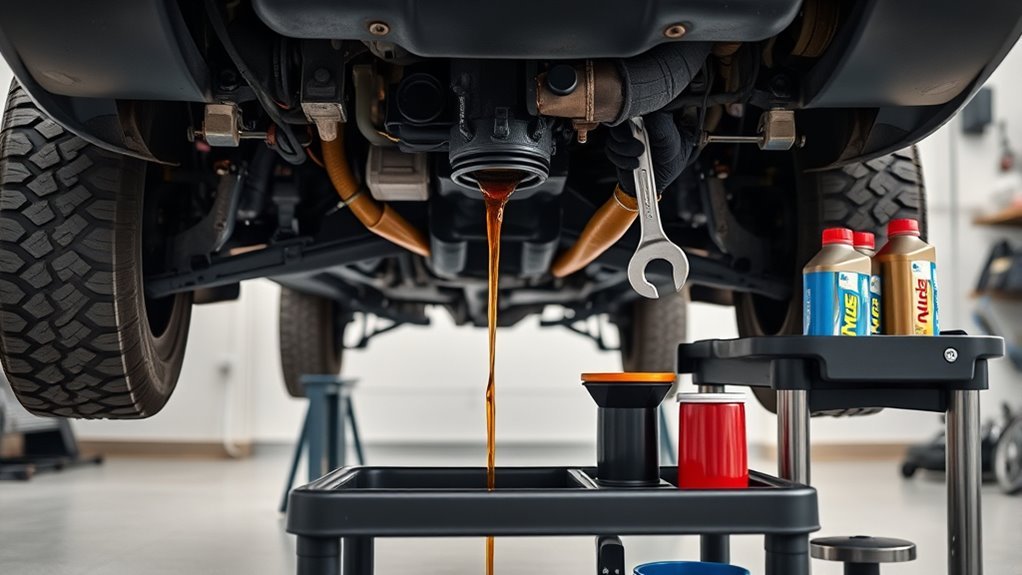
A Toyota 4Runner oil change is a manageable driveway job once you identify the engine and oil-filter style. Most 2010–2024 U.S.-market 4Runners with the 4.0-liter V6 use SAE 0W-20, a replaceable cartridge filter, and a 6.6-quart reference capacity with the filter changed. The 2025–2026 2.4-liter sixth-generation powertrains use a different service layout and are commonly listed at 5.9 quarts with the filter changed. Always confirm the oil grade, capacity, filter, and tightening specifications for your VIN before opening the drain plug.
The main mistakes to avoid are using the V6 specification on the uncommon 2010 four-cylinder, buying the wrong filter style, reusing a drain-plug gasket, missing a cartridge-filter O-ring, overtightening a housing, overfilling the engine, and skipping the post-start leak check.
Last updated: July 22, 2026 — model-year scope, Toyota filter references, maintenance guidance, disposal guidance, external links, and schema reviewed.
Quick Answer
To change 4Runner oil, warm the engine briefly, park on level ground, and support the vehicle safely if extra clearance is required. Remove the skid plate or access cover only if it blocks the drain plug or filter. Drain the oil with a 14mm socket, replace the correct cartridge or spin-on filter and every supplied seal, install a new drain-plug gasket, and refill with the VIN-correct amount of 0W-20. Start the engine, check for leaks, shut it off, wait more than five minutes, and set the final level with the dipstick.
Key Takeaways
- Most 2010–2024 U.S.-market 4Runners with the 4.0-liter V6 use SAE 0W-20 and have a 6.6-quart reference capacity with the filter changed. The 2010 2.7-liter four-cylinder is an exception and requires its engine-specific manual.
- The 2025–2026 2.4-liter sixth-generation powertrains are commonly listed at 5.9 quarts with the filter changed. Confirm the value for your VIN and use the dipstick for the final level.
- The common fifth-generation setup uses a replaceable cartridge element. A cartridge kit may include a large housing O-ring and a smaller center-cap O-ring. Use every seal supplied with the correct kit.
- Many sixth-generation models use a spin-on filter. Always confirm that the old filter gasket came off with the old filter.
- Replace the drain-plug gasket at every oil change and use Toyota service information for the correct tightening value. Do not apply a drain-plug specification to a filter housing.
- Never work under a vehicle supported only by a jack. Use ramps or jack stands on a solid, level surface.
At a Glance
| Time Required | 45–90 minutes for a careful DIY oil change |
| Difficulty | Beginner to intermediate |
| Confirm Before Starting | Model year, engine, oil grade, reference capacity, filter style, parts fitment, and tightening specifications |
| Tools Needed | 14mm socket, ratchet, drain pan, funnel, torque wrench, gloves, rags, ramps or jack stands, skid-plate tools, and the correct filter tool |
| Parts Needed | Correct engine oil, correct filter, every supplied filter seal, and a new drain-plug gasket |
Which 4Runner Oil Capacity and Filter Style Apply?
Identify the engine and filter before draining the oil. Do not rely only on the generation name because the 2010 model year included a less-common four-cylinder configuration, and the sixth-generation service layout differs from the older V6.
| Model Years and Engine | Typical Oil | Reference Capacity With Filter | Filter Style | What to Verify |
|---|---|---|---|---|
| 2010–2024 4.0L V6 | SAE 0W-20 | 6.6 qt | Replaceable cartridge element | Filter kit, housing tool, all supplied O-rings, and service specifications |
| 2010 2.7L four-cylinder | Use the engine-specific manual | Do not use the V6 figure | Verify by engine and VIN | Oil grade, capacity, filter, and tightening specifications |
| 2025–2026 2.4L turbo or hybrid | SAE 0W-20 | Commonly listed at 5.9 qt | Spin-on filter on many models | VIN fitment, filter instructions, manual capacity, and final dipstick level |
Use those capacities as planning references, not automatic fill amounts. Toyota publishes model-year manuals and maintenance guides through the Toyota Owners manuals portal. Use the documentation for your exact model year and VIN as the final reference.
[Products Worth Considering]

This genuine OEM oil filter is designed for Toyota and Lexus vehicles, helping deliver a precise fit and dependable engine protection. Its advanced filtration media captures harmful contaminants while maintaining proper oil flow for consistent performance. Built to factory specifications, it supports reliable maintenance and straightforward replacement during routine oil changes.

The Funnel King 32950 Oil Drain Pan is a compact fluid catch basin designed for clean, easy draining during routine maintenance. Its open shape and pour edge help transfer used oil, coolant, and other shop fluids with less mess, while the lightweight polypropylene construction stands up to common automotive chemicals. Sized to fit under many cars and small engines, it is a practical choice for garages, workshops, and DIY oil changes.
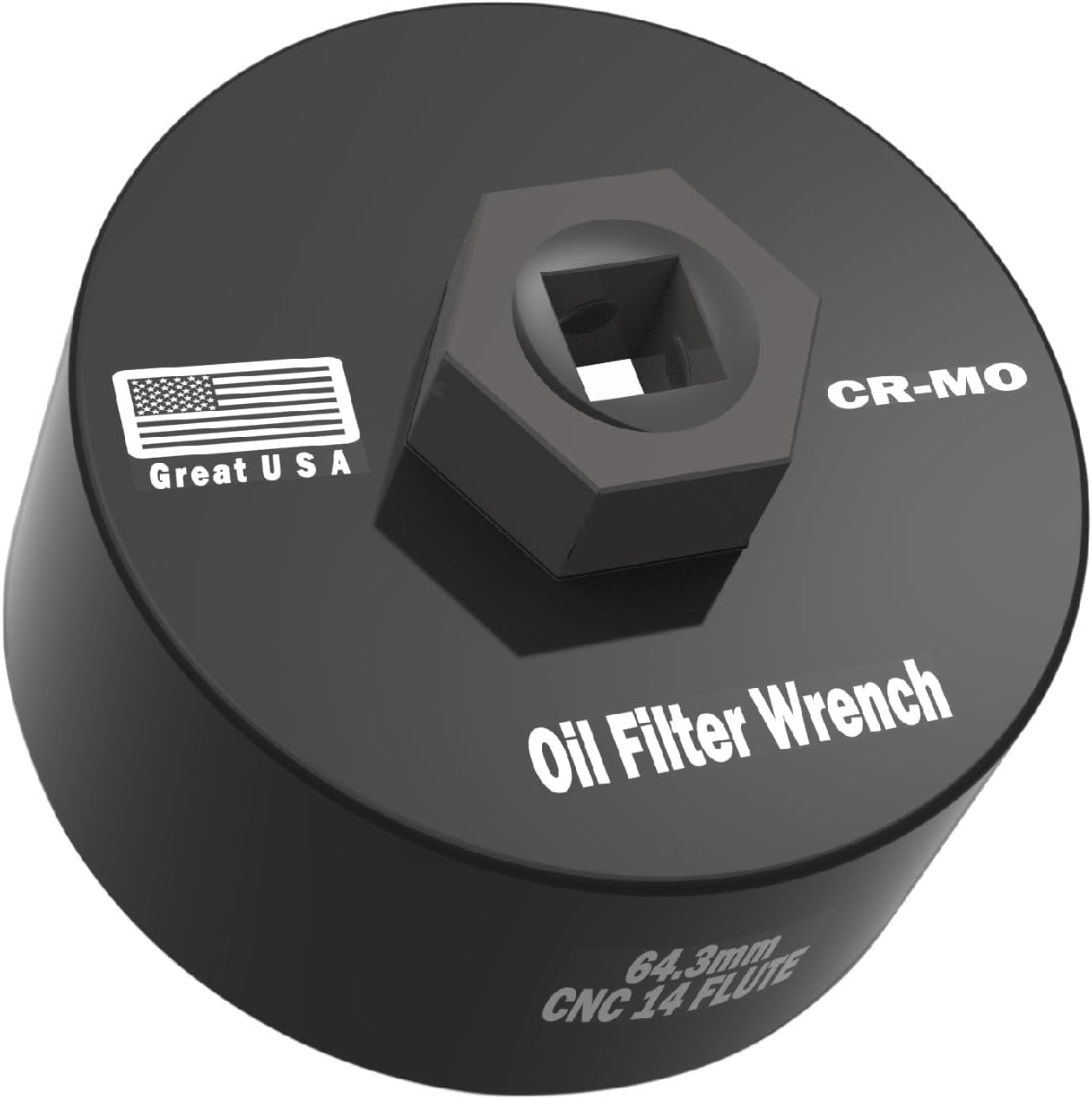
This precision oil filter wrench is designed for Toyota and Lexus cartridge-style filters, delivering a secure 14-flute fit for smooth removal and installation without slipping. Made from hardened chrome-molybdenum steel with a low-profile design, it works well in tight engine spaces and pairs with common drive tools for easier oil changes.
Where Are the Drain Plug and Oil Filter?
On a fifth-generation 4Runner, expect to work beneath the vehicle and remove the skid plate or access panel if it blocks the drain plug or cartridge housing. Keep every fastener organized and note its original position before removal.
On a 2025–2026 sixth-generation 4Runner, the underbody panels and filter access differ from the older V6 layout. Locate the service opening, drain plug, and filter before draining the oil so you know which covers and tools are required.
Hybrid safety: On an i-FORCE MAX model, remove only the access panel needed for the oil change. Do not touch orange high-voltage cables, connectors, battery components, or unrelated underbody covers. Stop if oil-filter access appears to require disturbing a high-voltage component.
How Much Oil Should You Add Initially?
Add about half a quart less than the verified with-filter capacity. Start the engine briefly, shut it off, and wait more than five minutes on level ground. Then use the dipstick to bring the level into the marked range. For a more detailed dipstick procedure, see the guide to checking Toyota 4Runner oil level.
Pro Tip: The published capacity is a reference quantity. The dipstick reading after the correct wait period is the final check, so approach the upper mark in small increments instead of pouring in the entire listed amount at once.
How to Change Toyota 4Runner Oil in 5 Steps
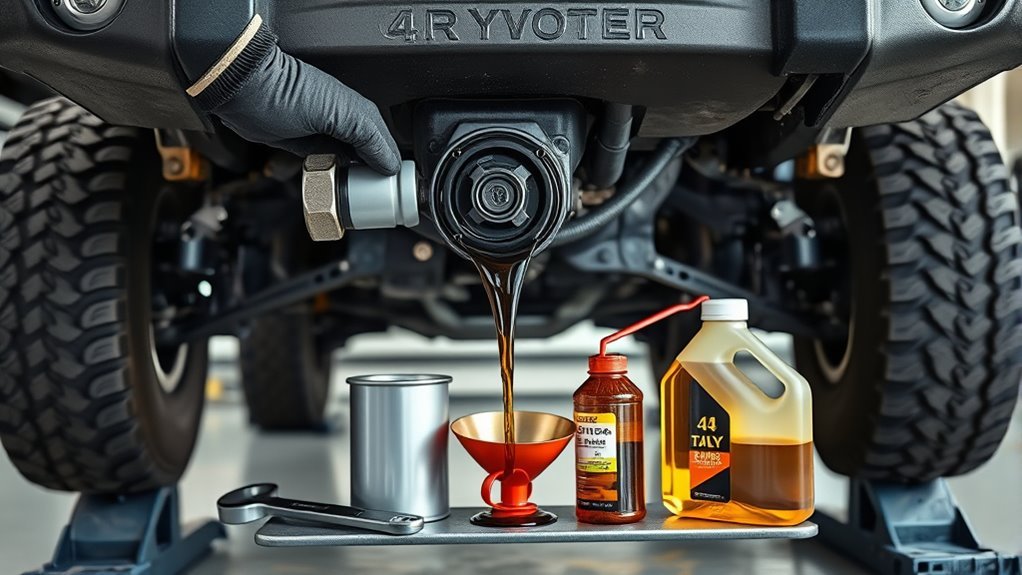
- Warm and secure the vehicle. Run the engine for about five minutes, park on level ground, set the parking brake, chock the wheels, and use ramps or jack stands if additional clearance is required.
- Drain the old oil. Remove the skid plate or access panel if it blocks access, loosen the oil fill cap, position the drain pan, and remove the drain plug with a fully seated 14mm socket.
- Replace the filter. Use the correct cartridge or spin-on procedure. Replace every supplied O-ring or gasket, confirm the old seal is removed, and lubricate the new seal with clean engine oil.
- Reinstall and refill. Install a new drain-plug gasket, start the plug by hand, tighten it to the VIN-correct service specification, and add slightly less than the verified capacity.
- Check your work. Start the engine, confirm the oil-pressure warning goes out promptly, inspect for leaks, shut the engine off, wait more than five minutes, and set the final level with the dipstick.
Warning: Engine oil can be hot enough to burn skin. Wear gloves, keep your face and arms away from the first rush of oil, and never crawl under a 4Runner that is supported only by a jack.
What Tools and Parts Do You Need?
Gather everything before loosening the drain plug. A clean, organized setup reduces spills, prevents delays, and limits the temptation to reuse an old seal or force the wrong tool.
[Products Worth Considering]

Castrol EDGE 0W-20 advanced full synthetic motor oil is engineered for drivers seeking strong wear protection, excellent viscosity control, and thermal stability. It delivers superior performance in critical engine areas, including fuel economy, high-temperature protection, sludge control, and wear defense. Designed for extended oil-change intervals, it helps keep modern engines running smoothly under demanding conditions.

These genuine Toyota oil drain plug gaskets are designed to help maintain a reliable seal during oil changes, reducing the chance of leaks and supporting proper engine maintenance. With an OEM fit and trusted Toyota quality, they are a practical choice for routine service on compatible vehicles. The convenient quantity pack is ideal for keeping multiple maintenance intervals covered.

This 64mm oil filter wrench is designed to make oil filter housing removal and installation easier on compatible Toyota, Lexus, and Scion vehicles. Its 14-flute, 6-slot design provides a secure fit for cartridge-style filter systems, while the durable die-cast aluminum construction helps ensure long-lasting use in tight engine spaces.
Essential Tools Overview
- 14mm six-point socket and ratchet: For the engine-oil drain plug on the configurations covered here.
- Skid-plate tools: Bolt and clip sizes can vary by model year and aftermarket skid plate.
- Torque wrench: Use it for final tightening according to Toyota service information. Do not use it as a breaker bar.
- Oil-filter tool: A fifth-generation cartridge housing commonly needs a correctly fitting cap-style wrench. A spin-on filter wrench should normally be used only for removal.
- Filter-drain tool when supplied: Some cartridge kits include a plastic tool for draining the housing before removal.
- Drain pan and funnel: Use a pan that can hold at least 8 quarts.
- Nitrile gloves, rags, and cardboard: These reduce skin contact and make fresh leaks easier to identify.
- Ramps or jack stands: Use stable supports on solid, level ground. Never rely on a hydraulic jack alone.
Required Parts List
- Engine oil: Use the viscosity and performance specification listed in the owner’s manual. The common modern configurations covered here typically specify SAE 0W-20.
- Oil filter: For many 2010–2024 fifth-generation models, verify a cartridge element such as Toyota 04152-YZZA5. For many 2025–2026 sixth-generation configurations, verify a spin-on filter such as Toyota 90915-YZZN1.
- New drain-plug gasket: Toyota describes its oil drain-plug gasket as a single-use part. Replace the correct VIN-matched gasket at every oil change.
- Every supplied filter seal: A cartridge kit may include a large housing O-ring and a smaller center-cap O-ring. A spin-on filter has an attached rubber gasket.
Note: Part numbers can change because of engine, production date, region, and supersession. Confirm fitment with the VIN through Toyota’s parts catalog or an authorized Toyota parts department before buying.
How Should You Prepare a 4Runner Safely?
Warm oil drains more easily, but the engine does not need to be fully hot. Run it for about five minutes, switch it off, and park on a solid, level surface. Set the parking brake and chock the wheels before working beneath the vehicle.
- Use ramps or a floor jack with correctly placed jack stands. Follow the owner’s manual for approved lifting and support points.
- Confirm that the ramps or stands cannot sink, rock, or slide.
- Place cardboard, a tarp, or absorbent pads under the work area.
- Position the drain pan before loosening the plug. Account for the initial outward stream of oil.
- Loosen the oil fill cap only after the engine has been switched off.
- Keep children and pets away from the vehicle and used oil.
How Do You Drain the Old 4Runner Oil?
Use a fully seated six-point socket and apply force squarely to the drain plug. Stop if the plug head begins to round, the plug turns without backing out, or the oil-pan threads appear damaged.
How Warm Should the Engine Be?
About five minutes of operation is enough to improve oil flow in normal conditions. After shutdown, keep your face, hands, and forearms clear of the drain path. The first oil leaving the pan may be much hotter than the surrounding components feel.
Which Drain-Plug Tools Work Best?
| Tool | Purpose | Use Note |
|---|---|---|
| 14mm six-point socket | Removes the drain plug on the configurations covered here | Seat it fully before applying force |
| Breaker bar | Adds controlled leverage if the plug is tight | Stop if the plug head starts to deform |
| Torque wrench | Applies the service-manual tightening value | Use it for final tightening, not removal |
| Drain pan | Catches the used oil | Use at least an 8-quart capacity |
What Should You Inspect While the Oil Drains?
Remove the plug carefully and allow the oil to drain until it slows to an occasional drip. Inspect the plug, old gasket, drained oil, sealing surface, and oil-pan threads. Make sure the old gasket is not stuck to the pan before fitting the new one.
- Milky or tan oil: Can indicate coolant contamination. An oil change alone does not correct the cause.
- Strong fuel smell: Can indicate fuel dilution or an engine operating problem.
- Visible metal flakes: Are not a normal oil-change finding and should be investigated.
- Damaged threads: Require a proper repair before the vehicle is driven.
How Do You Replace the Oil Filter and Seals?

The procedure depends on the filter design. A cartridge housing contains a replaceable element and separate O-rings. A spin-on filter is replaced as a complete assembly and seals with its attached gasket.
Cartridge Filter: Common Fifth-Generation Style
- Place the drain pan beneath the filter housing.
- If the housing has a small center drain cap, remove it as directed by the service procedure and use the plastic drain tool supplied with the filter kit when applicable.
- Remove and discard the small center-cap O-ring if a replacement is supplied.
- Use the correct cap-style wrench to loosen the housing. Do not use an impact wrench or grip a plastic housing with pliers.
- Remove the old cartridge and the large housing O-ring.
- Clean the housing, threads, sealing surface, and O-ring groove with a lint-free rag.
- Install the new large O-ring in the molded groove specified for the seal. Do not place it on the housing threads.
- Coat the new O-ring lightly with clean engine oil.
- Install the new cartridge element in the correct orientation.
- Start the housing by hand and tighten it to the specification in Toyota service information for the exact engine and housing.
- Install the new small O-ring and center cap if equipped, then tighten the cap to its separate specification.
Seal-position check: A cartridge O-ring installed on the threads instead of in its molded groove can leak after startup. Verify the seal position before reinstalling the housing.
Spin-On Filter: Common Sixth-Generation Style
- Remove the old filter and confirm that its rubber gasket came off with it.
- Wipe the engine’s filter-mounting surface clean.
- Lightly coat the new filter gasket with clean engine oil.
- Thread the new filter on by hand until its gasket contacts the mounting surface.
- Tighten it by the amount printed on the filter or specified in Toyota service information. Do not substitute the engine drain-plug torque.
Warning: A double-gasketed spin-on filter can lose oil rapidly. Always confirm that the old rubber gasket is not stuck to the engine before installing the replacement. Use a filter wrench for removal only unless the filter instructions specifically require another installation method.
How Do You Refill and Check 4Runner Engine Oil?
After the oil has drained, clean the drain-plug seat and inspect the plug threads. Place the new gasket on the plug, start the plug by hand, and tighten it with a torque wrench to the Toyota service specification for your exact engine and VIN.
- Place a clean funnel in the oil fill opening.
- Add about half a quart less than the verified with-filter reference capacity.
- Reinstall the oil fill cap and make sure the dipstick is fully seated.
- Start the engine and allow it to idle for 30–60 seconds.
- Confirm that the oil-pressure warning goes out promptly.
- If the warning remains on, shut the engine off immediately. Check the oil level, drain plug, filter, seals, and visible leaks before restarting.
- After a normal startup check, shut the engine off and leave the vehicle on level ground.
- Wait more than five minutes for the oil to return to the pan.
- Remove the dipstick, wipe it clean, reinsert it fully, and read it again.
- Add oil in small amounts until the level is within the marked range. Do not fill above the upper mark.
The published capacity is a reference rather than a requirement to pour in the full amount. Drain time, vehicle angle, and oil retained in the engine can change the final refill slightly. The dipstick reading after the correct wait period is the final check.
What Should You Check After the Oil Change?
Leave the skid plate or access cover off until the initial leak check is complete. Wipe the drain plug and filter area clean before startup so new seepage is easy to identify.
- Before startup: Confirm that the drain plug, filter or filter housing, oil fill cap, and dipstick are installed.
- During startup: Watch the oil-pressure warning and inspect beneath the engine for an active drip or stream.
- After shutdown: Wait more than five minutes, recheck the dipstick, and add oil only as needed.
- After the first drive: Park on level ground, inspect the drain plug and filter again, and verify the level after the proper wait.
- Before reinstalling panels: Make sure no tools, rags, loose fasteners, or spilled oil remain beneath the engine.
Stop the engine: Do not continue running or driving if the oil-pressure warning remains on, oil is actively leaking, or the dipstick shows no oil after the refill. Correct the cause before restarting.
A clean, dry drain plug and filter area after the first heat cycle is the clearest confirmation that the oil change was completed without a sealing leak.
What If a Drain Plug or Filter Is Stuck?
[Products Worth Considering]
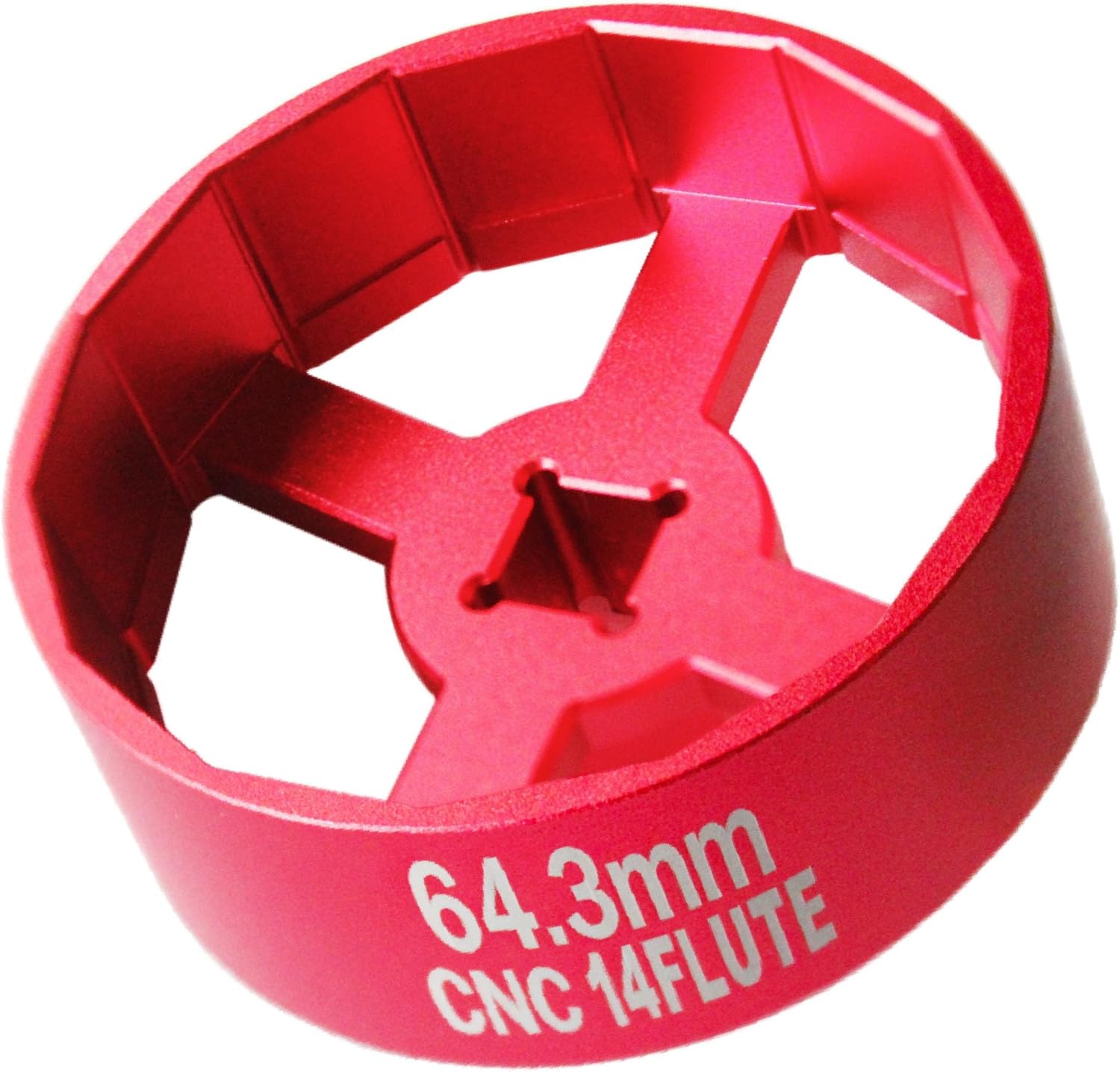
This low-profile oil filter wrench is designed for Toyota and Lexus cartridge-style filter caps, making oil changes easier on a wide range of popular models. The 64.3mm 14-flute design provides a secure, notch-less grip that helps prevent cracking or rounding the plastic cap while working in tight spaces. Built from precision-machined aluminum alloy, it is intended for hand tools and offers a reliable fit for routine maintenance.

This 6-pack engine oil filter set is designed for Toyota applications and compatible cross-reference part numbers, helping support clean oil flow and dependable engine protection. Built from quality materials and featuring 99% multi-pass efficiency, it is made to help extend engine life and maintain performance between service intervals. The included six filters make it a practical choice for routine maintenance and multiple oil changes.

The Scepter AM07029 Oil Drain Pan makes oil changes cleaner and easier by helping contain spills and reducing mess in the garage or driveway. Its lidded opening, removable drain screen, and gasketed pour spout support convenient collection, transport, and disposal of fluids. Built from durable high-density polyethylene, it resists rust, dents, and corrosion for reliable use with engine oil, transmission fluid, hydraulic fluid, and antifreeze.
If the Drain Plug Will Not Move
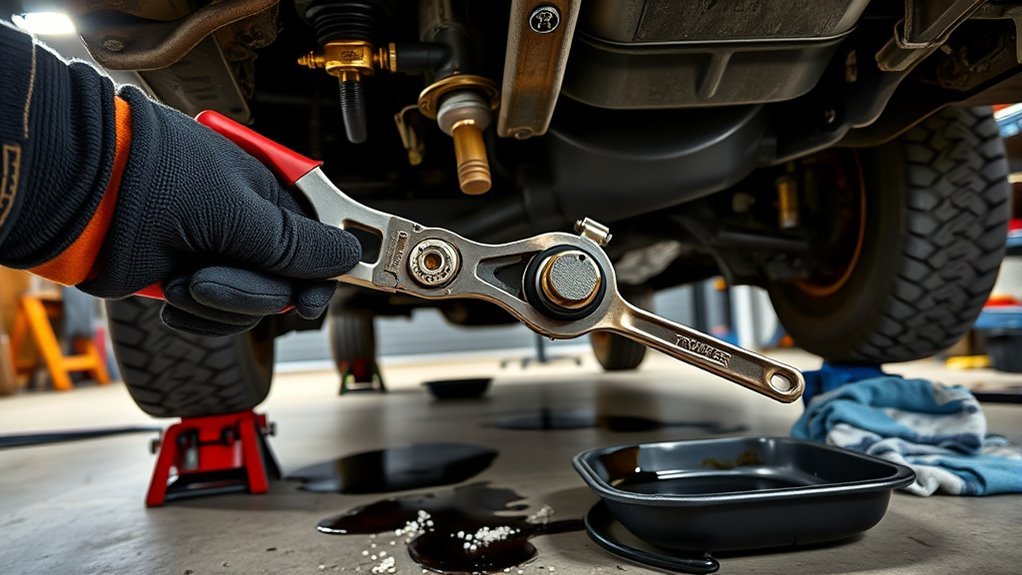
Stop before rounding the head. Make sure a six-point socket is fully seated and apply steady pressure in line with the plug. If the plug is seized, deformed, spinning without backing out, or pulling damaged threads from the pan, a qualified repair is safer than increasing the force.
If the Filter Is Stuck
For a cartridge housing, use the correct cap wrench and avoid pliers, impact tools, or an undersized wrench on the plastic housing. For a spin-on filter, use a filter wrench only for removal. Before installing the replacement, confirm that the mounting surface is clean and the old gasket is gone.
If You Spill Oil
Absorb the spill immediately with pads, cat litter, or shop absorbent. Do not hose oil into soil, a driveway drain, or a storm drain. Collect the contaminated absorbent and handle it according to local waste rules.
When Is the Next 4Runner Oil Change Due?
After the oil level is correct and no leaks are visible, reinstall the skid plate or access cover. Start every bolt by hand before tightening it so the panel sits correctly and the threads are not crossed. Then reset the maintenance reminder using the method for your exact model year.
Toyota states that vehicles requiring 0W-20 synthetic oil can use a normal oil-and-filter interval of up to 10,000 miles or 12 months, whichever comes first. A shorter interval can apply under the special operating conditions listed in the maintenance guide for the exact model year.
Maintenance reminder vs. oil interval: Toyota maintenance schedules commonly use 5,000-mile or six-month service steps. A reminder can indicate that inspections or tire rotation are due even when the normal-service oil-replacement interval has not yet arrived. Check the complete maintenance chart before resetting the reminder.
Record the service date, mileage, oil brand and viscosity, quantity added, filter part number, drain-gasket replacement, and any leaks or thread damage you found. Keep the oil and filter receipts with the vehicle’s maintenance records.
How Should You Recycle Used Motor Oil?
Pour the used oil into a clean, leak-proof container and take it to a recycling center, auto-parts store, municipal collection site, or repair facility that accepts used motor oil. Drain the used filter according to local rules and recycle it where accepted. The U.S. EPA states that used oil from one oil change can contaminate one million gallons of fresh water. Never pour it onto the ground, into household plumbing, or into a storm drain.
Frequently Asked Questions
How often should oil be changed in a Toyota 4Runner?
Toyota states that vehicles requiring 0W-20 synthetic oil can use a normal oil-and-filter interval of up to 10,000 miles or 12 months, whichever comes first. A shorter interval applies when the vehicle meets the special operating conditions listed in its model-year maintenance guide.
Can I change my 4Runner oil myself?
Yes. A DIY Toyota 4Runner oil change is manageable with level ground, safe ramps or correctly placed jack stands, the exact oil and filter, the required seals, a torque wrench, and a used-oil recycling plan. Stop if the drain plug, filter housing, skid-plate hardware, or oil-pan threads are seized or damaged.
How many quarts of oil does a Toyota 4Runner take?
Most 2010–2024 U.S.-market 4Runners with the 4.0-liter V6 have a 6.6-quart reference capacity with the filter changed. The 2010 2.7-liter four-cylinder has separate specifications. The 2025–2026 2.4-liter sixth-generation powertrains are commonly listed at 5.9 quarts with the filter changed. Verify the owner’s manual and finish with the dipstick.
What oil does a Toyota 4Runner use?
The common modern 4Runner engines covered in this guide typically specify SAE 0W-20. Use oil that meets the quality and viscosity requirements in the owner’s manual for the exact engine and model year.
Do I need to replace the drain-plug gasket every oil change?
Yes. Toyota describes its oil drain-plug gasket as a single-use part. A previously compressed gasket may not reseal evenly and can cause a slow leak.
Should I add the full listed oil capacity at once?
No. Add about half a quart less than the verified capacity, run the engine briefly, shut it off, and wait more than five minutes on level ground. Read the dipstick, then add small amounts until the oil is within the marked range.
Why does the maintenance reminder appear before the oil is due?
The reminder can correspond to other scheduled work, such as inspections or tire rotation. Review the complete maintenance chart for the current mileage instead of assuming that every reminder means the engine oil must be replaced.
Conclusion
A safe Toyota 4Runner oil change begins by identifying the engine, reference capacity, and filter style. Support the vehicle correctly, replace every required seal, tighten each component to its own Toyota service specification, refill below the reference capacity, and wait more than five minutes before the final dipstick reading. Shut the engine off immediately if the oil-pressure warning remains on or an active leak appears, then record the service and recycle the oil and filter.
Sources
- Toyota 2010 4Runner Manuals and Warranties — engine-specific owner-manual reference for the 2010 model year
- Toyota 2025 4Runner Manuals and Warranties — official sixth-generation manual and model-year reference point
- Toyota 2025 4Runner Warranty & Maintenance Guide — scheduled-maintenance and special-operating-condition reference
- Toyota Customer Support: Oil-Change Intervals Using Synthetic Oil — Toyota’s normal interval guidance for vehicles requiring 0W-20 synthetic oil
- Toyota Genuine Replaceable Element Oil Filter 04152-YZZA5 — replaceable cartridge-filter reference
- Toyota Genuine Oil Filter 90915-YZZN1 — canister-style spin-on filter reference
- Toyota Genuine Oil Drain-Plug Gasket — single-use gasket and replacement guidance
- Toyota Technical Information System — VIN- and model-specific repair procedures and tightening specifications
- U.S. EPA: Managing, Reusing, and Recycling Used Oil — safe used-oil and filter recycling guidance



[…] a more detailed service procedure, see how to change Toyota 4Runner engine oil. For dipstick-specific guidance, see how to check the Toyota 4Runner engine oil […]
[…] dilution, water, or old filter debris. If it’s time for a full service, the site’s Toyota 4Runner oil change guide walks through the complete drain-and-refill […]