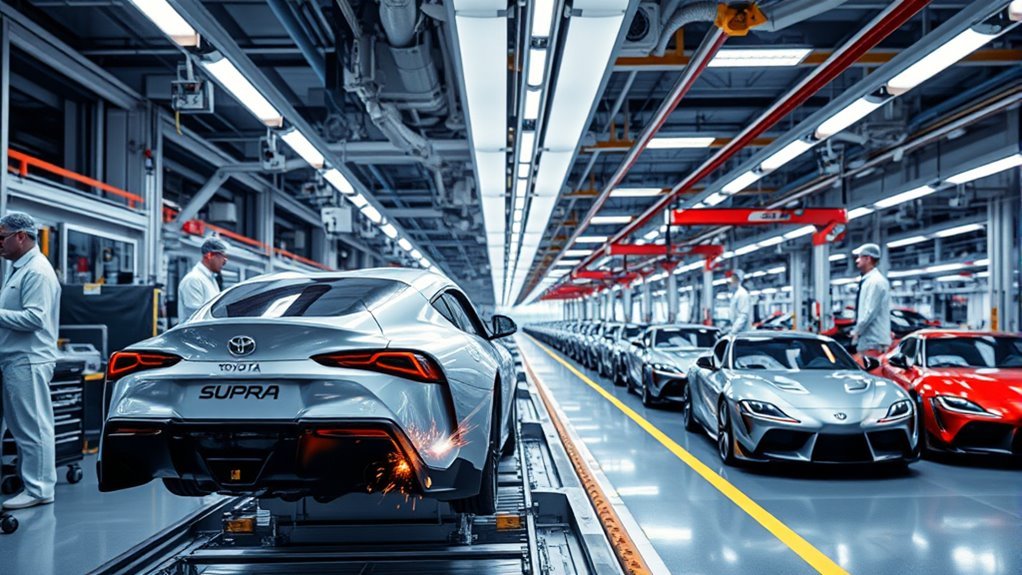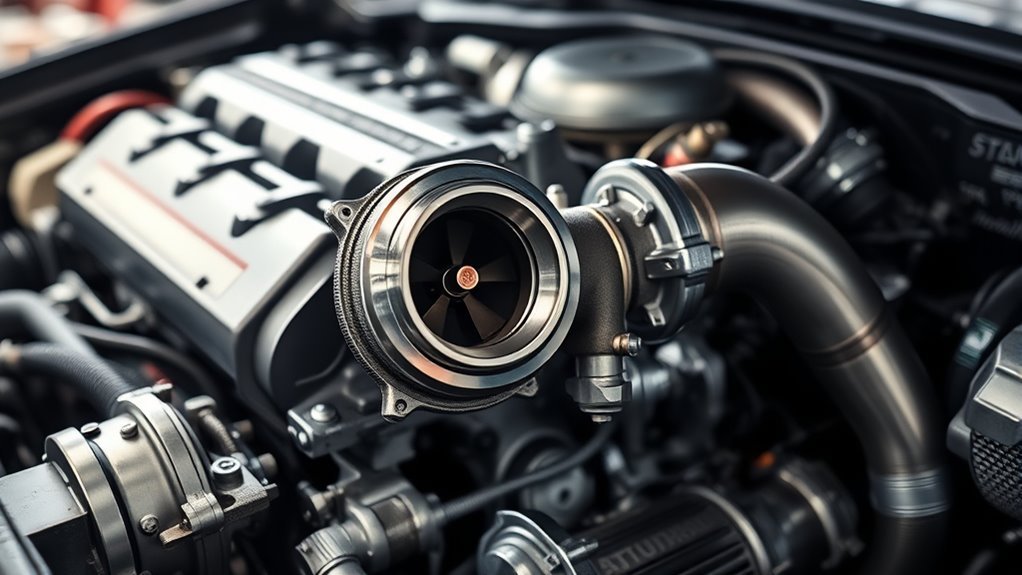
The Toyota Supra turbo system is not the same on every generation. The classic A80/MkIV Supra Turbo uses Toyota’s 2JZ-GTE inline-six with two sequential turbochargers, while the modern A90/A91 GR Supra uses a single twin-scroll turbocharged engine. This guide explains both clearly, then breaks down the valves, intercooling, oiling, upgrade choices, symptoms, and tuning checks that keep a Supra turbo setup responsive and reliable.
Quick Answer
A MkIV Toyota Supra Turbo uses a sequential twin-turbo system: one turbo builds fast low-rpm boost, then control valves bring the second turbo online as rpm and load rise. A modern GR Supra uses one twin-scroll turbo for quick response, strong midrange torque, and simpler boost control.
Key Takeaways
- The A80/MkIV Supra Turbo’s 2JZ-GTE uses two sequential turbos to balance low-rpm response with high-rpm airflow.
- The A90/A91 GR Supra uses a single twin-scroll turbo, not a sequential twin-turbo setup.
- Wastegates, bypass valves, VSVs, intercooling, oil supply, and coolant routing all affect boost response and turbo life.
- Turbo upgrades should be chosen around a real horsepower goal, fuel system capacity, engine condition, emissions rules, and professional ECU tuning.
Note: “Supra turbo system” can mean two different cars. The 1993–1998 U.S. MkIV Supra Turbo used the 2JZ-GTE with two sequential turbochargers, rated by Toyota at 320 hp and 315 lb-ft. The 2020 GR Supra launched with a 3.0-liter single twin-scroll turbo inline-six rated at 335 hp and 365 lb-ft, while newer 3.0 models are rated up to 382 hp and 368 lb-ft.
How the Toyota Supra Turbo System Works at Low vs. High RPM
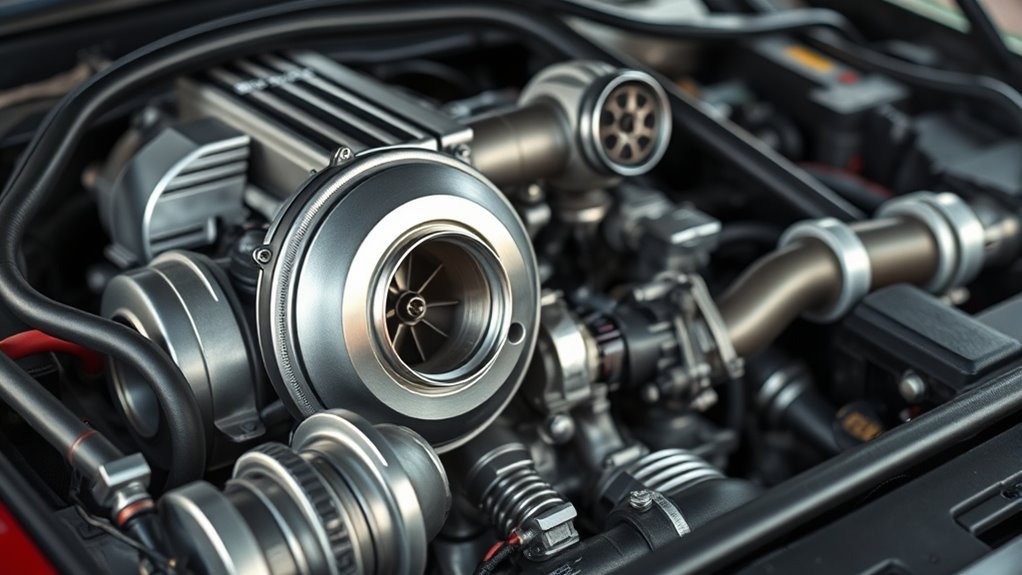
On the MkIV Supra Turbo, Toyota’s sequential twin-turbo layout is designed to make the 2JZ-GTE feel strong before the engine reaches high rpm. At low engine speeds, exhaust energy is concentrated through the primary turbocharger, which helps it spool quickly and build boost sooner than two equal turbos working together from idle.
As rpm and load increase, the engine control system uses valves and actuators to prepare the secondary turbo. The secondary unit is pre-spooled before full parallel operation, so the handoff is smoother and the engine can keep pulling harder toward the top of the rev range. Drivers often describe this as a low-rpm surge from the first turbo followed by a stronger high-rpm push once both turbos are active.
The modern GR Supra works differently. Instead of two sequential turbos, it uses a single twin-scroll turbocharger. A twin-scroll turbine housing separates exhaust pulses into two paths, helping the turbo respond quickly while still supporting strong airflow. That setup is simpler than the MkIV’s valve-heavy sequential system and gives the GR Supra its broad torque curve.
Supra Turbo Components: Compressor, Turbine, and Center Housing
A turbocharger is a compact air pump driven by exhaust energy. The turbine wheel sits in the exhaust stream, the compressor wheel pressurizes incoming air, and both wheels are joined by a shaft inside the center housing. When exhaust spins the turbine, the compressor forces more air into the engine, allowing more fuel to burn and more power to be made.
The compressor side controls how much air the turbo can move and how efficiently it can compress that air. The turbine side controls how quickly the turbo responds to exhaust flow and how much exhaust backpressure it creates. The center housing supports the shaft and bearing system while managing oil flow and, on many turbos, coolant flow.
Do not assume every Supra turbo uses ball bearings. Many factory turbochargers use journal-style bearing systems, while many performance upgrades use ball-bearing cartridges for quicker response and lower friction. The right choice depends on your power target, budget, heat management, and how the car is driven.
[Products Worth Considering]

Supra SC300 W58 1JZ 2JZ Manual Transmission Bell Housing, Clutch Housing Part# 31111-22140, 3111122140 Replacement for 1993-1998 Toyota Supra Also for 1JZGTE Mounting to W58...
How Supra Sequential, Single, and Twin Modes Operate
The MkIV Supra Turbo’s sequential system has three basic operating phases: low-rpm single-turbo operation, a transition phase where the second turbo is prepared, and higher-rpm twin-turbo operation. The goal is simple: reduce lag without choking the engine at high rpm.
Sequential Turbo Operation
From low rpm, the system routes exhaust energy to the primary turbocharger. This gives the engine a sharper response than it would have if both turbos were fed equally at very low exhaust flow. As engine speed climbs, control valves begin feeding and preparing the secondary turbo. Once the system finishes the transition, both turbos contribute airflow.
| Component | Function |
|---|---|
| Exhaust bypass/control valves | Help route exhaust flow and bring the secondary turbo online |
| Wastegate and VSVs | Regulate boost pressure and actuator behavior |
Single Turbo Mode
In single-turbo mode, the primary turbo does most of the work. Because exhaust energy is focused through one turbine, the turbo can build boost earlier and produce strong low-rpm torque. This is the part of the system that makes the MkIV Supra Turbo feel responsive in normal street driving.
The tradeoff is that one smaller turbo cannot supply the same airflow at high rpm as both turbos working together. That is why the system transitions toward twin operation as engine speed and airflow demand rise.
Twin Turbo Transition
The transition phase is where the Supra’s sequential system becomes complex. Valves, pressure lines, actuators, and VSVs must work correctly so the secondary turbo is ready before full twin-turbo operation. If the transition is delayed, sticky, or poorly tuned, the driver may feel a dip, surge, or uneven boost delivery.
- Pre-spool control: The system prepares the secondary turbo before full airflow demand arrives.
- Wastegate control: Boost pressure is limited so the engine does not overboost.
- ECU logic and sensors: Engine load, rpm, and pressure signals influence how the system behaves.
- Maintenance sensitivity: Vacuum leaks, cracked hoses, failed VSVs, or sticky valves can make a sequential Supra feel inconsistent.
Pro Tip: Before blaming the turbos themselves, pressure-test the intake tract and inspect every vacuum hose, actuator line, and VSV connection. Many “bad turbo” symptoms on a sequential Supra are actually control or boost-leak problems.
How Wastegates and Bypass Valves Control Boost
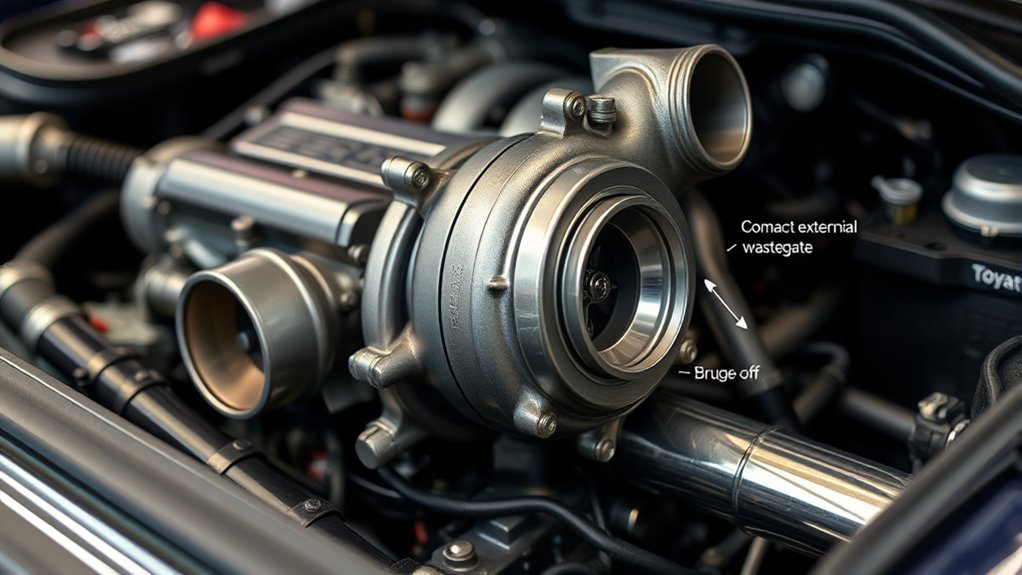
Boost control depends on managing exhaust flow and pressure. A wastegate protects the engine by diverting exhaust away from the turbine once the target boost level is reached. Without a properly working wastegate, boost can rise too high, creating detonation risk and engine damage.
A bypass valve or blow-off valve helps relieve pressure when the throttle closes. This protects the compressor from surge and keeps the turbo system stable between throttle inputs. On the MkIV Supra Turbo, additional sequential control valves manage when and how the secondary turbo joins the system.
Vacuum switching valves, often called VSVs, are also critical. They route pressure or vacuum signals to actuators. When they fail, stick, or receive pressure through cracked hoses, the result can be low boost, overboost, slow spool, or an uneven transition into twin-turbo operation.
Warning: Do not keep driving hard if the car is overboosting, detonating, smoking heavily, or making grinding noises from the turbo area. Stop testing, diagnose the problem, and protect the engine before a small issue becomes a failed turbo or damaged piston.
Why Intercooling Matters for the Supra Turbo System
Compressing air heats it. Hotter intake air is less dense and more likely to contribute to knock, especially under high boost. An intercooler reduces charge-air temperature before the air enters the engine, improving oxygen density and making the tune safer.
Cooler Intake Air Density
Cooler intake air carries more oxygen per unit of volume. That gives the engine more usable air for combustion at the same boost pressure. For a Supra, this matters most during repeated pulls, track use, hot weather, or higher-than-stock boost levels.
- Measure intake air temperature before and after upgrades instead of guessing.
- Choose an intercooler core that balances cooling capacity with pressure drop.
- Check couplers, clamps, and pipes for leaks after installation.
- Use conservative fuel and ignition maps until the setup is verified under load.
Reduced Knock Risk
Lower charge temperature reduces combustion stress and helps the ECU or tuner run safer ignition timing. This does not mean an intercooler makes unlimited boost safe. Fuel quality, spark timing, air-fuel ratio, turbo efficiency, engine condition, and cooling system health still matter.
| Intercooler Benefit | Effect on Engine | What to Check |
|---|---|---|
| Lower charge temperature | Improves knock margin | Intake air temperature logs |
| Higher air density | Supports more oxygen flow | Boost and airflow data |
| Stable cooling under load | Keeps power more consistent | Heat-soak behavior after repeated pulls |
Heat Soak Management
Heat soak happens when the intercooler, piping, intake manifold, and engine bay absorb so much heat that intake temperatures climb during repeated acceleration or track sessions. A larger or more efficient intercooler can help, but only if airflow, ducting, pressure drop, and installation quality are right.
- Log intake air temperature during real driving, not only at idle.
- Inspect intercooler fins, ducts, and front-end airflow restrictions.
- Avoid oversized piping that slows air velocity without solving heat.
- Retune the ECU after major airflow or intercooler changes.
Oil and Coolant Plumbing: Keeping Supra Turbos Healthy
Oil is the lifeline of a turbocharger. It lubricates the shaft and bearings, carries heat away from the center housing, and helps the rotating assembly survive extremely high shaft speeds. Many turbochargers also use coolant passages to control heat after shutdown and reduce oil coking.
Good turbo plumbing starts with clean oil, unrestricted oil feed, and a return path that drains properly. A kinked, undersized, or poorly routed oil drain can push oil past turbo seals and create smoke that looks like a failed turbo. Dirty oil, clogged feed lines, or heat-damaged hoses can destroy a healthy turbo quickly.
- Use fresh oil and filters that match the engine builder or manufacturer recommendation.
- Keep the oil drain as direct and restriction-free as possible.
- Replace brittle coolant and vacuum hoses before they fail under heat.
- Prime a new or rebuilt turbo before first start so it is not run dry.
- Let the engine stabilize after hard driving before shutting it off immediately.
Turbo Size and Bearing Choices for Supra Upgrades: Journal vs. Ball Bearing
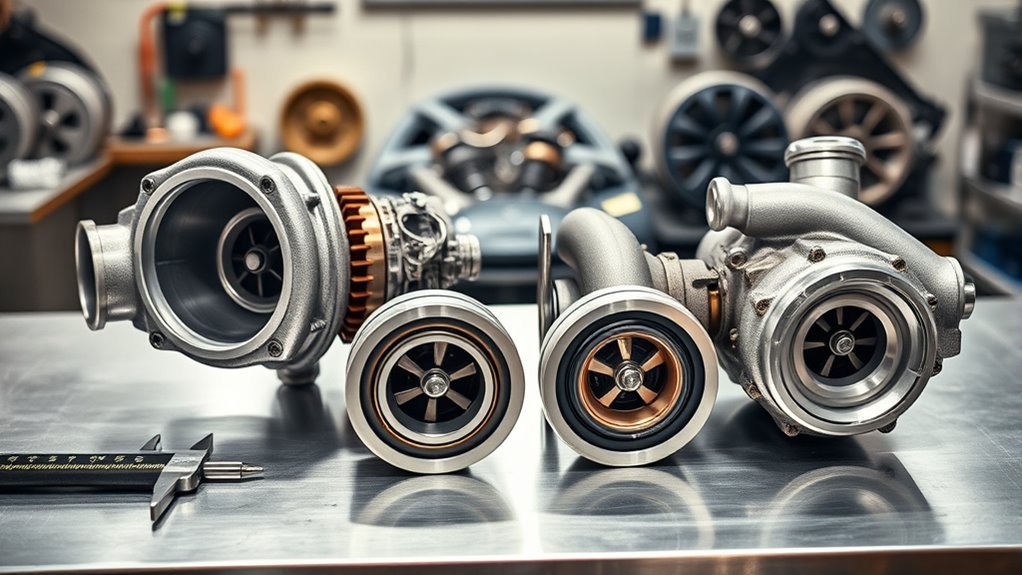
Turbo upgrades are where many Supra builds go wrong. A larger turbo can move more air and support more horsepower, but it usually needs more exhaust energy before it responds. A smaller turbo spools sooner but may run out of airflow at high rpm. The best turbo is the one matched to your engine, fuel, transmission, tire, intended use, and horsepower goal.
Turbo Size Tradeoffs
Large-frame turbos favor top-end power. Smaller turbos favor response. On a street car, the most enjoyable setup is often not the biggest one; it is the one that reaches boost quickly, stays efficient in the engine’s operating range, and does not create unnecessary heat or backpressure.
- Choose a horsepower target before choosing a turbo.
- Match the compressor map to your expected airflow and pressure ratio.
- Consider spool, traction, fuel type, and transmission gearing.
- Upgrade the fuel system, cooling system, clutch or transmission, and ECU calibration as needed.
Journal Bearing Pros and Cons
Journal-bearing turbos are common, durable, and often more affordable. They rely on pressurized engine oil to support the rotating assembly. For many street and moderate-power builds, a quality journal-bearing turbo can be a smart choice because it is rebuildable, proven, and cost-effective.
The downside is friction and oil sensitivity. Journal-bearing turbos may not respond as quickly as comparable ball-bearing units, and they depend heavily on clean oil, proper pressure, and a healthy drain path.
Ball Bearing Benefits
Ball-bearing turbos reduce friction in the center section, which can improve transient response and help the turbo accelerate faster. They are popular on performance builds where quick spool and sharp throttle response matter. They usually cost more, and they still need clean oil, correct restrictors if specified by the manufacturer, and careful installation.
- Faster response: Less friction can help the turbo reach boost sooner.
- Better transient feel: The car may respond more sharply between throttle inputs.
- Higher cost: Purchase and rebuild costs are usually higher.
- Still needs proper plumbing: Ball bearings do not forgive bad oil supply or poor drainage.
Pick Exhaust, Intake, and Turbo Parts for Your Target Horsepower
Start with a realistic horsepower target and build the system around it. Intake, exhaust, turbo, intercooler, injectors, fuel pump, ECU, and engine internals must support the same goal. A mismatched setup may make less power, spool poorly, run hot, or become unreliable.
At a Glance
| Time Required | Several hours for inspection; several days for major turbo upgrades and tuning |
| Difficulty | Intermediate for diagnosis; advanced for turbo installation and ECU calibration |
| Tools Needed | Boost-leak tester, scan/logging tool, hand tools, torque wrench, wideband data, and professional tuning software |
| Cost | Varies widely from hose repairs to full turbo, fuel, intercooler, exhaust, and tuning packages |
For a street Supra, prioritize response, reliability, and heat control. For a drag or high-power build, airflow and fuel system capacity become more important. Either way, do not install major hardware and drive aggressively on an old tune. Turbo changes require ECU calibration, boost-control setup, fuel verification, and knock monitoring.
Warning: Emissions laws vary by location. Catless downpipes, deleted emissions equipment, and some ECU changes may be illegal for street use. Check your local rules before modifying the exhaust or calibration.
[Products Worth Considering]

Compatible with BMW 228i 2014-2016, 320i 2013-2016, 320i xDrive 2013-2016

Fit for BMW 228i 2014-2016, 228i xDrive 2015-2016

Aluminum pipes are made of high quality T6061 aluminum
Common Supra Turbo Symptoms, Diagnostics, and Fixes
Turbo problems often show up as smoke, low boost, slow spool, strange noises, oil leaks, or sudden power loss. Diagnose the system before replacing expensive parts. A loose coupler, cracked vacuum hose, failed valve, or blocked oil drain can mimic a bad turbo.
| Symptom | Likely Causes | First Checks |
|---|---|---|
| Low boost | Boost leak, actuator issue, weak wastegate control, exhaust leak | Pressure-test intake, inspect hoses and clamps |
| Overboost | Wastegate problem, boost controller error, stuck control valve | Stop hard pulls, verify wastegate movement and boost-control plumbing |
| Blue smoke | Oil drain restriction, worn turbo seals, engine oil-control issue | Inspect drain line, PCV system, turbo shaft play, and compression |
| Whining or grinding | Compressor contact, bearing wear, foreign object damage | Remove intake pipe and inspect compressor wheel carefully |
| Uneven sequential transition | Vacuum leak, VSV failure, sticky sequential valve, actuator issue | Inspect control hoses, test VSVs, verify actuator movement |
- Scan for fault codes and review data logs before making changes.
- Pressure-test the intake tract and intercooler piping.
- Inspect exhaust leaks before the turbine, since they reduce spool energy.
- Check oil feed and return lines for blockage, leaks, heat damage, or poor routing.
- Verify wastegate and bypass valve operation.
- Inspect compressor and turbine wheels only when the engine is off and cool.
Installation and Tuning Checklist Before Modifying a Supra
Before modifying a Supra turbo system, confirm the car is healthy. A tired engine, weak fuel pump, clogged injector, old ignition component, or brittle hose can turn a simple upgrade into an expensive failure.
- Compression and leak-down: Verify engine health before adding boost.
- Fuel system: Match pump, injectors, lines, pressure regulator, and fuel type to the target power.
- Ignition system: Use healthy coils, plugs, and correct plug gap for the boost level.
- Cooling system: Inspect radiator, hoses, thermostat, fans, coolant, and oil cooling.
- Intercooler system: Check core size, pressure drop, couplers, clamps, and airflow.
- Turbo oiling: Confirm feed, restrictor if required, drain angle, and clean oil.
- Boost control: Verify wastegate spring pressure, solenoid routing, and failsafe settings.
- ECU tune: Calibrate fuel, ignition timing, boost, torque limits, and knock protection.
- Legal compliance: Keep emissions and road-use requirements in mind.
The safest Supra turbo upgrade is not the biggest turbo you can bolt on. It is the complete system that reaches your power goal while keeping air temperature, fuel delivery, boost control, and knock risk under control.
[Products Worth Considering]
This car starter relay is made of flame-retardant shell material and has good flame-retardant properties. It can effectively reduce the possibility of fire spread and improve...
Frequently Asked Questions
How does a turbocharger work in simple terms?
A turbocharger uses exhaust gas to spin a turbine. That turbine spins a compressor wheel, which pushes more air into the engine. More air allows more fuel to burn, which creates more power when the engine and tune can support it safely.
What turbo does a Toyota Supra have?
It depends on the generation. The MkIV/A80 Supra Turbo used the 2JZ-GTE engine with two sequential turbochargers. The modern A90/A91 GR Supra uses a single twin-scroll turbocharged engine.
Is the MkIV Supra twin-turbo or single-turbo?
The factory MkIV Supra Turbo is sequential twin-turbo. Many modified cars are converted to a large single turbo because it simplifies the system and can support higher peak horsepower, but that is not the original factory layout.
What are the main parts of a turbo system?
The main parts include the turbine wheel, compressor wheel, center housing and bearing system, wastegate, bypass or blow-off valve, intercooler, oil and coolant lines, charge piping, and boost-control hardware.
Why do many Supra owners convert to a single turbo?
A single-turbo conversion can simplify the MkIV’s complex sequential system and support higher airflow for big-power builds. The tradeoff is that a large single turbo may spool later than the factory sequential setup unless it is carefully sized and tuned.
Can I upgrade the turbo without tuning the ECU?
No. Any major turbo, boost, injector, fuel, intercooler, or exhaust change should be followed by proper ECU calibration. Driving hard on an incorrect tune can cause lean conditions, knock, overboost, and engine damage.
Conclusion
The Supra turbo system is a careful balance of airflow, heat, pressure, oiling, and control logic. On the MkIV Supra Turbo, the sequential twin-turbo system gives quick low-rpm response and stronger high-rpm flow, but it depends on many valves and hoses working correctly. On the modern GR Supra, the single twin-scroll turbo delivers broad torque with fewer moving pieces. Whether you are diagnosing stock hardware or planning an upgrade, match every part to the horsepower goal, verify the engine is healthy, and tune the car properly before asking it to make more boost.
Sources
- Toyota USA Newsroom: Toyota Supra, An Icon a Half-Century in the Making — confirms the MkIV 2JZ-GTE used two sequential turbochargers and produced 320 hp and 315 lb-ft.
- Toyota USA Newsroom: 2020 Supra Product Information — confirms the 2020 GR Supra’s 3.0-liter inline-six with twin-scroll turbocharger, 335 hp, and 365 lb-ft.
- Toyota 2026 GR Supra Brochure — confirms newer GR Supra 3.0 output of 382 hp and 368 lb-ft with a twin-scroll turbocharger.
- Garrett Motion Turbo Basics — supports turbocharger fundamentals, wastegate, bypass valve, oil, water, and bearing-system explanations.
- Garrett Motion Turbo System Optimization — supports guidance on turbo matching, intercoolers, oil and water lines, wastegates, blow-off valves, and monitoring.
- Garrett Motion Turbocharger Bearing Systems — supports journal-bearing and ball-bearing descriptions.