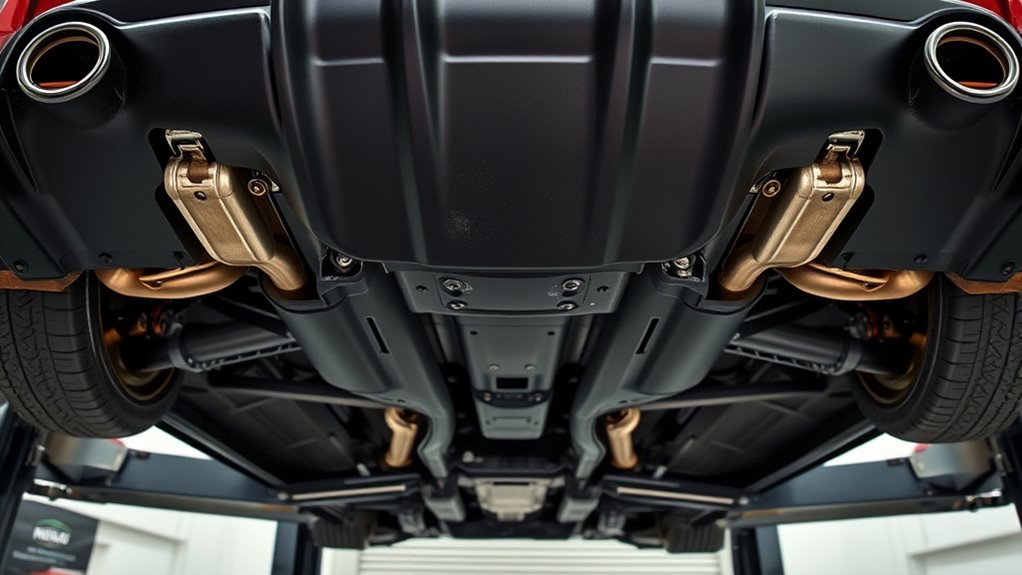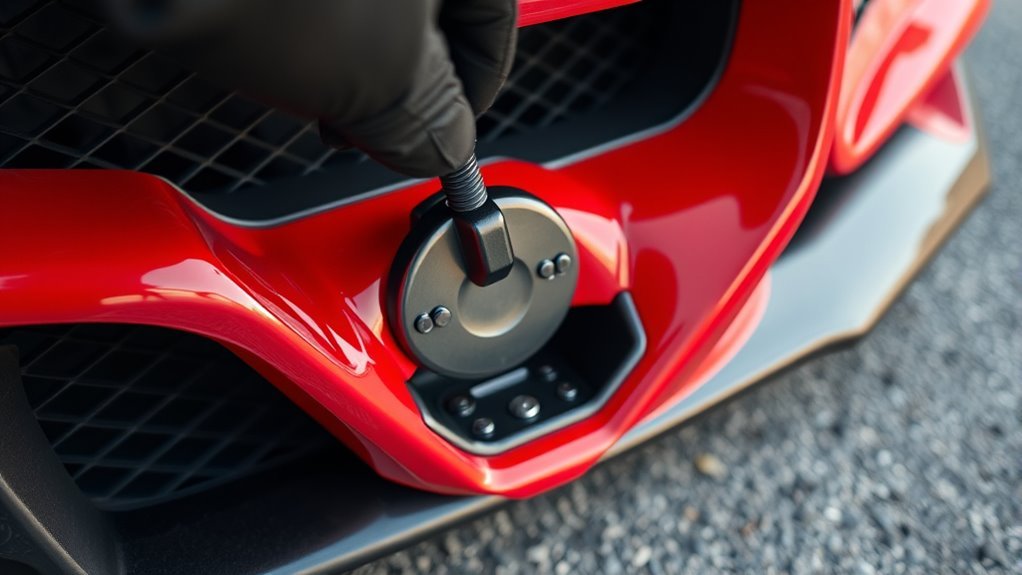
Attaching a tow strap to a Toyota Supra is simple only when you use the correct factory towing-eye socket, the correct factory tow fitting, a rated strap, and a straight pull. The removable tow fitting is for controlled recovery and loading, not for lifting the car, tying it down by the bumper, or towing a trailer from the screw-in eye.
This guide focuses on the modern Toyota GR Supra and uses official Toyota owner information plus U.S. cargo securement guidance for trailer transport. If your Supra is damaged, badly stuck, lowered, or fitted with aftermarket bumper parts, use this as safety guidance and let a professional recovery operator handle the pull.
Quick Answer
Remove the small bumper tow-eye cover, screw the Supra’s factory tow fitting in by hand until fully seated, attach a rated tow strap or soft shackle, remove slack slowly, and pull only in a straight line. For transport, secure the car with proper wheel/tire straps or approved tie-downs, not the tow eye alone.
Key Takeaways
- Use the factory screw-in tow fitting stored with the vehicle tool kit, not a random hook, hitch ball, suspension arm, or wheel spoke.
- Choose the front or rear towing-eye socket based on the direction of the pull, then keep the strap as straight as possible.
- Use a rated strap, winch line, or soft shackle, and check the working load limit before any tension is applied.
- Never lift the Supra, jack the car, or apply a hard side load through the tow fitting.
- For trailer transport, secure the car with wheel/tire straps or approved tie-downs that control forward, rearward, vertical, and side-to-side movement.
At a Glance
| Time Required | 5 to 15 minutes for tow-eye access, inspection, and strap attachment |
| Difficulty | Easy, but safety-critical |
| Tools Needed | Factory tow fitting, rated tow strap or winch line, soft shackle or strap loop if suitable, gloves, flashlight, wheel chocks, reflective warning gear, and a plastic trim tool if the cover is tight |
| Cost | Usually no added cost if the factory tow fitting is in the car; rated straps, shackles, and transport tie-downs vary by load rating, material, and brand |
Decide Whether You Need the Front or Rear Tow Hook
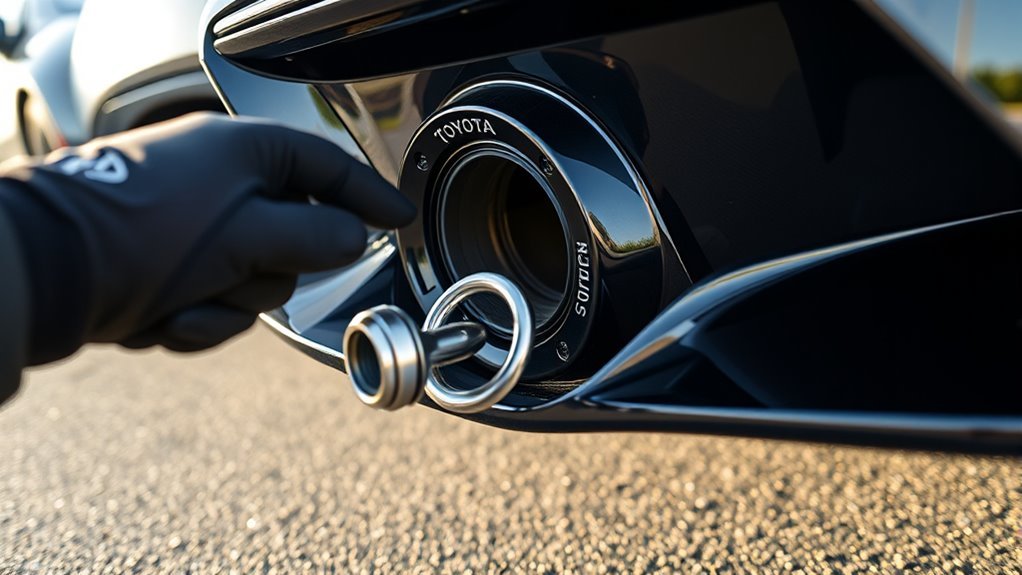
Pick the towing-eye socket that matches the direction you need to move the car. Use the front tow fitting when the Supra must be pulled forward onto a flatbed, out of a stuck position, or into a service bay. Use the rear tow fitting only when the car must be pulled backward.
The factory towing eye is designed for a controlled pull in line with the vehicle. It is not a jack point, lift point, trailer hitch, recovery snatch point, or permanent tie-down anchor. If the car is badly stuck, off-road, damaged, or sitting at an awkward angle, stop and call a professional recovery operator with a flatbed and the correct rigging.
Warning: Do not side-load the screw-in tow fitting. A diagonal pull can bend the fitting, damage the threaded socket, crack bumper trim, or damage the body structure behind the bumper.
Find Tow Hook Access and Threaded Holes
The GR Supra uses covered screw threads for the removable towing eye. Look for a small tow-eye cover in the bumper. Depending on model year and bumper design, the cover may have a small mark, edge, or opening that lets you press or pull it out.
Locate Tow Hook Covers
Walk around the bumper and look for the small plastic cover that sits flush with the bumper skin. The cover hides the threaded receiver for the tow fitting. On many Supra models, you press the marked edge of the cover to release it. On covers with a small opening, pull carefully from the opening.
Keep the removed cover in the cabin, cup holder, or tool tray so it does not get lost during towing. Do not force a screwdriver under the painted edge if the cover will not move. Use a plastic trim tool and work slowly to avoid scratching the bumper.
Remove Covers Carefully
Remove the cover gently, then inspect the opening before installing the tow fitting. The tow fitting should thread into the socket smoothly by hand. If it binds immediately, stop and check for dirt, damaged threads, or the wrong tow eye.
- Use a flashlight to inspect the socket before threading the tow eye.
- Clear loose dirt, ice, road grit, or bumper debris from the opening.
- Start the tow fitting by hand to avoid cross-threading.
- Turn the fitting until it is fully seated and aligned for the strap.
- Do not drill, cut, or enlarge the bumper cover unless you are fitting a dedicated aftermarket motorsport tow hook and understand the permanent modification.
Inspect Threaded Holes
Before applying load, inspect the tow-eye socket and surrounding bumper area. Look for corrosion, stripped threads, cracks, bent metal, loose bumper trim, or signs that the car has already been pulled from the wrong point. A damaged socket should be inspected by a Toyota dealer, body shop, or qualified recovery technician before use.
If the threads are clean, screw the factory tow fitting in by hand until it bottoms out. Do not leave it partly threaded. A partially engaged tow eye can pull out under load and become a dangerous projectile.
Note: Toyota’s owner information refers to this part as a tow fitting or towing eye. Many owners call it a tow hook, but the safer wording is “tow fitting” because it screws into a bumper socket and is intended for controlled towing or loading.
Tools & Gear: Tow Strap, Tow Fitting, and Safety Kit
You do not need a 24 mm socket for the factory screw-in tow fitting on a stock GR Supra. The key item is the correct factory tow fitting from the onboard tool kit. Add a rated recovery strap, winch line, soft shackle, or strap loop that fits the eye cleanly, plus basic roadside safety gear.
- Factory Toyota Supra tow fitting: Use the one made for your car and model year. Do not assume another vehicle’s tow eye has the same thread size or pitch.
- Rated tow strap, recovery strap, or winch line: Use hardware with a visible rating suitable for the vehicle and the job.
- Soft shackle or strap loop: Often cleaner than a metal hook when it is rated and fits correctly because it reduces metal-to-metal contact and bumper damage risk.
- Gloves and flashlight: Useful for roadside work, cover removal, and thread inspection.
- Wheel chocks: Help keep the car stable before loading, unloading, or taking slack out of the strap.
- Reflective triangles or warning lights: Use them when working near traffic.
Check the strap’s working load limit, not just the advertised break strength. The working load limit is the usable load rating for normal service. Break strength is a higher failure number and should not be treated as the safe working rating.
Pro Tip: Keep the tow fitting, locking wheel key, and a small flashlight together in the cargo area. In a roadside situation, searching for the tow eye wastes time and increases risk.
[Products Worth Considering]

This all-in-one car emergency kit helps drivers stay prepared for roadside breakdowns, flat tires, and dead batteries with essential tools in one compact package. It includes a portable air compressor, heavy-duty jumper cables, a first aid kit, and other safety items designed for year-round peace of mind. Compact enough for easy trunk storage, it makes a practical safety solution and thoughtful gift for drivers of all ages.

This aftermarket front bumper tow hook eye cover cap set is designed to fit Toyota RAV4 AX40 models from 2016 to 2018, providing a direct replacement for the original left and right covers. Made from durable ABS plastic, these caps offer a precise fit, weather resistance, and reliable protection while restoring the clean factory look of the bumper.

This Toyota hitch cover helps protect your trailer hitch receiver from dirt and debris while adding a clean factory-style look to your vehicle's rear end. Designed for easy use, it offers a simple way to finish off your towing setup when the hitch is not in use. Its lightweight design makes it convenient to handle and install.
Before You Pull: Driver, Spotter, and Vehicle Setup
Before anyone adds tension to the strap, slow the job down and agree on the plan. The driver, tow operator, and spotter should know the direction of travel, the stopping point, and the signal to stop immediately.
- Park the tow vehicle in line with the Supra whenever possible.
- Keep the Supra’s steering pointed along the intended path.
- Use the parking brake and wheel chocks until the tow operator is ready to move the car.
- Shift the car only as directed by the owner’s manual or tow operator.
- Keep hands, feet, and tools away from the strap, winch line, wheels, and pinch points.
- Make sure no one stands in line with a tensioned strap, cable, hook, or tow fitting.
Warning: A tensioned strap or winch line can recoil if a fitting, hook, shackle, or strap fails. Keep bystanders well away from the pull path and never step over a loaded line.
Attach a Tow Strap to the Supra’s Front Tow Hook
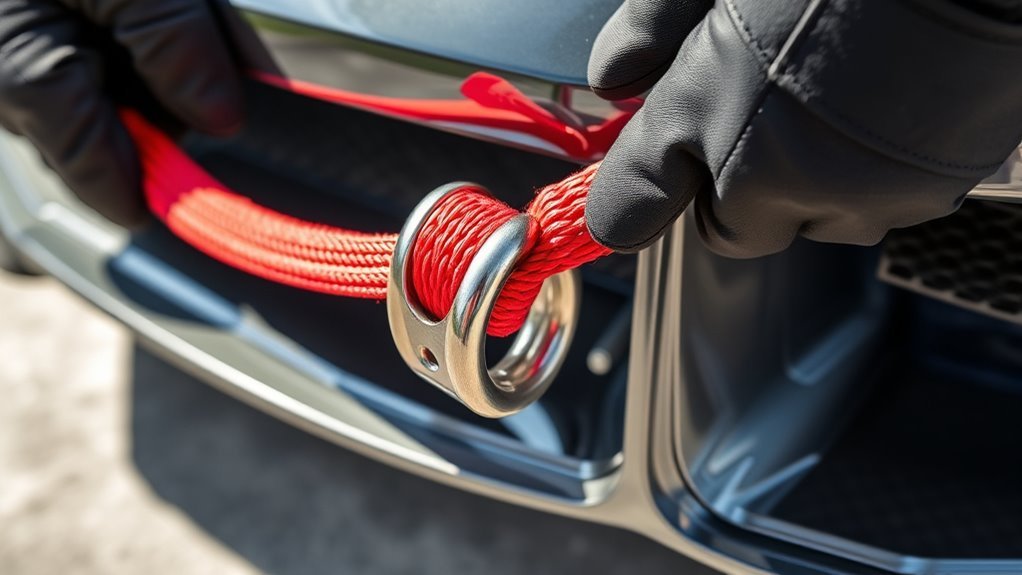
Use the front towing-eye socket when the Supra needs to be pulled forward. This is the most common setup for loading the car onto a flatbed tow truck or moving it a short distance in a controlled recovery.
| Step | Action | Safety Check |
|---|---|---|
| 1 | Park safely and set the parking brake | Keep people clear of traffic and the pull path |
| 2 | Remove the front tow-eye cover | Do not scratch or pry against painted trim |
| 3 | Thread in the factory tow fitting by hand | Fully seated, not cross-threaded |
| 4 | Attach the strap loop, winch line, or soft shackle | No twist, fray, sharp edge, or loose latch |
| 5 | Remove slack slowly | Straight pull only, no sudden jerks |
Once the strap is connected, the driver and spotter should agree on hand signals or phone communication before any movement. The tow vehicle should ease forward until the strap is taut, then apply steady force. Do not snatch the Supra with a sudden running start unless a trained recovery operator has selected proper kinetic recovery gear and confirmed the attachment points are suitable for that load.
A safe Supra tow-strap setup is boring: fully seated tow eye, rated strap, straight line, slow tension, and everyone standing clear.
Attach a Tow Strap to the Supra’s Rear Tow Hook
Use the rear tow fitting only when the car needs to be pulled backward. The same core rules apply: locate the rear cover, remove it carefully, thread in the factory tow fitting until fully seated, and attach the strap so the pull is straight.
Locate the Rear Tow Hook
Look for the rear bumper tow-eye cover and confirm that the tow path is clear. Do not route the strap across the exhaust tips, diffuser, painted bumper edge, parking sensors, or sharp plastic trim. If the rear bumper is damaged or the tow socket is hidden by aftermarket parts, do not improvise. Use a flatbed winch line with professional rigging from approved points.
- Confirm the tow fitting matches the car.
- Inspect the rear socket before threading.
- Keep the strap away from exhaust heat and sharp bumper edges.
- Use a spotter so the strap does not scrape the bumper while tension is applied.
- Stop immediately if the tow fitting shifts, bends, creaks, or loosens.
Attach the Strap or Soft Shackle Correctly
Feed the strap loop or soft shackle through the towing eye so the load sits cleanly in the eye. The strap should not be knotted around the fitting, hooked to bumper trim, looped around a wheel spoke, or wrapped around a control arm. A knot can reduce strap strength, and a metal hook can slip or damage the eye if it is not seated correctly.
Pull the slack out by hand first. Then ask the tow operator or driver to take up tension slowly. Watch the strap during the first few inches of movement. If the strap walks sideways, rubs the bumper, or twists, stop and reset the angle.
Secure and Test the Connection
Before the Supra moves, test the connection with a light, controlled tug. This confirms that the tow fitting is seated, the strap is aligned, and the attachment has not slipped.
- Confirm the tow fitting is fully threaded into the socket.
- Check the strap for cuts, burns, frays, chemical damage, or damaged stitching.
- Keep bystanders out of the strap’s recoil path.
- Use slow, steady tension instead of shock loading.
- Recheck the fitting after the car has moved a short distance.
Warning: Never stand over, beside, or in line with a tensioned tow strap. If a fitting, hook, or strap fails, it can recoil with enough force to cause serious injury.
Common Mistakes That Damage Rims, Bumpers, or Tow Hooks
Most Supra towing damage comes from rushing the setup or attaching to the wrong point. The tow fitting should not be treated like a universal anchor. Use it for the specific controlled pull it was designed for, then remove it and reinstall the bumper cover after the job.
| Mistake | What Can Go Wrong | Better Method | |||
|---|---|---|---|---|---|
| Pulling at a sharp angle | Bent tow fitting, damaged threads, cracked bumper trim | Reposition the tow vehicle for a straight pull | |||
| Using the tow eye as a jack point | Body damage or tow-eye failure | Use the factory jacking points | |||
| Routing straps over rims | Scratched, bent, or stained wheels | Use over-the-tire straps or protected wheel straps | |||
| Hooking to suspension arms | Bent arms or alignment damage | Use approved tie-down or tire arms or alignment damage | Shock-loading the strap | Strap, fitting, or body-structure failure | Apply slow, steady tension |
| Using the tow eye as a road-travel tie-down | Loose vehicle, bent fitting, or damaged bumper socket | Secure the car by the tires or approved transport points |
Wheel Straps vs T-Hook Straps vs Custom Adapters for Supras
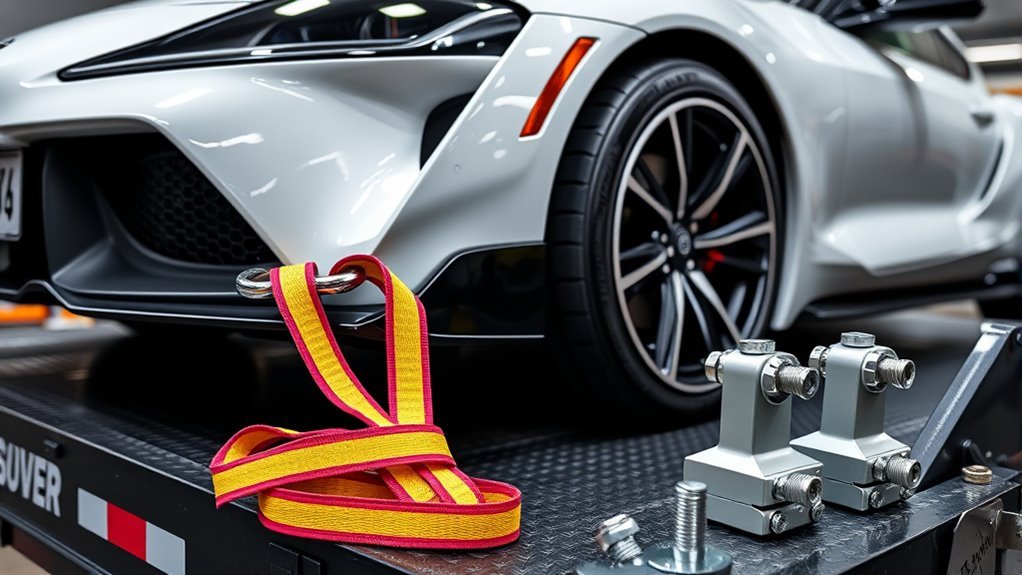
For hauling a Supra on a trailer or flatbed, wheel straps are usually the safest and cleanest choice. They secure the car by the tires instead of loading the bumper, body, or suspension. This helps protect the paint, wheels, alignment, and tow-eye threads.
- Wheel or tire straps: Best all-around option for flatbed and trailer transport because they restrain the car without loading the body panels.
- T-hook straps: Useful only if the correct underbody transport slots are present and the hook style matches the slot. Do not guess.
- Custom adapters: Useful for track cars with aftermarket bumpers, roll cages, or dedicated tie-down points, but they must be engineered and rated for the load.
- Factory tow fitting: Good for short, controlled pulls, but not the best primary tie-down method for road transport.
[Products Worth Considering]

This roadside emergency kit helps drivers handle common breakdowns and winter travel issues with confidence. It includes jumper cables, a shovel, tow rope, warning triangle, first aid kit, gloves, and repair tools in a compact bag that fits easily in a trunk or storage compartment. Designed for cars, trucks, SUVs, motorcycles, and RVs, it is a practical safety companion for commuting, road trips, and everyday preparedness.

This 2-piece suspension tool set combines a compact strut spreader with a high-leverage lower control arm prying tool to help speed up safe suspension service. Designed for many FWD, import, and domestic vehicles, it supports strut, hub, ball joint, and control arm work while helping reduce the risk of damage to surrounding components. Heavy-duty steel construction makes it a dependable choice for mechanics and serious DIY suspension repair.
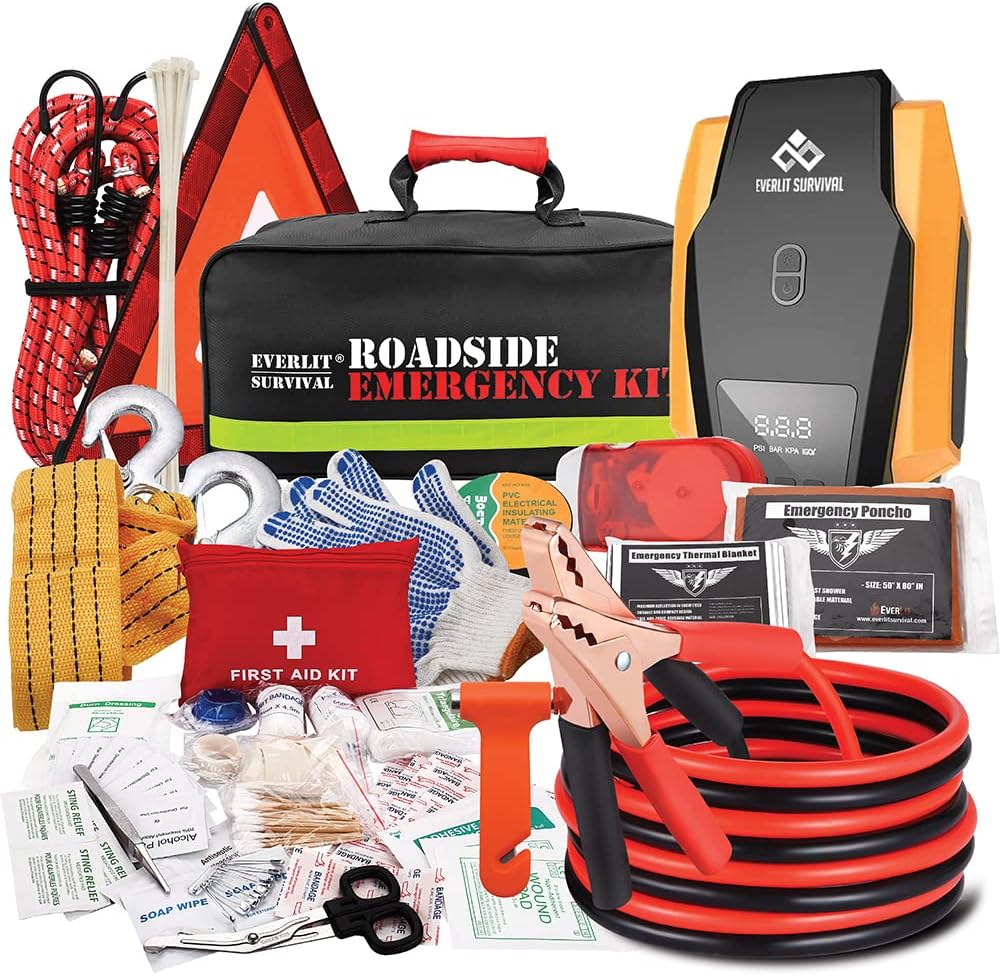
This roadside emergency kit packs essential tools to help drivers handle unexpected breakdowns and stay prepared on the road. It includes a digital tire inflator, jumper cables, first aid supplies, and other safety accessories to support quick, practical roadside response. Designed for everyday drivers and road trips alike, it offers peace of mind for emergencies day or night.
Trailer Tie-Down Best Practices for Transporting a Supra
When transporting a Supra, the goal is to prevent movement in every direction: forward, rearward, sideways, and vertical. FMCSA cargo securement guidance explains that cargo securement systems must control forward, rearward, and lateral forces. For automobiles, light trucks, and vans at or under 10,000 lb, 49 CFR § 393.128 requires restraint at both the front and rear to prevent lateral, forward, rearward, and vertical movement using a minimum of two tiedowns.
For a Supra on a trailer, four quality wheel/tire straps are often the cleanest best-practice setup because they hold the tires without pulling on the bumper or suspension. Cross-check the anchor points, ratchets, strap angles, and working load limit before leaving, then recheck tension after the first few miles.
Wheel Strap Best Practices
Wheel straps work best when they hold the tire securely without cutting into the sidewall or rubbing the wheel finish. Over-the-tire straps are ideal for protecting expensive wheels because they avoid direct metal-on-wheel contact.
- Use straps with a visible working load limit tag.
- Match the strap size to the tire width.
- Keep ratchets away from painted body panels and wheel faces.
- Use soft sleeves where straps may touch a rim or sharp edge.
- Recheck strap tension after a short test drive and at fuel stops.
Tow Hook Usage Tips
If the tow fitting is used during loading, use it only to guide or winch the car onto the trailer or flatbed. Once the car is positioned, secure it with proper transport tie-downs. Do not leave the car held only by the tow eye and one winch cable for road travel.
After loading, remove the tow fitting if it is no longer needed. Reinstall the tow-eye cover so the bumper opening is protected from dirt and water.
Protecting Rims and Tires
The Supra’s wheels and low bodywork are easy to damage with careless strap routing. Keep ratchets, hooks, and chains away from wheel lips, brake lines, parking brake cables, and painted panels. If a strap touches a wheel, use a soft protective sleeve and confirm it cannot move during transport.
- Use over-the-tire straps when rim contact is likely.
- Avoid twisting straps because twists can reduce stability and increase abrasion.
- Do not over-tighten to the point that the tire or sidewall is visibly distorted.
- Check tire pressure before transport because low tires can loosen straps.
- Keep the car in the transport mode recommended by the tow operator and owner’s manual.
Lowered Supras, Splitters, and Aftermarket Bumpers
Many Supras sit low from the factory, and modified cars may have front lips, splitters, diffusers, tow-hook license-plate mounts, wrapped bumpers, or aftermarket covers that reduce tow-eye access. Do not let the strap rub across carbon fiber, painted trim, sensors, or sharp splitter edges.
- Use ramps, race ramps, or a low-angle flatbed approach when ground clearance is tight.
- Remove a license-plate tow-hook mount before installing the actual tow fitting.
- Do not use a cosmetic track-style hook unless you know it is chassis-mounted and rated for the load.
- Stop if the strap contacts a splitter, grille, parking sensor, diffuser, or exhaust tip.
- Ask the tow operator to change the angle or use a different loading method if the bumper is at risk.
[Products Worth Considering]

This 4-piece precision hook and pick set is designed for automotive repair and other detailed tasks in tight spaces. With multiple tip shapes and ergonomic rubber handles, it helps remove O-rings, clips, wires, gaskets, washers, and similar small parts with better control and comfort. The heat-treated CR-V steel shafts provide dependable strength for repeated use.

This Yuirote universal car motor diagnostic tool helps drivers quickly detect engine fault codes and identify system issues for routine inspections and maintenance. It also supports electronic parking brake reset and emergency release functions, making it useful for handling EPB-related problems without a repair shop visit. Its compact, ergonomic design and broad vehicle compatibility make it a practical choice for car owners and DIY repair enthusiasts.
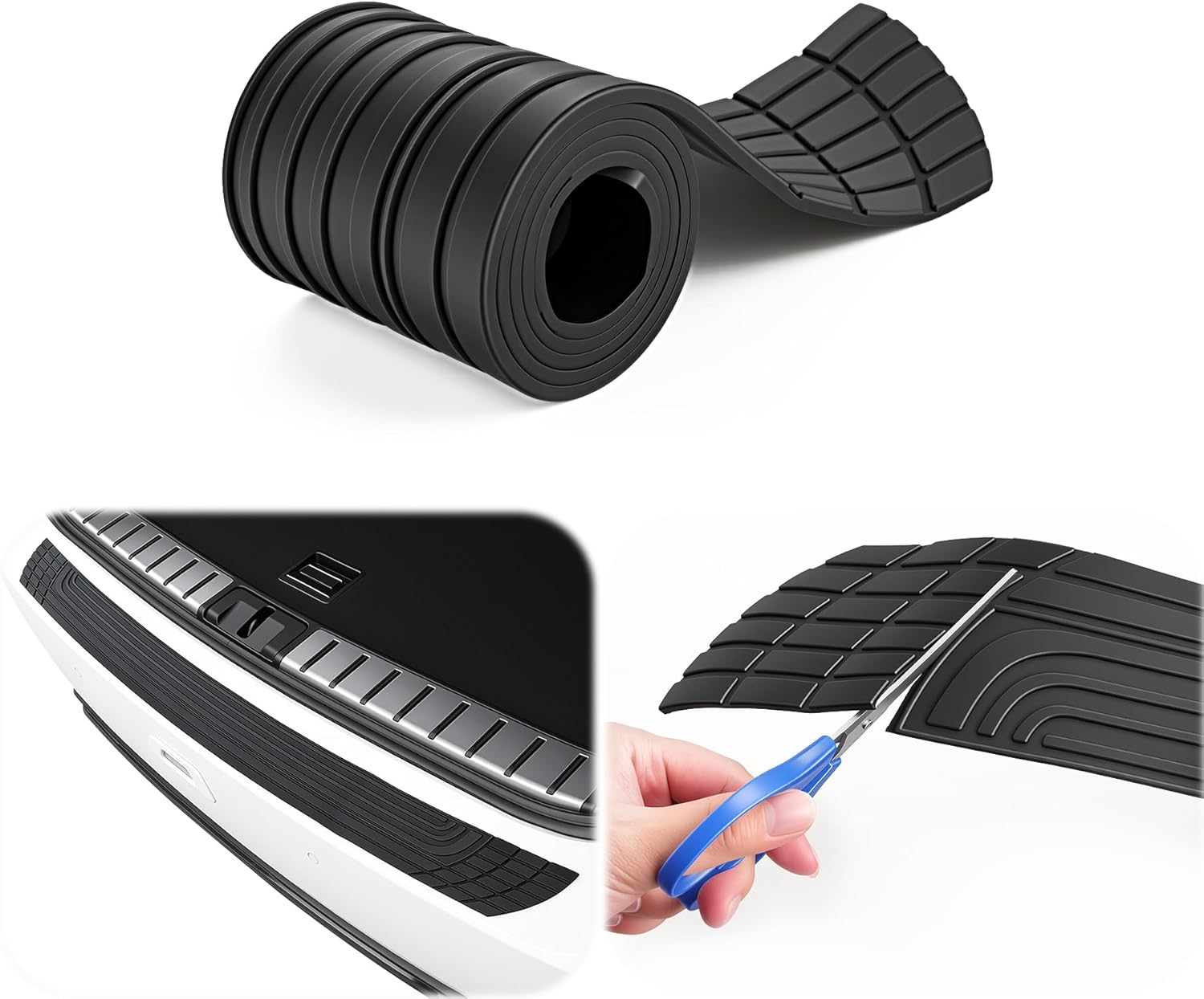
Protect your vehicle’s rear bumper from scratches, scuffs, and everyday loading damage with this universal bumper protector. Its flexible rubber design helps absorb impact and features an anti-slip groove pattern for added security when placing cargo in the trunk. Easy to install without drilling or welding, it is a practical exterior accessory for most cars and SUVs.
If Tow Hook Threads or Covers Don’t Line Up, Try This
If the tow fitting will not thread in smoothly, do not force it. Cross-threading the socket can turn a simple tow into an expensive bumper or body repair.
- Remove the tow fitting and inspect it. Check for damaged threads, dirt, or paint buildup.
- Inspect the bumper socket. Use a flashlight and clear visible debris.
- Try again by hand only. The tow fitting should start smoothly without a wrench.
- Confirm you have the correct tow fitting. A tow eye from another vehicle may look similar but use a different thread size or pitch.
- Check for aftermarket bumper interference. Splitters, grilles, wraps, license plate brackets, and replacement bumper covers can block access.
- Call a professional if it still binds. Damaged threads should be inspected before any load is applied.
Note: Do not cut a larger bumper opening just to make a strap fit. Cutting is usually only appropriate when installing a dedicated aftermarket track tow hook, and even then the hook, bracket, and chassis attachment must be suitable for the intended load.
Final Safety Checklist Before Towing or Hauling Your Supra
Run this checklist before the Supra moves. It takes less than a minute and prevents most towing mistakes.
- The correct factory tow fitting is fully threaded and seated.
- The strap, winch line, or soft shackle is rated, undamaged, and seated cleanly in the eye.
- The pull direction is straight with no bumper, exhaust, splitter, or diffuser contact.
- No one is standing in line with the strap, winch cable, hook, shackle, or tow fitting.
- The driver and spotter have agreed on signals before movement starts.
- The tow vehicle applies tension slowly and avoids sudden jerks.
- For transport, the Supra is secured with proper wheel/tire straps or approved tie-downs, not just the tow eye.
- All straps are rechecked after the first short movement or test drive.
Frequently Asked Questions
Can you tow with a Supra?
You can have a Supra towed or recovered using the correct factory tow fitting, but the tow eye is not a trailer hitch. Do not use the screw-in tow fitting to tow a trailer or pull loads behind the Supra.
Where is the Toyota Supra tow hook stored?
On GR Supra models, the removable tow fitting is stored with the onboard vehicle tool kit. Check the cargo-area tool storage and your owner’s manual if it is not obvious.
Can I use the Supra tow hook to pull the car onto a trailer?
Yes, for a slow, straight, controlled pull when the tow fitting is fully seated and the strap or winch line is properly attached. After the car is loaded, secure it with wheel/tire straps or approved trailer tie-downs for transport.
Can I use the Supra tow eye as a trailer tie-down?
Do not use the tow eye as the only tie-down for road travel. It can help guide the car during loading, but the car should be secured for transport with wheel/tire straps or approved tie-down points that restrain the vehicle at the front and rear.
Is a metal hook or soft shackle better for the Supra tow eye?
A soft shackle or strap loop is often better when it is rated and fits correctly because it reduces metal-to-metal impact and bumper damage risk. A metal hook should only be used if it is rated, fully seated, latched, and unable to slip sideways.
Can I use a winch cable instead of a tow strap?
Yes, a flatbed winch line can be used for slow, controlled loading when the tow fitting is fully seated and the line pulls straight. The same safety rules apply: keep people clear, avoid side loading, and secure the car with transport tie-downs after loading.
What if my Supra is lowered or has a front splitter?
Use extra care with the strap angle and flatbed approach. If the strap rubs a splitter, diffuser, grille, sensor, or painted trim, stop and reset the setup. A low-angle flatbed, ramps, or professional rigging may be safer than forcing the tow eye angle.
Can I leave an aftermarket tow hook installed all the time?
You can leave some aftermarket track tow hooks installed if they are designed for the Supra and mounted correctly, but check local rules, bumper clearance, corrosion, and pedestrian-safety concerns. For a street car, the factory removable tow fitting is usually installed only when needed.
Conclusion
To attach a tow strap to a Supra safely, choose the front or rear tow-eye socket based on pull direction, remove the bumper cover carefully, screw in the correct factory tow fitting until fully seated, and connect a rated strap in a straight line. Keep the process slow and controlled. For hauling, switch from the tow eye to proper wheel/tire straps or approved tie-downs before the truck or trailer hits the road.
Sources
- Toyota Owners — 2026 Supra Breakdown Assistance — tow fitting location, tow fitting use, and flatbed/tow-dolly guidance.
- Toyota 2026 GR Supra Owner’s Manual PDF — official owner information for current GR Supra towing and emergency procedures.
- Toyota Owners Manuals and Warranties — Supra — official Toyota manual access by model year.
- Federal Motor Carrier Safety Administration — Cargo Securement Rules — securement principles, working load limits, and cargo movement prevention.
- 49 CFR § 393.128 — Automobiles, Light Trucks and Vans — U.S. securement requirements for transported vehicles at or under 10,000 lb.
- Toyota GR Supra Specifications — official Toyota model specifications and vehicle information.