Last updated: July 31, 2026 — model scope, iMT behavior, upshift technique, safety guidance, and troubleshooting reviewed.
Quick Answer
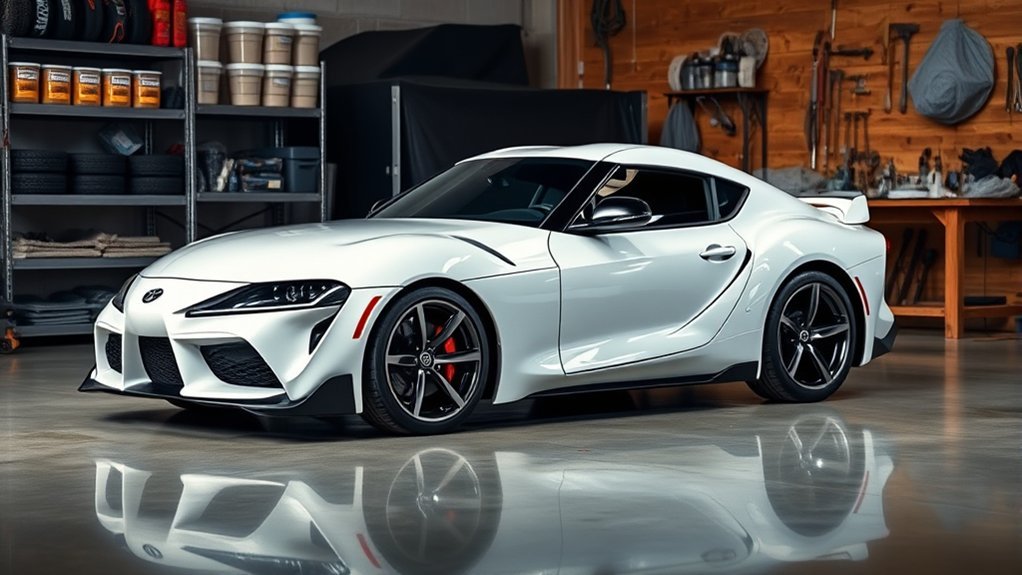
To rev match a manual Toyota Supra, lift off the accelerator, press the clutch fully, select a suitable lower gear, briefly blip the throttle to raise engine RPM, and release the clutch smoothly when the engine is near the speed required by that gear. Rev matching is primarily a downshift technique. Do not blip the throttle during a normal upshift because the higher gear usually requires lower engine RPM. This guide focuses on U.S.-market 2023–2026 GR Supra 3.0 models with the six-speed manual and Intelligent Manual Transmission system.
Rev matching reduces the speed difference between the engine and the transmission input side when you reconnect the clutch after selecting a lower gear. A close match produces a smooth downshift with little movement on the tachometer as the clutch engages. A poor match causes the car to tug, surge, or jolt.
The 2023–2026 manual GR Supra can perform the throttle adjustment automatically through Toyota’s Intelligent Manual Transmission, or iMT. You can leave iMT enabled for consistent downshifts or disable it when you are ready to practice manual throttle blips. Older manual Supras use the same basic downshift principle but do not have the MkV Supra’s iMT system.
Safety note: Rev matching cannot make an unsuitable gear safe. Never force the shifter into a lower gear that would drive the engine beyond its permitted RPM at the current road speed. A throttle blip or automatic rev matching cannot prevent a mechanical over-rev after the clutch reconnects.
Why Does Rev Matching Help a Manual Supra?

A lower gear requires the engine to turn faster at the same road speed. If you downshift and release the clutch while engine RPM is too low, the clutch must pull the engine up to the required speed. The car may pitch forward, and the drivetrain experiences a sharper change in load.
A brief throttle blip raises engine speed before clutch engagement. When the match is close, the clutch has less speed difference to absorb, the downshift feels smoother, and the chassis remains more settled. This is useful when selecting a lower gear before accelerating or while preparing for a bend.
Rev matching mainly reduces clutch slip and abrupt driveline loading during clutch engagement. It should not be described as a direct substitute for the transmission’s synchronizers. The synchronizers match internal transmission shaft and gear speeds while you select the gear. Double-clutching is a separate technique that can alter transmission input-shaft speed before the lower gear is selected.
When Should You Rev Match a Supra?
Use rev matching when the car is still moving and you need a lower gear. It is most useful before accelerating, before entering a bend, or when selecting a lower gear on a descent. You do not need to rev match through every gear when coming to a complete stop.
| Situation | Recommended Action | Reason |
|---|---|---|
| Preparing to accelerate | Rev match into a suitable lower gear | Avoids a jolt before power is applied |
| Braking before a bend | Use iMT or a heel-toe downshift | Keeps brake pressure and chassis response steadier |
| Descending a grade | Select a safe lower gear and match RPM | Provides engine braking without abrupt clutch engagement |
| Coming to a full stop | Brake normally and disengage the clutch before the engine lugs | Downshifting through every gear is unnecessary |
Complete the shift before entering a corner whenever possible. Changing gear or making abrupt pedal inputs after the car is already heavily loaded in a bend can reduce your margin for correcting a mistake.
What Should You Check Before a Downshift?
Use this checklist before practicing a rev-matched downshift:
- Road speed: Confirm that the lower gear is suitable for your current speed.
- Target gear: Choose the gear before moving the shifter so you do not rush or select the wrong gate.
- Redline margin: Do not select a gear that could mechanically over-rev the engine.
- Clutch position: Press the clutch fully while moving the shift lever.
- Surroundings: Leave enough space to complete the movement without distracting yourself from traffic.
- iMT setting: Know whether automatic rev matching is enabled before adding your own throttle blip.
Press the clutch fully during the shift. Once the engine is near the target RPM, release the pedal smoothly and promptly. Do not dump the clutch, but do not hold it at the bite point longer than necessary.
[Products Worth Considering]

Universal Design Fits Most Manual Transmission Vehicles: Compatible with a wide variety of cars; please check the dimension chart in the product images to ensure perfect compatibility with your clutch pedal.

Manual transmission enthusiast design. The Manual Transmission Preservation Society Three Pedals 6 Speed Transmission

Unlock authentic clutch control for your RS Pedals setup; feel true manual transmission dynamics in every drive
How Do You Rev Match a Manual Toyota Supra?
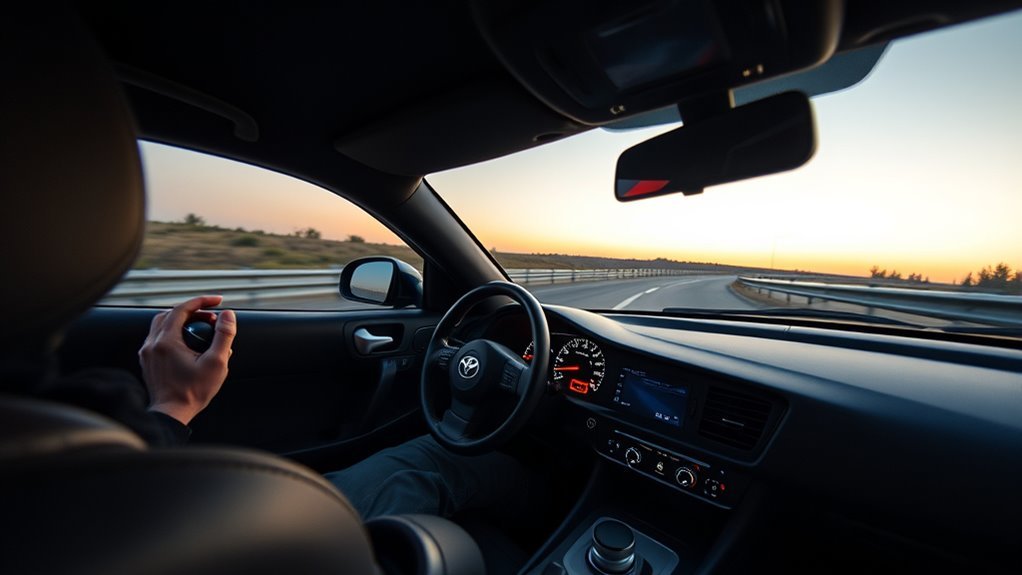
Learn the ordinary rev-matched downshift before combining it with braking. Practice only where the maneuver is legal and where a mistake will not endanger other road users.
- Lift off the accelerator. Keep the car stable and decide which lower gear is appropriate.
- Press the clutch fully. This disconnects the engine from the transmission during the shift.
- Select the lower gear. Move the shifter deliberately without forcing it into the gate.
- Blip the throttle. Briefly press and release the accelerator to raise engine RPM toward the speed required by the lower gear.
- Release the clutch smoothly. Reconnect the drivetrain as the engine reaches the target RPM, then apply the throttle needed for the next driving condition.
If the match is close, the car should remain settled and the tachometer should change very little as the clutch finishes engaging. You do not need to hold the accelerator at an exact RPM for an extended period. The goal is a short, controlled increase followed by timely clutch engagement.
[Products Worth Considering]

Function: use to unlock dry dual clutch transmission clutch motor electromechanical unit, insert the reset tool into the lever actuator hole, turn the tool anti-clockwise to set new clutch

Compatible Vehicle: The transmission reset tool is engineered for Ford 2019 Transit Connect/ 2011-2019 Fiesta/ 2012-2018 Focus and 2012-Present B-MAX.

Wide Application – For use on universal transmissions and will fit most common clutch drums up to 6" in size. Compatible with Chrysler, GM, Turbo, also fits for Ford. To check more applicable models, please refer to the description below.
How Should You Downshift Before a Corner?
Reduce speed with the brakes while the car is traveling in a straight line. Choose a lower gear that will keep the engine in a usable range after the turn without exceeding the permitted RPM during the downshift.
With iMT enabled, press the clutch and select the lower gear without adding a manual throttle blip. Allow the system to adjust engine speed, then release the clutch smoothly. With iMT disabled, use the same sequence but add a short throttle blip before clutch engagement.
Finish braking and gear selection before turning whenever conditions allow. Do not rely on a downshift alone to produce the required reduction in road speed, and do not release the clutch abruptly to create extra deceleration.
What Is a Heel-Toe Downshift?
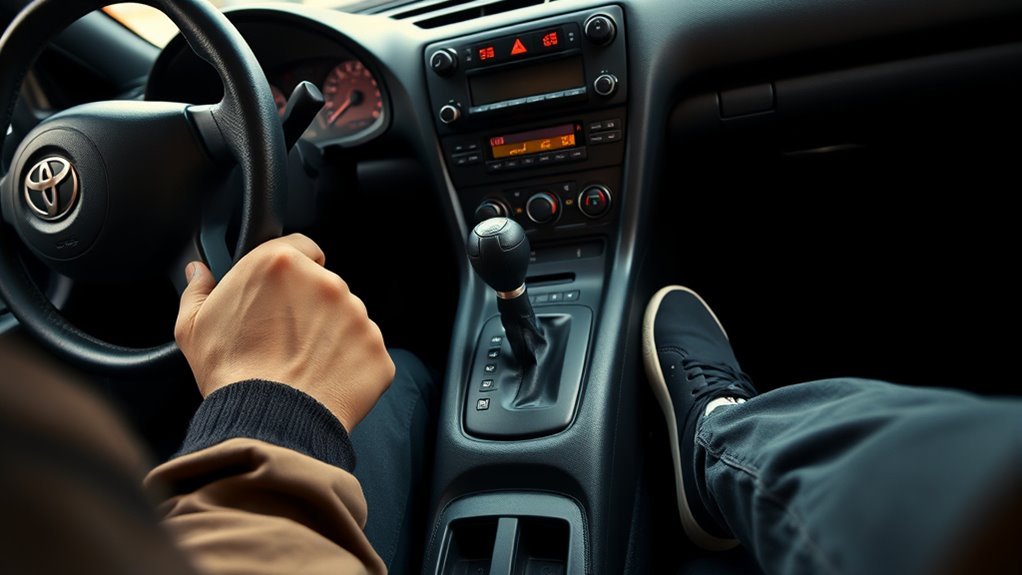
Heel-toe is rev matching performed while braking. The right foot maintains brake pressure with the ball or left side of the foot while the heel or right side briefly presses the accelerator. The left foot operates the clutch.
- Apply steady brake pressure with the right foot.
- Press the clutch fully with the left foot.
- Select a suitable lower gear.
- Keep braking while rotating the right foot to blip the throttle.
- Release the clutch smoothly when engine RPM is near the target.
- Return the right foot to normal braking or acceleration as required.
Some drivers use the side of the foot rather than the literal heel. Pedal spacing, footwear, seating position, and brake-pedal travel affect which movement is practical. Do not compromise brake pressure to reach the accelerator. Leave iMT enabled if manual heel-toe movement makes your braking inconsistent.
Should You Blip the Throttle During an Upshift?
No. During a normal upshift, the higher gear requires lower engine RPM at the same road speed. Blipping the throttle upward can make the engine flare and increase the speed difference the clutch must absorb.
Toyota distinguishes between the Supra iMT system’s two types of assistance. On downshifts, the system includes rev matching. On upshifts, Toyota describes the calibration as optimizing engine torque around clutch engagement and release. That does not mean the driver should perform the same throttle blip used for a downshift.
How Do You Time a Smooth Upshift?
- Lift off the accelerator.
- Press the clutch fully.
- Select the next higher gear.
- Allow engine RPM to fall toward the level required by that gear.
- Release the clutch smoothly and add throttle as the drivetrain reconnects.
A rushed upshift can reconnect the clutch while engine RPM is still too high. Waiting too long can allow RPM to fall too far. Use the car’s response as feedback rather than trying to create an unnecessary throttle flare.
How Should You Coordinate the Clutch and Accelerator?
Release the clutch progressively as engine RPM approaches the speed required by the higher gear. Add light throttle as needed to continue accelerating after the clutch begins to engage. Avoid holding the clutch near its bite point to hide poor timing because prolonged slip creates unnecessary heat.
If the car surges forward and the tachometer drops sharply, engine RPM was probably too high when the clutch engaged. If the car hesitates and the tachometer jumps upward, RPM may have fallen too low. Adjust the pause and clutch timing on the next shift rather than adding a downshift-style blip.
Heel-Toe vs. Auto Rev Match: Which Should You Use?
Use the Supra’s automatic rev matching when you want consistent downshifts or when manual throttle movement interferes with steady braking. Use manual rev matching when you have disabled iMT and can complete the shift without distracting yourself from traffic or reducing brake control.
| Method | Best Use | Main Limitation |
|---|---|---|
| iMT automatic rev matching | Daily driving, learning, and consistent downshifts | Less manual control over the throttle blip |
| Standard manual rev match | Downshifting when you are not braking | Requires accurate throttle and clutch timing |
| Heel-toe downshift | Braking and downshifting at the same time | Can disturb brake pressure if foot placement is poor |
Toyota says the 2026 GR Supra’s iMT is enabled by default and can be switched off through Individual Mode. Menu wording can vary by model year, so verify the procedure in the owner’s manual for your car. For more detail about feature operation, see the Toyota Supra rev-matching system guide. The separate Supra Sport Mode guide explains the broader drive-setting controls.
[Products Worth Considering]

Crafted from durable materials such as 100% die - cast metal and premium rubber tires

Officially Licensed Toyota Apparel for Women - Men; Toyota Motor T-Shirts; Toyota Trucks T-Shirts; Cars; Adventure; Racing; Off-Road; Gazoo Racing; Outdoor; Logo; Land Cruiser;

Collectible: Part of the 2023 Matchbox series, this 1:64 scale die-cast model car.
What Rev-Matching Mistakes Cause Lurching?
Most poor rev matches come from an incorrect blip, an unsuitable gear, delayed clutch engagement, or an abrupt clutch release. The direction of the tachometer movement helps identify the cause.
| What You Feel | Likely Cause | Adjustment |
|---|---|---|
| Car tugs forward and RPM jumps upward | Engine RPM was too low | Use a slightly larger or later throttle blip |
| Car surges and RPM falls sharply | Engine RPM was too high | Use a smaller blip or engage the clutch sooner |
| Initial match feels good, then the car jolts | RPM fell while clutch release was delayed | Shorten the delay after the blip |
| Shifter resists entering the gear | Excessive road speed, wrong gate, or transmission issue | Do not force the lever; reassess the gear and speed |
| Tachometer barely moves at engagement | Engine speed was close to the target | Repeat the same timing and blip size |
Clutch Release Timing
Releasing the clutch too quickly while engine and transmission speeds are mismatched causes a sharp change in vehicle speed. Releasing it extremely slowly can hide the mismatch, but the clutch must slip longer and convert more energy into heat.
A good match lets you release the pedal smoothly without a long pause at the bite point. Keep the movement controlled and use the vehicle’s response to refine the next attempt.
Too Little or Too Much Throttle
An under-blip leaves engine RPM below the target. The clutch then pulls the engine speed upward, and the car tends to decelerate abruptly. An over-blip leaves RPM above the target, so the clutch must pull engine speed downward and the car may surge.
Neither error should be corrected by forcing the shifter or dumping the clutch. Keep the clutch depressed, abandon the shift if necessary, and choose a gear appropriate for the current speed.
How Should You Practice Rev Matching Safely?
Start with iMT enabled so you can observe how much the tachometer rises during a smooth downshift at a modest, legal road speed. The observed movement is a vehicle-specific reference, not a universal target RPM.
When you are ready to practice manually, use a quiet private area, closed course, or professional driving session. Avoid practicing a new pedal sequence in traffic.
- Start with one gear change. A moderate 4th-to-3rd or 3rd-to-2nd shift is generally more forgiving than a moving 2nd-to-1st downshift.
- Practice without braking. Learn the clutch, shifter, and throttle sequence before adding heel-toe footwork.
- Repeat at a consistent speed. Change one variable at a time so you can identify whether the blip or timing caused the result.
- Watch the tachometer after engagement. A large jump shows that the match was not close.
- Add braking only after the basic shift is repeatable. Stop the exercise if reaching the accelerator changes your brake pressure.
Do not practice by repeatedly forcing first gear while the car is moving. The larger ratio change leaves less margin for an incorrect gear choice or excessive engine speed.
How Does the Supra’s iMT Change Rev Matching?
Toyota introduced the six-speed manual on six-cylinder GR Supra models for the 2023 model year. Toyota states that the gearbox uses a large-diameter clutch with a reinforced diaphragm spring and an Intelligent Manual Transmission control system.
On downshifts, iMT raises engine speed to support smoother clutch engagement. On upshifts, Toyota describes the software as optimizing engine torque at clutch engagement and release. These are related forms of shift assistance, but the driver should not copy the downshift throttle-blip movement during a conventional manual upshift.
Leave iMT enabled while learning the car’s gear-to-speed relationships. When you can choose the correct gear consistently and maintain stable pedal control, you can disable the assistance and compare your manual downshifts with the automatic baseline.
When Is Inconsistent Shifting a Mechanical Problem?
An occasional jolt usually points to timing or throttle input. Persistent symptoms may indicate a clutch, pedal, engine-control, or transmission problem rather than a learning error.
Stop practicing and arrange an inspection if you notice any of the following:
- The clutch slips under acceleration after it is fully engaged.
- The engine speed rises without a matching increase in road speed.
- A gear repeatedly grinds or refuses engagement despite full clutch travel.
- The clutch pedal feels abnormal, sticks, or does not return normally.
- The car displays a drivetrain, transmission, or engine warning.
- The throttle response is delayed or inconsistent during ordinary driving.
- The vehicle continues to lurch despite iMT-assisted downshifts and a smooth clutch release.
Do not use a stronger throttle blip to work around grinding, clutch slip, or persistent gear-selection resistance. Have the vehicle checked by a qualified technician and consult the owner’s manual for model-specific warnings.
Frequently Asked Questions
Is Rev Matching Good for a Manual Supra?
Proper rev matching can make a downshift smoother and reduce the speed difference the clutch must absorb. It does not make an unsuitable gear safe, prevent a wrong-gear mechanical over-rev, or compensate for a worn clutch or transmission fault.
How Do You Rev Match While Driving?
Lift off the accelerator, press the clutch fully, select a suitable lower gear, briefly blip the throttle, and release the clutch smoothly when the engine is near the RPM required by the lower gear. Practice the basic sequence before combining the throttle blip with braking.
Do You Rev Match When Upshifting a Supra?
Do not use a downshift-style throttle blip during a normal upshift. The engine usually needs to slow down for the higher gear. Lift the accelerator, select the higher gear, allow RPM to fall, and coordinate the clutch release with the new target speed.
Is Heel-Toe the Same as Rev Matching?
Heel-toe is one form of rev matching. A standard rev match is performed when you are not braking. Heel-toe lets the right foot maintain brake pressure while another part of the same foot blips the accelerator during the downshift.
Can You Turn Off Auto Rev Matching in a GR Supra?
Toyota says the 2026 GR Supra’s iMT is enabled by default and can be switched off in Individual Mode. Check the owner’s manual for your exact model year because menu labels and setting paths can differ.
Can Rev Matching Prevent a Wrong-Gear Over-Rev?
No. Rev matching changes engine speed but cannot make an excessively low gear safe at a high road speed. Always confirm the target gear and redline margin before releasing the clutch.
Do You Need to Rev Match Every Downshift?
No. Rev matching is useful when you need a lower gear while the car is still moving. When coming to a complete stop, you can brake normally, press the clutch before the engine begins to lug, and select the appropriate gear when you are ready to move again.
Conclusion
Rev matching a manual Toyota Supra means raising engine RPM before reconnecting the clutch in a lower gear. Use a short throttle blip for downshifts, but allow RPM to fall during normal upshifts. The best match produces little tachometer movement and no noticeable tug when the clutch engages.
Begin with the Supra’s iMT enabled and observe its smooth downshift behavior. Practice manual rev matching only in a low-risk environment, learn the standard non-braking sequence first, and add heel-toe footwork only when you can maintain steady brake pressure. Never force a low gear or assume automatic rev matching can prevent a mechanical over-rev.
Sources
- Toyota USA Newsroom: 2026 GR Supra MkV Final Edition — manual transmission hardware, iMT downshift rev matching, upshift torque control, and Individual Mode setting.
- Toyota USA Newsroom: GR Supra Manual Transmission Introduction — 2023 manual-model scope, clutch design, and iMT operation.
- Toyota 2026 Supra Manuals and Warranties — owner-manual access for vehicle-specific controls and warnings.