

Storing a Toyota GR Supra for winter is not just about parking it and throwing on a cover. You want the paint clean, the battery maintained, the fuel stabilized, the tires protected, and the cabin dry before the car sits for weeks or months. A careful storage routine helps your Supra come back out in spring without a weak battery, flat-spotted tires, stale fuel, musty odors, or rodent damage.
Quick Answer
To store a Toyota Supra for winter, wash and wax it, fill the tank with fresh fuel and stabilizer, connect a smart battery maintainer, set tire pressure based on the door placard, keep the cabin dry, block rodents safely, and use a breathable cover in a clean, ventilated garage.
Key Takeaways
- Use the Toyota owner’s manual and tire placard as your first reference for battery, fuel, and tire-pressure details.
- A smart battery maintainer is safer for long storage than an old unregulated charger.
- Do not guess tire pressure; use the placard pressure and stay below the tire sidewall maximum if adding a small storage buffer.
- Avoid short idling in storage. If the car is started, it should be in a safe, ventilated area and run long enough to fully warm up.
- Before the first spring drive, remove any exhaust or intake blockers, check for leaks and rodent damage, reset tire pressure, and test the brakes carefully.
At a Glance
| Time Required | 2 to 4 hours for full prep, plus quick monthly checks |
| Difficulty | Easy to moderate |
| Tools Needed | pH-neutral car soap, microfiber towels, wax or sealant, tire gauge, air compressor, smart battery maintainer, fuel stabilizer, moisture absorbers, wheel chocks, breathable cover, rodent deterrents |
| Cost | About $50 to $200, depending on whether you already own a maintainer, cover, and detailing supplies |
Build a Storage Plan Before You Park
Start with the storage space. A clean, dry garage is best because it protects your Supra from snow, ice, UV exposure, falling branches, and constant temperature swings. Sweep the floor, remove food, clear cardboard clutter, and check for water leaks before the car goes in.
Park on a clean concrete surface if possible. If the floor gets damp, use a garage mat or vapor barrier under the car. Leave the transmission in Park for an automatic or in gear for a manual, then use wheel chocks instead of relying on the parking brake for months. A parking brake left clamped for a long time can stick, especially in a damp garage.
Before you begin, check the Toyota owner’s manual resources for your exact model year. The GR Supra has model-specific guidance for battery access, tire information, recommended fluids, and fuel requirements.
Note: If your Supra is stored off-site, confirm security, insurance coverage, and access to power before you leave the car. A battery maintainer is only useful if the outlet is reliable.
Wash and Wax Your Supra for Protection

Before you tuck your Toyota Supra away for winter, give it a thorough wash and wax. Road film, brake dust, bird droppings, bug residue, and salt can sit on the finish for months if you park the car dirty. Use a pH-balanced car soap, a soft wash mitt, and clean microfiber towels so you do not grind dirt into the paint.
Pay attention to the lower body, wheel arches, wheels, and undercarriage. If the car has seen salted roads, rinse the underside carefully and let everything dry fully before storage. Trapped salt and moisture can speed up corrosion on hardware, suspension pieces, brake parts, and exhaust components.
For extra protection, use a clay bar or synthetic clay towel if the paint feels rough after washing. Then apply a quality wax, sealant, or ceramic spray to create a barrier against dust and moisture. Clean the glass, dry the door jambs, and open the hatch and doors long enough to let hidden water drain before you cover the car.
Pro Tip: Do not cover the car while it is still damp. Even a breathable cover can trap moisture if the paint, seams, wheels, or underbody are wet.
Keeping Your Battery Charged: Simple Tips
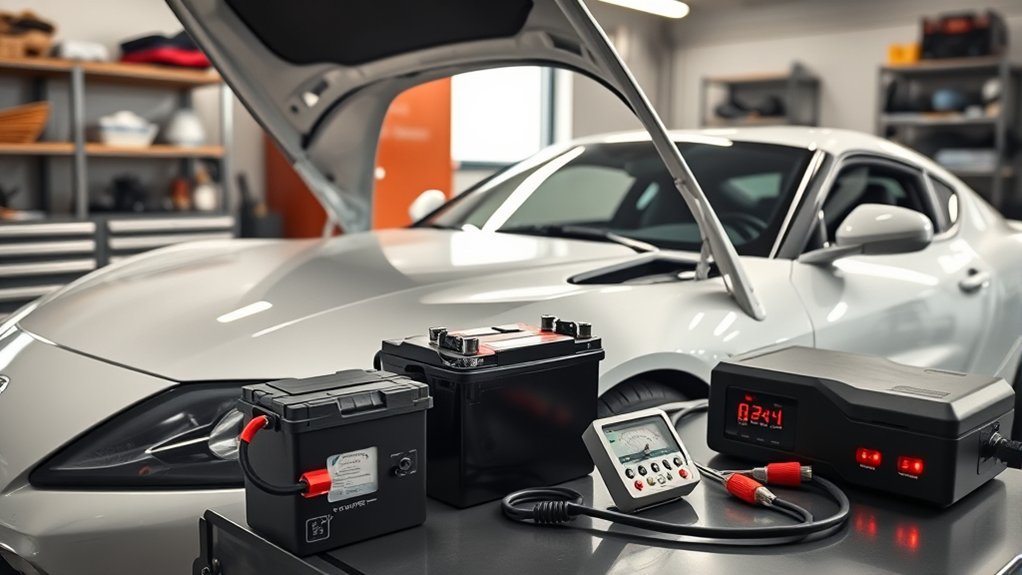
Keeping your Toyota Supra’s battery charged during winter storage is essential if you want it to start cleanly in spring. The best option is a modern smart battery maintainer or float charger that automatically adjusts output once the battery is charged. Use a maintainer that matches your battery type and follow the instructions in your owner’s manual.
If possible, connect the maintainer at the proper battery or charging points listed for your model year. Make sure the connections are clean, secure, and away from moving parts. Route the cord so it cannot be pinched by the hatch, door, or garage traffic.
Avoid old unregulated trickle chargers for long-term storage because they can overcharge a battery if left connected. A quality maintainer is designed for storage use and helps offset normal battery drain from electronic modules, alarms, and memory systems.
If you remove the battery, store it in a cool, dry place where it will not freeze, tip over, or sit directly on a damp floor. Keep it connected to a compatible maintainer. Remember that disconnecting a battery may reset some settings, so a maintainer is usually the cleaner option when power is available.
[Products Worth Considering]

Armor All Extreme Wheel and Tire Cleaner is a powerful spray designed to cut through stubborn dirt, grease, tar, and brake dust on wheels and tires. It is safe for use on factory and aftermarket finishes, including alloy, steel, chrome, and plastic wheel trims, while its fast-acting formula works in just seconds. The deep-cleansing action helps reach hard-to-clean areas and leaves wheels looking clean and shiny.

Armor All Ultra Shine Car Wash and Wax combines cleaning power and wax protection in one easy step for a brilliant finish. Its pH neutral formula helps gently lift dirt, enhance water beading, and support faster drying while delivering a deep, mirror-like shine. Safe for automotive surfaces when used as directed, it is ideal for keeping cars, trucks, and motorcycles looking freshly detailed.

KUST Custom Fit Trunk Mat is designed for 2020-2026 Toyota GR Supra models to help protect the cargo area from dirt, spills, and daily wear. Its TPE construction offers a fresh, odor-free feel, while the raised-edge design adds extra coverage for all-weather protection. Lightweight and easy to remove, it makes cleaning simple and helps keep the trunk neat and protected.
Tire Care: Preventing Flat Spots and Damage
Maintaining your Toyota Supra’s tires during winter storage is just as important as caring for the battery. Tires can develop temporary or stubborn flat spots when the same part of the tread carries the car’s weight for a long time. Start by checking the cold tire pressure on the driver-door placard or in the owner’s manual, not by guessing.
For storage, some owners add a small pressure buffer, such as 3 to 5 PSI above normal cold pressure, but only if it stays below the maximum pressure molded on the tire sidewall. Do not blindly inflate to 35-40 PSI unless that range fits your exact tire, wheel, and placard guidance. Check pressure monthly because cold weather can lower tire pressure.
If the car will sit for several months, use tire cradles, wheel dollies, or flat-spot pads. For longer storage, safely lifting the car on proper jack stands can take weight off the tires, but only do this on a level surface with correct support points. If you leave the car on the ground, move it a few inches occasionally if it is safe to do so.
Before driving in spring, reset the tires to the recommended cold pressure, inspect for cracks or bulges, check tread depth, and make sure the tire-pressure monitoring system has no warning light.
Warning: Never exceed the tire sidewall maximum pressure. Overinflation can reduce grip, create uneven wear, and make the tire more vulnerable to impact damage.
[Products Worth Considering]

This 50-pack of tire tread depth gauges offers a simple way to check tire wear quickly and accurately. Color-coded reading zones make it easy to see tread condition at a glance, while the compact design and pocket clip support convenient everyday carry. Built for repeated use, these gauges help drivers monitor tire safety with confidence.

Protect your 2020-2026 Toyota GR Supra with a precision custom-fit cover designed to hug the vehicle’s contours for a secure, reliable fit. Built for all-weather use, it helps guard against rain, snow, sun, and other outdoor elements while the soft inner lining helps reduce the risk of scratches. Added straps, waterproof seams, and ventilation provide dependable protection and everyday convenience.

This custom-fit car cover is designed for Toyota Supra and GR Supra models, offering dependable all-weather protection for both indoor and outdoor use. Built with durable Oxford fabric and a soft cotton lining, it helps shield your vehicle from rain, sun, snow, dust, and UV exposure while protecting the paint finish. Windproof straps, dual air vents, reflective details, and included security accessories add convenience and peace of mind.
Fuel Management: How to Preserve Fuel Quality
Before storing your Toyota Supra for winter, fill the fuel tank with fresh fuel and add a fuel stabilizer if the car will sit for more than a month or two. A fuller tank reduces the amount of air space in the tank, which helps limit moisture buildup. Use the octane recommended for your model year and engine.
Gasoline can lose quality during storage, especially if it is old, exposed to air, or blended with ethanol. Poor fuel storage can lead to gum, varnish, moisture issues, and harder starting later. A stabilizer helps slow that process when used correctly.
Top Off Fuel Tank
Top off the fuel tank shortly before you park the car. This supports fuel quality, reduces condensation risk, and gives your Supra a better chance of starting smoothly after storage. Do not use fuel that has already been sitting in a can for months.
- Fill with fresh fuel from a busy station.
- Use the fuel grade listed in your owner’s manual or fuel door.
- Keep the tank close to full, but do not overfill past the pump click-off.
- Check for fuel smell or leaks before you close up the garage.
Add Fuel Stabilizer
Add fuel stabilizer at the dosage on the product label, then drive the car for 10 to 15 minutes before storage. This helps mix the stabilizer into the tank and circulate treated fuel through the system. Do this before the final wash if the roads are dirty, or after the wash if the roads are dry and clean.
If you plan to store the Supra for more than a year, do not rely on a basic winter-storage routine alone. Ask a qualified Toyota technician or trusted performance shop about a longer-term plan for fuel, battery, tires, fluids, and seals.
Cleaning Inside and Out: Preventing Rust and Odors
Cleaning your Toyota Supra inside and out helps prevent rust, stains, odors, and pest problems during winter storage. Remove food wrappers, gym bags, receipts, water bottles, and anything scented that could attract rodents or create smells. Vacuum the carpets, seats, cargo area, and under-seat spaces.
If the carpets or mats are damp, dry them before storage. Moisture under floor mats can create musty smells and may contribute to corrosion on hidden metal surfaces. Wipe down touch points, clean the glass, and condition leather or synthetic trim only with products made for automotive interiors.
Outside the car, clean the wheels and brake dust, then make sure the brakes are dry before parking. After the final wash, a short dry-weather drive can help remove water from brake rotors and seams.
A winter-stored Supra should go into the garage clean, dry, fueled, charged, and protected. Dirt and moisture are small problems in November but bigger problems by spring.
Moisture Control: Keeping Your Supra Dry This Winter
Moisture control is one of the most important parts of winter storage. Use a breathable car cover, not a plastic tarp. A breathable cover helps keep dust off the paint while allowing trapped moisture to escape. Plastic can trap condensation against the finish and trim.
Place moisture absorbers inside the cabin and cargo area if your garage is damp. A small garage dehumidifier or fan can help if the space often feels wet or smells musty. Keep the windows fully closed unless the car is stored in a secure, climate-controlled space where a tiny vent gap is safe.
Do not start the engine every couple of weeks just to idle it for a few minutes. Short idling may not fully warm the oil, exhaust, transmission, differential, or brakes. If you choose to start the car during storage, do it only in a safe, ventilated area and drive long enough to fully warm the car. Avoid wet or salted roads.
Warning: Never run your Supra in a closed garage. Carbon monoxide can build up quickly, even if the garage door is open. Move the car outside before running it, or leave it parked and maintained on a charger.
[Products Worth Considering]
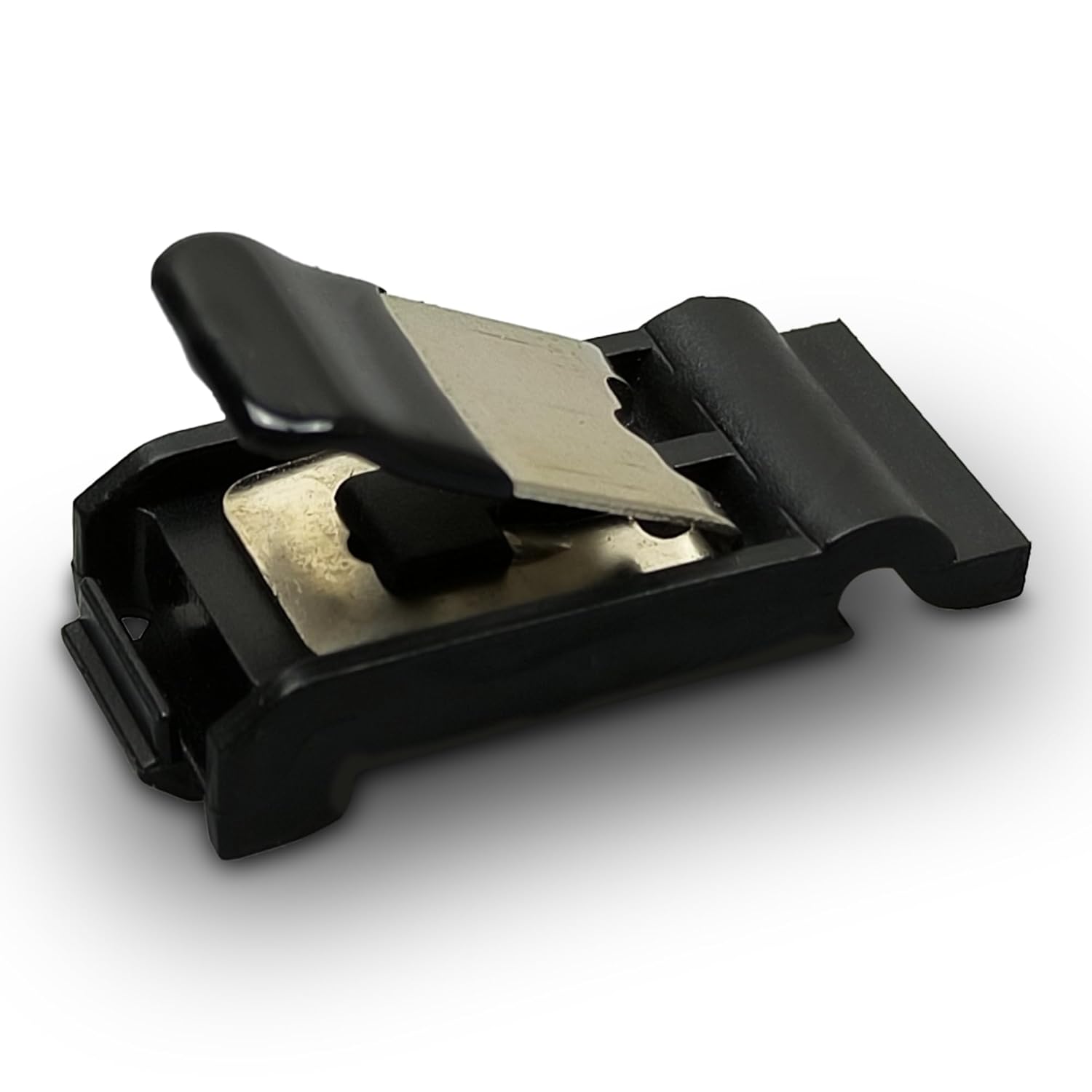
This replacement fuel door spring clip restores the smooth, reliable opening action of your vehicle’s gas door. Designed as a direct fit for select Toyota models, it installs quickly and helps keep the fuel door securely closed while maintaining factory-like performance.
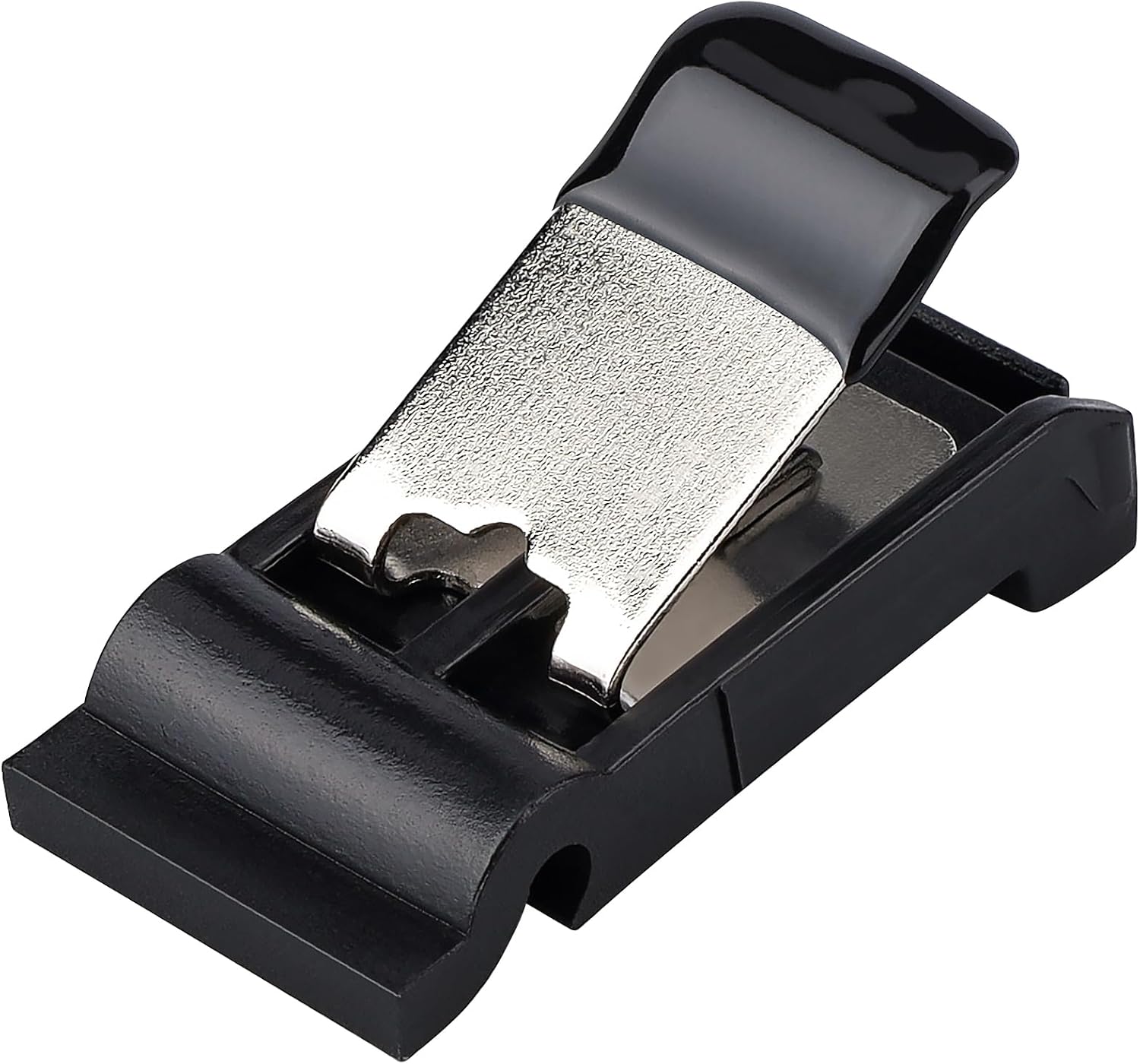
This fuel door spring clip is designed to restore proper gas tank door operation on a wide range of Toyota, Lexus, and Scion vehicles. It helps fix common issues like a stuck fuel door or one that opens too quickly, making refueling smoother and more convenient. Built as a direct replacement for compatible part numbers, it offers a practical repair solution for worn or broken clips.

This dial type tire tread depth gauge helps you quickly check tread wear on motorcycles, cars, trucks, and buses with easy-to-read 1/32-inch increments. Its colorful zone markings make it simple to assess tire condition for safer driving in different weather, while the durable zinc cast body and legible dial provide dependable everyday use.
Rodent Prevention Strategies: Keeping Critters at Bay
As colder months approach, take steps to deter rodents before they find the warm engine bay, insulation, or cabin. Start with the storage area. Remove pet food, bird seed, grass seed, cardboard piles, and trash. Seal obvious garage gaps where rodents enter.
- Use scent deterrents carefully: Peppermint pouches or other rodent deterrents may help, but do not place liquids where they can spill on trim, wiring, or paint.
- Block obvious openings: Some owners plug the exhaust tips with clean rags or purpose-made covers, but only if they add a bright reminder tag to the steering wheel.
- Set traps around the storage area: Place traps along garage walls and near entry points, not on painted body panels or inside delicate trim areas.
- Inspect monthly: Look for droppings, nesting material, chewed insulation, or a strange smell around the engine bay and cabin.
Warning: If you block the exhaust, intake area, or any opening for rodent prevention, remove every blocker before starting the engine. A steering-wheel reminder tag is not optional.
Fluids, Oil, and Final Pre-Storage Checks
Before the Supra sits, check the engine oil, coolant, brake fluid, washer fluid, and visible hoses. If the oil is near its service interval, change it before storage so used oil and contaminants are not sitting in the engine all winter. Use fluids that meet Toyota’s specifications for your model year.
Look under the car for leaks after the final drive and again after it has been parked overnight. Small leaks are easier to fix before winter than after months of sitting. Make sure the fuel cap is tight, the windows are closed, the wipers are off the glass if needed, and the car is locked.
If you use a cover, choose a soft, breathable indoor cover that fits the Supra’s shape. A loose outdoor tarp can rub the paint and trap moisture. For an outdoor-only situation, use a fitted outdoor-rated breathable cover and check the car more often.
Get Ready for Spring: Essential Prep Steps
After winter storage, do not jump straight into a hard drive. Start with a slow inspection. Remove the cover, check the paint, open the hood, inspect the engine bay, and look for rodent damage. Remove any exhaust plugs, intake covers, or reminder tags before starting the car.
Disconnect the battery maintainer, confirm the battery is secure, and check for warning lights. Reset tire pressure to the recommended cold setting on the door placard. Look under the car for leaks, then check oil, coolant, brake fluid, and washer fluid levels.
When you start the Supra, listen for unusual noises and let the idle settle. Test the brake pedal before moving. On the first drive, go gently until the tires, brakes, drivetrain, and fluids are fully warmed. Avoid hard acceleration, hard braking, and high cornering loads until everything feels normal.
- Remove all rodent blockers and reminder tags.
- Check tire pressure and inspect tire sidewalls.
- Look for leaks under the engine, transmission, differential, and brake areas.
- Test exterior lights, wipers, horn, and washer spray.
- Drive slowly at first and test the brakes in a safe area.
- Schedule service if you notice warning lights, vibration, odors, leaks, or a weak battery.
Frequently Asked Questions
Should the gas tank be full or empty for Toyota Supra winter storage?
Keep the tank close to full with fresh fuel, then add fuel stabilizer if the car will sit for more than a month or two. A fuller tank reduces air space and helps limit moisture buildup. Do not overfill past the pump click-off.
Is a Toyota Supra good for winter driving?
The Supra can be driven in cold weather with the right tires and careful throttle control, but it is a rear-wheel-drive performance car with low ground clearance. If your area gets snow, ice, salt, or deep slush, winter storage is often the better choice for protecting the car.
How do I prepare my car for winter storage?
Clean and dry the car, protect the paint, fill the tank with fresh stabilized fuel, connect a smart battery maintainer, set tire pressure correctly, chock the wheels, release the parking brake, control moisture, deter rodents, and cover the car with a breathable cover.
What is the Toyota Supra’s weakness in winter?
For winter use, the Supra’s main weaknesses are rear-wheel drive, performance tires that may not work well in cold temperatures, low ride height, and strong power delivery. For winter storage, the biggest risks are battery drain, flat-spotted tires, stale fuel, moisture, and rodents.
Should I start my Supra during winter storage?
Do not start it just to idle for a few minutes. Short idling may add condensation instead of removing it. If you start the car, move it to a safe, ventilated area and drive long enough to fully warm the engine, exhaust, brakes, and drivetrain.
Can I leave the parking brake on during storage?
For long storage, it is usually better to avoid leaving the parking brake clamped. Park on a level surface, place the transmission in Park or in gear, and use wheel chocks. This helps reduce the chance of the brake sticking in a damp garage.
Conclusion
A good Toyota Supra winter storage routine protects the car from the problems that usually appear after months of sitting: a weak battery, stale fuel, tire flat spots, moisture, odors, corrosion, and rodent damage. Wash it, dry it, stabilize the fuel, maintain the battery, protect the tires, control moisture, and leave clear reminders for anything you block or disconnect. When spring comes, inspect first and drive gently before asking the car for full performance again.
Sources
- Toyota Owner’s Manuals and Warranty Resources — model-specific owner’s manual checks for battery, tire, fuel, and fluid guidance
- Toyota GR Supra official page — current GR Supra model context
- NHTSA Tire Safety — tire pressure and tire safety guidance
- CDC Carbon Monoxide Poisoning Prevention — carbon monoxide safety warning for running vehicles in enclosed spaces
- STA-BIL Storage Fuel Stabilizer — fuel stabilizer use and label-based storage guidance

[…] the battery before winter and before long […]
[…] Sound Design is the cabin sound-enhancement system that shapes what the driver hears from the GR Supra‘s engine inside the cabin. It does not add horsepower, change the turbo, or physically make […]
[…] remains rear-wheel drive, so Traction mode does not create AWD grip and does not replace proper winter tires, low speed, or smooth steering and throttle […]