

Quick answer: A Toyota Supra radiator leak can cause recurring coolant loss, coolant residue or wetness on the radiator itself, steam from the engine bay, and rising engine temperature. However, a coolant puddle under the car does not prove the radiator is leaking; hoses, reservoirs, fittings, the water pump, and other cooling-system components can leak too. If the temperature rises abnormally, a warning appears, coolant is escaping rapidly, or steam is coming from the engine bay, pull over safely and shut the engine off. Never open a pressurized cooling system while the engine is hot.
This guide applies most directly to the current-generation GR Supra. Toyota’s current owner information says gasoline Supra models use two cooling circuits, so both coolant reservoirs must be checked when the engine is cold. Older Supra generations use different cooling-system layouts, so confirm the exact model year and engine before ordering a radiator, cap, hose, or coolant. For whole-system diagnosis rather than radiator-specific troubleshooting, see the Toyota Supra coolant leak diagnosis guide.
Last updated: September 14, 2026 — checked against current Toyota Supra owner information and current radiator-replacement cost data.
Affiliate disclosure: AutoReviewNest may earn a commission from qualifying purchases made through links on this page, at no extra cost to you.
What Are the Signs of a Toyota Supra Radiator Leak?
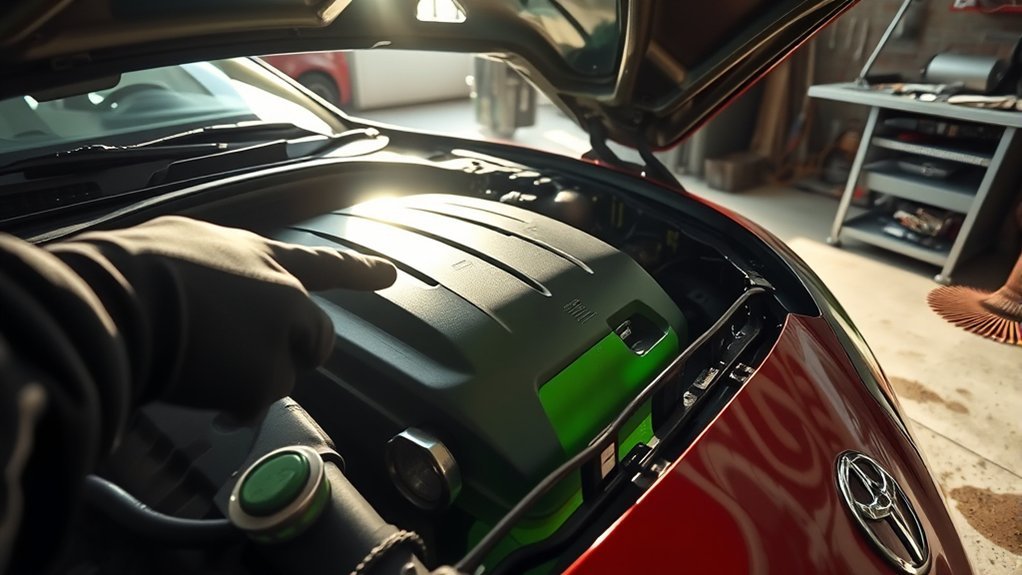
The strongest evidence of a radiator leak is fresh coolant, dried coolant residue, or visible seepage directly from the radiator core, seams, or end-tank area. Coolant under the car, a recurring low-coolant warning, or overheating confirms that the cooling system needs attention, but those symptoms alone do not identify the radiator as the source.
| Symptom | What It Tells You | Next Check |
|---|---|---|
| Wet radiator core, seam, or end tank | The radiator is a likely leak source | Confirm with a cold-system pressure test and inspect the exact wet point |
| Coolant puddle under the front of the car | There may be an external coolant leak | Trace upward to the radiator, hoses, reservoirs, fittings, or pump area |
| Coolant level keeps dropping | The system is losing coolant somewhere | Check both reservoirs on a current GR Supra and inspect the entire cooling system |
| Steam from the engine bay or high-temperature warning | The cooling system may be losing coolant or overheating | Stop driving, shut the engine off, and let it cool completely |
| Persistent white exhaust with unexplained coolant loss | This can indicate an internal coolant leak rather than an external radiator leak | Arrange professional internal-leak diagnosis |
On a current GR Supra, Toyota instructs owners to check both coolant reservoirs only after the engine has cooled. The coolant should be at the specified level in each applicable reservoir. See Toyota’s Supra Owner’s Manual for the exact procedure applicable to the referenced model year.
What Repairs Fix a Leaking Supra Radiator?
The correct repair depends on where the coolant is actually escaping. Do not replace the radiator until the leak source is confirmed.
- Radiator core, seam, or tank leak: A leaking modern aluminum/plastic radiator commonly requires replacement. Some older serviceable radiators may be repairable by a radiator specialist.
- Hose or connection leak: Replace the damaged hose, seal, connector, or clamp as required rather than assuming the radiator has failed.
- Reservoir or pressure-cap leak: Inspect the applicable coolant reservoir and pressure cap for cracks, damaged seals, or pressure loss and replace the failed component with the correct model-specific part.
- Contaminated or incorrect coolant: Drain, refill, and bleed the system according to the correct Supra service procedure and coolant specification. Do not choose coolant by color alone.
- Pressure loss with no visible external leak: Expand the diagnosis to other cooling-system components or an internal leak instead of repeatedly topping off coolant.
A cooling-system sealant or epoxy should not be treated as a universal permanent repair. If the radiator itself is cracked or leaking, confirm whether the specific radiator is professionally repairable or should be replaced.
[Products Worth Considering]

This adjustable elastic cargo net helps keep trunk and cargo-area items securely organized during everyday driving and travel. Made with durable nylon and rubber-band elasticity, it stretches to hold larger items while helping prevent shifting and clutter. Its versatile fit, simple installation, and portable design make it a practical storage solution for cars, SUVs, trucks, and more.

This spill-proof radiator coolant filling funnel kit helps you refill cooling systems cleanly while reducing trapped air pockets that can affect heater and engine performance. It includes a 5-inch extension bar and 45-degree elbow for easier access under shrouds or at awkward angles. Color-matched caps for dedicated adapters make setup simpler and more organized.
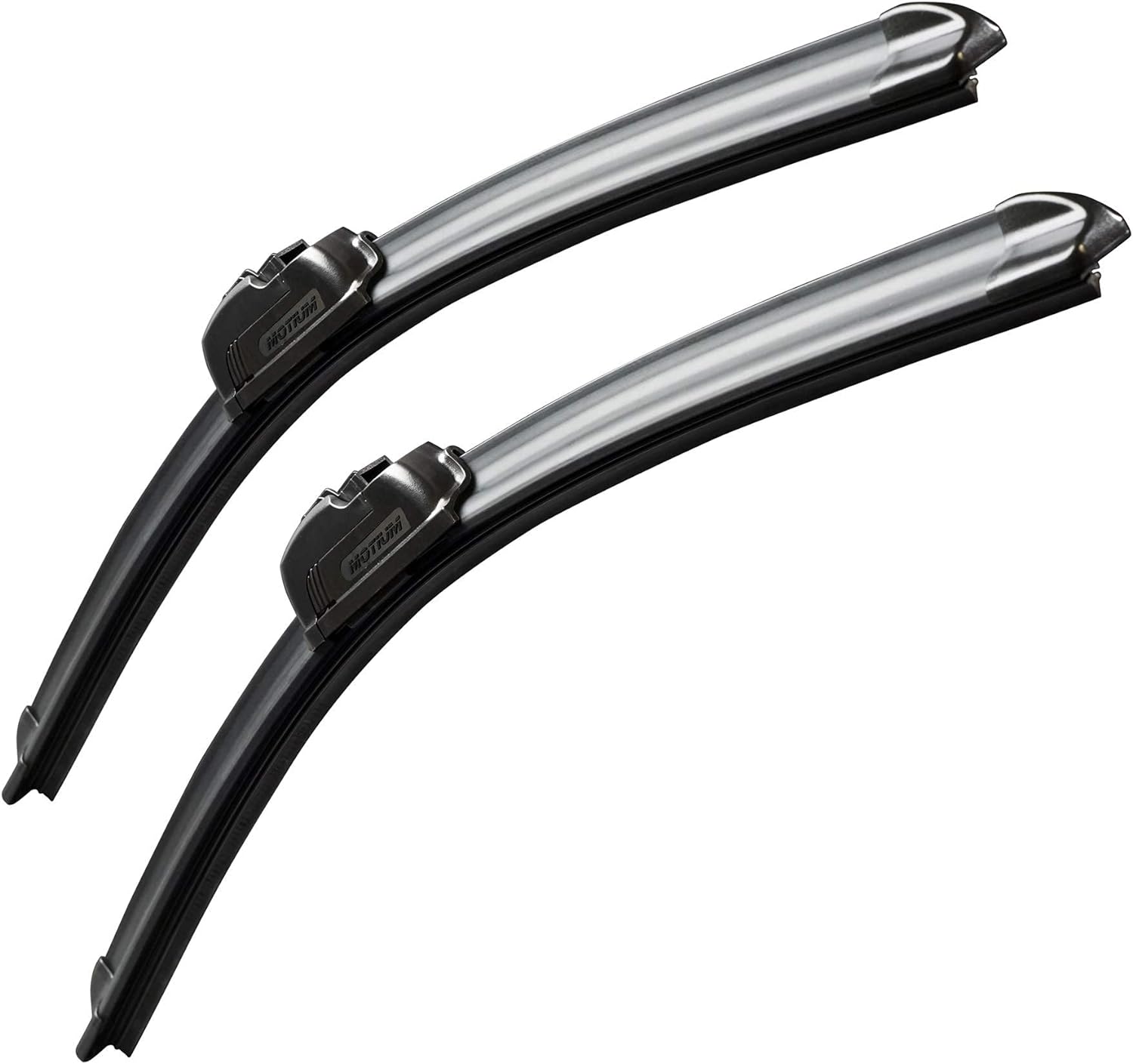
These MOTIUM windshield wiper blades deliver clear, streak-free wiping for improved visibility in rain, snow, and extreme heat. Designed for quiet, smooth operation and easy installation, they include both driver and passenger blades for a quick replacement solution that helps keep driving safer in all seasons.
How Do You Confirm the Radiator Is Actually Leaking?
Start only after the engine and cooling system have cooled completely. A puddle on the ground is the beginning of the diagnosis, not the conclusion.
- Check coolant levels first: On a current GR Supra, inspect both coolant reservoirs according to the owner’s manual. A repeated drop means the cause needs to be found.
- Inspect the radiator directly: Look for fresh wetness, dried coolant deposits, staining, damaged fins, impact damage, or seepage along the core and tank seams.
- Inspect hoses and fittings: A wet hose connection or connector points away from the radiator and toward that specific joint.
- Check the reservoir and pressure cap: Look for cracks, dried residue around the cap, or evidence that coolant has escaped from the reservoir area.
- Look above the puddle: Coolant can run along covers and splash shields before reaching the ground, so the drip location underneath the car may not be directly below the failed component.
- Pressure-test the cold system if needed: Use the correct adapter and the pressure specified for the exact vehicle. Never guess the test pressure or exceed the vehicle/tool limit.
If you find coolant on a hose, reservoir, fitting, pump area, or another component while the radiator remains dry, diagnose that source first. For a wider leak-location checklist, use the Supra coolant leak diagnosis guide.
How Should You Diagnose a Supra Radiator Leak?
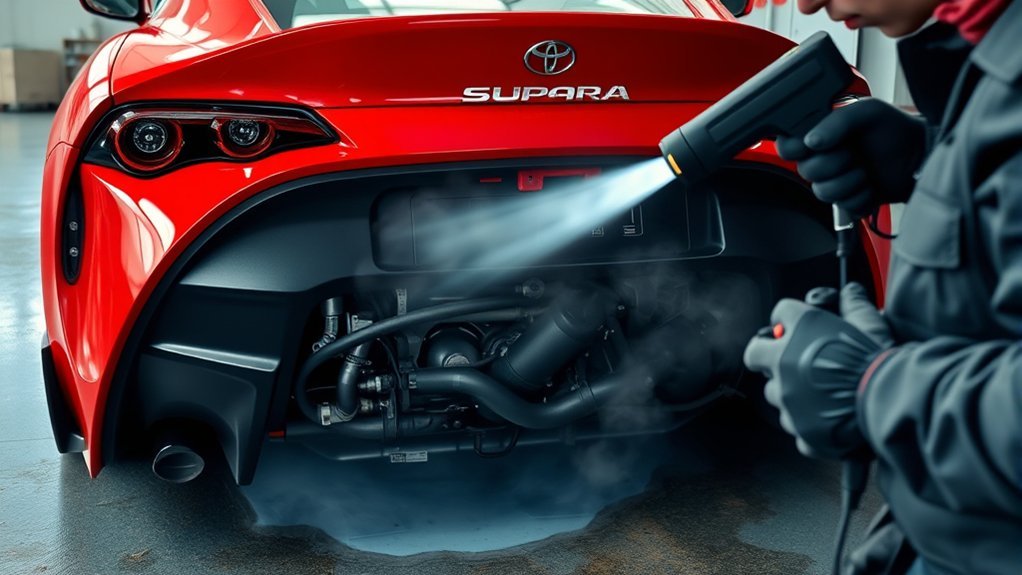
A good radiator diagnosis moves from the safest and simplest checks to controlled testing. The goal is to identify the exact leak before buying parts. If the car is already overheating or producing steam, stop the diagnosis until the engine is fully cool.
What Symptoms Make a Radiator Leak More Likely?
A radiator becomes a stronger suspect when coolant residue or active seepage is visible on the radiator itself. Other symptoms are important, but they are not radiator-specific:
- Fresh coolant or dried residue on a radiator seam, tank, or core
- Recurring coolant loss after the system has been filled correctly
- Coolant dripping from the radiator area during a controlled pressure test
- Engine-temperature warnings or abnormal temperature rise combined with coolant loss
- Steam from the engine bay when leaking coolant reaches hot components
A malfunctioning cooling fan can also cause overheating, especially when airflow is low, but a fan problem does not by itself mean the radiator is leaking. Likewise, persistent white exhaust is not a normal external-radiator-leak symptom and should trigger a wider internal-leak diagnosis.
Which Diagnostic Tools Are Actually Useful?
You do not need a long list of specialty tools for the first inspection. Start with a flashlight and the correct cooling-system pressure tester and adapter if a pressure test is appropriate. The tester lets you pressurize a cold system to the vehicle-specified test pressure while looking for seepage without relying on engine heat.
Do not guess at a generic pressure value. Follow the vehicle and tester instructions and never exceed the specified limit. If pressure falls but you cannot find an external leak, verify that the tester and adapter are sealed correctly. If the pressure loss is real, a qualified technician may need to perform additional testing for internal coolant loss. Electrical tools such as a multimeter are useful when diagnosing a fan-control problem, but they are not required simply to prove a radiator leak.
What Is the Safest Testing Sequence?
- Let the engine cool completely. Never remove a coolant reservoir or radiator cap from a hot, pressurized system.
- Check the coolant level. On a current GR Supra, inspect both applicable reservoirs according to Toyota’s procedure.
- Perform a dry visual inspection. Look at the radiator, hoses, connections, reservoirs, and surrounding areas for fresh liquid or dried residue.
- Clean suspicious areas if necessary. A clean surface makes fresh seepage easier to identify.
- Pressure-test the cold system. Use the correct adapter and exact vehicle-specified pressure. Watch the gauge and inspect the radiator and other components for fresh leakage.
- Interpret the result. A pressure drop plus visible coolant at the radiator supports a radiator diagnosis. A pressure drop with coolant elsewhere points to that component. A verified pressure loss with no external leak requires further diagnosis.
- Recheck after repair. Refill and bleed the system using the correct procedure, confirm there is no leakage, and monitor coolant level and temperature before returning to normal driving.
How Can You Reduce Future Cooling-System Problems?
Check the cooling system when the engine is cold and investigate coolant loss rather than repeatedly topping it off. On current GR Supra models, Toyota’s owner information calls for checking the applicable coolant reservoirs and having the cause of coolant loss corrected.
- Keep the radiator and front heat-exchanger area unobstructed: Leaves, dirt, and debris can reduce airflow. Clean carefully without damaging the fins.
- Inspect hoses, connections, reservoirs, and caps: Look for cracks, dried coolant residue, swelling, loose or damaged fittings, and other signs of leakage.
- Use the correct coolant specification: Do not choose coolant only because its color looks similar. See the Supra coolant type and service guide for model-specific coolant guidance.
- Follow the maintenance information for your exact year and market: Do not apply a generic coolant-flush interval to every Supra generation.
- Track unexplained coolant loss: If the level falls again after topping off, find the cause instead of normalizing repeated refills.
If you only need to verify the level safely, see how to check the Toyota Supra coolant level.
When Should You Stop Driving and Get Professional Help?
Arrange professional diagnosis if the source is not obvious or if the car shows signs of overheating. Stop driving and shut the engine off as soon as it is safe when you have a high-temperature warning, rapidly rising temperature, heavy coolant loss, or steam from the engine bay.
- The coolant level repeatedly drops after being filled correctly.
- A cold-system pressure test loses pressure but no external leak can be found.
- You see persistent white exhaust together with unexplained coolant loss.
- Coolant appears contaminated with oil or another fluid.
- The radiator, reservoir, hose connections, or other cooling components are damaged.
- The car overheats again after a repair.
Do not wait for a Check Engine Light before taking coolant loss seriously. Cooling-system warnings, temperature behavior, visible leakage, and repeated coolant loss are enough to justify diagnosis.
[Products Worth Considering]

Rain-X WeatherBeater wiper blades deliver dependable, conventional performance designed to meet or exceed OEM standards for quality and durability. The natural rubber squeegee, galvanized steel frame, and multiple pressure points work together to provide a clean, consistent wipe while resisting cracking, rust, and corrosion. A pre-installed multi-adapter helps simplify installation on many vehicles.

The JACO ElitePro Digital Tire Pressure Gauge delivers shop-grade accuracy with a clear digital readout, making it easy to maintain proper tire pressure for safer driving and better performance. Built with rugged brass and steel components, a protective guard, and a flexible air hose, it is designed for reliable use across cars, trucks, motorcycles, bikes, RVs, and trailers. The lock-on display, built-in bleeder valve, and bright backlit screen add convenience in any lighting condition.

Antifreeze Coolant
How Much Does Toyota GR Supra Radiator Replacement Cost?
Radiator cost varies substantially by Supra generation, model year, location, parts choice, and whether additional cooling-system damage is found. Avoid using one generic price range for every Toyota Supra.
[Products Worth Considering]

【High-quality Material】The 1640131650 radiator cap is made of high-specification stainless steel core components, which has excellent corrosion resistance and rust resistance. It can effectively withstand the high temperature and high pressure environment in the engine compartment, providing long-lasting and reliable sealing protection for your car's cooling system
Current GR Supra Cost Example
As a current U.S. reference, RepairPal’s January 2026 estimate for a 2023 Toyota GR Supra radiator replacement is $1,332 to $1,571 before taxes, fees, location adjustments, and any related repairs. That is a model-year-specific planning estimate, not a guaranteed quote for every Supra. See the RepairPal 2023 GR Supra radiator replacement estimate.
Parts and Labor Breakdown
For the same 2023 GR Supra estimate, RepairPal lists approximately $819 in parts and $512 to $752 in labor. Taxes, fees, local labor rates, and related repairs are excluded from that estimate. A shop may also discover a leaking hose, reservoir, pressure cap, damaged fitting, or other component during diagnosis, changing the final total.
Do not estimate labor time by dividing these numbers by a generic hourly shop rate. The proper repair procedure and billed time depend on the exact vehicle and repair facility.
What Changes the Final Repair Price?
- Supra generation and model year: Radiators, cooling-system layouts, and access differ.
- Exact failed component: A hose or reservoir problem is a different repair from radiator replacement.
- OEM versus aftermarket parts: Price and availability vary.
- Labor market: Shop rates differ by location and repair facility.
- Additional damage: Overheating may require inspection of other engine and cooling-system components.
- Coolant refill and bleeding: The system must be refilled and bled using the correct procedure after it is opened.
- Warranty coverage: Eligible repairs may have different out-of-pocket costs.
Frequently Asked Questions
What Are the Signs of a Leaking Radiator?
The strongest sign is coolant or dried coolant residue directly on the radiator core, tank, or seam. Other signs include recurring coolant loss, steam from the engine bay, or rising engine temperature, but those symptoms can also come from hoses, reservoirs, pumps, fittings, or other cooling-system faults.
Can You Drive a Supra With a Radiator Leak?
You should not continue driving if the temperature is rising, a high-temperature warning appears, steam is coming from the engine bay, or coolant is escaping quickly. Pull over safely and shut the engine off. Even a small leak can worsen, so a confirmed leak should be repaired rather than treated as normal. Never open the cooling system while it is hot.
Can a Leak in a Radiator Be Repaired?
Sometimes. An older serviceable radiator may be repairable by a radiator specialist, but a leaking modern plastic/aluminum radiator often requires replacement. Do not assume stop-leak products or epoxy are a permanent repair. Confirm the leak location and radiator construction before deciding.
How Do You Know if the Radiator Is Leaking or Something Else?
Trace the coolant to its highest fresh wet point. Coolant directly on a radiator seam, tank, or core makes the radiator likely. Coolant at a hose connection, reservoir, cap, pump area, or another fitting points elsewhere. A cold-system pressure test can help expose the source. If the pressure drops without any visible external leak, further internal-leak diagnosis may be required.
Conclusion
A coolant puddle or low coolant level tells you that your Toyota Supra may have a cooling-system problem, but it does not automatically mean the radiator has failed. Confirm the source by inspecting the radiator, hoses, reservoirs, fittings, and other cooling-system components, then use a properly performed cold-system pressure test when needed.
For a current GR Supra, remember that Toyota specifies multiple cooling circuits/reservoirs, so check the applicable reservoirs only when the engine is cold. If the car is overheating, producing steam, or losing coolant rapidly, stop driving and let the engine cool before any inspection. Repair the confirmed source rather than repeatedly topping off coolant or replacing parts by guesswork.
Sources
- Toyota Supra Owner’s Manual — coolant safety, multiple cooling circuits, coolant-reservoir checking, and coolant-loss guidance.
- RepairPal — 2023 Toyota GR Supra Radiator Replacement Cost Estimate — current model-year-specific parts, labor, and total cost reference.


[…] visible fittings for fresh coolant or dried residue. For a deeper radiator-specific check, see the Supra radiator leak guide. For water-pump symptoms, see the Supra water-pump […]