
What’s in This Article
- Quick Check: Inspect Your Toyota Supra Coolant Reservoir Level
- Before You Begin: Coolant Check Safety and Supplies
- When and Why to Check the Radiator Neck Safely
- Top Off Coolant Safely: Mix, How Much, and Cap Procedure
- Step-by-Step: Check and Top Off Supra Coolant
- Bleed Trapped Air From the Supra Cooling System After Topping
- Find and Diagnose Coolant Leaks: 7 Checks to Pinpoint Loss
- Routine Coolant Checks and When to Visit a Toyota Service Center
- Common Mistakes to Avoid When Checking Supra Coolant
- Frequently Asked Questions
- Conclusion
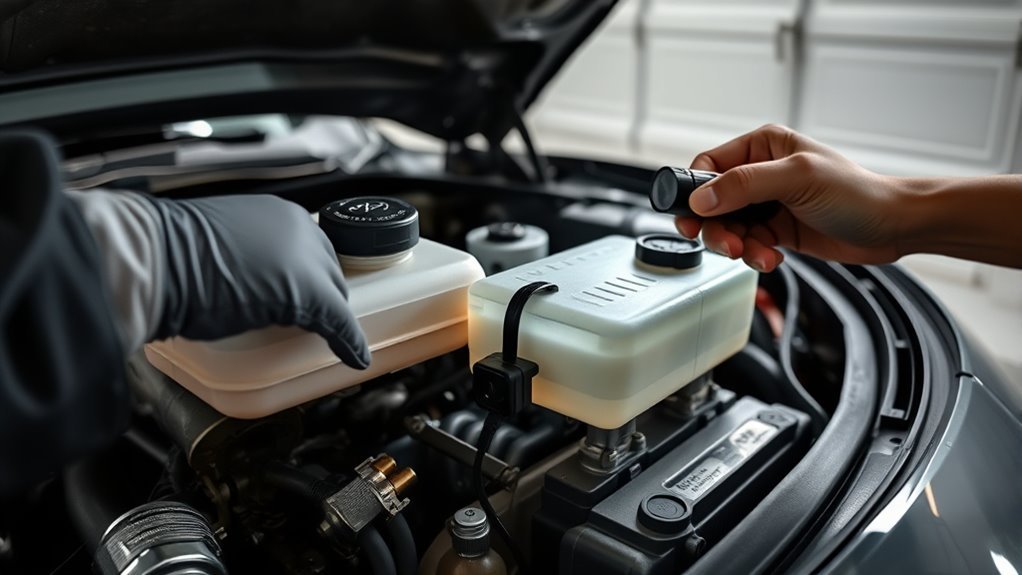
A low coolant level can turn a normal drive into an overheating problem fast. Check your Toyota Supra only when the engine is cold, then confirm the coolant sits at the proper mark in the reservoir. This guide shows you how to inspect the reservoir, check the radiator neck safely, top off the system, bleed trapped air, and spot leaks before they cause damage.
Quick Answer
Check your Toyota Supra coolant only when the engine is cold. Locate the translucent reservoir and confirm the coolant sits between the low and full marks, or at the full mark if your reservoir uses one clear line. If the level looks low, top it off with the correct Toyota-approved coolant mix, secure the cap, then check for leaks.
Key Takeaways
- Check coolant only when the engine is cold to avoid burns from hot coolant or steam.
- Use Toyota-approved coolant and the correct water mix when the system needs topping off.
- Do not overfill the reservoir because extra coolant can overflow as the system heats up.
- Bleed trapped air after topping off if bubbles or unstable coolant levels appear.
- Get service help if coolant keeps dropping, the engine overheats, or you see leaks.
Quick Check: Inspect Your Toyota Supra Coolant Reservoir Level
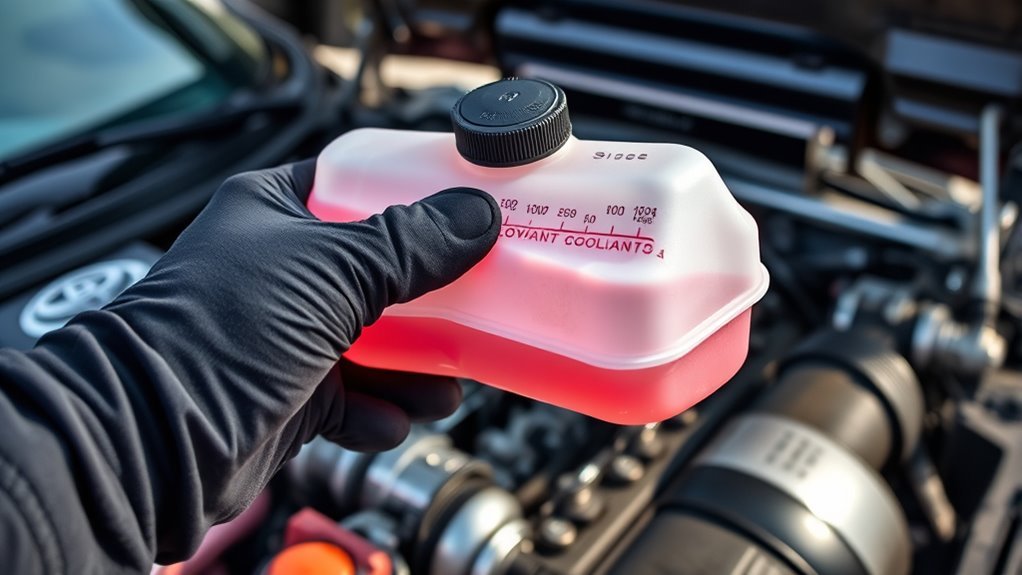
Start by locating the coolant reservoir in the engine bay. It usually looks like a translucent plastic tank with level marks on the side. Check it only when the engine is cold so hot coolant and steam do not burn you.
Confirm that the fluid sits at the “full” line, or between the “low” and “full” marks if your reservoir uses a range. If the level looks low, top off with the manufacturer-recommended coolant and the correct mixture. After adding coolant, inspect hoses and clamp joints for leaks that could cause the level to drop again.
Make this check part of your regular maintenance routine. A simple visual check can help you prevent overheating and engine damage.
[Products Worth Considering]

This spill-proof radiator coolant filling funnel kit helps you refill cooling systems cleanly while reducing trapped air pockets that can affect heater and engine performance. It includes a 5-inch extension bar and 45-degree elbow for easier access under shrouds or at awkward angles. Color-matched caps for dedicated adapters make setup simpler and more organized.

This 4-pack of waterproof inline fuse holders provides reliable circuit protection for automotive, marine, and other 12V electrical systems. Built with 12AWG heavy-duty wire and tin-plated copper conductors, it supports stable current flow while helping guard against overloads. The sealed double-slot cover design adds dust, moisture, and water resistance for dependable performance in demanding environments.

This foldable windshield sunshade helps keep your vehicle's interior cooler by reflecting sunlight away from the cabin. Its aluminum foil and bubble material design improves heat reduction while helping protect the dashboard, steering wheel, and seats from sun damage. Lightweight and portable, it folds down for easy storage and includes suction cups for simple windshield attachment.
Before You Begin: Coolant Check Safety and Supplies
Estimated time: 10 to 20 minutes for a basic coolant check and top-off. A full bleed or leak check can take longer.
Gather the right supplies before you open anything. You will need Toyota-approved coolant, deionized or distilled water if you use concentrate, a clean funnel, gloves, a rag, and a flashlight.
Park the Supra on level ground and let the engine cool fully. Good lighting also helps you spot stains, crust, wet clamps, and small hose leaks.
[Products Worth Considering]

This license plate screw kit provides a complete, rustproof mounting solution for securing front and rear plates on most vehicles. Made from stainless steel with included washers, foam pads, covers, and inserts, it helps prevent corrosion, reduce vibration, and create a clean finished look. The self-tapping design makes installation quick and simple with basic tools.

This wireless portable CarPlay screen brings Apple CarPlay and Android Auto to almost any vehicle for safer, hands-free driving and easier access to navigation, calls, music, and messaging. It features a vivid IPS touchscreen, fast wireless performance, OTA updates, multiple audio output options, and an integrated backup camera to improve convenience and parking safety. Plug-and-play setup makes installation simple without dashboard modifications, while steering wheel control support helps keep driving focused and intuitive.

Antifreeze Coolant
When and Why to Check the Radiator Neck Safely
You should not touch the radiator neck until the engine has fully cooled. Wait several hours after driving, or check it the next morning, to avoid burns from hot coolant or steam.
When the engine is cold, loosen the cap slowly and carefully to release any leftover pressure. Only check the radiator neck after pressure has released. If coolant sits low in the neck, inspect hoses and fittings for leaks before adding more.
Warning: Never open a radiator cap when the engine is hot because pressurized coolant can spray out and burn you.
Wait Until the Engine Cools
The radiator and coolant system build pressure during normal driving. You should check the radiator neck only after the engine cools fully.
Park on level ground and let heat leave the engine bay. Do not touch the cap until the coolant system feels cold.
| Condition | Action | Goal |
|---|---|---|
| Engine hot | Do not open cap | Avoid scalding |
| Engine cooled | Open cap carefully | Verify coolant reaches neck |
| Not level | Reposition vehicle | Accurate reading |
Check when cold, confirm coolant reaches the neck, and top off only after you meet the safety steps.
Safely Release Pressure
When the engine feels fully cool, slowly press down on the radiator cap and twist it a quarter turn. Keep your face and hands to the side, and use a rag for better grip.
If you hear a soft hiss, stop and let the pressure release. Once the system vents, remove the cap and inspect the coolant level at the radiator neck.
The fluid should reach the neck, not just cover the fins. While the system sits open and depressurized, check hoses and the neck for wet spots, stains, cracks, or crust.
Top Off Coolant Safely: Mix, How Much, and Cap Procedure
With the engine cold, prepare a Toyota-approved coolant mix before adding fluid. If you use concentrate, mix it 50/50 with deionized or distilled water in a clean container.
Remove the reservoir cap and add coolant to the “full” line without overfilling. Replace the cap firmly so the system can hold pressure. Check the main reservoir and overflow bottle after filling to confirm the level looks stable.
[Products Worth Considering]

Specifically designed to match the needs of your car, OEM fluids keep your vehicle performing at its best. Drive with confidence. Drive with OEM.

And Vehicle Specific
Proper Coolant Mix
Before you add coolant, make sure the engine is cold. Use a 50/50 mix of Toyota-recommended coolant and deionized or distilled water unless your coolant already comes premixed.
Use original equipment manufacturer coolant or an equivalent long-life ethylene glycol formula that matches your Supra’s requirements. The right coolant helps protect aluminum parts, seals, and hoses.
Measure the mix by volume if you use concentrate. Pour slowly into the reservoir until the fluid reaches the MAX line, then stop.
Cap-Off Procedure
After you mix the coolant to a 50/50 ratio, top off the Supra with care. Work only with a cold engine to reduce burn risk.
Remove the radiator or reservoir cap slowly. If pressure releases, stop and let the system equalize before you continue.
Add the coolant mix until the reservoir reads “full.” If you access the radiator neck, add coolant only until the fluid reaches the neck.
Do not overfill the system. Extra coolant can expand, overflow, and make leak checks harder. After filling, use the factory cap and turn it until it seats fully.
Step-by-Step: Check and Top Off Supra Coolant
- Park the Supra on level ground and let the engine cool fully.
- Locate the translucent coolant reservoir in the engine bay.
- Read the level marks on the side of the reservoir with a flashlight if needed.
- Inspect hoses, clamps, the reservoir, and the radiator area for leaks or residue.
- Open the reservoir cap only after the engine is cold.
- Add the correct coolant mix slowly until the level reaches the full mark.
- Secure the cap firmly and wipe away any spilled coolant.
- Run the engine to operating temperature if you need to purge air from the system.
- Recheck the level after the engine cools again.
If the coolant drops again after one or two checks, treat it as a leak warning. A stable system should not need frequent top-offs.
Bleed Trapped Air From the Supra Cooling System After Topping
After you top off the Supra’s coolant, start the engine and let it reach operating temperature. Keep the radiator cap off only if the system design and safe working conditions allow this step.
Set the heater to maximum heat and turn the fan on. This helps coolant circulate and move trapped air toward the open fill point.
Watch the reservoir or radiator neck and add coolant as needed to keep the level steady. When bubbling slows and temperature stays stable, shut the engine off and let it cool.
After partial cooling, squeeze the upper radiator hose with care to help move small air pockets. If bubbles continue, repeat the warm-run process with the vehicle parked on a slight incline.
Pro tip: Recheck coolant the next day after the engine cools because small air pockets can settle overnight.
Find and Diagnose Coolant Leaks: 7 Checks to Pinpoint Loss
After you bleed the system and confirm stable temperatures, check for leaks that could lower coolant again. Start with a careful visual inspection before you drive.
- Inspect all coolant hoses for cracks, bulges, soft spots, or wet areas.
- Check clamp joints for fresh seepage or dried coolant crust.
- Look around the radiator for stains, puddles, or damp fins.
- Examine the reservoir for cracks, weak seams, or loose cap fit.
- Confirm the overflow bottle sits at the correct level mark.
- Run a cooling system pressure test if the leak stays hidden.
- Track the level after one drive and again after the engine cools.
A level that drops sharply after the first run and keeps falling points to a leak. Record what you find so you can repair the right part instead of guessing.
Routine Coolant Checks and When to Visit a Toyota Service Center
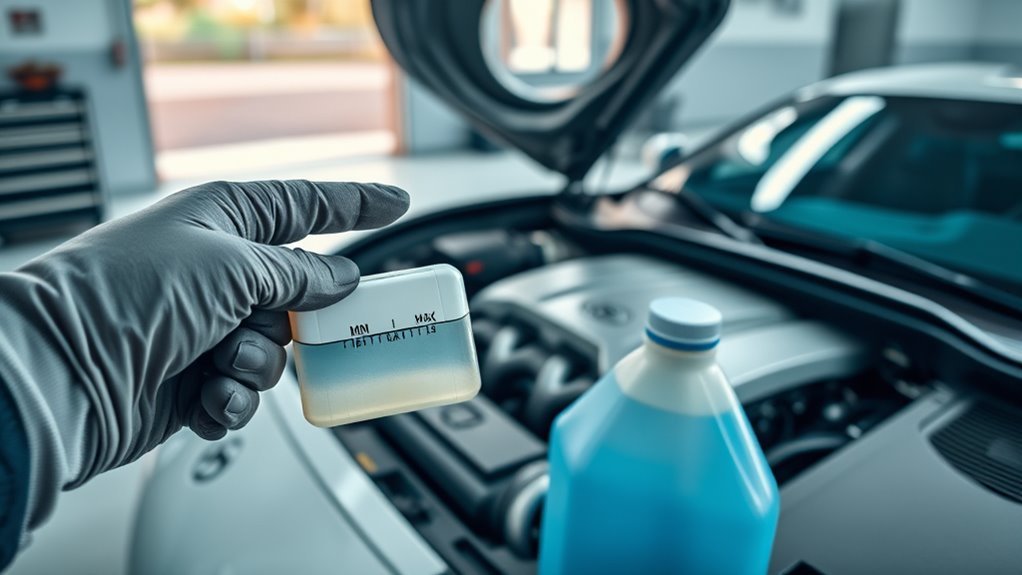
When the engine is cool, check the Supra’s coolant reservoir and confirm the fluid sits between the “full” and “low” marks. If it drops below the low line or keeps falling, schedule a Toyota service center visit for a full inspection.
Use routine coolant maintenance at regular service intervals. Check the level, color, smell, and any residue near hoses, clamps, the radiator, and the reservoir.
If you notice overheating, vapor, a sweet smell, or frequent coolant loss, do not delay. These signs can point to leaks, trapped air, or cooling system component failure.
| Action | Purpose |
|---|---|
| Visual check | Confirm level between marks |
| Smell/color check | Detect contamination |
| Record level | Track drops over time |
| Follow service intervals | Prevent failures |
| Service center visit | Diagnose leaks and pressure test |
Follow the correct steps, keep simple notes, and get service help when the level will not stay steady.
Common Mistakes to Avoid When Checking Supra Coolant
Small mistakes can make coolant checks unsafe or inaccurate. Avoid these problems when you inspect or top off your Supra.
- Do not open the radiator cap while the engine is hot.
- Do not mix random coolant types without checking compatibility.
- Do not use dirty containers or funnels when adding coolant.
- Do not overfill the reservoir above the full or max line.
- Do not ignore repeated coolant loss after topping off.
Note: Coolant color alone does not prove compatibility, so match the coolant specification before you add it.
Frequently Asked Questions
Can I Use Tap Water Instead of Distilled Water in Coolant Mix?
You can use tap water in an emergency, but you should not use it for routine coolant service. Tap water can contain minerals that may leave deposits or increase corrosion risk. Use distilled or deionized water with coolant concentrate for better protection.
How Often Should Coolant Be Completely Replaced Rather Than Topped Off?
Follow your Toyota Supra owner’s manual for the correct coolant replacement interval. Many coolant systems need full service after a set time or mileage interval, while topping off only handles small level changes. If coolant looks rusty, oily, dirty, or keeps dropping, get the system inspected sooner.
Will Aftermarket Coolants Harm My Supra’s Aluminum Components?
An aftermarket coolant can cause problems if it does not match the required specification. The wrong formula may reduce corrosion protection for aluminum parts, seals, and hoses. Check compatibility before mixing any coolant with the fluid already in the system.
Can Low Coolant Trigger a check engine light or Only Temperature Warnings?
Low coolant can trigger temperature warnings, and some faults may also lead to a check engine light. Watch the temperature gauge and warning messages closely. If the light appears with low coolant or overheating, stop driving and diagnose the cause.
Is It Safe to Drive a Short Distance With a Low Coolant Level?
You should avoid driving with low coolant whenever possible. If you must move the car a very short distance, watch the temperature gauge and stop if it rises. Refill and inspect the system before normal driving.
Conclusion
The safest way to check Toyota Supra coolant is to work only on a cold engine and confirm the level at the reservoir first. If the level is low, add the correct coolant mix, secure the cap, and recheck after the engine cools again.
Do not rely on one quick look if the coolant keeps dropping. Bleed trapped air, inspect for leaks, and get Toyota service help when warning signs continue.
A few careful minutes can help you prevent overheating and protect your Supra from costly damage.


[…] problems, loose hoses, blocked heat exchangers, and unstable temperatures. See the site’s Toyota Supra coolant-level guide for a basic cooling-system check and the Supra exhaust-system guide for the downpipe and cat-back […]
[…] and service intervals, use the Supra coolant type guide. For cold-level and top-off steps, use the Supra coolant-level guide. For oil-temperature behavior or track-specific heat management, use the Supra oil-cooling guide […]