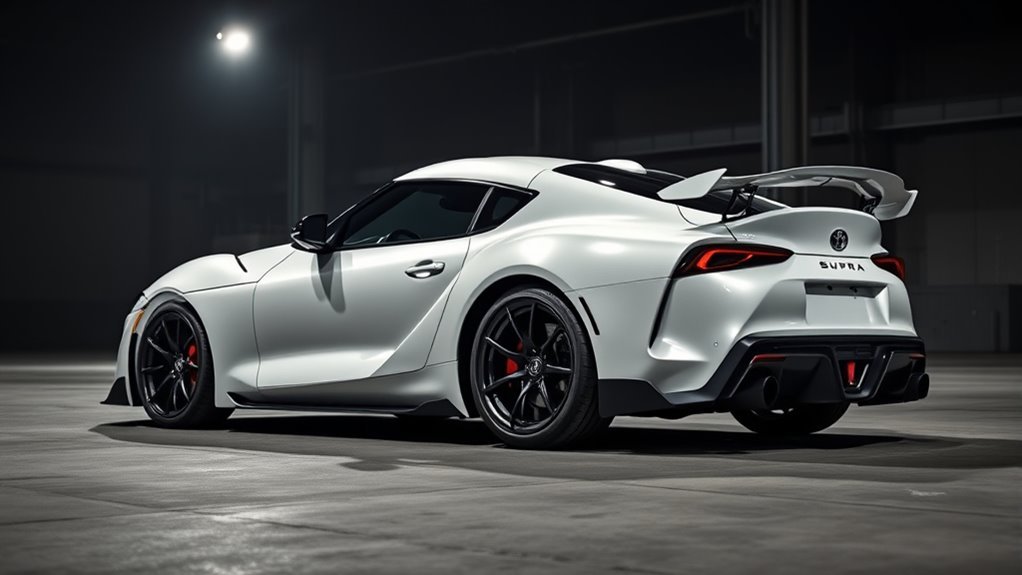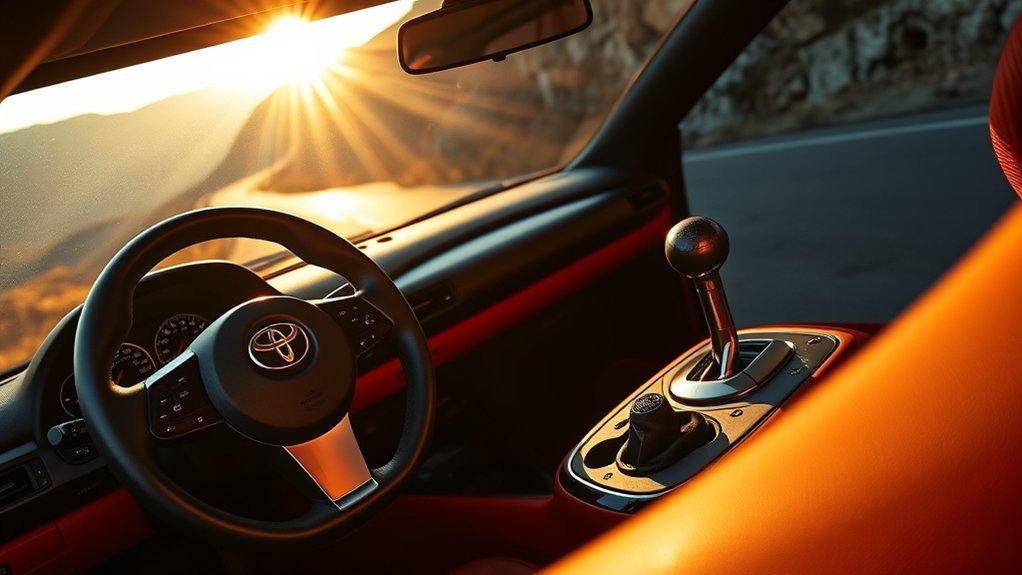
Choosing between paddle shifters and automatic mode in a Toyota GR Supra comes down to the road, your pace, and how much control you want. Paddle shifters are best when you want to choose gears yourself, especially on curvy roads or at a track. Automatic mode is better for commuting, traffic, and relaxed driving because the transmission handles the shifts for you.
Quick Answer
Use the Supra’s paddle shifters when you want more control before corners, during spirited driving, or on a track. Use automatic mode for daily driving, traffic, and smooth cruising. The eight-speed automatic is already quick, so paddles are mainly about timing, control, and driver engagement.
Key Takeaways
- Paddle shifters give you manual control over gear selection without using a clutch pedal.
- Automatic mode is the easiest and smoothest choice for commuting, traffic, and casual driving.
- Use paddles before a corner or hill when you want the car in the right gear ahead of time.
- Do not downshift aggressively if it could upset the car, over-rev the engine, or reduce traction.
- For most drivers, the best approach is simple: automatic for normal roads, paddles for engaged driving.
At a Glance
| Best For Paddle Shifters | Curvy roads, track sessions, engine braking, and choosing a gear before a pass or corner |
| Best For Automatic Mode | Traffic, commuting, highway cruising, and relaxed daily driving |
| Difficulty | Easy to learn, moderate to master smoothly |
| Tools Needed | None; use the shift paddles and transmission selector already in the car |
| Cost | No added cost if your Supra is equipped with the automatic transmission and paddles |
How Do Paddle Shifters Work in a Supra?
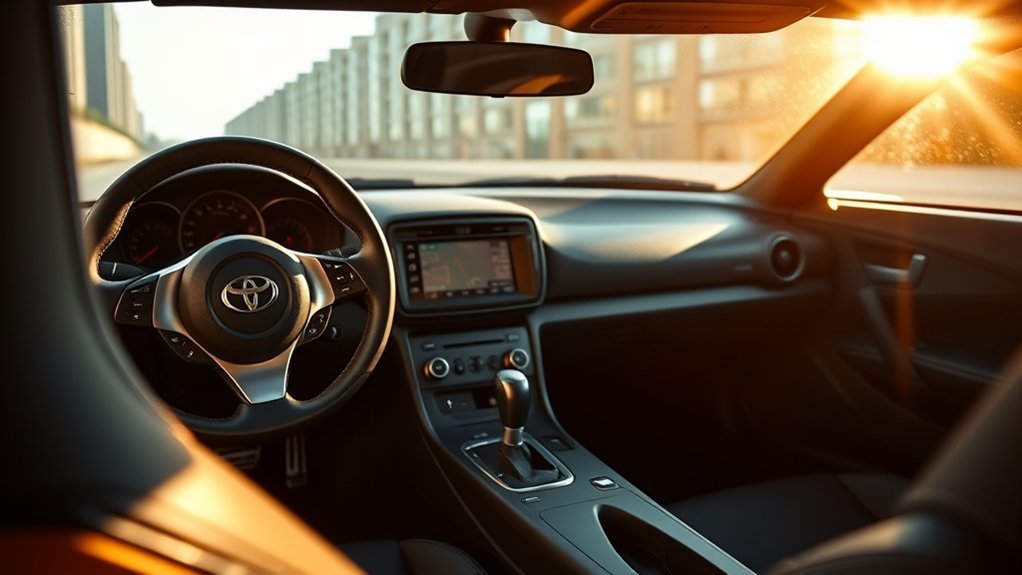
The paddle shifters in an automatic Toyota GR Supra let you request upshifts and downshifts while keeping both hands near the steering wheel. The right paddle typically upshifts, and the left paddle downshifts. Instead of moving a traditional manual gear lever and clutch, you are telling the automatic transmission which gear you want.
According to Toyota’s 2026 Supra owner information, using a shift paddle while the selector is in D can place the transmission into a short-term manual mode. After steady, conservative driving without more paddle inputs, the transmission can return to automatic operation. In M, paddle use is treated as continuous manual mode, so the driver keeps direct gear-selection control until leaving manual mode.
This setup is useful because it gives you more say over the car’s behavior without giving up the speed and convenience of the Supra’s automatic transmission. Toyota lists the 2026 GR Supra automatic as an eight-speed automatic transmission with shift paddles and manual-mode behavior, while Toyota Canada describes the 2026 GR Supra 3.0 Premium AT as having a quick-shifting eight-speed automatic with a transmission cooler, paddle shifters, and manual mode.
Note: Paddle shifters are not the same as a true manual transmission. You choose the gear, but the automatic transmission and onboard controls still manage the shift process.
When Should You Choose Paddle Shifters for Performance Driving?
Use paddle shifters when you want to prepare the car before a driving situation instead of waiting for automatic mode to react. This matters most during spirited driving, mountain roads, autocross, or track sessions where gear choice can affect balance, response, and confidence.
Paddle shifters are especially useful in these situations:
- Before a corner: Downshift before turn-in so the car is already in the right gear when you accelerate out.
- Before a pass: Select a lower gear before you need power, rather than waiting for kickdown.
- On hills: Hold a lower gear on climbs or descents for steadier response and better control.
- During track driving: Keep the transmission from upshifting or downshifting at a moment you do not want.
- For engine braking: Downshift smoothly to help control speed, while still using the brakes as the main stopping force.
Pro Tip: Make your downshift before the corner, not in the middle of it. The car is usually more stable when braking, downshifting, and steering are separated instead of rushed together.
Paddle shifters also make the drive feel more connected. You are not just pressing the accelerator and waiting; you are choosing when the engine stays in its stronger rev range. That extra involvement is the main reason many Supra drivers enjoy using paddles even when automatic mode is fast enough on its own.
[Products Worth Considering]

This steering wheel cover is designed to fit a wide range of Toyota models and any standard-size wheel for a secure, comfortable upgrade. Made with nappa leather and a carbon fiber texture, it helps improve grip, reduce hand fatigue, and protect your original wheel from everyday wear, sun damage, and sweat. The anti-slip design and easy installation make it a practical interior accessory for daily driving.

These paddle shifter extension trims are designed to improve driving feel and add a sporty look to compatible Toyota models. Made from premium aluminum alloy, they offer a precise fit, stronger grip, and easy adhesive installation without damaging the original paddle shifters. The set includes left and right covers with tape for a secure upgrade.

This comprehensive master disconnect tool kit is designed to remove fuel lines, A/C lines, transmission cooler lines, and other quick-connect fittings on a wide range of vehicles. It includes multiple color-coded tools and sizes to help speed up repairs, reduce line damage, and improve workflow for DIY users and professional technicians alike. The set comes organized in a portable case for easy storage, transport, and quick access.
What Are the Benefits of Automatic Shifting in Daily Driving?
Automatic mode is the better choice for most daily driving. It is smoother, easier, and less distracting in traffic. In stop-and-go conditions, the transmission chooses gears for you, which lets you focus on spacing, braking, pedestrians, and surrounding traffic.
The Supra’s automatic mode is useful for:
- Commuting: Smooth shifts make daily driving less tiring.
- Traffic: You do not need to think about every upshift and downshift.
- Fuel-conscious driving: Automatic mode can shift early and keep engine speed lower during relaxed driving.
- Wet or low-grip roads: Smooth automatic inputs can be easier to manage than abrupt manual downshifts.
- New Supra drivers: It gives you time to learn the car before adding manual gear selection.
Automatic mode does not mean the car is slow or disconnected. Toyota’s 2026 GR Supra information lists a turbocharged inline-six with 382 horsepower and 368 lb-ft of torque, and the automatic version is built to shift quickly while still being easy to drive every day.
[Products Worth Considering]

This steering clock spring is designed to restore reliable steering wheel controls across a wide range of Toyota models. It supports audio, cruise control, and other multifunction commands while matching OEM part numbers for confident replacement fitment. Built for dependable signal transfer and straightforward installation, it is an effective solution for repairing steering column control issues.

This GIANT PANDA steering wheel cover is designed to fit standard Toyota steering wheels for a more comfortable and secure driving feel. Made from durable PVC leather with breathable honeycomb holes, it helps reduce hand sweat while the anti-slip inner ring and textured side pattern improve grip and control. It also adds a stylish touch to your interior and installs easily with simple warming before fitting.
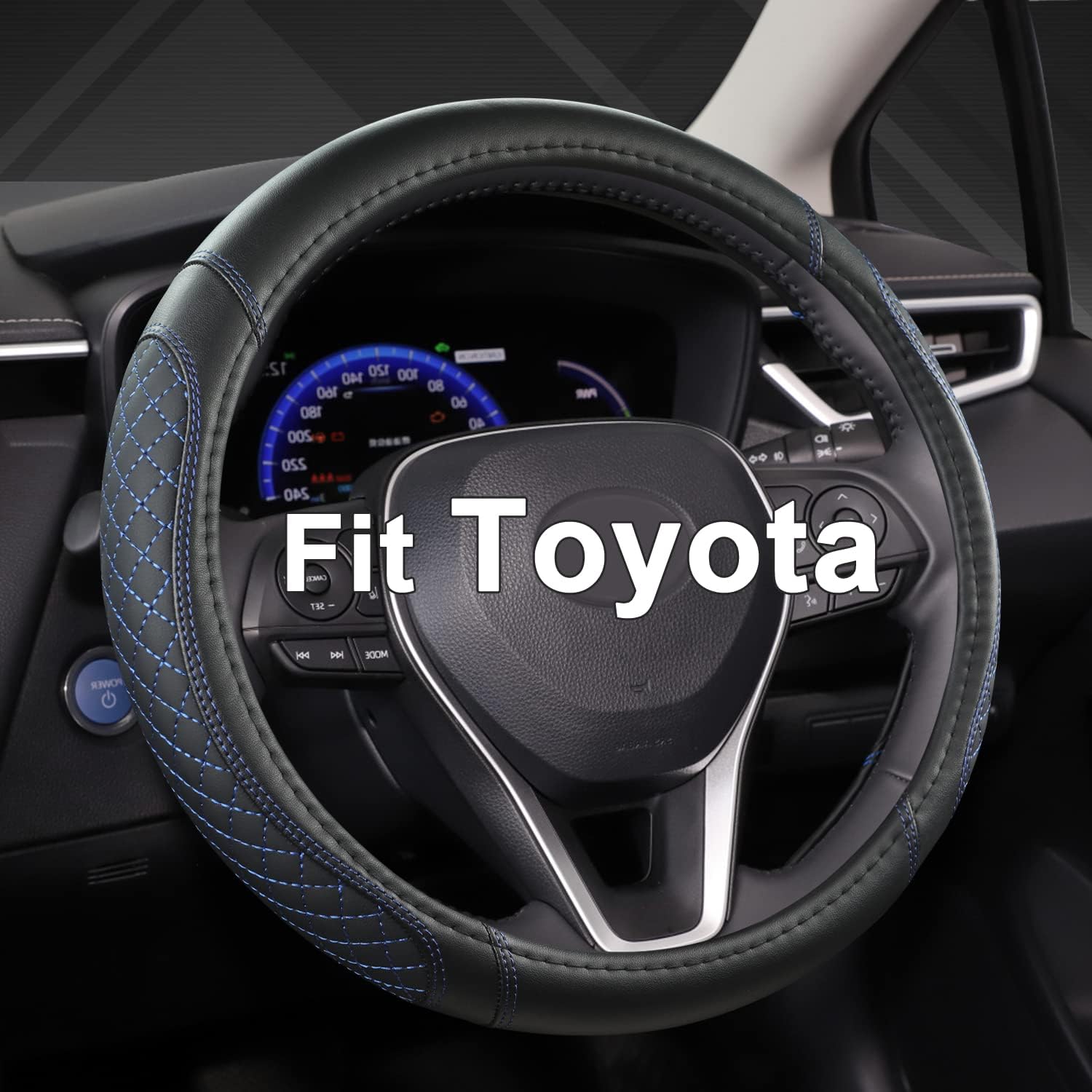
This custom-fit steering wheel cover is designed for select Toyota models and sized for standard steering wheels to help improve grip and comfort while driving. Made with soft microfiber leather and a non-slip rubber inner ring, it adds control, protects your wheel, and brings a stylish diamond-quilted look to your car interior. Installation is simple and tool-free, making it an easy upgrade for everyday driving.
How Do Paddle Shifters Stack Up Against Automatic Mode?
Paddle shifters and automatic mode use the same automatic transmission, but they change who decides the timing. In automatic mode, the car chooses the gear. With paddle shifters, you choose the gear, and the transmission carries out the shift.
[Products Worth Considering]

This 2-piece suspension tool set combines a compact strut spreader with a high-leverage lower control arm prying tool to help speed up safe suspension service. Designed for many FWD, import, and domestic vehicles, it supports strut, hub, ball joint, and control arm work while helping reduce the risk of damage to surrounding components. Heavy-duty steel construction makes it a dependable choice for mechanics and serious DIY suspension repair.

This Yangday steering wheel cover is designed for a custom fit on select Toyota models, helping improve grip, comfort, and control during everyday driving. Its breathable leather construction and non-slip inner lining offer a secure feel, while the sport-inspired design adds a stylish upgrade to the car interior. The cover is easy to install and helps protect the original steering wheel from heat, wear, and seasonal discomfort.

This dash clock spring replacement is designed for a wide range of Toyota vehicles and helps restore reliable steering wheel control functions. It supports audio controls, cruise control, and other multi-function commands while using vehicle-specific connectors for easier installation. Built with durable materials and OEM-referenced part compatibility, it is a practical solution for repairing steering wheel signal issues.
Performance Comparison Overview
| Driving Situation | Better Choice | Why |
|---|---|---|
| Stop-and-go traffic | Automatic mode | Smooth, simple, and less tiring |
| Curvy back road | Paddle shifters | Lets you choose the gear before each corner |
| Highway cruising | Automatic mode | Keeps the drive relaxed and efficient |
| Track session | Paddle shifters | Improves planning, consistency, and control |
| Wet road | Automatic mode or gentle paddle use | Smooth shifts help avoid upsetting traction |
Driving Mode Preferences
In relaxed driving, automatic mode usually feels best because it makes clean decisions without extra input. In more aggressive driving, paddle shifters can feel better because you can hold a gear, avoid an unwanted upshift, or downshift before a braking zone.
The choice is not about one mode being “better” all the time. It is about matching the mode to the moment. If you want comfort, use automatic. If you want control, use the paddles.
User Experience Insights
Casual drivers often prefer automatic mode because it is effortless. Enthusiasts often prefer paddles because they add involvement. Many Supra owners use both: automatic mode for daily driving, then paddles when the road opens up and gear timing becomes part of the fun.
The smartest Supra drivers do not pick one mode forever. They switch between automatic convenience and paddle-shift control based on the road, traffic, and grip.
Mastering Manual Shifting Techniques for Better Control
Good paddle-shift driving is less about pulling the paddles constantly and more about timing. The goal is to choose the right gear early, keep the car balanced, and avoid sudden inputs that make the drive rough.
Rev-Matching and Downshifting
In an automatic Supra with paddle shifters, you do not need to perform traditional heel-toe downshifting because there is no clutch pedal for you to operate. The car manages the shift process electronically and mechanically. Your job is to request the downshift at the right time and avoid asking for a lower gear when the engine speed would be too high.
If you are driving a manual-transmission Supra, the technique changes. Toyota’s 6-speed intelligent Manual Transmission, or iMT, is designed to help optimize engine revs during shifts, but drivers should still shift smoothly and follow the owner’s manual guidance to avoid excessive RPM.
Warning: Never force repeated downshifts just to hear the engine or slow the car. Downshifting at the wrong time can reduce stability, increase wear, or cause excessive engine speed. Use the brakes as your main stopping tool.
Timing Your Gear Changes
For smoother paddle shifting, think ahead. If a turn is coming, downshift before you enter it. If you are about to pass, select the gear before you need full throttle. If traffic is heavy, let automatic mode handle the work.
Use this simple timing guide:
| Technique | Purpose |
|---|---|
| Downshift before braking ends | Keeps the car settled before turn-in |
| Upshift before the engine feels strained | Maintains smooth acceleration |
| Avoid shifting mid-corner | Helps preserve balance and traction |
| Return to automatic in traffic | Reduces workload and distraction |
Understanding RPM Control
RPM control means keeping the engine in a useful speed range without over-revving it or letting it bog down. In the Supra, you usually want lower gears for quick response and higher gears for smooth cruising. Paddle shifters help because you can choose that balance yourself.
Three habits make paddle shifting smoother:
- Look ahead: Choose the gear for what is coming, not just what is happening now.
- Be smooth: Avoid sudden downshifts while steering hard or driving on low-grip pavement.
- Listen and feel: If the engine sounds strained or the car feels unsettled, shift earlier or let automatic mode take over.
Common Misconceptions About Paddle Shifters in Sports Cars
Paddle shifters are often misunderstood. They can make a sports car more engaging, but they do not turn an automatic into a traditional manual. They also are not only for racing. Used correctly, paddles can help on everyday roads when you want a lower gear for a hill, a pass, or a corner.
Here are the most common myths:
- Myth: Paddle shifters are always faster than automatic mode. Not always. Automatic mode can shift very quickly and may choose excellent shift points, especially in normal driving.
- Myth: You should use paddles all the time. Not necessary. In traffic, automatic mode is usually better.
- Myth: Paddles are the same as a manual transmission. They are not. A manual has a clutch pedal and mechanical gear selection by the driver.
- Myth: Downshifting is a replacement for braking. It is not. Downshifting can help control speed, but the brakes are designed to slow the car.
- Myth: Sport mode and paddle mode are the same thing. They work together, but they are different. Sport mode changes the car’s behavior; paddle shifting changes who requests the gear.
Tips for Transitioning Between Paddle and Automatic Shifting
Switching between paddle and automatic shifting is easy once you build a routine. Use automatic mode when you want the car to stay smooth and relaxed. Use paddles when you want to control the gear before the transmission would normally react.
These tips will help:
- Start in automatic mode: Learn how the transmission behaves before taking over with the paddles.
- Practice at low speed: Try gentle upshifts and downshifts on a quiet road before using paddles during faster driving.
- Use one change at a time: Avoid clicking through several downshifts unless you clearly know the speed and RPM are appropriate.
- Do not fight the car: If automatic mode is already choosing the right gear, there is no need to override it.
- Use paddles with purpose: Shift before a corner, hill, or pass—not randomly.
- Return to automatic when done: For normal cruising, let the transmission take back the work.
Note: Always follow your specific model year’s owner’s manual. Features, controls, and transmission behavior can vary by market, trim, and model year.
Which Mode Should You Use Most of the Time?
For normal driving, use automatic mode most of the time. It is smooth, fast, and convenient. When the road becomes more engaging, switch to the paddles so you can choose gears with more intention.
A simple rule works well:
- Use automatic mode when comfort, traffic, or fuel economy matters most.
- Use paddle shifters when timing, control, or driver involvement matters most.
- Use Sport mode with paddles when you want the sharpest response in a safe setting.
Frequently Asked Questions
Is it better to use paddle shifters or automatic mode in a Supra?
Use paddle shifters when you want more control, especially on curvy roads, hills, or track sessions. Use automatic mode for commuting, traffic, and relaxed driving. Neither mode is best all the time; the right choice depends on the situation.
Can paddle shifters damage the Supra’s transmission?
Normal paddle use should not damage the transmission when you drive within the vehicle’s limits. Problems are more likely if you shift aggressively at the wrong time, abuse the drivetrain, ignore warning messages, or fail to maintain the car properly.
Do you need to lift off the gas when using paddle shifters?
In most modern automatic cars, including the automatic Supra, you do not need to lift off the accelerator for normal paddle upshifts. For smoothness, you can ease the throttle slightly during casual driving, but the transmission is designed to manage the shift.
Should I use paddle shifters in traffic?
Usually, no. Automatic mode is better in traffic because it is smoother and less distracting. Paddle shifters are more useful when you have space, visibility, and a reason to choose a specific gear.
Are paddle shifters faster than a manual transmission?
The Supra’s eight-speed automatic can shift very quickly, and automatic-equipped versions are often quicker in straight-line acceleration than manual versions. However, many drivers still prefer a true manual transmission for its feel and involvement.
Conclusion
Paddle shifters and automatic mode both belong in the Supra driving experience. Paddle shifters are best when you want control, timing, and a stronger connection to the car. Automatic mode is best when you want smoothness, ease, and everyday comfort.
The best choice is not one or the other forever. Use automatic mode for daily driving, then reach for the paddles when the road, conditions, and your attention make manual gear control worthwhile. That balance gives you the convenience of a modern automatic and the engagement that makes the Supra fun to drive.
Sources
- Toyota GR Supra official model page — current GR Supra overview, performance positioning, and model information
- Toyota 2026 Supra Owner’s Manual: Driving — automatic transmission, shift paddle behavior, manual mode, and driving-system guidance
- Toyota 2026 Supra Owner’s Manual: Cockpit — location of shift paddles, Sport mode button, and driver controls
- Toyota Canada: What’s New for the 2026 Toyota GR Supra — 2026 GR Supra automatic transmission, paddle shifters, manual mode, and performance details
- Toyota 2026 Supra Warranty & Maintenance Guide — maintenance responsibility and warranty-related cautions for proper vehicle care