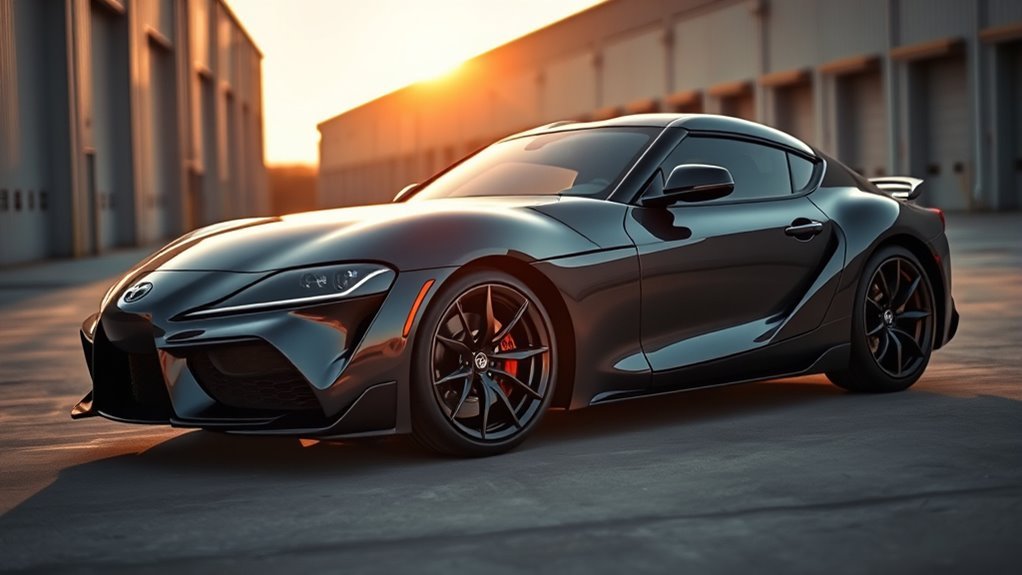
Stability control in a Toyota Supra is one of the easiest performance settings to misunderstand. Leave it fully active for normal street driving, rain, cold pavement, and unfamiliar roads. Use the more permissive modes only when you have space, good tires, predictable conditions, and enough experience to catch the car before the electronics need to.
Quick Answer
Use stability control in your Supra on public roads, in wet or slippery weather, and any time you are still learning the car. For track driving, start with VSC fully on, try Traction mode only after warm-up laps, and use VSC Off only on a closed course if you can control oversteer without help.
Key Takeaways
- Toyota calls the Supra’s stability system VSC, or Vehicle Stability Control; ESC is the general industry term for the same type of safety system.
- For daily driving, rain, cold tires, uneven pavement, and traffic, keep VSC and traction control on.
- Sport mode is not the same as turning stability control off; it changes the car’s response while VSC can remain active.
- Traction mode allows more wheel slip for certain low-grip situations, but Toyota notes that driving stability is limited during acceleration and cornering.
- VSC Off is best reserved for experienced drivers on a closed course, because the rear-wheel-drive Supra can rotate quickly when grip runs out.
At a Glance
| Time Required | 5–10 minutes to check the settings and tire pressure before driving |
| Difficulty | Easy for daily driving; advanced for track use with reduced VSC |
| Tools Needed | Tire pressure gauge, owner’s manual, safe road or closed course |
| Cost | $0 if you already have a gauge; about $10–$25 for a basic gauge |
Understanding Stability Control in a Supra
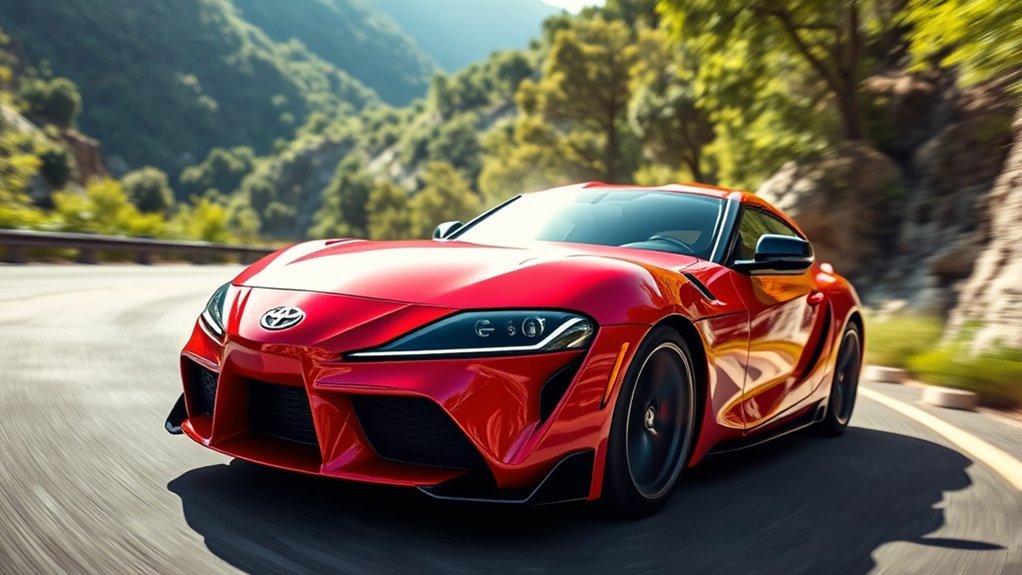
The Supra’s stability control system is called Vehicle Stability Control, or VSC. In general terms, it works like electronic stability control: sensors compare steering input, wheel speed, yaw rate, and vehicle motion. When the car starts to slide beyond the system’s limits, it can reduce engine power and apply braking to individual wheels to help the car stay on the path you intended.
That does not mean VSC can defeat physics. Tire grip, road temperature, water, tire age, alignment, and driver inputs all matter. If the rear tires are cold or worn, the system has less grip to work with. If you ask for too much throttle too early in a corner, VSC may help, but it cannot make the car immune to oversteer.
Note: Toyota’s current owner information explains that the Supra’s VSC helps keep the vehicle on a steady course “within the physical limits.” Treat it as a safety net, not as permission to drive beyond road or tire conditions.
What the Supra Stability Modes Actually Do
The most important fix is this: the Supra does not have a long menu of “high” and “low” ESC levels like some track-focused cars. On many modern GR Supra models, you are mainly choosing among normal VSC operation, Traction mode, and VSC Off. The wording and dashboard indicators can vary by model year, so confirm the exact procedure in your Toyota owner’s manual.
| Setting | Best Use | What to Know |
|---|---|---|
| VSC On | Street driving, rain, cold tires, unfamiliar roads, new drivers | The safest default. It can reduce engine output and brake individual wheels when the car starts to lose stability. |
| Sport Mode | Dry roads when you want sharper response | Sport mode changes the car’s driving character, but it is not the same as switching VSC off. |
| Traction Mode | Deep snow, loose ground, or track practice after you know the car | Toyota describes Traction mode as a VSC version that optimizes forward momentum on special or loose road surfaces, with limited driving stability. |
| VSC Off | Closed-course use by experienced drivers | Driving stability is reduced. Use only where a spin will not put you, passengers, or other road users at risk. |
How to Use Stability Control Effectively for Daily Driving
For daily driving, the best setting is simple: keep VSC and traction control on. This is especially true in rain, standing water, cold weather, gravel, leaves, painted road markings, or any situation where the rear tires may not have full grip.
On a dry road, you can use Sport mode for a sharper feel while still leaving VSC active. That gives you a more responsive Supra without removing the main safety net. Avoid turning VSC off on public roads just because the pavement looks dry; oil, sand, tire temperature, and uneven surfaces can still surprise you.
- Start with VSC On every time you drive on the street.
- Use Sport mode only when conditions are dry and you want quicker response.
- Leave extra space in wet weather because stability control does not shorten stopping distance by itself.
- Check your tires before blaming the electronics. Worn tires, mismatched tires, or low pressure can make VSC intervene sooner.
- Do not ignore warning lights. If VSC, ABS, or traction warnings stay on after restart, drive cautiously and have the car inspected.
Warning: Do not switch VSC off in traffic, on wet roads, or on roads with pedestrians, curbs, ditches, or oncoming vehicles. A short slide in a rear-wheel-drive Supra can become a spin faster than most drivers expect.
[Products Worth Considering]

This CANBUS wiring harness is designed to connect compatible Android head units to select Toyota models with mid-trim OEM JBL systems, helping simplify installation and reduce cutting or splicing. It supports retained factory features such as steering wheel controls, factory backup camera, original USB, and JBL amplifier functions when the vehicle and radio are compatible. Built for select Toyota fitments, it offers a plug-and-play upgrade path for a smoother stereo replacement.

This wheel alignment tool makes it easy to check and adjust toe-in and toe-out at home for better handling, stability, and more even tire wear. Designed for one-person use, it includes tape-measure slots for simple setup and accurate measurements without extra help. Its stainless steel construction and broad vehicle compatibility make it a practical addition to any DIY garage.

This replacement keyless entry remote set is designed for a wide range of Toyota, Scion, and related models, offering a convenient solution when your original fob is lost, damaged, or no longer working. Each remote comes pre-tested with battery and electronics already installed, and the set supports self-programming for compatible vehicles with a working key. It is intended for regular key vehicles and provides reliable remote locking and unlocking functionality.
How to Adjust Stability Settings for Track Driving
Track driving is where stability control choices become more personal. The goal is not to shut everything off as soon as you enter the paddock. The goal is to build speed in steps, learn what the car is doing, and reduce electronic help only when your hands and feet are ready.
[Products Worth Considering]

This steering clock spring is designed to restore reliable steering wheel controls across a wide range of Toyota models. It supports audio, cruise control, and other multifunction commands while matching OEM part numbers for confident replacement fitment. Built for dependable signal transfer and straightforward installation, it is an effective solution for repairing steering column control issues.

This AstroAI digital tire pressure gauge delivers factory-calibrated readings with dependable ±1 PSI accuracy, helping you keep cars, trucks, motorcycles, and spare tires at the right pressure. Its bright backlit LCD and illuminated nozzle make nighttime checks easy, while the one-button unit switch and auto-off design add convenience and battery efficiency for routine maintenance.

This DIY toe alignment tool kit helps home mechanics quickly check and adjust front-end toe after suspension, steering, or tire service. Stainless steel toe plates and dual tape measures provide a simple, reliable reference for reducing uneven tire wear and improving straight-line tracking without needing a full alignment machine.
Step 1: Start With VSC On
Run your first sessions with VSC fully active, even if you are an experienced street driver. A track surface has different braking zones, corner speeds, curbs, camber changes, and tire temperatures. VSC On lets you learn the line without turning every mistake into a spin.
Step 2: Use Sport Mode Before Reducing VSC
Sport mode is a good next step because it sharpens the Supra’s responses without automatically removing the main stability system. Use it once the tires and brakes are warm and you are comfortable with the track layout.
Step 3: Try Traction Mode Only When Conditions Allow
Traction mode gives the car more freedom than full VSC On. It can be useful when you want more drive out of slow corners or when you are learning how the car puts power down. Use it only on a dry, open track with plenty of runoff, and avoid making abrupt throttle inputs while the steering wheel is still turned.
Step 4: Reserve VSC Off for Advanced Closed-Course Driving
VSC Off gives the driver much more responsibility. You may be able to rotate the car more freely and reduce unwanted intervention, but you also lose a major safety layer. If you cannot calmly correct oversteer with steering, throttle, and brake pressure, keep VSC or Traction mode active.
Pro Tip: Change only one variable at a time. Do a session in VSC On, then Sport mode with VSC On, then Traction mode if the track is dry. Do not change tire pressure, damper settings, drive mode, and VSC mode all at once.
Tire Pressure and Grip Matter More Than the Button
Stability control depends on tire grip. If the tires are underinflated, overheated, old, mismatched, or worn near the tread bars, the system has less grip to manage. Before changing VSC settings, check tire pressure cold and compare it with the driver-door placard or the tire table in the Toyota Supra wheels and tires manual section.
For current Toyota owner information, pressure values vary by model, wheel, tire size, and speed category. The manual may list values such as 32 psi cold for some tire sizes and 38 psi cold for many 3.0-model 18- and 19-inch setups up to 100 mph. Your exact car’s door placard is the safest reference because it matches the tires and market configuration Toyota delivered.
For track use, do not rely on a single universal number like “32 psi hot.” Track pressure depends on tire model, ambient temperature, driving pace, alignment, and whether the tires are OEM summer tires, 200-treadwear tires, or semi-slicks. Check pressures right after a session, watch shoulder wear, and follow the tire maker’s track guidance when available.
Electronic stability control is proven safety technology, but it works through the grip your tires can actually provide. Better tires, correct pressure, and smooth inputs make VSC more effective.
Understanding the Impact of Disengaging Stability Control

Disengaging stability control changes the Supra’s driving experience in a big way. With less intervention, the car may allow more wheel slip, more throttle rotation, and a more direct feel at the limit. That can be useful for advanced track driving, but it also means the car will not step in as early when the rear tires lose grip.
This matters because the Supra is a powerful rear-wheel-drive car. If you add throttle while still unwinding the steering wheel, the rear tires can break loose. With VSC On, the system may reduce power or brake a wheel to help settle the car. With VSC Off, the correction is up to you.
The active rear differential can still help manage rear-axle behavior by varying lock depending on conditions, but it is not a replacement for stability control. A differential helps distribute torque; it does not guarantee that the tires will keep gripping if the driver asks too much from them.
When to Use Traction Mode
Traction mode is often misunderstood. It does not simply make the car “safer in all conditions,” and it is not the same as full VSC Off. Toyota describes it as a VSC mode that optimizes forward momentum on special road conditions or loose surfaces, such as uncleared snow or loose ground, while limiting driving stability during acceleration and cornering.
Use Traction mode briefly when you need more wheelspin to get moving, such as pulling away from deep snow or loose ground. On a track, it can also be a stepping stone between VSC On and VSC Off. Once you are back on normal pavement or public roads, return to full VSC On.
[Products Worth Considering]
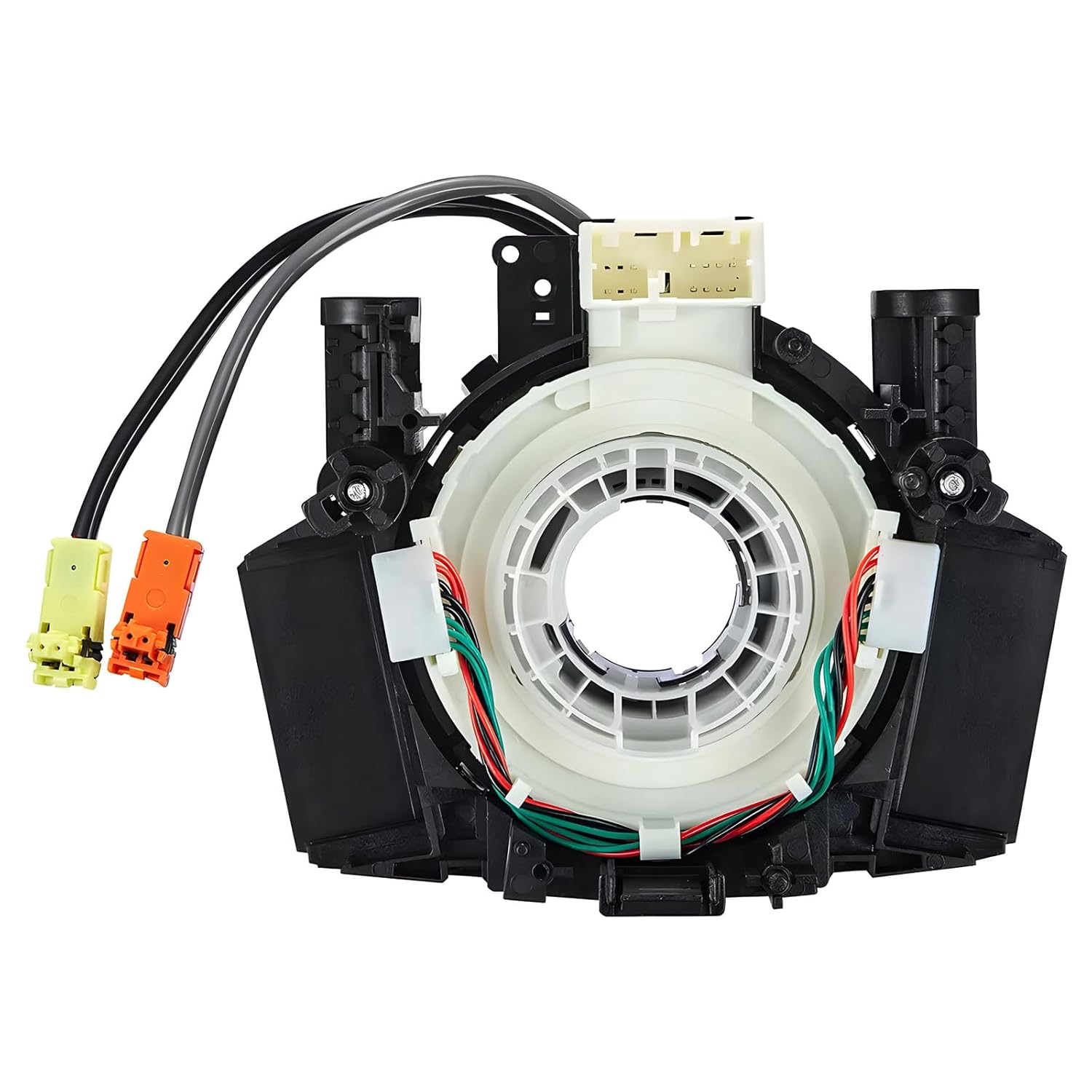
This steering clock spring assembly is an OEM-style replacement designed to restore steering wheel controls and related electronic functions in compatible Nissan vehicles. It supports audio, cruise control, and multi-function button operation while matching multiple factory part numbers for a reliable fit. Built for direct installation with vehicle-specific connectors, it helps return steering column electronics to proper working order.

This dash clock spring replacement is designed for a wide range of Toyota vehicles and helps restore reliable steering wheel control functions. It supports audio controls, cruise control, and other multi-function commands while using vehicle-specific connectors for easier installation. Built with durable materials and OEM-referenced part compatibility, it is a practical solution for repairing steering wheel signal issues.
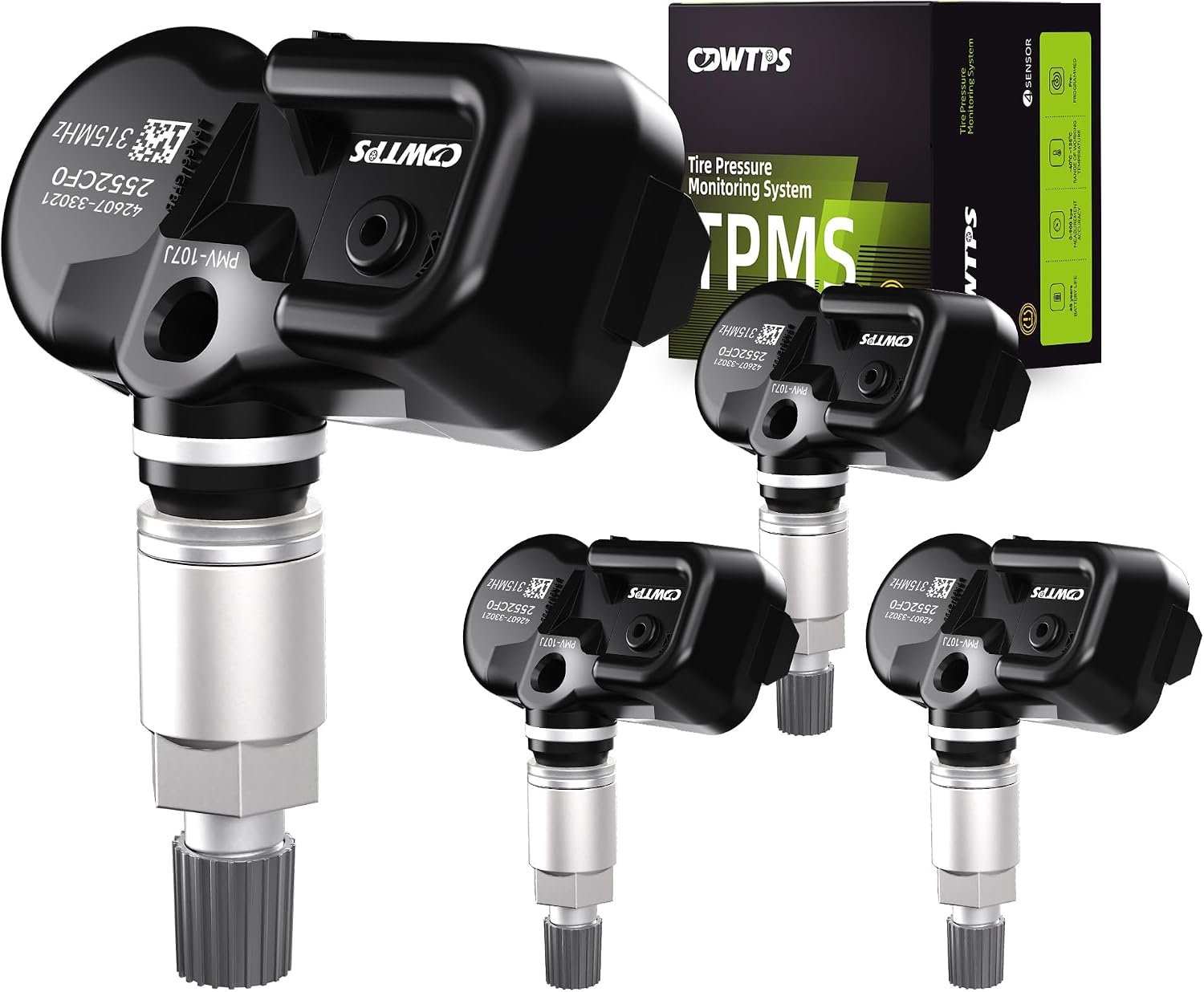
This set of four pre-programmed TPMS sensors is designed as a direct-fit replacement for compatible Toyota, Lexus, and Scion vehicles. It helps restore accurate tire pressure monitoring without sensor programming, and each unit is factory-tested for dependable performance. Built for long service life, these sensors offer a convenient solution for replacing worn or failed tire pressure monitors.
Top Tips for Effective Stability Control Use
- Default to VSC On. It is the right choice for almost every street drive.
- Use Sport mode for feel, not bravado. Sport mode can make the car sharper while leaving stability control available.
- Warm up tires before judging grip. Cold summer tires can feel slick, especially on cool mornings.
- Be smoother with the throttle than you think you need to be. Abrupt throttle is what often triggers wheelspin or VSC intervention.
- Check alignment if the car feels nervous. Incorrect toe or uneven tire wear can make the Supra feel unstable even with VSC on.
- Use a closed course for experimentation. If you want to learn oversteer, do it at an autocross, skid pad, or track day with proper runoff.
- Be careful with aftermarket traction systems. Products such as Racelogic traction control were designed to monitor wheel speeds and reduce wheelspin through programmable intervention, but installation and tuning are professional-level jobs and are not a substitute for the factory safety system on the street.
Common Stability Control Mistakes to Avoid
The biggest mistake is treating VSC Off as a badge of skill. A fast driver is not the one who turns the most systems off; a fast driver is the one who can repeat clean laps, protect the tires, and bring the car home safely.
Another common mistake is using VSC intervention as a driving aid instead of feedback. If the light flashes often, the car is telling you that your inputs are too abrupt, your line is asking too much of the tires, or grip is lower than expected. Slow down, straighten the steering wheel earlier, and feed in throttle more gradually.
Finally, avoid copying track tire pressures or VSC settings from another Supra without context. Tire brand, tire size, temperature, driver pace, alignment, and suspension setup can all change what works.
Frequently Asked Questions
Should stability control be on or off in a Supra?
Stability control should be on for street driving, wet roads, cold tires, traffic, and new drivers. Use reduced stability settings only in controlled environments. VSC Off should be saved for experienced drivers on a closed course with room to recover from a slide.
Is VSA the same as ESC?
VSA and ESC refer to the same general type of stability technology, but the names are brand-specific. Honda and Acura use VSA, which stands for Vehicle Stability Assist. Toyota uses VSC, or Vehicle Stability Control. ESC is the broader industry term.
Is it okay to always drive with traction control on?
Yes. For normal driving, it is smart to keep traction control and VSC on. The main exceptions are brief low-speed situations where you need wheelspin to get unstuck from deep snow or loose ground, or controlled track driving where you are deliberately learning the car’s limits.
Does Sport mode turn stability control off?
No. Sport mode changes the Supra’s driving response, but it is separate from the VSC Off control. You can use Sport mode while leaving VSC active, which is the better choice for spirited street driving.
What should I do if the VSC light stays on?
If the VSC light stays on after restarting the car and you did not intentionally select a reduced stability mode, drive cautiously and have the vehicle checked. Stability control, ABS, tire pressure, wheel-speed sensors, or related systems may need inspection.
Conclusion
Mastering your Supra’s stability control is not about switching everything off. It is about choosing the right safety margin for the road, the tires, the weather, and your skill level. Keep VSC on for the street, use Sport mode when conditions are dry, step into Traction mode carefully, and save VSC Off for closed-course driving when you are ready to manage the car without electronic backup. That approach keeps the Supra fun, fast, and far safer.
Sources
- Toyota Owners: 2026 Supra Driving Stability Control Systems — supports VSC, Traction mode, and stability-system descriptions.
- Toyota Owners: 2026 Supra Wheels and Tires — supports tire pressure guidance and door-placard recommendations.
- Toyota 2026 Supra Owner’s Manual PDF — official owner documentation for controls, warnings, and vehicle-specific instructions.
- NHTSA FMVSS No. 126 Electronic Stability Control Analysis — supports the safety role and effectiveness of electronic stability control.
- Racelogic Traction Control Support Centre — supports the description of aftermarket programmable traction control systems.