
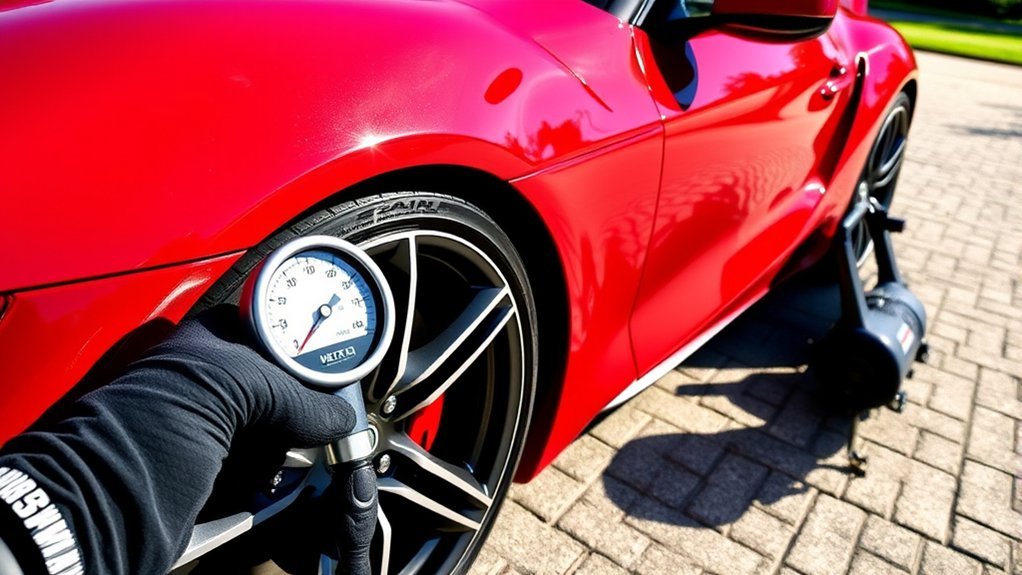
Setting tire pressure on a Toyota Supra is simple, but the number must come from your specific car, not a random forum post or the tire sidewall. Your driver-side Tire and Loading Information Label and owner’s manual list the correct cold PSI for your Supra’s factory tire size, load rating, and market.
Quick Answer
To set the correct tire pressure on your Supra, check the driver-side doorjamb label or Toyota owner’s manual, measure all tires when cold, add or release air to match the listed front and rear PSI, then recheck with a reliable gauge. Reset the TPMS only after the pressures are correct.
Key Takeaways
- Use the Supra’s doorjamb Tire and Loading Information Label first; the tire sidewall shows maximum tire information, not your car’s recommended street pressure.
- Check pressure when the tires are cold, ideally before driving or after the car has been parked for at least three hours.
- Many Supras use different front and rear tire sizes, so check each axle against the label instead of assuming all four tires need the same setting.
- Do not bleed air from hot tires just because the reading is above the cold PSI; heat naturally raises pressure.
- TPMS helps warn you, but it does not replace a regular manual check with a gauge.
At a Glance
| Time Required | 5 to 10 minutes |
| Difficulty | Easy |
| Tools Needed | Accurate tire pressure gauge, air compressor, valve-cap tool if needed, and your Supra’s doorjamb label or owner’s manual |
| Cost | Usually free if you already own a gauge; about $10 to $30 for a basic gauge |
Why Proper Tire Pressure Matters for Your Supra
Proper tire pressure helps your Supra steer, brake, ride, and wear its tires the way Toyota intended. Too little air lets the tire flex too much, which can build heat, wear the shoulders, reduce fuel economy, and increase the risk of tire damage. Too much air can reduce the contact patch, make the ride harsher, and wear the center of the tread faster.
NHTSA says proper tire pressure affects safety, tire durability, and fuel consumption, and newer TPMS systems are not a replacement for regular manual pressure checks.
The Supra is also sensitive to tire setup because it is a rear-wheel-drive sports car with a performance suspension and wide tires. Small pressure changes can affect steering feel, traction, braking stability, and tread wear, especially if your car has staggered front and rear tire sizes.
Where to Find the Recommended Tire Pressure
Start with the Tire and Loading Information Label on the driver-side door edge or B-pillar. This label lists the correct cold tire inflation pressure for the tires and load rating fitted to that vehicle. If the label is damaged or missing, check the Toyota Owners manuals and warranties page or ask a Toyota dealer to confirm the correct specification for your VIN.
Warning: Do not use the PSI molded into the tire sidewall as your daily driving pressure. That number is tied to the tire’s maximum load information, not the recommended pressure for your Supra.
Some MkV GR Supra models use 19-inch forged wheels with Michelin Pilot Super Sport tires from the factory, but the correct PSI still depends on the exact tire size, trim, market, load, and placard on the car. If you changed wheels or tires, match the new tire’s load index and ask a qualified tire shop or Toyota dealer to confirm a safe cold pressure.
[Products Worth Considering]
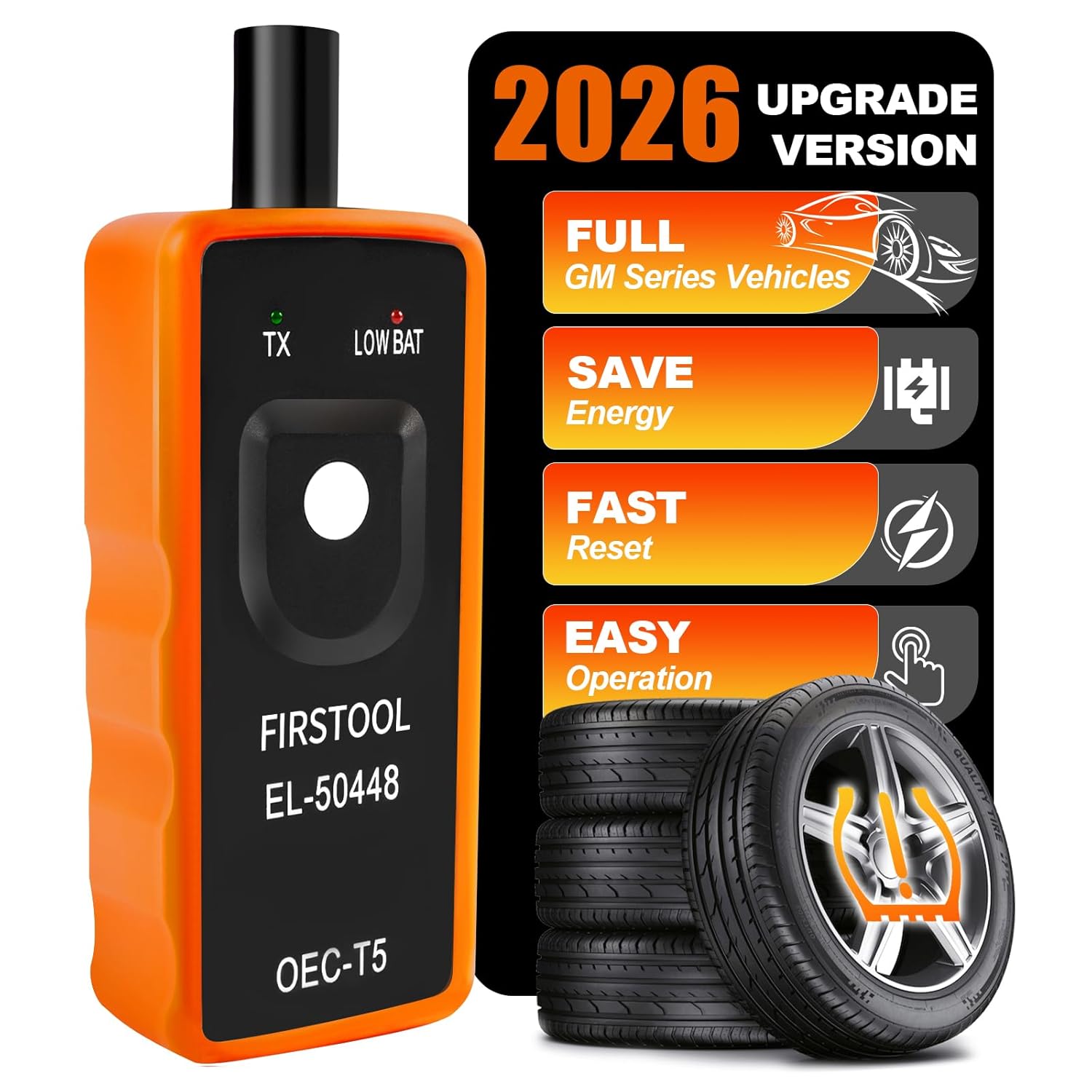
This EL-50448 TPMS relearn tool helps quickly activate and reset tire pressure sensors so your vehicle’s monitoring system stays accurate after tire rotations, sensor replacement, or seasonal tire changes. Designed for many GM-related vehicles and compatible with common 315 and 433 MHz TPMS systems, it offers simple one-button operation and reliable performance for clearing warning lights and relearning sensor positions.

The Masoll M13 Tire Pressure Monitoring System helps monitor tire pressure for sedans, SUVs, pickup trucks, RVs, and travel trailers with four tires. It features automatic reference pressure calibration, alerting you when pressure changes fall outside the set range, while solar charging and auto wake-up support convenient everyday use. With precise pressure detection, an easy-to-read color LCD, and adaptive backlighting, it is designed to improve driving safety and help protect tire life.
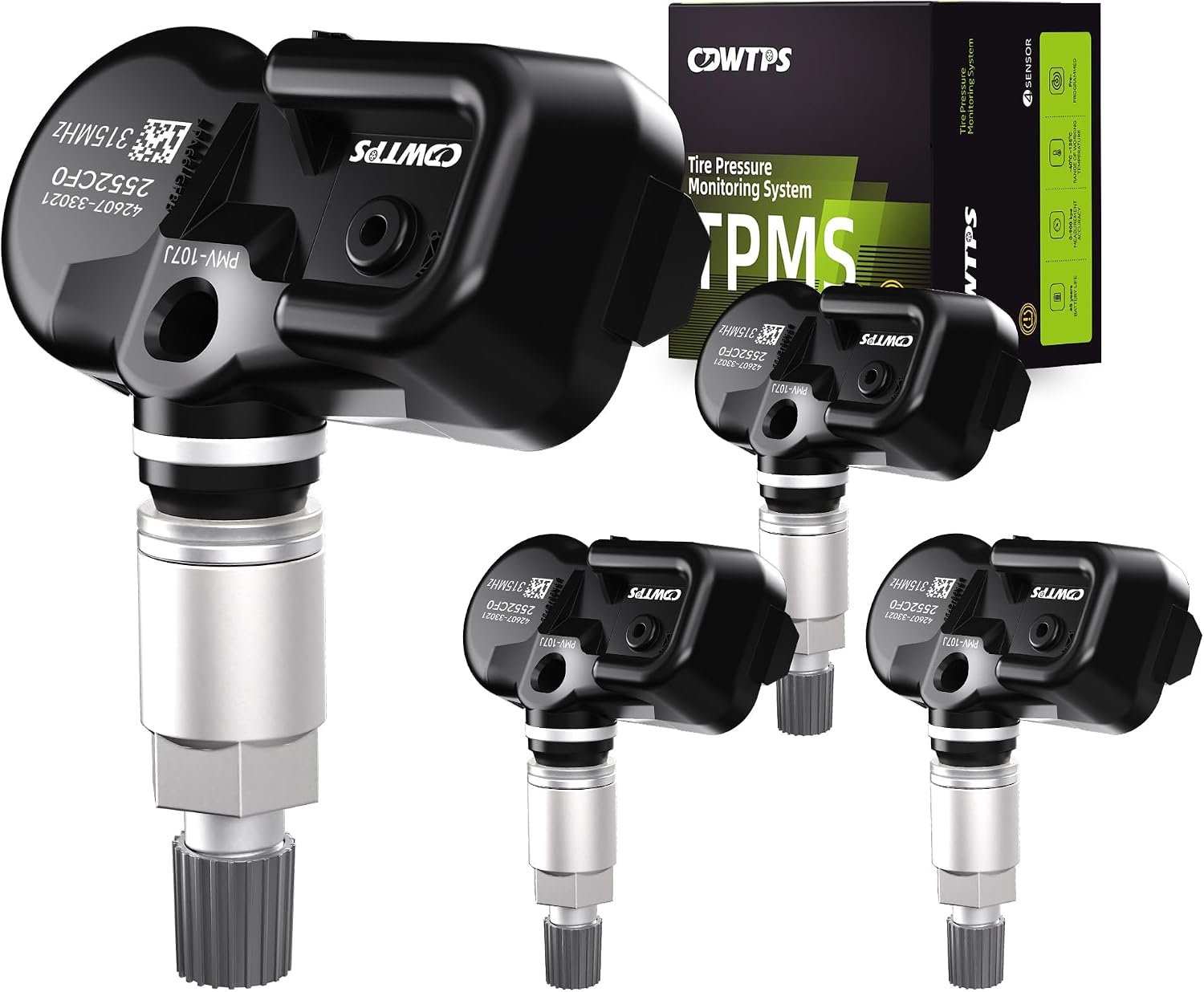
This set of four pre-programmed TPMS sensors is designed as a direct-fit replacement for compatible Toyota, Lexus, and Scion vehicles. It helps restore accurate tire pressure monitoring without sensor programming, and each unit is factory-tested for dependable performance. Built for long service life, these sensors offer a convenient solution for replacing worn or failed tire pressure monitors.
How to Accurately Check and Adjust Tire Pressure
Check your Supra’s tire pressure when the tires are cold. A cold tire means the car has been parked for at least three hours or has been driven only a short distance at low speed. Heat from normal driving raises pressure, so a hot reading can make a low tire look normal.
- Park safely on level ground. Set the parking brake and let the tires cool if you have just driven.
- Find the correct PSI. Read the driver-side Tire and Loading Information Label and note whether the front and rear pressures are different.
- Remove the valve cap. Keep it in your pocket so it does not roll away.
- Press the gauge squarely on the valve stem. A quick hiss usually means the gauge is not seated straight. Try again until the reading is steady.
- Add air if the tire is low. Add a small amount, then recheck. It is easier to add in short bursts than to overfill.
- Release air if the tire is high. Press the valve stem briefly, then recheck until the tire matches the cold PSI on the label.
- Repeat for every tire. Check both front and rear tires because the Supra may use different tire sizes and may list different pressures.
- Reinstall the valve caps. Caps help keep dirt and moisture out of the valve stem.
- Reset or initialize TPMS if needed. Do this only after all tires are set correctly.
Pro Tip: Keep your own gauge in the glove box or garage. Gas station gauges can be damaged, dropped, or out of calibration, so use them for air supply but verify pressure with your own gauge.
[Products Worth Considering]

This GM TPMS relearn tool helps reset tire sensors, clear warning lights, and match tire positions after rotation quickly at home. Designed for Chevrolet, GMC, Cadillac, and Buick vehicles, it offers one-button operation, fast activation, and broad compatibility with many GM models. It is best suited for OE/OEM sensors and includes paper instructions plus video guidance for easier DIY use.
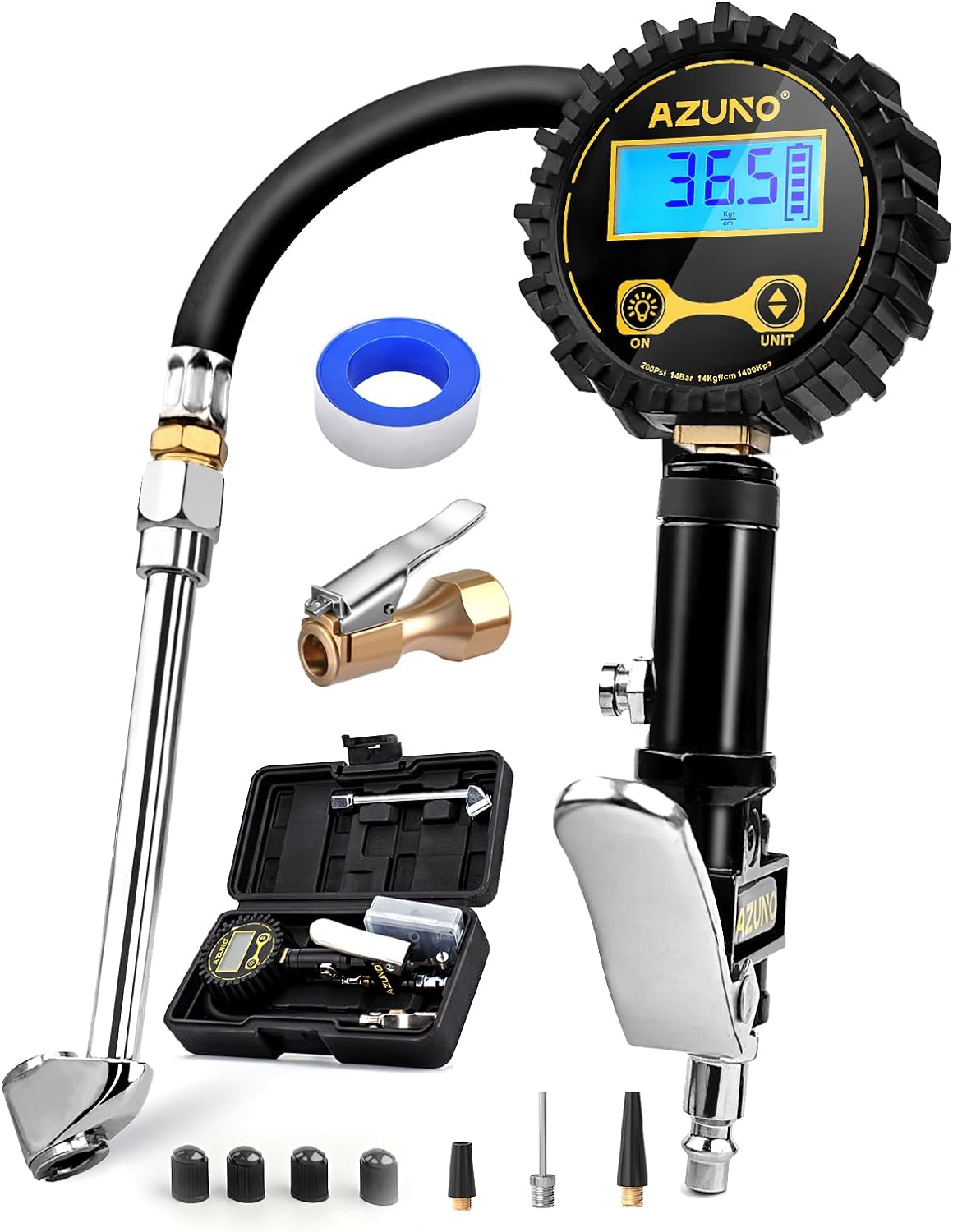
This digital tire inflator delivers accurate, easy-to-read pressure measurements with a bright backlit LCD and precise 0.1 resolution for confident inflation. Designed for single-handed use, it makes it simple to inflate or deflate tires while staying organized in the included portable carrying box. Built for a wide range of vehicles, it is a practical air compressor accessory for cars, trucks, SUVs, motorcycles, and more.

This TPMS sensor training tool is designed for Ford, Lincoln, and Mercury vehicles with compatible tire pressure sensors, helping activate sensors after tire rotations or sensor replacement. It supports relearning and warning light reset workflows with a simple one-button operation, making tire pressure maintenance easier and faster. Built for reliable use and broad vehicle compatibility, it is a practical accessory for TPMS service and sensor activation.
How Temperature Affects Tire Pressure
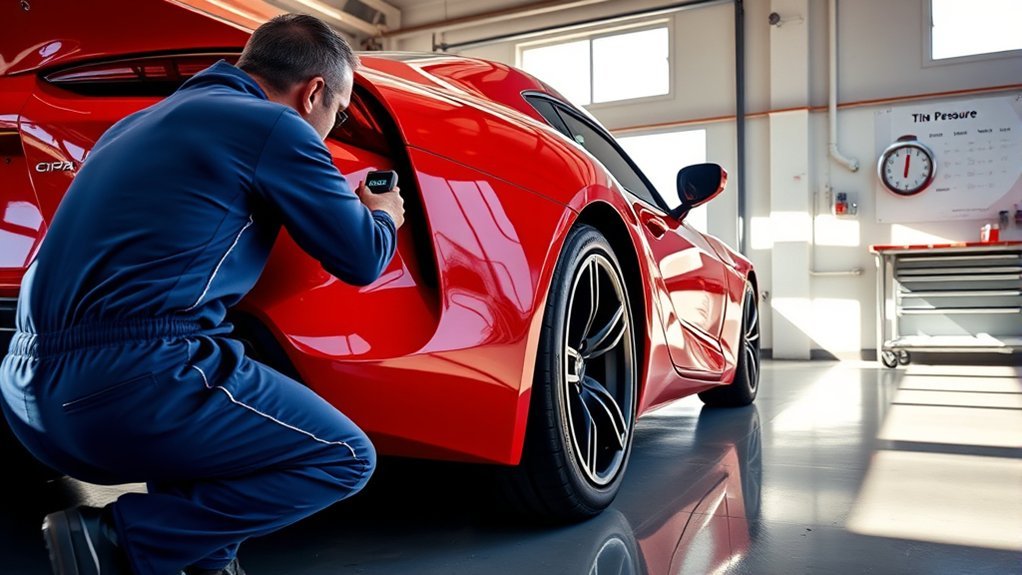
Tire pressure changes with temperature. A common rule of thumb is that passenger-car tire pressure changes by about 1 psi for every 10°F change in air temperature. Pressure rises as the tire warms and drops as the tire cools.
This is why you should set your Supra’s pressure in the morning or before driving. If you check after a highway drive, the reading may be several PSI higher than the cold setting. In that case, do not bleed the tire down to the placard PSI while it is hot unless you are correcting a serious overfill. Let the tire cool and recheck.
Note: A tire that looks fine can still be low. Check with a gauge during major weather swings, before long trips, and any time the TPMS light appears.
Common Mistakes in Setting Tire Pressure and How to Avoid Them
Most tire-pressure problems come from using the wrong reference point or checking at the wrong time. Avoid these common mistakes:
- Using the tire sidewall number. Use the doorjamb label instead. The sidewall is not your recommended street PSI.
- Checking hot tires and treating the number as cold PSI. Hot pressure is usually higher, so always recheck cold when possible.
- Assuming all Supras use one universal PSI. Model year, tire size, tire brand, load index, and market can change the correct setting.
- Ignoring front and rear differences. Many Supras use staggered tires, so front and rear tires may not be interchangeable and may need different pressure checks.
- Resetting TPMS before setting pressure. Correct the air pressure first, then initialize or reset the system if your model requires it.
- Lowering street pressure for “more grip.” Underinflation can overheat the tire, damage the sidewall, and wear the shoulders faster.
- Using track-day pressure on public roads. Track settings are temporary and depend on tire temperature, tire model, and driving conditions.
How to Reset or Initialize the Supra TPMS
After adjusting pressure, your Supra may need the tire pressure monitoring system to store the corrected values. The exact menu wording can vary by model year, but the process usually starts from the vehicle information or tire pressure menu in the infotainment system.
- Set all tires to the correct cold pressure first. Do not reset the system while a tire is low.
- Turn the ignition on or start the car. Keep the vehicle parked while you begin the reset.
- Open the vehicle status or tire pressure menu. Look for tire pressure monitor, TPMS, tire settings, or tire pressure reset.
- Select reset, initialize, or set tire pressure. Confirm the prompt if the system asks you to accept the current pressures.
- Drive normally. The system may need a short drive to relearn readings.
Warning: If the TPMS light flashes for about a minute and then stays on, treat it as a possible system fault, sensor issue, or registration problem. Do not keep resetting it without checking the tires and sensors.
[Products Worth Considering]

This CARORAV TPMS sensor set provides reliable tire pressure monitoring for a wide range of Toyota and Lexus vehicles with 315MHz compatibility. It is pre-programmed for easier setup, but still requires relearning or reset procedures after installation. Designed for accurate real-time pressure tracking, these sensors help support safer driving and long-lasting performance across many model years.

The JACO ElitePro Digital Tire Pressure Gauge delivers shop-grade accuracy with a clear digital readout, making it easy to maintain proper tire pressure for safer driving and better performance. Built with rugged brass and steel components, a protective guard, and a flexible air hose, it is designed for reliable use across cars, trucks, motorcycles, bikes, RVs, and trailers. The lock-on display, built-in bleeder valve, and bright backlit screen add convenience in any lighting condition.

This LUMITECO tire tread depth gauge set makes it easy to monitor tire wear and maintain safer driving performance. The color-coded scale provides quick, easy-to-read measurements, while the compact pocket-size design and included clip make it convenient to keep in your vehicle or toolbox. Suitable for cars, trucks, motorcycles, and more, it offers a simple reusable way to check tread depth whenever needed.
How to Troubleshoot Common Tire Pressure Issues
If your Supra keeps losing pressure or the warning light returns, work through the problem in order. Start with the tire itself before blaming the sensor.
- One tire is repeatedly low: Check for a nail, cracked valve stem, bead leak, bent wheel, or damaged tire.
- Both tires on one axle wear on the shoulders: Pressure may be low, alignment may be off, or driving style may be aggressive.
- Center tread wears faster: Pressure may be too high for your setup or the tire may be mismatched to the wheel.
- TPMS light appears on cold mornings but goes away later: The tires may be near the warning threshold and dropping lower overnight as temperatures fall.
- TPMS light stays on after correct pressure: Recheck all tires with a gauge, then follow the reset procedure. If it remains on, have the system inspected.
- Steering feels vague or the car pulls: Check pressure first, then inspect tread wear and alignment.
How Often Should You Check Supra Tire Pressure?
Check your Supra’s tire pressure at least once a month when the tires are cold. For a performance car, every two weeks is a smart habit, especially if you drive spiritedly, park outdoors, or see large temperature swings. Also check before long trips, after a pothole hit, after tire service, and any time the car feels different.
While checking pressure, inspect tread depth, sidewall cuts, bulges, uneven wear, and valve caps. If you see cords, cracks, bubbles, or a tire that keeps losing air, do not rely on inflation alone. Have the tire inspected before driving hard or taking a long trip.
What If Your Supra Has Aftermarket Wheels or Track Tires?
Aftermarket wheels, non-OE tire sizes, drag radials, winter tires, and track tires can change the ideal pressure range. The factory label is still the starting point for stock-size street tires, but a different tire load index or construction may need expert guidance.
For track days, set pressure based on the tire manufacturer’s hot-pressure target and your instructor or tire professional’s guidance. Track pressure should be checked hot and adjusted during the event, then returned to safe cold street settings before normal driving.
Frequently Asked Questions
What is the best PSI for a Toyota Supra?
The best PSI is the cold tire pressure listed on your Supra’s driver-side Tire and Loading Information Label or owner’s manual. Do not use one universal number for every Supra because the correct pressure can vary by model year, tire size, tire load rating, and market.
How do you reset TPMS on a Supra?
Set every tire to the correct cold pressure first. Then use the vehicle status, tire pressure monitor, or tire settings menu in the infotainment system to reset or initialize the TPMS. Drive normally so the system can relearn. If the light returns, check for a leak, damaged sensor, or system fault.
How do you set Toyota tire pressure correctly?
Find the recommended cold PSI on the driver-side doorjamb label or in the owner’s manual. Check pressure before driving or after the car has been parked for at least three hours. Add or release air to match the label, recheck with a gauge, replace the valve caps, and reset TPMS if required.
Should Supra tire pressure be checked hot or cold?
Use cold pressure for normal street driving. Hot tires read higher because pressure rises with temperature and driving heat. If you checked pressure after driving, recheck when the tires cool before making final adjustments.
Can I rotate Supra tires front to rear?
Many Supras have staggered tire sizes, meaning the front and rear tires are different sizes. In that case, front-to-rear rotation is usually not appropriate. Check your owner’s manual, tire sizes, and wheel direction before rotating tires.
Conclusion
The safest way to set your Supra’s tire pressure is to follow the cold PSI on the driver-side label or owner’s manual, check with a reliable gauge, and adjust before driving. Avoid generic numbers, tire-sidewall pressure, and track settings for daily street use. Recheck during weather changes, before long trips, and when the TPMS light appears. With the right pressure, your Supra will steer better, brake more predictably, and protect its tires for more miles.
Sources
- Toyota Owners Manuals and Warranties — official owner manual access for Toyota vehicles.
- Toyota 2026 GR Supra — current GR Supra model and factory tire/wheel context.
- NHTSA TireWise — tire pressure, cold-check timing, TPMS limits, tire wear, and tire safety guidance.
- Tire Rack: Temperature and Tire Air Pressure — temperature-related pressure changes and cold-pressure guidance.


[…] or yellow lights usually mean inspect soon, scan for codes, or correct a condition such as low tire pressure. If a light flashes, multiple warnings appear, or the vehicle drives abnormally, pull over safely […]
[…] manual, tire pressure gauge, flashlight, fluid levels, and an OBD-II scan when the truck is safe to […]
[…] target pressure was reached, the battery is weak, or the motor needs to cool. Use the correct cold tire pressure from your vehicle’s door placard or owner’s manual before […]
[…] the cold tire pressure listed on the vehicle placard or in the owner’s manual, not the maximum PSI printed on the […]
[…] not automatically add tire pressure because you added passengers, cargo, or a trailer. Start with the vehicle manufacturer’s […]
[…] Check tread, pressure, and visible damage. Use the door placard and owner’s manual to set the correct Supra tire pressure. […]
[…] any wheel or tire change, set cold tire pressure from the door placard, confirm TPMS behavior, road-test slowly, and recheck torque after initial […]
[…] the rotation, check cold tire pressure, tread depth, damage, uneven wear, wheel seating, and the TPMS/TPWS […]
[…] while excessive cold pressure can contribute to faster center wear and a harsher ride. Check tire pressure at least monthly when the tires are cold, compare it with the driver-side door placard, and inspect […]
[…] before driving or after the vehicle has been parked for at least three hours. Use the recommended cold tire pressure on the vehicle placard or in the owner’s […]
[…] Correct tire pressure matters for safety, tire life, handling and fuel economy. The National Highway Traffic Safety Administration recommends checking every tire, including the spare, at least monthly while the tires are cold. The U.S. Department of Energy’s FuelEconomy.gov says underinflated tires can reduce gas mileage by about 0.2% for every 1 psi drop in the average pressure of all tires. […]
[…] and steering retune. That does not mean every later car will drive better than every 2020 example. Tire pressure, tire model, alignment, mileage, suspension condition, wheel damage, and previous modifications can […]
[…] height around 3 to 4 inches, but measure your own car because lowering springs, splitters, and tire sizes change […]
[…] the 2026 Toyota Supra, the Auto Start/Stop function helps save fuel by switching the engine off during certain stops, […]
[…] tire inflator overheats when it runs longer than its duty cycle, works against high tire pressure, has poor airflow, uses a weak power connection, or is too small for the tire size. Turn it off, […]
[…] placard. Confirm tire size, cold inflation pressure, and load limits. NHTSA recommends checking tire pressure before long trips and avoiding vehicle […]
[…] and any tire-warranty requirement take priority. Regular rotation works best when you also check tire pressure, tread depth, alignment symptoms, and wheel torque during the same […]
[…] Tire pressure gauge, tread depth gauge, washer fluid, clean microfiber cloth […]
[…] the general year-round procedure, see how to set the correct tire pressure on a Supra. This page focuses specifically on cold-weather pressure changes, winter checks, and the numbers […]
[…] still matters: Check cold tire pressure, inspect the tread and sidewalls, and confirm what tire model is actually fitted to your […]