A hard pothole hit in a low Toyota Supra can damage more than the tire you can see. The impact can bend an inner wheel lip, knock the alignment out, bruise a sidewall, loosen a wheel weight, or damage suspension and steering parts. Treat the next few minutes like a safety inspection, not a casual walkaround.
Quick Answer
After hitting a pothole in a low Supra, pull over safely, inspect the tires, wheels, and underside, check tire pressure, and drive only if there are no bulges, cracks, leaks, severe vibrations, steering pull, or warning lights. If anything feels unsafe, tow it to a shop instead of driving farther.
Key Takeaways
- Inspect the outside and inside tire sidewalls, both wheel lips, and the underbody before you keep driving.
- Do not ignore steering pull, clunks, vibration, low tire pressure, fluid leaks, or a bent rim.
- Use the tire pressure on the driver-side placard or owner’s manual, not the maximum pressure molded into the tire sidewall.
- A Supra with low-profile tires is less forgiving over sharp impacts, so slow down early and keep the wheels straight if you cannot avoid a pothole.
- When in doubt, tow the car. Driving on hidden wheel, tire, or suspension damage can turn a small repair into a dangerous failure.
At a Glance
| Time Required | 10–20 minutes for a basic roadside check; 30–60 minutes for a garage inspection |
| Difficulty | Easy for visual checks; moderate if lifting the car safely |
| Tools Needed | Tire pressure gauge, flashlight, gloves, phone camera, tread gauge or penny, jack and stands for garage checks |
| Cost | Free for inspection; shop costs vary for tire replacement, wheel repair, balancing, alignment, or suspension work |
Immediate Checklist After Hitting a Pothole

First, get out of traffic. Put on your hazard lights, pull onto a safe shoulder or parking lot, and avoid kneeling beside the car where passing traffic could hit you. A low Supra can look fine from the outside while the inner wheel lip, lower control arm, undertray, exhaust, or tire sidewall has taken the impact.
- Look at all four tires. Check the outer sidewalls for cuts, bubbles, blisters, exposed cords, or sudden low pressure.
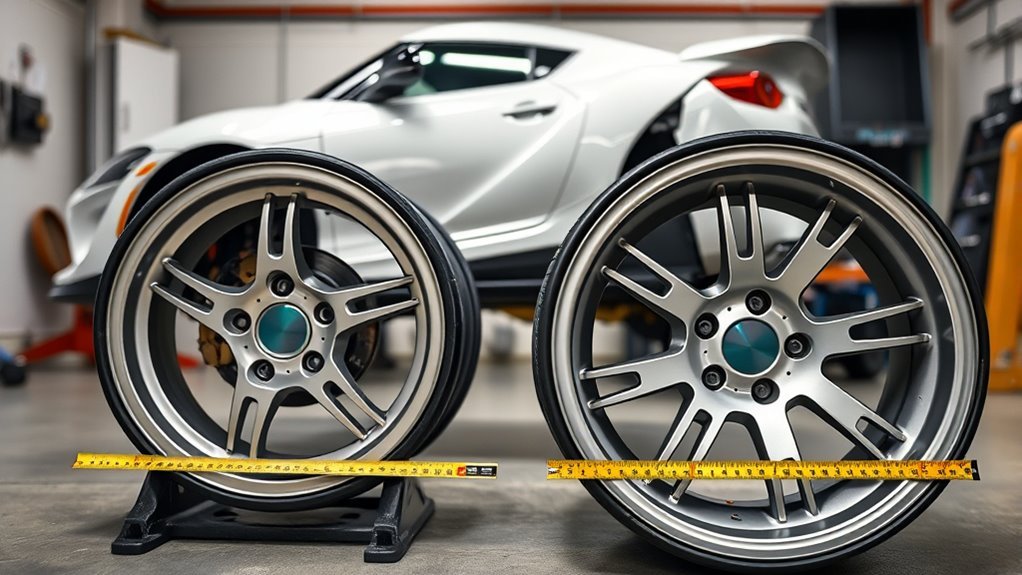
- Check the wheel that hit hardest. Look for a cracked wheel, bent rim lip, missing wheel weights, or a bead leak where the tire meets the rim.
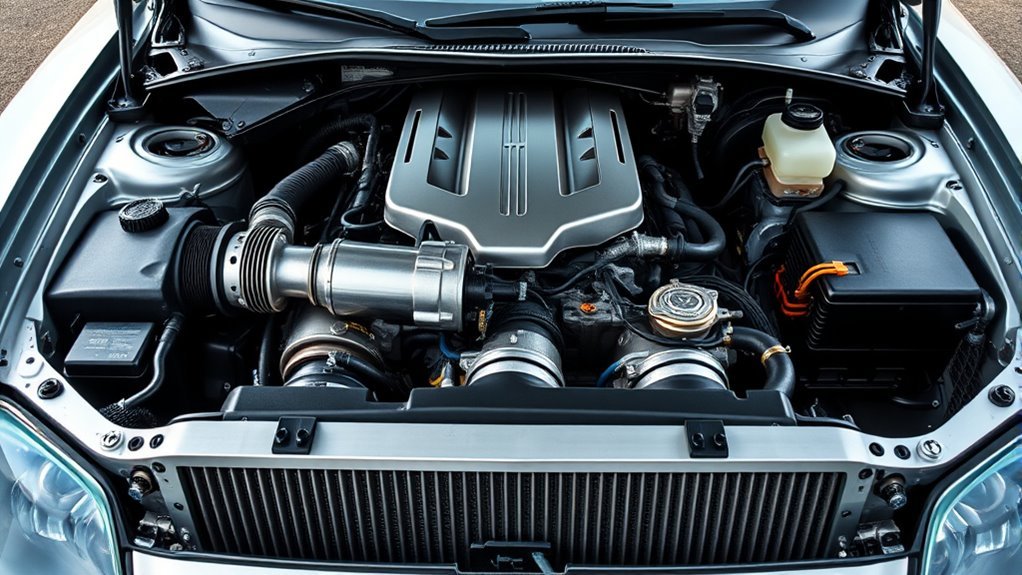
- Look under the car. Use a flashlight to check for hanging splash shields, leaking fluid, dented exhaust parts, or loose underbody panels.
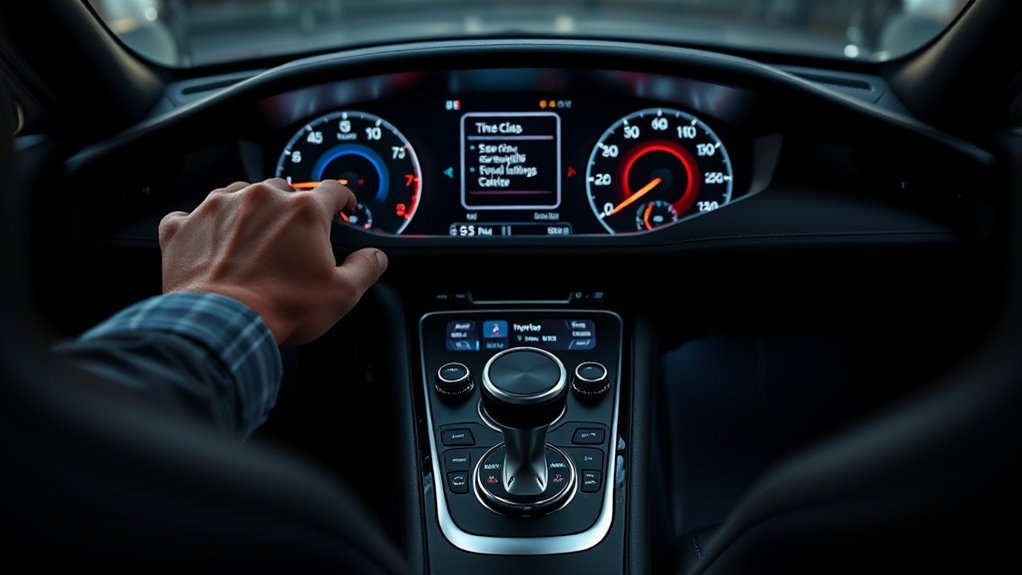
- Check the steering feel. If the wheel is no longer centered, the car pulls, or it feels loose, assume the alignment or steering parts may be damaged.
- Listen before speeding up. Clunks, scraping, grinding, thumping, or rhythmic vibration are reasons to stop and inspect again.
- Document everything. Take photos of the pothole, road location, tire, wheel, underbody, and any warning lights before repairs are made.
Warning: Do not drive on a tire with a sidewall bulge, exposed cords, an audible air leak, a cracked wheel, severe vibration, leaking fluid, or steering that feels unstable. Call for a tow and have the car inspected.
How to Reproduce and Document Symptoms Safely
Only test-drive the car if the basic inspection shows no obvious tire, wheel, underbody, or suspension damage. Keep the test short, slow, and controlled. The goal is to identify symptoms for your mechanic, not to prove the car can still be driven hard.
Start on a smooth, flat road at low speed. Keep both hands on the wheel and note whether the Supra tracks straight, pulls to one side, shakes through the steering wheel, vibrates through the seat, or makes a new sound. If the car feels normal at low speed, gradually increase speed only where it is legal and safe. Do not test high-speed handling on a damaged car.
| Symptom | Likely Area to Inspect | What to Tell the Shop |
|---|---|---|
| Steering wheel vibration | Wheel balance, bent wheel, tire damage | Speed where vibration starts and whether it changes while braking |
| Pulling left or right | Alignment, tire pressure, bent suspension part | Direction of pull and whether the steering wheel is off-center |
| Clunk over bumps | Control arm bushings, ball joints, strut mount, sway bar links | Which corner sounds damaged and whether the noise happens during turning |
| Scraping or rattling | Undertray, exhaust, heat shield, splash shield | Whether the noise changes with speed, bumps, or engine rpm |
| Low tire pressure warning | Tire puncture, bead leak, cracked rim, valve stem | Which tire lost pressure and how quickly pressure dropped |
Pro Tip: Use your phone to record a short video or voice note during the test. Say the speed, road surface, noise, and steering feel out loud. A clear symptom log can save diagnostic time at the shop.
Quick Garage Checks: Tires, Rims, Inner Edge, and Balance
Once the car is in a safe garage or driveway, do a deeper check before assuming the Supra is fine. Low-profile tires can hide bruised sidewalls, and a wheel can bend on the inside edge where you cannot see it during a roadside walkaround.
[Products Worth Considering]

Upgrade your vehicle interior with Skechers Work seat covers designed for comfort, protection, and a clean custom look. Reinforced webbing helps the covers maintain shape and durability, while the cushioned design adds comfort for daily drives and long trips. The form-fitting front seat design works with many cars, trucks, vans, and SUVs, and advanced stitching supports airbag compatibility for added peace of mind.
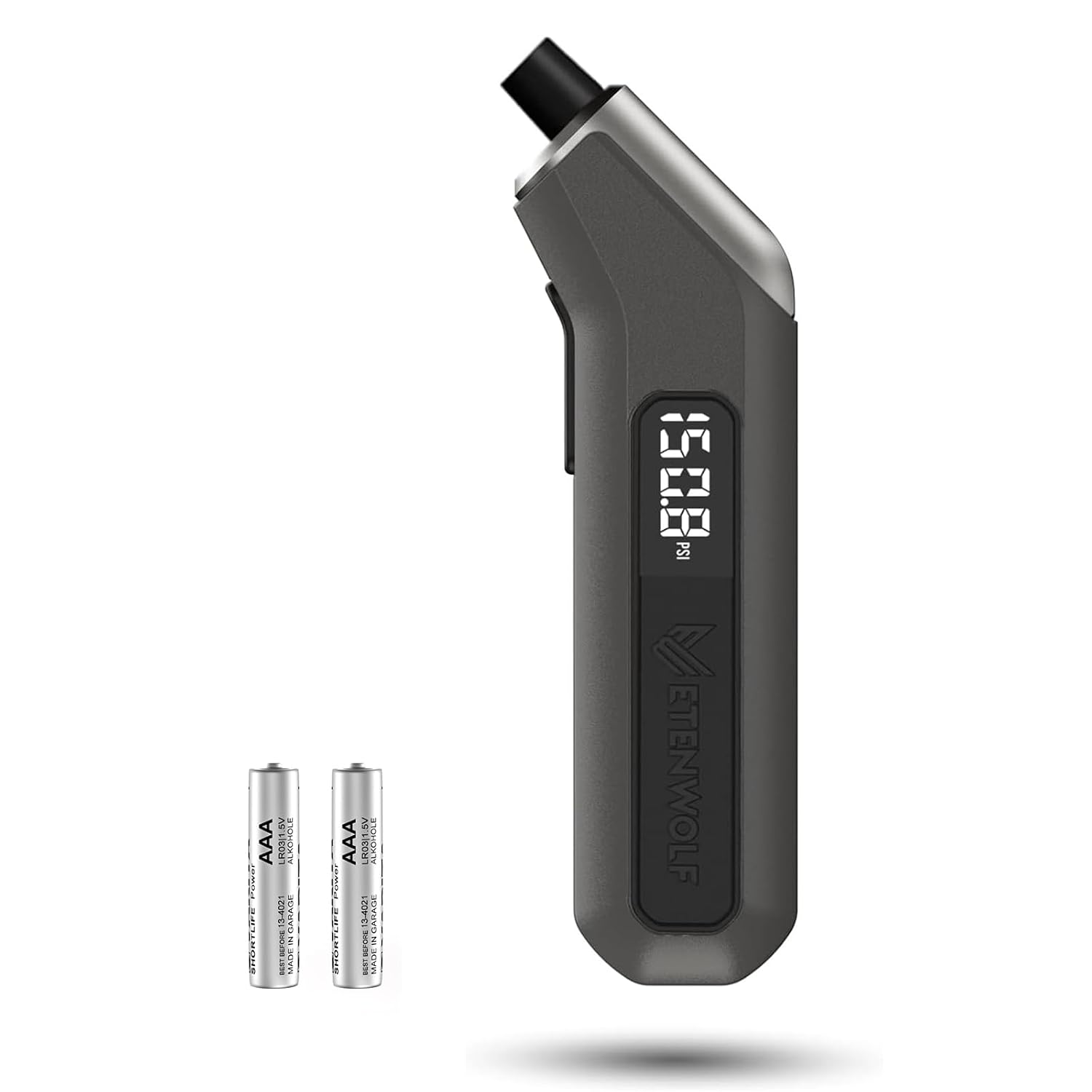
The ETENWOLF T300 digital tire pressure gauge delivers precise readings for cars, RVs, trucks, bikes, and heavy-duty vehicles with a wide measuring range and consistent accuracy. It is built to perform in extreme temperatures, includes a bright LED light for low-visibility use, and uses replaceable AAA batteries for convenient long-term operation. Durable enough to withstand rugged use, it is a practical tool for maintaining proper tire pressure across a variety of vehicles.

ROBLOCK low profile car ramps are designed to give low-chassis vehicles safer access for lifting, repairs, and maintenance work. The widened, shortened ramp design helps create room for a jack while the 17-degree slope and curved shape improve vehicle placement and stability. Built from impact-resistant PP with non-slip features and a high load capacity, these ramps are a practical choice for home garages and professional service use.
Tire Pressure and Tread
Check tire pressure with a good gauge. Use the recommended cold pressure listed on the driver-side tire placard or in the Toyota GR Supra owner’s manual. Do not inflate based on the maximum pressure molded into the tire sidewall. The National Highway Traffic Safety Administration also recommends checking pressure when tires are cold for the most accurate reading.
| Check | Target |
|---|---|
| Tire pressure | Vehicle placard or owner’s manual cold psi |
| Sidewall condition | No bulges, cuts, cords, knots, bubbles, or separation |
| Tread depth | Above legal minimum and even across the tread |
| Balance | No shaking, missing weights, or visible wheel hop |
Inspect tread across the full width of the tire. Uneven wear after a pothole strike can point to alignment damage. Under federal inspection guidance, tire tread should not be below 4/32 inch on front tires and 2/32 inch on other tires, and tires should be free of bumps, bulges, exposed cords, and tread or sidewall separation.
Inner Rim Edge Check
The inner rim edge is one of the most commonly missed pothole-damage areas. Turn the front wheels if needed, use a flashlight, and look behind the spokes toward the inside barrel and inner lip. You are looking for bends, flat spots, cracks, fresh scrape marks, or a tire bead that no longer sits evenly against the wheel.
If the tire is losing air slowly, mix soap and water and brush it around the bead area and valve stem. Bubbles can reveal a slow leak. A bent wheel may still hold air at first, then leak when the car sits overnight or when the tire heats and cools.
Note: Wheel repair is not always safe. A small cosmetic bend may be repairable by a qualified wheel shop, but cracked, sharply creased, or repeatedly repaired wheels should be replaced.
Wheel Balance and Spin
If you can lift the car safely with the correct jack points and jack stands, spin each wheel by hand. Watch the tire and rim from the side and front. A smooth wheel should rotate without a visible hop, wobble, or side-to-side runout. Stop if the car is not supported safely; never work under a car held only by a jack.
Look for missing wheel weights, dents, and an uneven gap between the tire and the floor as it spins. If the wheel looks true but the steering wheel shakes on the road, schedule a professional balance. Tire balancing helps prevent vibration, while alignment helps keep the car from veering and helps tires wear evenly.
Inspect Suspension and Steering: Control Arms, Ball Joints, and Tie Rods
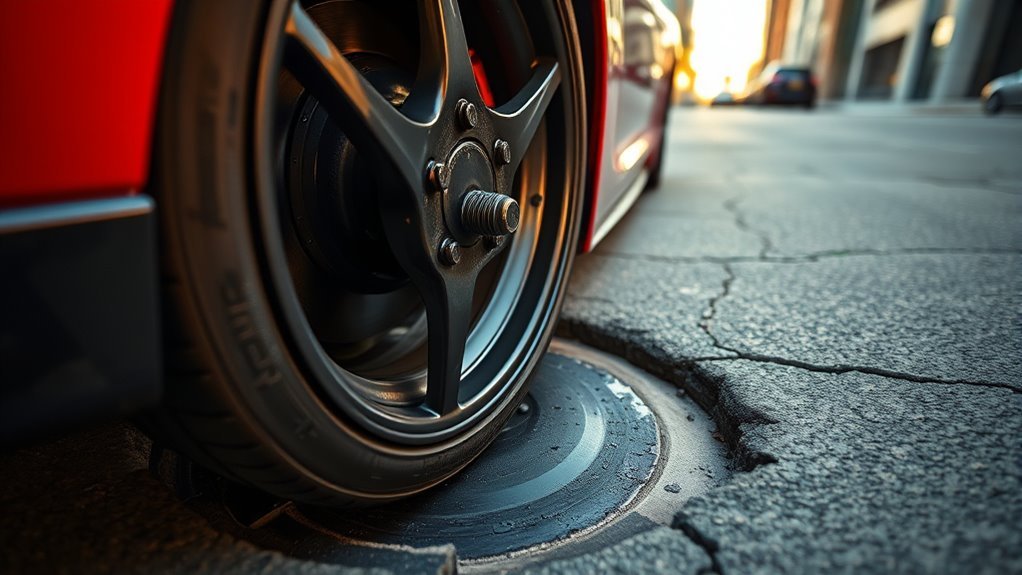
A pothole impact loads the tire, wheel, hub, control arm, ball joint, strut, tie rod, and steering rack in a split second. On a low Supra, the suspension has less room to absorb that hit before the wheel or underbody takes the force. A visual inspection is useful, but any steering or suspension doubt deserves a professional check.
[Products Worth Considering]
This Puroma cabin air filter helps keep your vehicle interior supplied with cleaner air while supporting efficient HVAC performance. Its multi-layer design helps reduce odors and trap airborne particles, making daily driving more comfortable. With wide compatibility across many Toyota, Lexus, Subaru, and other models, it is designed for quick replacement and easy installation.

This tire repair screw kit offers a fast, simple way to seal punctures without removing the tire or visiting a shop. Made with durable carbon steel and rubber, the pre-sealed plugs help create a secure repair for tubeless tires in emergency situations. With two convenient sizes and portable individual packaging, it is a handy solution for cars, motorcycles, bicycles, trucks, and other compatible vehicles.

【Premium Material】: The automotive ball joint dust cover is made of high-quality rubber, wear resistance, high-temperature resistance, good impact resistance, not easy to deform and fade, and long service life.
Check Lower Control Arms
Inspect the lower control arms for bends, cracks, damaged bushings, or shifted mounting points. A bent control arm can change camber, caster, and toe even if the car still drives. Look for fresh metal marks, torn rubber bushings, distorted brackets, or one wheel sitting differently in the arch compared with the other side.
Do not pry aggressively unless you know the correct test points. A technician can lift the car, unload the suspension, check bushing movement, and compare alignment readings to factory specifications.
Inspect Ball Joints
Ball joints let the suspension move while the wheel turns. After a pothole hit, check for torn boots, grease loss, clunking, looseness, or uneven tire wear. A torn boot lets dirt and water enter the joint, which can speed up wear.
If you feel knocking through the floor, hear a clunk when turning, or notice the car wandering, do not dismiss it as normal road noise. A failing ball joint can affect steering control.
Test Tie Rod Play
Tie rods connect steering input to the front wheels. With the car safely lifted, a technician may check for looseness by moving the wheel side to side and watching the inner and outer tie rod ends. Any visible play, clicking, or delayed wheel movement should be corrected before the car is driven hard.
| Component | What to Look For | Recommended Action |
|---|---|---|
| Outer tie rod | Loose stud, torn boot, clicking, steering play | Replace if worn, then align |
| Inner tie rod | Axial movement, looseness, wandering steering | Inspect rack area and replace worn parts |
| Ball joint | Boot tear, grease loss, clunk, vertical or lateral play | Replace if play exceeds spec |
| Control arm | Bent arm, cracked mount, torn bushing | Replace damaged parts and align |
Short-Term Fixes, Driving Limits, and When to Tow
Short-term fixes are only meant to get the car to a safe location or repair shop. They are not a green light for spirited driving. If the tire, wheel, or suspension is damaged, your Supra needs repair before it returns to normal use.
[Products Worth Considering]

STEEL-IRON TIRE SPOONS: Each tire lever is constructed of hardened steel-iron with curved tips that provides strong toughness and reliable durability.

Tire Fitment Simulation: The WheelWise Tire Fit Check Attachment simulates tire sizes up to 14 inches in width and 11.5 inches in sidewall height, allowing you to verify fitment without needing the actual tire.

Excellent Plastic Material - This bead clamp is made high grade nylon and plastic composite material, durable and will not scratch or damage wheels. Its a huge time saver and can prevent tire bead and wheel damage from over stress.
When You Can Drive Carefully
You may be able to drive slowly to a nearby shop if the tire holds pressure, the wheel is not cracked or badly bent, there are no leaks, the steering feels normal, and there is no severe vibration or noise. Keep speed low, avoid rough roads, leave extra following distance, and avoid hard braking, sharp turns, and sudden throttle inputs.
When You Should Tow the Supra
Tow the car if you find any sidewall bulge, exposed cord, flat tire, cracked rim, fluid leak, severe steering pull, loud clunk, grinding sound, heavy vibration, or visible suspension damage. Also tow it if the underbody is dragging or the car feels unstable after the impact.
AAA warns that pothole encounters can damage tires, wheels, shocks, struts, tie rods, ball joints, and control arms, and that sudden swerving or braking to avoid one can also create crash risk.
What to Ask the Shop to Check
- Road-force balance for the wheel and tire that took the hit
- Inner and outer wheel lip runout
- Tire sidewall and bead condition
- Four-wheel alignment
- Control arms, bushings, ball joints, tie rods, and struts
- Wheel bearing noise or play
- Undertray, oil pan area, exhaust, and heat shields
- TPMS sensor and valve stem if pressure loss occurred
Preventive Driving and Upgrades for Low Toyota Supras
The best pothole repair is the one you never need. A low Supra with performance tires is built for sharp response, not pothole abuse. You can still reduce risk with better scanning, correct tire pressure, smart wheel and tire choices, and suspension settings that match the roads you actually drive.
- Look farther ahead. Keep enough following distance to see pavement before the car in front hides it.
- Be careful around puddles. Water can hide deep potholes, broken asphalt, or sharp edges.
- Slow before the pothole, not in it. If you cannot avoid the hole, brake early, then release the brakes and keep the steering wheel straight just before impact.
- Avoid sudden swerves. A hard lane change can be more dangerous than the pothole if another vehicle is beside you.
- Keep pressures correct. Underinflated tires are more vulnerable to impact damage, and overinflated tires can ride harshly.
- Choose street-friendly wheel and tire setups. More sidewall can add impact cushion if you are not chasing the most aggressive appearance.
- Use adjustable suspension wisely. If your Supra is lowered, consider raising it for rough seasons or poor roads.
- Add protection only where it makes sense. Quality underbody panels or skid protection can help, but they should not hang lower than the parts they protect.
Pro Tip: If you run aftermarket wheels, keep the original wheel and tire specs handy. A shop can use them to compare offset, tire size, load rating, and clearance before recommending a more pothole-resistant setup.
Frequently Asked Questions
Does FSD 14 avoid potholes?
FSD is Tesla’s driver-assistance technology, not a Toyota Supra feature. Do not rely on any driver-assistance system to protect a low sports car from potholes. The safest approach is still active driver scanning, slowing early, keeping the wheels straight if impact is unavoidable, and inspecting the car afterward.
How do low sports cars go over speed bumps?
Approach slowly, avoid braking hard on the bump, and cross at a shallow angle only when traffic and lane space make it safe. Keep the car as straight and settled as possible. If the bump is too tall for your ride height, find another route instead of scraping the front lip, undertray, or exhaust.
What is the best way to drive over a pothole if you cannot swerve?
Slow down before the pothole, release the brakes just before impact, keep the steering wheel straight, and roll through smoothly. Braking hard during the impact can load the front suspension and make damage worse. Never swerve unless you have checked that the lane beside you is clear.
Can a pothole damage my Supra even if the tire did not go flat?
Yes. A tire can hold air while the wheel is bent, the alignment is knocked out, a wheel weight is missing, or a suspension part is damaged. New vibration, pulling, clunking, uneven tire wear, or a crooked steering wheel means the car should be inspected.
Should I get an alignment after a hard pothole hit?
Get an alignment check if the steering wheel is off-center, the car pulls, the tires start wearing unevenly, or the impact was hard enough to bend a wheel or damage a tire. An alignment printout can also reveal hidden suspension geometry changes.
Conclusion
A low Toyota Supra should be treated like a precision car after a pothole strike. Start with a safe roadside inspection, check the tires and wheels closely, document symptoms, and drive only if the car feels stable and damage-free. If you find a bulge, leak, cracked wheel, severe vibration, steering pull, or underbody damage, tow it. Careful inspection now protects the tire, wheel, suspension, and the sharp handling that makes the Supra worth preserving.
Sources
- Toyota 2024 GR Supra Owner’s Manual — owner’s manual reference for vehicle-specific tire and maintenance information.
- NHTSA TireWise: Tire Safety Ratings and Awareness — tire pressure, tread, TPMS, balance, and alignment guidance.
- eCFR 49 CFR § 570.62 Tires — tire tread depth, tire condition, bulge, cord, and sidewall inspection standards.
- AAA Exchange: Potholes and Vehicle Damage — pothole avoidance and damage guidance for tires, wheels, suspension, and steering.
- Car Care Council via AutoInc.: Warning Signs of Pothole Damage — steering, suspension, alignment, tire, and rim warning signs after pothole impacts.