The Hyundai Sonata’s ABS system is essential for preventing wheel lockup during hard braking, ensuring you maintain steering control. It uses wheel speed sensors to monitor each wheel’s speed and adjusts brake pressure accordingly. When the ABS light activates, it often signals issues like low brake fluid or malfunctioning sensors. Unusual braking behavior can indicate deeper problems. Understanding these components can enhance your vehicle’s safety and performance, leading to better driving experiences on various road conditions.
How The Hyundai ABS System Works
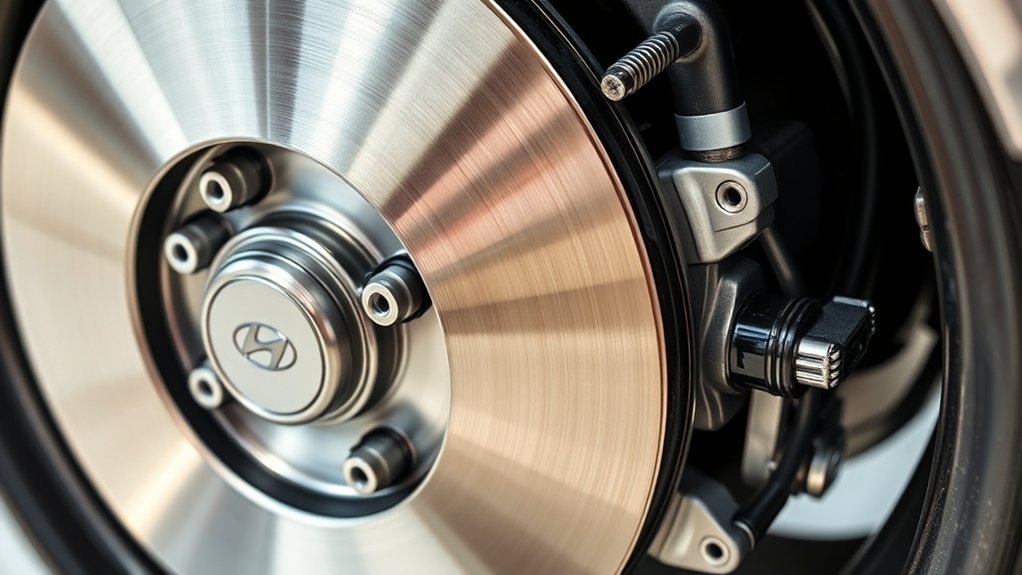
The Hyundai Anti-lock Braking System (ABS) operates by leveraging wheel speed sensors to continuously monitor each wheel’s rotational speed, ensuring peak braking performance. When you engage emergency braking techniques, the ABS detects any impending wheel lockup and rapidly modulates brake pressure. This action allows you to maintain steering control while decelerating, greatly enhancing your ability to navigate slippery surfaces.
Key components, including the ABS control module, hydraulic pump, and valves, collaborate seamlessly to optimize braking effectiveness. These ABS technology advancements not only reduce the risk of skidding but also improve overall vehicle stability during critical situations. Regular maintenance, such as checking wheel speed sensors and brake fluid levels, is essential for ensuring the system’s reliability. By understanding how the Hyundai ABS operates, you empower yourself to make informed decisions, enhancing your driving experience and safety on the road.
Common Reasons Your ABS Light Might Activate
When your ABS light activates, it signals that something’s amiss within the braking system, often requiring your immediate attention. Effective ABS light troubleshooting is crucial for maintaining vehicle safety. Here are common reasons your ABS light might illuminate:
| Reason | Description | Action Needed |
|---|---|---|
| Low Brake Fluid Levels | Indicates a potential leak or maintenance issue | Check fluid levels |
| Malfunctioning Wheel Sensor | Fails to monitor wheel speed accurately | Inspect or replace sensor |
| Faulty ABS Module | Signals need for inspection or replacement | Have module checked |
| Brake System Leaks | Can stem from damaged lines or components | Identify and repair leaks |
| Underlying Issues | Affects overall braking performance | Conduct thorough inspection |
Addressing these issues promptly can guarantee effective brake system maintenance and enhance your driving experience.
Symptoms Of Hyundai ABS System Issues
How can you tell if there’s an issue with your Hyundai’s ABS system? Start by checking for the ABS warning light on your dashboard; its illumination indicates a malfunction that demands immediate attention. Pay close attention to your brake performance—if you notice a soft brake pedal or experience unusual pulsations during braking, these could be signs of underlying ABS issues. Additionally, listen for any strange noises like grinding or clicking when you brake, as these may point to mechanical problems within the system. If you find yourself losing traction or struggling to steer during emergency braking, that’s a clear indication that the ABS isn’t functioning correctly. Finally, if both the ABS and brake warning lights are lit simultaneously, it signals a serious issue, necessitating prompt professional inspection to safeguard your driving experience.
What To Do When You Notice ABS Symptoms?
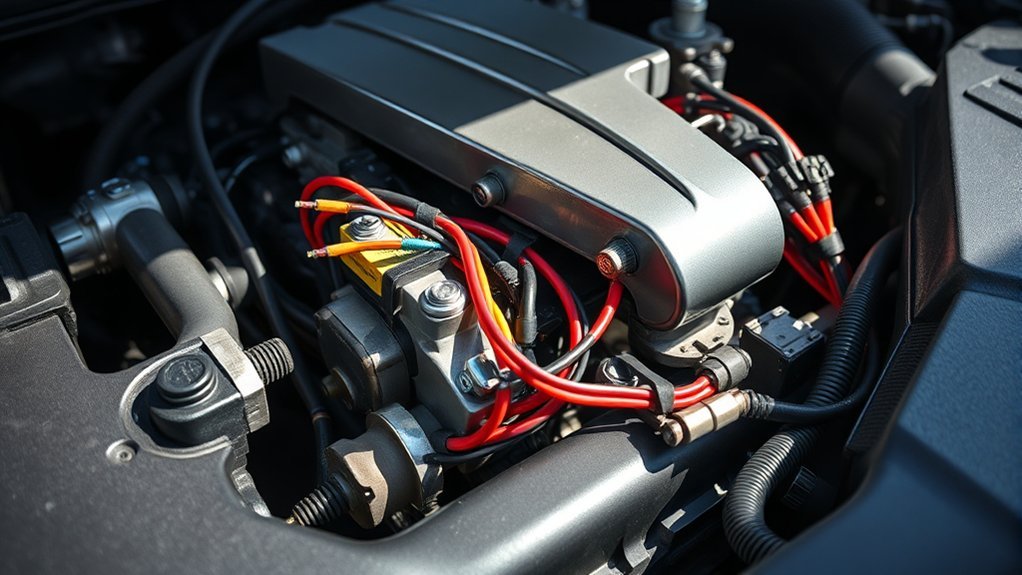
Noticing symptoms of your Hyundai Sonata’s ABS system can be concerning, but taking prompt action can mitigate risks. First, check the brake fluid levels; low fluid can trigger the ABS light. Next, inspect for any blown fuses related to the ABS system, as this might not indicate a deeper problem. If issues persist, bring your vehicle in for a professional inspection to guarantee safety. Document any unusual behaviors, like changes in brake performance indicators or noises during braking—this information will help your technician diagnose the issue effectively.
| Action | Description | Importance |
|---|---|---|
| Check Brake Fluid | Verify fluid levels are within range | Prevents ABS light activation |
| Inspect Fuses | Look for blown fuses related to ABS | Can indicate minor issues |
| Document Behaviors | Note any unusual braking characteristics | Aids in accurate diagnosis |
| Schedule Inspection | Consult a professional for a thorough check | Guarantees safety and reliability |
| Follow Up | Monitor after repairs | Guarantees ABS functionality |
Diagnosing ABS Light Problems In Your Sonata
When your ABS light activates in your Hyundai Sonata, it’s essential to identify common triggers like faulty wheel speed sensors or low brake fluid levels. Pay attention to symptoms such as unusual braking behavior, which could indicate underlying ABS malfunctions. Utilizing appropriate diagnostic tools and techniques will help you pinpoint the issue effectively.
Common ABS Light Triggers
Understanding the triggers for the ABS light in your Hyundai Sonata is crucial for maintaining ideal braking performance. One common cause is low brake fluid levels, which might indicate a leak or worn brake pads. Regular brake fluid checks can help you identify this issue early. Additionally, faulty wheel speed sensors can activate the ABS light by failing to accurately monitor wheel rotation. A malfunctioning ABS control module may also illuminate the light, often requiring professional diagnosis to determine if it needs reprogramming or replacement. Finally, brake system leaks from worn hoses or components can trigger the warning. Effective ABS light troubleshooting involves inspecting the entire braking system to verify its integrity and safety.
Symptoms of ABS Malfunctions
Experiencing symptoms of ABS malfunctions in your Hyundai Sonata can considerably impact your vehicle’s safety and performance. The ABS warning light on your dashboard is a vital indicator, often triggered by issues like low brake fluid or faulty wheel speed sensors. If you notice changes in brake performance—like a soft pedal or unusual pulsations—this could signal a malfunction. Additionally, grinding or clicking noises during braking may point to mechanical problems within the ABS system. If both the ABS and brake warning lights illuminate, immediate inspection is essential to prevent total brake failure. Regular maintenance and prompt attention to these symptoms can help you navigate the diagnostic challenges, ensuring your ABS system features function as intended for safe driving.
Diagnostic Tools and Techniques
Diagnosing ABS light problems in your Hyundai Sonata requires a systematic approach to identify underlying issues effectively. Start by using an OBD-II scanner to read and clear fault codes, revealing specific concerns like sensor malfunctions. Check wheel speed sensors for cleanliness and functionality; sensor cleaning can prevent warnings. Inspect the ABS module and wiring for damage or corrosion, which may lead to intermittent faults. Regularly monitor brake fluid levels, as low fluid can trigger the ABS light. If you notice unusual brake pedal behavior, such as pulsation, perform diagnostics to guarantee safety.
| Diagnostic Tool | Purpose | Action |
|---|---|---|
| OBD-II Scanner | Read/clear fault codes | Identify specific issues |
| Wheel Speed Sensors | Monitor ABS functionality | Clean or replace as needed |
| ABS Module Inspection | Check for damage | Repair wiring if necessary |
| Brake Fluid Level Check | Confirm proper performance | Refill if low |
Why Regular ABS Maintenance Matters
Regular ABS maintenance is essential for your Sonata’s safety and performance. By proactively addressing potential issues, you can enhance vehicle control and reduce long-term repair costs. Keeping your ABS system in top shape not only meets safety standards but also guarantees reliable braking in critical situations.
Importance Of Preventive Maintenance
Preventive maintenance of the ABS system is essential for guaranteeing your vehicle’s safety and performance. Regular preventive inspections help you identify issues like low brake fluid levels or malfunctioning wheel speed sensors before they escalate. By adhering to maintenance schedules, you can catch potential problems early, reducing costly repairs and promoting reliable braking performance. Cleaning ABS components prevents debris buildup, which can trigger false warning lights and impair system functionality. Addressing unusual sounds or brake pedal pulsations promptly can avert severe mechanical failures and maintain peak braking efficiency. Scheduling periodic evaluations at a certified dealership guarantees that your ABS system remains in prime condition, ultimately enhancing your driving experience and safety on the road.
Enhancing Vehicle Safety
While you might overlook it during routine vehicle checks, the maintenance of your ABS system is fundamental for enhancing safety on the road. Regular checks guarantee peak performance, preventing wheel lockup during emergencies and improving overall vehicle control. Inspections of wheel speed sensors and brake fluid levels are significant, as low fluid or faulty sensors can trigger warning lights and compromise safety.
| Maintenance Task | Importance | Outcome |
|---|---|---|
| Inspect wheel speed sensors | Detects faults early | Reliable braking performance |
| Check brake fluid levels | Prevents ABS warning lights | Enhanced safety |
| Clean ABS components | Reduces risk of malfunction | Better traction |
| Address issues promptly | Preserves braking efficiency | Longer component lifespan |
| Perform routine checks | Identifies potential issues early | Boosts driver confidence |
Prioritizing these safety innovations is essential for effective braking technology.
Reducing Long-Term Costs
Neglecting your ABS system can lead to costly repairs down the line, making regular maintenance essential. Implementing cost-effective strategies, like routine inspections, allows you to identify potential issues early, such as faulty sensors or wiring problems, before they escalate. Maintaining adequate brake fluid levels and inspecting the braking system during services can prevent expensive repairs from fluid leaks and component failures. Cleaning wheel speed sensors helps avoid malfunctions that may necessitate costly ABS control module replacements. Additionally, addressing warning lights promptly prevents cascading mechanical issues that compromise braking safety. Investing in high-quality replacement parts and regular diagnostics can save you from higher labor costs, ensuring your Hyundai Sonata remains reliable and cost-efficient over time.
How Wheel Speed Sensors Impact ABS Performance
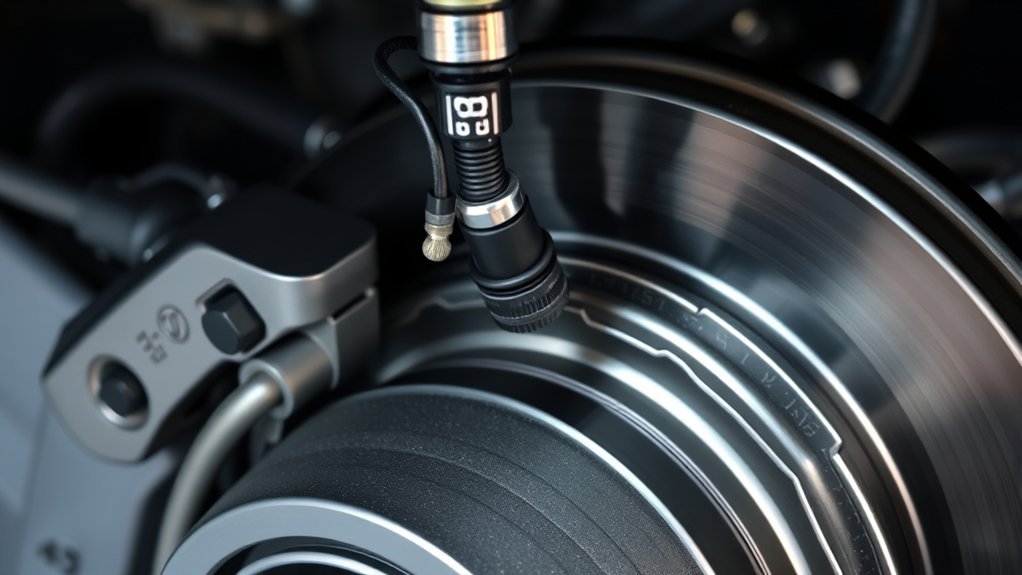
Wheel speed sensors play a pivotal role in the effectiveness of the Anti-lock Braking System (ABS), as they continuously monitor each wheel’s rotational speed. These sensors generate electrical signals that inform the ABS control module of any discrepancies, allowing it to adjust brake pressure and maintain traction. If there’s a malfunction, the ABS warning light will illuminate, indicating compromised braking performance and increasing the risk of skidding or loss of control.
Sensor calibration is essential for peak function; without accurate readings, the system may react inappropriately during braking. Typically, wheel speed sensors last between 50,000 to 70,000 miles, but harsh conditions can accelerate wear. Regular maintenance, including cleaning and inspection, guarantees these sensors operate correctly, directly impacting ABS performance. By prioritizing these checks, you enhance your vehicle’s safety and driving experience, empowering you to navigate diverse conditions confidently.
The Role Of Brake Fluid In ABS Functionality
Brake fluid plays an essential role in the functionality of the Anti-lock Braking System (ABS) by effectively transferring force from the brake pedal to the braking components. Proper brake fluid maintenance is essential for optimal performance. Here are three key aspects to take into account:
Brake fluid is crucial for the Anti-lock Braking System, ensuring effective force transfer and optimal braking performance.
- Fluid Level: Always verify the brake fluid level is within the recommended range; low levels can compromise braking performance and trigger the ABS warning light.
- Moisture Absorption: Brake fluid absorbs moisture over time, which can lower its boiling point and increase the risk of brake failure.
- Quality Control: Contaminated or degraded brake fluid can lead to sensor malfunctions, affecting the system’s ability to prevent wheel lockup during braking.
Regular checks and timely replacements of brake fluid are critical for maintaining the ABS’s effectiveness, ultimately enhancing your vehicle’s safety and performance. Prioritizing these elements keeps your braking system in peak condition.
How To Identify And Fix Wiring Issues Affecting Your ABS
To identify wiring issues affecting your ABS, start by inspecting the wiring harness and connectors for any visible damage or corrosion. Use a multimeter to check the continuity of the ABS wheel speed sensor wiring, ensuring no breaks disrupt communication. Once you’ve pinpointed any problems, follow appropriate repair and replacement steps to restore system functionality.
Common Wiring Issues
When dealing with ABS issues, identifying common wiring problems is crucial for maintaining system functionality. Focus on these key areas during your ABS troubleshooting:
- Wiring Harness Inspection: Check for frayed or damaged wires, especially near wheel speed sensors, where rodent damage often occurs.
- Corrosion Issues: Inspect the ABS control module and connectors for corrosion or loose connections, which can disrupt electrical continuity and cause intermittent ABS failures.
- Sensor Connections: Regularly clean ABS sensor connectors to prevent dirt and moisture buildup, which can lead to signal interference and trigger the ABS warning light.
If you suspect wiring issues, perform a continuity test to verify electrical signals are flowing correctly through the system, helping you pinpoint specific faults effectively.
Inspection Techniques
Inspecting the ABS wiring requires a systematic approach to assure all components function correctly. Start by visually checking the wire harness and connectors for wear or rodent damage. Use a multimeter to evaluate the continuity of the wheel speed sensor wiring; breaks indicate a need for repair. Ascertain proper grounding of ABS components, as poor grounding can cause erratic sensor readings. Look for moisture or corrosion in connectors that can disrupt essential electrical signals. Regularly monitor the ABS light and braking performance; documenting changes helps pinpoint wiring issues.
| Inspection Step | What to Look For | Action Required |
|---|---|---|
| Visual Inspection | Wear, damage, rodent activity | Repair or replace |
| Continuity Test | Breaks in wiring | Repair or replace |
| Grounding Check | Poor connections | Secure ground |
| Moisture/Corr. Check | Corrosion in connectors | Clean and reseal |
| Performance Monitoring | Changes in ABS behavior | Document findings |
Repair and Replacement Steps
Identifying and fixing wiring issues affecting your ABS requires a keen eye and methodical approach. Follow these steps to guarantee your system functions at its best:
- Inspect the wiring harness for visible damage, like fraying or chewed sections, which can disrupt the ABS signal.
- Use a multimeter to test for continuity in the ABS wiring; a lack of continuity indicates a break that needs repair.
- Clean connectors and terminals related to the ABS system to ensure proper electrical contact and prevent communication issues.
If problems persist, consider replacing faulty wheel speed sensors, as they are essential for ABS functionality. Document any repairs or modifications made; this is important for future ABS troubleshooting techniques and wiring repair methods.
When To Get Professional Help For ABS Issues?
How can you tell if it’s time to get professional help for your ABS issues? If the ABS warning light stays illuminated after startup, don’t ignore it; seek professional diagnosis immediately. Unusual braking behavior, like pulsations or a soft pedal, demands urgent inspection to avoid safety risks. You should also consult a mechanic if you notice inconsistent wheel speed readings, as this can compromise ABS effectiveness and vehicle control. If both the ABS and brake warning lights are on, it signals a serious malfunction that requires immediate attention to prevent complete brake failure. Regular inspections not only help in ABS troubleshooting but also facilitate timely brake system upgrades, ensuring your Hyundai Sonata operates at maximum safety. Prioritizing professional assistance will liberate you from potential hazards and keep your vehicle functioning efficiently.
Frequently Asked Questions
Can I Still Drive My Car if the ABS Light Is On?
Yes, you can drive your car with the ABS light on, but it signals potential brake safety issues. Stay alert for warning signs, and consider getting a professional inspection to prevent serious braking problems.
How Does ABS Work Step by Step?
When it comes to ABS, it’s all about safety features. First, sensors detect wheel speed; then, during braking, the system modulates pressure to prevent lockup, ensuring you maintain control and effective braking techniques.
What Does ABS Mean on a Hyundai Sonata?
ABS on your Hyundai Sonata stands for Anti-lock Braking System, essential for brake safety. It prevents wheel lockup during hard braking, enhancing control. Regular system maintenance guarantees peak performance, especially in adverse weather conditions.
What Are the 4 Main Components of ABS?
Ever wondered how your brake system keeps you safe? The four main components of ABS are wheel speed sensors, an ABS control module, a hydraulic pump, and valves—all working together to enhance your vehicle’s safety features.
Conclusion
In summary, understanding your Hyundai Sonata’s ABS system is essential for safety and performance. Did you know that about 20% of vehicle crashes could be prevented with a properly functioning ABS? By recognizing symptoms early and diagnosing issues effectively, you can make certain your system operates at its best. Don’t hesitate to seek professional help if you encounter persistent problems; timely intervention can save you from costly repairs and enhance your driving experience. Stay informed and drive safely!