The Hyundai Sonata automatic transmission is designed to make everyday driving feel smooth, efficient, and easy. The exact transmission depends on the Sonata trim and model year: many gas models use an 8-speed automatic, N Line models use an 8-speed wet dual-clutch transmission, and recent Sonata Hybrid models use a 6-speed automatic with Hyundai’s Active Shift Control technology.
Quick Answer
The Hyundai Sonata automatic transmission changes gears for you while balancing comfort, fuel economy, and performance. Gas Sonatas commonly use an 8-speed automatic, the Sonata Hybrid uses a 6-speed automatic with Active Shift Control, and Sonata N Line models use an 8-speed wet dual-clutch transmission for quicker shifts.
Key Takeaways
- Not every Sonata uses the same transmission; check your trim, model year, and owner’s manual before comparing features or maintenance needs.
- The standard 8-speed automatic is tuned for smooth takeoffs and efficient highway cruising.
- The Sonata Hybrid’s Active Shift Control system improves shift speed by using the electric motor to help synchronize the transmission.
- The Sonata N Line’s wet dual-clutch transmission can feel more direct and sporty than a conventional automatic, especially during quick acceleration.
- If you notice slipping, harsh shifts, warning messages, leaks, or unusual noises, stop guessing and have the vehicle inspected promptly.
What Is the Hyundai Sonata Automatic Transmission?
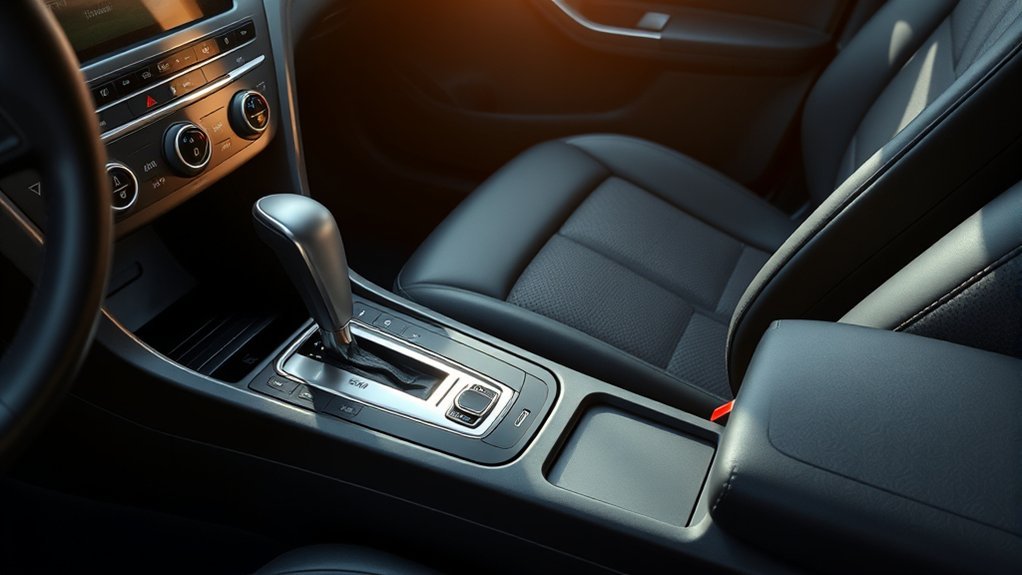
The Hyundai Sonata automatic transmission is the system that transfers power from the engine or hybrid powertrain to the wheels while selecting the right gear automatically. Instead of using a clutch pedal or manual shifter, you select Drive, and the transmission manages gear changes based on speed, throttle position, load, and driving conditions.
Current and recent Sonata models use different transmission types depending on the powertrain. According to Hyundai USA’s Sonata model information, the 2026 Sonata lineup includes gas and hybrid versions. Gas models commonly pair with an 8-speed automatic, Sonata Hybrid models use a 6-speed automatic, and performance-focused N Line models use an 8-speed wet dual-clutch transmission.
| Sonata Version | Common Transmission Type | What It’s Built For |
|---|---|---|
| Gas Sonata 2.5L | 8-speed automatic | Smooth daily driving, balanced fuel economy, and relaxed highway cruising |
| Sonata Hybrid | 6-speed automatic with Active Shift Control | Efficient hybrid driving with quicker, smoother gear changes |
| Sonata N Line | 8-speed wet dual-clutch transmission | Sportier response, faster shifts, and stronger acceleration feel |
Note: Transmission equipment can vary by model year, market, and trim. Always confirm your exact Sonata’s transmission in the owner’s manual, window sticker, or Hyundai dealer build sheet.
How Does the Torque Converter Enhance Performance?
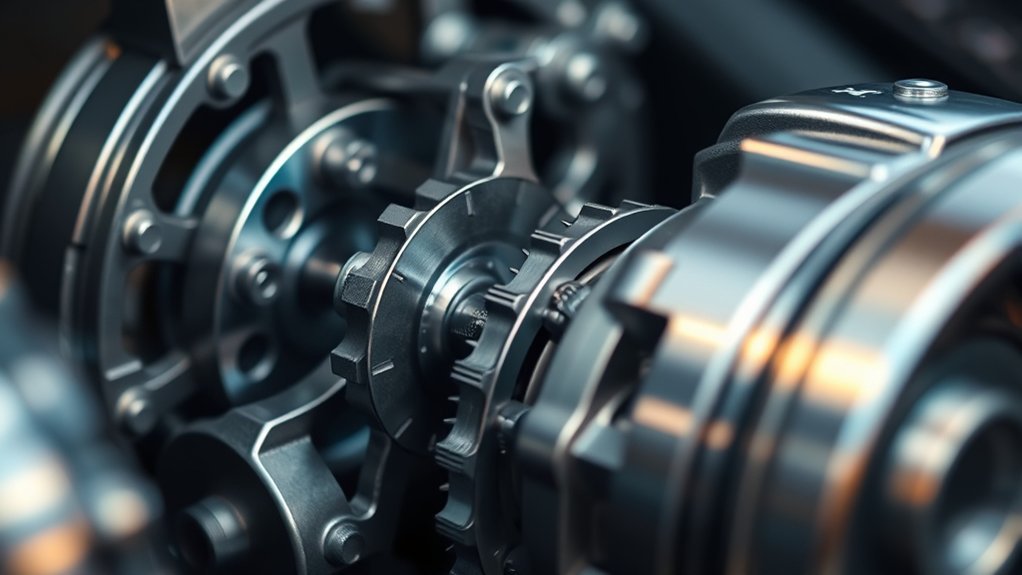
A torque converter is used in many conventional automatic transmissions. It acts as a fluid coupling between the engine and transmission, helping the car move away from a stop smoothly without a clutch pedal. In a Sonata with a conventional 8-speed automatic, this helps reduce low-speed jerkiness and keeps acceleration easy in traffic.
The torque converter also allows the engine to keep running when the vehicle is stopped in Drive. Once the car is moving, a lock-up clutch can reduce slippage, improving efficiency at steady speeds. This is one reason a modern automatic can feel smooth in city driving yet still settle into efficient cruising on the highway.
Torque Converter Functionality
While driving a Hyundai Sonata with a conventional automatic transmission, you may not notice the torque converter working, but it plays a major role in how refined the car feels. It cushions the connection between the engine and transmission, helps multiply torque at low speeds, and allows controlled power delivery during takeoff.
| Feature | Benefit |
|---|---|
| Fluid Coupling | Helps the car launch smoothly from a stop |
| Torque Multiplication | Improves low-speed response during takeoff |
| Lock-Up Clutch | Reduces slippage at cruising speeds for better efficiency |
| Shock Absorption | Softens drivetrain harshness during gear changes |
That said, not every Sonata transmission uses a torque converter. Hyundai’s hybrid Active Shift Control system was developed for hybrid automatic transmissions that do not rely on a conventional torque converter, and the N Line’s wet dual-clutch transmission also operates differently from a standard torque-converter automatic.
Smooth Power Delivery
Smooth power delivery is one of the main reasons drivers like the Sonata automatic transmission. The transmission selects gears to match your speed and throttle input, so the engine does not feel strained during normal driving. When you accelerate harder, the transmission can downshift to put the engine in a stronger power range.
In daily use, this means fewer distractions. You do not need to think about clutch engagement, gear ratios, or shift timing. The car handles those choices for you, which is especially helpful in stop-and-go traffic, steep parking ramps, and long highway commutes.
ASC Technology in the Sonata Automatic Transmission: What You Need to Know
Active Shift Control, often shortened to ASC, is Hyundai Motor Group technology developed for hybrid vehicles. Hyundai says the system monitors gear shifts 500 times per second and uses the hybrid electric motor to help synchronize the engine and transmission speeds. In Hyundai’s official announcement, ASC reduced shift time by 30%, from 500 milliseconds to 350 milliseconds.
Hyundai’s Active Shift Control technology was developed to make hybrid automatic transmissions shift faster, feel smoother, and reduce friction during gear changes.
This matters because hybrid vehicles often use the electric motor and gasoline engine together. ASC helps coordinate those parts during shifts, which can improve both driving feel and efficiency. It is especially relevant to Sonata Hybrid shoppers who want the fuel savings of a hybrid without the rubber-band feel often associated with some continuously variable transmissions.
Note: ASC is a hybrid transmission control technology. It should not be confused with the standard gas Sonata’s 8-speed automatic or the Sonata N Line’s 8-speed wet dual-clutch transmission.
Benefits of the Hyundai Sonata’s Automatic Transmission
The Sonata’s automatic transmission lineup is built around ease of use. Whether you choose a gas, hybrid, or N Line version, the goal is the same: smooth power delivery without requiring the driver to shift manually.
- Easy city driving: The transmission manages low-speed gear changes for you, which is useful in traffic and parking lots.
- Better highway comfort: Higher gears help keep engine speed lower at cruising speeds, reducing noise and improving efficiency.
- Responsive acceleration: When you press the accelerator firmly, the transmission can downshift for stronger passing power.
- Hybrid efficiency: The Sonata Hybrid’s 6-speed automatic works with the electric motor and ASC system to keep shifts quick and smooth.
- Sportier N Line feel: The 8-speed wet dual-clutch transmission gives the N Line a more direct, performance-focused character.
For fuel economy, the official U.S. Department of Energy and EPA fuel economy listings show that Sonata efficiency varies by drivetrain, trim, and transmission. That is why it is better to compare the exact trim you are considering rather than relying on one overall Sonata number.
Key Features of the Sonata’s Automatic Transmission System
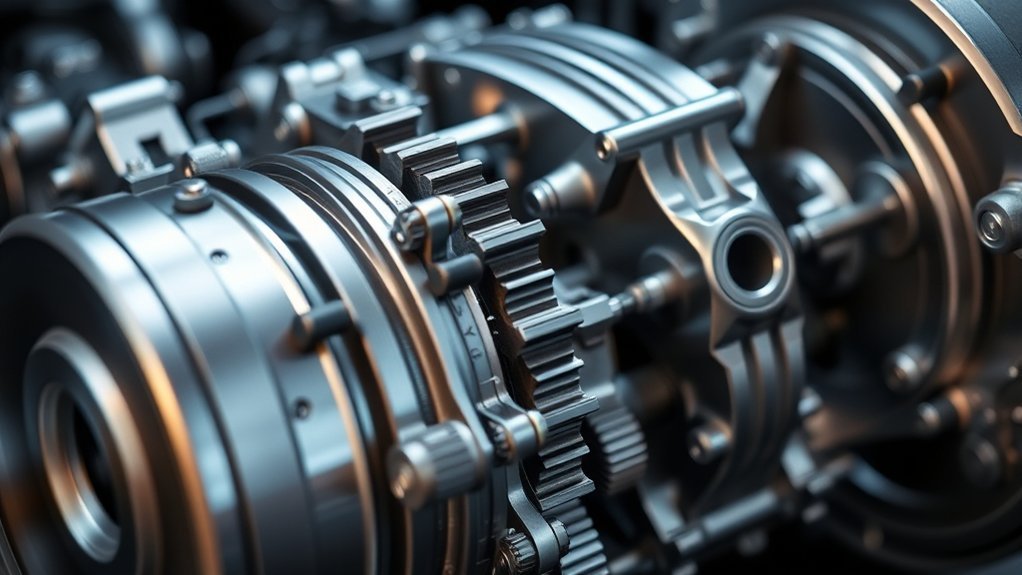
The Sonata’s transmission features depend on the version you drive, but the main systems focus on smooth shifting, efficient gearing, and driver confidence. Modern Sonata models may also include drive modes, paddle shifters on certain trims, and shift-by-wire controls depending on configuration.
[Products Worth Considering]

Turn your iPhone, Android device, or Windows PC into a professional-grade diagnostic scan tool with this Bluetooth OBD2 adapter. It is designed for broad vehicle compatibility and supports popular apps for deeper diagnostics, live data, and code clearing. Built-in protections and firmware updates help keep your vehicle and scanner safe while delivering reliable performance.

HAFIDI floor mats are custom-fit for select Kia Optima and Hyundai Sonata Hybrid models, using 3D laser scanning for precise coverage of the front and rear rows. Built from durable TPE with raised edges and anti-slip backing, they help contain dirt, water, snow, and spills while staying secure and easy to clean.

This set of four ignition coils is designed to restore smooth engine performance and reliable starting for compatible Toyota, Scion, and Lexus applications. Built to meet or exceed OE specifications, these coil packs help reduce misfires, hesitation, and check engine light issues while supporting stronger ignition output. The direct-fit design makes installation straightforward, and the package includes a warranty for added peace of mind.
Advanced Gear-Shifting Technology
The 8-speed automatic in many gas Sonata models gives the vehicle a wide range of gear ratios. Lower gears help with takeoff, while higher gears help reduce engine speed on the highway. This balance improves drivability because the car can feel responsive around town without sounding busy at cruising speeds.
The Sonata N Line’s wet dual-clutch transmission has a different personality. A dual-clutch transmission uses two clutches to preselect gears, allowing fast shifts and a more connected feel. Hyundai’s owner’s manual information explains that gear changes in a dual-clutch transmission may sometimes be felt or heard as the clutches and gears engage, which is normal for this design.
Fuel Efficiency Enhancements
Transmission tuning is one piece of the Sonata’s fuel-efficiency story. Gear ratios, lock-up control, shift timing, vehicle weight, engine design, tires, and driving habits all affect real-world mileage. The hybrid model adds another layer by using electric assistance and regenerative braking to reduce fuel use in many conditions.
For Sonata Hybrid models, ASC helps reduce friction during gear changes by synchronizing rotational speeds more quickly. For gas models, the 8-speed automatic helps the engine stay in a more efficient range. For N Line models, the wet dual-clutch transmission supports strong acceleration while still offering automatic operation.
Top Tips for Maximizing Your Driving Experience With the Sonata Automatic Transmission
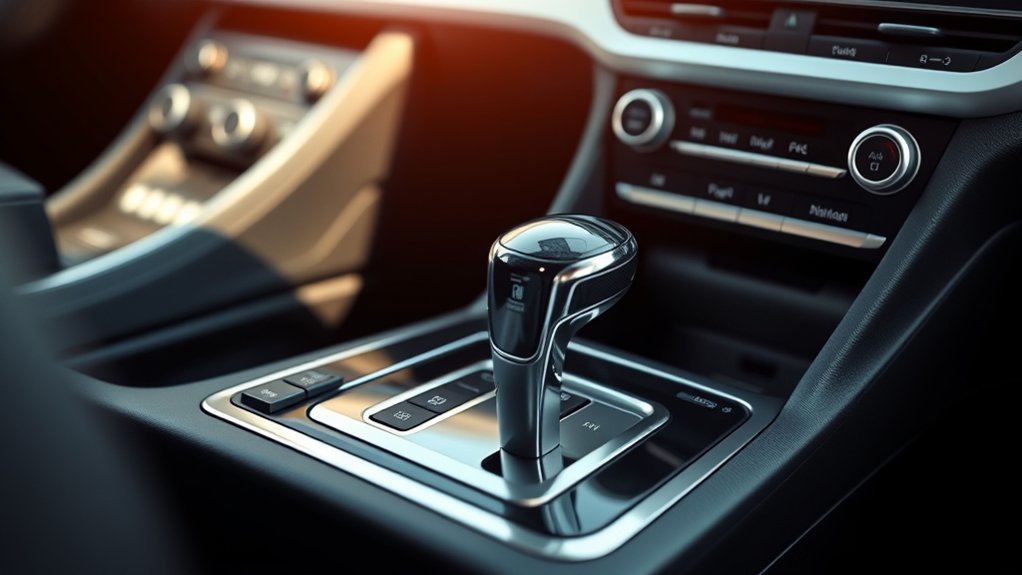
To get the best results from your Sonata automatic transmission, drive smoothly, use the correct drive mode, and follow the maintenance schedule for your exact model. Small habits can make the transmission feel better and may help reduce wear over time.
- Come to a complete stop before shifting into Park or Reverse. Shifting while still rolling can stress transmission components.
- Use drive modes thoughtfully. Eco may soften response for efficiency, while Sport can hold gears longer for quicker acceleration.
- Avoid riding the accelerator on hills. Use the brake to hold the car still instead of balancing the throttle, especially with a dual-clutch transmission.
- Let the transmission warm up in cold weather. Gentle driving for the first few minutes helps fluid and internal parts reach a better operating temperature.
- Pay attention to warning messages. A transmission temperature or shift warning should be treated seriously.
Pro Tip: In stop-and-go traffic on a steep hill, use the brake pedal rather than creeping with the accelerator. This is especially helpful in Sonata N Line models with a dual-clutch transmission because repeated low-speed clutch slip can create extra heat.
What Should You Do When Your Sonata Transmission Acts Up?
If your Hyundai Sonata transmission starts acting up, do not ignore it. Transmission problems can become more expensive if the vehicle is driven while slipping, overheating, leaking fluid, or showing warning messages.
Common warning signs include:
- Delayed engagement when shifting into Drive or Reverse
- Harsh, rough, or jerky gear changes
- Transmission slipping or engine revving without matching acceleration
- Grinding, whining, clunking, or unusual vibration
- Burning smell, fluid leaks, or smoke
- Dashboard messages such as transmission temperature warnings
- Check engine light or transmission-related diagnostic codes
Warning: If your Sonata displays a transmission overheating warning, move to a safe location, shift to Park when appropriate, keep the engine running if the owner’s manual instructs you to do so, and allow the transmission to cool. Continuing to drive while overheated can cause severe damage.
For newer Sonata models, the automatic transmission fluid level usually is not checked as a casual DIY task. Hyundai owner’s manual guidance says the automatic transmission fluid level does not need to be checked under normal usage conditions and should be serviced according to the maintenance schedule by an authorized Hyundai dealer. The manual also notes that new automatic transmission fluid is red and may darken with use, which alone does not always mean it must be replaced.
If you are dealing with transmission symptoms, take these steps:
- Stop driving aggressively. Avoid hard acceleration until the issue is inspected.
- Check for obvious leaks. Look under the vehicle for red, brown, or dark fluid.
- Write down the symptoms. Note when the issue happens: cold start, highway speed, uphill driving, stop-and-go traffic, or after long drives.
- Scan for diagnostic codes. A repair shop or dealer can read transmission and powertrain codes.
- Check your VIN for recalls or service campaigns. Use the official NHTSA recall lookup or Hyundai’s Safety Recalls and Service Campaigns tool.
- Book service quickly. A small software, sensor, fluid, or adaptation issue is usually easier to address before it becomes a major mechanical failure.
[Products Worth Considering]

This flexible oil funnel is designed to make fluid changes cleaner and easier by guiding oil around obstacles like skid plates and crossmembers. Its shape-retaining core and silicone body can be molded for custom positioning, while the heat-resistant, leak-proof design helps prevent spills during draining and filter removal. Reusable and easy to clean, it works well for cars, trucks, motorcycles, and other hard-to-reach fluid fill or drain applications.

This replacement gas cap is designed to restore a tight fuel-tank seal, helping reduce vapor leaks, prevent check engine light issues, and maintain proper fuel system performance. Built in OE-style form for a wide range of Toyota and Lexus vehicles, it offers a direct DIY fix with durable materials for reliable, long-lasting use.

This replacement gas cap is designed for a wide range of Toyota and Lexus models, offering a direct-fit solution for restoring a proper seal at the fuel tank. It helps address check engine light issues related to the fuel cap while providing easy installation and dependable performance. Built from durable materials and rigorously tested before shipping, it is a practical replacement for worn or damaged fuel caps.
Maintenance Tips for Longer Transmission Life
Good transmission care starts with the maintenance schedule for your exact Sonata. Driving conditions matter, too. Heavy traffic, repeated short trips, mountain roads, extreme temperatures, and frequent hard acceleration can all count as severe use, which may require more frequent service.
Use only the fluid type specified by Hyundai for your model. Do not mix fluids, guess based on color alone, or use universal fluid unless it clearly meets the exact Hyundai specification. For dual-clutch models, follow Hyundai’s DCT-specific guidance because a wet dual-clutch transmission does not use the same service logic as a basic torque-converter automatic.
Note: If your Sonata is still under warranty, keep service receipts and use Hyundai-approved fluids and procedures. Poor documentation or incorrect fluid can make warranty discussions harder.
[Products Worth Considering]

This custom-fit floor mat and cargo liner set is designed for select Kia K5 and Hyundai Sonata models, offering full interior coverage for the front row, second row, and trunk. Made from odorless TPE with raised edges and anti-slip backing, it helps block dirt, water, snow, and spills while staying securely in place. The durable, easy-to-clean design is ideal for daily driving, family use, and messy outdoor adventures.

FOXWELL NT201 is an easy-to-use OBD2 scanner designed to help drivers quickly read and clear check engine codes, view live engine data, and check emissions readiness. Its color screen, one-key I/M readiness test, and broad compatibility with most gasoline vehicles since 1996 make it a practical tool for everyday diagnostics and maintenance. With plug-and-play operation and lifetime free updates, it offers a simple way to understand vehicle issues without expensive shop visits.

This enhanced OBD2 scanner helps drivers quickly diagnose check engine light issues, read and clear trouble codes, and check emissions readiness before a smog test. It also adds EVAP and O2 sensor testing, live data, freeze frame capture, and a one-click battery health check in a simple plug-and-play tool with a bright color screen.
The Future of Technology in Sonata’s Automatic Transmission
The future of Sonata transmission technology will likely continue to focus on smoother shifting, better fuel efficiency, lower emissions, and more refined hybrid operation. Hyundai’s Active Shift Control already shows how software and electric motors can improve the feel of a traditional geared automatic in a hybrid vehicle.
As vehicles add more electrification, transmissions may become more software-driven. That means shift quality can depend not only on gears and clutches, but also on control logic, sensors, drive modes, and hybrid system calibration. For drivers, the benefit is simple: the car can feel smoother, smarter, and more efficient without requiring extra effort behind the wheel.
Frequently Asked Questions
Which is better: AMT, CVT, or DCT?
It depends on the vehicle and your driving style. A DCT is usually best for quick, sporty shifts. A CVT is often best for smoothness and fuel economy. An AMT is usually cheaper and simpler, but it can feel less refined. For the Hyundai Sonata, the key comparison is usually between the 8-speed automatic, the hybrid 6-speed automatic, and the N Line’s 8-speed wet DCT.
Does the Hyundai Sonata have a CVT?
Recent U.S.-market Sonata models do not use a CVT in the main gas, hybrid, or N Line configurations. The gas Sonata commonly uses an 8-speed automatic, the Sonata Hybrid uses a 6-speed automatic, and the N Line uses an 8-speed wet dual-clutch transmission. Always confirm by model year and trim.
Is the Sonata N Line transmission a normal automatic?
No. The Sonata N Line uses an 8-speed wet dual-clutch transmission. It operates automatically from the driver’s seat, but internally it uses clutches and gear preselection rather than the same layout as a conventional torque-converter automatic. This gives it a sportier feel, but it can behave differently at very low speeds.
How often should Hyundai Sonata transmission fluid be changed?
Follow the maintenance schedule for your exact model year, engine, and transmission. Hyundai owner’s manual guidance says the fluid level normally does not need routine checking under normal use, but the fluid should be changed according to the schedule. Severe driving conditions may require earlier service.
What are the signs of Hyundai Sonata transmission trouble?
Watch for slipping, delayed engagement, rough shifts, warning lights, transmission temperature messages, leaks, burning smells, unusual noises, or shaking during acceleration. If any of these symptoms appear, avoid hard driving and have the vehicle checked by a qualified technician.
What should I do if my Sonata says the transmission is hot?
Move to a safe place, follow the owner’s manual message, and allow the transmission to cool. For dual-clutch models, Hyundai guidance says high clutch and transmission temperature can trigger warnings and may require you to park with the engine running until the system cools. If the warning returns, contact a Hyundai dealer or qualified repair shop.
Conclusion
The Hyundai Sonata automatic transmission is not one single system across every trim. The standard gas Sonata, Sonata Hybrid, and Sonata N Line each use a transmission designed for a different kind of driver. The 8-speed automatic focuses on smooth comfort, the hybrid 6-speed automatic with Active Shift Control supports efficient driving, and the N Line’s 8-speed wet dual-clutch transmission adds a sportier edge.
The best way to protect any Sonata transmission is simple: drive smoothly, follow Hyundai’s maintenance schedule, use the correct fluid, and respond quickly to warning signs. When the transmission is cared for properly, it helps the Sonata deliver the quiet, confident, and efficient driving experience the sedan is known for.
Sources
- Hyundai USA — 2026 Sonata model information — current Sonata lineup, gas and hybrid availability, and official model details.
- Hyundai News — Active Shift Control for Hybrids — ASC operation, 500-times-per-second monitoring, and 30% shift-time reduction.
- Hyundai Owner’s Manual Portal — official owner’s manual access for Sonata gas and hybrid models.
- Hyundai Owner’s Manual — Automatic Transmission Fluid — fluid-check guidance and maintenance notes.
- Hyundai Owner’s Manual — Dual Clutch Transmission — DCT behavior and operation notes.
- NHTSA Recall Lookup — official VIN-based safety recall checks.