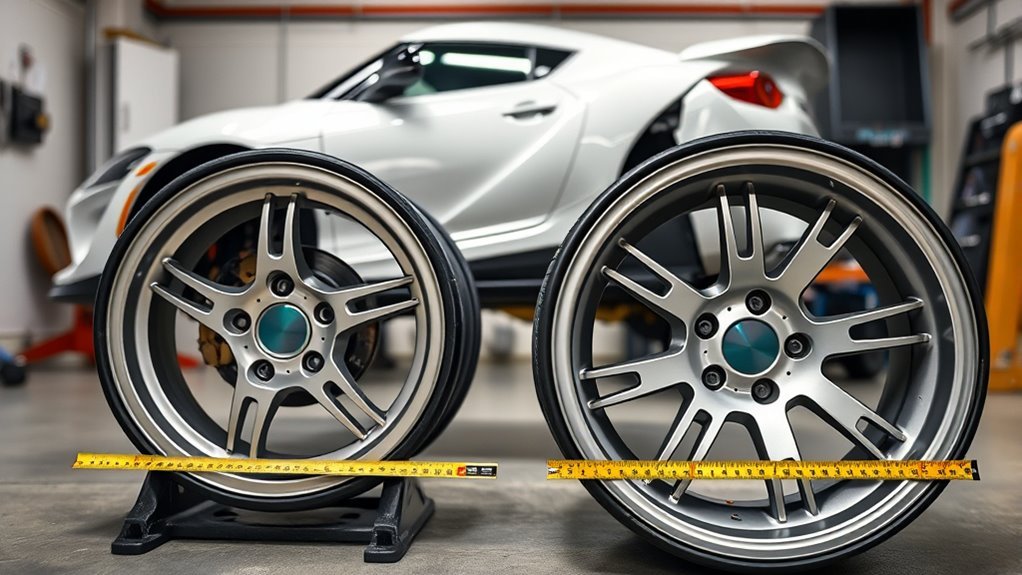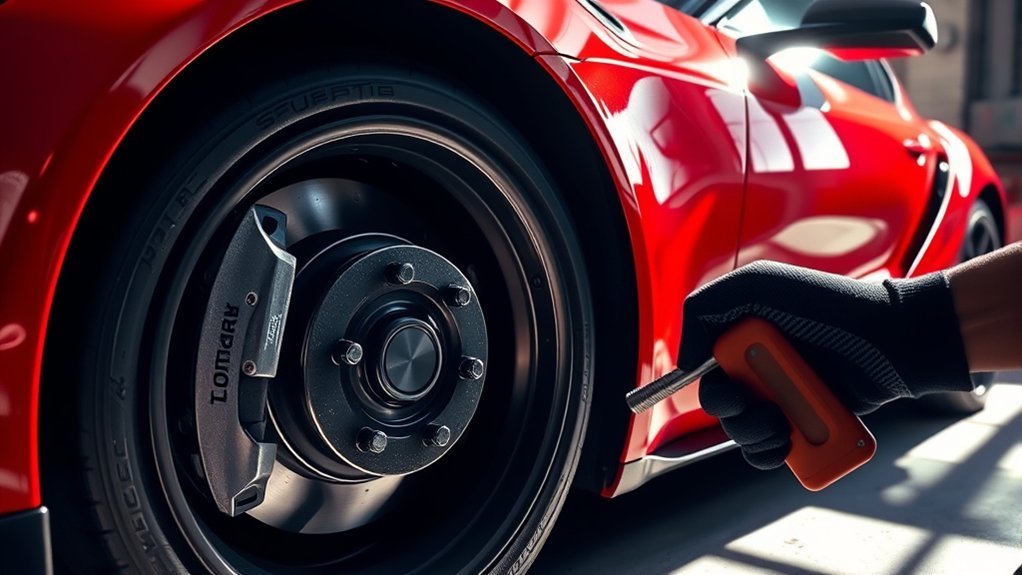
If you’re experiencing brake squeal in your Toyota Supra, it often results from low-quality pads, improper installation, or inadequate bedding procedures. Upgrading to high-quality ceramic pads can considerably reduce noise levels. Guarantee correct bedding by performing moderate stops to enhance pad and rotor contact. Regular inspections are essential, as worn pads may indicate the need for replacement. For persistent issues, professional evaluation is recommended. Discover effective tips to keep your brakes operating smoothly and quietly.
Identifying Common Causes of Brake Squeal and Solutions
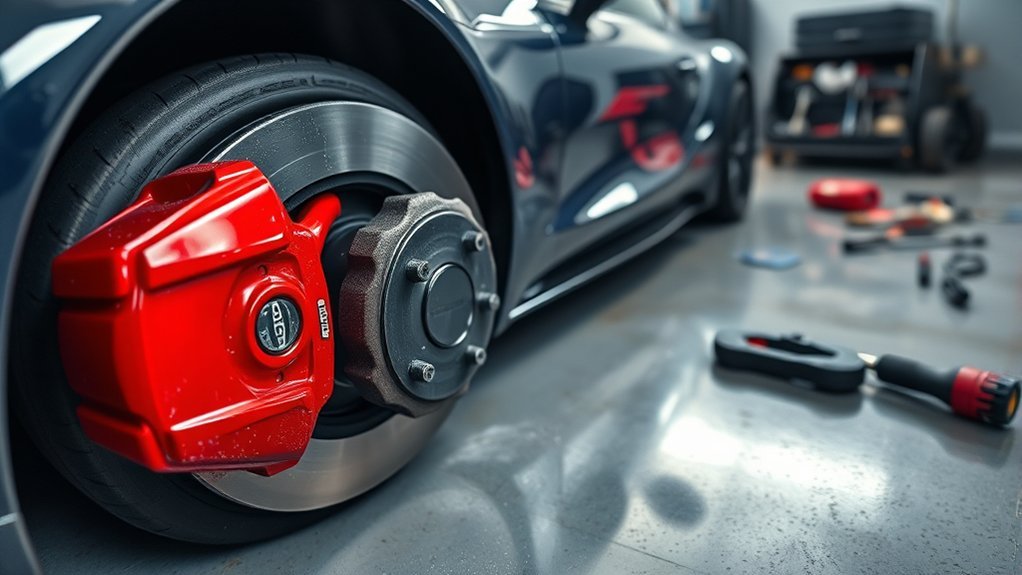
When you notice brake squeal in your Toyota Supra, it’s essential to identify the underlying causes to address the issue effectively. High-performance brake pads often produce noise due to their design, especially at lower temperatures or during light braking. This squeal frequency can increase with lower-quality pads like Toyota’s Value Line TCMC, which lack premium shims and noise-dampening features. To mitigate this, performing a bedding procedure, where you brake moderately from 40 to 10 mph, can enhance pad hardness and improve rotor contact. Switching to OEM or high-quality aftermarket ceramic pads often reduces squealing considerably. Regular brake inspections and ensuring wear indicators are correctly installed also help maintain ideal performance and minimize noise issues in your Supra.
How Brake Pad Quality Affects Brake Squeal Levels
The quality of your brake pads directly impacts squeal levels due to variations in material composition and design features. Cheaper pads often lack noise-dampening elements, while high-quality options provide better performance and reduced noise. Additionally, proper installation is essential; even the best pads can squeal if not installed correctly.
Material Composition Impact
Although you might not realize it, the material composition of your brake pads plays an important role in determining brake squeal levels. Lower-quality materials, like those found in Toyota’s Value Line TCMC brake pads, often lead to increased noise during operation. These pads lack necessary noise-dampening features, such as premium shims, which can worsen squealing, especially in cold conditions. By switching to high-quality OEM or aftermarket ceramic pads, you can achieve significant noise reduction due to their superior material quality and construction. Additionally, proper installation and bedding of your brake pads are critical; even the best materials won’t perform at their best without correct practices. Prioritizing material quality is fundamental for a quieter, more enjoyable driving experience.
Design Features Importance
While many drivers focus on material composition, the design features of brake pads play an essential role in minimizing brake squeal. High-quality brake pads incorporate advanced noise reduction technologies, such as strategically placed shims and damping layers, which absorb vibrations and prevent annoying sounds. In contrast, lower-grade pads, like Toyota’s Value Line TCMC, often lack these features, leading to increased noise, especially during light braking. Upgrading to OEM or aftermarket ceramic pads can greatly enhance performance, as they are engineered with superior design features aimed at reducing squeal. Additionally, the bedding-in process helps guarantee ideal contact between pads and rotors, further promoting effective noise reduction. Choosing wisely can transform your driving experience and liberate you from disruptive brake sounds.
Installation Quality Effects
Quality installation of brake pads greatly influences squeal levels, as improper alignment and inadequate noise-dampening features can lead to increased noise during operation. Lower-grade pads, like Toyota’s Value Line TCMC, often lack premium shims and effective noise dampening techniques, resulting in noticeable squeaks. If you encounter brake alignment issues, it can exacerbate these sounds, making your driving experience less enjoyable. Switching to higher-quality OEM or aftermarket ceramic pads has proven effective in reducing brake squeal, as these materials typically provide better friction properties. Additionally, following proper bedding procedures—moderate stopping to enhance contact between pads and rotors—can further minimize noise. Ensuring both quality pads and meticulous installation can liberate you from annoying brake sounds.
How to Properly Bed Brake Pads for Optimal Performance
Bedding in brake pads is essential for achieving peak performance and minimizing noise, particularly in your Toyota Supra. To properly bed your pads, use effective bedding techniques by performing a series of moderate stops from 40 mph to 10 mph. Aim for 5-10 stops, allowing the brakes to cool between each to prevent overheating and uneven wear. This process helps create an even layer of pad material on the rotors, enhancing friction. It’s vital to follow the manufacturer’s guidelines, as different brake pad materials may have specific bedding requirements. Properly bedded pads conform to the rotor’s texture, improving contact and reducing vibration, which greatly minimizes brake squeal and optimizes your driving experience.
How Weather Affects Your Brakes?
After ensuring your brake pads are properly bedded, it’s important to contemplate how weather conditions can impact their performance. Humidity and rain can introduce moisture, affecting the friction surfaces of your brake pads and rotors, often leading to increased noise. In colder temperatures, components contract, causing potential squealing, particularly when brakes are still warming up. Performance brakes, designed for high temperatures, may squeak more when cold or during initial stops. Wet conditions can also create a thin water layer on rotors, temporarily reducing braking effectiveness and causing noise until cleared. Seasonal changes can alter brake compound performance, making some materials noisier in colder or wetter months. Regular brake maintenance can help mitigate these weather impacts.
Signs Your Brake Pads Need Replacement
You should pay attention to visual wear indicators on your brake pads, as they can reveal when it’s time for a replacement. Additionally, if you hear unusual noises like squeaking or grinding during braking, it’s a clear sign that your pads are worn. Addressing these signs promptly guarantees your braking system remains effective and safe.
Visual Wear Indicators
Visual wear indicators are essential components of brake pads, designed to alert drivers when it’s time for a replacement. These indicators typically feature small metal tabs that contact the rotor, producing a squealing noise as a warning. Here are key signs your brake indicators signal replacement:
- Squealing Sounds: A high-pitched noise indicates the pads are worn to a critical thickness, usually around 3mm.
- Visual Inspection: Check for uneven wear patterns or significant thinning of the pad material during regular maintenance.
- Metal-on-Metal Contact: Ignoring wear indicators can lead to costly rotor damage, emphasizing the need for timely replacements.
Stay vigilant with these visual wear indicators to guarantee your braking performance remains safe and effective.
Unusual Noises During Braking
Have you noticed any unusual noises when braking? Squealing or groaning sounds can signal brake wear, particularly if they occur during light braking or in cold conditions. Performance brake pads, especially those made with cheaper materials, often lack the premium shims or noise-dampening features that minimize noise. To enhance performance and reduce noise, guarantee proper installation and follow bedding procedures, like making moderate stops from 40 to 10 mph. If you frequently hear squealing, check the type of brake pads installed; some aftermarket options offer better noise reduction compared to factory pads. Regular inspections are essential in performance vehicles to prevent potential damage and maintain peak braking efficiency. Don’t ignore those sounds; they could be your brakes calling for attention.
DIY Solutions to Reduce Brake Noise
Tackling brake noise can be a straightforward process with a few DIY solutions. Here are three effective methods to reduce that annoying squeal:
- Bedding Techniques: Perform moderate stops from 40 to 10 mph to guarantee proper pad and rotor contact, enhancing braking performance and reducing squealing.
- Apply Anti-Squeal Compounds: Use anti-squeal compound on the back of your brake pads. This can dampen vibrations, minimizing noise during braking.
- Upgrade Brake Pads: Consider switching to high-quality aftermarket ceramic or OEM pads. These materials greatly decrease noise compared to lower-grade options.
When to Seek Help From a Professional Mechanic
If brake squeal persists despite your best DIY efforts, it’s essential to seek help from a professional mechanic. A consistent squeal, especially if it worsens or is coupled with decreased braking performance, could indicate deeper issues requiring a brake system evaluation. If you suspect incorrect brake pads or rotors, a mechanic can verify specifications and recommend suitable replacements. Additionally, if the noise appears primarily in cold conditions or during light braking, and your mitigation attempts fail, a professional inspection is advisable. Finally, if your vehicle’s under warranty and the noise is severe, visiting the dealership might be necessary to determine warranty coverage for potential repairs or replacements. Don’t compromise your safety—act decisively.
Comparing OEM vs. Aftermarket Brake Pads for Noise Reduction
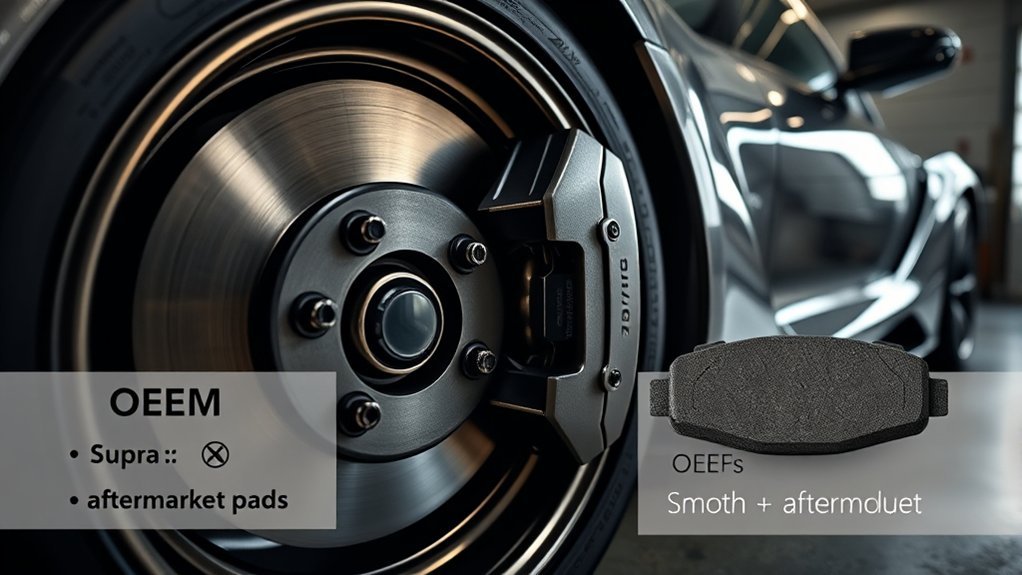
When evaluating brake pad options for your Toyota Supra, understanding the differences between OEM and aftermarket pads can substantially impact noise reduction and overall performance. Here are three key points to examine:
- Material Quality: OEM pads may use cheaper materials that can increase noise, particularly in cold conditions, while high-quality aftermarket ceramic pads often enhance noise reduction techniques.
- Bedding Process: Proper bedding of both pad types through moderate stops guarantees ideal contact with rotors, greatly minimizing noise.
- Longevity and Performance: Users frequently report that premium aftermarket pads resolve persistent squeal issues that OEM pads fail to address, improving brake pad longevity.
Maintenance Tips for Optimal Brake Performance
Maintaining ideal brake performance for your Toyota Supra requires regular attention to components, especially after high-performance driving. Start by inspecting your brake pads and rotors to identify any wear. Utilize a bedding procedure: perform moderate stops from 40 to 10 mph to minimize noise and extend pad life. If you experience persistent noise, consider upgrading to higher-quality or OEM brake pads, as cheaper materials often contribute to squealing. Applying brake lube to the back of the pads and contact points helps reduce friction-related noise and enhances performance. Don’t forget to monitor environmental conditions, like wet weather, which can impact brake efficiency and amplify squealing, particularly with performance pads. Prioritize brake maintenance for peak driving freedom.
Frequently Asked Questions
Can Brake Squeal Indicate a More Serious Brake Issue?
Yes, brake squeal can indicate more serious issues. You should prioritize brake maintenance to identify potential problems. Regular inspections and noise reduction techniques can help guarantee your brakes function effectively and safely.
How Often Should I Inspect My Brake Pads for Squeal?
You should inspect your brake pads every 6,000 to 10,000 miles for wear. Regular checks help prevent squeal and guarantee peak performance, keeping your braking system reliable and enhancing your driving experience. Stay proactive!
Do Brake Rotors Contribute to Brake Squeal Noise?
When it comes to brake squeal, don’t ignore the rotors—they’re often a key player. Worn or warped rotor condition can amplify noise sources, leading to that irritating sound you want to avoid.
Is Brake Squeal Normal for All Vehicles?
Brake squeal isn’t normal for all vehicles; it often indicates a need for brake maintenance. Addressing issues promptly can enhance performance and guarantee noise reduction, promoting a smoother, more liberated driving experience.
What Should I Do if Squeal Persists After Replacing Pads?
If the squeal persists after replacing pads, check the brake pad materials and consider adding noise dampening solutions. Verify proper installation and inspect for any debris or rotor issues that might amplify the sound.
Conclusion
In conclusion, addressing brake squeal in your Toyota Supra involves understanding the causes and implementing effective solutions. By choosing quality brake pads, properly bedding them, and maintaining your system, you can keep noise at bay. Remember, a stitch in time saves nine; tackling issues early can prevent bigger problems down the road. If noise persists despite your efforts, don’t hesitate to consult a professional. Keeping your brakes in top shape guarantees both safety and performance.