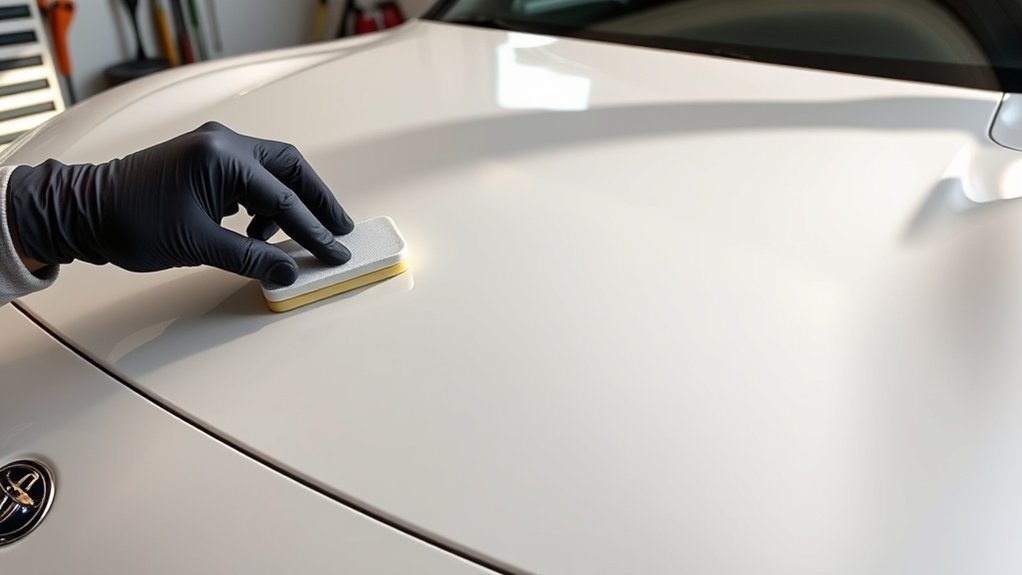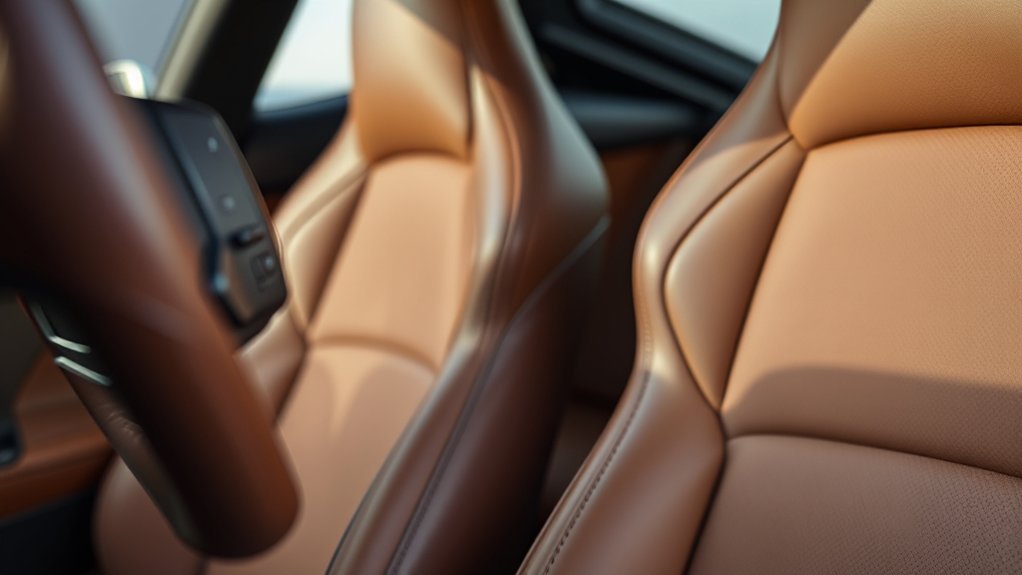
Your Toyota Supra may have leather, Alcantara®, or a combination of both, depending on its model year and trim. Each material needs a different cleaning method. The safest routine is to identify the surface first, remove loose dirt, use as little moisture as possible, and test every cleaner in a hidden spot before treating a visible area.
Quick Answer
Vacuum Supra seats gently, clean leather with a leather-safe product, and maintain Alcantara with a soft brush, vacuum, or slightly damp white cloth. Never soak, scrub, or steam Alcantara. Blot spills quickly, let damp areas air-dry fully, and protect the cabin from sunlight with shade rather than unapproved upholstery sprays.
Key Takeaways
- Check your trim and model year before cleaning because Supra upholstery materials vary.
- Keep Alcantara nearly dry, avoid hard rubbing, and never pour cleaner directly onto it.
- Clean leather gently and condition it only when the vehicle manual or product label supports that step.
- Turn off the display before wiping it, and never spray cleaner directly on screens, switches, or seams.
At a Glance
| Time Required | 10 minutes for routine care; 30 to 60 minutes for a full clean; overnight drying after a damp Alcantara clean |
| Difficulty | Easy for routine care; moderate for stains or heavily matted material |
| Tools Needed | Vacuum with soft attachment, white microfiber or cotton cloths, soft-bristled brush, leather-safe cleaner, and Alcantara-approved cleaner when needed |
| Cost | No added cost if you already own the supplies; otherwise the total depends on the cleaners and tools selected |
How to Clean and Maintain Your Supra’s Interior
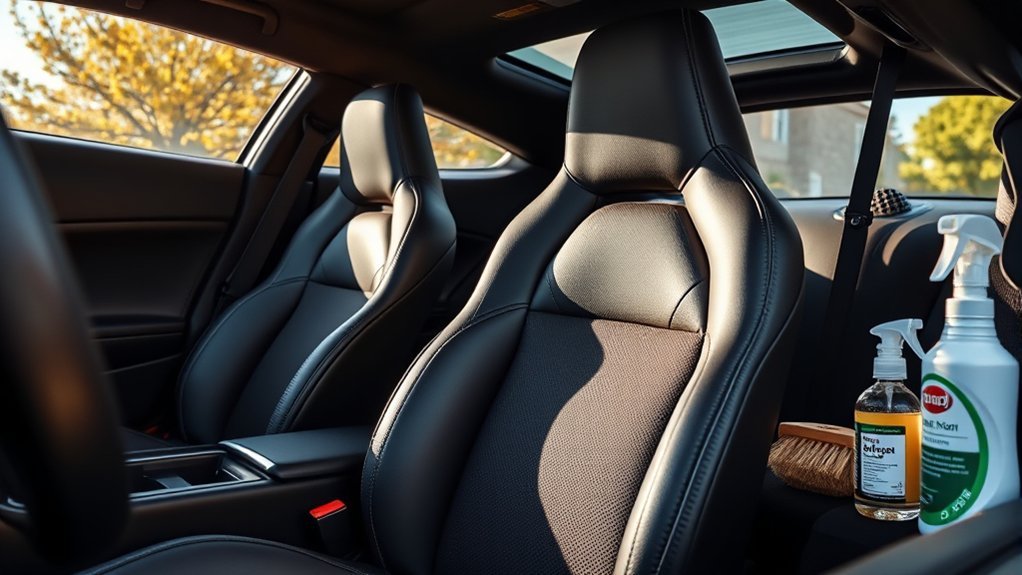
Start by confirming which surfaces are actually leather and which are Alcantara. Toyota’s 2026 GR Supra interior guide shows Alcantara and leather trim on the 3.0, leather trim on the 3.0 Premium, and leather-trimmed Alcantara on the MkV Final Edition. Earlier model years and special editions may use different combinations, so check your owner’s manual, window sticker, or trim description rather than judging by touch alone.
Note: Alcantara is a registered material made from polyester and polyurethane. It is not leather, even though people sometimes call it “Alcantara leather.” Leather cleaner and conditioner should not be used on Alcantara unless the product specifically says it is compatible.
Use this safe order for a full interior clean:
- Park in shade and let the cabin cool. Heat can make cleaners dry too quickly and leave uneven marks.
- Remove loose items and floor mats. This gives you clear access to seat rails, crevices, and cupholders.
- Vacuum before using liquid. Use a soft brush attachment and low suction around delicate trim, stitching, perforations, and Alcantara.
- Clean one material at a time. Use separate cloths for leather, Alcantara, hard trim, glass, and the display.
- Work in small sections. Apply product to the cloth when possible, not directly to the surface.
- Dry and inspect. Remove residue, allow damp upholstery to air-dry, and check the finish under natural light.
Must-Have Cleaning Supplies for Leather and Alcantara
You do not need a large detailing kit, but you do need material-safe tools. Keep these supplies available:
- Vacuum with soft attachments: Removes grit before it can be rubbed into the upholstery.
- White microfiber or cotton cloths: White cloths make dye transfer and lifted dirt easier to see. Printed paper towels can release ink onto Alcantara.
- Soft-bristled upholstery brush: Lifts dry debris and restores the nap without aggressive scrubbing.
- Automotive leather cleaner: Choose a mild product whose current label lists coated automotive leather.
- Leather conditioner or protectant: Use only when the owner’s manual or product instructions support it.
- Alcantara-approved cleaner: Reserve this for stains or deeper cleaning when dry methods and a slightly damp cloth are not enough.
- LCD-safe screen cleaner: Use with a clean microfiber cloth rather than spraying the display.
- Distilled or clean water: Helps avoid mineral spotting when a slightly damp cloth is needed.
Warning: Do not use bleach, harsh solvents, abrasive pads, direct steam, or a soaking-wet extractor on Alcantara. Do not apply glossy or slippery dressings to the steering wheel, pedals, shift controls, or seat surfaces.
[Products Worth Considering]

This all-in-one car cleaning kit combines a powerful handheld vacuum with a full set of detailing tools to help clean interiors, vents, crevices, and glass with less effort. It includes specialized brushes, cleaning gels, a windshield cleaner, and organized storage so you can keep your car looking tidy at home or on the go. Designed for convenience and deep interior detailing, it also makes a practical gift for car enthusiasts.

This car interior detailing brush is designed to gently remove dust from vents, dashboards, consoles, and other hard-to-reach areas without scratching surfaces. Its soft bristles and comfortable grip make routine interior cleaning easier, while the compact size allows convenient storage in your glove box. It also works well for household cleaning tasks like keyboards, fans, and window tracks.

This complete car detailing kit provides a versatile solution for cleaning both interior and exterior surfaces, including vents, wheels, tires, dashboards, and tight crevices. With multiple brush types, drill attachments, a wheel brush, cleaning cloths, a spray bottle, and storage bag, it helps tackle everyday dust, grime, and hard-to-reach areas with ease. It is designed for car enthusiasts, daily drivers, and anyone looking for a more thorough auto cleaning routine.
Daily and Weekly Maintenance Tips for a Fresh Interior
A light routine prevents body oils, dust, and crumbs from becoming difficult stains. You do not need to vacuum the entire car every day. Instead, remove visible debris promptly and use the schedule below as a practical starting point, adjusting it for how often you drive and whether the car carries food, pets, or track-day gear.
Regular Dusting Routine
Use a soft brush, dry white cloth, or vacuum to remove dust from Alcantara. Wipe leather and plastic with a clean, dry microfiber cloth, then use a lightly damp cloth only when needed. Pay extra attention to the driver’s bolster, steering wheel, center armrest, seat creases, and the area around the shifter because these high-touch surfaces collect oils fastest.
| Action | Tool | Suggested Frequency |
|---|---|---|
| Remove visible crumbs and grit | Vacuum or soft brush | As soon as noticed |
| Dust Alcantara | Soft brush, dry white cloth, or vacuum | Weekly, or more often with heavy use |
| Wipe leather and hard trim | Clean microfiber cloth | Weekly or as needed |
| Vacuum seats, crevices, and carpet | Vacuum with soft attachments | Every one to two weeks |
Spot Cleaning Techniques
Blot a fresh spill with a clean, dry, white cloth. Do not scrub, because rubbing can spread the stain and push it deeper into Alcantara or fabric. Remove thick material with a spoon or plastic scraper first. Work from the outside edge toward the center, use very little liquid, and keep cleaner away from seat seams, switches, and electrical controls.
Appropriate Product Selection
Choose products by surface, not by the words “interior cleaner” on the front label. A general-purpose cleaner may be safe for some plastics yet too strong for Alcantara, coated leather, anti-glare screens, or piano-black trim. Read the current directions, check for material compatibility, and test the cleaner on a hidden area. Unscented or lightly scented products are easier to live with in the Supra’s small cabin.
Cleaning and Conditioning Leather Seats
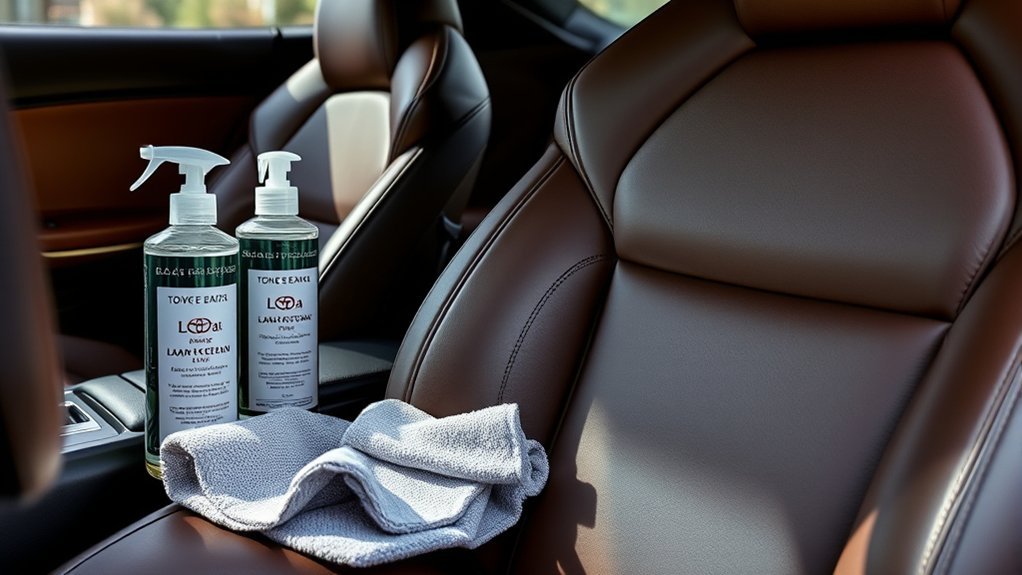
Toyota’s general interior-cleaning guidance recommends vacuuming leather seats first, following the leather-cleaner maker’s instructions, and applying conditioner with a separate cloth when added conditioning is appropriate. The exact product and frequency should match the leather type, the owner’s manual, and the product label.
[Products Worth Considering]

This two-piece horsehair brush set is designed for gentle yet effective cleaning of leather and interior surfaces. The soft bristles help lift dirt from seams, tight spaces, upholstery, carpets, and shoes without scratching, while the two sizes support both broad cleaning and detailed polishing. A comfortable wooden handle improves grip and control for easier daily care.

This all-in-one 14-piece car interior detailing kit gives drivers the tools needed to clean windshields, dashboards, vents, cup holders, and other hard-to-reach areas with ease. The extendable windshield cleaner features a swivel head and reusable microfiber pads for streak-free results, while the brushes and cleaning gel help lift dust and debris without scratching delicate surfaces. A durable storage bag keeps everything organized for convenient at-home or on-the-go car care.

These HOMEXCEL microfiber cleaning cloths deliver excellent absorbency and gentle, scratch-free cleaning for cars, homes, and glass surfaces. The soft, lint-free towels help remove dirt, water, and streaks quickly for a polished finish, and they are machine washable for repeated everyday use.
Step-by-Step Leather Cleaning
- Vacuum gently. Remove grit from seat creases, stitching, and the gap between the cushion and backrest.
- Test the cleaner. Apply a small amount to a hidden area and let it dry before checking for color or gloss changes.
- Apply cleaner to the cloth. A damp, not wet, microfiber cloth gives you better control than spraying the seat.
- Wipe lightly. Clean one panel at a time without hard scrubbing or flooding perforations.
- Remove residue. Use a second clean cloth that is only slightly damp, if the product instructions call for it.
- Dry the surface. Wipe with a dry microfiber cloth and leave the doors open in a secure, shaded area until moisture is gone.
Choosing a Leather Cleaner
The original recommendations included Meguiar’s G10900 Gold Class Rich Leather Wipes and Ethos Interior Detailer. Treat these as optional examples, not universal “top choices.” Formulas and labels can change. Use either product only if its current directions confirm that it is safe for your Supra’s automotive leather, and stop if it creates unwanted shine, tackiness, dye transfer, or a slippery feel.
A mild, matte-finish cleaner is usually easier to control than a heavy all-in-one dressing. Avoid household degreasers, bleach, furniture polish, and products that leave a glossy film.
Conditioning Techniques Explained
- Condition only clean leather: Applying conditioner over dirt can trap residue and create uneven shine.
- Use a small amount: Apply a thin, even layer with a separate microfiber cloth.
- Follow the product’s dwell time: Do not invent a fixed waiting period for every formula.
- Buff away excess: The seat should feel clean and dry, not greasy or slippery.
- Use condition, not the calendar, as your guide: The common “every three to six months” rule is not universal. Climate, use, leather coating, and product chemistry all matter.
Pro Tip: Clean the driver’s outer bolster more often than the center panels. Sliding across that bolster transfers clothing dye and body oils while also causing more friction.
Step-by-Step Guide to Cleaning Alcantara Surfaces
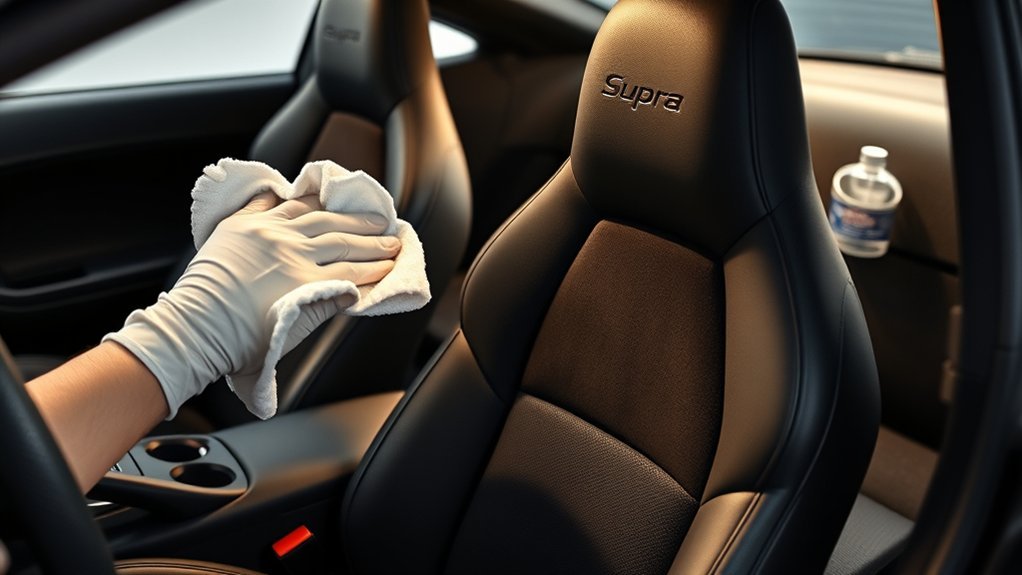
The official Alcantara cleaning guide recommends regular dust removal with a soft brush, dry cloth, or vacuum. For weekly care, it recommends a slightly moistened white cotton cloth. For a deeper clean of non-removable upholstery, the cloth or sponge should be well wrung, the material should not be soaked, and the surface should dry overnight before gentle brushing.
- Inspect the surface. Look for crumbs, oily patches, matted fibers, dye transfer, and open stitching.
- Remove dry dirt. Use a clean soft-bristled brush, dry white cloth, or vacuum with a gentle upholstery attachment.
- Wipe lightly when needed. Pass a slightly damp white cloth over the surface without pressing hard.
- Use a dedicated cleaner only for deeper soil. Apply it according to its current label, normally to the cloth or brush rather than directly onto the Alcantara.
- Clean evenly. Treat the surrounding panel, not only a tiny wet circle, to reduce the chance of a visible edge after drying.
- Remove residue with minimal moisture. Use a clean, well-wrung white cloth or sponge.
- Air-dry completely. Keep the seat unused while damp. A deeper damp clean may need to dry overnight.
- Restore the nap. Once fully dry, brush gently in more than one direction with a clean soft-bristled brush.
Warning: Do not use a hot towel, vigorous scrubbing, direct steam, chlorine bleach, or excess water on Alcantara. Heat is not required for routine care, and aggressive treatment can flatten the nap, spread a stain, or leave a water mark.
| Task | Suggested Frequency |
|---|---|
| Dust with a brush, dry cloth, or vacuum | Regularly; weekly is practical for most cars |
| Wipe with a slightly damp white cloth | Weekly when the surface needs it |
| Deep clean with an approved product or well-wrung cloth | As needed, or as part of periodic full care |
| Brush after complete drying | After every damp or deep clean |
Tackling Stains: Effective Methods for Upholstery and Fabrics
Fast, gentle blotting is safer than hard scrubbing. Alcantara’s official guidance says to act within 30 minutes when possible and work from the outside edge toward the center.
Alcantara Stain Removal
Follow the official Alcantara stain-removal instructions for the exact stain type. Use this general method first:
- Lift thick material with a spoon or plastic spatula. Do not grind it into the fibers.
- Blot liquid with a clean white cloth, non-printed absorbent paper, or a sponge.
- Work from the outer edge toward the center.
- Never pour cleaner directly onto Alcantara.
- Do not rub. Dab with a white cloth or well-wrung sponge.
- Rinse the cloth or sponge in clean water and wring it thoroughly between passes.
- Let the area dry completely, then brush the nap gently.
Water-soluble stains and oily stains require different treatments. Do not guess with strong solvents. Check the official stain chart or use a cleaner whose label names Alcantara and the stain type.
Leather and Fabric Stain Removal
- Leather: Blot first, then use a leather-compatible cleaner on a cloth. Avoid soaking perforations or seams.
- Fabric: Use an automotive upholstery cleaner according to its label. Apply a small amount, agitate gently, blot residue, and let the seat air-dry fully.
- Unknown stain: Start with the least aggressive method and test in a hidden area.
- Large, old, or spreading stain: Stop experimenting and use a professional detailer experienced with the specific material.
How to Prevent Stains and Damage
Prevention reduces the need for strong cleaners and repeated scrubbing. Use these habits:
- Vacuum grit before it works into stitching, bolsters, and Alcantara fibers.
- Blot spills immediately instead of waiting for them to dry.
- Limit open drinks and messy food in the cabin.
- Wipe sunscreen, skin oil, and hair-product residue from high-touch areas before it builds up.
- Avoid dark, wet, or new clothing that may transfer dye to light leather or Alcantara.
- Use a windshield sunshade and park in shade when practical.
- Keep seat surfaces dry before sitting on them.
- Do not apply a “protective spray” to Alcantara unless the current label specifically approves the material.
Using UV Shields for Long-Lasting Protection
Physical shade is the lowest-risk form of UV protection. A windshield sunshade, covered parking, and tinted glass that complies with local law can reduce direct sun exposure without adding residue to the upholstery.
- Leather: Use only a leather-compatible protectant that dries to a clean, non-slippery finish.
- Alcantara: Do not assume a dashboard UV dressing is safe for it. Use a product only when its label specifically approves Alcantara.
- Dashboard and plastic trim: Products such as 303 Protectant may be suitable for certain hard surfaces if the current label allows it. Apply to the cloth, keep it off screens and clear instrument lenses, and buff away excess.
- Controls: Never leave a slick coating on the steering wheel, shift knob, pedals, or touch surfaces.
[Products Worth Considering]

This windshield sun shade is designed to fit Toyota RAV4 models from 2013 to 2018 and help keep the cabin cooler after long hours in the sun. Its triple-laminate construction and silver surface block most UV rays to help protect the dashboard, seats, and steering wheel from sun damage. The accordion-folding design makes it easy to set up, store, and carry with the included bag.

This durable steering wheel cover helps refresh worn interiors while adding a more comfortable, secure grip for everyday driving. Made with soft microfiber leather and a rubber lining, it offers anti-slip performance, hand comfort, and added protection against sun damage, scratches, fading, dirt, and wear. Its easy slip-on installation and universal fit make it a practical upgrade for many cars, trucks, and SUVs.

AstroAI’s extra-long windshield cleaner kit makes interior and exterior glass cleaning easier with an extendable handle and 180° rotating head that reaches tight corners without strain. It includes reusable microfiber pads, a spray bottle, and a storage bag for streak-free, lint-free results at home or on the road. Designed for cars, SUVs, RVs, and household windows, it helps deliver clearer visibility with less effort.
Cleaning the Touch Screen, Trim, and Controls
Toyota recommends turning off the touch screen and using a microfiber cloth lightly dampened with a specialized LCD cleaner. It also advises avoiding ammonia-based cleaners, abrasive materials, excess pressure, and excess moisture.
- Turn off the display and let it cool.
- Remove loose dust with a clean, dry microfiber cloth.
- Lightly dampen the cloth with an LCD-safe cleaner. Do not spray the screen.
- Wipe gently without pressing hard at the edges.
- Use a dry microfiber cloth to remove remaining moisture and streaks.
- Clean buttons, vents, and seams with a barely damp detailing brush or cloth, keeping liquid away from openings.
Warning: Never spray cleaner directly into switches, the rotary controller, speaker grilles, seat controls, USB ports, or dashboard seams.
Common Cleaning Mistakes and Troubleshooting
| Problem | Likely Cause | What to Do |
|---|---|---|
| Alcantara feels flat or matted | Body oils, residue, or brushing while damp | Let it dry fully, then brush gently. Deep-clean only if residue remains. |
| A water edge appears | Too much liquid or cleaning only a tiny spot | Lightly and evenly clean the surrounding panel with a well-wrung white cloth, dry overnight, then brush. |
| Leather looks shiny or feels slick | Excess cleaner, conditioner, or dressing | Wipe with a clean cloth as the product label permits and buff dry. Stop using the product if the finish remains slippery. |
| Color transfers to the cloth | Cleaner may be too strong, or the upholstery finish may be damaged | Stop immediately, blot away residue, and consult a professional. |
| Odor returns after cleaning | Moisture, carpet contamination, or a hidden leak | Dry the cabin fully and inspect mats, carpet, seat rails, and weather seals. Seek professional help if dampness returns. |
When to Consider Professional Interior Cleaning Services
Professional help is a sensible choice when a stain remains after a safe first attempt, the leather coating appears cracked or peeling, Alcantara has broad oily matting, liquid has entered seat controls or seams, or an odor suggests hidden moisture. A specialist with experience in leather and Alcantara can use controlled tools and products without turning a small stain into a larger damaged area.
Professional detailing is also useful before selling the car or after heavy track-day use, smoke exposure, flooding, or a major spill. Ask the detailer what products and extraction methods will be used, and make sure they understand that Alcantara should not be aggressively scrubbed, soaked, or steam-cleaned.
Frequently Asked Questions
How do you maintain Alcantara-trimmed Supra seats?
Remove dust with a soft brush, dry white cloth, or vacuum. When needed, wipe with a slightly damp white cloth. Avoid hard rubbing and excess water. After a deeper damp clean, let the material dry fully, preferably overnight, then brush it gently to restore the nap.
How do you protect Alcantara from wear and sunlight?
Keep it free of grit and body-oil buildup, blot spills quickly, and use a windshield sunshade or shaded parking. Do not apply a generic leather conditioner or dashboard protectant. Use a spray only when its current label specifically approves Alcantara.
Is it bad to get Alcantara wet?
A small amount of moisture is acceptable because the official care method includes a slightly damp cloth. The risk comes from soaking the material, pouring cleaner onto it, or leaving it damp. Use a well-wrung cloth, keep moisture low, air-dry fully, and brush only after it is dry.
Can you use leather cleaner on Alcantara?
Not by default. Alcantara and leather are different materials. Use leather cleaner only on confirmed leather panels. Use a cleaner on Alcantara only when the product label specifically states that it is compatible with Alcantara.
Can you steam-clean Supra Alcantara?
Direct steam is not recommended by Alcantara. Use dry dust removal, a slightly damp white cloth, or an approved product with controlled moisture instead.
How often should you condition Supra leather?
There is no universal three-to-six-month rule for every seat and product. Follow the owner’s manual and the conditioner label. Clean first, use a small amount, and avoid any product that leaves the seat greasy, glossy, tacky, or slippery.
Conclusion
Keeping your Toyota Supra’s interior clean is mostly about restraint. Identify the material, vacuum first, use the mildest compatible method, and keep moisture under control. Leather can be cleaned with a leather-safe product and conditioned when appropriate. Alcantara responds best to gentle dusting, a slightly damp white cloth, full drying, and soft brushing.
Act quickly on coffee and other spills, but do not scrub or flood the area. When a stain spreads, dye lifts, moisture reaches electronics, or the upholstery finish looks damaged, stop and use a professional. A consistent light routine will protect the cabin more safely than occasional aggressive detailing.
Sources
- Toyota 2026 GR Supra Interior Tour — confirms current trim-specific leather and Alcantara combinations.
- Toyota 2026 GR Supra Owner’s Manuals — official model-specific manual access and care reference.
- Toyota: How to Clean Your Car’s Interior — supports leather, display, vacuuming, and general interior-cleaning steps.
- Alcantara: The Material — explains what Alcantara is and identifies its composition.
- Alcantara: How to Clean Alcantara — supports regular dusting, slightly damp cloth care, overnight drying, and gentle brushing.
- Alcantara: Stain Removal — supports immediate blotting, outside-to-center treatment, minimal moisture, and no direct pouring.