The Toyota Supra has a useful hatch-style cargo area, but Toyota’s cited 2026 U.S. specifications do not give one simple hatch-opening width × height. Toyota lists the 2026 GR Supra at 10.2 cubic feet of cargo space. For physical reference, RiDC measured a 2019 GR Supra at 535 mm (21.1 in) of vertical boot-opening height, 780 mm (30.7 in) of boot-floor length, and 850 mm (33.5 in) of floor width at the narrowest point. Toyota Germany separately lists 1121 mm (44.1 in) as maximum luggage-compartment width. Those measurements describe different parts of the cargo area, so they should not be combined into one rectangular hatch-size claim.
Last updated: September 16, 2026 — hatch-dimension sourcing, 2026 cargo figures, luggage-test evidence, comparison data, links, and schema were rechecked.
How this guide was checked: Toyota specifications are used for official cargo figures, RiDC is used for independent physical measurements, and published luggage tests and owner reports are labeled as such. This article does not claim an original hatch measurement.
Quick Answer
Toyota lists the 2026 GR Supra at 10.2 cu ft of cargo space, but the cited Toyota U.S. material does not publish one simple hatch-opening width × height. A RiDC test of a 2019 GR Supra measured 535 mm (21.1 in) of vertical boot-opening height, 780 mm (30.7 in) of boot-floor length, and 850 mm (33.5 in) of floor width at the narrowest point. Toyota Germany lists 1121 mm (44.1 in) maximum luggage-compartment width. Use these as separate reference measurements and measure your own car and cargo before loading a rigid or bulky item.
Key Takeaways
- Toyota’s 2026 U.S. comparison data lists the GR Supra at 10.2 cu ft of cargo space, but that is a volume figure, not a hatch-aperture measurement.
- RiDC measured a 2019 GR Supra at 21.1 in of vertical boot-opening height, with a 30.7-in boot floor and 33.5-in narrowest floor width.
- Toyota Germany lists 44.1 in maximum luggage-compartment width; that is an interior compartment measurement, not the hatch-opening width.
- Real-world luggage tests show that bag shape and the removable luggage cover can matter more than the 10.2-cu-ft volume figure.
At a Glance
| Time Required | 2–5 minutes to measure and test-fit |
| Difficulty | Easy |
| Tools Needed | Tape measure, phone notes, soft towel or blanket, optional cargo straps |
| Cost | Free unless you add organizers, mats, or tie-downs |
Quick Facts and Two-Minute Measurement Guide
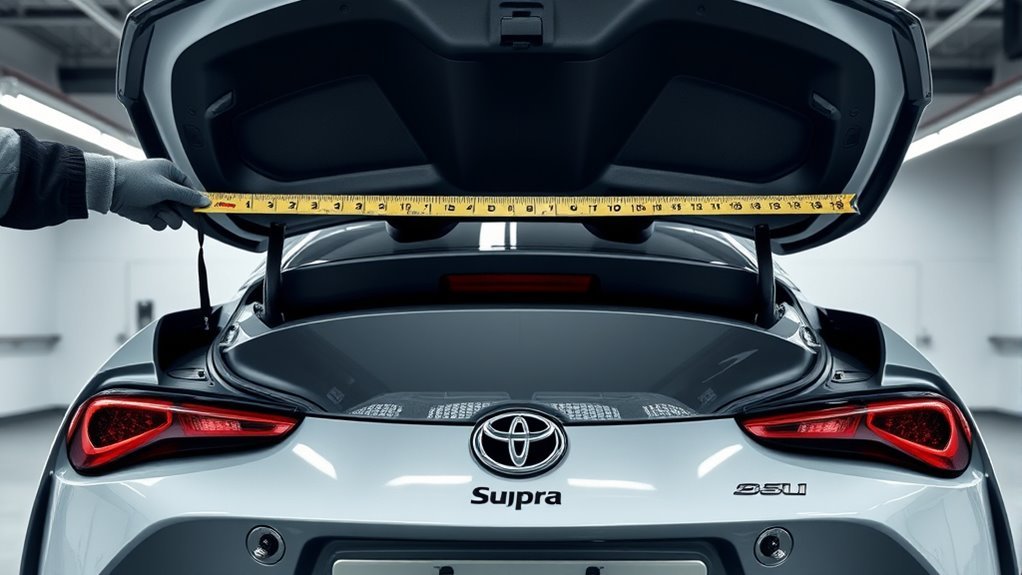
The most important distinction is between cargo volume, interior compartment width, cargo-floor dimensions, and hatch-opening height. They describe different parts of the Supra’s cargo area. Do not combine them into one width × height claim.
| Measurement | Verified Reference | What It Describes |
|---|---|---|
| 2026 U.S. cargo capacity | 10.2 cu ft | Toyota-published cargo volume, not opening dimensions. |
| Maximum luggage-compartment width | 1121 mm / 44.1 in | Toyota Germany interior cargo-width figure, not hatch-aperture width. |
| Vertical boot-opening height | 535 mm / 21.1 in | RiDC measurement of a 2019 GR Supra test car. |
| Boot-floor length | 780 mm / 30.7 in | RiDC floor measurement; it is not hatch-opening length. |
| Boot-floor width at narrowest point | 850 mm / 33.5 in | RiDC floor measurement; it is not maximum compartment or hatch-opening width. |
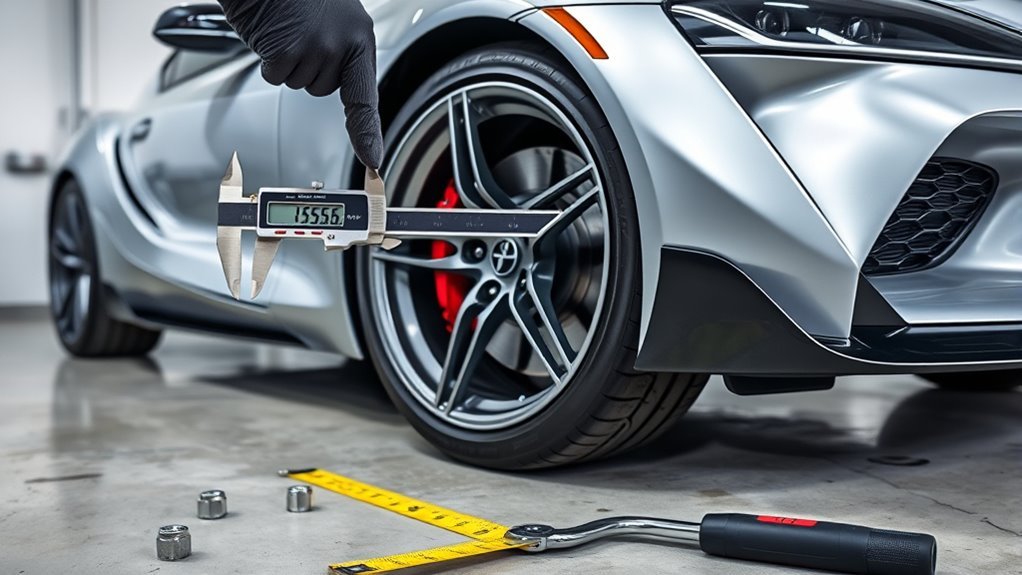
RiDC’s measurements come from a 2019 test car, so use them as physical MkV reference points rather than a substitute for measuring your exact model year, trim, cargo cover, mats, accessories, and item. For a fast fit check, measure the hatch opening at its narrowest usable points, the cargo floor where the item must sit, and the item’s length, width, and height.
Note: Cargo volume tells you how much space exists in total; it does not prove that a rigid box with similar volume will pass through the hatch. Opening shape, glass angle, trim, the luggage cover, and the item’s ability to flex all affect fit.
Supra Hatch Opening Size: What Is Actually Verified
There is no reliable basis in the sources reviewed here for treating 53″ × 51″ as a factory or independently verified Supra hatch-opening specification. Toyota’s U.S. 2026 comparison material publishes 10.2 cu ft of cargo capacity, while other sources publish individual physical measurements for different parts of the cargo area.
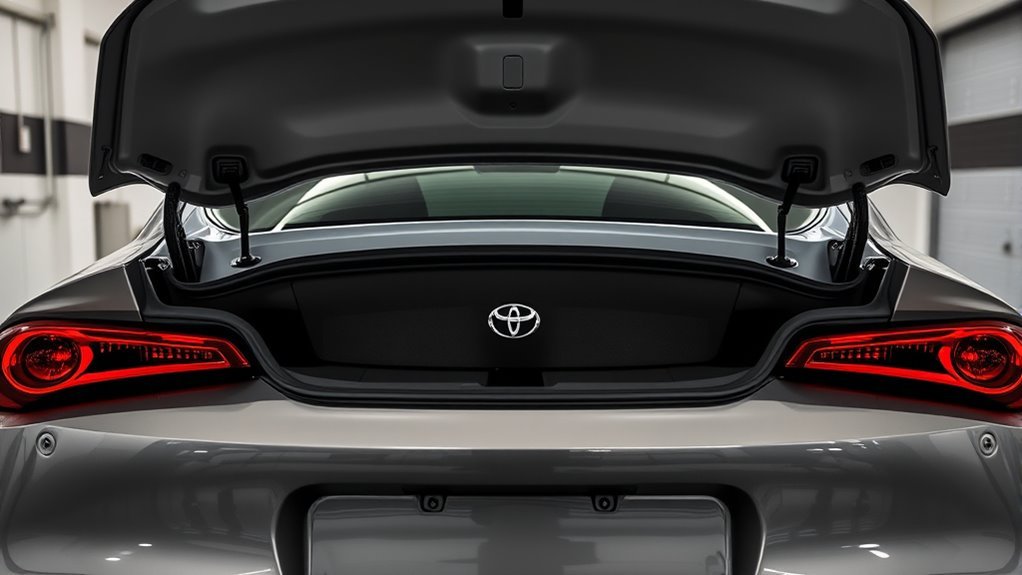
The most useful opening-related number found in an independent measurement is RiDC’s 535 mm (21.1 in) vertical boot-opening height on a 2019 GR Supra. RiDC also measured the cargo floor at 780 mm (30.7 in) long and 850 mm (33.5 in) wide at its narrowest point. Toyota Germany lists 1121 mm (44.1 in) as maximum luggage-compartment width. None of those values should be combined into one rectangular hatch-aperture size because they were measured at different locations.
Use published measurements to understand the Supra’s cargo geometry, then use a tape measure on your own car to decide whether a rigid item will pass through the hatch.
- Measure the hatch opening at the narrowest useful width and vertical clearance your item must pass through.
- Check the item’s height against the sloping hatch glass and upper trim.
- Measure the floor area where the item will sit after it clears the opening.
- Protect painted and plastic trim with a towel when loading hard-edged cargo.
What Fits: Golf Bags, Suitcases, and Long Gear
Published luggage testing gives a better planning benchmark than generic bag labels. Car and Driver reports fitting four carry-on suitcases in its Supra testing. In a separate Autoblog luggage test, a 26 × 16 × 11-inch roller and a 24 × 15 × 10-inch roll-aboard fit with the rigid cargo cover installed. With the cover removed, Autoblog fit four mixed bags by stacking them carefully.
Golf equipment is more variable. In an owner discussion on SupraMKV, users reported that bag style, club length, and loading angle make a major difference. One owner later reported fitting a cart-size bag and Clicgear cart tightly with the cover removed while carrying the driver separately. Treat those reports as anecdotes, not a universal fit guarantee.
| Item Type | Evidence-Based Fit Note | Best Loading Method |
|---|---|---|
| Soft golf bag | Owner reports show it can be workable, but long clubs may need separate placement. | Measure the bag with clubs installed, load diagonally, and keep the bag low. |
| Cart bag plus push cart | Possible in at least one owner report, but described as tight. | Remove the luggage cover if needed, separate the longest club, and test-fit your exact equipment. |
| Carry-on luggage | Multiple carry-ons have fit in published tests. | Load the largest rigid bag first, then rotate or stack smaller bags around it. |
| 26 × 16 × 11-inch roller plus 24 × 15 × 10-inch roll-aboard | Demonstrated together in Autoblog’s test with the rigid cover installed. | Match the tested bag dimensions closely; different shells, wheels, or handles can change fit. |
| Long narrow gear | Shape-dependent; cargo-floor length alone does not determine fit. | Measure the diagonal path through the opening and keep the item clear of seats, trim, and glass. |
| Tall boxes or bins | Often more difficult because of the shallow cargo area and sloping hatch. | Measure vertical clearance and hatch swing before loading; repack into soft bags when practical. |
For luggage, put the largest rigid suitcase in first and fill the remaining space with soft bags. For golf gear, measure the bag with the longest clubs installed instead of measuring only the bag body. For any long or hard item, keep the heavy end low and make sure nothing presses against the hatch glass.
[Products Worth Considering]

This genuine OEM oil filter is designed for Toyota and Lexus vehicles, helping deliver a precise fit and dependable engine protection. Its advanced filtration media captures harmful contaminants while maintaining proper oil flow for consistent performance. Built to factory specifications, it supports reliable maintenance and straightforward replacement during routine oil changes.

KUST Custom Fit Trunk Mat is designed for 2020-2026 Toyota GR Supra models to help protect the cargo area from dirt, spills, and daily wear. Its TPE construction offers a fresh, odor-free feel, while the raised-edge design adds extra coverage for all-weather protection. Lightweight and easy to remove, it makes cleaning simple and helps keep the trunk neat and protected.

This tire inflator attachment combines accurate pressure reading and easy inflation in one heavy-duty tool for maintaining tire pressure with less hassle. A longer hose and 360-degree swivel air chuck help create a secure seal while giving you better control during use. Designed for universal compressor compatibility, it measures, inflates, and deflates without batteries.
How to Load the Hatch: Angles, Placement, and Cabin Access
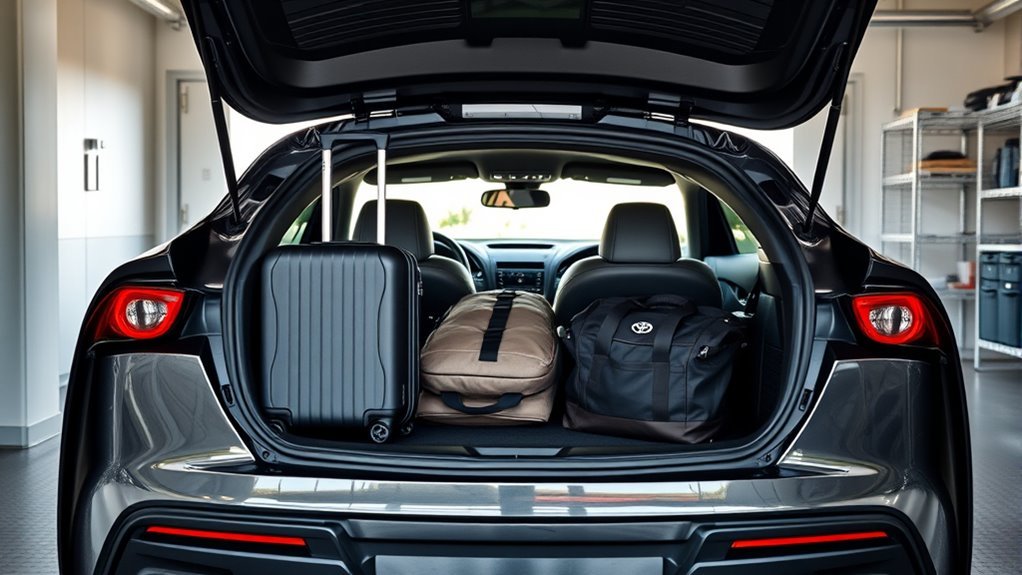
You’ll often need to angle longer or rigid items through the compact opening before rotating them into the wider cargo area. The MkV GR Supra is a two-seat coupe, so there are no rear seats to fold for extra length. Use the cargo area and space behind the seats without interfering with seat travel, visibility, controls, or safe driving.
Loading Angles Explained
The easiest way to load the Supra is to think in three moves: angle, pivot, and settle. Start the item through the opening at a shallow diagonal, rotate it only after part of it is inside, then lower it into the cargo area. Avoid forcing anything against the hatch trim, weatherstripping, glass, speakers, cargo cover, or cross-brace area.
- Angle: Insert the narrowest end first, especially with golf bags, duffels, and long cases.
- Pivot: Rotate the item only after it clears the hatch lip and side trim.
- Settle: Place dense cargo low and keep it from shifting.
- Check: Close the hatch slowly the first time to confirm glass and trim clearance.
Pro Tip: Before loading a hard item, wrap its leading corners with a towel. The Supra’s hatch trim is easier to protect than repair.
Behind-Seat Placement Tips
The GR Supra does not have rear seats, but the area behind the two front seats can still accommodate some light or narrow gear. Keep anything placed forward of the main cargo floor from interfering with seat travel, seatbacks, visibility, or driving controls. Heavy items should stay low and properly secured rather than leaning loosely against the seats.
If an item extends forward, do not let it change the driver’s seating position or restrict normal access to the pedals, steering wheel, shifter, or parking brake controls. Loose objects should also be secured so they cannot move into the cabin during hard braking.
Warning: Never drive with cargo pressing against the hatch glass, interfering with a seat or control, or sitting loose where it can move forward during hard braking.
Cargo Area Gotchas: Braces, Cover, Speakers, and Blocked Spots
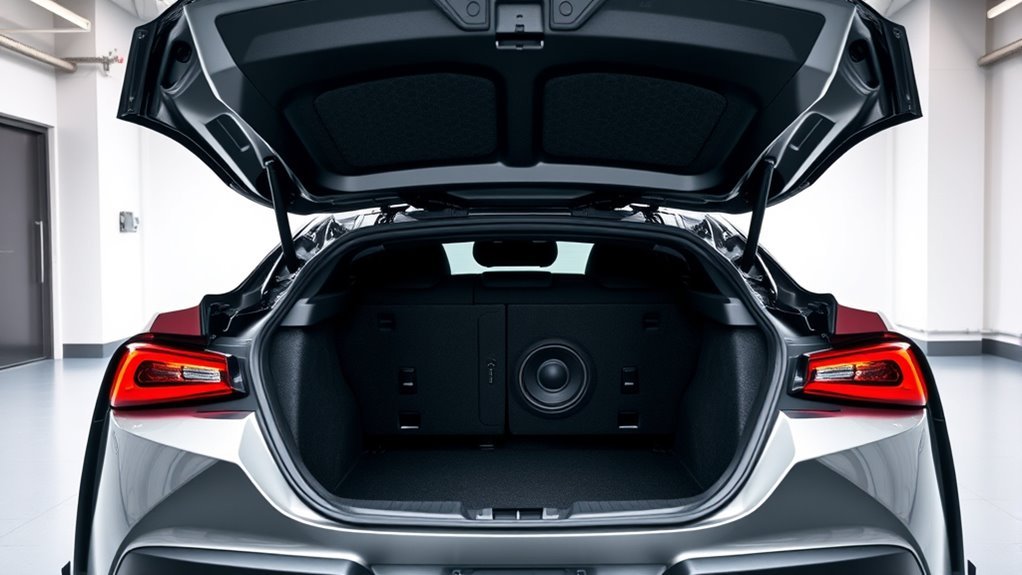
The Supra’s cargo area is shaped for a low sports coupe rather than square-box utility. The hatch line, sloping glass, trim panels, cross-brace area, cargo cover, floor shape, and side compartments all affect usable space. Toyota’s owner information also states that the luggage cover can be removed for stowing bulky items.
- Hatch angle: Tall items can contact the glass or upper trim even when their floor footprint fits.
- Cargo cover: Remove it when additional vertical clearance is needed, then store it where it cannot be bent or scratched.
- Cross-brace and side areas: Treat fixed hardware and trim as obstacles to pack around rather than forcing cargo against them.
- Speaker and trim areas: Keep hard corners away from panels and audio components.
- Loose cargo: Secure items so they cannot slide during braking or cornering.
Supra vs. Rivals: Published Cargo Space Compared
For a consistent 2026 comparison, Toyota’s U.S. comparison pages list the GR Supra at 10.2 cu ft, the Nissan Z Sport at 6.9 cu ft, and the BMW Z4 sDrive30i at 9.9 cu ft. These numbers compare published volume; they do not show which car has the easiest opening for a particular box, suitcase, or golf bag.
| Model | Published Cargo Figure | What the Number Tells You |
|---|---|---|
| 2026 Toyota GR Supra | 10.2 cu ft | Official Toyota U.S. comparison figure; opening shape still determines bulky-item fit. |
| 2026 Nissan Z Sport | 6.9 cu ft | Toyota’s comparison page lists less cargo volume than the Supra. |
| 2026 BMW Z4 sDrive30i | 9.9 cu ft | Close to the Supra on published volume, but the roadster uses different cargo packaging. |
If you need broader trunk-volume and packing comparisons rather than hatch-opening measurements, see the site’s Toyota Supra cargo-space guide. This page stays focused on the opening, physical reference measurements, and whether an item can actually pass through it.
[Products Worth Considering]

The BLCKTEC 440 Bluetooth OBD2 scanner helps drivers and DIY mechanics quickly read and clear trouble codes, monitor live data, and check emissions readiness with confidence. Its color display, graphing capabilities, and battery and charging system testing make it a versatile diagnostic tool for OBD-compliant vehicles. Designed for plug-and-play convenience, it runs directly from your vehicle and includes support for report sharing and ongoing updates.

Load Security: This heavy-duty cargo net creates a secure barrier that keeps groceries, luggage, tools, and sports gear firmly in place. No more shifting or thudding when you brake or turn corners
Supra-Specific Cargo Aids: Organizers, Covers, and Removal Tips
With a low hatch and compact cargo area, simple solutions usually preserve the most usable space: a low-profile cargo mat, soft organizer, net, or suitable straps. Avoid tall rigid organizers unless you have measured their height with the hatch fully closed.
[Products Worth Considering]

Genuine Subaru Cargo Organizer

[ORGANIZE YOUR CAR TRUNK]: When you open the trunk after grocery shopping, you definitely don't want to have a mess of groceries splattered around the trunk. Our trunk organizer is secured with Velcro. It does a great job of helping you organize groceries

【Custom Storage Space】 This car storage organizer trunk can be used for boot items storage, you can change the storage area at will according to the size of the emergency equipment, sports equipment, daily necessities and automotive supplies in the boot, to create a neat and orderly, easy to access boot space for you!
Cargo Organizer Options
A useful Supra cargo organizer should control small items without taking away much vertical clearance. Low-profile and collapsible designs make more sense than tall permanent bins in this shape-sensitive cargo area.
- Soft collapsible bins: Useful for groceries, cleaning supplies, and small tools.
- Low cargo nets: Useful for jackets, small bags, and light loose items when attached correctly.
- Rubber cargo mats: Help reduce sliding and protect the floor from dirt.
- Small rigid trays: Can organize detailing products, but measure height before using one.
Cargo Cover Removal
Toyota’s owner information says the luggage cover can be removed when bulky items need additional clearance. The stated process is to unhook the retaining straps on the tailgate, slightly lift the cover, and pull it backward from its holders. To reinstall it, reverse the process and confirm it is seated correctly before driving.
Removing the cover increases usable vertical space above the cargo floor, but it does not enlarge the physical hatch opening. You still need to measure the item, protect the trim, and test-close the hatch carefully.
Two-Minute Measurement Checklist: Measure Your Hatch and Items
Use this checklist whenever a rigid or bulky item is close to the Supra’s available space. The measurement that matters first is the path through the opening; the item cannot use the wider cargo area until it gets through the hatch.
- Measure usable opening width: Measure between the narrowest trim points your item must pass.
- Measure opening height: Check the vertical clearance created by the hatch, glass, weatherstripping, and upper trim.
- Measure the destination area: Record the floor length and width where the item will sit after it clears the opening.
- Measure the item: Record length, width, height, handles, wheels, protrusions, and whether it can flex.
- Plan the loading angle: Decide which end enters first and where the item can safely pivot.
- Test-close slowly: Stop immediately if anything contacts the glass, latch area, weatherstripping, or trim.
Real-World Packing Tips: Tested Luggage, Owner Reports, and Gotchas
The best-supported packing advice is to load the largest rigid item first, then use smaller flexible bags to fill the remaining space. Autoblog’s test demonstrates why: the Supra accepted two relatively large rollers with the cargo cover installed, while removing the cover allowed four mixed bags to be stacked. Car and Driver separately reports fitting four carry-on suitcases in testing.
- For golf: Measure your actual bag and longest club. Owner reports show a cart bag can work, but some setups require the driver or woods to be carried separately.
- For airport runs: Compare actual suitcase dimensions rather than relying only on labels such as “carry-on” or “medium.”
- For camera gear: Keep rigid cases low, padded, and secured against movement.
- For tools: Use a closed, secured case and keep dense items low.
- For road trips: Flexible duffels and packing cubes use irregular side spaces more efficiently than tall square boxes.
Note: An item that clears the opening while the hatch is raised can still contact the glass or trim as the hatch swings down. Always perform the first closure slowly.
Frequently Asked Questions
What is the exact Toyota Supra hatch opening size?
Toyota’s cited 2026 U.S. specification material gives the GR Supra’s 10.2-cu-ft cargo capacity but not one simple hatch-opening width × height. RiDC measured a 2019 GR Supra at 535 mm (21.1 in) of vertical boot-opening height, 780 mm (30.7 in) of boot-floor length, and 850 mm (33.5 in) of floor width at the narrowest point. Toyota Germany separately lists 1121 mm (44.1 in) maximum luggage-compartment width. These describe different parts of the cargo area, so measure your exact car before relying on them for a rigid item.
How much cargo space does the 2026 Toyota GR Supra have?
Toyota’s U.S. comparison data lists the 2026 GR Supra at 10.2 cubic feet of cargo capacity. Toyota Germany lists 290 liters using its published luggage-compartment measurement data. Cargo volume is useful for comparing total space, but it does not tell you the exact size of the hatch opening.
How many suitcases fit in a Toyota Supra?
It depends on the bags. Car and Driver reports fitting four carry-on suitcases in its testing. Autoblog separately fit a 26 × 16 × 11-inch roller and a 24 × 15 × 10-inch roll-aboard with the rigid cargo cover installed, then fit four mixed bags after removing the cover. Use actual bag dimensions because handles, wheels, and shell shape affect fit.
Will a golf bag fit in a Toyota Supra?
Owner reports show that golf bags can fit, but the result depends on bag style, club length, loading angle, and whether the luggage cover is removed. One SupraMKV owner reported fitting a cart-size bag and Clicgear cart tightly while carrying the driver separately. Treat that as an owner experience rather than a guaranteed fit for every bag.
Can the Toyota Supra luggage cover be removed?
Yes. Toyota’s owner information says the luggage cover can be removed for bulky items. Unhook its retaining straps from the tailgate, slightly lift the cover, and pull it backward from the holders. Removing the cover adds vertical packing room but does not make the hatch opening itself larger.
Can the rear seats fold flat for extra cargo length?
No. The MkV Toyota GR Supra is a two-seat coupe, so there are no rear seats to fold. Use the hatch cargo area and the space behind the front seats only when cargo does not interfere with seat travel, visibility, controls, or safe driving.
Conclusion
The safest answer to “What is the Toyota Supra hatch opening size?” is not the previously repeated 53″ × 51″ estimate. Toyota lists the 2026 GR Supra at 10.2 cu ft of cargo space, while independently published physical references include 21.1 in of vertical boot-opening height, a 30.7-in boot floor, and 33.5-in narrowest floor width on RiDC’s 2019 test car. Toyota Germany separately lists 44.1 in maximum luggage-compartment width.
Because those measurements describe different parts of the cargo area, measure your exact hatch and the exact item before loading anything rigid or bulky. Published luggage tests show that the Supra can carry useful weekend gear, but soft bags, careful loading angles, low placement, and the removable luggage cover make much better use of the space than a single cubic-foot number suggests. For broader packing guidance, see the Toyota Supra cargo-space guide.
Sources
- Toyota GR Supra vs. Nissan Z official comparison — supports 2026 GR Supra 10.2-cu-ft cargo capacity, two-seat configuration, and Nissan Z 6.9-cu-ft comparison.
- Toyota GR Supra vs. BMW Z4 official comparison — supports the 2026 GR Supra 10.2-cu-ft and BMW Z4 sDrive30i 9.9-cu-ft cargo figures.
- Toyota Germany GR Supra technical data — supports the 1121-mm maximum luggage-compartment width and 290-liter luggage-volume references.
- RiDC GR Supra measurements — supports the 2019 test-car boot-floor length, vertical opening height, and narrowest floor-width measurements.
- Toyota Owners 2026 Supra cargo-area information — supports luggage-cover removal and cargo-area guidance.
- Car and Driver Toyota Supra review — supports the four-carry-on luggage-test reference.
- Autoblog Toyota Supra luggage test — supports the measured suitcase combinations and cargo-cover packing examples.
- SupraMKV owner golf-equipment discussion — provides clearly labeled anecdotal owner experience with golf bags, clubs, and a push cart.