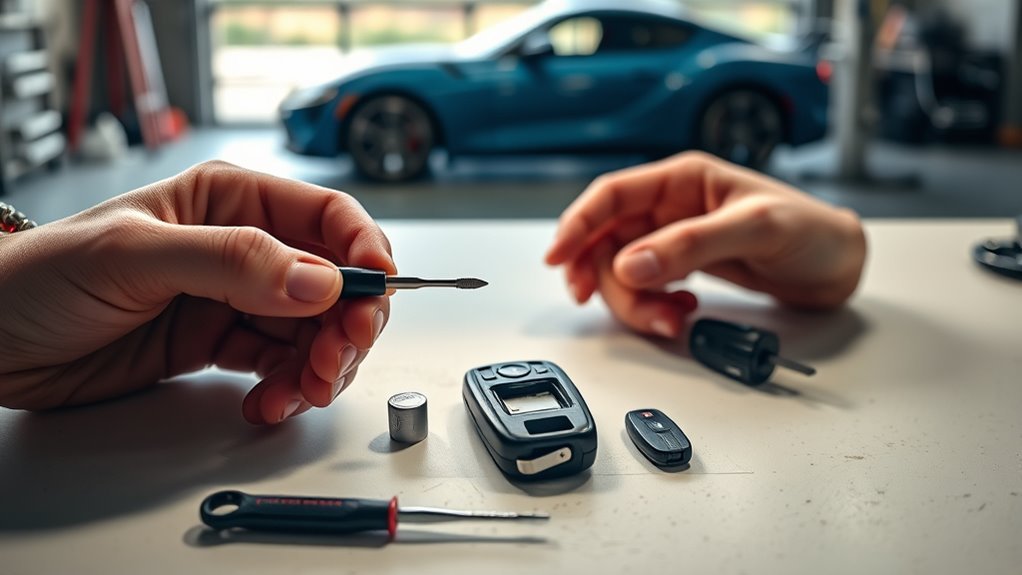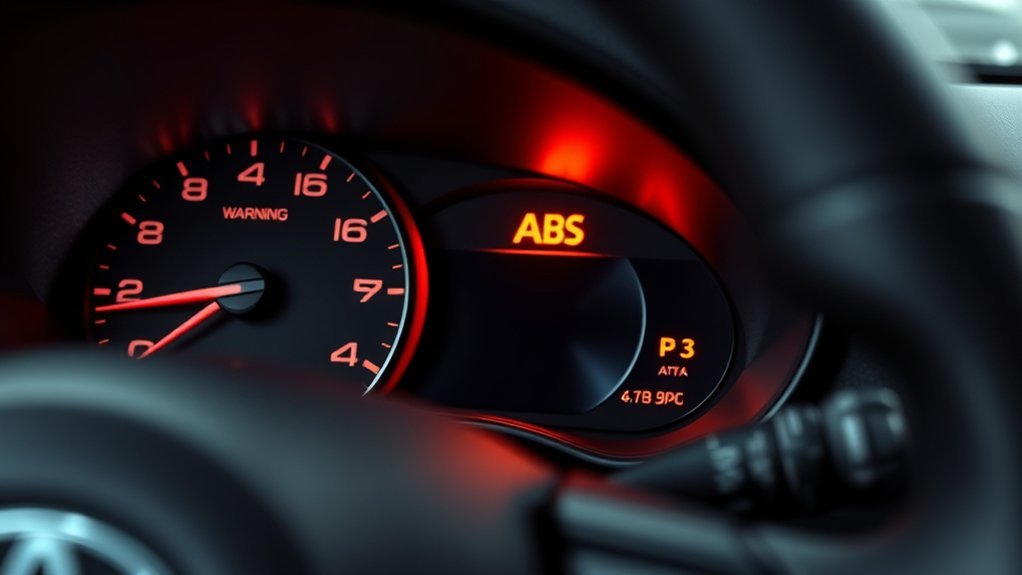
The ABS warning light on your Toyota Supra signals a potential anti-lock braking system issue that needs immediate attention. Common causes include faulty wheel speed sensors, low brake fluid levels, or blown ABS fuses. Start by checking and refilling your brake fluid, inspecting fuses, and ensuring all electrical components are functional. If the light persists, or if you notice abnormal brake performance, it’s time to consult a mechanic. Let’s explore some preventative tips to help you avoid ABS problems.
What Does the ABS Warning Light Mean?
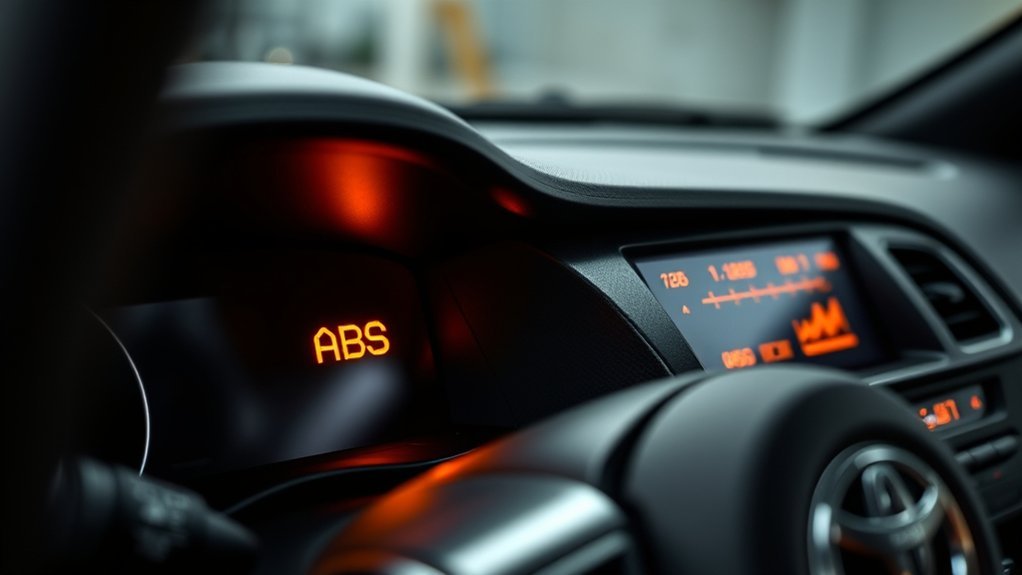
The ABS warning light acts as an essential alert for drivers, signaling a malfunction in the anti-lock braking system. Understanding the ABS system overview is vital for ensuring your vehicle’s braking safety. This light may illuminate during startup but should turn off shortly after. If it stays lit while driving, it indicates a serious issue that could compromise your control over the vehicle. Malfunctions, like faulty wheel speed sensors or low brake fluid, can lead to locked wheels during hard braking, increasing stopping distances and reducing steering control. Regular diagnostics and timely repairs not only maintain the ABS’s functionality but also enhance overall braking safety, empowering you to drive with confidence and freedom.
Common Causes for ABS Warning Light Activation
If your ABS warning light is illuminated, it could be due to faulty wheel speed sensors, which are essential for monitoring wheel rotation. A low brake fluid level might also trigger the light, signaling a potential issue with your braking system. Addressing these problems promptly is imperative for maintaining your vehicle’s safety and performance.
Faulty Wheel Speed Sensors
When wheel speed sensors fail to provide accurate data to the ABS control module, you’ll likely notice the ABS warning light illuminating on your dashboard. Faulty sensors can lead to serious braking issues, so understanding their common causes is essential. Here are key points to keep in mind:
- Damage from Road Debris: Sensors can get hit or scratched, affecting performance.
- Corrosion: Moisture and dirt can compromise sensor integrity over time.
- Wear and Tear: Regular use can cause degradation, necessitating sensor maintenance.
- Diagnostic Trouble Codes (DTCs): Codes like 31 or 71 can help technicians identify sensor issues during diagnostic procedures.
Replacing a faulty sensor usually restores ABS functionality, ensuring your safety on the road. Don’t ignore that warning light!
Low Brake Fluid Level
A low brake fluid level can trigger the ABS warning light, signaling a potential issue that affects your vehicle’s braking performance. Regularly checking the brake fluid reservoir is essential for effective brake fluid maintenance; if the level drops, it can compromise your safety. Low brake fluid often results from leaks in the brake lines or calipers, allowing air to enter the system and reducing pressure. If you notice the ABS warning light, start by inspecting the brake fluid level. Topping it off might resolve the issue if it’s the only cause. Don’t neglect low fluid levels, as this can lead to brake failure. Prioritize timely maintenance and thorough brake line inspection to keep your Toyota Supra safe and reliable.
How to Check and Refill Brake Fluid Levels
Checking and refilling your brake fluid levels is essential for maintaining the safety and performance of your Toyota Supra. Follow these maintenance tips to guarantee your brake system remains in top shape:
- Locate the Reservoir: Find the brake fluid reservoir on the driver’s side, near the back of the engine bay, and keep it clean.
- Check Fluid Levels: Use the markings on the reservoir to see if the fluid is between the “MIN” and “MAX” lines. Refill if it’s below “MIN.”
- Use the Right Fluid: Only add DOT 3 or DOT 4 brake fluid, as specified in your owner’s manual.
- Refill Carefully: Add fluid slowly to avoid overflow and air introduction, then securely close the cap and check for leaks or warning lights.
Inspecting and Replacing ABS Fuses
Inspecting and replacing the ABS fuses is essential for guaranteeing your Toyota Supra’s braking system operates efficiently. Start by locating the ABS fuses in the fuse box, usually marked as 60A and 30A. Visually inspect these fuse types for any signs of blowing or damage. Next, use a multimeter for continuity testing; a reading of zero indicates a blown fuse needing replacement. When replacing, guarantee you use the correct amperage as specified in your vehicle’s owner manual to avoid electrical issues. Once you’ve swapped the fuses, turn the ignition on and check if the ABS warning light goes off. If it remains illuminated, further diagnostics might be necessary to identify underlying problems with the ABS system.
Quick Guide to Resetting the ABS System
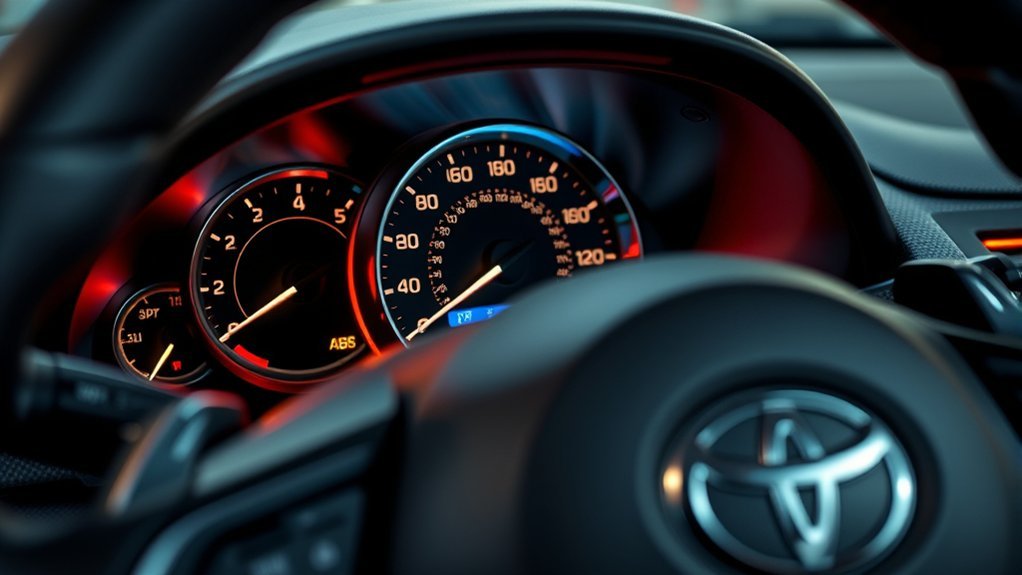
Resetting the ABS system on your Toyota Supra can be a straightforward process that helps clear any warning lights and guarantees your braking system functions properly. Here’s how to perform the ABS system reset using the brake pedal technique:
Resetting the ABS system on your Toyota Supra is simple and ensures your braking system operates effectively.
- Turn the ignition to the “on” position without starting the engine.
- Rapidly tap the brake pedal eight or more times within three seconds to initiate the reset.
- Watch for the ABS warning light to blink rapidly, indicating a successful code clearance.
- If the light stays on, check for low brake fluid or faulty wheel speed sensors.
For additional safety, consider disconnecting the battery for a few minutes, but make certain all connections are secure afterward. Always refer to your vehicle’s service manual for specific instructions.
When to Consult a Mechanic About ABS Issues?
How can you tell when it’s time to consult a mechanic about ABS issues? If your ABS warning light stays on after a reset, don’t ignore it. That’s a sign of a persistent problem requiring professional diagnostic tests. Listen for abnormal sounds like grinding or squeaking; these often indicate mechanical failures. A change in brake performance, such as a spongy or hard pedal, is another critical reason to seek help immediately. If multiple warning lights activate alongside the ABS light, it’s likely a more complex issue. Regular maintenance checks can help catch these problems early, so don’t hesitate to consult a mechanic if anything feels off.
| Warning Sign | Action Needed |
|---|---|
| ABS Light On | Consult a mechanic |
| Abnormal Sounds | Seek professional help |
| Poor Brake Performance | Immediate action required |
| Multiple Warnings | Diagnostic tests needed |
Why Speed Sensors Matter for Your ABS
While you may not think about them often, speed sensors play an essential role in your vehicle’s Anti-lock Braking System (ABS). They monitor the rotational speed of each wheel, providing vital data to guarantee peak braking performance. Here’s why they matter:
- Prevent Wheel Lockup: Speed sensors help the ABS system prevent wheel lockup during braking, enhancing control.
- Accurate Readings: Malfunctioning sensors can lead to incorrect readings, triggering the ABS warning light.
- Individual Monitoring: Each wheel has its own sensor; issues with any can affect the entire ABS system.
- Regular Maintenance: Conducting speed sensor calibration and sensor wiring inspection can prevent ABS warning light activation, ensuring your braking system operates effectively.
What to Do When the ABS Light Keeps Coming Back?
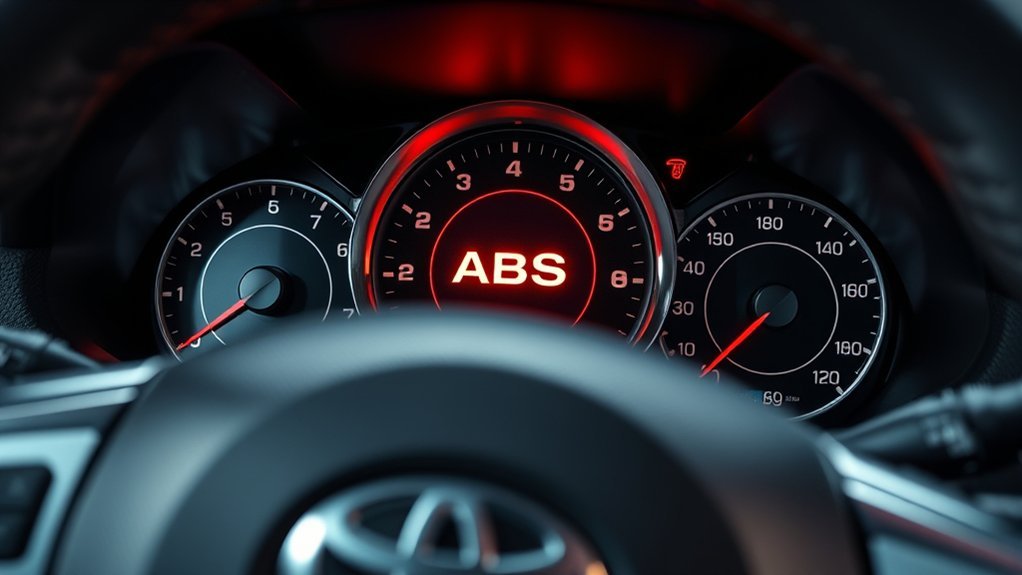
If your ABS light keeps coming back on, it’s crucial to address the underlying issues rather than just ignoring the warning. Start with some ABS light troubleshooting: check your brake fluid level, as low fluid can trigger the light. Next, inspect the ABS fuses and relays for any damage. Using an OBD-II scanner can help you read stored trouble codes, pinpointing issues with sensors or wiring.
After any repairs, clear the ABS codes by tapping the brake pedal eight times or using a diagnostic tool. If the light persists, check the wheel speed sensors for faults or damaged wiring to guarantee proper communication with the ABS module. Consistent ABS system maintenance will keep your vehicle safe and responsive.
Preventative Tips to Avoid ABS Problems
To prevent ABS problems, it’s vital to stay proactive with your vehicle’s maintenance. Here are some essential tips:
- Maintain Brake Fluid Levels: Regularly check and top off brake fluid to avoid triggering the ABS warning light.
- Inspect Wheel Speed Sensors: Keep an eye out for dirt or damage; faulty sensors are common culprits for ABS issues.
- Check ABS Fuses and Relays: Verify these components are in good condition and securely seated to prevent electrical failures.
- Monitor Tire Pressure: Maintain tire pressures at manufacturer-recommended levels for accurate speed sensor readings and effective ABS function.
Frequently Asked Questions
How Do You Fix the ABS Light on a Toyota?
To fix the ABS light on your Toyota, start with a brake fluid check. Then, conduct ABS sensor troubleshooting. If issues persist, inspect fuses and consider resetting the system for a potential resolution.
Can I Fix an ABS Light Myself?
Absolutely, you can fix an ABS light yourself! With some basic ABS troubleshooting techniques and DIY repair options, you’ll regain control over your vehicle. Jump in, and liberate your ride from pesky warning lights!
How to Fix ABS Warning Light on Dashboard?
To fix the ABS warning light, check your brake system’s fluid level, inspect fuses, and use an OBD-II scanner for trouble codes. Address any warning signals from wheel speed sensors to guarantee proper function.
What Should I Do if the ABS Warning Light Stays On?
If the ABS warning light stays on, start with ABS diagnostics to identify warning light causes. Check brake fluid, inspect fuses, and use an OBD-II scanner. If unresolved, consult a professional for deeper issues.
Conclusion
In conclusion, addressing the ABS warning light promptly can save you from bigger issues down the road. Think of your vehicle’s braking system as the guardian of your safety—neglecting it could mean jeopardizing your well-being. By following the steps outlined, you can tackle minor issues yourself, but don’t hesitate to consult a mechanic if problems persist. Remember, a well-maintained ABS isn’t just a luxury; it’s your first line of defense on the road. Stay safe out there!