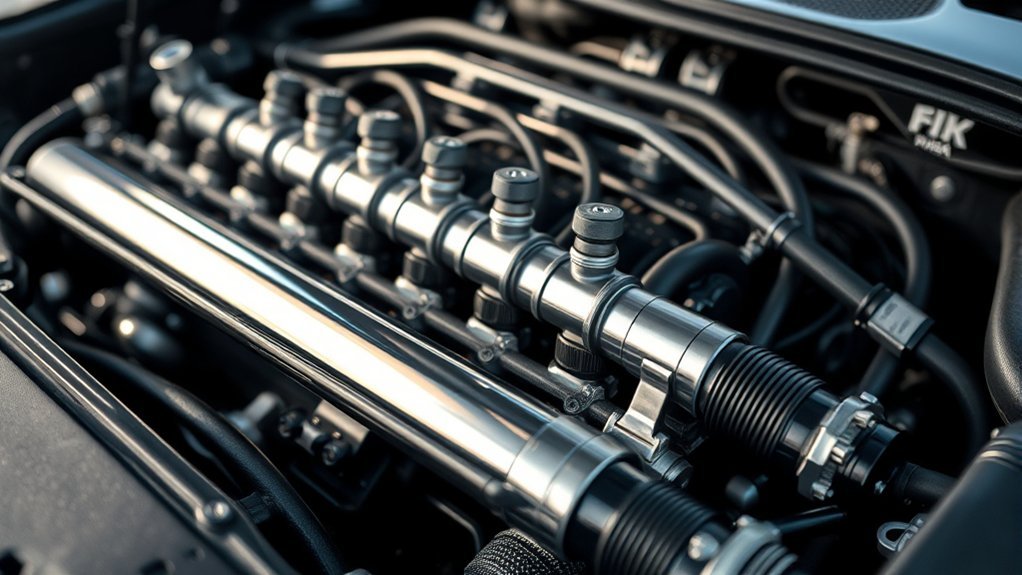
Multi-Port Injection (MPI) in a Hyundai Sonata sprays fuel into each cylinder’s intake port near the intake valve. On U.S.-market 2026 Sonata SE, SEL Sport, and N Line models, MPI works alongside Gasoline Direct Injection (GDI) in a dual-injection system. The 2026 Sonata Hybrid uses a 2.0L GDI engine without MPI. Because Sonata powertrains vary by model year, trim, and market, confirm your exact engine before diagnosing a fault or ordering fuel-system parts.
Last updated: July 22, 2026
Quick Answer
MPI sprays fuel into the intake port before the intake valve. In the U.S.-market 2026 Hyundai Sonata, the 2.5L engine in the SE and SEL Sport and the turbocharged 2.5L engine in the N Line use both MPI and GDI. The 2.0L Sonata Hybrid is GDI-only. Check the official specification for your model year and trim before assuming your Sonata has MPI.
Key Takeaways
- MPI sends fuel into each cylinder’s intake port instead of directly into the combustion chamber.
- Current U.S. 2.5L Sonata gas engines use GDI+MPI dual injection rather than MPI alone.
- The 2026 Sonata Hybrid uses a 2.0L GDI engine without MPI.
- Port injection can help wash the back of the intake valves, while direct injection gives the engine more control over fuel delivery inside the cylinder.
- Rough idle, hesitation, hard starting, or misfires do not prove an injector is bad; scan and diagnose the engine before replacing parts.
Which 2026 Hyundai Sonata Engines Use MPI?
For the U.S.-market 2026 Sonata, MPI is included on both 2.5L gasoline engines as part of a dual GDI+MPI system. The hybrid powertrain uses a different 2.0L GDI engine.
| 2026 U.S. Sonata model | Gasoline engine | Injection type | What it means |
|---|---|---|---|
| SE | 2.5L four-cylinder | GDI + MPI | Uses both port and direct injectors |
| SEL Sport, including AWD | 2.5L four-cylinder | GDI + MPI | Uses both port and direct injectors |
| N Line | Turbocharged 2.5L four-cylinder | GDI + MPI | Uses both port and direct injectors |
| Blue, SEL, and Limited Hybrid | 2.0L four-cylinder hybrid | GDI | Does not use MPI |
Source: Hyundai Motor America’s 2026 Sonata Specifications & Features.
Model-year note: Sonata engines differ by production year, trim, and country. Use the official specification sheet, original window sticker, owner information, or a VIN-specific Hyundai parts catalog before ordering an injector, pump, sensor, or fuel rail.
What Is Multi-Port Injection in the Hyundai Sonata?
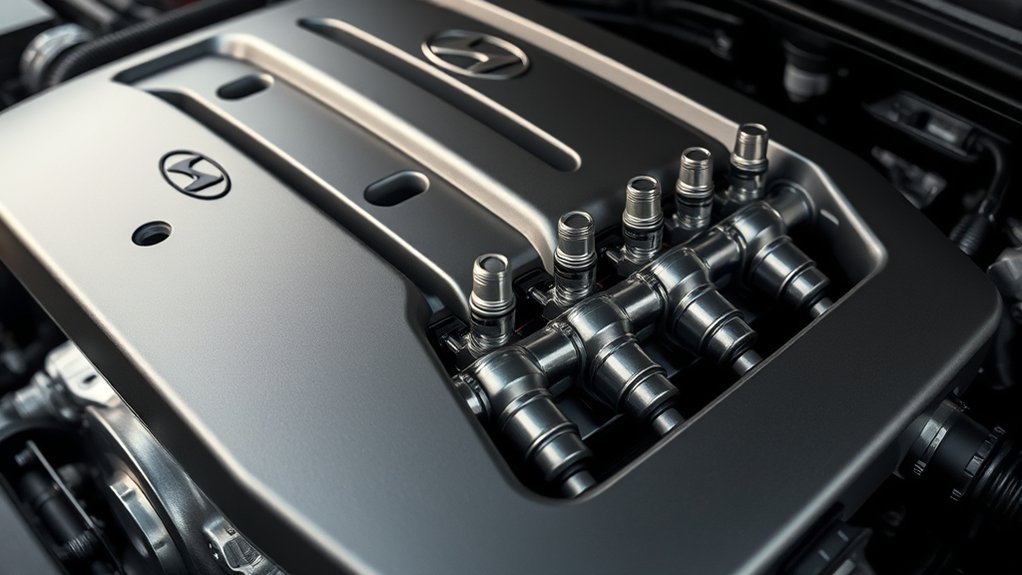
Multi-Port Injection, also called multipoint or port fuel injection, uses a separate port injector for each cylinder. Each injector sprays fuel into an intake passage near the intake valve. Incoming air carries the fuel into the cylinder when the intake valve opens.
On a U.S.-market 2026 Sonata with a 2.5L engine, MPI is not the only injection system. The engine also has a direct injector for each cylinder. The direct injector sprays fuel inside the combustion chamber, while the port injector sprays before the intake valve.
Hyundai describes this design as dual fuel injection. The engine control system selects the suitable injection method according to operating conditions. This lets the engine use the mixture-preparation and valve-washing characteristics of port injection along with the combustion-control advantages of direct injection. You can read Hyundai’s broader explanation in its Smartstream fuel-injection overview.
The 2026 Sonata Hybrid is different. Its 2.0L gasoline engine is listed as GDI without MPI. Older Sonata generations and models sold outside the United States may use other engine and injection combinations.
What Parts Make Up the Multi-Port Fuel Injection System?
A Sonata fuel system uses several mechanical and electronic parts to deliver the correct amount of fuel. A GDI+MPI engine has more components than a standalone port-injection system because it has two fuel-delivery paths.
- Port fuel injectors: One port injector serves each cylinder and sprays fuel near the intake valve.
- Direct fuel injectors: On a GDI+MPI engine, one direct injector per cylinder sprays fuel inside the combustion chamber.
- Low-pressure fuel supply: An electric pump sends fuel from the tank toward the engine.
- Port-injection rail: This rail distributes fuel to the port injectors.
- High-pressure pump and rail: The direct-injection side raises and distributes fuel at much higher pressure.
- Engine Control Module: The ECM calculates injection timing and duration and controls which injection strategy the engine uses.
- Engine sensors: Depending on the model year and engine, the ECM may use manifold-pressure or airflow data, intake-air temperature, coolant temperature, throttle and accelerator position, oxygen-sensor feedback, and crankshaft and camshaft position.
One fault can affect the data or pressure used by the whole system. A rough idle does not automatically mean a port injector is clogged. Ignition faults, intake leaks, EVAP problems, incorrect sensor readings, low fuel pressure, direct-injector trouble, or engine mechanical problems can produce similar symptoms.
High-pressure fuel warning: Do not loosen fuel rails, injector lines, high-pressure pump fittings, or injectors. Fuel can remain pressurized after the engine is shut off. Use the exact Hyundai service procedure for your engine or have a qualified technician perform the work.
[Products Worth Considering]
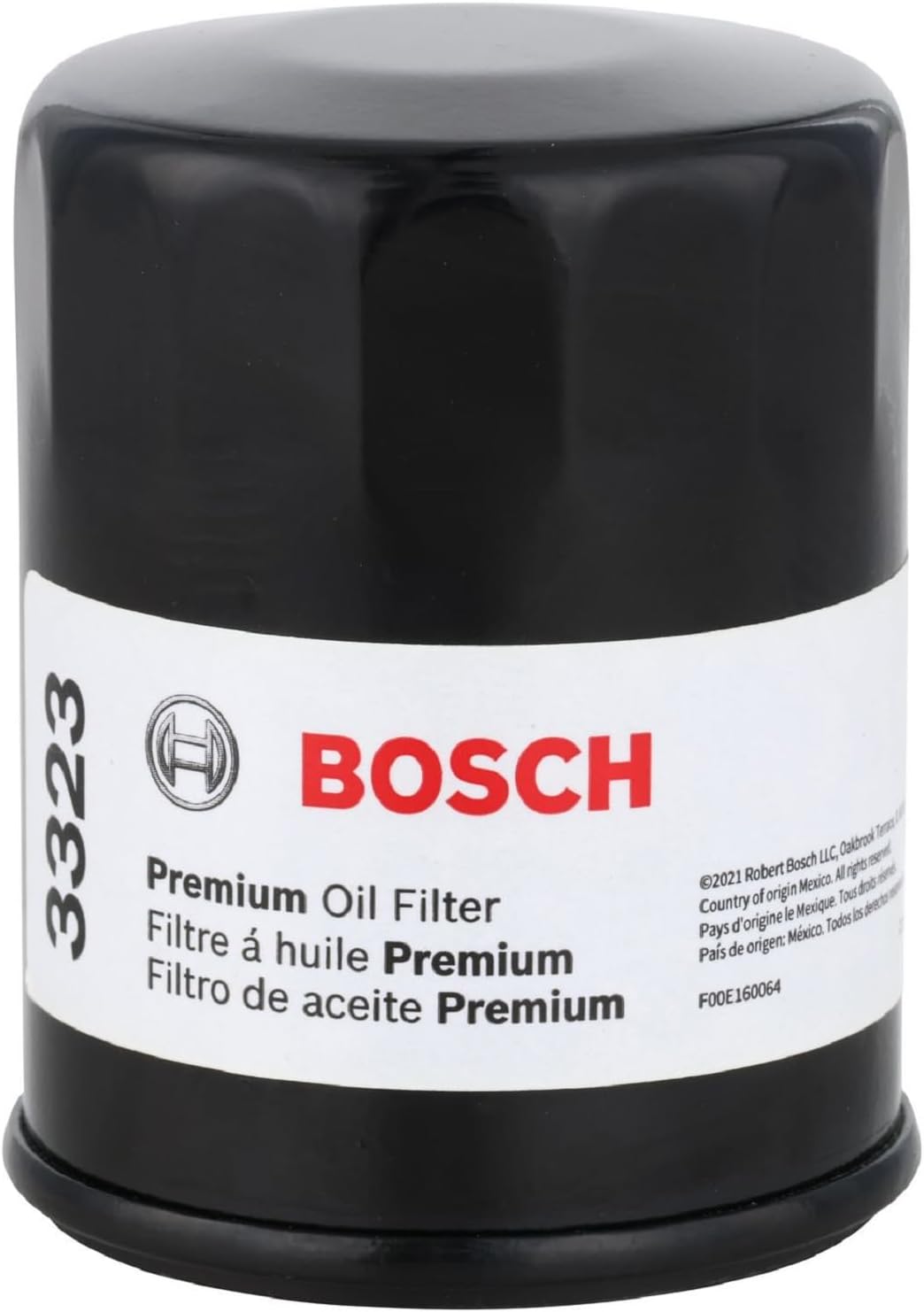
Bosch Premium Oil Filter uses FILTECH media to trap dirt and particles that can circulate through your engine and cause harmful wear. Its steel base plates, silicone anti-drain back valve, and high-lubricity gasket are designed to deliver a secure fit, reliable oil flow at startup, and dependable leak resistance. Built for compatible vehicles across many Acura, Honda, Nissan, Infiniti, and other select models, it offers durable protection and easy serviceability.

This cabin air filter replacement helps keep the air inside your vehicle cleaner and fresher for driver and passengers. Designed for broad fitment across Toyota, Lexus, Subaru, and Mazda models, it supports improved HVAC performance and includes soda and carbon filtration for odor reduction. It is a practical maintenance part with a recommended replacement interval for continued cabin comfort.
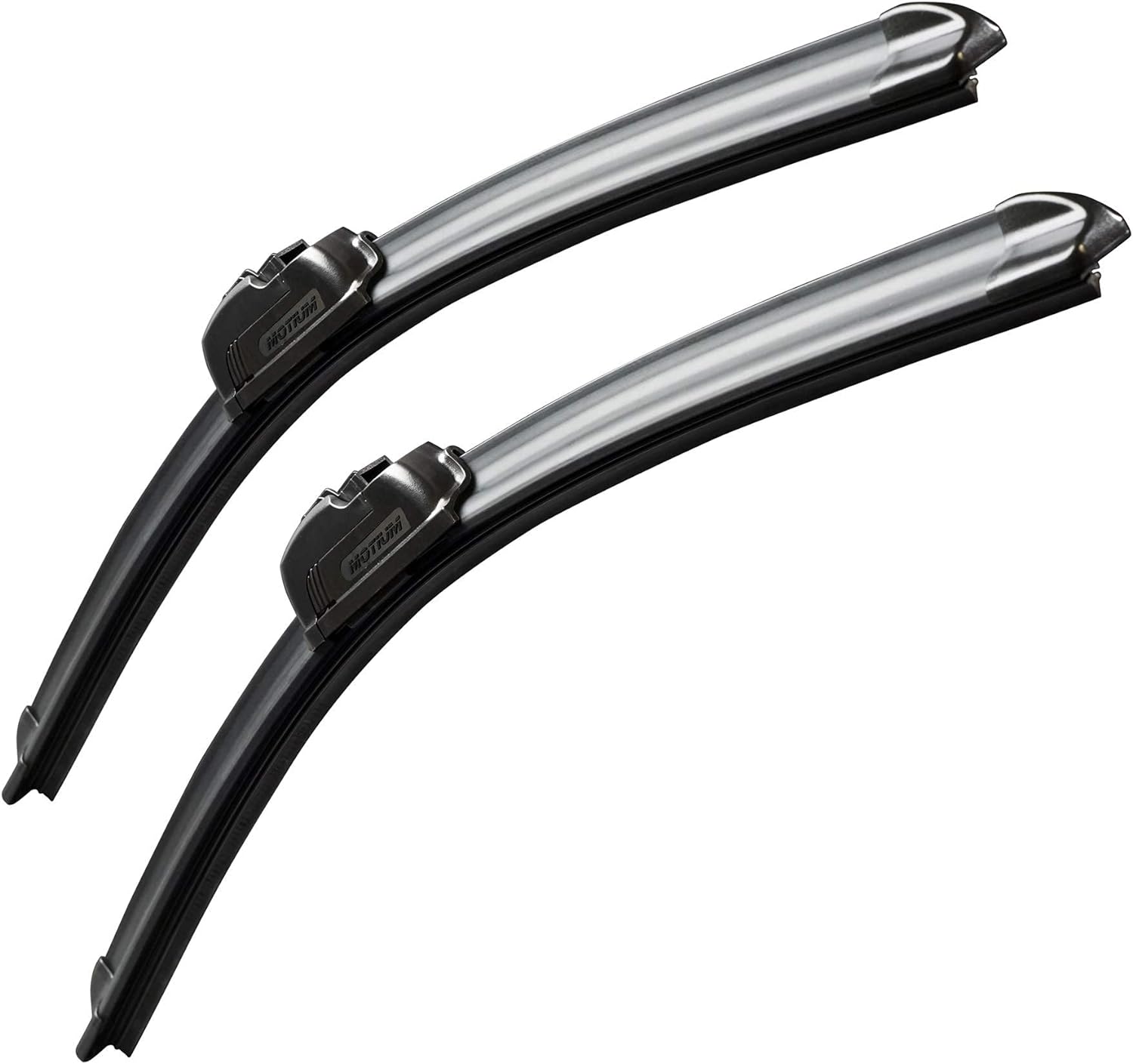
These MOTIUM windshield wiper blades deliver clear, streak-free wiping for improved visibility in rain, snow, and extreme heat. Designed for quiet, smooth operation and easy installation, they include both driver and passenger blades for a quick replacement solution that helps keep driving safer in all seasons.
How Does the Sonata’s GDI+MPI Injection Process Work?
A Hyundai Sonata GDI+MPI engine has two fuel-delivery paths. Port injectors spray before the intake valves, while direct injectors spray inside the combustion chambers.
- Fuel leaves the tank. The low-pressure pump sends fuel toward the engine.
- The fuel reaches both sides of the system. The port-injection side supplies the port injectors, while the direct-injection side uses a high-pressure pump and rail.
- The ECM evaluates operating conditions. It uses sensor data, engine speed, load, temperature, and driver demand to calculate fuel delivery.
- The ECM controls injector pulses. It can operate the port-injection side, the direct-injection side, or a calibrated combination according to the engine’s control strategy.
- The air-fuel mixture burns in the cylinder. The spark plug ignites the compressed mixture and produces power.
With MPI, the fuel has time to mix with incoming air before entering the cylinder. It also passes across the intake-valve area. With GDI, the engine can deliver fuel directly inside the cylinder closer to the combustion event.
What Are the Benefits of MPI in a Dual-Injection Sonata?
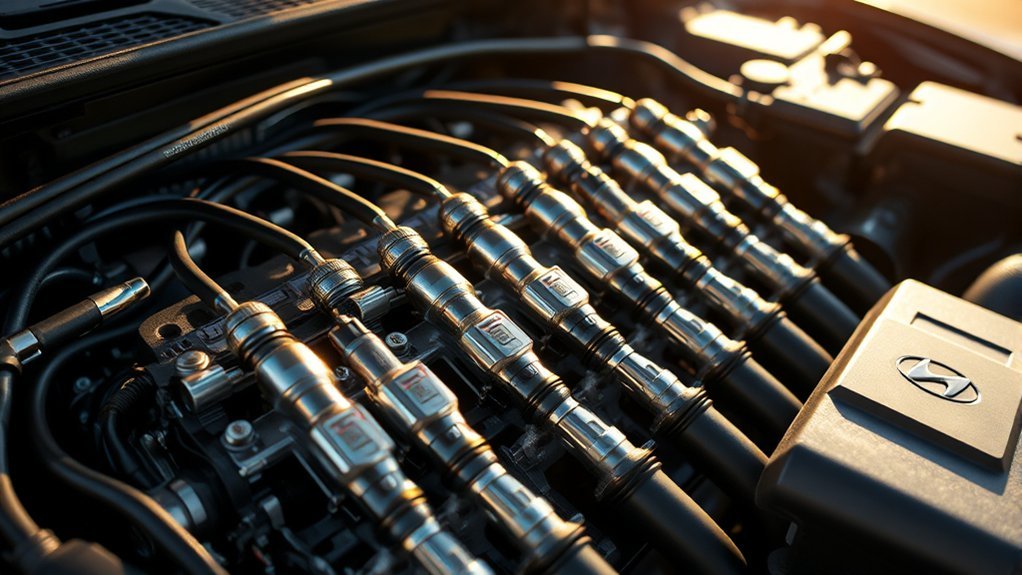
MPI gives a dual-injection Sonata another way to prepare the air-fuel mixture. Because port fuel enters before the intake valve, it can mix with incoming air and pass over the back of the valve.
GDI gives the engine more control over fuel delivered inside the combustion chamber. Hyundai combines the two injector types so its control system can select an injection method that suits the driving condition rather than relying on one system for every situation.
The driver does not manually choose MPI or GDI. The ECM controls injection automatically. Smooth starting, idle quality, acceleration, fuel economy, and emissions also depend on ignition, airflow, compression, temperature control, fuel pressure, software calibration, and maintenance condition.
Pro tip: If your Sonata hesitates, misfires, or idles roughly, scan for trouble codes and save the freeze-frame data before replacing or cleaning injectors.
How Do MPI, GDI, and Dual Injection Compare?
MPI and GDI describe where fuel enters the engine. MPI sprays into the intake port. GDI sprays inside the combustion chamber. A dual-injection engine has both systems.
| Feature | MPI / port injection | GDI / direct injection | GDI + MPI dual injection |
|---|---|---|---|
| Fuel spray location | Intake port near the intake valve | Inside the combustion chamber | Both locations |
| Fuel-system hardware | Lower-pressure port-injection hardware | High-pressure pump, rail, and direct injectors | Port-injection and high-pressure direct-injection hardware |
| Intake-valve contact | Fuel passes across the intake-valve area | Fuel normally does not wash the back of the intake valve | The MPI side can pass fuel across the intake-valve area |
| System complexity | Generally the simplest of the three | Adds high-pressure components | Most hardware because it combines both systems |
| 2026 U.S. Sonata application | Not listed as a standalone system | 2.0L Sonata Hybrid engine | 2.5L SE, SEL Sport, and N Line engines |
Neither injection type is automatically better in every engine. The complete engine design, calibration, maintenance history, and operating conditions matter more than the abbreviation alone. For a broader technology comparison, see this guide to EFI versus direct injection.
[Products Worth Considering]

JOGOAUTO H10285 is a replacement cabin air filter designed to help keep vehicle interiors fresher and cleaner by filtering airborne particles and reducing odors. Its dual-filtration design uses activated carbon and melt blown fabric for improved cabin air quality, and it is made to fit a wide range of compatible Toyota, Subaru, Lexus, and other supported models. Installation is straightforward, making it a convenient maintenance part for regular filter replacement.

This engine air filter is designed to fit select Lexus and Toyota hybrid models, helping maintain clean airflow to the engine for reliable performance. Built with high-fiber filter paper and a fine filtration layer, it offers strong dust capture while minimizing airflow resistance. It is a direct replacement for multiple OEM part numbers and is backed by warranty support.
How Can You Tell Whether Your Sonata Has MPI?
Do not identify the injection system from the body style or engine-cover appearance alone. Confirm the exact model year, market, trim, and engine.
- Check the original window sticker or sales specification. Look for wording such as “MPI,” “GDI,” or “GDI+MPI.”
- Use the official Hyundai specification guide for that model year. Do not apply a 2026 engine table to an older Sonata.
- Check the owner information for the exact vehicle. The engine displacement and powertrain description can narrow the configuration.
- Confirm by VIN before buying parts. A Hyundai dealer or VIN-specific OEM parts catalog can match injectors, pumps, rails, sensors, and seals to the exact build.
For the U.S.-market 2026 lineup, the 2.5L gas and 2.5L turbo engines use GDI+MPI. The 2.0L hybrid engine uses GDI. Other years and markets can differ.
What MPI Maintenance Issues Should You Watch For?
A drivability symptom can point toward the fuel system, but it does not identify the failed part. Use the symptom to choose a test rather than to justify replacing an injector.
| Symptom | Possible causes | Useful first step |
|---|---|---|
| Rough idle or misfire | Spark plug, ignition coil, air leak, injector, compression, wiring, or sensor fault | Read codes, freeze-frame data, misfire counters, and fuel trims |
| Hard starting | Weak battery, pressure loss, leaking injector, EVAP purge fault, temperature-sensor error, or ignition problem | Record whether it occurs cold, hot, or after refueling, then scan the ECM |
| Hesitation or weak acceleration | Airflow fault, low fuel pressure, throttle-control issue, ignition breakdown, injector problem, or restricted exhaust | Check codes and live data under the condition that causes the hesitation |
| Poor fuel economy | Incorrect tire pressure, short trips, thermostat problem, oxygen-sensor error, rich operation, dragging brake, or injector issue | Compare fuel trims, operating temperature, trip conditions, and maintenance history |
| Raw-fuel smell or visible wet fuel | Fuel leak, injector seal, rail connection, line, tank, or EVAP-system problem | Shut the engine off, avoid ignition sources, and arrange a tow |
Warning: Stop driving if you see a fuel leak or smell a strong raw-fuel odor. Do not smoke, create sparks, or restart the engine near leaking fuel. A flashing check-engine light with severe shaking also requires prompt attention because continued misfiring can overheat and damage the catalytic converter.
How Can You Help Your Sonata’s Fuel-Injection System Last Longer?
Follow the maintenance schedule and fuel requirements for your exact Sonata engine. Use the fuel grade specified by Hyundai, keep the air-intake system assembled correctly, and replace the air filter when the maintenance schedule or its condition calls for replacement.
Do not treat injector cleaner as a substitute for diagnosis. If the engine has a code, misfire, pressure problem, wiring fault, or leaking injector, an additive will not repair it. Use scan data and the model-specific service procedure before authorizing injector cleaning or replacement.
Pay attention to rough idle, hesitation, a flashing warning light, or a sudden change in fuel economy. If you notice a fuel smell or possible EVAP leak, inspect the condition promptly rather than assuming the MPI injectors are responsible.
Cold-weather starting also depends on battery strength, oil viscosity, temperature data, and fuel condition. Review how to prepare your Sonata for winter driving before blaming the injection system for every slow cold start.
You can also use Hyundai’s VIN recall and service-campaign lookup to check whether the vehicle has an open manufacturer campaign.
Frequently Asked Questions
How Does a Multipoint Fuel Injection System Work?
A multipoint fuel injection system uses a separate port injector for each cylinder. The injector sprays fuel into the intake port near the intake valve, and the ECM controls the timing and duration of each injector pulse using engine and sensor data.
What Are the Disadvantages of MPFI?
A standalone MPI system is generally simpler than a GDI or dual-injection system, but injector, wiring, fuel-pressure, and sensor faults can still require professional diagnosis. A GDI+MPI engine has more fuel-system hardware because it uses both port and direct injectors.
Is Multi-Point Fuel Injection Good?
Yes. MPI is a proven way to meter fuel near each intake valve. It can support smooth mixture preparation and allows fuel to pass across the intake-valve area. Engine performance and reliability still depend on the full engine design, calibration, fuel quality, and maintenance.
Does Every Hyundai Sonata Have MPI?
No. Injection type varies by model year, trim, engine, and market. In the U.S.-market 2026 Sonata, the 2.5L gas engines use GDI+MPI, while the 2.0L hybrid engine uses GDI without MPI.
Does MPI Prevent Carbon Buildup?
MPI can reduce the tendency for deposits to collect on the back of an intake valve because fuel passes across that area. It does not prevent every deposit. Oil vapor, combustion residue, operating conditions, and maintenance can still contribute to buildup.
How Can You Tell If an MPI Injector Is Dirty?
A restricted or faulty injector may contribute to rough idle, hesitation, misfires, or an uneven cylinder fuel mixture. Those symptoms are not proof of a dirty injector. Diagnosis may require trouble-code data, fuel trims, pressure testing, injector balance or flow testing, wiring checks, and ignition or compression tests.
How Do I Know Whether My Sonata Is MPI or GDI?
Check the official Hyundai specification for your model year and trim, the original window sticker, and the engine description in the vehicle’s owner information. Confirm the part by VIN through a Hyundai dealer or VIN-specific OEM catalog before ordering fuel-system components.
Can You Drive With a Flashing Check-Engine Light or Fuel Smell?
Do not continue driving with visible leaking fuel or a strong raw-fuel odor. Shut the engine off, avoid sparks and flames, and arrange a tow. If the check-engine light flashes while the engine shakes or loses power, reduce load and stop in a safe place because an active misfire can damage the catalytic converter.
What Should You Remember About MPI?
MPI sprays fuel into the intake port before the intake valve. On current U.S. 2.5L Sonata gas engines, it works with GDI as part of a dual-injection system. The current Sonata Hybrid uses a different GDI-only gasoline engine.
First confirm your model year, trim, engine, and injection type. If the engine runs poorly, scan the codes and preserve the freeze-frame data before replacing injectors. Stop driving if you find a fuel leak, smell strong raw fuel, or the check-engine light flashes while the engine is shaking.