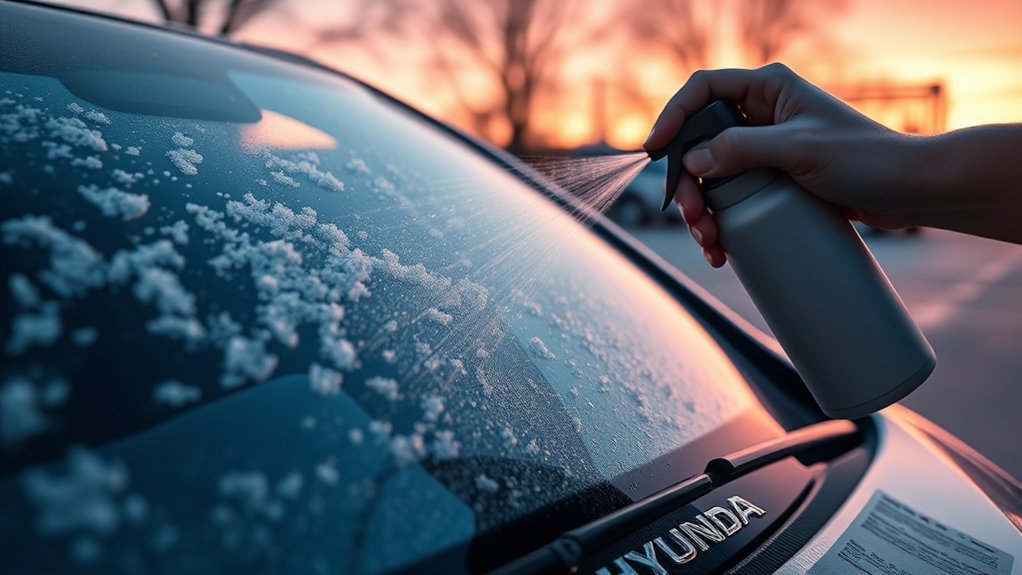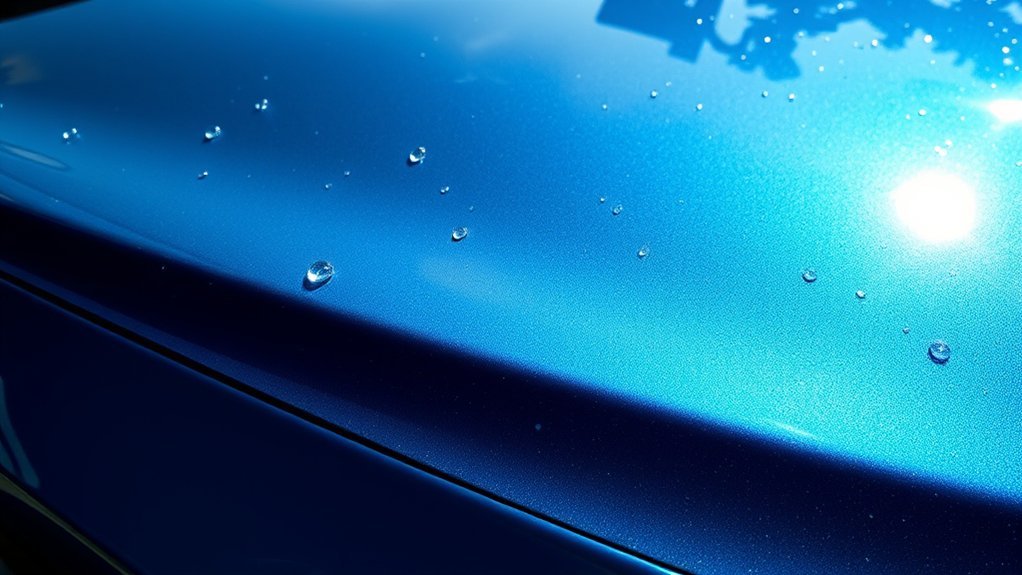
Tree sap, tar, iron fallout, and road film can make your Sonata’s paint feel rough and look dull even after a normal wash. If you leave them on the surface too long, they can stain, etch, or weaken the clear coat. To decontaminate your Sonata’s paint, wash the car first, use SONAX Iron & Fallout Remover for bonded iron particles, then use a safe tar or sap remover where needed. Finish with a clay bar and clay lubricant, then protect the paint with wax, sealant, or coating.
Quick Answer
Wash your Sonata first, then treat iron fallout with an iron remover, tar with a tar remover, and sap with a sap-safe cleaner. Rinse each chemical before it dries. After that, use a clay bar with plenty of lubricant to remove leftover bonded grime and restore a smooth finish.
Key Takeaways
- Wash the paint before you use chemicals or clay to avoid dragging loose dirt across the surface.
- Use iron remover for brake dust and fallout, not as a one-product fix for sap and tar.
- Keep all cleaners wet during dwell time and rinse them before they dry on the paint.
- Clay your Sonata only with proper lubricant and light pressure to reduce marring.
- Protect the clean paint with wax, sealant, or coating after decontamination.
Common Paint Contaminants: How They Damage Your Vehicle
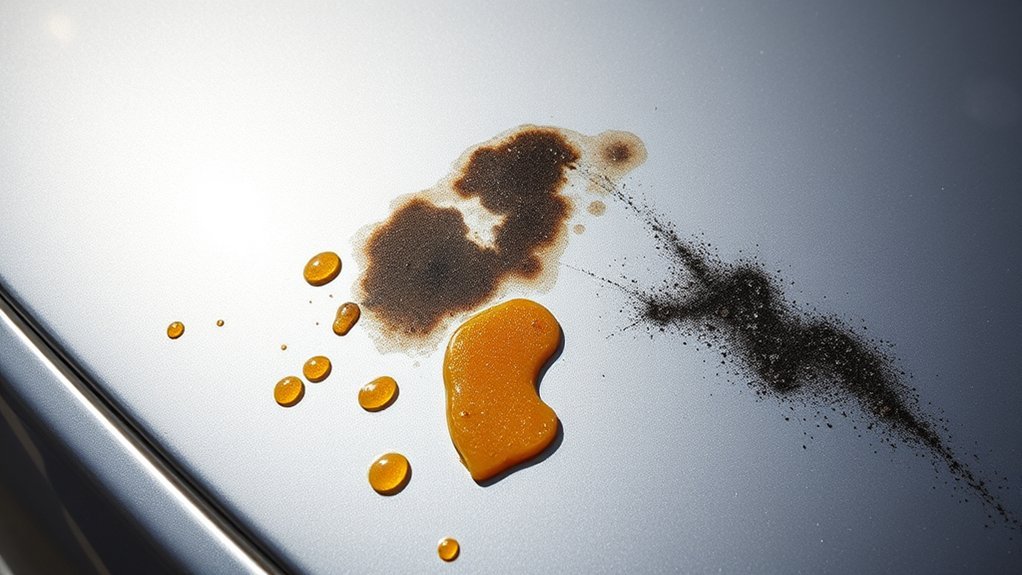
When you park your Sonata outside, the paint collects grime that a basic wash may not remove. Tree sap can harden on the surface and leave a sticky residue that traps dirt. If it sits too long, it can cause stains or paint etching.
Tar from road work can stick to lower doors, rocker panels, and bumpers. It can leave dark spots and make the clear coat feel rough. Iron fallout, often from brake dust and industrial pollution, can bond to the paint and create tiny rust-colored specks.
Bug remains can also damage the finish because they can dry hard and cling to the clear coat. Road grime leaves a greasy film that dulls your Sonata’s gloss. The sooner you remove these contaminants, the easier the paint will be to clean and protect.
Why Decontamination Matters for Your Sonata’s Paint
Decontamination matters because it removes bonded grime that regular washing can leave behind. Tree sap, tar, and iron fallout can stick to your paint and slowly dull the finish. A clean surface also helps waxes, sealants, and coatings bond better.
| Contaminants | Effects on Paint |
|---|---|
| Tree Sap | Leaves sticky residue, stains, and possible etching |
| Tar | Creates dark spots and a rough texture |
| Iron Fallout | Creates bonded specks and surface roughness |
Products like Good Stuff Iron Remover and SONAX Iron & Fallout Remover can help dissolve bonded iron particles. They do not replace tar removers, sap removers, or clay bars. Use each product for the contaminant it targets, and your Sonata’s paint will feel smoother after the process.
Before You Begin: Tools, Products, and Time Needed
Plan about 60 to 120 minutes for a full paint decontamination, depending on your Sonata’s condition. Work in shade on cool paint, and avoid windy areas where dust can blow onto the surface.
- Car shampoo, wash mitt, and clean microfiber towels
- SONAX Iron & Fallout Remover or another paint-safe iron remover
- Paint-safe tar remover and sap remover for targeted spots
- Clay bar or synthetic clay mitt
- Clay lubricant or a product approved for clay use
- Wax, sealant, or coating for final protection
- Nitrile gloves and eye protection
Warning: Test each chemical on a small hidden area first, and never let it dry on your Sonata’s paint.
[Products Worth Considering]

Rain-X Foaming Car Wash is a concentrated cleaner designed to lift dirt, grime, and road residue while helping reduce spots and streaks for a glossy finish. Its biodegradable formula is safe for waxed surfaces and delivers high-foaming cleaning action for an exceptional wash. Ideal for routine vehicle care, it helps leave your car looking clean and bright after every wash.

Meguiar's Gold Class Car Wash combines cleaning and conditioning in one easy step for a smooth, high-gloss finish. Its advanced, biodegradable formula creates rich suds that lift away dirt and road grime while helping preserve existing wax protection. Versatile for bucket washing or foam cannon use, it leaves paint looking radiant, renewed, and ready for a professional-level detail.

Leather Honey penetrates deeply to restore and protect leather, helping revive dry, old, or neglected items while keeping new leather soft and conditioned. Its non-sticky, odorless, water-repellant formula is safe for many leather goods, including furniture, car seats, shoes, belts, boots, purses, saddles, and tack. Made in the USA and trusted since 1968, it delivers long-lasting care with a non-toxic, pH-balanced formula.
Step-By-Step Decontamination With SONAX Iron & Fallout Remover
To keep your Sonata’s paint in good condition, use SONAX Iron & Fallout Remover after a normal wash. This product targets bonded iron particles, such as brake dust and rail dust. Follow the label directions first, because dwell time can vary by product and temperature.
- Wash the paint: Clean the car with shampoo and rinse away loose dirt before chemical treatment.
- Spray the remover: Apply the remover to affected paint, wheels, and lower panels if the label allows it.
- Let it dwell: Give the product a few minutes to react, but keep the surface wet.
- Agitate if needed: Use a soft microfiber towel or detailing brush only if the label supports agitation.
- Rinse thoroughly: Flush the surface with clean water until you remove all chemical residue.
- Repeat only when needed: Treat heavy fallout again if the paint still feels gritty after rinsing.
For best results, work in a shaded area and treat one section at a time. After you rinse the iron remover, inspect the paint again. If you still feel bonded grime, continue with tar, sap, or clay treatment.
[Products Worth Considering]

Chemical Guys Swift Wipe Waterless Car Wash Spray lets you clean, shine, and protect your vehicle without a hose or bucket. Its high-lubrication formula lifts dirt and grime while helping reduce scratches and swirl marks, leaving a glossy, streak-free finish on paint, glass, wheels, chrome, and plastic. Ideal for quick detailing anywhere, it adds a protective layer that helps repel dust and keep your vehicle looking freshly washed longer.

This car scratch remover kit helps erase light scratches, swirls, water spots, oxidation, and other paint blemishes to improve your vehicle’s appearance. The included buffer pad and specially formulated compound work to restore gloss and shine while being easy enough for most users to apply at home. It is designed for use on a wide range of automotive paint finishes and colors.

Iron Remover (SPI21516SW) - Powerful degrime and light debris formula targets and dissolves embedded iron deposits, brake dust, and road grime on wheels, brakes, calipers, tires, and exterior surfaces; a great addition to your auto detailing kit
Why Remove Traffic Film for Better Paint Protection?
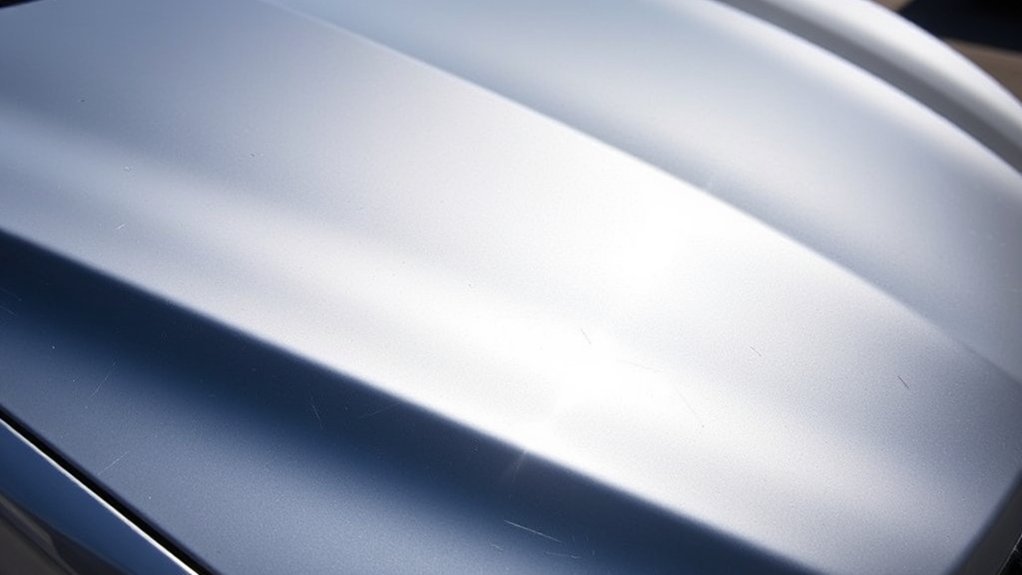
Removing traffic film helps your Sonata’s paint protection because it clears oily residue that traps dirt and moisture. If you leave that film on the surface, wax and sealant can struggle to bond. Your paint may also lose gloss faster.
A clean surface restores gloss and smoothness before you apply protection. This step also helps you avoid more polishing later because you remove grime before it hardens. Good paint maintenance starts with clean paint, not just shiny paint.
Focus on lower doors, rear bumper areas, rocker panels, and the area behind the wheels. These spots collect the most road grime. Clean them well before you move to clay or protection.
How to Remove Tree Sap and Tar Safely
Iron remover handles bonded metal particles, but it will not fully solve every sap or tar spot. Use a paint-safe tar remover for tar and a sap-safe cleaner for tree sap. Read the label and test the product before you treat a large area.
- Soften the spot: Place product on a microfiber towel and hold it over the sap or tar for a short dwell time.
- Wipe gently: Use light pressure and let the chemical do most of the work.
- Rinse the area: Remove leftover cleaner before it dries or spreads.
- Rewash the panel: Clean the treated area with car shampoo before moving to clay.
Note: Avoid blades, hard scrapers, and dry towels because they can scratch your Sonata’s clear coat.
[Products Worth Considering]

✅ EFFECTIVE TREE SAP REMOVER FOR CARS: Nanoskin Tree Sap Remover is a fast-acting tree sap remover for car paint designed to break down stubborn, aged sap that can affect the appearance of your vehicle. This car cleaner helps restore exterior surfaces and supports regular car care and detailing routines.

FAST ACTING TAR AND SAP REMOVAL: Breaks down tar, tree sap, and asphalt residue in 30 to 60 seconds; spray on, allow to penetrate, and wipe clean without aggressive scrubbing

Heavy-Duty Cleaning Power: Quickly softens and breaks down stubborn road tar, tree sap, bird droppings, adhesive residue, road grime, and other tough contaminants for easier removal
Using a Clay Bar for Mechanical Decontamination
A clay bar gives your Sonata a smoother finish after chemical cleaning. It removes embedded contaminants that still cling to the clear coat. Use it only after washing and chemical decontamination, so you do not grind loose dirt into the paint.
- Choose your lubricant: Use a proper clay lubricant, such as Good Stuff Clay Lube, or another clay-safe product.
- Prepare the surface: Wash and rinse the panel before you clay it.
- Test for roughness: Place a plastic bag over your hand and glide it across the paint.
- Work in sections: Move the clay with light pressure over one small area at a time.
- Fold the clay often: Expose a clean surface when the clay picks up dirt.
- Wipe and inspect: Dry the section with a clean microfiber towel and check for smoothness.
If the paint feels rough through the plastic bag, your Sonata needs more decontamination. If the paint feels smooth, you can move to wax, sealant, or coating. Regular clay use every 3 to 6 months can help maintain paint clarity when your car faces heavy outdoor exposure.
When Should You Decontaminate Your Paint?
Decontaminate your paint every 3 to 6 months if your Sonata sits outside, travels often, or faces heavy road grime. After winter or long trips, inspect your vehicle for embedded contaminants like road salt, tar, and fallout. Use the plastic bag test to check the surface before you decide.
Optimal Decontamination Schedule
Your ideal schedule depends on where and how you drive. Use these simple rules to choose the right timing:
- Check every 3 months: Inspect often if you park under trees or drive near construction.
- Clean after winter: Remove road salt and grime before they sit on the paint too long.
- Test the surface: Use the plastic bag method when the paint looks clean but feels rough.
- Decontaminate before protection: Clean bonded grime before you apply wax, sealant, or ceramic coating.
Post-Trip Inspection Importance
After a long road trip, your Sonata’s paint can hold bugs, tar, sap, and road film. A quick inspection helps you catch these contaminants before they harden. Look closely at the front bumper, mirrors, hood edge, rocker panels, and rear bumper.
Run your hand inside a plastic bag over a clean panel. If the surface feels gritty, bonded grime still sits on the paint. Treat the paint before you apply protective coatings so the protection can bond better and last longer.
Benefits of Regular Decontamination for Longevity and Shine
Regular decontamination helps your Sonata’s paint stay cleaner, smoother, and glossier. It also supports stronger paint protection because wax and sealant bond better to clean paint. You get the best result when you clean contaminants before they stain or harden.
- Pollutant removal: Removes sap, tar, road film, and fallout that normal washing can miss.
- Better gloss: Restores a cleaner surface that reflects light more evenly.
- Clear coat care: Reduces the chance of stains, roughness, and bonded specks.
- Better adhesion: Helps waxes, sealants, and coatings bond to the paint more evenly.
Finding the Right Products for Effective Paint Care
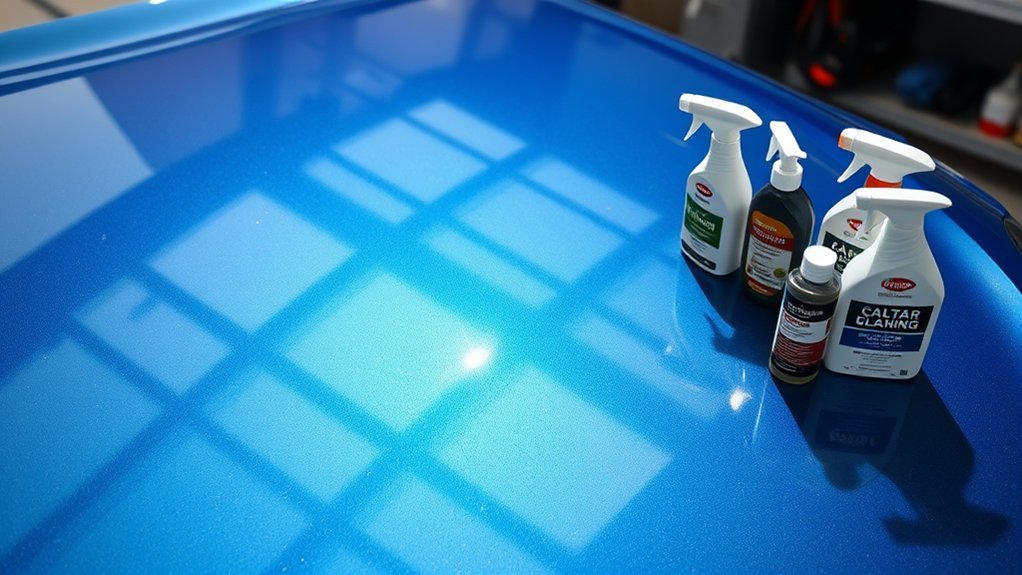
To maintain your Sonata’s finish, choose products that match the contaminant. Use Good Stuff Iron Remover or SONAX Iron & Fallout Remover for iron fallout. Use a dedicated tar remover for tar and a sap-safe cleaner for tree sap.
For full decontamination, use a clay bar with Good Stuff Clay Lube or another clay-safe lubricant. This step removes leftover bonded grime that washing and chemicals may miss. Apply these products in a shaded area so they have time to work.
After the paint feels smooth, apply wax, sealant, or coating. Protection helps slow future contamination and makes later washing easier. Your Sonata will look better, and your next cleaning session should take less work.
Common Mistakes That Can Damage Your Paint
Many paint problems come from rushing the job. Avoid claying dirty paint, using too little lubricant, or letting chemicals dry on the surface. These mistakes can cause streaks, stains, or fine scratches.
- Do not clay before washing the car well.
- Do not use household cleaners unless the product label says they are paint-safe.
- Do not scrub sap or tar with hard tools.
- Do not work in direct sun on hot panels.
- Do not skip protection after decontamination.
Pro tip: Use separate microfiber towels for chemical removal, clay wiping, and final protection to avoid cross-contamination.
Frequently Asked Questions
How to Remove Tar or Sap From Car Paint?
Use a paint-safe tar remover for tar and a sap-safe cleaner for tree sap. Let the cleaner soften the spot, then wipe gently with a microfiber towel. Rinse and rewash the area before you apply protection.
How to Properly Decontaminate Car Paint?
Wash the paint first, then use iron remover, tar remover, or sap remover where needed. After chemical cleaning, use a clay bar with proper lubricant. Finish with wax, sealant, or coating to protect the clean surface.
Can You Use Iron Remover on Every Wash?
You usually do not need iron remover at every wash. Use it when the paint feels rough, shows orange specks, or needs deeper cleaning before protection. Follow the product label and rinse it fully each time.
Should You Polish After Using a Clay Bar?
You may need polishing if clay leaves light marring or if the paint still looks dull. If the paint looks clear and glossy, you can skip polishing and apply protection. Always inspect the paint under good light before you decide.
Conclusion
Your Sonata’s paint will stay smoother and glossier when you remove bonded contaminants before they stain or harden. Start with a careful wash, treat each contaminant with the right cleaner, then clay the paint with plenty of lubricant. Once the surface feels smooth, seal it with wax, sealant, or coating. Keep this routine on a 3 to 6 month schedule, and your Sonata will be easier to clean and better protected.