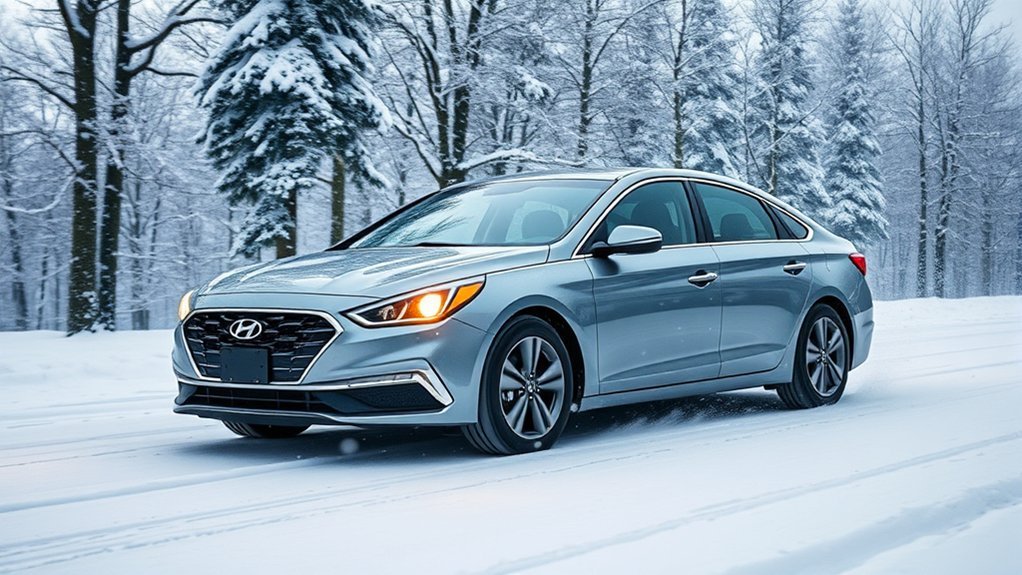
Driving a Hyundai Sonata in snow is mostly about traction, smooth inputs, and preparation. The Sonata can handle light to moderate winter driving when it has the right tires and the driver avoids sudden acceleration, hard braking, and sharp steering. The biggest upgrade is not a special trick or setting—it is a good set of winter tires, enough tread depth, and a calm driving style that gives the car time to grip.
Quick Answer
To drive a Hyundai Sonata safely in snow, use winter tires, accelerate gently, leave extra following distance, brake smoothly, and avoid sudden steering. Keep Electronic Stability Control on during normal driving, use low-speed control on hills, and carry a winter emergency kit in case you get stuck or stranded.
Key Takeaways
- Winter tires are the most important upgrade for Sonata snow driving because they improve grip in cold, snowy, and icy conditions.
- Smooth inputs matter: accelerate slowly, brake early, steer gently, and increase your following distance.
- Keep Electronic Stability Control on unless you are briefly trying to free the car from snow or mud.
- Check tire pressure, battery condition, antifreeze, wipers, and washer fluid before winter weather arrives.
- Pack a winter emergency kit with a blanket, flashlight, phone charger, water, snacks, jumper cables, and traction material.
At a Glance
| Time Required | 30–60 minutes for winter prep; ongoing attention while driving |
| Difficulty | Easy to moderate |
| Tools Needed | Tire pressure gauge, snow brush, ice scraper, winter washer fluid, emergency kit |
| Cost | Low for basic supplies; higher if buying winter tires |
Key Driving Techniques for Winter Safety
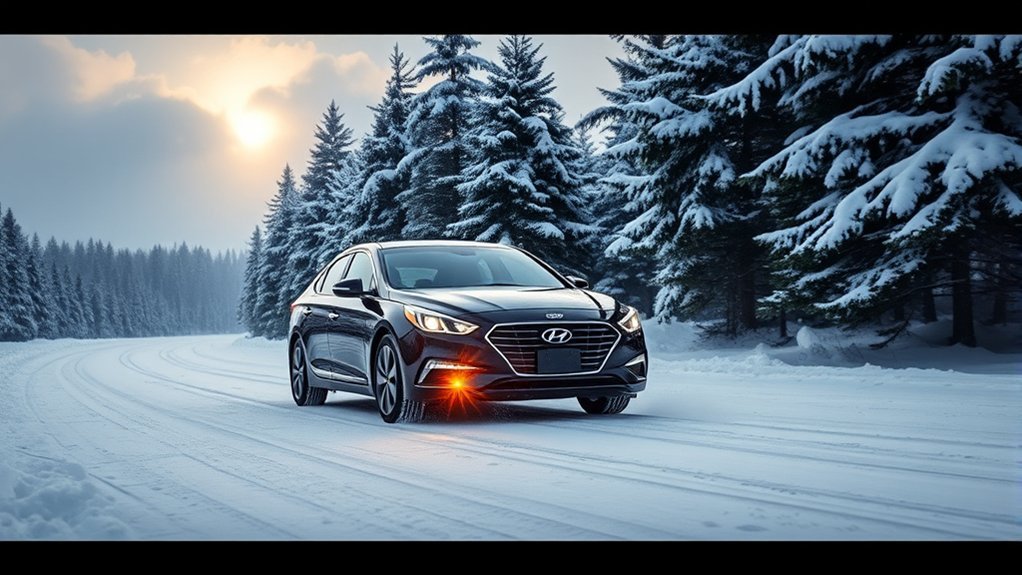
When driving your Sonata in snow and ice, the goal is simple: keep the tires from losing grip. That means every movement should be slower and smoother than it would be on dry pavement.
Start by accelerating gently. If your Sonata has a manual shift mode, paddle shifters, or a drive mode that helps reduce wheel spin, use it carefully and follow your owner’s manual. In some low-traction situations, starting in a higher gear can reduce torque at the wheels, but not every Sonata model allows the same gear behavior. If your model does not, the safer habit is to press the accelerator lightly and let the traction system work.
Brake earlier than usual and avoid stabbing the brake pedal. Modern Sonatas use anti-lock braking systems, so if you need to stop hard, press the brake firmly and steer where you want to go. For normal winter stops, however, begin braking early and smoothly to reduce the chance of a skid.
- Slow down before turns: Enter curves gently, then accelerate only after the car is pointed straight again.
- Leave more following distance: Snow and ice can dramatically increase stopping distance.
- Avoid sudden lane changes: Snow and slush between lanes can pull the vehicle off line.
- Do not use cruise control: In snow, ice, or slush, keep direct control of speed with your foot.
- Watch bridges and shaded areas: They often freeze before the rest of the road.
Warning: Electronic Stability Control and traction control can help correct wheel slip, but they cannot overcome excessive speed, bald tires, ice, or sudden steering. Drive as if traction is limited at all times.
The Importance of Winter Tire Choice
Choosing the right tires is the single biggest factor in how confidently your Sonata handles winter roads. Transport Canada recommends winter tires on all four wheels for cold, snowy, or icy conditions because they use softer rubber compounds and tread patterns designed for winter grip.
[Products Worth Considering]

The JACO ElitePro Digital Tire Pressure Gauge delivers shop-grade accuracy with a clear digital readout, making it easy to maintain proper tire pressure for safer driving and better performance. Built with rugged brass and steel components, a protective guard, and a flexible air hose, it is designed for reliable use across cars, trucks, motorcycles, bikes, RVs, and trailers. The lock-on display, built-in bleeder valve, and bright backlit screen add convenience in any lighting condition.
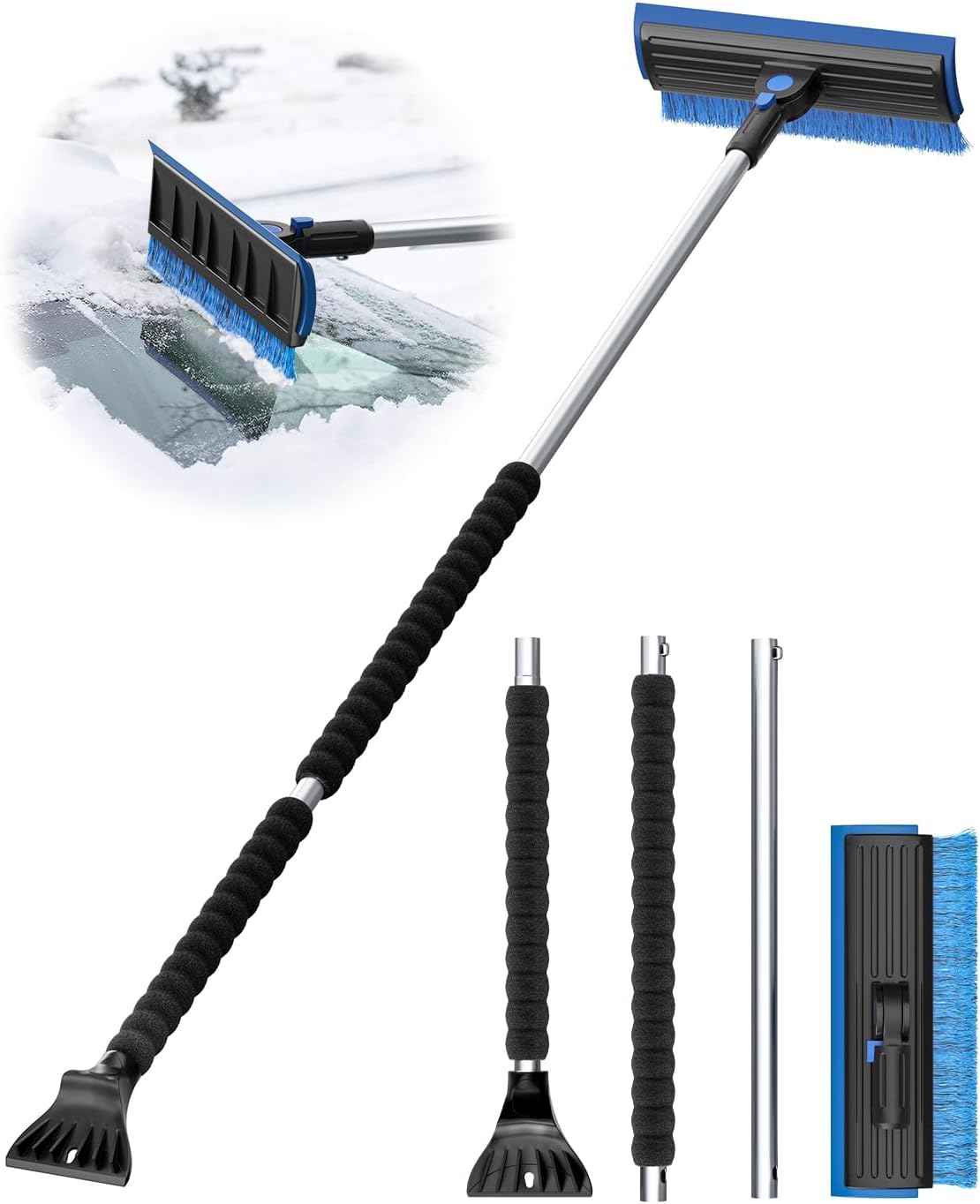
This three-in-one winter tool combines a snow brush, ice scraper, and snow shovel to help clear windshields, roofs, hoods, and hard-to-reach edges with less effort. Its 270-degree rotating head and adjustable telescoping length make it versatile for cars, SUVs, and home glass surfaces, while the soft PVC bristles and foam grip help protect paint and improve comfort in cold weather.

Teeran’s 2-in-1 wireless adapter turns compatible factory wired CarPlay or Android Auto systems into a cable-free experience for both iPhone and Android users. It offers fast setup, automatic reconnection, and full support for your vehicle’s original controls so navigation, music, calls, and voice assistants work seamlessly. Its compact flush-fit design helps reduce clutter, while built-in protection and broad compatibility make it a practical everyday upgrade.
Optimal Tire Performance
Quality winter tires help your Sonata accelerate, turn, and stop more predictably in cold weather. All-season tires may be acceptable for mild climates and occasional light snow, but they are not the same as true winter tires when temperatures drop and roads become icy.
For best results, install four matching winter tires of the correct size, load rating, and speed rating for your Sonata. Mixing tire types, sizes, or tread patterns can make the car less stable, especially during emergency maneuvers.
Seasonal Tire Regulations
Winter tire rules depend on where you drive. In Québec, for example, winter tires are mandatory from December 1 to March 15 inclusive for most registered road vehicles. Québec also requires approved winter tires to carry the mountain snowflake pictogram or be legally permitted studded tires.
| Tire Topic | Best Practice |
|---|---|
| Winter Tires | Use four matching winter tires in cold, snowy, or icy regions |
| All-Season Tires | Acceptable for mild conditions, but weaker in severe winter weather |
| Tread Depth | Inspect regularly; deeper tread improves snow and slush evacuation |
| Tire Pressure | Check often because pressure drops as temperature falls |
All-Weather vs. Winter Tires
All-weather tires are different from all-season tires. Some all-weather tires carry the three-peak mountain snowflake symbol and can be a reasonable year-round choice in areas with moderate winters. Dedicated winter tires are still the stronger option for frequent snow, packed ice, steep hills, or long winter commutes.
- Winter tires: Best for regular snow, ice, and freezing temperatures.
- All-weather tires: A compromise for drivers who want one tire set year-round in moderate climates.
- All-season tires: Better suited to mild weather and light winter exposure.
- Worn tires: Unsafe in snow, no matter what category they started in.
Pro Tip: Check tire pressure when the tires are cold. Use the recommended pressure on the Sonata’s driver-side door placard or owner’s manual, not the maximum pressure printed on the tire sidewall.
Prepare Your Sonata for Winter: Essential Maintenance Tips
Winter can be hard on your Sonata, especially the battery, tires, wipers, and fluids. A quick pre-winter inspection lowers the chance of a breakdown and gives you better control when roads turn slick.
Start with the tires. Check pressure, tread depth, sidewall condition, and age. Then inspect the battery because cold weather reduces battery performance and makes starting harder. Look for corrosion on the terminals, slow cranking, warning lights, or a battery that is near the end of its service life.
Next, check antifreeze, washer fluid, wiper blades, lights, brakes, and the defroster. NHTSA recommends preparing both yourself and your vehicle before winter driving, including checking tires, visibility equipment, and emergency supplies.
| Task | Frequency | Why It Matters |
|---|---|---|
| Check Tire Pressure | Monthly and before long trips | Cold air lowers pressure and reduces control |
| Inspect Tread Depth | Before winter and monthly | Worn tread reduces snow and slush grip |
| Test Battery | Before winter starts | Weak batteries often fail in cold weather |
| Inspect Antifreeze | Before winter starts | Protects the engine from freezing and overheating |
| Check Lights and Wipers | Monthly | Improves visibility in snow, sleet, and road spray |
Keep Your Vision Clear: Wiper and Fluid Tips
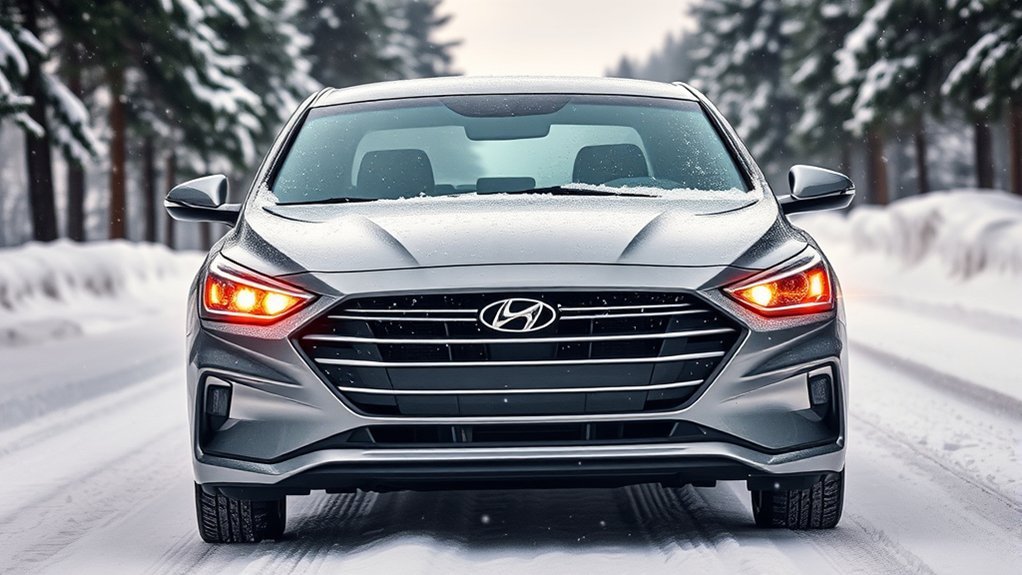
Clear visibility is essential in snow, sleet, freezing rain, and road spray. Worn wipers can smear slush across the windshield, and summer washer fluid can freeze when temperatures drop.
- Install winter-ready wiper blades: Replace blades that chatter, skip, streak, or leave uncleared areas.
- Use winter-grade washer fluid: Choose fluid rated for the lowest temperatures you expect to face.
- Clear ice before using wipers: Do not force frozen wipers across the windshield.
- Clean all glass: Clear the windshield, side windows, mirrors, rear glass, headlights, and taillights before driving.
- Use the defroster early: Give the car time to clear fog and frost before pulling away.
Note: Snow left on the roof can slide onto your windshield during braking or blow into traffic behind you. Brush off the entire vehicle, not just the glass.
Snow Emergency Kits: Essentials for Your Sonata
A winter emergency kit is not just for remote roads. Even city drivers can get stuck behind a crash, stalled in a parking lot, or delayed during a sudden storm. Keep the kit in the trunk or rear cargo area where it is easy to reach.
- Warm blanket, gloves, and hat: Helps you stay warm if you must wait for help.
- Flashlight and extra batteries: Makes nighttime breakdowns safer.
- Phone charger or power bank: Keeps your phone usable for emergency calls and navigation.
- Jumper cables or jump starter: Useful when cold weather drains a weak battery.
- Water and non-perishable snacks: Helpful during long delays.
- Small shovel and traction material: Sand, non-clumping cat litter, or traction boards can help if the tires spin.
- First-aid kit: Covers minor injuries until help arrives.
- Warning triangles or road flares: Helps other drivers see your stopped vehicle.
- Ice scraper and snow brush: Essential for clearing glass, lights, and mirrors.
Warning: If you are stranded and run the engine for heat, make sure the exhaust pipe is clear of snow. Run the engine only as needed and never ignore the risk of carbon monoxide buildup.
[Products Worth Considering]

This all-in-one roadside emergency kit is designed to help drivers handle common breakdowns, minor repairs, and first aid needs with confidence. It includes a portable air compressor with tire pressure measuring and memory settings, safe jumper cables, and a versatile 14-in-1 pliers tool set, all organized for easy trunk storage. With a wide range of emergency supplies packed into one compact case, it is a practical choice for new drivers, daily commuters, and anyone preparing for unexpected roadside situations.

This heavy-duty tire repair kit provides a convenient way to fix tubeless punctures on the road or in the garage. It includes durable T-handle tools, two plug sizes, and a compact storage bag for easy carrying and quick access. Designed for a wide range of vehicles, it helps make emergency tire repairs simpler and more reliable.

Premium Roadside Emergency Kit: This winter safety kit includes 86 essential items, featuring 12 ft 8 Gauge jumper cables, and a 73-item first aid kit, preparing you for any roadside crisis
Sonata Driver Insights: Tips for Navigating Snowy Conditions
The Sonata’s front-wheel-drive layout in many model years can be predictable in snow because the weight of the engine sits over the drive wheels. Some newer Sonata trims may also offer all-wheel drive, depending on model year and market. Either way, tires and driving technique matter more than drivetrain alone.
- Keep ESC on for normal driving: Hyundai explains that Electronic Stability Control helps keep the vehicle on the intended path, but it is not a substitute for safe driving.
- Use gentle throttle: Press the accelerator as if there is an egg under your foot.
- Build momentum carefully: On snowy hills, steady momentum is better than stopping and trying to restart halfway up.
- Do not overcorrect: If the car starts to slide, look where you want to go and steer smoothly in that direction.
- Practice safely: An empty, legal, snow-covered parking lot can help you feel how the car responds at low speed.
If the Sonata gets stuck, clear snow from around the tires and under the car, straighten the steering wheel, and use very light throttle. Rocking the vehicle may help, but avoid spinning the wheels aggressively because it can dig the tires deeper and overheat components.
Using Chains or Snow Socks on a Hyundai Sonata
In deep snow or mountain areas, local rules may require tire chains or approved traction devices. Always check your Sonata owner’s manual for your exact model year, wheel size, and trim before installing chains. Hyundai’s owner information warns that tire chains can affect handling and should be used carefully.
For applicable Hyundai models, Hyundai instructs drivers using tire chains to install them on the front wheels and drive under 20 mph or the chain maker’s lower limit. It also warns against sharp turns, locked-wheel braking, and using incorrect chain sizes.
- Use only chains or fabric traction devices approved for your tire size.
- Install them in pairs on the correct wheels according to the manual.
- Stop and retighten if you hear contact with the body or chassis.
- Remove chains as soon as you reach cleared roads.
- Check local laws before using studded tires.
[Products Worth Considering]

Requires low operating space around drive tires
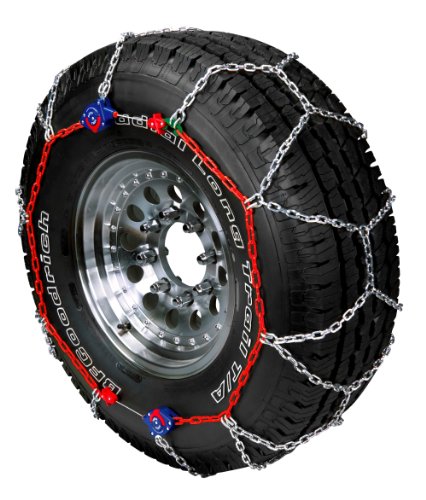
Worry-Free Self-Tightening Ratchets Provide Automatic Tightening And Centering

Worry-Free Self-Tightening Ratchets Provide Automatic Tightening And Centering
Regional Driving Strategies: Adapting to Winter Conditions
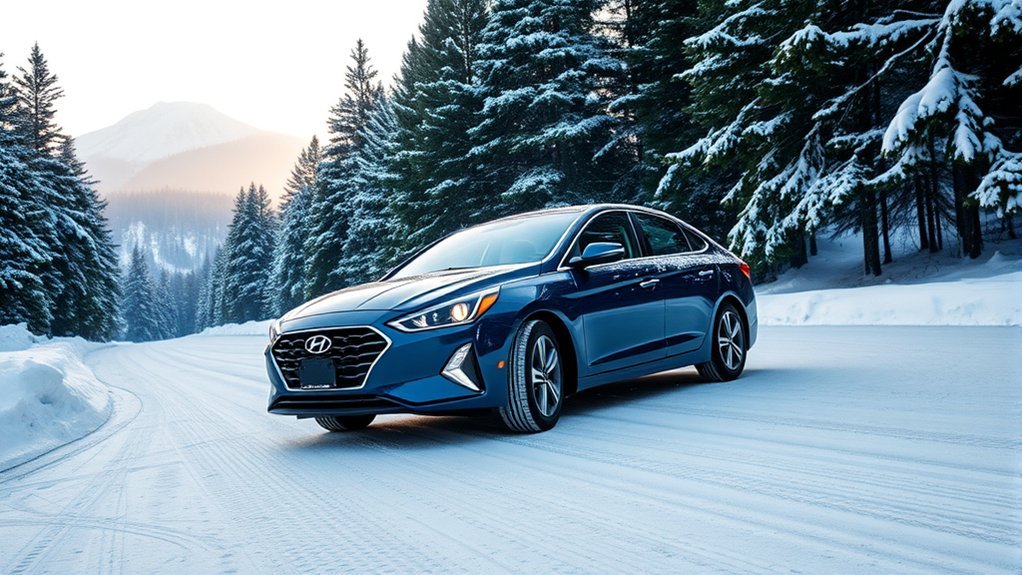
Winter driving strategies should match your region. A Sonata driver in Montréal, Minneapolis, or mountain areas needs more winter preparation than someone who sees one light snowfall a year. Road treatment, snow removal, hills, traffic density, and local tire laws all affect how you should prepare.
In heavy-snow regions, install winter tires before the first major storm, keep a full emergency kit, and learn local chain or studded-tire rules. In milder regions, do not assume light snow is harmless. Areas that rarely get snow may have less plowing equipment, fewer treated roads, and more drivers who are unfamiliar with slick-road behavior.
Before a winter trip, check weather alerts, road closures, and traffic conditions. If freezing rain, heavy snow, or whiteout conditions are expected, the safest choice is often to delay travel.
According to the Federal Highway Administration, weather-related crashes account for about 12% of U.S. motor vehicle crashes, based on five-year averages from 2019 to 2023.
What Are Key Driving Techniques for Safe Winter Travel?
The best winter driving techniques are simple, but they require patience. Slow down, look farther ahead, create space, and make every input gently.
- Reduce speed before trouble spots: Slow down before curves, intersections, bridges, and downhill sections.
- Increase following distance: Give yourself enough time to stop without panic braking.
- Brake smoothly: Apply pressure early and progressively. In an emergency with ABS, press firmly and keep steering.
- Accelerate gently: Too much throttle causes wheel spin and makes traction control intervene.
- Steer with small inputs: Jerky steering can start a slide.
- Plan lane changes early: Avoid cutting through heavy slush at speed.
- Stay behind snowplows at a safe distance: Plows may stop, turn, or spread material suddenly.
If conditions become too slick to maintain control, find a safe place to pull over. Turn on hazard lights only when stopped or when local rules allow their use in low-speed emergency conditions.
Frequently Asked Questions
How do you drive a Hyundai Sonata in snow?
Drive slowly, use gentle throttle, brake early, steer smoothly, and leave extra following distance. Use winter tires if you regularly drive in cold, snowy, or icy weather. Keep ESC on for normal driving and avoid cruise control on slippery roads.
Are Hyundai Sonatas good in snow?
A Hyundai Sonata can be good in light to moderate snow when it has proper winter tires and the driver uses smooth inputs. Tire quality, tread depth, and cautious driving matter more than the badge on the car.
Does a Sonata need winter tires?
If you drive in regular snow, ice, or temperatures near freezing, winter tires are strongly recommended. In some places, such as Québec, winter tires are legally required during specific dates for most vehicles.
Should I turn off traction control in snow?
Keep traction control and ESC on during normal snowy driving. You may briefly turn traction control off only if you are stuck and need limited wheel spin to free the car. Turn it back on once the vehicle is moving again.
Can I put chains on a Hyundai Sonata?
Possibly, but it depends on your Sonata’s model year, tire size, wheel type, and local laws. Check the owner’s manual first. If chains are allowed, use the correct size, install them on the specified wheels, drive slowly, and remove them on cleared roads.
Conclusion
Driving a Sonata in snow is safest when you combine preparation with patience. Use winter tires when conditions call for them, keep the vehicle maintained, clear your visibility, and carry an emergency kit. On the road, slow down, brake early, steer smoothly, and give other vehicles plenty of space. With the right setup and technique, your Sonata can feel much more stable and predictable in winter weather.
Sources
- National Highway Traffic Safety Administration: Winter Driving Tips — winter driving risks, tire checks, emergency guidance, and vehicle preparation.
- Transport Canada: Driving Safely in Winter — winter tire recommendations, braking guidance, skidding advice, and ESC guidance.
- Transport Canada: Using Winter Tires — tire pressure, tread depth, and installing four matching winter tires.
- SAAQ: Winter Preparation — Québec winter tire dates, fines, vehicle checks, and winter tire condition guidance.
- Hyundai Owner’s Manual: Electronic Stability Control — ESC operation, warnings, and when ESC OFF may be used briefly.
- Federal Highway Administration: How Weather Events Affect Roads — weather-related crash statistics and road safety context.