
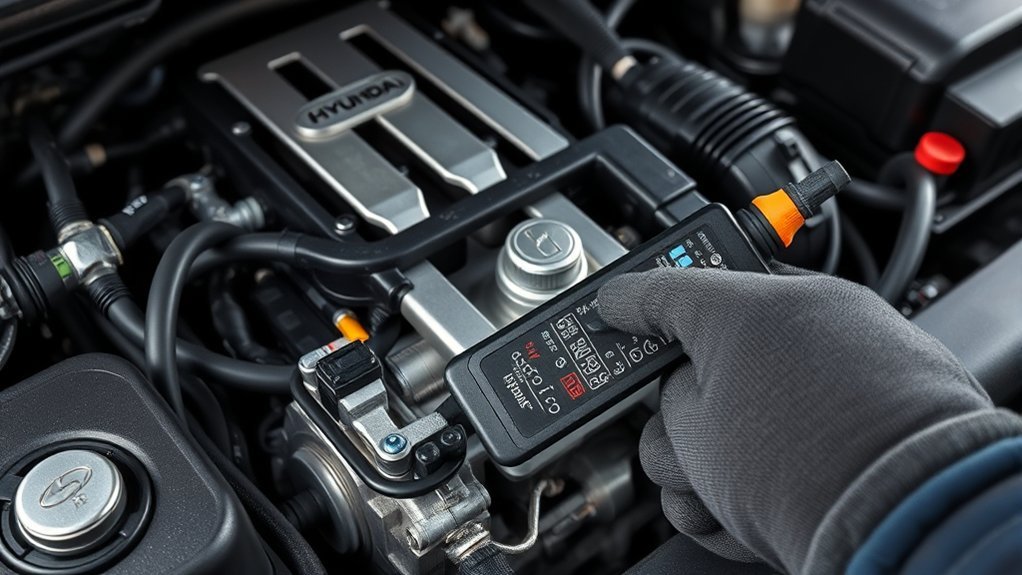
If your Hyundai Sonata has an EVAP fault, start with the simple checks before you replace parts. A loose, cracked, or poorly sealed gas cap can trigger EVAP-related codes, but it is not the only cause. Hoses, the purge valve, the vent valve, the charcoal canister, wiring, and even VIN-specific recall issues can also be involved.
Quick Answer
Yes, your Sonata’s gas cap can cause an EVAP leak if it is loose, cracked, missing, cross-threaded, or unable to seal against the filler neck. Tighten it until it clicks, inspect the seal, clear debris, then recheck the code. If the light returns, scan for EVAP codes and inspect the purge valve, vent valve, hoses, and canister.
Key Takeaways
- A loose or damaged gas cap is the easiest EVAP leak check, but it does not prove the cap is the only problem.
- Common EVAP-related codes include P0440, P0441, P0442, P0455, and P0456.
- Avoid topping off the tank after the pump clicks off because extra fuel can stress EVAP components.
- If you smell strong fuel odor, see wet fuel, or have recall concerns, stop DIY checks and use a qualified technician.
- Check your Sonata’s VIN with Hyundai’s recall lookup and the NHTSA recall tool before buying parts.
At a Glance
| Time Required | 5–10 minutes for a gas cap check; longer if you scan codes or inspect hoses. |
| Difficulty | Easy for cap, seal, and filler-neck checks; moderate to advanced for valve testing and smoke testing. |
| Tools Needed | Flashlight, clean rag, OBD-II scanner, and mechanic-grade smoke tester if the leak is not obvious. |
| Cost | Free to inspect; low cost for many replacement caps; professional diagnosis varies by shop and local labor rates. |
Warning: Stop DIY checks if you smell strong fuel, see wet fuel, hear a pop from the fuel tank area, notice rough running with fuel odor, or find an open recall. Fuel vapor is flammable, and a fuel-system fault should be handled away from sparks, cigarettes, hot exhaust, and open flames.
Is My Sonata’s Gas Cap Causing an EVAP Leak?
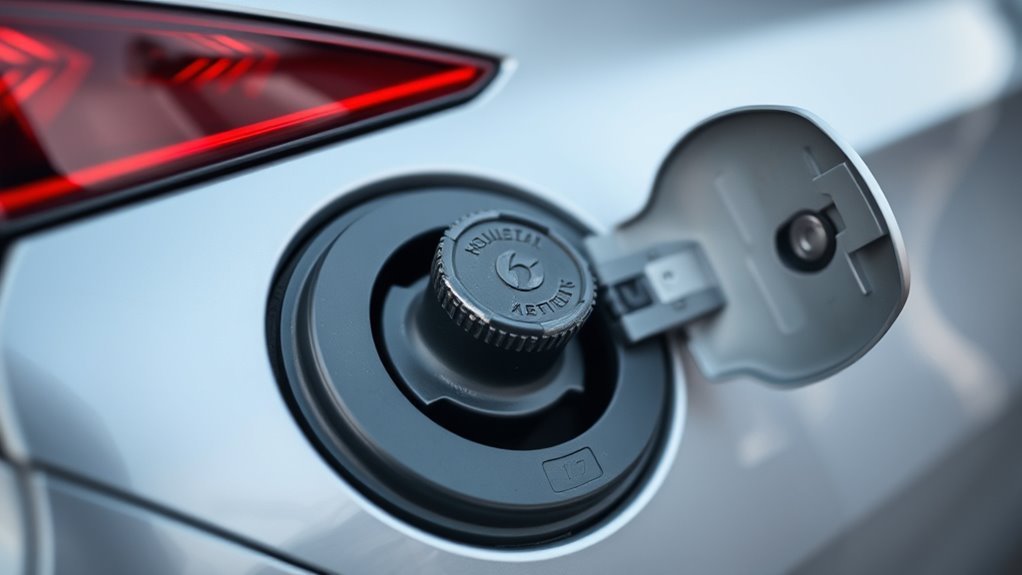
Your Sonata’s gas cap is the right first place to check because the cap helps seal the fuel system. If the cap is loose, cracked, missing, cross-threaded, or unable to seal against the filler neck, fuel vapors can escape and the onboard diagnostics system may set an EVAP code.
That said, the gas cap is only one part of the EVAP system. A code such as P0442 or P0456 may point to a small leak, while P0455 may point to a larger leak. Those codes can involve the cap, but they can also involve cracked hoses, a stuck purge valve, a faulty vent valve, a damaged canister, or a wiring problem.
Use the cap check as a fast first step, not as a final diagnosis. If the check-engine light returns after you tighten or replace the cap, scan the vehicle and follow the code path before buying more parts.
Pro Tip: If you recently refueled and the check-engine light appeared soon after, the cap is especially worth checking. Tighten it until it clicks, then drive normally for a few trips. Some EVAP monitors need more than one drive cycle before the light turns off.
[Products Worth Considering]

This replacement gas cap is designed for a wide range of Toyota and Lexus models, offering a direct-fit solution for restoring a proper seal at the fuel tank. It helps address check engine light issues related to the fuel cap while providing easy installation and dependable performance. Built from durable materials and rigorously tested before shipping, it is a practical replacement for worn or damaged fuel caps.

AutoLine Pro HyperSmoke is a professional automotive smoke tester designed to quickly find EVAP, vacuum, intake, boost, exhaust, and other leak sources with thick visible smoke. It features adjustable pressure, built-in air compressor motor, instant warmup, and OEM approved smoke fluid for safe, accurate diagnostics across a wide range of vehicles and systems. The kit includes essential accessories and is backed by a full coverage warranty for dependable shop or garage use.

This replacement gas cap is designed to restore a tight fuel-tank seal, helping reduce vapor leaks, prevent check engine light issues, and maintain proper fuel system performance. Built in OE-style form for a wide range of Toyota and Lexus vehicles, it offers a direct DIY fix with durable materials for reliable, long-lasting use.
Quick Checks You Can Do Now
Before you schedule a repair, do the checks below in a safe, well-ventilated area with the engine off. Do not work around fuel vapors while smoking or near a hot exhaust system.
1. Check the Gas Cap Fit
Remove the cap and reinstall it by hand. Turn it until it clicks or until you feel firm resistance. If it spins loosely, does not click, will not thread straight, or sits crooked, the cap may not be sealing.
| Check | What You Want to See | What to Do if It Fails |
|---|---|---|
| Cap tightens evenly | Straight fit with no cross-threading | Remove and reinstall; replace if threads are damaged. |
| Click or firm stop | Cap feels secure | Replace the cap if it never tightens properly. |
| Cap sits flush | No gap at the filler neck | Clean the seating surface and inspect for damage. |
2. Inspect the Cap Seal
Look at the rubber seal on the cap. It should be flexible, smooth, and able to spring back when pressed. Replace the cap if the seal is cracked, flattened, torn, hard, swollen, or missing.
Also wipe dirt from the cap and filler-neck seating surface with a clean rag. Even a small amount of grit can stop the seal from making full contact and can mimic a small EVAP leak.
3. Look for Fuel Vapor Smell
After the car has been parked, smell near the fuel door and rear quarter panel. A faint fuel smell right after refueling can happen, but a strong or repeated odor is not normal. Do not keep driving if you smell raw fuel or see wet fuel around the filler neck, tank area, or under the vehicle.
4. Avoid Topping Off the Tank
Stop filling when the pump clicks off the first time. Topping off can send liquid fuel where vapor is supposed to go. That can saturate the charcoal canister, trigger EVAP codes, and make diagnosis harder.
What Common EVAP Codes Mean on a Sonata
An OBD-II scanner helps you avoid guessing. The code does not name the bad part by itself, but it tells you which direction to inspect first.
| Code | Plain-English Meaning | Likely First Checks |
|---|---|---|
| P0440 | General EVAP system fault | Gas cap, hoses, canister, purge valve, vent valve |
| P0441 | Incorrect purge flow | Purge valve, purge hose, wiring, vacuum path |
| P0442 | Small EVAP leak | Gas cap seal, filler neck, small hose cracks |
| P0455 | Large EVAP leak | Loose/missing cap, disconnected hose, damaged canister |
| P0456 | Very small EVAP leak | Cap seal, filler-neck surface, tiny hose leak |
| P0446 | Vent control problem | Vent valve, wiring, blocked vent path, canister area |
Note: Clearing a code without fixing the leak can make the light disappear for a short time, but it will usually return after the EVAP monitor runs again. If you need an emissions test, make sure the readiness monitors complete after repair.
How the Sonata EVAP System Works
The EVAP system keeps gasoline vapors from venting directly into the air. The basic path is simple: vapors leave the fuel tank, travel through vapor lines, get stored in a charcoal canister, and later get pulled into the engine to burn under controlled conditions.
The EPA’s ORVR guidance explains that vehicle systems use an activated carbon canister to capture fuel vapors and later purge them into the engine. Your Sonata’s onboard diagnostics system watches this system for purge problems and vapor leaks.
Charcoal Canister Role
The charcoal canister stores fuel vapors instead of letting them escape. It is not a normal maintenance part you replace on a schedule, but it can fail if it is cracked, flooded with liquid fuel, clogged, or damaged by impact.
A canister problem can cause fuel smell, EVAP codes, difficult refueling, or repeat failures after the cap and hoses check out. If the canister is saturated from topping off the tank, replacing the gas cap alone will not solve the problem.
Purge Valve, Vent Valve, and Sensor Control
The purge valve controls when stored vapors are pulled into the engine. The vent valve helps seal or vent the system during testing and normal operation. Sensors and the engine computer monitor pressure or vacuum behavior to decide whether the system is sealed.
A purge valve stuck open can cause rough idle, hard starting after refueling, or incorrect purge-flow codes. A vent valve problem can prevent the system from sealing during self-tests and can trigger vent-control or leak codes.
Vapor Routing to the Intake
When conditions are right, the engine computer opens the purge path and routes fuel vapors from the charcoal canister into the intake. The vapors burn with the air-fuel mixture instead of escaping. If a hose is cracked, a valve sticks, or the system cannot hold pressure, the computer stores a diagnostic code.
Common EVAP Leak Causes on Sonatas
If your Sonata has an EVAP code, inspect the parts in order from easiest to most involved. This keeps you from replacing an expensive part when a simple cap or hose issue is the real cause.
- Gas cap: Check for looseness, damaged threads, weak clicking action, and a cracked or flattened seal.
- Filler neck: Clean the sealing surface and look for rust, dents, or debris where the cap sits.
- EVAP hoses: Look for cracked, disconnected, brittle, or oil-soaked hoses near the tank, canister, and engine bay.
- Purge valve: Suspect this if you have rough idle, hard starting after refueling, or purge-flow codes.
- Vent valve: Suspect this if the system cannot seal during testing or if vent-control codes appear.
- Charcoal canister: Inspect if there is fuel smell, refueling trouble, impact damage, or repeated leaks after simpler parts pass inspection.
- Wiring and connectors: Corrosion, loose plugs, or broken wires can make a good valve act like a bad one.
[Products Worth Considering]

This OEM replacement fuel tank gas cap is designed for a wide range of Toyota, Lexus, and Scion vehicles, helping restore a proper seal for reliable everyday driving. It helps reduce fuel vapor leakage, may prevent check engine light issues caused by a faulty cap, and offers durable construction for long-lasting performance. Installation is simple with a direct-fit design that twists into place quickly.

This replacement gas cap is designed to fit a wide range of Toyota and Lexus models, helping restore a secure seal for the fuel tank. It is built as a direct replacement for easy installation and reliable everyday use, with compatibility verified by part number to help ensure the right fit. Backed by warranty support and customer service, it is a practical solution for replacing a worn, cracked, or failing fuel cap.

This replacement gas cap is designed for a wide range of Toyota and Lexus vehicles, offering a direct-fit solution for worn, cracked, or failing fuel caps. Built from durable materials and tested for reliability, it helps restore a secure seal and supports dependable everyday driving. It is a practical replacement part for owners looking for an easy installation and broad vehicle compatibility.
What to Do After Tightening or Replacing the Gas Cap
After you tighten or replace the cap, do not assume the check-engine light will turn off instantly. The EVAP monitor usually needs the right fuel level, temperature, speed, and drive conditions before it retests the system.
- Drive normally for a few trips. If the cap was the problem, the light may turn off after the monitor passes.
- Use a scanner if needed. You can clear the code after the fix, but the monitor still needs to run again.
- Do not ignore a returning light. If the same EVAP code comes back, the leak is probably not just the cap.
- Check readiness before emissions testing. A cleared code can leave monitors “not ready” until enough driving conditions are met.
[Products Worth Considering]

This MotoRad fuel tank cap is designed as a direct replacement for a wide range of Toyota, Honda, Mazda, Subaru, Nissan, Chevy, and more applications. It helps restore a secure seal at the fuel neck, supporting proper fuel system performance and dependable everyday driving. Use fitment verification to confirm compatibility with your specific vehicle before purchase.

This replacement gas cap is designed to fit a wide range of Toyota and Lexus vehicles, offering a simple direct-fit solution for restoring proper fuel tank sealing. Built from durable materials and tested for reliable performance, it helps address issues caused by cracked or failing caps while making installation quick and easy. It is a practical replacement part for maintaining fuel system integrity and everyday driving confidence.

This genuine Toyota fuel tank cap assembly is designed for a direct fit and dependable replacement on compatible vehicles. As an OEM factory original part, it helps maintain proper fuel system sealing and supports reliable everyday driving. Built to Toyota quality standards, it offers trusted fitment and long-lasting performance.
Check Recalls Before You Buy Parts
Before you spend money on EVAP parts, check your VIN. Recall and service campaign coverage is vehicle-specific, and the official tools are the best way to know whether your Sonata has an open repair.
Use Hyundai’s Safety Recalls and Service Campaigns lookup and the NHTSA recall lookup. Have your 17-character VIN ready. You can usually find it at the lower driver-side windshield, driver-side door jamb, registration, insurance card, or title.
This step matters most if your Sonata has a fuel smell, fuel-tank-area popping sound, rough running, no-start issue, or a check-engine light that returns after basic EVAP checks.
How Mechanics Diagnose EVAP Leaks
EVAP leaks can be tiny, intermittent, and hard to see. A good technician will usually combine scan data, visual inspection, valve testing, and smoke testing instead of guessing.
- Scan the codes and freeze-frame data: This shows which EVAP monitor failed and when the code was stored.
- Inspect the cap and filler neck: The technician checks the simple seal points before deeper testing.
- Command the purge and vent valves: A scan tool can test whether valves respond and seal correctly.
- Inspect hoses and connectors: Brittle lines, loose plugs, and damaged wiring can all set EVAP codes.
- Run a smoke test: A smoke machine fills the EVAP system with low-pressure vapor so leaks can be seen at hoses, fittings, the cap, the canister, or the filler neck.
A smoke test is often the fastest way to find a small leak after the gas cap passes inspection. It is also safer than using compressed air or homemade methods that can damage EVAP parts.
Repair vs. Replace: When to Call a Mechanic in Destin, FL
You can handle the basic checks yourself: tighten the cap, inspect the seal, clean the filler neck, scan the code, and avoid topping off the tank. You should call a mechanic in Destin, FL, or your local area when the problem goes beyond those steps.
Call a qualified technician if:
- The check-engine light returns after a proper cap check or cap replacement.
- You smell strong fuel or see wet fuel.
- The car runs rough, stalls, or is hard to start after refueling.
- Your scanner shows purge-flow, vent-control, or repeated small/large leak codes.
- You need a smoke test or valve activation test.
- A Hyundai or NHTSA VIN lookup shows an open recall or service campaign.
For a simple cap issue, replacement may be enough. For purge valve, vent valve, canister, wiring, or tank-related concerns, diagnosis first is cheaper than guessing.
Frequently Asked Questions
Will a bad gas cap cause an EVAP leak?
Yes. A bad, loose, cracked, missing, or poorly sealed gas cap can let fuel vapors escape and trigger an EVAP code. It is the easiest part to check first, but it is not the only possible cause.
What are the symptoms of a bad EVAP system?
Common symptoms include a check-engine light, fuel smell, failed emissions readiness, rough idle, hard starting after refueling, poor refueling behavior, or EVAP codes such as P0440, P0441, P0442, P0455, and P0456.
What is the most common EVAP leak to check first?
Check the gas cap first because it is quick, safe, and inexpensive to inspect. Make sure it tightens correctly, clicks or stops firmly, sits flush, and has a flexible seal. If the code returns, move on to hoses, valves, the filler neck, and the canister.
How long does it take for the check-engine light to turn off after tightening the gas cap?
It may take several normal drive cycles because the EVAP monitor only runs under certain conditions. If the light stays on or the same code returns after you fix the cap, scan the vehicle again and continue diagnosis.
Can I drive with a Sonata EVAP code?
A small EVAP leak code often does not mean the car will stop immediately, but you should not ignore it. Stop driving and get help if there is strong fuel odor, visible fuel, rough running, a no-start condition, or an open recall related to the fuel system.
Should I replace the purge valve before the gas cap?
Not unless the code and testing point to purge flow. Check the cap, seal, filler neck, and hoses first. A purge valve should be tested before replacement because wiring, vacuum routing, or a vent-side problem can look similar.
Conclusion
If your Sonata shows an EVAP code, start with the gas cap. Tighten it, inspect the seal, clean the filler neck, and avoid topping off the tank. Then use an OBD-II scanner so you know whether you are dealing with a small leak, large leak, purge-flow issue, or vent-control problem.
If the light returns, do not keep replacing parts by guesswork. Check your VIN for recall or service campaign coverage, then have a qualified mechanic test the EVAP system with scan data, valve commands, hose inspection, and a smoke test. A gas cap is simple; a fuel vapor leak needs careful diagnosis.
Sources
- Hyundai Manuals & Warranties — official owner-manual reference source for model-specific fuel-cap and warning-light instructions.
- Hyundai Safety Recalls and Service Campaigns — official Hyundai VIN lookup for recalls and service campaigns.
- NHTSA Recall Lookup — official U.S. safety recall lookup and VIN guidance.
- EPA / Federal Register ORVR Rule — explains onboard refueling vapor recovery, activated carbon canisters, vapor purging, and OBD monitoring of evaporative leaks.



[…] the obvious cause only if it is safe. Examples include a loose fuel cap, low tire pressure, an open door, or a parking brake that is not fully […]