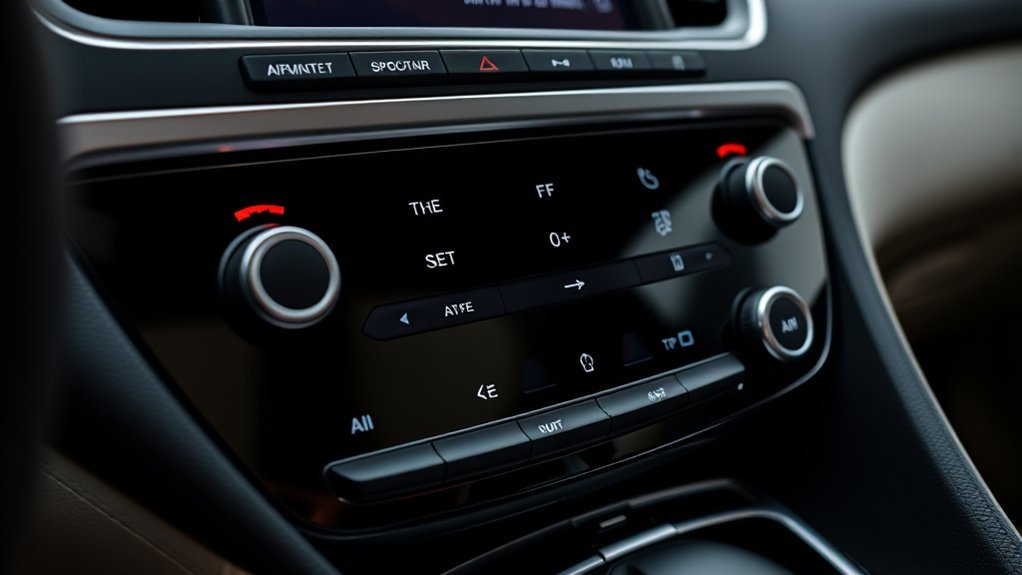
The Hyundai Sonata automatic climate control system, when equipped, uses your selected temperature as the target and automatically adjusts major HVAC functions to reach it. Press AUTO, choose a comfortable temperature, and let the system manage fan speed, airflow direction, air intake, and A/C as needed. Use SYNC when you want the passenger side to follow the driver setting, and use front defrost when windshield visibility matters. If your Sonata does not have an AUTO button, it has a manual climate-control setup rather than the automatic system described here.
Last updated: August 31, 2026 — checked against current Hyundai Sonata feature information, Hyundai climate-control guidance, cabin-filter guidance, and Bluelink information.
Quick Answer
For a Sonata with automatic climate control, press AUTO, set your preferred temperature, and use SYNC if both front occupants want the same setting. Hyundai’s Sonata guidance shows AUTO and SYNC as the core controls. A setting near 72°F (22°C) is a practical starting point on recent models, but comfort varies by person and conditions.
Key Takeaways
- AUTO mode is the simplest way to maintain a steady cabin temperature in a Sonata equipped with automatic climate control.
- SYNC links the front climate settings so the passenger side follows the driver setting; exact synced functions can vary by model year.
- Manual changes to fan speed, A/C, vent mode, or front defrost can take that function out of automatic control while other functions continue automatically.
- Automatic climate control is not standard on every Sonata trim or every model year. For example, Hyundai USA does not list dual automatic temperature control on the 2026 Sonata SE.
- Weak airflow, odors, or slow cooling often point to a dirty cabin air filter, blocked vents, incorrect settings, or an HVAC fault.
At a Glance
| Time Required | 1–3 minutes to set up basic climate comfort |
| Difficulty | Easy |
| Tools Needed | None for normal use; owner’s manual helpful for model-year-specific controls |
| Applies To | Hyundai Sonata models equipped with automatic climate control |
How Does the Hyundai Sonata’s Automatic Climate Control Work?
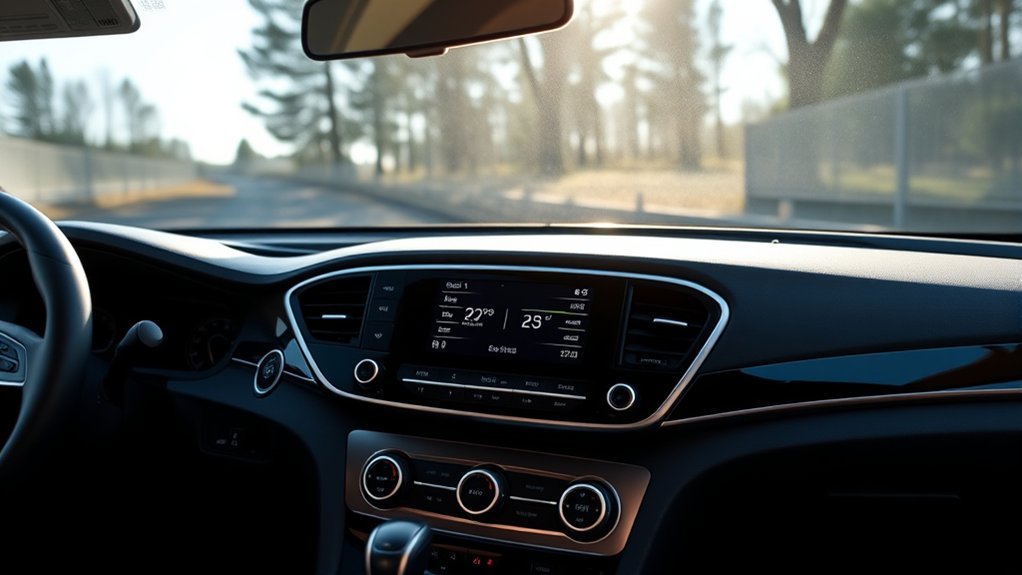
The Sonata’s automatic climate control works from a temperature set point. In AUTO mode, the system can manage airflow mode, blower speed, air intake, and air conditioning to move the cabin toward the selected temperature. The result is different from manual A/C: you choose the comfort target instead of constantly choosing the fan speed and vent position yourself.
Recent Sonata systems also use an ambient light or solar sensor as an input to climate control. Sunlight can heat one side of the cabin more than the outside-air temperature suggests, so the system uses sensor information to adjust output. Do not cover the sensor with papers, phone mounts, dashboard mats, or other objects.
The exact button layout varies by model year, trim, powertrain, and market. Common controls include driver temperature, passenger temperature, AUTO, SYNC, A/C, front defroster, rear defroster, air intake, mode selection, fan speed, and OFF. If there is no AUTO button on your climate panel, use the manual-climate instructions in your model-year owner’s manual instead.
Note: The best reference for your exact Sonata is the owner’s manual for its model year and trim. Features such as ventilated seats, heated steering wheel, Driver Only mode, automatic defogging, and remote climate control may be available only on certain configurations.
What Does AUTO Mode Do in a Hyundai Sonata?
AUTO mode reduces the number of climate adjustments you need to make while driving. Press AUTO, choose the temperature, and the system can raise or lower blower speed, change airflow direction, switch intake strategy, and operate the A/C as needed to move the cabin toward that target.
Recent Sonata owner guidance also supports multiple automatic blower-strength levels on equipped systems. A higher AUTO level allows stronger airflow when you want rapid heating or cooling; lower levels limit blower intensity for a quieter feel. The exact number of levels and how you select them can vary by model year.
Hyundai uses about 72°F (22°C) as a convenient starting point in recent automatic-climate guidance. Treat that number as a starting point, not a required setting. Sunlight, humidity, clothing, outside temperature, and passenger preference can all change what feels comfortable.
Pro Tip: If the cabin is extremely hot after parking in the sun, open the doors or windows briefly before turning on AUTO mode. Venting trapped hot air first gives the climate system less heat to remove.
How to Use Auto Climate Control in a Hyundai Sonata
These steps apply broadly to Sonatas equipped with automatic climate control. If your buttons or screen differ, follow your model-year owner’s manual.
- Start or ready the vehicle. The climate system performs best with the engine or hybrid system operating. Some models can run climate functions in an ON state, but extended use can discharge the 12-volt battery.
- Press AUTO. This activates automatic climate control.
- Set your desired temperature. Use the driver temperature control, and adjust the passenger side separately if your Sonata has dual-zone control.
- Use SYNC if desired. Press SYNC when you want the passenger climate setting to follow the driver setting.
- Adjust seat comfort separately. If equipped, use heated or ventilated seats for faster personal comfort.
- Use defrost when visibility matters. For fog, frost, or condensation on the windshield, choose the front defroster instead of relying only on AUTO mode.
If you manually select fan speed, A/C, mode, or front defrost during automatic operation, that selected function may switch to manual control while the remaining climate functions continue automatically. Press AUTO again when you want to return to full automatic operation.
Warning: Hyundai warns against sleeping in a vehicle with the air conditioning on and against prolonged climate operation in a confined space. Never use remote start or run the engine in an enclosed garage.
Key Features of the Sonata’s Climate Control
The features below are the controls most drivers use day to day. Availability varies by Sonata model year and trim.
Dual-Zone Temperature Control
Sonata models with dual automatic temperature control let the driver and front passenger choose different temperature settings. This is useful when one person prefers warmer air and the other prefers cooler air.
When SYNC is off, the two front zones can be adjusted separately. When SYNC is on, the passenger side follows the driver setting. On some Hyundai systems, SYNC may coordinate more than temperature, so use your model-year manual for the exact behavior.
AUTO Mode
AUTO mode is the main control for hands-off cabin temperature management. Instead of fixing one fan speed or vent position, it lets the system change those settings as cabin conditions change.
On recent Sonata systems, pressing AUTO during automatic operation may cycle automatic blower-strength levels such as higher, medium, or lower output. If your panel does not show those levels, your model may use a different control strategy.
SYNC Function
SYNC is useful when both front occupants want the same climate setting. Activate it to make the passenger side follow the driver setting; deactivate it when the passenger wants independent control.
This is especially useful after a passenger has changed their temperature. Instead of adjusting both sides separately later, press SYNC to bring the front zones back together.
Defroster and Defogging Controls
The front windshield defroster is a visibility control, not just a comfort control. Use it when fog, frost, or condensation blocks your view. On many Sonata systems, selecting defrost also brings in outside air and may operate the A/C to remove moisture.
Some Sonatas also have an automatic defogging function that is separate from normal AUTO climate operation. If your main problem is recurring windshield fog, see the Hyundai Sonata auto-defogging and defroster guide for the dedicated controls and troubleshooting steps.
Air Intake Control
The air intake control switches between outside fresh air and recirculated cabin air. Recirculation can help the cabin cool faster in very hot weather because the system re-cools air that is already inside the car. Fresh air is usually the better choice for defogging and for reducing stale cabin air.
For everyday driving, let AUTO manage intake when possible. If windows start fogging, select front defrost and outside air rather than leaving the system in recirculation.
Customizing Your Climate Settings for Optimal Comfort
Think of the temperature number as a cabin target, not a command for fan speed. Setting the temperature to LO keeps the A/C demanding maximum cooling on recent systems, but it does not make an already maxed-out A/C system physically remove heat faster. Once the cabin is comfortable, raise the set point so AUTO can stabilize the temperature and reduce blower intensity.
Recommended Everyday Settings
- Normal driving: Press AUTO and start near 72°F (22°C), then adjust for comfort.
- Hot cabin: Vent trapped heat briefly, press AUTO, keep A/C available, and use recirculation for faster initial cooling if needed.
- Cold morning: Use AUTO with a warmer temperature, then add heated seats or steering wheel heat if equipped.
- Foggy windows: Use front defrost and outside air; the system may also turn on A/C to remove moisture.
- Different passenger preference: Turn SYNC off and set the two front zones separately.
What to Avoid
Avoid blocking dashboard vents or the climate-control solar sensor with phone mounts, papers, clothing, dashboard covers, or accessories. Blocking airflow or sensor input can make an otherwise working system feel inconsistent.
Also avoid leaving recirculation on for long periods when the cabin is humid or carrying several passengers. Moisture can build up faster and make the windows more likely to fog.
A clean cabin air filter helps your Sonata’s HVAC system move air efficiently and keeps pollen, dirt, dust, and debris from circulating through the cabin.
Controlling Seat and Steering Wheel Temperatures
Climate control changes cabin air, while seat and steering-wheel comfort features affect your body more directly. If your Sonata has them, they can make you comfortable before the entire cabin reaches the selected temperature.
- Heated seats: Warm occupants quickly in cold weather without requiring an excessively high cabin setting.
- Ventilated seats: Move air through the seat surface to reduce heat buildup in hot weather.
- Heated steering wheel: Warms your hands on cold starts while the cabin heater catches up.
These features are trim-dependent. Check your vehicle’s equipment list or owner’s manual instead of assuming that a button or app feature shown on another Sonata is available on yours.
[Products Worth Considering]

This KAX HEPA cabin air filter is designed to help keep your vehicle interior air cleaner by capturing fine particles and reducing airborne contaminants. Its multi-layer structure with activated carbon supports strong filtration performance while helping improve HVAC airflow for more efficient heating and cooling. Built for a wide range of Toyota, Lexus, Subaru, and Mazda models, it offers a practical replacement option for maintaining fresher cabin air.

This CF10285 cabin air filter is designed to help keep your vehicle's interior air cleaner by capturing dust, pollen, soot, and road grime. It is compatible with a wide range of Toyota, Lexus, Jaguar, Land Rover, Subaru, Scion, and Pontiac models, making it a versatile replacement choice. The activated carbon design and easy glove-box installation make it a practical upgrade for fresher driving comfort.

ECOGARD XC10621C is a premium cabin air filter designed to help keep your vehicle’s interior air cleaner by trapping dust, pollen, pet dander, and other airborne debris. Its activated carbon layer also helps reduce common odors from traffic and outside air while supporting steady HVAC airflow for reliable climate system performance. It is engineered for a wide range of Toyota, Lexus, and Subaru applications.
What Do the Main Sonata Climate-Control Buttons Do?
Depending on model year and trim, climate settings may use physical buttons, touch-sensitive controls, an infotainment display, or a combination. The table below explains the common controls without assuming every Sonata has the same panel.
| Control | What It Does | When to Use It |
|---|---|---|
| AUTO | Lets the system manage major climate functions automatically. | Best for everyday driving. |
| SYNC | Makes the passenger climate setting follow the driver setting. | Use when both front occupants want the same setting. |
| A/C | Allows air conditioning for cooling and dehumidifying. | Use for cooling and moisture removal. |
| Front Defrost | Prioritizes airflow to the windshield and may change intake/A/C operation. | Use for fog, frost, condensation, or poor visibility. |
| Air Intake | Switches between fresh and recirculated air. | Use fresh air for defogging; recirculation for faster initial cooling. |
| Fan Speed | Changes blower strength manually. | Use when you want more or less airflow than AUTO provides. |
Using Remote Climate Control If Equipped
Bluelink-equipped Sonatas may support remote start with climate control through the MyHyundai app or other supported connected-service interfaces. Hyundai describes the feature as a way to heat or cool the cabin before you reach the vehicle, with seat heating or cooling available on supported vehicles.
Availability and exact controls depend on model year, equipment, region, account status, and connected-service support. Hyundai USA lists Bluelink+ as standard across the 2026 Sonata lineup, but that does not mean every older Sonata or every market has the same remote-climate functions.
Note: Remote climate control is a convenience feature. Never use remote start in an enclosed garage or any area without proper ventilation.
Addressing Common Climate Control Issues
If the Sonata’s climate control does not feel right, first separate an airflow problem from a cooling problem. Weak airflow points toward vents, the cabin filter, or the blower side of the system; strong airflow that stays warm points more toward A/C operation, refrigerant charge, sensors, or other HVAC faults.
[Products Worth Considering]

This cabin air filter combines odor control and HEPA-level filtration to help keep your vehicle’s interior air fresher and cleaner. Its activated charcoal and baking soda work to neutralize odors without added scent, while multi-layer filtration captures dust, pollen, and other airborne contaminants. Designed for dependable airflow and easy installation, it’s a practical upgrade for compatible Toyota, Lexus, Subaru, and other select vehicles.

This cabin air filter replacement is designed to help keep your vehicle’s interior air fresher and cleaner by capturing dust, odors, and fine particles with a multi-layer filtration structure. The activated carbon layer helps reduce unwanted smells, while the extended service life makes it a practical maintenance part for many compatible Toyota, Lexus, Subaru, Scion, and Jaguar models.

【Fitment for Hyundai Models】fit for Elantra 2021-2025 2026, Ioniq 5 2022-2025 2026, Ioniq 5 N 2025-2026, Ioniq 9 2026, Santa Fe 2021-2026, Santa Cruz 2022-2026, Sonata 2020-2026, Tucson 2022-2026, Ioniq 6 2023-2025, Elantra N 2022-2026, Kona 2024-2026, Kona Electric 2024-2026
The Cabin Does Not Cool Fast Enough
- Confirm A/C is available or on.
- Use AUTO or select a higher fan speed.
- Vent trapped hot air briefly, then close the windows and sunroof.
- Use recirculation for faster initial cooling.
- Check whether the cabin air filter is dirty or overdue under your model-year maintenance schedule.
Airflow Feels Weak
- Check that vents are open and not blocked.
- Increase fan speed manually to test airflow.
- Inspect the cabin air filter if airflow suddenly decreases.
- Have the blower or HVAC doors inspected if airflow remains weak after basic checks.
Windows Keep Fogging
- Use the front defroster.
- Choose outside fresh air instead of recirculation.
- Allow A/C to operate so the system can remove moisture.
- Remove wet floor mats, umbrellas, or other damp items from the cabin.
The System Blows Warm Air When A/C Is On
If airflow is strong but the air stays warm, the vehicle may have a refrigerant-charge problem, compressor or control fault, sensor issue, or another HVAC problem. Do not add refrigerant by guesswork: both undercharging and overcharging can reduce performance. Refrigerant service should be handled with the correct equipment by a qualified technician.
Enhancing Air Quality With Cabin Filtration
The Sonata’s cabin air filter helps keep pollen, dirt, dust, and debris from circulating through the climate-control system. Hyundai’s general U.S. owner guidance recommends replacement at least once a year or every 12,000 miles, whichever comes first, with more frequent replacement in dusty conditions. Your Sonata’s model-year maintenance schedule may specify a different interval, so follow the vehicle-specific schedule when it differs.
A clogged cabin filter can reduce ventilation and contribute to musty odors. If the fan sounds normal but airflow from the vents drops, the filter is one of the first simple items to inspect.
[Products Worth Considering]
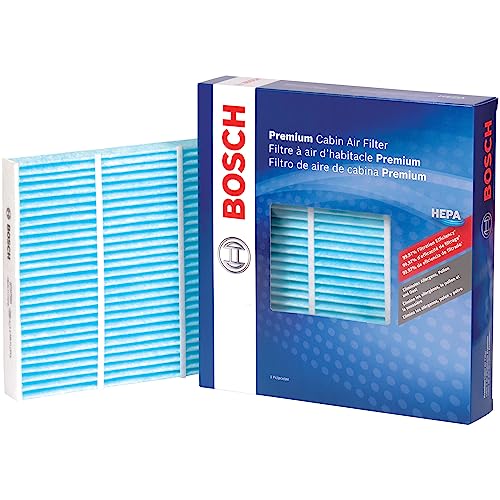
Bosch HEPA Premium Cabin Air Filters are designed and tested to meet High Efficiency Particulate Air (HEPA) standards based on ISO 29463-3:2011 and provide filtration efficiency of 99.97% at 0.3 microns

Enhanced Air Quality: Soda woven combined with activated carbon effectively captures contaminants that cause odors and ensures that the air inside the vehicle is fresh and clean. The activated carbon layer provides slight sound absorption, reducing noise levels for a quieter cabin environment. It can also reduce the likelihood of window fogging and improve visibility.

Enhanced Air Quality: Soda woven combined with activated carbon effectively captures contaminants that cause odors and ensures that the air inside the vehicle is fresh and clean. The activated carbon layer provides slight sound absorption, reducing noise levels for a quieter cabin environment. It can also reduce the likelihood of window fogging and improve visibility.
When to Replace the Cabin Air Filter
- Follow the maintenance schedule for your exact Sonata model year.
- Use Hyundai’s general once-a-year or 12,000-mile guidance as a conservative check point when no vehicle-specific interval is available.
- Inspect it more often if you drive on dusty roads or in heavily polluted areas.
- Replace it sooner if airflow decreases, the cabin smells musty, or the filter is visibly dirty or damp.
Tips for Using Climate Control Throughout the Seasons
Summer Driving
Vent a sun-heated cabin briefly, then close the windows, press AUTO, and let A/C cool the cabin. Recirculation can speed initial cooling because the system is re-cooling interior air instead of constantly bringing in hotter outside air.
Winter Driving
Use AUTO with a warmer temperature and add heated seats or steering-wheel heat if equipped. For frost or fog, prioritize front defrost and outside air. Leaving recirculation on in cold, humid conditions can make interior fogging worse.
Rainy or Humid Weather
Keep A/C available even when you want warm air because air conditioning can remove moisture from the cabin air. If visibility starts to drop, select front defrost rather than trying to clear the glass with heat alone.
Spring Allergy Season
Keep the cabin filter on its maintenance schedule, close the windows during heavy pollen, and inspect the filter sooner if you drive in dusty or high-pollen areas. A cabin filter can reduce particles entering through the HVAC system, but it does not make the cabin air particle-free.
Does Every Hyundai Sonata Have Automatic Climate Control?
No. Automatic climate control depends on model year, trim, market, and equipment. Hyundai USA’s current 2026 Sonata specifications list dual automatic temperature control on most trims but not on the 2026 Sonata SE. Older Sonata generations also used different combinations of manual and automatic climate systems.
The fastest way to identify your system is to look for an AUTO button and separate temperature controls. If there is no AUTO button, do not follow instructions that assume the system will automatically manage fan speed and vent mode. Use the manual-climate section of your owner’s manual instead.
Frequently Asked Questions
What is the difference between normal A/C and automatic climate control?
Manual A/C makes you choose settings such as fan speed and vent direction yourself. Automatic climate control lets you choose a target temperature, then the system changes major climate functions automatically to maintain comfort.
Should I leave AUTO mode on all the time?
For most everyday driving, AUTO is the easiest setting because it can manage fan speed, airflow, intake, and A/C as conditions change. Override it when you need a specific function such as maximum defrost or a particular fan speed.
What does SYNC do in a Hyundai Sonata?
SYNC makes the passenger climate setting follow the driver setting. On some Hyundai systems, it may coordinate more than temperature, so check your model-year owner’s manual for the exact behavior.
Does every Hyundai Sonata have automatic climate control?
No. Equipment varies by year and trim. Hyundai USA does not list dual automatic temperature control on the 2026 Sonata SE, while it is listed on the other current 2026 Sonata trims. Look for an AUTO button to confirm that your car has automatic climate control.
Why does the fan speed change by itself in AUTO mode?
That is normal automatic operation. The system can raise blower speed when the cabin needs faster heating or cooling, then reduce it as the cabin approaches the selected temperature. Recent Sonata systems may also provide selectable automatic blower-strength levels.
Why does my Sonata’s A/C feel weak?
Start by separating weak airflow from weak cooling. Low airflow can come from blocked vents, a dirty cabin filter, blower trouble, or HVAC-door problems. Strong airflow that stays warm can point to A/C settings, refrigerant charge, compressor control, sensors, or another HVAC fault.
How often should I replace the cabin air filter?
Follow the maintenance schedule for your exact Sonata. Hyundai’s general U.S. owner guidance recommends at least once a year or every 12,000 miles, whichever comes first, with earlier replacement in dusty conditions.
Conclusion
The Hyundai Sonata’s automatic climate control is easiest to use when you treat the temperature as a target and let AUTO handle the routine adjustments. Start near 72°F (22°C), use SYNC when the front occupants want the same setting, and switch to front defrost when visibility is the priority. If airflow drops, check vents and the cabin filter first; if airflow is strong but the air stays warm, move on to professional A/C diagnosis. For broader refrigerant-system troubleshooting, see the Hyundai Sonata A/C system guide.
Sources
- Hyundai How-To: Automatic Climate Control for Sonata — Sonata-specific AUTO and SYNC guidance for 2024+ Sonata models.
- Hyundai USA: 2026 Sonata Features & Specs — current trim-level availability of dual automatic temperature control and Bluelink+.
- Hyundai USA: 2026 Sonata SE — confirms dual automatic temperature control is not listed for the SE trim.
- MyHyundai: Cabin Air Filter — filter purpose and general once-a-year or 12,000-mile replacement guidance.
- MyHyundai: Bluelink Highlights — remote start with climate control and remote cabin-comfort features when supported.
- 2025 Hyundai Sonata Owner’s Manual — detailed Sonata automatic-climate operation, automatic blower levels, manual overrides, sensor guidance, and defrost behavior.