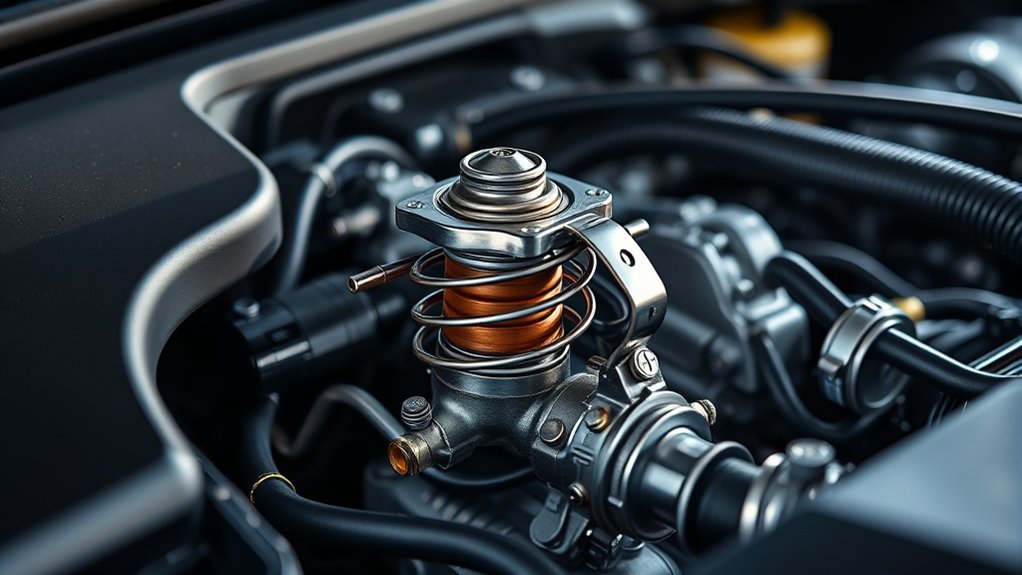
The thermostat in your Hyundai Sonata is a small valve with a big job: it helps the engine warm up quickly, then controls coolant flow so heat can move to the radiator. When it sticks open, sticks closed, leaks, or is installed incorrectly, you may notice slow warm-up, weak cabin heat, temperature swings, coolant loss, or overheating. Because Sonata engine layouts vary by model year and engine, always confirm the exact thermostat location and procedure for your vehicle before starting a repair.
Quick Answer
A Hyundai Sonata thermostat regulates engine temperature by staying mostly closed during cold starts and opening as coolant warms. Replace it only after confirming symptoms such as overheating, slow warm-up, weak heater output, coolant leaks at the housing, or scan-tool evidence that points to thermostat operation.
Key Takeaways
- A stuck-closed thermostat can cause rapid overheating, while a stuck-open thermostat can cause slow warm-up and weak cabin heat.
- Do not open the coolant cap, radiator cap, drain plug, or thermostat housing while the engine is hot.
- Thermostat location and access vary by Hyundai Sonata year and engine, so verify the correct service information first.
- Coolant loss, fan failure, a bad temperature sensor, a radiator issue, or a water pump problem can mimic thermostat failure.
Understanding the Role of the Thermostat in Your Hyundai Sonata
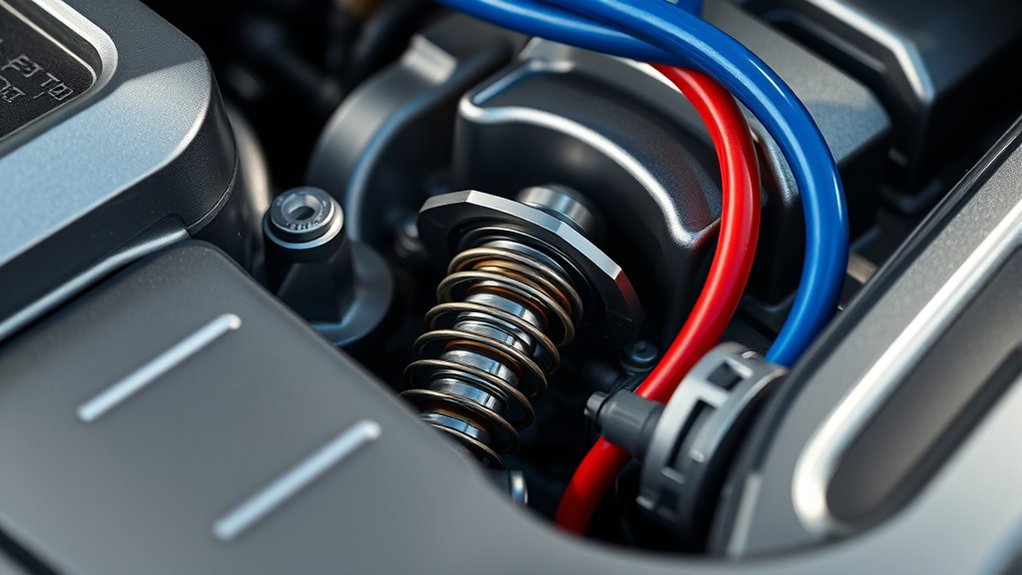
The thermostat is a temperature-operated valve in the cooling system. During a cold start, it limits coolant flow to the radiator so the engine can reach operating temperature faster. As coolant temperature rises, the thermostat opens and allows more coolant to move toward the radiator, where heat can be released before the coolant returns to the engine. Colorado State University’s engineering material describes this same warm-up pattern: a thermostatically controlled valve recycles coolant through the engine during warm-up and opens flow to the radiator as the engine heats up.
In your Sonata, this process helps the engine run more consistently, supports better heater performance, and reduces the risk of overheating. It does not work alone, though. The radiator, cooling fans, hoses, coolant cap, water pump, coolant temperature sensor, and correct coolant level all affect engine temperature.
Note: The thermostat is commonly found in a thermostat housing or water outlet where a radiator hose meets the engine, but the exact location varies by Sonata model year and engine. Use the Hyundai Owner’s Manual portal or Hyundai service information to confirm the correct procedure for your vehicle.
How to Tell If Your Thermostat Needs Replacing
You can often spot a possible Hyundai Sonata thermostat problem by watching the temperature gauge, heater output, coolant level, and leaks. The key word is “possible.” Several cooling-system faults can look like a bad thermostat, so confirm the cause before replacing parts.
| Symptom | Possible Thermostat Issue | What to Check Next |
|---|---|---|
| Engine runs hot or overheats quickly | Thermostat may be stuck closed | Coolant level, leaks, fan operation, radiator flow, water pump, warning lights |
| Engine takes too long to warm up | Thermostat may be stuck open | Coolant temperature reading, heater output, outside temperature, scan-tool data |
| Cabin heater blows lukewarm or cool air | Thermostat may be stuck open or coolant may be low | Coolant level when cold, heater hoses, air pockets, heater core flow |
| Coolant leak near thermostat housing | Bad seal, gasket, housing, or loose fasteners | Housing condition, hose clamp, gasket surface, correct torque |
| Temperature gauge swings up and down | Thermostat may be opening irregularly | Air in system, low coolant, sensor data, radiator cap, cooling fan cycle |
Also pay attention to dashboard warnings. A temperature warning light or high gauge reading should be treated as a serious cooling-system warning, not proof that the thermostat alone has failed.
Common Thermostat Issues and Fixes
Common thermostat issues include a stuck-open valve, a stuck-closed valve, a leaking seal, a cracked housing, or incorrect installation. The fix depends on the actual cause.
- Stuck open: The engine may run cooler than normal, warm up slowly, and deliver weak heater performance. Replacement is usually needed after confirming the thermostat is the cause.
- Stuck closed: Coolant may not move properly to the radiator, causing the temperature gauge to climb quickly. Stop driving and diagnose the cooling system before engine damage occurs.
- Leaking housing or seal: Coolant residue, drips, or a sweet smell near the thermostat housing may point to a failed gasket, seal, hose clamp, or housing.
- Wrong part or wrong orientation: A thermostat installed backward, without the correct seal, or with an incorrect temperature rating can cause overheating, leaks, or poor warm-up.
- Air trapped after repair: Air pockets can cause temperature swings and weak heat even when the new thermostat is working.
Pro Tip: Before replacing the thermostat, check the coolant level with the engine cool. Hyundai says the coolant should be between the MIN and MAX marks on the reservoir when the motor compartment is cool, and frequent coolant additions should be inspected by an authorized Hyundai dealer.
What to Do If Your Thermostat Is Failing
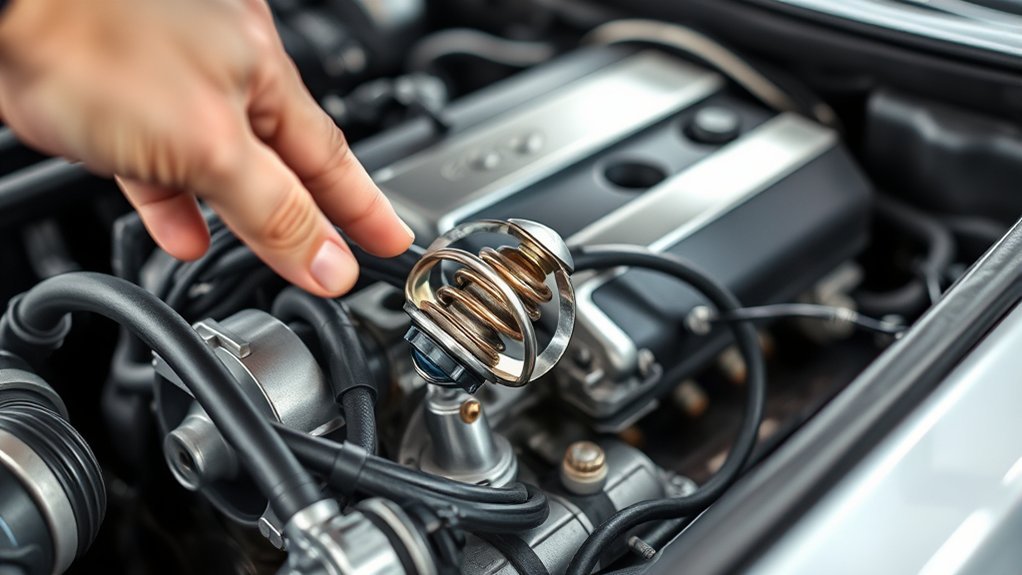
If your Sonata shows signs of a failing thermostat, start with safety. If the temperature gauge climbs, you see steam, the warning light comes on, or the engine loses power, pull over as soon as it is safe. Turn off the air conditioning, park safely, and let the engine cool before opening the hood or touching cooling-system parts.
Warning: Never remove the coolant cap, radiator cap, drain plug, or thermostat housing while the engine and radiator are hot. Hot coolant and steam can spray out under pressure and cause serious burns. Keep hands, clothing, and tools away from the cooling fan and drive belt.
Once everything is cool, inspect for obvious clues:
- Coolant pooling under the engine or around the thermostat housing
- A coolant reservoir below the MIN mark
- Swollen, cracked, or loose cooling-system hoses
- A fan that does not cycle on when the engine reaches operating temperature
- Temperature gauge readings that rise quickly or swing dramatically
- Coolant smell, dried coolant residue, or steam from the engine bay
If coolant is leaking heavily, the engine overheats again after cooling, or you cannot identify the cause, do not keep driving. Hyundai’s overheating guidance recommends stopping safely, checking for leaks only when safe, and contacting an authorized Hyundai dealer when serious coolant loss or repeated overheating occurs.
Before You Replace the Thermostat
Do these checks before replacing the thermostat. They can prevent a wrong diagnosis and save time:
- Confirm the vehicle details. Match the part to your Sonata’s year, engine, and trim. Thermostat housings, seals, and access points can differ.
- Check coolant level cold. The reservoir should be between MIN and MAX when the engine compartment is cool.
- Look for leaks first. A low coolant level can cause overheating even if the thermostat is fine.
- Scan for diagnostic trouble codes. A scan tool can help separate thermostat, coolant temperature sensor, fan, and engine-control issues.
- Inspect the radiator cap and hoses. A weak cap or damaged hose can cause pressure loss and overheating.
- Check the cooling fan. A fan problem often shows up in traffic or at idle.
- Review the service procedure. Use Hyundai service information for torque specs, thermostat orientation, bleeding steps, and any model-specific precautions.
Note: When adding coolant, Hyundai recommends distilled, deionized, or soft water mixed with antifreeze and warns that incorrect coolant mixture can cause severe malfunction or engine damage. Hyundai also notes that more than 60% antifreeze or less than 35% antifreeze reduces coolant effectiveness.
[Products Worth Considering]

This cabin and engine air filter kit is designed for compatible Hyundai Sonata gas models from 2015 to 2019 with a 2.4L engine. It helps improve airflow, capture dust and impurities, and support cleaner cabin air and efficient engine performance. The kit is engineered for long service life and simple installation, making routine maintenance easier.

This engine coolant thermostat with seal is designed to help maintain proper engine temperature and support efficient cooling system performance. It is compatible with a wide range of Toyota, Lexus, Ford, Chevrolet, Mitsubishi, Scion, and Pontiac models, making it a versatile replacement choice for many vehicles. With included seal and durable metal-and-rubber construction, it offers a convenient fitment solution for cooling system repairs and maintenance.

This coolant thermostat is a direct replacement designed for a wide range of Toyota, Lexus, and Scion vehicles. It helps maintain proper engine temperature, supports reliable cooling system performance, and installs easily without special tools or programming. Built to meet OEM standards, it offers durable, stable operation and dependable fitment for compatible models.
How to Replace Your Thermostat: A Step-by-Step Guide
Replacing your thermostat can be manageable for an experienced DIYer, but it is still cooling-system work. You are dealing with hot pressure, toxic fluid, gaskets, fasteners, and possible air pockets. If you are unsure, have a qualified technician handle it.
At a Glance
| Time Required | About 1–2 hours for many DIYers, plus cool-down and leak-check time |
| Difficulty | Moderate; varies by Sonata year and engine |
| Tools Needed | Socket set, screwdrivers or pliers, drain pan, funnel, gloves, rags, scraper or plastic gasket tool, torque wrench, scan tool if available |
| Cost | Thermostat, seal/gasket, and compatible coolant; professional labor varies by model and shop rate |
[Products Worth Considering]

This filter combo is designed for Hyundai Sonata gas models from 2015 to 2019, including non-hybrid 2.4L vehicles, and replaces both the engine and cabin air filters in one convenient set. It helps improve engine airflow while also refreshing the cabin environment with activated carbon odor control and high-efficiency particle filtration for cleaner, quieter driving.

This 16-piece hose clamp pliers set provides a complete solution for removing and installing a wide range of automotive hose clamps. It is designed to reach tight engine spaces and handle spring, flat band, and ring-type clamps on radiator, coolant, fuel, and vacuum hoses. Built from durable heat-treated steel and organized in a carrying case, it helps simplify repairs for cars, trucks, motorcycles, and DIY maintenance.

This engine water pump kit is designed to help maintain reliable cooling performance across a wide range of compatible Toyota, Lexus, Scion, and Pontiac vehicles. Built with aluminum and tested for leak-free operation, it offers a direct replacement solution that supports engine efficiency and long-term service life. The kit includes a professional water pump and gasket for a convenient installation-ready repair.
Tools and Parts
- Correct thermostat for your Sonata’s year and engine
- New thermostat seal, O-ring, or gasket
- Compatible coolant and distilled/deionized water if mixing is required
- Drain pan and sealable container for used coolant
- Socket set, pliers, screwdrivers, funnel, gloves, and rags
- Torque wrench and model-specific service information
Replacement Steps
- Let the engine cool completely. Park on a level surface, set the parking brake, and wait until the engine and radiator are cool.
- Confirm the thermostat location. Follow the upper or lower radiator hose to the thermostat housing or water outlet only after checking the correct service information for your Sonata.
- Place a drain pan under the vehicle. Coolant is toxic and must be collected. Do not let it run onto the ground.
- Drain enough coolant to lower the level below the thermostat housing. Use the drain point specified for your vehicle. If no safe drain access is available, have a shop do the job.
- Remove the hose and housing carefully. Loosen the hose clamp, move the hose aside, and remove the thermostat housing bolts. Avoid cracking plastic housings.
- Note the old thermostat orientation. Pay attention to the spring side, bleed pin or jiggle valve if present, and how the seal sits.
- Clean the mating surfaces. Remove old gasket material without gouging aluminum or plastic surfaces. Wipe the area clean and dry.
- Install the new thermostat and seal. Match the original orientation unless Hyundai service information says otherwise. Do not use sealant unless the service procedure calls for it.
- Reinstall the housing. Tighten bolts evenly and torque them to the correct specification for your engine. Overtightening can crack the housing or cause leaks.
- Reconnect hoses and clamps. Make sure hoses are fully seated and clamps are positioned correctly.
- Refill the cooling system. Use the correct coolant mixture. Hyundai advises using distilled, deionized, or soft water when adding coolant and keeping the mixture within the recommended range.
- Bleed air from the system. Follow the Sonata-specific procedure. In many vehicles this includes running the engine with the heater set warm, watching the temperature gauge, topping off as air purges, and checking for heat from the vents.
- Check for leaks. Watch the thermostat housing, hose connections, drain area, and reservoir level as the engine warms up.
- Road test and recheck when cool. After a short drive, let the engine cool again and verify the coolant level is still between MIN and MAX.
Warning: Used coolant should be stored in a sealed container and taken to a recycling or approved disposal facility. The EPA says used antifreeze should not be poured into sewers, floor drains, regular trash, or onto the ground.
When to Call a Mechanic
Call a qualified mechanic or Hyundai dealer if your Sonata overheats repeatedly, loses coolant quickly, has coolant mixed with oil, blows cold air after a refill, shows steam, or has warning lights that return after repair. Also get help if the thermostat is buried behind components you are not comfortable removing or if the housing appears cracked.
Do not keep driving an overheating Sonata to “see if it clears up.” A small thermostat or coolant problem can turn into a damaged head gasket, warped components, or a much more expensive engine repair.
[Products Worth Considering]

This 9-piece hose clamp pliers set is designed to make automotive hose removal and installation faster and easier. It includes multiple clamp styles for working on fuel, oil, water, radiator, and heater hoses in cars, trucks, and motorcycles, with locking designs that help free your hands during repairs. The set comes with a carrying case for organized storage and transport, making it a practical choice for both professional mechanics and DIY repairs.

AISIN OE matched engine coolant thermostat delivers consistent temperature control for reliable cooling system performance. Built with high-quality materials and designed for perfect OE form, fit, and function, it helps maintain efficient engine operation across a wide range of compatible Lexus, Scion, and Toyota vehicles. The correct OE specified operating temperature supports dependable cooling, while note that a gasket is not included.

These genuine Toyota oil drain plug gaskets are designed to help maintain a reliable seal during oil changes, reducing the chance of leaks and supporting proper engine maintenance. With an OEM fit and trusted Toyota quality, they are a practical choice for routine service on compatible vehicles. The convenient quantity pack is ideal for keeping multiple maintenance intervals covered.
Frequently Asked Questions
How does the thermostat work?
The thermostat is a temperature-controlled valve. When the engine is cold, it limits coolant flow to the radiator so the engine warms up faster. As coolant temperature rises, it opens and allows coolant to flow toward the radiator to release heat.
What are the signs of a bad Hyundai Sonata thermostat?
Common signs include overheating, slow warm-up, weak cabin heat, fluctuating temperature gauge readings, coolant leaks near the thermostat housing, or scan-tool data showing the engine is not reaching the expected coolant temperature.
Can I drive with a bad thermostat?
You should not drive if the engine is overheating, steaming, losing coolant, or showing a high-temperature warning. A stuck-open thermostat may not cause immediate overheating, but it can still hurt drivability, heater performance, and efficiency. Diagnose and repair it promptly.
Is the thermostat always near the upper radiator hose?
No. Many vehicles place the thermostat in a housing near a radiator hose, but Hyundai Sonata layouts vary by year and engine. Confirm the exact location with the owner’s manual, Hyundai service information, or a repair database before removing parts.
Should I replace the coolant when replacing the thermostat?
You will usually lose some coolant during thermostat replacement, so the system must be refilled and bled. If the coolant is old, rusty, contaminated, or due by the maintenance schedule, a coolant service may be smart. Use the coolant type and mixture recommended for your Sonata.
What happens if air gets trapped after thermostat replacement?
Trapped air can cause temperature swings, weak heater output, low coolant readings, and overheating. After refilling, follow the correct bleeding procedure, run the heater, monitor the gauge, and recheck the coolant level after the engine cools.
Conclusion
The thermostat may be small, but it plays a major role in your Hyundai Sonata’s cooling system. A good thermostat helps the engine warm up properly and stay within a safe temperature range. A bad one can cause overheating, poor heater performance, coolant leaks, or slow warm-up. The safest approach is to confirm the symptoms, check the rest of the cooling system, follow Sonata-specific service information, and handle coolant carefully. If the engine overheats more than once or you are unsure about the repair, stop driving and get professional help.
Sources
- Hyundai Owner’s Manual portal — official Hyundai model/VIN manual lookup.
- Hyundai Owner’s Manual: If the engine overheats — overheating response, hot-coolant warning, and when to seek assistance.
- Hyundai Owner’s Manual: Coolant — coolant level, hose checks, fan warning, and mixture guidance.
- Hyundai Motor America Service Information — official shop manual and service information access for Hyundai vehicles sold in the United States.
- Colorado State University: Coolant Heat Transfer — cooling-system and thermostat flow explanation.
- U.S. EPA: How Do I Dispose of Used Antifreeze? — used antifreeze toxicity, recycling, and disposal guidance.