

Hyundai Sonata AC maintenance starts with airflow, cleanliness, and symptom checks—not routine refrigerant top-offs. Replace a restricted cabin air filter, keep the condenser clear, confirm the cooling fan works, check the correct fuses, and track when cooling gets weak. If the refrigerant charge is low, diagnose the leak and recharge the system by the factory-specified weight instead of adding refrigerant by pressure alone.
Last updated: September 16, 2026 — reviewed against current Hyundai owner guidance and EPA motor-vehicle A/C servicing requirements.
Quick Answer
For Hyundai Sonata AC maintenance, inspect the cabin air filter, condenser, cooling fan, fuses, wiring, vent temperature, and visible leak signs first. Do not treat refrigerant as a scheduled refill. Hyundai warns that both low refrigerant and overfilling can reduce A/C performance, so a suspected low charge should be leak-tested and recharged to the exact model-year specification.
Key Takeaways
- A weak Sonata AC system is often caused by low refrigerant, poor condenser airflow, a dirty cabin filter, a failing fan, an electrical fault, or a compressor issue.
- Pressure gauge readings are only clues. Correct refrigerant charge is confirmed by the factory specification and measured by weight.
- You can safely do visual checks, filter replacement, gentle condenser cleaning, and basic fuse inspection at home.
- Refrigerant recovery, evacuation, leak repair, and recharging require proper equipment. Paid MVAC service must follow EPA Section 609 rules.
- Use only the refrigerant and compressor oil type listed on your under-hood label or factory service information for your exact Sonata year and powertrain.
- Hyundai USA’s general cabin-filter guidance is replacement every 12,000 miles, or sooner when airflow, odor, dust, or driving conditions justify it; follow your model-year schedule if it differs.
At a Glance
| Time Required | 15–45 minutes for basic inspection and cleaning; longer if panels or filters are hard to access. |
| Difficulty | Easy for filter checks and visual inspection; advanced for refrigerant diagnosis and compressor testing. |
| Tools Needed | Gloves, safety glasses, flashlight, thermometer, soft brush, low-pressure water hose, basic hand tools, and the owner’s manual or factory service data. |
| Cost | Usually low for DIY cleaning or a cabin filter; professional leak testing and recharge cost more because recovery and charging equipment are required. |
Warning: Do not vent refrigerant, mix refrigerants, or keep topping off a leaking AC system. The EPA’s MVAC servicing rules require proper refrigerant handling, and paid AC service must be done by a properly trained and certified technician using approved equipment.
What Should Hyundai Sonata AC Maintenance Include?

Regular Hyundai Sonata AC maintenance is mainly preventive: keep airflow clear, inspect the cabin filter, watch condenser and fan operation, and investigate changes in cooling before replacing parts. A dirty condenser, weak fan, clogged cabin air filter, low refrigerant charge, or electrical fault can all make the system feel weak even when the A/C is switched on. For a component-by-component explanation, see the Hyundai Sonata AC system guide.
The best routine is simple: keep airflow clear, listen for new noises, track cooling performance, and investigate small symptoms before they become expensive failures. If the air is warm at idle, cooler while driving, or only cold on one side of the cabin, treat that pattern as a diagnostic clue instead of guessing and adding refrigerant.
What You Can Safely Check Before Adding Refrigerant
Before you connect a gauge or buy a recharge can, inspect the basics. Many AC complaints come from airflow or electrical issues rather than low refrigerant.
- Set the AC correctly: Start the engine, select Max AC, set the fan high, choose recirculation, and open the doors or windows for the first minute so hot cabin air can escape.
- Check vent temperature: Place a thermometer in the center vent after the system runs for several minutes. Compare the result to outside temperature and note whether cooling changes at idle versus while driving.
- Inspect the cabin air filter: A clogged filter can reduce airflow and make cold air feel weak. Replace it if it is dark, dusty, damp, or loaded with leaves.
- Look through the front grille: Remove leaves, bugs, plastic bags, or dirt packed against the condenser. Poor condenser airflow can make the AC blow warm at idle.
- Watch the cooling fan: With the AC on, the radiator/condenser fan should operate as commanded. A weak or nonworking fan can cause high pressure and poor cooling at low speed.
- Check fuses and obvious wiring damage: A blown fuse, damaged connector, or loose ground can stop the cooling fan, compressor-control circuit, or climate-control system from working.
- Look for oily residue: Oil stains around AC hoses, service ports, the condenser, or compressor can point to a refrigerant leak.
Pro Tip: Write down the outside temperature, center-vent temperature, whether the problem changes at idle versus road speed, and whether airflow changes across fan settings. A shop can diagnose faster when you bring a repeatable symptom instead of only saying “the AC is not cold.”
Can You Check a Hyundai Sonata’s Refrigerant Level With a Gauge?
Refrigerant level is one of the most misunderstood parts of Sonata AC maintenance. A pressure gauge can help you spot a possible problem, but it cannot prove the system has the correct charge. The correct method is to recover the refrigerant, evacuate the system, repair any leaks, and recharge the exact amount by weight using the specification on the under-hood label or factory service information.
A gauge can show pressure, but it cannot tell you the refrigerant mass in the system. For a 2011 U.S.-market Sonata, Hyundai owner information identifies R-134a, while later Sonata generations may use a different refrigerant. Always verify the under-hood A/C label and the correct service data for the exact model year and powertrain. Hyundai’s official Manuals & Warranties resource is a good starting point for model-year owner information.
[Products Worth Considering]

This cabin air filter is designed to fit a wide range of Hyundai, Kia, and Genesis models for cleaner in-car air. Its multi-layer filtration helps trap dust, hair, and fine airborne particles, while activated carbon and baking soda support fresher cabin conditions. Built for long service life, it is recommended for annual replacement or every 12,000 miles.

This filter combo is designed for Hyundai Sonata gas models from 2015 to 2019, including non-hybrid 2.4L vehicles, and replaces both the engine and cabin air filters in one convenient set. It helps improve engine airflow while also refreshing the cabin environment with activated carbon odor control and high-efficiency particle filtration for cleaner, quieter driving.

This cabin and engine air filter kit is designed for compatible Hyundai Sonata gas models from 2015 to 2019 with a 2.4L engine. It helps improve airflow, capture dust and impurities, and support cleaner cabin air and efficient engine performance. The kit is engineered for long service life and simple installation, making routine maintenance easier.
Tools Needed for Measurement
For basic, non-invasive checks, you only need simple tools. For full refrigerant service, a shop needs certified recovery and charging equipment.
- Thermometer: Helps compare center-vent temperature to ambient temperature.
- Safety glasses and gloves: Protect your eyes and skin while inspecting the engine bay.
- Flashlight: Helps you inspect the condenser, hoses, service ports, and compressor area.
- Owner’s manual or service information: Confirms fuse locations, filter access, and model-year guidance.
- Professional manifold gauge set and recovery machine: Needed for proper AC service, leak testing, evacuation, and measured charging.
Why There Is No One-Size-Fits-All Pressure Range
Pressure readings change with outside temperature, humidity, engine speed, condenser airflow, refrigerant type, and whether the cabin has already cooled down. That is why a single “ideal” low-side or high-side number can mislead you. Static pressure with the AC off should be interpreted with a refrigerant pressure-temperature chart, not by matching pressure to the outside temperature as a simple number.
When the AC is running, low-side and high-side readings are useful only when compared with the correct service chart and the current test conditions. If pressure is low, the cause may be a leak. If pressure is high, the cause may be overcharge, air in the system, poor condenser airflow, or a restriction. Guessing can damage the compressor.
Note: If your Sonata needs refrigerant, the safer fix is not a quick top-off. Ask for leak detection, repair, evacuation, and a recharge by the exact specified weight.
Step-by-Step: Cleaning the Condenser and Evaporator
Cleaning the condenser and keeping the evaporator area healthy can improve cooling and reduce odor. Work gently. Thin condenser fins bend easily, and dashboard disassembly can damage trim if you rush.
- Park safely: Park on a level surface, set the parking brake, shut the engine off, and let hot parts cool.
- Follow the model-year electrical procedure before removing panels: If you must unplug under-dash connectors, use the correct service procedure for your Sonata. Hybrid models have high-voltage components and require additional precautions; do not work around orange high-voltage cables or the electric A/C compressor without the proper training and procedure.
- Access the condenser: Look through the front grille and remove loose leaves, bugs, and debris by hand or with a soft brush.
- Use low-pressure water: Rinse gently from the engine side toward the front when access allows. Avoid pressure washers because they can flatten fins.
- Straighten minor fin bends carefully: Use a proper fin comb only if you know the correct size and can work without puncturing the condenser.
- Control evaporator odor: Replace a dirty cabin filter and confirm the evaporator drain is not blocked. Musty odor often comes from moisture and debris on the evaporator core.
- Use cleaner carefully: If using an evaporator cleaner, follow the product directions and avoid soaking electronics, sensors, or carpet.
How to Identify Early Signs of AC System Problems
Small changes in sound, airflow, and temperature can tell you where to look first. Use the table below to narrow the problem before replacing parts.
| Symptom | Likely Causes | Best Next Step |
| Warm air at idle, cooler while driving | Weak condenser fan, dirty condenser, low charge, or high-side pressure issue | Inspect condenser airflow and fan operation before adding refrigerant. |
| Weak airflow from vents | Clogged cabin filter, blower motor issue, blocked vents, or dirty evaporator | Replace the cabin filter and check blower speeds. |
| Clicking, grinding, or rattling | Compressor or pulley problem on belt-driven systems, debris in a fan, or a failing blower motor | Stop using the AC if the noise is harsh and have the rotating parts inspected. |
| Cooling cuts in and out or the compressor control cycles abnormally | Low refrigerant, pressure switch issue, sensor fault, or control problem | Have the system checked for leaks and pressure-control faults. |
| Musty smell from vents | Moisture on evaporator, dirty cabin filter, or blocked evaporator drain | Replace the filter, check drain flow, and use an approved evaporator cleaner if needed. |
| Oily marks near AC parts | Possible refrigerant oil leak from hose, condenser, compressor, or service port | Schedule leak testing before any recharge. |
When to Replace AC Components for Best Performance

Do not replace expensive AC parts by mileage alone. Most AC components should be replaced when testing proves they are leaking, restricted, noisy, electrically faulty, or contaminated. Routine inspection is smart; routine guessing is not.
[Products Worth Considering]

This AC valve core removal and installer set is designed for efficient servicing of automotive and HVAC refrigerant systems. It includes high- and low-pressure quick connectors with ball valves to help reduce refrigerant leakage during valve core replacement. Built with durable brass, stainless steel, and aluminum components, it offers reliable grip, easy operation, and broad compatibility for air conditioning maintenance and repair.

This universal air conditioning valve core kit helps maintain and restore proper refrigerant flow in automotive AC systems. Built with durable plastic and metal components, it is designed for reliable sealing, pressure control, and long-lasting use across many vehicle applications. The kit includes multiple valve cores and tools for convenient replacement and routine AC service on cars, trucks, and SUVs.

This activated carbon cabin air filter is designed as a replacement for select Hyundai Sonata gas models and Kia Cadenza vehicles, helping improve in-cabin air quality. It is engineered to capture odors, VOCs, and common pollutants for a fresher driving environment, while matching multiple OE and reference numbers for convenient fitment confirmation.
Signs of Component Failure
- Compressor or compressor-control problem: Loud grinding, abnormal pulley noise on belt-driven systems, metal debris, a related electrical fault, or poor pressure response during proper testing.
- Condenser problem: Visible damage, oily leak stains, bent fins, poor cooling at idle, or high pressure caused by weak airflow.
- Expansion valve or restriction: Frosting, abnormal pressure split, intermittent cooling, or temperature swings after other causes are ruled out.
- Evaporator leak: Repeated low charge, oily residue near the evaporator drain, or a confirmed electronic leak-detector response near the vents or drain tube.
- Cabin air filter restriction: Weak airflow, dusty smell, noisy blower strain, or uneven vent output.
Recommended Maintenance Intervals
Use your owner’s manual and maintenance schedule for the exact model year. For the cabin filter, Hyundai USA’s general owner guidance says 12,000 miles, with earlier replacement when symptoms or conditions justify it.
- Cabin air filter: Use 12,000 miles as Hyundai USA’s general replacement guidance unless your model-year schedule specifies otherwise. Replace sooner in dusty, smoky, or high-pollen conditions, or if airflow drops or odor develops. For filter-specific details, see the Hyundai Sonata cabin air filter guide.
- Condenser face: Inspect every spring and before summer road trips. Clean gently when debris is visible.
- Vent temperature: Check at the start of hot weather so you catch weak cooling early.
- Refrigerant charge: Do not treat this as a scheduled refill. Check it when symptoms suggest a leak or cooling problem.
- Compressor, hoses, and service ports: Inspect when cooling drops, noise appears, or oily residue is visible.
- Expansion valve, receiver/drier, or desiccant: Replace when diagnosis, contamination, compressor failure, or opened-system service calls for it.
Importance of Regular Maintenance
Good maintenance protects the AC system from avoidable stress. A blocked condenser raises pressure. A dirty cabin filter reduces airflow. Low refrigerant can reduce oil movement through the system and may damage the compressor. Waiting until the AC completely stops working usually costs more than fixing early warning signs.
Which Compressor Oil Does a 2011 Hyundai Sonata Need?
The correct oil depends on the 2011 Sonata powertrain and compressor. Hyundai service information for the conventional 2.4L A/C system specifies PAG oil, while Hyundai TSB 11-HA-003 specifies PVE oil for the 2011-and-later Sonata Hybrid electric A/C compressor. Do not put conventional PAG oil into the Hybrid electric-compressor system; the wrong oil can reduce electrical insulation and damage the compressor.
Oil quantity also depends on the system and on which component is replaced. Too little oil can damage the compressor, while excess oil can reduce cooling performance. Compressor replacement, opened-system repair, and oil balancing therefore require the correct factory procedure for the exact powertrain, not a universal “Sonata” oil amount.
Note: If your Sonata has had collision repair, a condenser replacement, or previous AC service, ask the technician to confirm both refrigerant weight and oil balance. Past overcharging or wrong oil can cause repeat failures.
[Products Worth Considering]
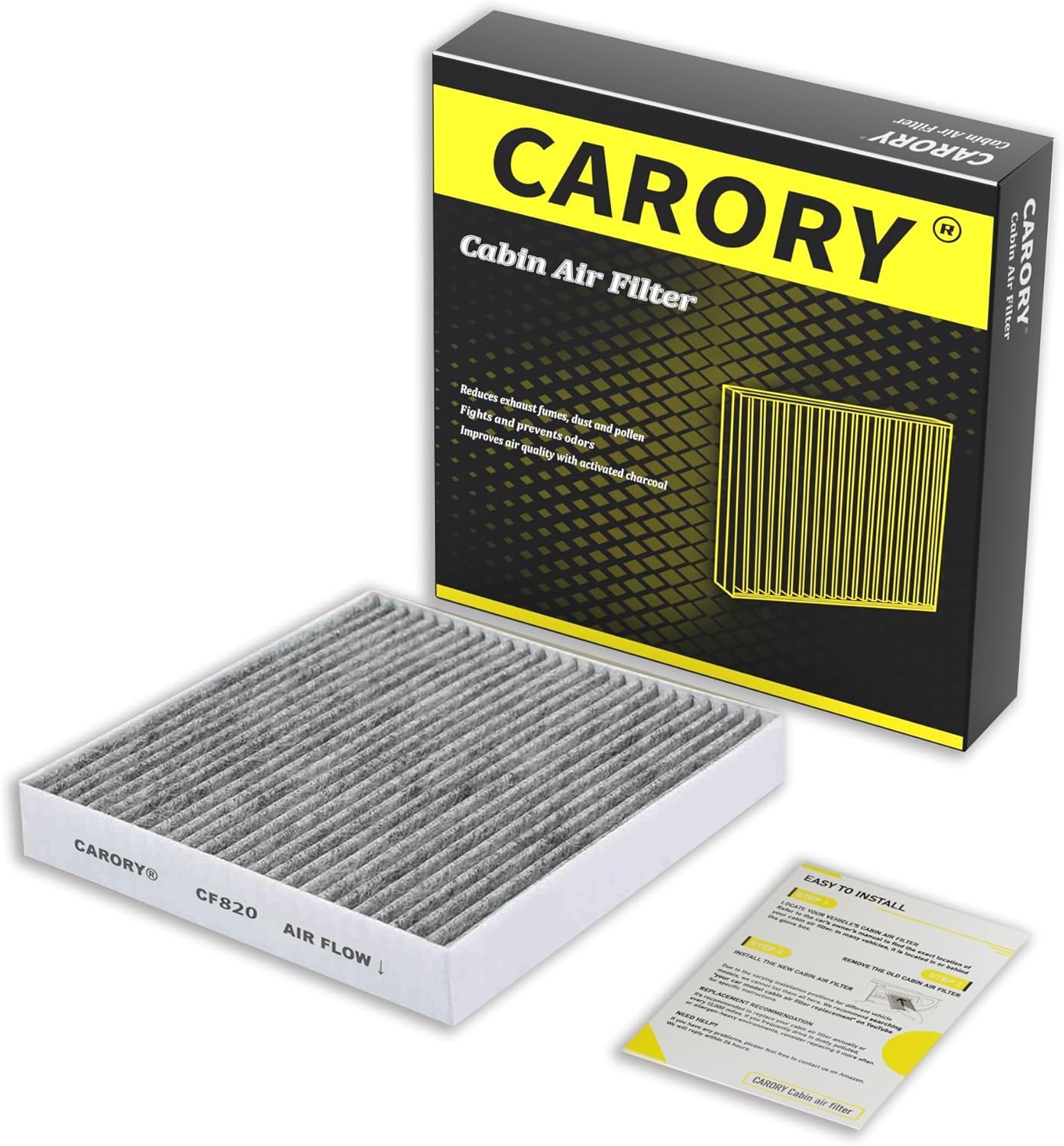
This cabin air filter is designed to help keep your vehicle’s interior air cleaner by capturing dust, pollen, and other fine particles. Activated carbon also helps reduce common odors and pollutants for a fresher cabin environment. It is built for broad fitment across many Hyundai, Kia, and Genesis models, making replacement easier and more convenient.

This replacement filter set is designed for a range of Toyota hybrid vehicles, including popular models like RAV4 Hybrid, Camry Hybrid, Highlander Hybrid, Sienna, Venza, and more. It combines cabin and engine filtration to help support cleaner airflow, reduce dust and odors, and protect your HVAC and engine systems. Built for easy installation and extended service life, it offers a convenient maintenance upgrade for compatible hybrid and gas-only Corolla models.

This brake bleeder bottle is designed to make fluid bleeding easier for one-person use with a built-in check valve and magnetic mount. The flexible hose fits most bleeder valves and helps reduce the chance of air entering the system during service. With a practical fluid capacity and universal fit, it is a handy tool for brake maintenance and repair.
How to Find a Trustworthy Mechanic for Your AC
A good AC technician should diagnose the system before selling a recharge. Look for a shop that explains pressure readings, leak checks, electrical tests, and the exact refrigerant weight instead of offering a quick top-off only.
- Ask about Section 609 certification: The EPA lists approved Section 609 training and certification programs for MVAC service.
- Look for AC-specific experience: ASE certification, especially heating and air conditioning experience, is a good sign when paired with strong reviews and clear estimates.
- Ask how they charge the system: The answer should include recovery, vacuum/evacuation, leak testing when needed, and recharge by specified weight.
- Request a written estimate: It should separate diagnosis, parts, labor, refrigerant, and any recommended extras.
- Ask about warranty: A reliable shop should explain what is covered and what is not covered if a leak or failed part returns.
- Check recalls before repairs: Use the NHTSA recall lookup with your VIN for safety-related campaigns before paying for major work.
Frequently Asked Questions
Why is my Hyundai Sonata AC not getting cold?
Common causes include a low refrigerant charge from a leak, dirty condenser, weak condenser fan, clogged cabin air filter, compressor or compressor-control fault, pressure sensor issue, blend door problem, or electrical fault. Start with airflow and fan checks before assuming the system only needs refrigerant.
Can I do AC maintenance myself?
Yes, you can replace the cabin air filter, clean debris from the condenser, check fuses, inspect for oily leak marks, and record vent temperature. Leave refrigerant recovery, leak repair, evacuation, and recharging to a trained shop with approved equipment.
Does my Sonata AC need refrigerant every few years?
No. A healthy AC system is sealed and should not need routine top-offs. If the charge is low, the system likely has a leak or previous service issue. The right repair is to find the cause, fix it, evacuate the system, and recharge the specified amount by weight.
Why does my Sonata AC get colder when I drive?
Cooling that improves while driving often points to weak condenser airflow at idle. Check for debris on the condenser and confirm the cooling fan works with the AC on. Low refrigerant or a pressure-control issue can also cause this symptom.
What refrigerant should a Hyundai Sonata use?
Use the refrigerant listed on your under-hood AC label or factory service information. Do not mix refrigerants or use a substitute because fittings, oil, service procedures, and legal requirements can differ by refrigerant type and model year.
Is a recharge can a good fix for warm AC?
A recharge can may hide the real problem and can overcharge the system if used by pressure only. Warm AC should be diagnosed first. If refrigerant is low, the leak should be found and repaired before the system is recharged by the correct weight.
How often should I service my Hyundai Sonata AC?
There is no routine refrigerant-refill interval. Follow your Sonata’s model-year maintenance schedule, keep the condenser and airflow path clear, and use Hyundai USA’s 12,000-mile general cabin-filter guidance unless your vehicle-specific schedule differs. Have the refrigerant system diagnosed when cooling becomes weak, leaks are suspected, or abnormal noises or pressures appear.
Conclusion
Maintaining your Sonata’s AC is easiest when you separate safe DIY work from professional refrigerant service. Replace a dirty cabin filter, keep the condenser clean, check fan operation, and pay attention to early symptoms like weak airflow, warm air at idle, musty smells, or new noises. If the system is low on refrigerant, do not keep topping it off. Have the leak diagnosed, repair the fault, and recharge the system by the factory-specified weight. That approach protects your compressor, keeps cooling steady, and helps you avoid repeat repairs.
Sources
- EPA — Regulatory Requirements for MVAC System Servicing — backs refrigerant handling, venting prohibition, certification, and approved equipment guidance.
- EPA — Section 609 Technician Training and Certification Programs — backs the recommendation to use properly trained and certified MVAC technicians.
- EPA — Certified MVAC Equipment — backs the guidance about approved refrigerant handling equipment.
- EPA — Acceptable Refrigerants and Their Impacts — backs current refrigerant context, HFC-134a background, and existing-vehicle service guidance.
- Hyundai — Manuals & Warranties — supports checking official Hyundai owner information for the exact model year.
- NHTSA — Recall Lookup — supports checking VIN-specific safety recalls before major repairs.
- Hyundai USA — Cabin Air Filter — supports the 12,000-mile general replacement guidance and symptoms such as weak airflow or musty odor.
- 2011 Sonata 2.4L service-manual mirror — Refrigerant Oil — supports PAG oil guidance for the conventional 2.4L system.
- Hyundai TSB 11-HA-003 mirror — Sonata Hybrid electric A/C compressor oil — supports PVE oil guidance for the 2011-and-later Sonata Hybrid electric compressor.




[…] any diagnostic trouble codes from the heating, ventilation, and air conditioning (HVAC) system if your scan tool can read body modules. [VERIFY: a basic OBD-II code reader […]
[…] clean display makes maps, media, climate controls, and vehicle settings easier to see. If the screen remains slow, frozen, or unresponsive after it […]
[…] airflow also helps the cabin feel fresher. Replace the cabin air filter according to the maintenance guidance for your Sonata, remove damp towels or gym clothes, and let […]