

Your Hyundai Sonata’s air conditioning system cools the cabin by moving refrigerant through a closed loop. The compressor raises refrigerant pressure, the condenser releases heat outside the car, the expansion valve drops pressure and temperature, and the evaporator absorbs heat from the cabin air. The exact compressor design and refrigerant type can vary by model year, so always check the under-hood A/C label before servicing.
Quick Answer
A Hyundai Sonata AC system works by circulating refrigerant through the compressor, condenser, expansion valve, and evaporator. As the refrigerant changes pressure and temperature, it releases heat outside the car and absorbs heat inside the cabin, giving you cold air from the vents.
Key Takeaways
- The Sonata AC system is a sealed refrigerant loop, not a system that “uses up” refrigerant during normal operation.
- Low refrigerant, blocked airflow, a weak compressor control valve, or a faulty expansion valve can all cause poor cooling.
- Many newer Sonatas use R-1234yf refrigerant, which is flammable and must be handled with proper recovery equipment.
- The under-hood refrigerant label is the best place to confirm the correct refrigerant type, charge amount, and compressor oil.
The Basics of the Hyundai Sonata AC System

When you turn on the AC in your Hyundai Sonata, you are asking the climate control system to remove heat and humidity from the cabin. The system does this by circulating refrigerant through a closed loop of metal lines, heat exchangers, valves, sensors, and the compressor.
Depending on the model year and engine, a Sonata may use a clutch-cycled compressor or a variable-displacement compressor. In many modern systems, the compressor output is adjusted by an electronic control valve instead of simply switching the compressor fully on and off. This helps the system match cooling output to cabin demand more smoothly.
The main cooling cycle works like this: the compressor raises refrigerant pressure, the condenser removes heat, the expansion valve drops pressure, and the evaporator absorbs heat from the cabin air. The blower fan then pushes cooled, dehumidified air through the vents.
Warning: Do not vent refrigerant or open AC lines without proper equipment. Hyundai notes that R-1234yf systems are flammable and operate under high pressure, and the EPA requires certified refrigerant handling equipment for motor vehicle AC service.
Key Components of the Hyundai Sonata AC System
The Hyundai Sonata AC system depends on several parts working together. If one part is weak, the entire system may blow warm air, cycle poorly, or cool only while driving.
[Products Worth Considering]

This activated carbon cabin air filter is designed as a replacement for select Hyundai Sonata gas models and Kia Cadenza vehicles, helping improve in-cabin air quality. It is engineered to capture odors, VOCs, and common pollutants for a fresher driving environment, while matching multiple OE and reference numbers for convenient fitment confirmation.
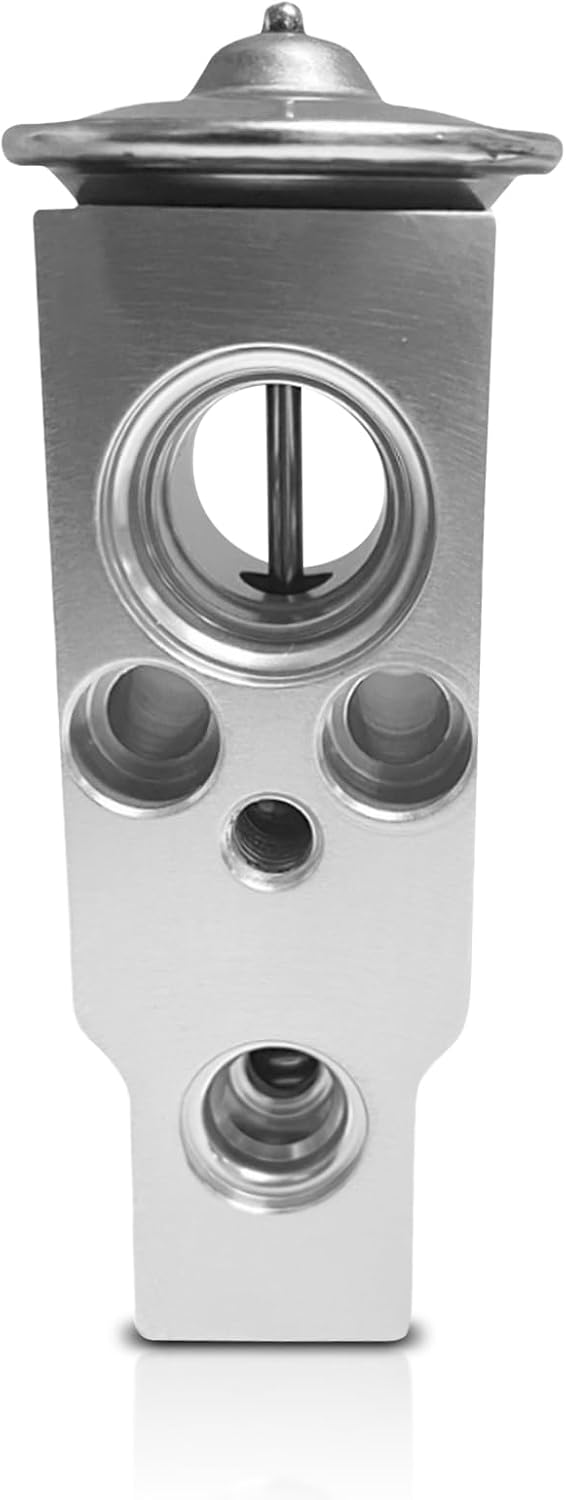
This automotive A/C expansion valve helps regulate refrigerant flow for efficient cooling and stable climate control performance. Built from durable metal for reliable resistance to wear, rust, and corrosion, it is designed to handle demanding vehicle conditions while supporting long-lasting operation. It is a practical replacement part for compatible Lexus, Honda, Toyota, Suzuki, Jaguar, and Land Rover models.

This cabin and engine air filter kit is designed for compatible Hyundai Sonata gas models from 2015 to 2019 with a 2.4L engine. It helps improve airflow, capture dust and impurities, and support cleaner cabin air and efficient engine performance. The kit is engineered for long service life and simple installation, making routine maintenance easier.
AC Compressor
The AC compressor is the pump of the system. It pulls low-pressure refrigerant vapor from the evaporator and compresses it into a high-pressure, high-temperature vapor. This pressure change is what allows the condenser and evaporator to move heat effectively.
On Sonatas with a variable-displacement compressor, an internal mechanism changes compressor output based on cooling demand. Some versions use an electronic control valve that can fail separately from the rest of the compressor. When that happens, the compressor may appear to run but still produce weak cooling.
Condenser
The condenser sits at the front of the vehicle, usually near the radiator. Hot, high-pressure refrigerant vapor enters the condenser, and outside air passing through the fins removes heat. As heat leaves the refrigerant, it condenses into a high-pressure liquid.
A dirty, bent, or blocked condenser can reduce cooling at idle and in stop-and-go traffic. Road debris, leaves, bugs, and bent fins can all reduce airflow.
Receiver-Drier or Desiccant
Most AC systems include a desiccant section, receiver-drier, or similar moisture-control component. Its job is to trap moisture and small contaminants. Moisture inside an AC system can freeze at the expansion valve, corrode metal parts, and reduce system life.
Expansion Valve
The expansion valve controls how much liquid refrigerant enters the evaporator. It creates a sharp pressure drop, which lowers refrigerant temperature before the refrigerant flows through the evaporator core.
If the valve sticks closed, cooling may be weak because too little refrigerant enters the evaporator. If it sticks open, the evaporator may flood with refrigerant and cooling performance can become unstable.
Evaporator Core
The evaporator sits inside the dashboard HVAC case. Cold, low-pressure refrigerant flows through it while the blower motor pushes cabin air across the fins. Heat from the cabin air moves into the refrigerant, and moisture condenses on the evaporator fins before draining under the vehicle.
This is why you may see water dripping under the car when the AC has been running. That water is usually normal condensation, not a refrigerant leak.
Blower Motor, Cabin Filter, and Sensors
The blower motor moves air through the HVAC system. The cabin air filter traps dust, pollen, and debris before air reaches the vents. Hyundai says the cabin air filter is installed behind the glove box and should be replaced according to the maintenance schedule, with more frequent inspection in dusty conditions or when pets or smoking are common inside the vehicle.
Pressure sensors, temperature sensors, the climate control panel, and the engine control module also help the system decide when to increase cooling, reduce compressor load, or protect the system from unsafe pressure.
How Refrigerant Flows Through the System
Refrigerant flow is easiest to understand as a repeating loop. The refrigerant does not get “used up” during normal operation. If the charge is low, the system usually has a leak that must be found and repaired.
Refrigerant Circulation Process
- The compressor pulls in low-pressure refrigerant vapor from the evaporator.
- The compressor raises the refrigerant into a hot, high-pressure vapor.
- The condenser releases heat to outside air and turns the refrigerant into a high-pressure liquid.
- The refrigerant passes through a moisture-control or filtering section.
- The expansion valve reduces pressure and temperature before the refrigerant enters the evaporator.
- The evaporator absorbs heat from the cabin air and turns the refrigerant back into vapor.
- The vapor returns to the compressor, and the cycle repeats.
Phase Transition Details
The AC system works because refrigerant changes state under controlled pressure. In the condenser, refrigerant gives up heat and changes from vapor to liquid. In the evaporator, it absorbs heat and changes back from liquid-vapor mixture into vapor.
This phase change is what makes the system effective. The refrigerant is not simply “cold fluid” passing through the car; it is repeatedly changing pressure, temperature, and state to move heat from inside the cabin to outside the vehicle.
System Pressure Management
Correct AC pressure depends on ambient temperature, humidity, airflow, engine speed, refrigerant type, and model-specific specifications. A single pressure number is not reliable for every Sonata or every weather condition.
Instead, technicians compare low-side and high-side gauge readings against the service information for the vehicle and the outside temperature. Pressure sensors help protect the system by limiting or disabling compressor operation when pressure is too low or too high.
Note: Hyundai states that too little or too much refrigerant reduces air conditioning performance. The correct refrigerant type and amount are listed on the AC label under the hood, according to the Hyundai owner’s manual system maintenance guidance.
How the Expansion Valve Contributes to AC Cooling Efficiency
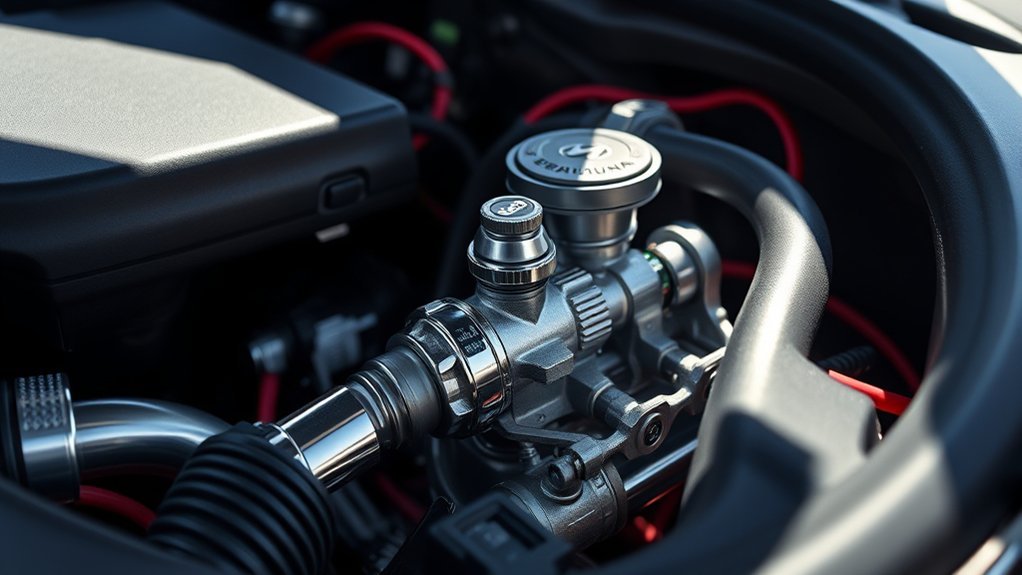
The expansion valve is one of the most important parts of the Sonata AC system because it controls refrigerant flow into the evaporator. It must feed the evaporator with enough refrigerant to absorb heat, but not so much that liquid refrigerant returns to the compressor.
When the valve works correctly, the evaporator stays cold enough to cool and dehumidify cabin air without freezing over. When the valve is restricted, stuck, or contaminated, cooling can become weak or inconsistent.
Common signs of an expansion valve or refrigerant-flow problem include:
- Cold air while driving but warmer air at idle
- Vent temperature that rises and falls for no clear reason
- Frost on AC lines or evaporator-related components
- High-side or low-side pressure readings outside expected range
- Compressor noise caused by poor refrigerant return or oil circulation
Pro Tip: If the AC cools better at highway speed than at idle, do not assume the compressor is bad. Check condenser airflow, radiator fan operation, refrigerant charge, and expansion valve performance first.
Which Refrigerant Does a Hyundai Sonata Use?
The correct refrigerant depends on the model year and market. Older Sonata models commonly use R-134a, while many newer vehicles use R-1234yf. The safest way to confirm the correct type is to read the refrigerant label under the hood.
Hyundai says the label identifies the refrigerant classification, refrigerant amount, compressor lubricant classification, cautions, flammable refrigerant warning, and technician-service requirement. Never mix refrigerants, and never add a “universal” refrigerant unless it is specifically approved for that exact system.
The EPA lists HFO-1234yf as a lower-global-warming-potential refrigerant used in many light-duty vehicles, while R-134a remains allowed for servicing existing vehicles that were built for it. Use the refrigerant your Sonata was designed to use.
Common AC Troubleshooting Tips
If your Hyundai Sonata AC is not blowing cold, start with simple checks before assuming the compressor has failed. Many cooling problems come from airflow, electrical, refrigerant-charge, or control issues.
[Products Worth Considering]

This filter combo is designed for Hyundai Sonata gas models from 2015 to 2019, including non-hybrid 2.4L vehicles, and replaces both the engine and cabin air filters in one convenient set. It helps improve engine airflow while also refreshing the cabin environment with activated carbon odor control and high-efficiency particle filtration for cleaner, quieter driving.

This A-Premium AC expansion valve is an OE-style replacement designed to help restore proper refrigerant flow and consistent cooling performance. Built for a wide range of Toyota, Lexus, and Scion applications, it supports reliable air conditioning operation and a precise fit for easier installation. It is engineered to meet or exceed OEM specifications for dependable long-term performance.

This A-Premium AC expansion valve is a direct replacement designed to restore proper refrigerant flow and improve cooling performance across a wide range of compatible vehicles. Built to meet or exceed OEM quality standards, it features precision internal components for reliable operation and long-lasting durability. It is supported by an unlimited-mileage warranty for added peace of mind.
1. Check the Cabin Air Filter
A clogged cabin air filter can make the AC feel weak even when the refrigerant system is working. If airflow from the vents is low, inspect or replace the cabin filter first.
2. Inspect Condenser Airflow
Look through the front grille for leaves, plastic bags, heavy bug buildup, or bent condenser fins. Also confirm the radiator and condenser fans run when the AC is on. Poor airflow can cause warm air at idle and better cooling at speed.
3. Look for Refrigerant Leak Signs
Oil residue near AC hose crimps, compressor fittings, condenser seams, or service ports can point to a leak. Refrigerant carries oil through the system, so oily dirt around a fitting is worth inspecting.
4. Avoid Overcharging the System
More refrigerant does not mean colder air. Too much refrigerant can raise system pressure, reduce cooling, and damage components. Hyundai specifically warns that both low and high refrigerant amounts reduce AC performance.
5. Test With Proper Equipment
Accurate diagnosis often requires manifold gauges, a thermometer, electronic leak detection or dye inspection, and scan-tool data. A technician may check compressor command, pressure sensor readings, fan operation, evaporator temperature, and control-valve function.
6. Know When the Compressor Control Valve Is Suspect
On Sonata models with a variable-displacement compressor, a weak control valve can cause poor cooling even when the compressor pulley is turning. Symptoms can include warm air at idle, inconsistent cooling, or pressure readings that do not respond normally to AC commands.
At a Glance
| Time Required | 10–30 minutes for basic visual checks; longer for leak or pressure diagnosis |
| Difficulty | Easy for cabin filter and airflow checks; advanced for refrigerant service |
| Tools Needed | Flashlight, cabin filter, thermometer; professional gauges and recovery equipment for AC service |
| Cost | Low for a cabin filter; moderate to high for leak repair, compressor, condenser, or evaporator work |
How to Keep Your Hyundai Sonata AC Running Smoothly
Good AC maintenance is mostly about airflow, cleanliness, and proper refrigerant handling. You do not need to recharge the system every season if it is sealed and working correctly.
- Replace the cabin air filter on schedule, especially if you drive in dusty conditions.
- Keep the condenser area clean and free of leaves, bugs, and road debris.
- Run the AC periodically, even in cooler months, to help circulate oil through the compressor.
- Pay attention to new noises, weak airflow, musty odors, or cooling that changes with vehicle speed.
- Have leaks repaired instead of repeatedly adding refrigerant.
- Use only the refrigerant type and compressor oil listed on the under-hood AC label.
- Check open safety recalls or service campaigns by VIN through Hyundai’s recall and service campaign lookup or the NHTSA recall search.
A properly charged AC system is not just about comfort. Too little or too much refrigerant can reduce cooling performance and put extra stress on expensive components.
[Products Worth Considering]

This universal air conditioning valve core kit helps maintain and restore proper refrigerant flow in automotive AC systems. Built with durable plastic and metal components, it is designed for reliable sealing, pressure control, and long-lasting use across many vehicle applications. The kit includes multiple valve cores and tools for convenient replacement and routine AC service on cars, trucks, and SUVs.

This A-Premium serpentine belt is engineered for select Toyota, Scion, and Pontiac vehicles with the L4 2.4L gas engine, delivering dependable air conditioning drive performance. Made with durable EPDM and precision dimensions, it helps resist cracking, reduce noise, and maintain stable tension for smooth operation. It's designed for straightforward installation and backed by a one-year unlimited-mileage guarantee for added confidence.

The OEMTOOLS coolant vacuum refill kit helps quickly refill a vehicle’s cooling system while removing trapped air that can lead to overheating and engine damage. It also performs vacuum leak tests to help confirm system integrity and reduce the chance of repeat repairs. With multiple bushings, adapters, and a tapered cone seal, it is designed for flexible use on many radiator and coolant bottle necks.
Frequently Asked Questions
Why is my Hyundai Sonata AC not blowing cold?
Common causes include low refrigerant from a leak, a clogged cabin air filter, poor condenser airflow, a weak compressor, a faulty compressor control valve, a bad pressure sensor, or a restricted expansion valve. Start with airflow and filter checks, then have the refrigerant charge and pressures tested with proper equipment.
How much does it cost to fix AC in a Hyundai Sonata?
The cost depends on the failed part. A cabin filter is usually inexpensive, while leak diagnosis, refrigerant recovery and recharge, condenser replacement, compressor replacement, or evaporator repair can cost much more. Ask for a diagnosis before approving parts, because weak cooling does not always mean the compressor is bad.
Why does my Sonata AC get warm at idle but colder while driving?
This often points to poor condenser airflow, a radiator or condenser fan problem, an incorrect refrigerant charge, or a compressor control issue. Because road speed forces more air through the condenser, the AC may improve while driving even though the underlying problem remains.
Can I recharge my Hyundai Sonata AC myself?
Basic DIY recharge cans can easily overcharge the system or mask a leak. If your Sonata uses R-1234yf, service also requires extra care because the refrigerant is flammable and the system operates under high pressure. Professional leak diagnosis and recovery equipment are the safer choice.
Where do I find the correct AC refrigerant for my Sonata?
Check the air conditioning refrigerant label under the hood. Hyundai says this label identifies the refrigerant type, charge amount, compressor lubricant, and service cautions. Do not rely only on model year because refrigerant type can vary by market and production details.
Conclusion
Understanding how your Hyundai Sonata AC system works makes cooling problems easier to recognize. The compressor, condenser, expansion valve, evaporator, blower, cabin filter, and sensors all have to work together. If the AC is weak, check simple airflow issues first, then have the refrigerant charge, leak points, pressure readings, fan operation, and compressor control checked professionally. Keeping the system clean, correctly charged, and properly serviced helps protect both comfort and component life.
Sources
- Hyundai Owner’s Manual: System Maintenance — backs up cabin air filter guidance, refrigerant-label information, and R-1234yf service warnings
- EPA: Regulatory Requirements for MVAC System Servicing — backs up refrigerant recovery, venting prohibition, and technician certification guidance
- EPA: Acceptable Refrigerants and Their Impacts — backs up R-134a and HFO-1234yf refrigerant context
- Hyundai Safety Recalls and Service Campaigns — backs up VIN-based recall and service campaign lookup guidance
- NHTSA Recalls Search — backs up checking open safety recalls by VIN



[…] pattern, climate-control demand, 12-volt battery condition, steering input, engine temperature, and the length of each stop all […]