To open the hood on your Hyundai Sonata, park on a level surface, set the parking brake, turn the engine off, and let the engine bay cool if the car was recently driven. Then pull the interior hood release near the driver-side footwell, move to the front of the car, release the secondary safety latch under the front edge of the hood, and raise the hood carefully.
Quick Answer
Open a Hyundai Sonata hood by pulling the interior hood release lever near the driver-side lower dash or footwell. Go to the front of the car, feel under the center front edge of the hood, move the safety latch, and lift the hood. Support it before checking fluids or working underneath.
Key Takeaways
- The interior hood release is usually on the driver’s side near the lower dash, kick panel, or left footwell.
- The safety latch sits under the front edge of the hood, often near the center, but the exact spot can vary by Sonata model year.
- Never work under a hood that is not supported by its prop rod or gas struts.
- If the hood release cable feels loose, the latch is bent, or the hood will not latch closed, stop driving and have the latch inspected.
At a Glance
| Time Required | 1 to 3 minutes if the latch works normally; longer if the hood is stuck |
| Difficulty | Easy for a normal hood release; moderate if the latch or cable is stuck |
| Tools Needed | None for normal opening; flashlight and gloves can help during troubleshooting |
| Cost | Free for normal use; repair costs vary if the cable, latch, or hood alignment is damaged |
How to Locate the Interior Hood Release Latch

The interior hood release latch on a Hyundai Sonata is usually on the driver’s side, low on the dash, near the kick panel, or close to the left footwell. Look for a small lever with a hood icon. On some model years, it may sit slightly farther forward or lower than you expect, so use a flashlight if the footwell is dark.
Before you pull it, make sure the vehicle is in Park, the parking brake is set, and the engine is off. Pull the lever firmly until you feel or hear the hood pop up slightly. That first pop releases the primary latch, but it does not fully open the hood yet.
Note: Sonata latch locations can vary by model year and trim. For the exact diagram, use the Hyundai Manuals & Warranties page and filter by your vehicle year, model, and trim.
Steps to Release the Safety Latch Under the Hood
After you pull the interior latch, walk to the front of your Sonata. The hood should sit slightly raised. Slide your fingers under the front edge of the hood, usually near the center, and feel for the secondary safety latch. Move the latch with one hand while lifting the hood gently with the other.
Identifying Safety Latch Location
The safety latch is normally under the front edge of the hood, close to the grille area. It may feel like a small lever, tab, or paddle. Depending on your Sonata’s year, you may need to push it sideways, lift it, or press it upward before the hood opens fully.
Do not yank the hood if it does not open. Gentle upward pressure can help relieve tension on the latch, but forcing it can bend the latch, cable, or hood edge.
Proper Latch Release Technique
Use a slow, controlled motion. Keep one hand under the hood edge to move the safety latch and your other hand ready to lift the hood once the latch releases.
- Stand centered in front of the hood so you can lift it evenly.
- Move the safety latch while applying light upward pressure.
- Raise the hood only after the latch has fully released.
- Secure the hood with the prop rod if your Sonata uses one, or confirm the gas struts hold the hood firmly.
Warning: Never place your head, hands, or tools under a hood that is not supported. If the hood uses gas struts and they feel weak, have the struts replaced before working in the engine bay.
Troubleshooting Stuck Latch Issues
If the hood does not pop up after you pull the interior lever, ask another person to press down lightly on the hood while you pull the lever again. This can reduce pressure on a sticky latch. If the hood pops but the safety latch will not release, shine a flashlight through the grille and look for debris, corrosion, or misalignment.
A dry latch may need cleaning and lubrication, but avoid spraying random chemicals into the grille. Use an automotive-safe lubricant on the latch only after you can access it. If the lever inside the car feels loose or has no resistance, the hood release cable may be stretched, disconnected, or broken.
How to Fix a Stuck Hood on Your Hyundai Sonata
A stuck hood usually comes from latch tension, corrosion, a dry latch, a stretched cable, or front-end misalignment. Start with the least invasive steps first so you do not damage the grille or hood latch.
- Pull the interior release again: Pull and release the lever several times. Listen for a click near the front of the car.
- Use light downward pressure: Press down gently on the hood near the latch while someone pulls the interior lever.
- Lift while releasing the safety latch: If the hood popped up slightly, lift gently while moving the secondary latch.
- Inspect through the grille: Use a flashlight to look for obvious debris or a latch that is not returning.
- Stop if the cable feels broken: A loose lever with no resistance usually needs professional repair.
A coat hanger or similar tool should only be a last resort, and only if you can clearly see the latch and avoid the radiator, sensors, wiring, and grille trim. If you cannot see what you are touching, do not force it.
Pro Tip: Once the hood opens, clean the latch area with a cloth and apply a small amount of suitable latch lubricant. Then open and close the hood a few times to confirm smooth movement.
[Products Worth Considering]

Secure your license plates, frames, and covers with rust-proof stainless steel screws designed for lasting performance. The included nylon inserts help create a firm, stable grip that reduces loosening and vibration, while the corrosion-resistant construction stands up to rain, snow, and salty road conditions. Installation is quick and simple, making this kit a practical upgrade for most U.S. vehicles.

This automotive circuit tester checks low-voltage DC systems from 3-65V, making it useful for diagnosing headlights, taillights, fuses, sockets, and other vehicle wiring issues. The digital backlit display provides clear voltage readings with fine accuracy, while the bidirectional polarity indicator helps you test from either ground or positive. Built with a durable probe, insulated tip, and extra-long spring wire, it is designed for dependable everyday use in automotive and household electrical work.
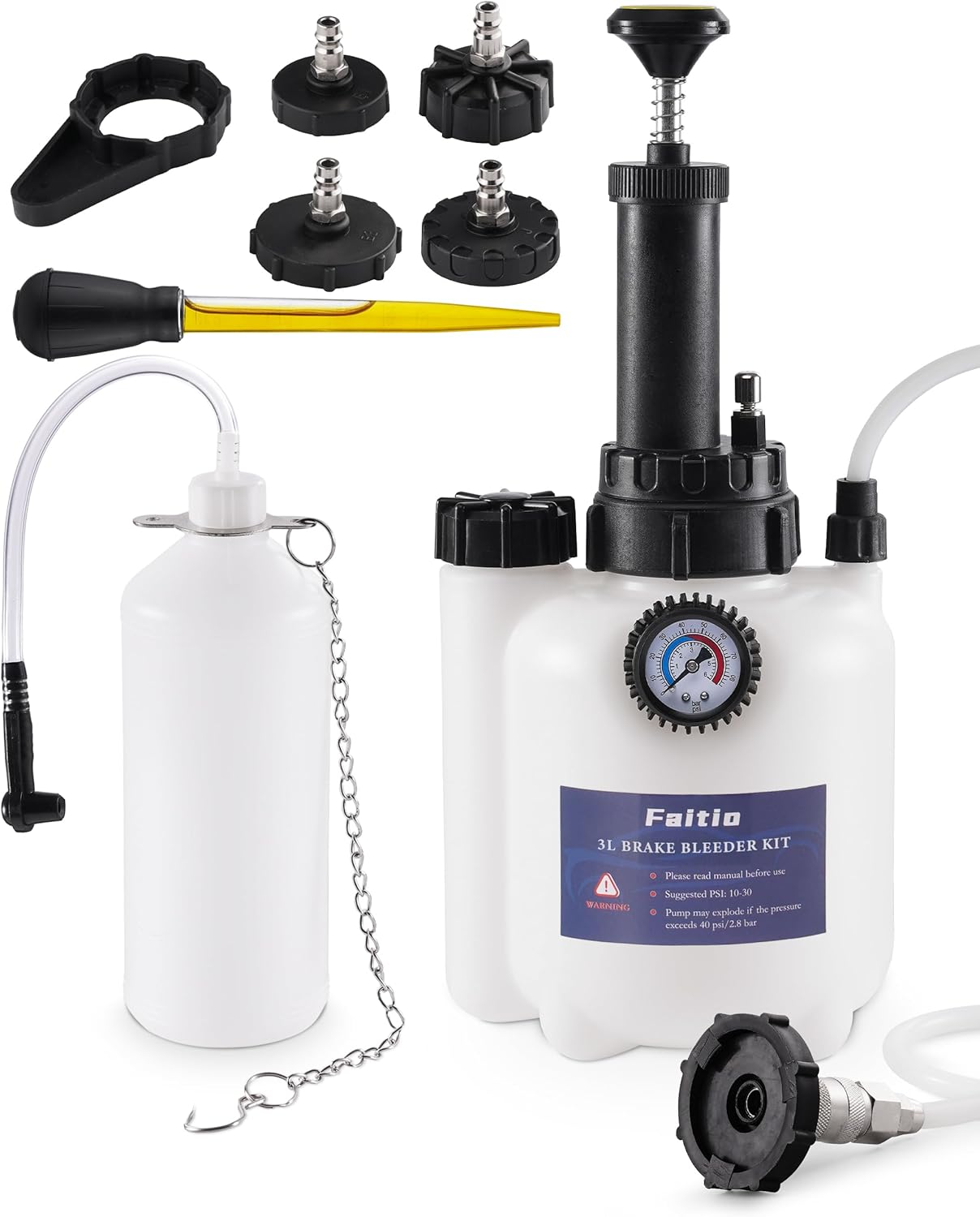
This one-man brake bleeding kit helps flush old brake fluid and remove trapped air for firmer, more responsive braking without the hassle of a second person. Its improved sealing and translucent catch bottle help prevent leaks while making fluid level checks easy during use. With multiple adapter sizes for many vehicle makes, it is a practical tool for clean, efficient brake system maintenance.
Troubleshooting Common Hood Release Issues

If the hood release keeps giving you trouble, match the symptom to the likely cause before you try another fix.
| Symptom | Likely Cause | What to Do |
| Interior lever feels loose | Stretched or disconnected release cable | Have the cable inspected before forcing the hood open |
| Hood pops but will not lift | Safety latch stuck or hard to reach | Use a flashlight, move the latch gently, and avoid prying |
| Hood will not close flush | Latch not reset, obstruction, or misalignment | Check for tools, rags, loose caps, or bent latch parts |
| Hood rattles after closing | Latch not fully seated or rubber bump stops misadjusted | Do not drive until the hood is fully latched |
If the hood was recently hit, repaired, or removed, alignment may be the real problem. A misaligned hood can damage the latch and may open unexpectedly if it does not lock fully.
Warning: Do not drive your Sonata if the hood does not latch fully. A loose hood can block your view if it opens while driving.
[Products Worth Considering]

Part Number: 81130C1100,81130 C1100,81130-C1100.


Application: Hood Latch Release Handle Compatible with Hyunda Azera 2012-2017, Sonata 2011-2019, Vel0ster 2012-2017, Elantra 2011-2016, Compatible with Ki-a Sorento 2011-2015, Optima 2011-2017
Essential Maintenance After Troubleshooting
After you open the hood, use the opportunity to make a few quick visual checks. These checks help you spot obvious problems early, but they do not replace the service schedule in your owner’s manual.
- Coolant level: Check the reservoir only when the engine is cool. The level should sit between the marked low and full lines.
- Engine oil: Use the dipstick if your model has one, or follow the oil-level procedure in the owner’s manual for your Sonata year.
- Battery area: Look for loose terminals, heavy corrosion, or swelling. Do not touch damaged battery parts with bare hands.
- Belts and hoses: Look for cracks, leaks, bulges, or obvious wear.
- Washer fluid: Top it off with the correct washer fluid for your climate.
You can also check open recalls through the NHTSA recall lookup. Use your VIN when possible because it gives the most specific result for your vehicle.
Checking Fluid Levels: What to Look For
Fluid checks are one of the most useful things you can do after opening the hood. Work slowly, keep caps clean, and do not open pressurized systems when the engine is hot.
[Products Worth Considering]


[VEHICLE FITMENT - HYUNDAI] Compatible with specific Nu engines ONLY: 2011-2020 Elantra (1.8L & 2.0L), 2014-2021 Tucson (2.0L ONLY), 2018-2021 Kona (2.0L ONLY), and 2019-2021 Veloster (2.0L ONLY). (Warning: Will NOT fit 1.6T or 2.4L models).

[OE]-266112E021
Coolant Level Check
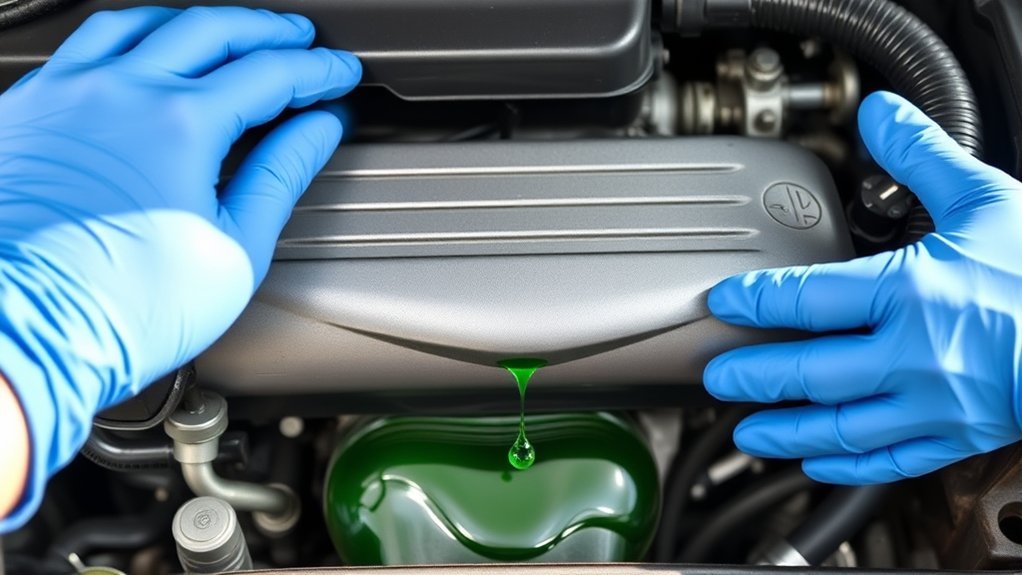
Find the translucent coolant reservoir near the radiator area. Check the level against the markings on the side of the reservoir. If the level is below the low mark, use the coolant type and mixture listed in your owner’s manual or on the coolant container label.
Do not remove the radiator cap or coolant pressure cap while the engine is hot. Hot coolant can spray out and cause serious burns. If the coolant level keeps dropping, you may have a leak that needs diagnosis.
Oil Level Inspection
For Sonata models with a dipstick, park on level ground, turn the engine off, wait a few minutes, pull the dipstick, wipe it clean, reinsert it fully, and check the reading. The oil level should sit between the minimum and maximum marks.
| Check Type | What to Look For | Action Needed |
| Oil Level | Between the minimum and maximum marks | Top off only with the correct oil type if low |
| Oil Color | Amber to brown, without metal flakes or thick sludge | Schedule service if the oil looks contaminated |
| Oil Leaks | Wet spots, drips, or burning-oil smell | Have the leak inspected promptly |
| Oil Change | Maintenance reminder or mileage/time interval due | Follow the schedule for your model year and driving conditions |
Using the correct oil specification matters because the wrong oil can affect lubrication, fuel economy, and long-term engine protection. Check the cap, manual, or service records before topping off.
Quick Maintenance Tips for Your Sonata
Once you know how to open the hood, build a simple monthly check routine. These quick checks help you catch low fluids, visible leaks, and wear before they become bigger problems.
- Check tire pressure monthly when the tires are cold, and use the pressure on the driver-side label or owner’s manual. You can also review NHTSA TireWise guidance for tire pressure and tread checks.
- Look over the battery terminals for corrosion or loose connections.
- Check coolant and washer fluid levels before long trips.
- Inspect wiper blades for streaking, splitting, or chatter, and replace them when visibility suffers.
- Look for warning lights on the dash and address them instead of waiting for symptoms to get worse.
Keep a small flashlight, tire-pressure gauge, gloves, and clean cloth in the car. These simple items make basic checks easier and cleaner.
A/C System Maintenance Tips

After confirming your Hyundai Sonata is in good basic condition, pay attention to the A/C system. Weak cooling, clicking noises, musty odors, or changing airflow can point to a clogged cabin air filter, low refrigerant, a leak, or a failing component.
Replace the cabin air filter at the interval listed in your owner’s manual, or sooner if you drive in dusty conditions. A clogged filter can reduce airflow and make the system feel weaker even when the refrigerant level is fine.
If the vents blow warm air, do not assume the system only needs a quick recharge. Low refrigerant often means there is a leak. Paid motor vehicle A/C service must follow EPA MVAC servicing requirements, including proper technician certification and refrigerant-handling equipment, so use a qualified shop for leak diagnosis and recharge work. You can review the EPA’s overview of Motor Vehicle Air Conditioner system servicing for more background.
Additional Resources for Hyundai Sonata Owners
Hyundai Sonata owners have several useful resources for maintenance, recall checks, and model-specific instructions. Use these before you rely on generic advice, especially if your Sonata is a hybrid, turbocharged model, or newer trim with different under-hood packaging.
- Owner’s manual: Use Hyundai’s official manual resource to find your model-year instructions, fluid specifications, and maintenance schedule.
- Recall lookup: Use NHTSA’s recall tool with your VIN to check whether your Sonata has an open safety recall.
- Service records: Keep receipts and notes for oil changes, coolant service, battery replacement, and latch repairs.
- Professional inspection: Ask a technician to inspect the hood latch if the hood sticks, rattles, sits unevenly, or will not latch securely.
These resources help you maintain your Sonata without guessing. They also reduce the chance of using the wrong fluid, missing a recall, or overlooking a latch problem that affects safety.
Frequently Asked Questions
Where is the hood release on a Hyundai Sonata?
The hood release is usually on the driver’s side near the lower dash, kick panel, or left footwell. Look for a small lever with a hood icon. After pulling it, release the secondary safety latch under the front edge of the hood.
Why will my Hyundai Sonata hood not pop open?
The latch may be under tension, dry, corroded, misaligned, or connected to a stretched release cable. Try having one person pull the interior release while another gently presses down on the hood. If the lever feels loose or the hood still will not move, have the cable and latch inspected.
Is it safe to drive if the hood does not latch all the way?
No. Do not drive if the hood sits unevenly, rattles, or will not latch securely. A hood that opens while driving can block your view. Close it again, check for obstructions, and have the latch repaired if it still will not lock.
Can I open a stuck Sonata hood with a coat hanger?
Only use that method as a last resort if you can clearly see the latch and avoid nearby parts. A wire tool can damage the grille, radiator fins, sensors, cable, or latch. If you cannot see the latch clearly, call a mechanic or roadside service.
Conclusion
Opening the hood on a Hyundai Sonata is simple once you know the two-step latch system: pull the interior release, then move the safety latch under the front edge of the hood. Take a moment to park safely, let the engine cool, and support the hood before checking fluids or doing maintenance.
If the hood sticks, the release lever feels loose, or the hood will not close securely, treat it as a safety issue. Do not force the latch or drive with a questionable hood closure. A quick inspection and proper repair can prevent damage and keep your Sonata safer to maintain.
Sources
- Hyundai Manuals & Warranties — supports using model-year-specific owner’s manuals and maintenance schedules.
- NHTSA Recall Lookup — supports checking safety recalls by VIN, year, make, and model.
- NHTSA TireWise — supports monthly cold tire-pressure checks and tire maintenance guidance.
- EPA Motor Vehicle Air Conditioner System Servicing — supports proper MVAC refrigerant servicing and certification guidance.