A coolant leak in a Hyundai Sonata can be as simple as a loose hose clamp or as serious as a failing water pump, radiator, heater core, or head gasket. The safest way to diagnose it is to start with a cool engine, confirm that the fluid is actually coolant, inspect the most common leak points, and pressure-test the cooling system before replacing parts.
Quick Answer
To diagnose a Hyundai Sonata coolant leak, check for colored fluid under the car, a sweet coolant smell, falling reservoir level, overheating, crusty residue around hoses, and wet areas near the radiator, water pump, thermostat housing, heater hoses, and reservoir. Use a cooling-system pressure tester on a cool engine to find leaks that only appear under pressure.
Key Takeaways
- Never remove the radiator cap or pressure-test the cooling system while the engine is hot.
- Common Sonata leak points include radiator seams, upper and lower radiator hoses, heater hoses, thermostat housing, coolant reservoir, radiator cap, water pump, and head gasket areas.
- A pressure test is one of the best ways to find slow leaks that do not drip during a normal visual inspection.
- Use the coolant type and mixture recommended for your specific Sonata model year. The 2007 Sonata manual calls for high-quality ethylene-glycol coolant compatible with aluminum engine parts.
- Persistent coolant loss, overheating, white exhaust smoke, milky oil, or coolant odor inside the cabin should be handled by a qualified technician.
At a Glance
| Time Required | 20–60 minutes for basic diagnosis; longer if parts must be removed |
| Difficulty | Beginner for visual checks; intermediate for hose, cap, reservoir, or pressure-test work |
| Tools Needed | Gloves, safety glasses, flashlight, clean rags, drain pan, coolant pressure tester, basic hand tools, and optional UV dye kit |
| Cost | Low for inspection supplies; higher for parts such as hoses, radiator, water pump, heater core, or head gasket repair |
Understanding Coolant Leaks in Your Hyundai Sonata
Coolant moves heat away from the engine and through the radiator. When the system leaks, the engine can overheat, cabin heat can become weak, and expensive damage can follow. In a Hyundai Sonata, the leak may come from an external part you can see, such as a hose or radiator, or from a hidden internal problem, such as a head gasket failure.
Start by learning the signs. Coolant is usually green, pink, orange, blue, or yellow depending on the product used. It often has a sweet smell because many coolants contain ethylene glycol, which the ATSDR public health statement on ethylene glycol identifies as an odorless liquid with a sweet taste. Treat all coolant as poisonous and keep it away from children and pets.
Warning: Never open the radiator cap or coolant reservoir pressure cap when the engine is hot. Hot coolant can spray out under pressure and cause severe burns. Let the engine cool fully before inspecting, topping off, or pressure-testing the system.
Key Signs of a Coolant Leak to Watch For
Coolant leaks are not always dramatic. A small leak may evaporate on a hot engine before it reaches the ground. Check for these symptoms before you start replacing parts:
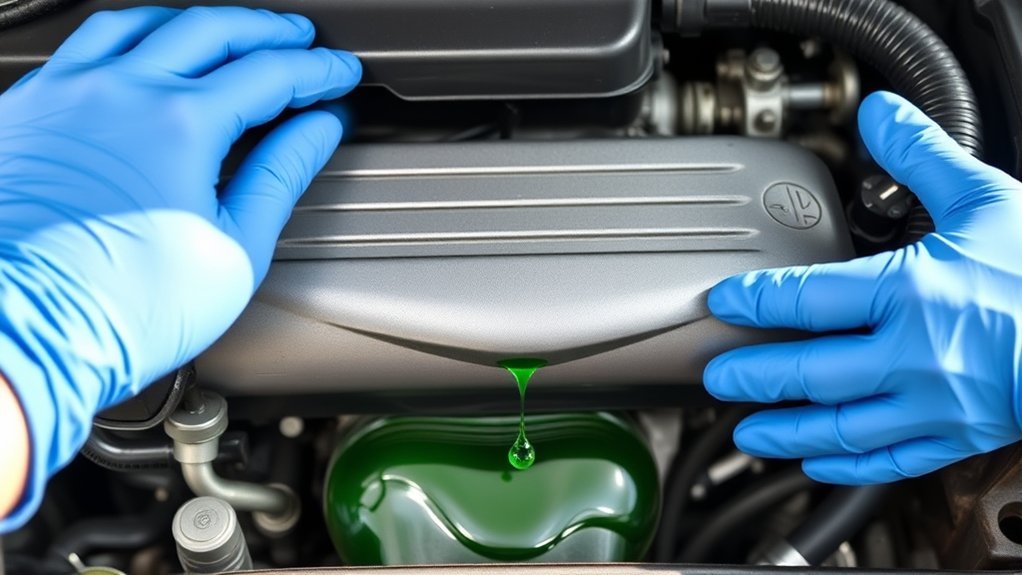
- Colored puddles under the front of the car: Coolant may drip below the radiator, passenger side, or engine center depending on the leak point.
- Sweet smell near the engine bay: A sweet odor after driving can mean coolant is leaking onto hot metal.
- Low coolant reservoir level: If the level keeps dropping after you top it off, the system has a leak or internal coolant loss.
- Overheating or temperature gauge rising: Low coolant can reduce heat transfer and cause the engine to run hot.
- White crusty residue: Dried coolant often leaves a powdery or crusty trail around hose ends, radiator seams, the thermostat housing, or the water pump.
- Poor cabin heat: Low coolant or trapped air can reduce heater performance.
- Wet passenger-side carpet or foggy windows: These can point to a heater core leak inside the cabin.
- White exhaust smoke, milky oil, or bubbling in the reservoir: These may indicate an internal leak such as a head gasket problem.
Note: Air-conditioning condensation is clear water and is normal. Coolant usually has color, a slippery feel, and a sweet smell. Do not taste it to identify it.
Common Causes of Coolant Leaks in Hyundai Models
Most Sonata coolant leaks come from normal wear, heat cycling, corrosion, or old rubber parts. Check these areas first:
- Radiator hoses and heater hoses: Rubber hoses can crack, swell, soften, or leak at the clamp.
- Radiator seams or plastic end tanks: Older radiators can seep where the plastic tank meets the aluminum core.
- Radiator cap or pressure cap: A weak cap may not hold pressure and can push coolant into the overflow or out of the system.
- Coolant reservoir: Plastic tanks can crack, especially near seams, caps, or hose nipples.
- Thermostat housing and gasket: Gasket failure or corrosion around the housing can create a slow leak.
- Water pump: A failing pump can leak from the weep hole or seal area and may also make noise.
- Coolant inlet pipe and O-rings: O-rings can harden and leak after years of heat exposure.
- Heater core: A leak inside the heater core can cause coolant smell inside the cabin, damp carpet, or window fogging.
- Head gasket or engine sealing issue: This is less common than hose or radiator leaks but much more serious.
Before assuming the leak is a common part failure, check your exact vehicle for open safety recalls by VIN through NHTSA’s recall lookup or Hyundai’s official campaign system. Recalls are VIN-specific, so the model year alone is not enough.
Before You Start: Safety and Coolant Type
Park on level ground, set the parking brake, and let the Sonata cool completely. Wear gloves and eye protection because coolant can irritate skin and is toxic if swallowed. Keep a drain pan under any area you inspect or disconnect.
Use coolant that matches your Sonata’s model year and engine. For example, the 2007 Hyundai Sonata owner’s manual section on recommended engine coolant calls for a high-quality ethylene-glycol coolant in a 50/50 mix with water, compatible with aluminum engine parts, and warns against using extra corrosion inhibitors or additives. Hyundai’s owner resources can help you find the correct manual for your model year through Hyundai Manuals & Warranties.
Pro Tip: Do not mix random coolant formulas just because the color looks similar. Coolant color is not a reliable standard across brands. Match the specification in your owner’s manual or ask a Hyundai parts counter for the correct coolant for your VIN.
Tools and Materials Needed for Coolant Leak Repairs
Gather the tools before you start so you do not have to leave the system open while looking for parts.
- Safety glasses and chemical-resistant gloves
- Flashlight or work light
- Inspection mirror
- Clean rags or shop towels
- Cardboard or paper placed under the car to locate drips
- Drain pan and sealable container for used coolant
- Cooling-system pressure tester with the correct adapter
- Basic hand tools, including pliers, screwdrivers, sockets, and wrenches
- Replacement clamps, hoses, O-rings, cap, or reservoir if needed
- Correct premixed coolant or concentrate plus distilled water
- Optional UV dye and UV flashlight for hard-to-find leaks
[Products Worth Considering]

This engine coolant thermostat with seal is designed to help maintain proper engine temperature and support efficient cooling system performance. It is compatible with a wide range of Toyota, Lexus, Ford, Chevrolet, Mitsubishi, Scion, and Pontiac models, making it a versatile replacement choice for many vehicles. With included seal and durable metal-and-rubber construction, it offers a convenient fitment solution for cooling system repairs and maintenance.

This engine water pump kit is designed to help maintain reliable cooling performance across a wide range of compatible Toyota, Lexus, Scion, and Pontiac vehicles. Built with aluminum and tested for leak-free operation, it offers a direct replacement solution that supports engine efficiency and long-term service life. The kit includes a professional water pump and gasket for a convenient installation-ready repair.

This all-in-one radiator pressure tester and vacuum refill kit helps diagnose cooling system leaks, measure temperature, and refill coolant efficiently. It includes a wide range of adapters for broad vehicle compatibility, plus a pressure tester, vacuum refiller, thermometer, and storage case for organized use. Designed for DIY mechanics and professionals, it simplifies coolant service while reducing guesswork and unnecessary repairs.
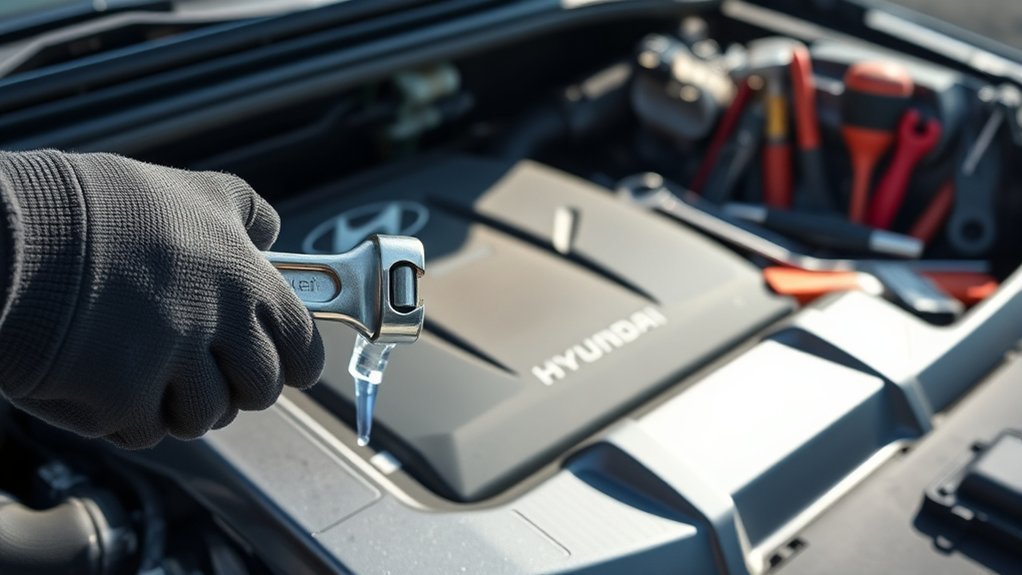
Step-by-Step Guide to DIY Coolant Leak Diagnosis and Repair
[Products Worth Considering]

This coolant electric water pump is designed as a replacement for select Toyota vehicles, helping maintain proper engine cooling performance and reliable temperature control. Built to OE specifications, it offers fitment support for compatible Avalon, Camry, and RAV4 models with 2.5L L4 engines. It also includes cross-reference part numbers for easier matching and comes with after-sales support for covered defects.

The OEMTOOLS coolant vacuum refill kit helps quickly refill a vehicle’s cooling system while removing trapped air that can lead to overheating and engine damage. It also performs vacuum leak tests to help confirm system integrity and reduce the chance of repeat repairs. With multiple bushings, adapters, and a tapered cone seal, it is designed for flexible use on many radiator and coolant bottle necks.

This 16-piece hose clamp pliers set provides a complete solution for removing and installing a wide range of automotive hose clamps. It is designed to reach tight engine spaces and handle spring, flat band, and ring-type clamps on radiator, coolant, fuel, and vacuum hoses. Built from durable heat-treated steel and organized in a carrying case, it helps simplify repairs for cars, trucks, motorcycles, and DIY maintenance.
Step 1: Confirm the Fluid Is Coolant
Look at the puddle color, smell, and location. Coolant is usually colored and slightly slippery. engine oil is brown or black, transmission fluid is often red or amber, brake fluid is usually clear to amber, and A/C condensation is clear water.
Step 2: Check the Reservoir Level
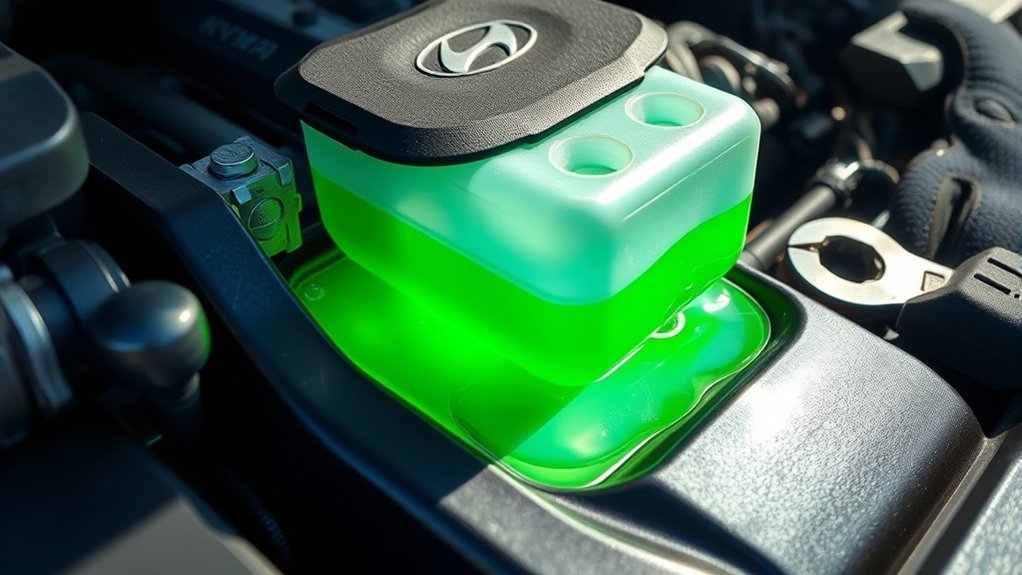
With the engine cool, check the coolant reservoir level against the low and full marks. If the level is below the low mark, add the correct coolant mixture, then recheck it after one or two drives. A level that drops again needs diagnosis.
The 2007 Sonata manual says the coolant level should sit between the “L” and “F” marks and advises inspection for leaks if the level is low or drops again. That same section recommends dealer inspection if the level keeps falling after refilling.
Step 3: Inspect Hoses, Clamps, and Connections
Squeeze the upper and lower radiator hoses when the engine is cool. Replace hoses that feel mushy, brittle, cracked, oil-soaked, swollen, or unusually hard. Look closely at clamp areas because coolant often seeps from the end of a hose before it drips to the ground.
Step 4: Check the Radiator and Reservoir
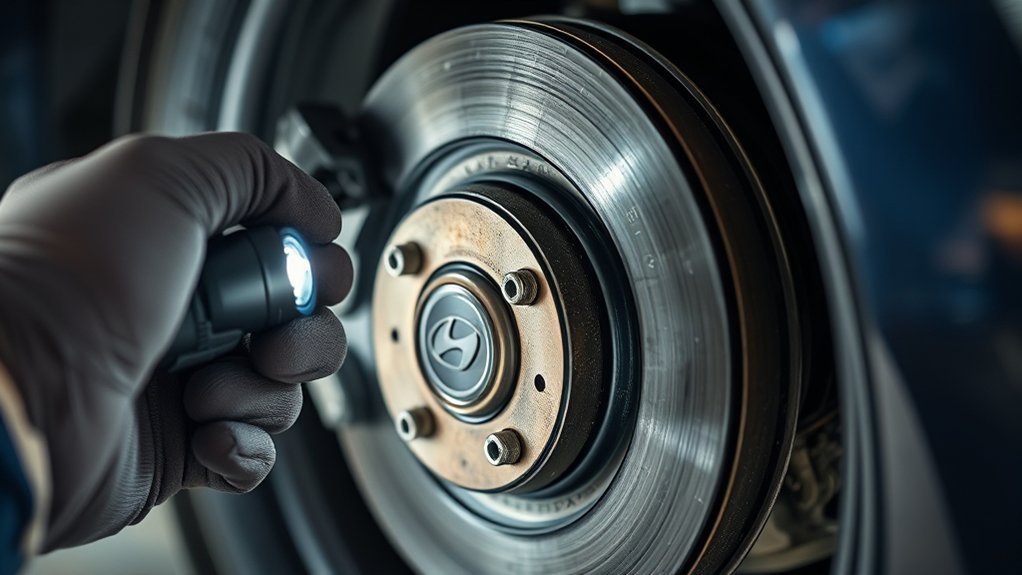
Use a flashlight to inspect the radiator tanks, seams, drain plug, and lower corners. Look for wetness or dried coolant trails. Check the coolant reservoir for hairline cracks, loose hoses, or leakage around the cap.
Step 5: Check the Water Pump and Thermostat Housing
Look around the water pump area for wet spots, crusty residue, or coolant tracks. A water pump leak may appear near the pulley or lower engine area. Also inspect the thermostat housing and gasket because the housing can seep after gasket failure or corrosion.
Step 6: Look for Heater Core Signs
If the cabin smells sweet, the windshield fogs with an oily film, or the passenger carpet feels damp, suspect a heater core or heater-hose leak. Heater core replacement is usually labor-intensive because it may require interior disassembly.
Step 7: Test for Internal Coolant Loss
If there are no visible external leaks, check for signs of internal coolant loss. White exhaust smoke after warm-up, a rough start, unexplained overheating, bubbles in the reservoir, or oil that looks milky can point to a head gasket or internal engine issue. Stop driving and have the car tested if these symptoms appear.
Step 8: Make the Repair
Simple repairs may include tightening or replacing a hose clamp, replacing a worn hose, installing a new radiator cap, replacing a cracked reservoir, or replacing an O-ring. More involved jobs, such as a radiator, water pump, thermostat housing, heater core, or head gasket, may require professional service.
Step 9: Refill, Bleed, and Recheck
After the repair, refill with the correct coolant mixture and bleed trapped air according to your owner’s manual or service manual. The 2007 Sonata manual describes filling slowly, running the engine at idle until coolant circulates, allowing the cooling fan to cycle, and rechecking the reservoir level after the engine cools. Always confirm the repair with another visual inspection and a pressure test.
Warning: Avoid using stop-leak products as a normal repair. They may temporarily slow a small leak, but they can also clog radiator passages, heater core tubes, or thermostat areas. Use them only as an emergency measure when you cannot safely tow or repair the car right away.
Conducting a Pressure Test for Leak Detection
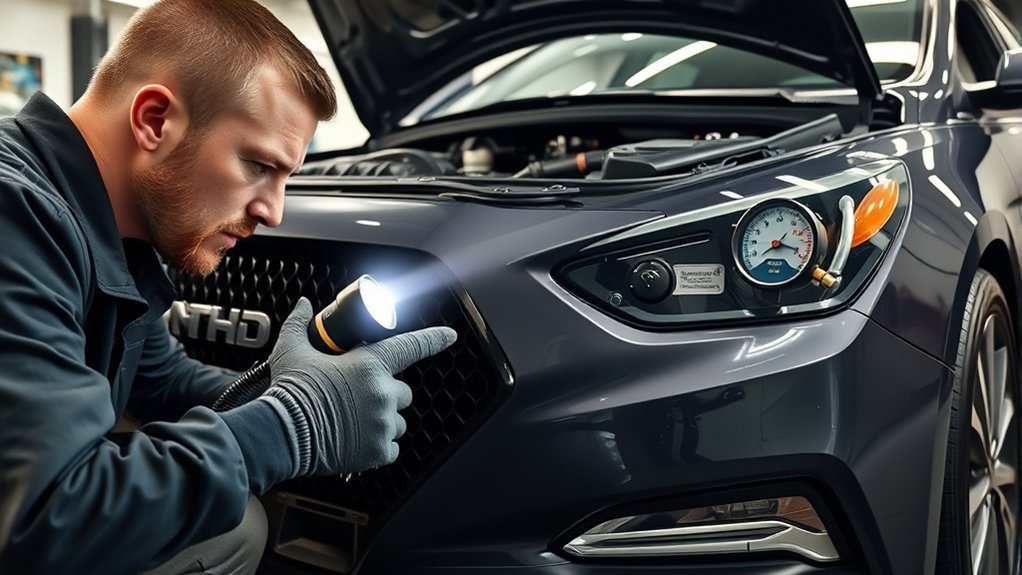
A pressure test helps find leaks that only appear when the cooling system is pressurized. This is especially useful when you smell coolant but do not see a puddle.
- Let the engine cool completely. Do not test a hot system.
- Remove the cap carefully. Use a thick cloth and open slowly only after the engine is cool.
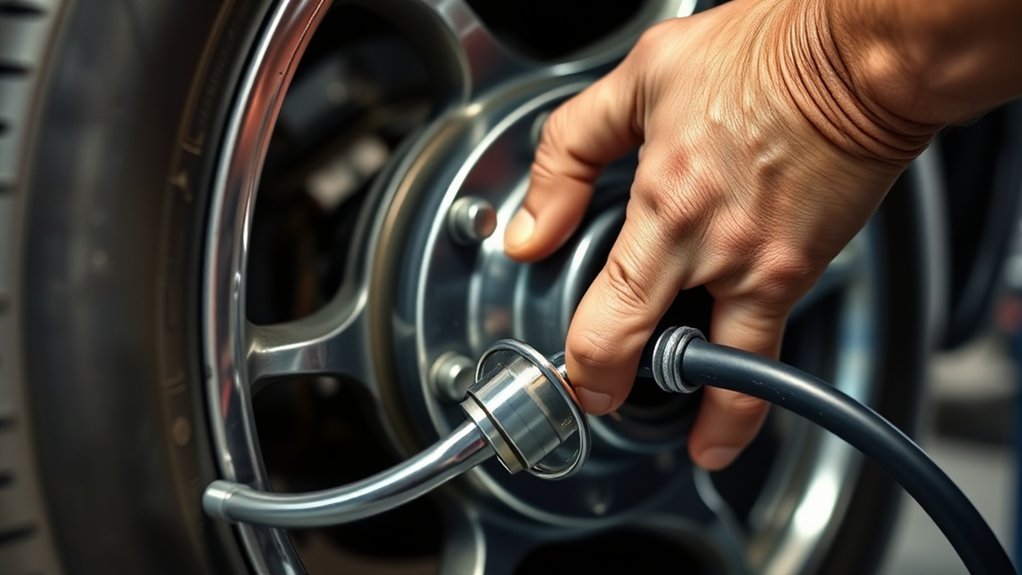
- Attach the pressure tester. Use the adapter that fits the radiator neck or reservoir, depending on your Sonata’s design.
- Pump to the cap-rated pressure. Do not exceed the rating printed on the cap or specified by the service information.
- Watch the gauge. A falling pressure reading suggests a leak.
- Inspect the system. Check hoses, radiator seams, water pump, thermostat housing, reservoir, heater hoses, and the cabin floor area.
- Release pressure safely. Bleed the tester pressure before removing the adapter.
If pressure drops but you still cannot find an external leak, the coolant may be leaking internally. At that point, a shop can perform a block test, combustion-gas test, borescope inspection, or cylinder leak-down test.
[Products Worth Considering]

This versatile automotive funnel kit makes oil and coolant filling cleaner, safer, and more efficient across a wide range of vehicles. With multiple color-coded adapters, secure sealing, and hands-free locking support, it helps prevent leaks, spills, and mismatched fittings during maintenance. The organized magnetic storage and durable heat-resistant construction make it a practical choice for both DIY repairs and professional service work.

This professional water pump kit is designed as a direct OE replacement for select Toyota and Lexus 3.5L V6 vehicles, helping restore reliable engine cooling performance. Built to strict quality standards and tested for leak-free operation, it includes the necessary gasket for easier installation and a secure fit. It offers a practical upgrade for drivers seeking dependable cooling system maintenance and long-lasting performance.

These genuine Toyota oil drain plug gaskets are designed to help maintain a reliable seal during oil changes, reducing the chance of leaks and supporting proper engine maintenance. With an OEM fit and trusted Toyota quality, they are a practical choice for routine service on compatible vehicles. The convenient quantity pack is ideal for keeping multiple maintenance intervals covered.
How to Decide What to Replace
Do not replace the radiator, water pump, or head gasket just because coolant is disappearing. Match the part to the evidence:
| Symptom | Likely Area | Best Next Step |
|---|---|---|
| Wet hose end or crusty clamp area | Hose or clamp | Replace weak hose and clamp together |
| Coolant on radiator side tank seam | Radiator | Pressure-test and replace radiator if seam leaks |
| Coolant below pulley side of engine | Water pump | Inspect pump, belt area, and weep hole |
| Sweet smell inside cabin | Heater core or heater hoses | Check carpet, vents, and firewall hoses |
| No visible leak but coolant keeps dropping | Internal leak or evaporating external leak | Pressure test, UV dye test, and combustion-gas test |
| Milky oil or white exhaust smoke | Head gasket or internal engine issue | Stop driving and get professional diagnosis |
When Should You Call in a Pro?
DIY diagnosis is useful, but not every coolant leak is a good home repair. Call a qualified mechanic if the Sonata overheats repeatedly, loses coolant quickly, has no visible leak, shows signs of coolant in the oil, blows white smoke, or needs a repair that requires major disassembly.
Severe Leak Indicators
Get help quickly if you notice any of these:
- Temperature gauge climbing into the hot range
- Steam from under the hood
- Coolant spraying or pouring out
- Coolant loss after every drive
- Misfire, rough start, or white smoke with coolant loss
- Milky engine oil or rising oil level
- Coolant smell inside the cabin with damp carpet
Complex Repair Needs
Water pump replacement, heater core replacement, radiator replacement on tightly packaged models, and head gasket diagnosis can require special tools, coolant bleeding procedures, and labor time. A technician can pressure-test the system, test the cap, inspect for combustion gases, and confirm the failed part before you spend money on unnecessary repairs.
How Regular Maintenance Can Prevent Coolant Leaks
Regular maintenance helps prevent small cooling-system problems from becoming engine damage. Check the coolant level at least monthly and before long trips. Inspect hoses whenever the oil is changed. Replace coolant at the interval listed in your owner’s manual, and use the correct mixture and water type.
The 2007 Sonata owner’s manual warns that the engine has aluminum parts and should be protected with ethylene-glycol coolant. It also warns against hard water because it can contribute to corrosion, overheating, or freezing. Distilled water is the safer choice when mixing coolant concentrate.
- Look for swelling, cracks, and oil contamination on hoses.
- Replace weak spring clamps or corroded worm clamps.
- Keep leaves and debris away from the radiator and cooling fans.
- Watch the temperature gauge after any coolant service.
- Check that the electric cooling fans operate when the engine warms up.
- Investigate coolant loss immediately instead of repeatedly topping off the reservoir.
Online Communities for Coolant Leak Troubleshooting
Owner forums, Hyundai-specific groups, and repair videos can help you recognize common leak patterns, but use them as a starting point rather than proof. A photo of another Sonata’s leak can guide your inspection, but your car still needs its own pressure test and visual confirmation.
When you ask for help online, include the model year, engine size, mileage, coolant color, where the puddle appears, whether the car overheats, and clear photos of the suspected leak area. Avoid taking advice that recommends replacing expensive parts without testing.
Preventing Coolant Leaks for a Longer-Lasting Vehicle
The best prevention is simple: keep the system full, clean, correctly mixed, and inspected. Coolant does more than prevent freezing. It also helps control corrosion and heat transfer. Old or incorrect coolant can shorten the life of the radiator, water pump, heater core, and gaskets.
Regular System Inspections
Inspect the coolant reservoir, radiator, hoses, clamps, and engine bay every few weeks or whenever you notice a smell, drip, or temperature change. Small leaks often leave residue before they become puddles.
Quality Component Replacements
Use quality replacement hoses, clamps, caps, gaskets, and coolant. Cheap parts can fit poorly or fail early. When a hose is old enough to leak, the clamp and nearby hoses may also be near the end of their service life, so inspect the whole area instead of replacing only the wettest part.
Safe Coolant Cleanup and Disposal
Clean spills quickly and keep pets away from the area. Store drained coolant in a sealed, clearly labeled container. Do not pour coolant into a storm drain, onto the ground, or into household trash. The EPA’s antifreeze recycling guidance explains that waste antifreeze can be recycled through methods that remove contaminants and restore coolant properties with additives.
Used coolant may also contain metals and other contaminants, so disposal rules vary by location. Contact your local household hazardous waste program, recycling center, or repair shop to find an accepted drop-off option.
Frequently Asked Questions
Why is my coolant leaking in my 2007 Hyundai Sonata?
A 2007 Hyundai Sonata coolant leak may come from a cracked or loose hose, radiator seam, radiator cap, coolant reservoir, thermostat housing, water pump, heater core, O-ring, or head gasket. Start with a cool-engine visual inspection and then pressure-test the cooling system to confirm the leak before replacing parts.
How much does it cost to get a coolant leak diagnosed?
Many shops charge roughly one diagnostic labor hour to inspect and pressure-test a coolant leak, but the exact price depends on local labor rates and how hidden the leak is. Ask whether the diagnostic fee includes a pressure test, cap test, UV dye inspection, or combustion-gas test.
Can I drive my Hyundai Sonata with a coolant leak?
Do not drive if the temperature gauge is rising, steam is visible, coolant is pouring out, or the reservoir empties quickly. A short drive with a very small leak may still be risky because overheating can damage the engine. Towing is safer when coolant loss is fast or the cause is unknown.
What coolant should I use in a Hyundai Sonata?
Use the coolant specification listed in your owner’s manual for your exact model year and engine. For the 2007 Sonata, the owner’s manual specifies high-quality ethylene-glycol coolant compatible with aluminum engine parts, typically mixed 50/50 with water unless climate conditions require a different approved concentration.
Why does my Sonata lose coolant but I do not see a puddle?
The leak may be evaporating on hot engine parts, dripping only while driving, leaking into the cabin through the heater core, or entering the engine internally. A pressure test, UV dye inspection, and combustion-gas test can help locate coolant loss when no puddle appears.
Is a coolant pressure test safe to do at home?
Yes, if the engine is completely cool, you use the correct adapter, and you do not exceed the pressure rating on the cap or service information. Release the tester pressure before removing it. If you are unsure, have a mechanic perform the test.
Conclusion
A Hyundai Sonata coolant leak is easiest to fix when you catch it early. Start with safe, cool-engine checks, confirm the fluid, inspect common leak points, and use a pressure test before buying parts. Replace simple failed components such as hoses, clamps, caps, and reservoirs when the evidence is clear, but get professional help for overheating, hidden leaks, heater core symptoms, or possible head gasket trouble. Staying proactive protects the cooling system and helps your Sonata avoid serious engine damage.
Sources
- Hyundai Manuals & Warranties — official Hyundai owner manual lookup resource.
- 2007 Hyundai Sonata Owner’s Manual, coolant recommendation and level check — coolant mixture, aluminum-engine compatibility, concentration guidance, and coolant level guidance.
- 2007 Hyundai Sonata Owner’s Manual, coolant change procedure — radiator cap pressure-release and refill/bleeding procedure.
- 2007 Hyundai Sonata Owner’s Manual, lubrication chart — coolant type and capacity reference.
- NHTSA Recalls Lookup — official VIN-based recall checking.
- ATSDR Public Health Statement for Ethylene Glycol — coolant toxicity and ethylene glycol safety information.
- EPA Antifreeze Recycling Best Practices — used antifreeze recycling and waste-management guidance.