

A Hyundai Sonata that overheats in hot weather usually has a cooling-system problem that shows up faster when the engine, air conditioning, and outside temperature are all working against each other. The safest response is to pull over, watch the temperature gauge, avoid opening the coolant cap while hot, and look for signs of low coolant, poor airflow, a weak fan, a stuck thermostat, a failing water pump, or a radiator problem.
Quick Answer
If your Sonata overheats in hot weather, pull over safely, turn off the A/C, monitor the gauge, and shut the engine off if steam, coolant loss, or a rising temperature is present. Do not remove the coolant cap while hot. Once cool, check coolant level, leaks, radiator airflow, and fan operation.
Key Takeaways
- Hot weather often exposes weak parts in the Sonata cooling system, especially low coolant, clogged radiator fins, fan problems, thermostat issues, or leaks.
- Never open the coolant reservoir cap, radiator cap, or drain plug while the engine is hot because pressurized coolant and steam can cause severe burns.
- If coolant is leaking, steam is coming from under the hood, or the gauge stays near “H,” stop driving and call for roadside help or a tow.
- Use the coolant type and maintenance schedule for your exact Sonata model year, trim, and engine, because intervals can differ.
At a Glance
| Time Required | 5–15 minutes for basic roadside checks after the engine cools |
| Difficulty | Easy for inspection; professional diagnosis recommended for leaks, fan faults, thermostat issues, or repeat overheating |
| Tools Needed | Owner’s manual, flashlight, gloves, thick towel, correct premixed coolant if needed |
| Cost | Basic coolant top-off may be low-cost; repairs vary by cause and model year |
Immediate Steps to Take When Your Sonata Overheats

When your Sonata starts to overheat, pull over to a safe, flat location as soon as you can. Turn on your hazard lights, shift to Park, and turn off the air conditioning. If there is no steam and no visible coolant loss, you may let the engine idle briefly while watching the temperature gauge and checking whether the cooling fan is running. If the gauge keeps climbing, the fan is not running, coolant is leaking, or steam appears, turn the engine off.
Warning: Never remove the coolant reservoir cap, radiator cap, or drain plug while the engine and radiator are hot. Hot coolant and steam can blow out under pressure and cause severe burns.
Do not open the hood if steam is coming from underneath it. Wait until the steaming stops and the engine has cooled. If you see coolant running under the vehicle, or if the temperature does not return to normal, call roadside assistance or a tow truck rather than continuing to drive.
Document the incident with photos and notes if it is safe to do so. Record the outside temperature, whether the A/C was on, how long you had been driving, the gauge position, any warning messages, and any visible leaks. This information helps a technician diagnose the issue and can be useful during dealer visits.
[Products Worth Considering]

The V500 Pro is an all-in-one automotive electrical diagnostic tool that combines circuit testing, wire tracing, oscilloscope analysis, multimeter functions, injector testing, relay and fuse checks, and component activation in one device. It helps technicians and DIY users quickly find open circuits, short circuits, broken wires, and current leaks while reducing disassembly and guesswork. With a rotating screen, built-in flashlight, and adjustable low-voltage power supply, it is designed to speed up troubleshooting in tight and low-light work areas.

This engine water pump kit is designed to help maintain reliable cooling performance across a wide range of compatible Toyota, Lexus, Scion, and Pontiac vehicles. Built with aluminum and tested for leak-free operation, it offers a direct replacement solution that supports engine efficiency and long-term service life. The kit includes a professional water pump and gasket for a convenient installation-ready repair.

The OEMTOOLS coolant vacuum refill kit helps quickly refill a vehicle’s cooling system while removing trapped air that can lead to overheating and engine damage. It also performs vacuum leak tests to help confirm system integrity and reduce the chance of repeat repairs. With multiple bushings, adapters, and a tapered cone seal, it is designed for flexible use on many radiator and coolant bottle necks.
Common Signs of Overheating in Your Sonata
Recognizing overheating early can prevent expensive engine damage. The most obvious sign is the engine coolant temperature gauge moving beyond the normal range toward “H” or a warning message saying the engine has overheated.
Other warning signs include steam from the hood, a sweet coolant smell, coolant puddles under the car, reduced A/C performance, a temperature gauge that drops when you turn the A/C off, or a gauge that swings between normal and hot. A brief rise during a long climb or heavy traffic may not always mean a major failure, but repeated overheating should never be ignored.
Note: Water dripping under the vehicle after using the air conditioning is often normal condensation. Colored coolant, a sweet smell, steam, or a falling coolant level is not normal and should be inspected.
Top Reasons Your Sonata May Overheat
A Sonata can overheat for several reasons, but hot weather usually makes existing cooling-system weaknesses show up faster. Start with simple checks such as coolant level and airflow, then move to parts that require testing, such as the fan, thermostat, radiator cap, and water pump.
[Products Worth Considering]

This all-in-one radiator pressure tester and vacuum refill kit helps diagnose cooling system leaks, measure temperature, and refill coolant efficiently. It includes a wide range of adapters for broad vehicle compatibility, plus a pressure tester, vacuum refiller, thermometer, and storage case for organized use. Designed for DIY mechanics and professionals, it simplifies coolant service while reducing guesswork and unnecessary repairs.

This coolant electric water pump is designed as a replacement for select Toyota vehicles, helping maintain proper engine cooling performance and reliable temperature control. Built to OE specifications, it offers fitment support for compatible Avalon, Camry, and RAV4 models with 2.5L L4 engines. It also includes cross-reference part numbers for easier matching and comes with after-sales support for covered defects.
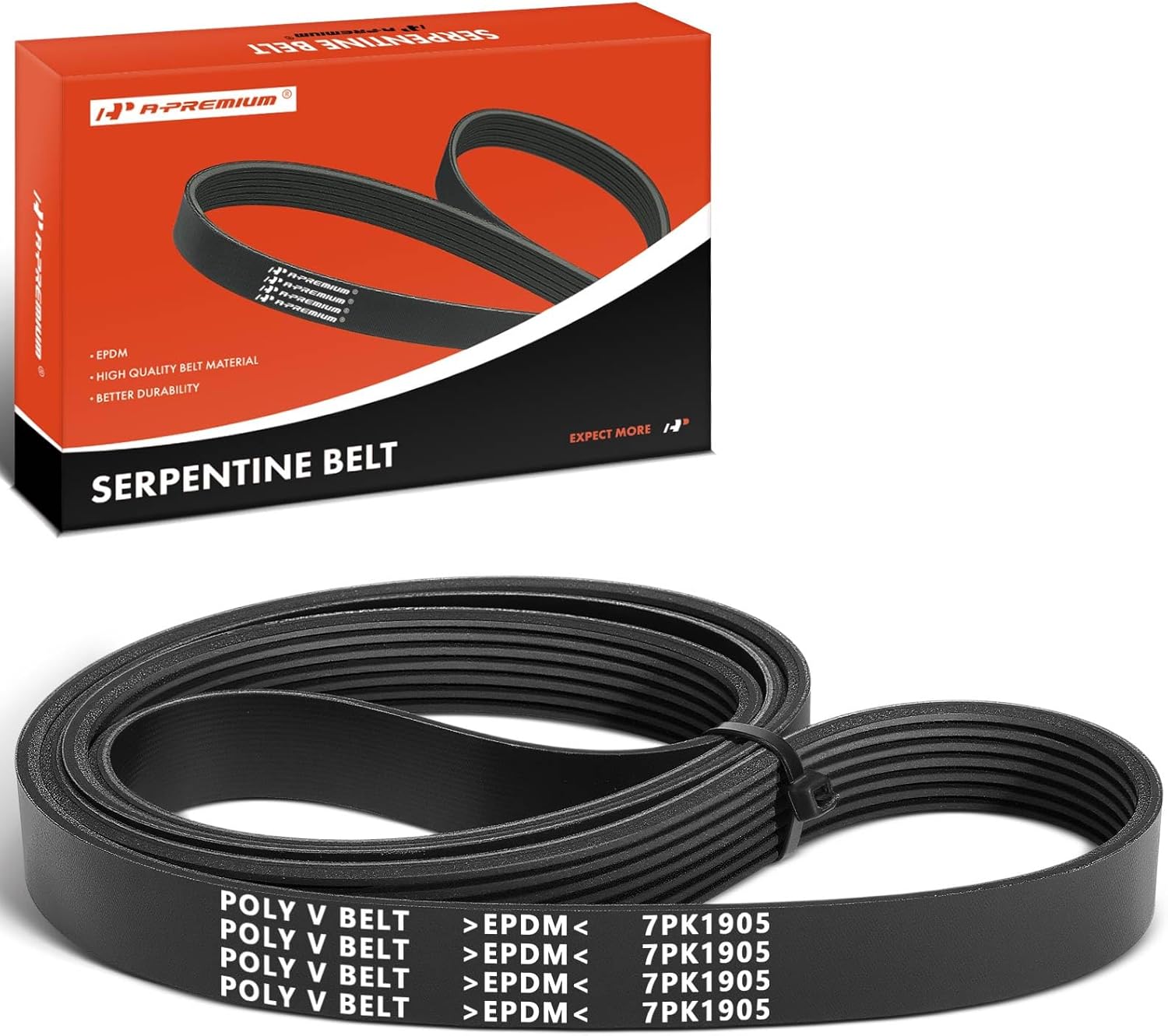
This A-Premium serpentine belt is engineered for select Toyota, Scion, and Pontiac vehicles with the L4 2.4L gas engine, delivering dependable air conditioning drive performance. Made with durable EPDM and precision dimensions, it helps resist cracking, reduce noise, and maintain stable tension for smooth operation. It's designed for straightforward installation and backed by a one-year unlimited-mileage guarantee for added confidence.
Low Coolant or Coolant Leaks
Low coolant is one of the most common overheating causes. Coolant absorbs engine heat and carries it to the radiator. If the level is low, the system cannot move heat away from the engine effectively.
Common leak points include radiator tanks, radiator hoses, heater hoses, hose clamps, the coolant reservoir, the water pump, the thermostat housing, and in some cases the radiator cap or pressure cap. If you need to add coolant often, treat that as a leak until proven otherwise.
Common Cooling Issues
Cooling problems often come from a combination of weak parts. A clogged radiator, restricted coolant passage, poor fan operation, weak water pump, damaged hose, failing pressure cap, or air trapped in the system can all cause the engine temperature to rise.
Hot weather and stop-and-go traffic add stress because the radiator depends more on the electric cooling fan when the car is moving slowly. If the fan does not switch on at operating temperature, the engine may overheat at idle or in traffic but run cooler at highway speed.
Thermostat Malfunctions
The thermostat controls coolant flow between the engine and radiator. If it sticks closed, coolant cannot circulate properly and the engine can overheat quickly. If it sticks partly open or operates erratically, the temperature gauge may fluctuate.
Thermostat problems often appear after several minutes of driving, once the engine reaches operating temperature. A technician can test thermostat operation and confirm whether replacement is needed. Replacing the thermostat without diagnosing the rest of the system may not solve the problem if the real cause is a leak, fan fault, clogged radiator, or air pocket.
Airflow Blockages
Air must pass through the grille, A/C condenser, and radiator fins to remove heat. Bugs, leaves, plastic bags, road debris, dirt, or bent fins can reduce airflow and make overheating more likely in summer traffic.
Inspect the front grille and radiator area when the engine is off and cool. Remove visible debris carefully. If the radiator or A/C condenser fins are packed with dirt, a gentle rinse or professional cleaning may restore airflow. Avoid high-pressure washing directly into the fins because it can bend them.
Radiator Fan Problems
The cooling fan pulls air through the radiator when vehicle speed is low. If the fan motor, relay, fuse, wiring, temperature sensor, or control circuit fails, the Sonata may overheat while idling, sitting in traffic, or running the A/C.
A common clue is overheating at low speed but not on the highway. Another clue is a temperature rise when the A/C is on, because the A/C condenser adds heat in front of the radiator.
Water Pump or Belt Issues
The water pump keeps coolant moving through the engine and radiator. A worn pump, damaged impeller, leaking pump seal, slipping belt, or belt-drive problem can reduce coolant circulation and cause overheating.
Look for coolant around the pump area, squealing belt noise, wobble at the pulley, or repeated overheating despite a full coolant reservoir. Water pump diagnosis and replacement are usually professional jobs.
How to Maintain Your Cooling System Effectively
Good cooling-system maintenance is the best way to prevent hot-weather overheating. Always follow the owner’s manual for your Sonata’s exact model year and engine, because coolant type and replacement intervals are not the same for every vehicle.
Regular Coolant Checks
Hyundai owner maintenance guidance recommends checking the coolant level in the engine coolant reservoir regularly, including at least monthly and when stopping for fuel when conditions are safe. The safest time to check closely or refill is when the engine is cool.
| Task | Recommended Frequency |
|---|---|
| Check coolant level in reservoir | At least monthly and before long hot-weather trips |
| Inspect for leaks under the vehicle | Whenever you park after driving |
| Inspect radiator, heater, and A/C hoses | At least twice a year or during service |
| Replace coolant | According to the maintenance schedule for your exact model year and engine |
| Check radiator and condenser airflow | Seasonally or after driving through heavy debris, bugs, or dust |
If the coolant level is low, use only the coolant type specified for your Sonata. If you are unsure, check the owner’s manual or ask a Hyundai dealer. Mixing incompatible coolants or using the wrong mixture can reduce corrosion protection and may cause cooling-system problems.
Clean Radiator Fins
Clean radiator fins help the cooling system release heat. Dirt, leaves, insects, and road debris can block airflow, especially after highway driving, dusty roads, or spring pollen season.
With the engine off and cool, inspect the grille, radiator, and A/C condenser. Remove leaves or loose debris by hand. For packed dirt, use gentle water pressure from the engine side outward when accessible, or have a shop clean the radiator and condenser safely.
Inspect Thermostat Functionality
A thermostat should open and close at the correct temperature range for the engine. If it sticks, opens late, or does not allow enough coolant flow, the gauge may rise quickly after warm-up.
| Check | What It May Suggest |
|---|---|
| Gauge rises quickly after warm-up | Possible stuck thermostat, air pocket, or low coolant |
| Gauge fluctuates between normal and hot | Possible thermostat, air, sensor, or circulation issue |
| Overheats mostly in traffic | Possible fan or airflow problem |
| Coolant level keeps dropping | Possible external or internal leak |
Pro Tip: If the overheating only happens with the A/C on, ask the technician to test both the cooling fan operation and the A/C condenser airflow, not just the coolant level.
How Coolant Keeps Your Sonata From Overheating
Coolant circulates through the engine, absorbs heat, and carries that heat to the radiator. The radiator then releases heat into the outside air. The thermostat, water pump, radiator, hoses, pressure cap, coolant reservoir, and electric fan all work together to keep the engine in a safe temperature range.
Coolant also contains additives that help protect metal parts from corrosion and help maintain the proper boiling and freezing protection when mixed correctly. That is why plain water should only be used in an emergency and should be replaced with the correct coolant mixture as soon as possible.
A full reservoir does not always mean the cooling system is healthy. A stuck thermostat, blocked radiator, weak fan, air pocket, or failing water pump can still make a Sonata overheat.
Signs Your Thermostat Is Causing Overheating?
A bad thermostat is a strong possibility when the Sonata warms up normally at first, then suddenly climbs toward hot after several minutes of driving. You may also notice the cabin heater blowing cooler than expected, the gauge rising and falling, or the upper radiator hose staying unusually cool after the engine should be warm.
However, thermostat symptoms can overlap with low coolant, trapped air, a weak water pump, or a clogged radiator. That is why a full diagnosis matters. A technician may use a scan tool, infrared thermometer, pressure tester, and visual inspection to confirm the cause before replacing parts.
[Products Worth Considering]

This engine coolant thermostat with seal is designed to help maintain proper engine temperature and support efficient cooling system performance. It is compatible with a wide range of Toyota, Lexus, Ford, Chevrolet, Mitsubishi, Scion, and Pontiac models, making it a versatile replacement choice for many vehicles. With included seal and durable metal-and-rubber construction, it offers a convenient fitment solution for cooling system repairs and maintenance.

AISIN OE matched engine coolant thermostat delivers consistent temperature control for reliable cooling system performance. Built with high-quality materials and designed for perfect OE form, fit, and function, it helps maintain efficient engine operation across a wide range of compatible Lexus, Scion, and Toyota vehicles. The correct OE specified operating temperature supports dependable cooling, while note that a gasket is not included.

This coolant thermostat is a direct replacement designed for a wide range of Toyota, Lexus, and Scion vehicles. It helps maintain proper engine temperature, supports reliable cooling system performance, and installs easily without special tools or programming. Built to meet OEM standards, it offers durable, stable operation and dependable fitment for compatible models.
Checking and Repairing Radiator Functionality

To check radiator function, start with a visual inspection when the engine is cool. Look for damaged fins, debris, coolant stains, cracked plastic tanks, wet hose connections, or a low reservoir level. Also check whether the cooling fan runs when the engine reaches operating temperature or when the A/C is on.
If the radiator is clogged internally, coolant may not flow well even if the outside looks clean. Warning signs include repeated overheating, uneven radiator temperature, rusty coolant, or poor cabin heat. A repair shop can pressure-test the system, inspect the radiator cap, check for combustion gases in the coolant, and confirm whether the radiator needs flushing, repair, or replacement.
Why Regular Maintenance Is Key to Preventing Overheating
Regular maintenance keeps small cooling-system problems from turning into engine damage. Check coolant level, inspect hoses, keep the radiator and condenser clear, and follow the factory maintenance schedule for coolant replacement.
For some newer Hyundai maintenance schedules, engine coolant may have a long first replacement interval and shorter intervals after that. Older Sonata models may use different intervals. Always confirm the correct schedule for your year, engine, and driving conditions through the owner’s manual, Hyundai maintenance schedule, or a Hyundai dealer.
Also check recalls and service campaigns by VIN. Not every recall relates to overheating, but VIN checks are part of smart ownership and can reveal free dealer repairs that apply to your specific Sonata.
When to Seek Professional Help for Overheating Issues?
Seek professional help if the temperature gauge reaches hot more than once, coolant keeps disappearing, the fan does not run, steam comes from the hood, the engine warning light appears, or the car overheats after 10–20 minutes of driving. Also stop driving and call for help if coolant is leaking out under the vehicle.
If turning off the air conditioning brings the temperature down, that still points to a cooling system under stress. Have the fan, radiator, condenser, coolant level, pressure cap, thermostat, and water pump checked. If multiple shop or dealer visits do not solve the problem, keep records and ask for escalation to a service manager or Hyundai customer support.
Frequently Asked Questions
What causes a Hyundai Sonata engine to overheat?
Common causes include low coolant, coolant leaks, a stuck thermostat, a clogged radiator, blocked airflow, a bad cooling fan, a weak water pump, a failing pressure cap, or air trapped in the cooling system.
What should I do first if my Sonata overheats in hot weather?
Pull over safely, turn off the A/C, monitor the temperature gauge, and shut off the engine if the temperature keeps rising, coolant is leaking, or steam appears. Do not open the coolant cap while the engine is hot.
Can I drive my Sonata after it overheats?
Do not keep driving if the gauge stays near hot, steam is visible, coolant is leaking, or a warning message appears. Driving an overheated engine can cause serious damage. Let it cool and call for help if the temperature does not return to normal.
Why does my Sonata overheat only when the A/C is on?
The A/C adds heat in front of the radiator through the condenser. If the cooling fan is weak, the radiator is dirty, airflow is blocked, or coolant flow is poor, the temperature may rise only when the A/C is running.
How often should I check coolant in a Hyundai Sonata?
Check the coolant reservoir at least monthly and before long trips, but only inspect closely or refill when the engine is cool. Follow your owner’s manual for the correct coolant type and replacement interval.
What is the most common cooling-related problem with a Hyundai Sonata?
There is no single cooling problem that applies to every Sonata year and engine. Low coolant, leaks, fan faults, thermostat problems, and radiator airflow restrictions are all common causes technicians check during overheating diagnosis.
Conclusion
In hot weather, a Sonata overheating problem should be handled quickly and carefully. Pull over, avoid opening the coolant cap while hot, watch for leaks or steam, and stop driving if the gauge stays high. Once the engine cools, basic checks can help you spot low coolant, blocked airflow, or obvious leaks, but repeated overheating needs professional diagnosis. Staying ahead of coolant maintenance, hose inspections, radiator cleaning, fan operation, and VIN-based recall checks helps keep your Sonata reliable when summer heat is at its worst.
Sources
- Hyundai Owner’s Manual: If the engine overheats — backs up safe roadside steps, coolant-cap warnings, leak guidance, and when to contact a Hyundai dealer.
- Hyundai Owner’s Manual: Owner maintenance schedule — backs up coolant-level checks, hose inspections, and hot-coolant safety warnings.
- Hyundai Owner’s Manual: Normal maintenance schedule — backs up model-specific coolant replacement intervals and scheduled maintenance language.
- Hyundai Owner’s Manual: Cooling system — backs up inspection of radiator, coolant reservoir, hoses, and connections for leaks or damage.
- NHTSA Recalls Lookup — backs up checking a Sonata by VIN for open safety recalls.


[…] knock, oil-pressure warning light, flashing check-engine light, burning smell, fuel smell, smoke, overheating, or sudden loss of power. Pull over safely, shut the engine off, and tow it to a qualified shop or […]
[…] it seriously. Follow Hyundai’s overheating procedure below and see this internal guide on handling Sonata overheating in hot weather for added prevention […]