Inspecting the coolant hoses on your Hyundai Sonata is a simple way to catch leaks before they turn into overheating, steam, or engine damage. The key is to work only when the engine is cool, check every hose and clamp carefully, and use the correct coolant if the level needs topping off.
Quick Answer
To inspect Hyundai Sonata coolant hoses, let the engine cool completely, check the upper and lower radiator hoses, heater hoses, reservoir hose, and clamps for cracks, bulges, wet spots, crusty residue, softness, or hardness. If coolant is leaking, do not remove the radiator cap while hot and replace damaged hoses promptly.
Key Takeaways
- Never remove the radiator cap or coolant cap while the engine is hot; pressurized coolant can erupt and cause serious burns.
- Replace hoses that are cracked, swollen, oil-soaked, leaking, brittle, mushy, or original/unknown-age on an older Sonata.
- For a 2010 Hyundai Sonata, use high-quality ethylene-glycol coolant compatible with aluminum engine parts and mixed with water at the correct concentration.
- A temporary hose patch is only for getting out of an emergency; the permanent fix is replacing the damaged hose and clamps.
At a Glance
| Time Required | 10–20 minutes for inspection; 45–90 minutes for a basic hose replacement |
| Difficulty | Easy inspection; moderate DIY repair |
| Tools Needed | Gloves, safety glasses, flashlight, clean rags, pliers, drain pan, coolant funnel, optional cooling-system pressure tester |
| Cost | Inspection is usually free; hose replacement cost depends on hose type, clamps, and coolant needed |
Warning: Do not remove the radiator cap when the engine is hot. The cooling system can be under pressure, and hot coolant can spray out. Wait until the radiator is cool to the touch before opening the system.
Step-by-Step Guide to Inspecting Coolant Hoses
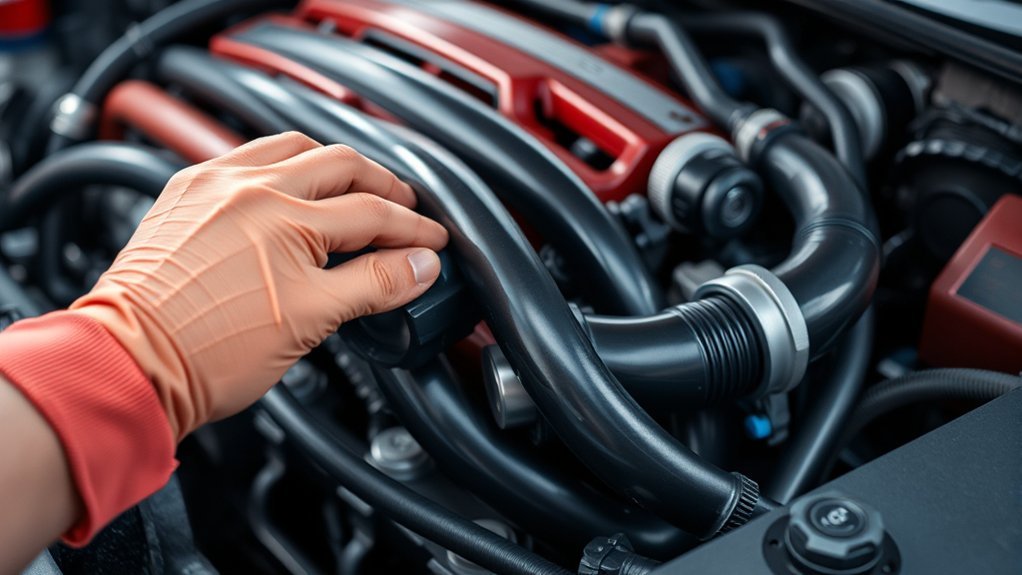
Park your Sonata on level ground, set the parking brake, turn the engine off, and let it cool. Open the hood and use a flashlight to inspect the cooling system from the radiator to the engine.
- Check the coolant reservoir level. On a 2010 Sonata, the level should be between the “L” and “F” marks on the reservoir when checked as directed in the owner’s manual. A low level can point to a leak.
- Inspect the upper radiator hose. Look for cracks, swelling, dampness, crusty dried coolant, or oil contamination.
- Inspect the lower radiator hose. This hose often sits lower and may be harder to see, so use a flashlight and check both ends.
- Check heater hoses and smaller coolant hoses. Look near the firewall, thermostat housing, radiator neck, water pump area, and reservoir hose.
- Look at each clamp and connection. A loose, rusty, crooked, or over-tightened clamp can cause seepage even if the hose looks good.
- Gently squeeze only cool hoses. A healthy hose should feel firm and flexible. Replace hoses that feel crunchy, overly hard, unusually soft, swollen, or mushy.
- Check under the car. Green, blue, pink, orange, or yellowish puddles may be coolant depending on the product used.
- Start the engine only after the visual cold check. Let it idle while watching from a safe distance for drips, but do not touch hoses, fans, belts, or hot parts while the engine is running.
Pro Tip: Dried coolant often leaves a white, greenish, pink, or chalky crust around hose ends. That residue can reveal a small seep before it becomes an obvious drip.
Where Are the Coolant Hoses on a Hyundai Sonata?
The exact layout can vary by engine, but most Sonata cooling systems include these hose areas:
- Upper radiator hose: usually runs from the top area of the radiator to the engine.
- Lower radiator hose: usually runs from the lower radiator area toward the engine/water pump side.
- Heater hoses: smaller hoses that run toward the firewall and heater core.
- Coolant reservoir hose: a smaller hose connected to the overflow reservoir.
- Bypass or throttle-body coolant hoses: smaller hoses used on some engine layouts.
Identifying Signs of Wear in Coolant Hoses
Coolant hoses fail from age, heat cycles, pressure, vibration, clamp damage, oil contamination, and chemical breakdown. On an older Sonata, especially if the hose history is unknown, inspect more often and be ready to replace questionable hoses.
| What You See or Feel | What It May Mean | Best Action |
|---|---|---|
| Cracks, splits, or fraying | Rubber deterioration | Replace the hose |
| Bulges or swelling | Weak hose wall under pressure | Do not ignore; replace soon |
| Wet spots or coolant smell | Active leak or seep | Find the source and repair |
| Crusty residue at clamp | Small leak after drying | Tighten/replace clamp or hose |
| Mushy or oil-soaked hose | Rubber breakdown | Replace hose and investigate oil source |
| Hard, brittle hose | Heat aging | Replace before it cracks |
A hose that looks “mostly fine” but feels brittle, swollen, mushy, or oil-soaked is no longer reliable.
[Products Worth Considering]

AISIN OE matched engine coolant thermostat delivers consistent temperature control for reliable cooling system performance. Built with high-quality materials and designed for perfect OE form, fit, and function, it helps maintain efficient engine operation across a wide range of compatible Lexus, Scion, and Toyota vehicles. The correct OE specified operating temperature supports dependable cooling, while note that a gasket is not included.

This engine water pump kit is designed to help maintain reliable cooling performance across a wide range of compatible Toyota, Lexus, Scion, and Pontiac vehicles. Built with aluminum and tested for leak-free operation, it offers a direct replacement solution that supports engine efficiency and long-term service life. The kit includes a professional water pump and gasket for a convenient installation-ready repair.

This 9-piece hose clamp pliers set is designed to make automotive hose and clamp removal easier, faster, and more efficient. It includes a versatile mix of pliers and specialty tools for reaching clamps in tight engine spaces, handling coolant, radiator, heater, and fuel line tasks with less hand fatigue. Built from steel for durability, it is a practical kit for car, truck, and motorcycle maintenance.
What to Do If You Find a Leak?
If you find a coolant leak, treat it based on severity. A small stain at a clamp is different from coolant spraying under pressure or a temperature gauge climbing toward hot.
| Leak Severity | Signs | What to Do |
|---|---|---|
| Minor seep | Dry crust near clamp, no overheating, coolant level stable | Schedule repair soon; monitor level only when cool |
| Active drip | Coolant dripping after parking or level dropping | Repair before regular driving |
| Spray or stream | Visible coolant flow, steam, strong sweet smell | Stop driving; let engine cool; tow if needed |
| Overheating | Temperature gauge rising, warning light, steam, loss of cabin heat | Shut engine off safely and get professional help |
Use a clean drain pan or container to catch leaking coolant during inspection or repair. Keep coolant away from children and pets, and do not pour used coolant onto the ground, into storm drains, or into household trash.
Note: A low coolant level that keeps returning after you refill it means the system needs diagnosis. The leak may be from a hose, radiator, water pump, heater core, reservoir, radiator cap, or engine gasket area.
[Products Worth Considering]

This 9-piece hose clamp pliers set is designed to make automotive hose removal and installation faster and easier. It includes multiple clamp styles for working on fuel, oil, water, radiator, and heater hoses in cars, trucks, and motorcycles, with locking designs that help free your hands during repairs. The set comes with a carrying case for organized storage and transport, making it a practical choice for both professional mechanics and DIY repairs.

The OEMTOOLS coolant vacuum refill kit helps quickly refill a vehicle’s cooling system while removing trapped air that can lead to overheating and engine damage. It also performs vacuum leak tests to help confirm system integrity and reduce the chance of repeat repairs. With multiple bushings, adapters, and a tapered cone seal, it is designed for flexible use on many radiator and coolant bottle necks.

This engine coolant thermostat with seal is designed to help maintain proper engine temperature and support efficient cooling system performance. It is compatible with a wide range of Toyota, Lexus, Ford, Chevrolet, Mitsubishi, Scion, and Pontiac models, making it a versatile replacement choice for many vehicles. With included seal and durable metal-and-rubber construction, it offers a convenient fitment solution for cooling system repairs and maintenance.
How to Fix a Coolant Hose Leak?
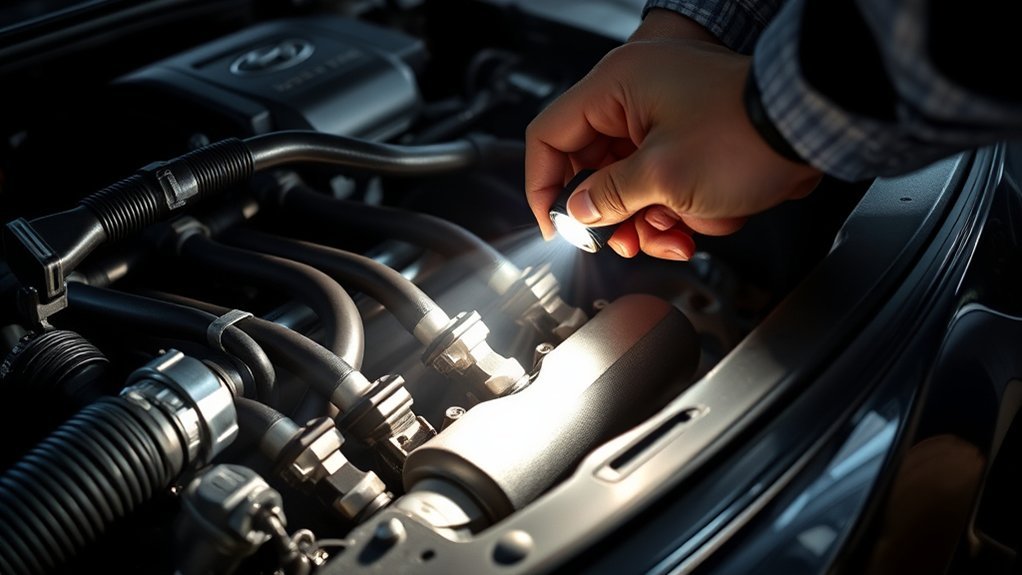
The permanent fix for a leaking coolant hose is usually replacement, not patching. Tape, sealant, or a repair wrap may slow a tiny leak in an emergency, but it should not be trusted as a long-term repair on a pressurized cooling system.
- Let the engine cool completely. Never open the radiator cap while hot.
- Identify the exact leaking hose. Trace the wet area upward because coolant often runs along parts before dripping.
- Drain coolant below the hose level. Use a drain pan and store used coolant safely.
- Remove the clamp. Use pliers for spring clamps or a screwdriver/socket for worm-gear clamps.
- Twist the hose gently to break it free. Avoid cracking plastic radiator necks or fittings.
- Clean the connection surface. Remove old residue so the new hose seals evenly.
- Install the correct replacement hose. Match shape, diameter, length, and coolant compatibility.
- Install good clamps in the correct position. Place clamps behind the bead/ridge on the fitting where applicable.
- Refill with the correct coolant mixture. Use the coolant type and concentration specified for your Sonata.
- Bleed air and recheck. Warm the engine, let it cool, then recheck the reservoir level and inspect for leaks again.
If the hose connects to brittle plastic, if the leak is near the water pump or radiator, or if the engine has overheated, it is safer to have a mechanic pressure-test the system.
How to Secure Hose Connections Properly
Hose connections need to be tight enough to seal but not so tight that the clamp cuts the hose or damages a plastic fitting. The right clamp position matters as much as tightness.
- Use the right clamp type. Replace rusty, weak, distorted, or mismatched clamps.
- Seat the hose fully. Push the hose onto the fitting until it reaches the stop or original position mark.
- Place the clamp correctly. Keep it straight and behind the fitting bead when the fitting has one.
- Do not over-tighten worm clamps. Over-tightening can slice into rubber or deform plastic fittings.
- Recheck after heat cycling. After one drive and full cool-down, inspect the connection again for seepage.
Choosing the Right Coolant for Your Sonata
For a 2010 Hyundai Sonata, the owner’s manual calls for a high-quality ethylene-glycol coolant in a 50/50 mix with water. The coolant should be compatible with aluminum engine parts. The manual also warns not to use additional corrosion inhibitors or additives and not to let antifreeze concentration go above 60% or below 35%.
Coolant Types Overview
Do not choose coolant by color alone. Coolant color is not a reliable standard because different brands may use similar colors for different formulas. Instead, check the label and your owner’s manual. For this Sonata, use an ethylene-glycol coolant suitable for aluminum engine parts, mixed with clean water at the proper concentration.
- Best default mix: 50/50 coolant and water for normal freeze/boil protection.
- Do not use hard water: Hard water can contribute to corrosion, overheating, or freezing problems.
- Avoid random mixing: If you do not know what coolant is already in the car, consider a proper drain/refill rather than topping with an incompatible product.
Manufacturer Recommendations
The 2010 Sonata maintenance schedule lists coolant replacement for the first time at 60,000 miles or 60 months, then every 25,000 miles or 24 months. If your Sonata’s coolant service history is unknown, treat the cooling system as overdue for inspection and consider replacing old coolant along with any questionable hoses.
When to Replace Coolant Hoses
Replace a coolant hose if you see cracks, splits, bulges, leaks, clamp damage, oil contamination, or dried coolant residue that returns after cleaning. Also replace hoses that feel brittle, overly hard, spongy, or mushy when cool.
- Replace immediately: cracked, swollen, leaking, split, or oil-soaked hoses.
- Replace soon: hoses with repeated crusty residue at the ends, weak clamps, or unknown age on a high-mileage car.
- Replace as a set when sensible: if the upper and lower radiator hoses are the same age, original, or both show wear.
- Inspect all related parts: radiator cap, thermostat housing, water pump area, reservoir, and heater hoses.
Because a 2010 Sonata is now an older vehicle, original coolant hoses are well beyond the age at which rubber parts deserve close inspection. If you do not know when the hoses were last replaced, plan a careful inspection before long trips or hot-weather driving.
Essential Tips for Maintaining Your Coolant System
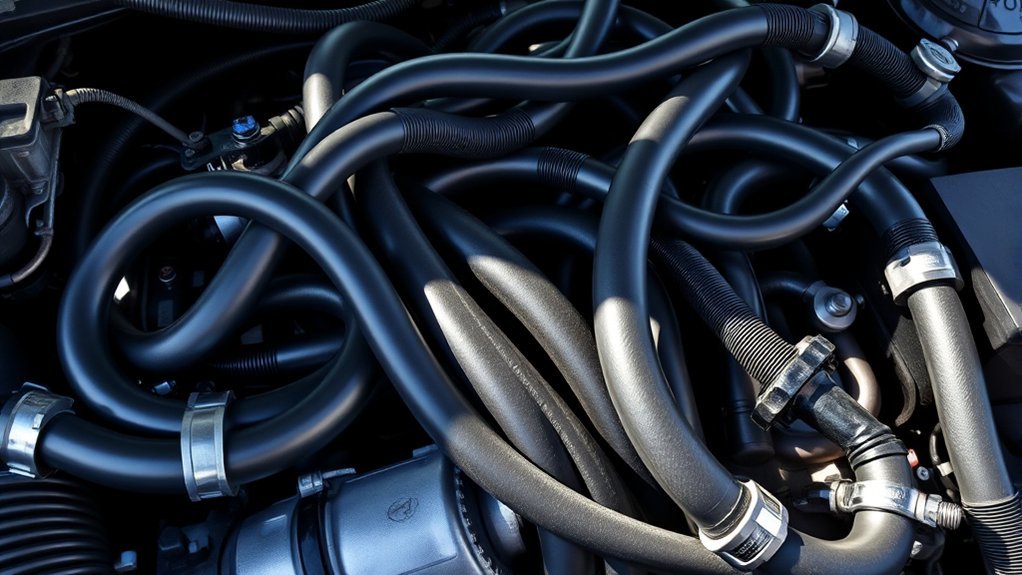
| Tip | Details |
|---|---|
| Inspect Hoses | Look for wear, leaks, cracks, bulges, soft spots, hard spots, and dried coolant residue. |
| Secure Connections | Verify hose clamps are straight, snug, corrosion-free, and correctly positioned. |
| Use Recommended Coolant | Follow the owner’s manual for coolant type, concentration, and replacement interval. |
| Check After Repairs | After the engine fully cools, recheck the reservoir level and inspect for fresh leaks. |
Good coolant maintenance is not just about the hoses. Keep the coolant level correct, use the right mixture, repair leaks quickly, and watch the temperature gauge. If the gauge rises above normal, stop safely and shut the engine off before damage occurs.
[Products Worth Considering]

This all-in-one radiator pressure tester and vacuum refill kit helps diagnose cooling system leaks, measure temperature, and refill coolant efficiently. It includes a wide range of adapters for broad vehicle compatibility, plus a pressure tester, vacuum refiller, thermometer, and storage case for organized use. Designed for DIY mechanics and professionals, it simplifies coolant service while reducing guesswork and unnecessary repairs.

This coolant electric water pump is designed as a replacement for select Toyota vehicles, helping maintain proper engine cooling performance and reliable temperature control. Built to OE specifications, it offers fitment support for compatible Avalon, Camry, and RAV4 models with 2.5L L4 engines. It also includes cross-reference part numbers for easier matching and comes with after-sales support for covered defects.

This radiator burping funnel kit helps simplify coolant refilling, bleeding, flushing, and spill-free maintenance across a wide range of vehicles. Its translucent body with clear scale supports controlled filling, while multiple adaptors, caps, and extension pieces improve compatibility and access in tight engine bays. The built-in shut-off valve and rubber-gasket design help reduce spills and make cooling system service cleaner and more convenient.
Tools You’ll Need for a Coolant Hose Inspection
You do not need many tools for a basic inspection, but safety gear matters because coolant can irritate skin and eyes, and hot coolant can burn.
- Safety glasses: Protects your eyes from splashes.
- Nitrile or mechanic’s gloves: Keeps coolant and grime off your skin.
- Flashlight: Helps you see hose ends, clamp areas, and the lower radiator hose.
- Clean rags or paper towels: Wipe suspected leak areas so you can see if coolant returns.
- Pliers or screwdriver/socket: Useful for clamp inspection or hose replacement.
- Drain pan: Required if disconnecting a hose or draining coolant.
- Coolant funnel: Helps refill without spills.
- Cooling-system pressure tester: Helpful for finding leaks without waiting for the engine to heat up, but use only according to the tester instructions and vehicle cap rating.
Understanding Your Coolant System’s Role in Vehicle Performance
Your Sonata’s coolant system moves heat away from the engine and through the radiator. Coolant hoses are the flexible passages that carry coolant between major parts of the system. If a hose fails, coolant can escape quickly, the engine can overheat, and expensive damage can follow.
The system also depends on the right coolant mixture. Ethylene-glycol coolant helps prevent freezing, raises boiling protection when mixed correctly, lubricates the water pump, and helps control corrosion. However, coolant is also toxic if swallowed, so spills should be cleaned up immediately and used coolant should be recycled or disposed of according to local rules.
Note: If a person or pet may have swallowed antifreeze/coolant, seek emergency medical or veterinary help immediately. Do not wait for symptoms.
Post-Repair Checklist After Replacing a Coolant Hose
After a hose replacement, do not assume the repair is finished until the system has gone through a heat cycle and cooled again.
- Refill with the correct coolant mixture.
- Run the engine at idle and watch for leaks from a safe distance.
- Let the cooling fan cycle if your service procedure requires it.
- Turn the heater on to help coolant circulate through the heater core.
- Shut the engine off and let it cool completely.
- Recheck the reservoir level and top off only when cool.
- Inspect the hose ends, clamps, radiator, thermostat housing, and ground under the car.
- Check again after the next drive.
If the temperature gauge rises, the heater blows cold air while the engine is hot, or coolant keeps disappearing, stop driving and have the system inspected for air pockets, a stuck thermostat, a radiator issue, water pump trouble, or an internal engine leak.
Frequently Asked Questions
How often should I inspect my Hyundai Sonata coolant hoses?
Check them at least a few times a year, before long trips, before hot-weather driving, and any time you notice coolant smell, a low reservoir, puddles, steam, or a rising temperature gauge.
Can I use any type of coolant in a 2010 Hyundai Sonata?
No. The 2010 Sonata owner’s manual specifies high-quality ethylene-glycol coolant compatible with aluminum engine parts, normally mixed 50/50 with water. Do not choose coolant by color alone.
What causes coolant hoses to wear out quickly?
Heat, age, pressure, oil contamination, poor clamp placement, vibration, and neglected coolant can all shorten hose life. A hose that is swollen, brittle, cracked, or mushy should be replaced.
Should I replace both radiator hoses if one is damaged?
Often, yes, especially if both hoses are the same age or the vehicle still has old/original hoses. At minimum, inspect every coolant hose and replace any hose that shows wear.
Is it safe to drive with a leaking coolant hose?
It is not safe if the leak is active, the coolant level is dropping, steam appears, or the temperature gauge rises. Stop safely, let the engine cool, and repair the leak before regular driving.
Can I temporarily patch a coolant hose?
A temporary wrap or clamp may help in an emergency, but it is not a permanent repair. Coolant hoses operate under heat and pressure, so the damaged hose should be replaced as soon as possible.
Conclusion
Inspecting Hyundai Sonata coolant hoses is quick, but it needs to be done safely. Let the engine cool, check every hose and clamp for leaks or damage, use the correct coolant, and replace questionable hoses before they fail. If your Sonata has unknown hose history, repeated coolant loss, or any overheating symptoms, do not guess—repair the leak or have the cooling system pressure-tested.
Sources
- Hyundai Manuals & Warranties — official Hyundai owner resource for manuals and warranty information.
- 2010 Hyundai Sonata Owner’s Manual, page 222 — radiator cap and hot coolant safety warning.
- 2010 Hyundai Sonata Owner’s Manual, page 223 — recommended engine coolant type, 50/50 mix, and concentration limits.
- 2010 Hyundai Sonata Owner’s Manual, page 209 — coolant replacement interval.
- U.S. EPA Antifreeze Disposal Fact Sheet — antifreeze toxicity and disposal concerns.
- CDC/ATSDR Ethylene Glycol Public Health Statement — health guidance for suspected antifreeze ingestion.