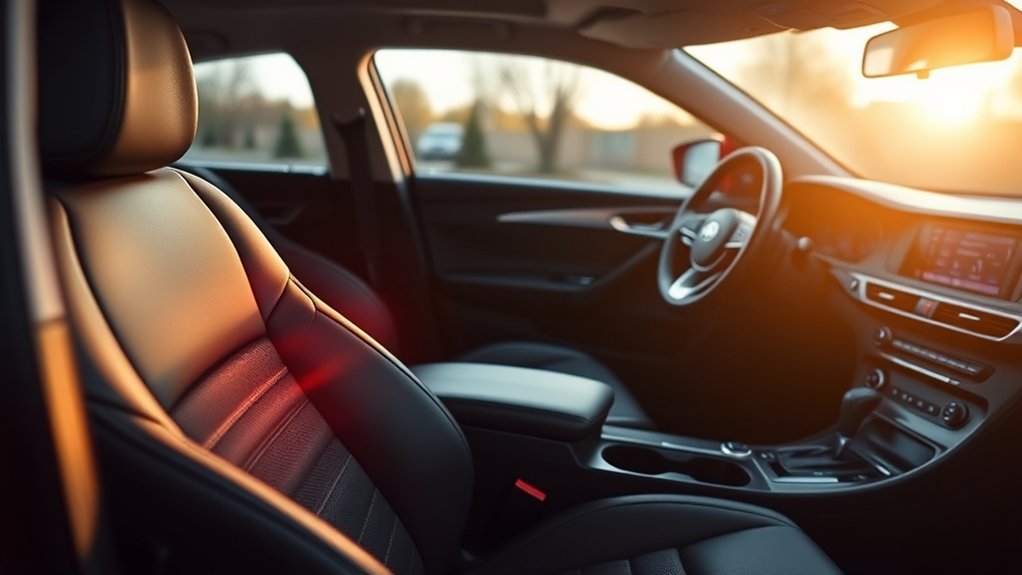
Hyundai Sonata seat heaters use electrical heating elements to warm equipped seats during cold weather. On most equipped front seats, you select a heat level such as high, medium, or low while the engine is running. The system may then reduce the temperature or switch itself off after a period of use as a burn-prevention measure, so a seat that steps down from high heat is not automatically faulty. Controls, feature names, and availability vary by Sonata model year and trim.
Last verified: August 31, 2026 — operation, safety guidance, climate-linked controls, and current U.S. trim availability were checked against Hyundai sources.
Affiliate disclosure: AutoReviewNest may earn a commission from qualifying purchases made through product links that appear on this page. This does not affect the price you pay.
Quick Answer
Hyundai Sonata seat heaters warm equipped seats with electric heating elements. With the engine running, the front controls commonly let you choose high, medium, low, and off, although the exact button or screen behavior can vary by model year and market. The system can lower the heat automatically and eventually switch off to reduce the risk of low-temperature burns. On compatible models, the driver’s seat warmer may also be linked to the climate system through a feature Hyundai has called Auto Comfort Control or Link to Climate Settings for Auto-Adjustment.
Key Takeaways
- Heated-seat availability depends on Sonata model year, market, trim, and equipment package.
- Equipped front seats normally provide multiple heat levels, but the exact control sequence can vary.
- Automatic heat reduction or shutoff can be normal safety behavior rather than a failure.
- Climate-linked automatic driver-seat control is available only on compatible vehicles and may appear under different names in the infotainment settings.
- If a seat does not heat, check vehicle status, the exact model-year controls, the fuse information for your car, and obvious warning signs before touching under-seat wiring.
At a Glance
| Time Required | A few minutes for basic checks; professional diagnosis may take longer |
| Difficulty | Easy for settings and fuse checks; professional for wiring or seat disassembly |
| Tools Needed | Owner’s manual, flashlight, and fuse puller if checking the fuse panel |
| Normal Behavior | Heat level may reduce automatically or switch off after extended operation |
| Stop Using It If | You notice a burning smell, a concentrated hot spot, repeated fuse failure, or abnormal intermittent operation |
How Seat Heaters Function in the Hyundai Sonata
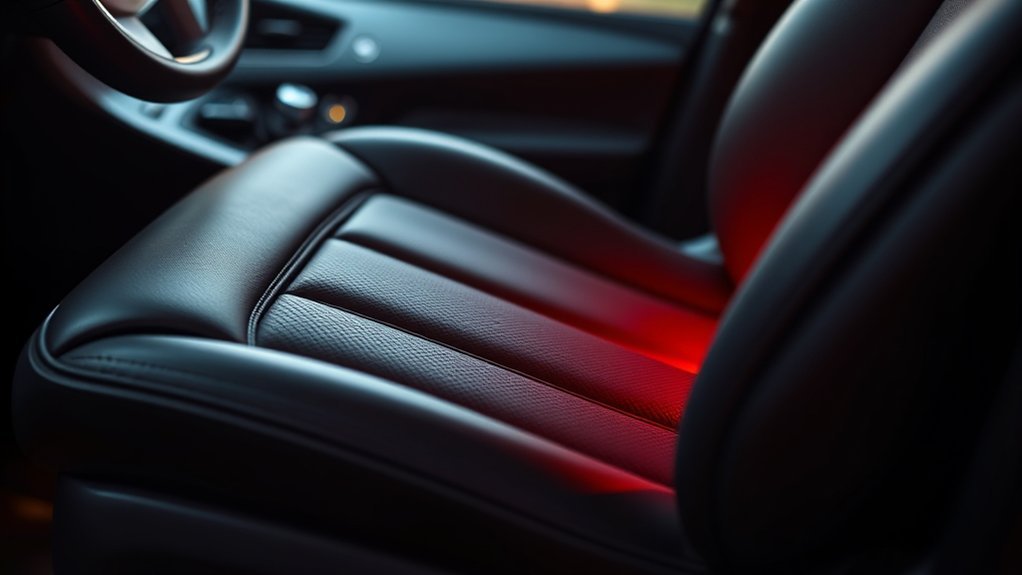
In a Hyundai Sonata, seat heaters use electrical heating elements inside the equipped seat. Electrical resistance produces heat, and the seat material spreads that warmth across the seating surface.
Hyundai instructs owners to operate the seat warmer while the engine is running. On many Sonata configurations, the front-seat control provides high, medium, low, and off settings. Depending on model year and equipment, you may use a physical switch, climate-control panel, or on-screen seat control. Because the layout changes between generations and markets, use the controls in your exact vehicle rather than assuming every Sonata follows the same button sequence. You can select your model year in Hyundai’s Digital Owner’s Manual.
Each equipped front seat can be controlled separately. Heated-seat availability also varies by trim. Hyundai’s current U.S. 2026 Sonata comparison shows heated front seats as standard on some configurations and unavailable on others, so the presence of heated seats should never be assumed from the model name alone. Check the official Hyundai Sonata specifications or your vehicle’s equipment information.
Note: Hyundai commonly uses the term “seat warmer” in owner documentation. Drivers also use “heated seat” and “seat heater.” In this guide, those terms refer to the same comfort feature.
Automatic vs. Manual Seat Heating: Which Should You Choose?
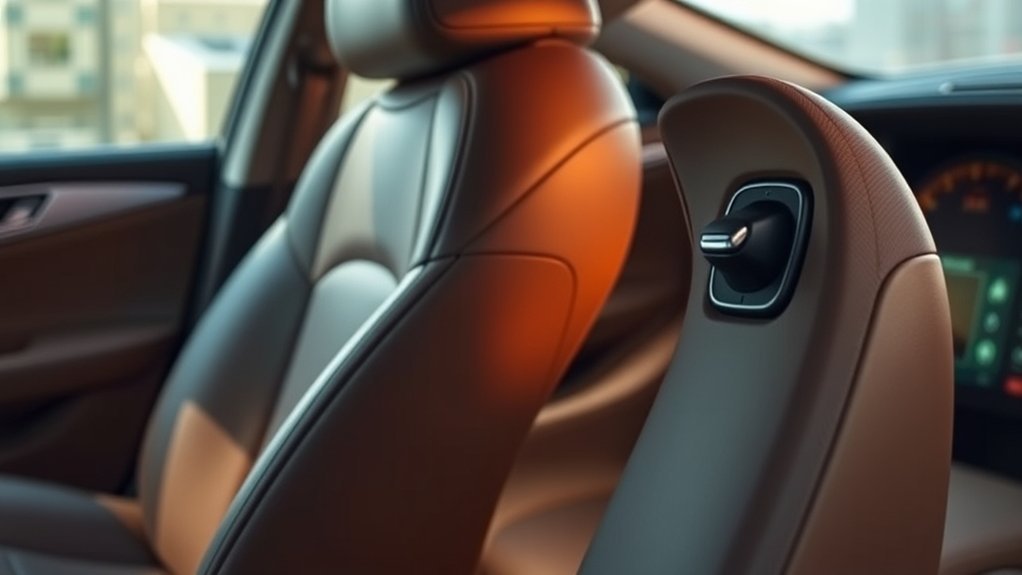
Manual seat heating gives you direct control over the selected level. You can start with a stronger setting when the seat is cold and reduce it when you are comfortable. This is the simplest choice when you want predictable control instead of letting the climate system decide when seat heat is needed.
Some Sonata models also provide a climate-linked automatic function for the driver’s seat. Hyundai has used names including Auto Comfort Control and Link to Climate Settings for Auto-Adjustment. When equipped and enabled, the system can adjust or switch the driver’s seat warmer based on cabin or outside temperature and the climate-control setting. Pressing the seat-warmer control can return the seat to manual operation.
The exact menu wording can change with model year, market, and infotainment software. If your car supports the feature, look under the vehicle’s Seat or Climate settings rather than searching only for the words “Auto Comfort Control.” For more context on how Sonata cabin settings work together, see the Hyundai Sonata automatic climate-control guide.
Automatic temperature reduction is separate from climate-linked convenience control. Hyundai also programs seat warmers to reduce heat after use to help limit low-temperature burn risk. Therefore, a seat that lowers itself from a stronger setting can be operating normally.
[Products Worth Considering]
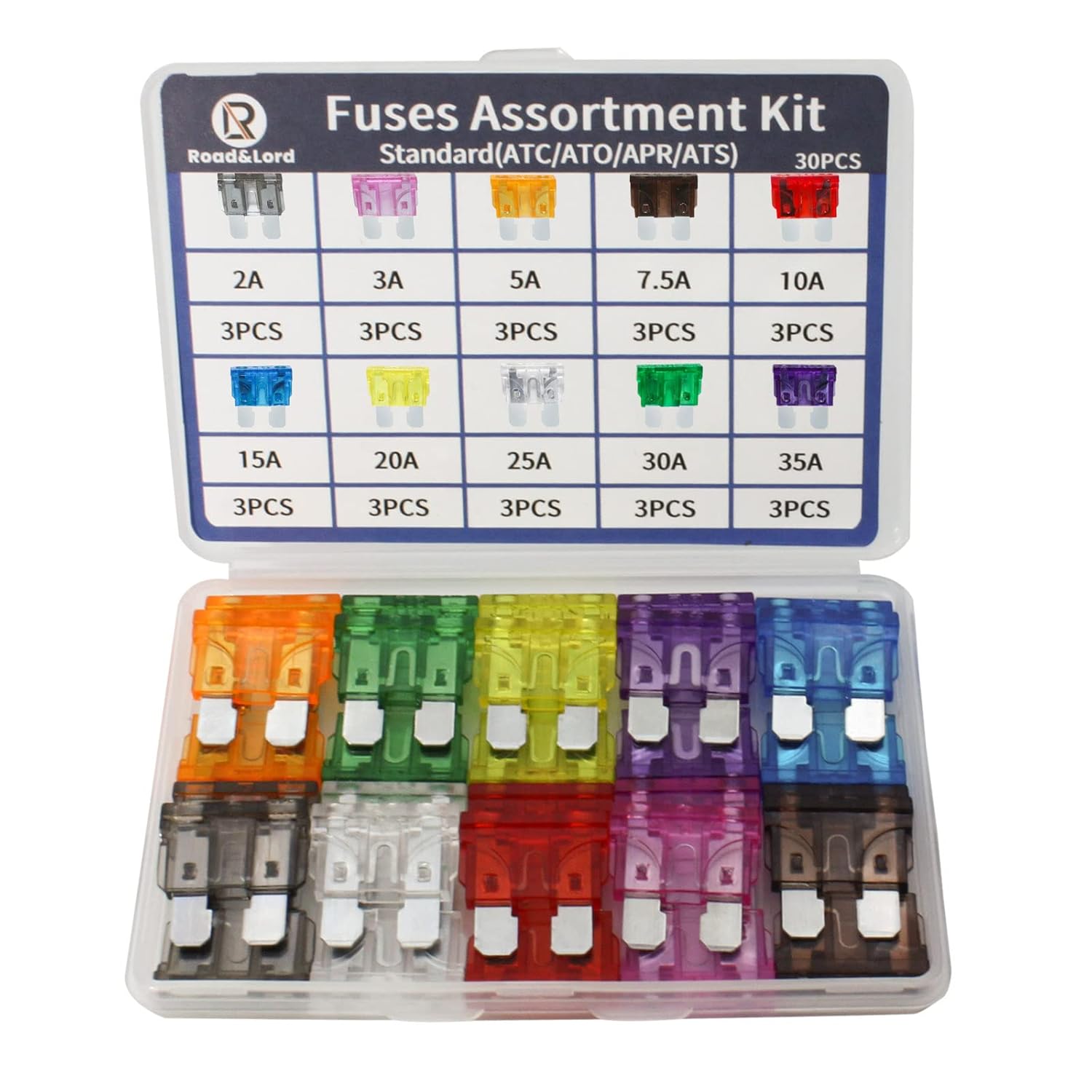
This standard blade fuse assortment kit provides a convenient selection of common amp ratings to help protect vehicle electrical systems from overloads, short circuits, and wiring damage. With transparent, color-coded housings and clearly marked ratings, it makes blown fuse replacement fast and easy for cars, trucks, boats, RVs, and other DC applications. The durable compact case keeps the fuses organized for reliable storage and quick access when needed.

This filter combo is designed for Hyundai Sonata gas models from 2015 to 2019, including non-hybrid 2.4L vehicles, and replaces both the engine and cabin air filters in one convenient set. It helps improve engine airflow while also refreshing the cabin environment with activated carbon odor control and high-efficiency particle filtration for cleaner, quieter driving.

This activated carbon cabin air filter is designed as a replacement for select Hyundai Sonata gas models and Kia Cadenza vehicles, helping improve in-cabin air quality. It is engineered to capture odors, VOCs, and common pollutants for a fresher driving environment, while matching multiple OE and reference numbers for convenient fitment confirmation.
Which Hyundai Sonata Seat-Heater Behaviors Vary by Model Year?
The basic purpose is consistent, but the way Hyundai presents and controls seat heating has changed. This is why instructions copied from a different Sonata year can be confusing.
| What Varies | What You May See | What It Means |
|---|---|---|
| Control location | Physical switch, climate panel, or on-screen control | Follow the controls shown in your exact vehicle |
| Heat-level sequence | Multiple heat levels plus off; the first selected level or button sequence can differ by control type | Watch the displayed indicator instead of relying on instructions from another model year |
| Automatic heat reduction | The system may lower the selected temperature and eventually switch off | A gradual step-down can be normal safety behavior |
| Climate-linked driver control | Auto Comfort Control or climate-linked auto-adjustment wording | The feature is equipment- and software-dependent |
| Feature availability | Heated seats may be standard on one trim and unavailable on another | Confirm equipment before troubleshooting a missing control |
Important: Do not assume every Sonata uses one fixed automatic shutoff time. Hyundai documentation varies by generation and control type. Use your exact model-year manual when timing matters.
Key Features of Hyundai Sonata Seat Heaters
The Hyundai Sonata’s heated-seat system combines individual comfort controls with automatic protection. Depending on the year and trim, you may have some or all of these functions:
- Multiple heat levels: Equipped front seats normally provide several selectable temperature levels.
- Separate front-seat control: The driver and front passenger can normally select their own heat settings.
- Automatic temperature reduction: The system can reduce heat and later switch off to help prevent low-temperature burns.
- Climate-linked automatic control: On compatible vehicles, the driver’s seat warmer can respond to climate conditions when the feature is enabled.
- Restart behavior: Hyundai documentation commonly states that the warmer defaults to off after the vehicle is restarted, although an enabled climate-linked driver function may automatically reactivate it under the conditions specified for that vehicle.
A Sonata seat heater that gradually lowers its heat level may be working normally. A concentrated hot spot, burning smell, or repeated electrical failure is different and deserves inspection.
How to Use the Seat Heaters Correctly
For normal daily use, follow this sequence:
- Start the vehicle. Hyundai advises operating seat warmers while the engine is running because the system uses a substantial amount of electrical power.
- Select the desired heat level. Use the seat-warmer button, climate panel, or screen fitted to your Sonata.
- Reduce the heat when comfortable. You can select a lower level manually, although the vehicle may also reduce the temperature automatically.
- Keep the warmer off when it is not needed. Hyundai specifically recommends leaving it off during mild weather.
- Do not assume an automatic reduction is a fault. If the heat steps down or switches off after extended operation, check your model-year manual before diagnosing a failure.
Pro Tip: If you prefer steady comfort, start with stronger heat only as needed and then select a lower setting. Do not repeatedly force the highest level simply because the system has reduced it automatically.
Safety Warnings Before Using Heated Seats
Hyundai warns that seat warmers can cause serious burns, including at relatively low temperatures when exposure continues for a long period. People who cannot easily detect temperature changes or pain need extra caution. Hyundai specifically identifies groups such as children, elderly or disabled passengers, people with sensitive skin, fatigued or intoxicated occupants, and people taking medication that can cause drowsiness.
Warning: Do not place blankets, thick cushions, insulating pads, heavy objects, or sharp objects on an operating heated seat. Insulating materials can trap heat, while heavy or sharp items can damage the warmer or seat.
Hyundai also warns against cleaning heated seats with solvents such as paint thinner, benzene, alcohol, or gasoline. Do not change the seat cover in a way that conflicts with the vehicle’s service guidance, because the seat contains safety and comfort components that can be affected by incorrect materials or installation.
Troubleshooting Common Seat Heater Issues
If your Hyundai Sonata seat heater is not working correctly, first decide whether the behavior is normal automatic control or a genuine fault. Start with the simple checks below before assuming the heating element has failed.
| Issue | Possible Cause | What to Do |
|---|---|---|
| Seat does not heat at all | Vehicle not running, feature not equipped, fuse issue, control fault, connector problem, or failed heater circuit | Start the engine, confirm the feature is equipped, check the exact model-year manual and fuse information, then seek diagnosis if it remains dead |
| Heat turns down by itself | Normal automatic temperature reduction | Usually no repair is needed if the seat continues to operate normally at a lower level |
| Driver’s seat works but passenger seat does not | Separate control or a fault affecting the passenger-side heater circuit | Test both controls separately; schedule diagnosis if one seat remains completely unresponsive |
| Climate-linked automatic function does not work | Feature not equipped, not enabled, different menu name, or manual control has been selected | Check the Seat or Climate settings and the owner’s manual for your exact model year |
| Heat feels uneven or one area becomes unusually hot | Possible heater, seat-cover, or seat-component problem | Turn the heater off and have the seat inspected |
| Seat heater switches off | Normal automatic reduction/shutoff or an electrical problem | If it happens only after extended use, check the manual; if it shuts off almost immediately on every attempt, seek diagnosis |
[Products Worth Considering]
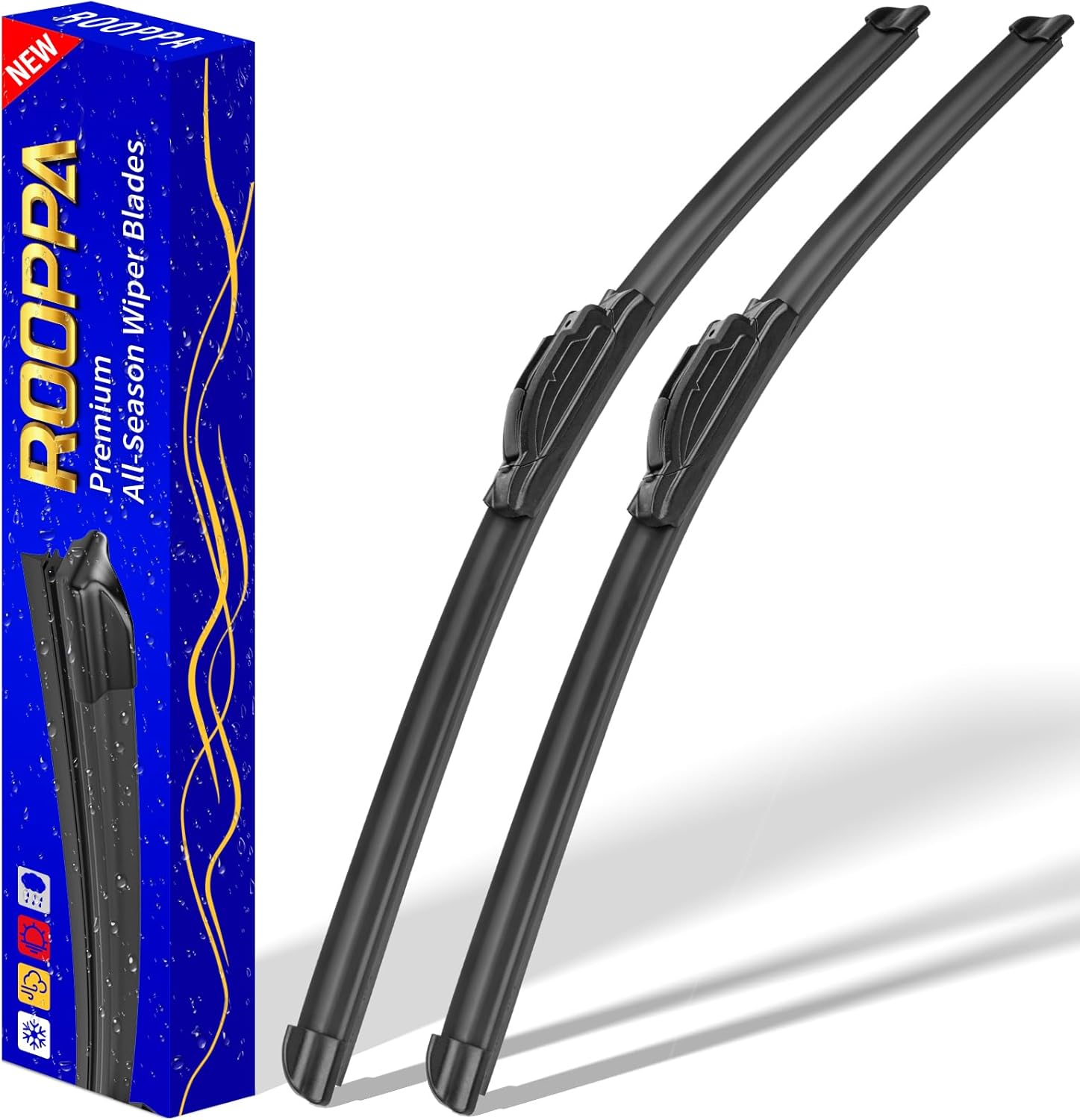
These front windshield wiper blades are designed as a direct replacement for compatible Hyundai models, helping restore clear visibility in rain and road grime. The hard-molded frame and stronger spring support smooth, reliable wiping performance, while the easy plug-and-play installation makes replacement simple. Included as a two-piece set, they are built for dependable everyday use with a one-year warranty for added confidence.

Replace worn or damaged key fob buttons with this rubber keypad insert designed for compatible Hyundai remote key cases. It restores the look and feel of your car key, offering a simple installation and a snug fit for supported Santa Fe and Sonata models. The set includes two replacement pads and a mini screwdriver for convenience.

This cabin and engine air filter kit is designed for compatible Hyundai Sonata gas models from 2015 to 2019 with a 2.4L engine. It helps improve airflow, capture dust and impurities, and support cleaner cabin air and efficient engine performance. The kit is engineered for long service life and simple installation, making routine maintenance easier.
Step-by-Step Seat Heater Diagnosis
[Products Worth Considering]

Upgrade your vehicle interior with Skechers Work seat covers designed for comfort, protection, and a clean custom look. Reinforced webbing helps the covers maintain shape and durability, while the cushioned design adds comfort for daily drives and long trips. The form-fitting front seat design works with many cars, trucks, vans, and SUVs, and advanced stitching supports airbag compatibility for added peace of mind.

These Skechers seat covers combine memory foam comfort with breathable air-cool mesh and leather accents to help make everyday driving more comfortable. Designed for front seats and airbag compatibility, they add cushioning, style, and protection while fitting most cars, vans, trucks, and SUVs.
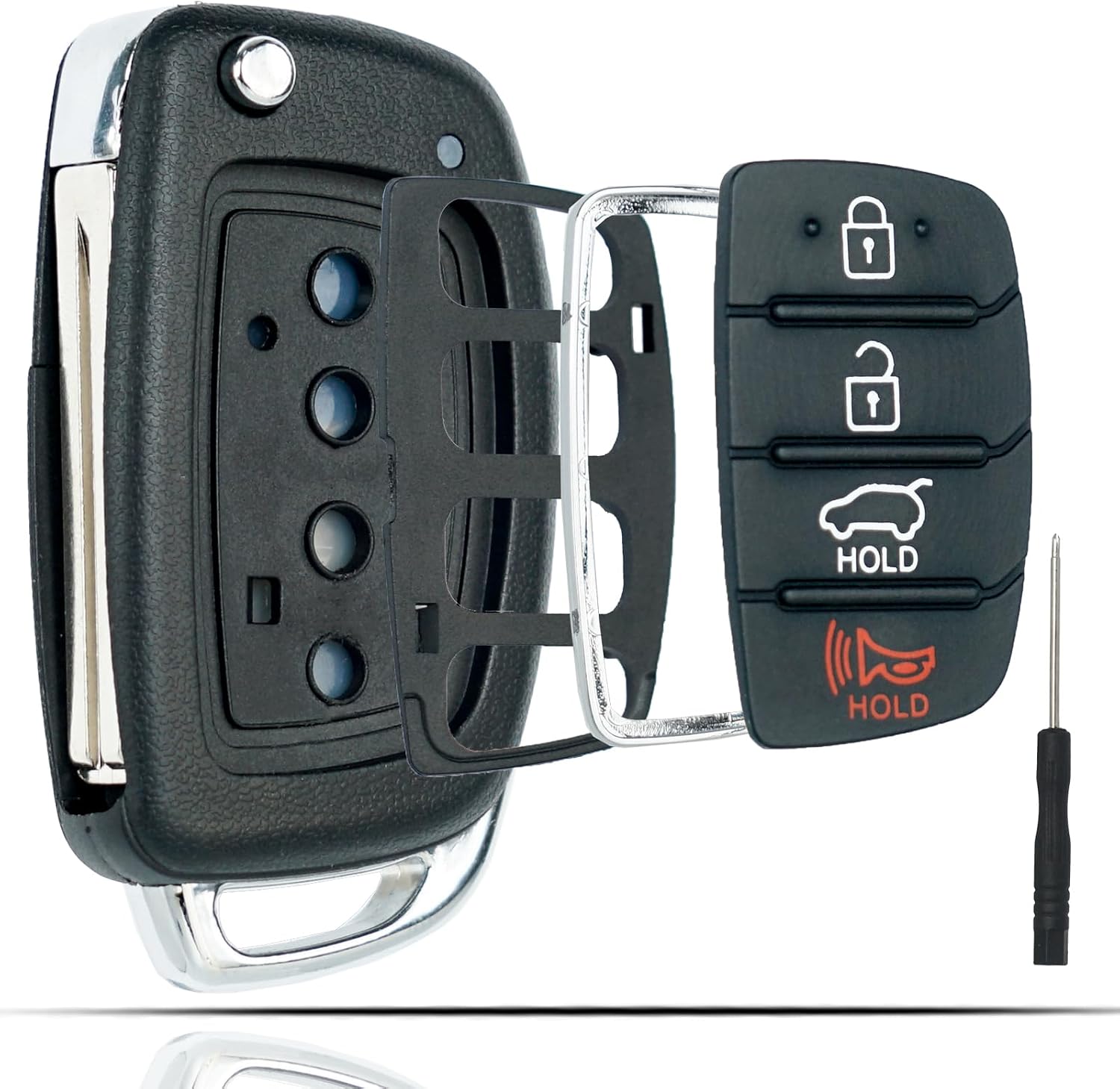
This flip key fob shell is a replacement case designed for compatible Hyundai Sonata and Santa Fe models, helping restore a worn or broken remote housing without replacing the electronics. It includes a 4-button layout and is made for easy transfer of your original internal components, with no reprogramming required. The durable metal and plastic construction makes it a practical fix for damaged key fobs, and the replacement blade must be cut by a locksmith or hardware store.
Step 1: Confirm Your Sonata Has Heated Seats
Not every Hyundai Sonata has heated seats. Look for a seat-warmer button or heated-seat control on the climate screen, then confirm the equipment for your exact model year and trim. Hyundai’s current U.S. specifications show that heated front seats are standard on some Sonata configurations and unavailable on others.
Step 2: Start the Engine
Test the seat warmer with the engine running. Hyundai warns that seat warmers consume a large amount of electrical power and advises against using them while the vehicle is off because doing so can discharge the battery.
Step 3: Test Each Heat Level
Select a heat level and confirm that the control indicator responds. Then test the remaining available levels. Remember that the system may automatically reduce the temperature after it has been operating, so a later decrease does not by itself prove that the heater is defective.
Step 4: Check the Climate-Linked Seat Settings
If your Sonata supports climate-linked driver-seat heating, check the infotainment settings. Depending on year and software, Hyundai may call the feature Auto Comfort Control, Link to Climate Settings for Auto-Adjustment, or similar wording. The menu may appear under Seat or Climate settings. If you manually operate the seat-warmer control, automatic climate-linked control may give way to manual operation.
Step 5: Look for Simple Blockages or Damage
Remove blankets, thick cushions, insulating pads, or questionable aftermarket covers from the seat. Look for cuts, pressure damage, spills, or a concentrated hot area. If one spot becomes unusually hot, stop using the heater and arrange an inspection.
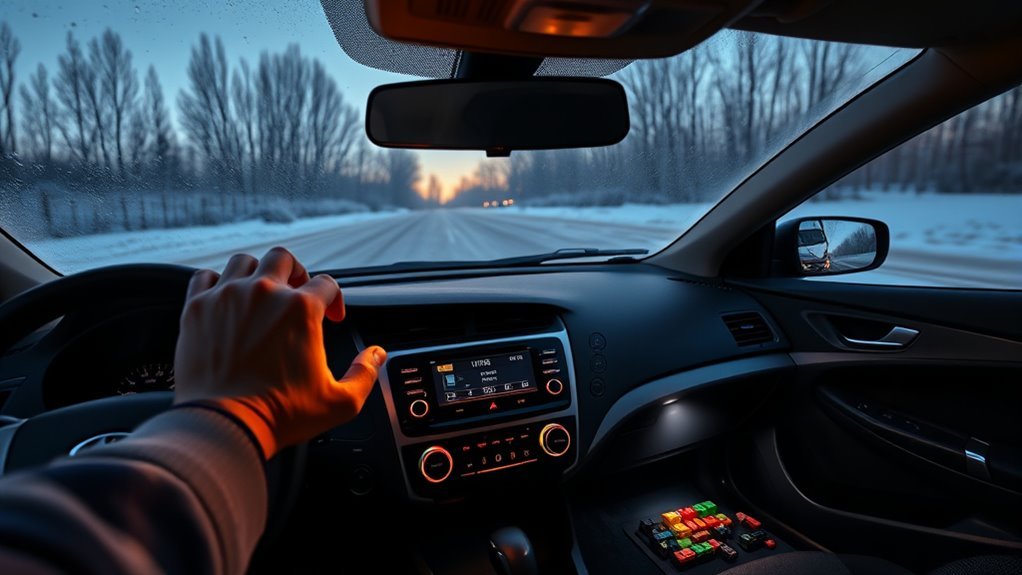
Step 6: Check the Fuse Only If You Are Comfortable
Use the fuse-panel label or owner’s manual for your exact Sonata model year and equipment to identify the seat-heater circuit. Do not copy a fuse number or rating from another Sonata generation. If the correct fuse is blown, replace it only with the same specified amperage. If the replacement blows again, stop replacing fuses and have the circuit diagnosed.
Warning: Avoid probing or disconnecting under-seat wiring unless you have the correct service information and training. The seat area can contain airbag, occupant-detection, seat-belt, power-seat, and comfort-system circuits. Disturbing the wrong connector can create a safety-system fault.
When to See a Hyundai Dealer or Technician
Arrange professional diagnosis if the seat heater is completely dead after the basic checks, produces a burning smell, creates a concentrated hot spot, repeatedly blows the correct fuse, shuts off almost immediately on every attempt, or cuts in and out when the seat position changes.
A qualified technician can use the correct wiring information and diagnostic equipment to check the controls, connectors, wiring, and heater circuit without unnecessarily disturbing the seat’s safety systems.
You should also check for recalls or service campaigns when investigating an unusual electrical issue. Hyundai provides an official Safety Recalls and Service Campaigns lookup, while the NHTSA recall database lets U.S. owners search for open safety recalls. NHTSA recommends checking recalls twice a year.
5 Essential Tips for Using Sonata Seat Heaters
1. Do Not Treat Automatic Step-Down as a Failure
Hyundai intentionally reduces seat-warmer temperature after use to help reduce low-temperature burn risk. If the heat becomes less intense after the seat has been operating normally, check your manual before assuming a component has failed.
2. Use Manual Mode When You Want Direct Control
Manual operation lets you choose the heat level yourself. It is useful when you want a specific level rather than automatic climate-linked adjustment.
3. Search for More Than the Name “Auto Comfort Control”
Hyundai’s terminology has changed. If your Sonata supports automatic driver-seat adjustment, the relevant setting may use Auto Comfort Control wording or a newer climate-linked auto-adjustment name. Check both Seat and Climate menus and use the manual for your infotainment version.
4. Keep the Seat Surface Uncovered
Avoid blankets, thick cushions, and insulating pads while the warmer is operating. Follow Hyundai’s cleaning guidance and do not use harsh solvents or modify the seat cover in a way that conflicts with the vehicle’s service instructions.
5. Separate Normal Heat Reduction From Real Warning Signs
Gradual automatic reduction can be normal. A burning smell, a sharply concentrated hot spot, repeated fuse failure, or intermittent operation linked to seat movement is not something to ignore. Switch the heater off and arrange diagnosis.
What Can You Safely Check Yourself?
You can safely handle the basic checks that do not require seat disassembly: confirm the vehicle is running, verify the heated-seat feature is actually equipped, test the available heat levels, check the relevant infotainment settings, remove insulating items from the seat, and inspect the correct fuse using your model-year documentation.
Stop at that point if the problem remains. Modern Sonata seats can contain airbags, occupant-detection components, power-seat hardware, seat-belt wiring, and heater electronics. Connector testing, seat removal, heater-element diagnosis, or wiring repair should be performed with the correct Hyundai service information and suitable diagnostic equipment.
Frequently Asked Questions
Does the Hyundai Sonata have heated seats?
Many Sonata models offer heated front seats, but the feature is not universal. Availability depends on model year, trim, market, and equipment. Hyundai’s 2026 U.S. specifications show heated front seats as standard on some configurations and unavailable on others.
Why does my Sonata seat heater turn down or off by itself?
It can be normal. Hyundai programs seat warmers to lower the temperature and eventually switch off after use to reduce the risk of low-temperature burns. If the heater shuts off almost immediately every time, produces a hot spot, smells abnormal, or blows a fuse, have it inspected.
How do I turn on Auto Comfort Control for the driver’s heated seat?
On compatible models, check the infotainment Seat or Climate settings. Hyundai has used names including Auto Comfort Control and Link to Climate Settings for Auto-Adjustment. The exact menu path varies by model year, market, and infotainment software.
Can I use a blanket or cushion with the seat heater on?
Hyundai warns against placing insulating materials such as blankets or cushions on an operating seat warmer. They can trap heat and increase the risk of burns or seat damage.
What should I do if one heated seat works and the other does not?
Test the driver and passenger controls separately with the engine running. If one seat remains completely cold while the other operates normally, the problem may be limited to that seat’s control or heater circuit. Check the correct fuse information for your model year, but avoid probing under-seat wiring yourself.
Can Hyundai Sonata heated seats drain the battery?
They can add a significant electrical load when the vehicle is not running. Hyundai specifically advises avoiding seat-warmer use while the vehicle is off to help prevent battery discharge.
Where is the Hyundai Sonata heated-seat fuse?
The fuse location, label, and rating can vary by Sonata model year and equipment. Use the fuse-panel label or owner’s manual for your exact vehicle rather than copying a fuse number from another Sonata. Replace a blown fuse only with the specified amperage.
Conclusion
Hyundai Sonata seat heaters are straightforward once you know which behavior is normal. Use them with the engine running, select the level available on your car, and expect the system to reduce heat automatically after extended use. Climate-linked driver-seat control is available only on compatible models and may appear under different names depending on year and software.
If a seat remains completely cold, develops a concentrated hot spot, smells abnormal, repeatedly blows the correct fuse, or fails every time shortly after being switched on, stop relying on repeated resets and have the system properly diagnosed.
Sources
- Hyundai Digital Owner’s Manual — official model-year manual selector for Sonata seat-warmer operation, warnings, controls, and maintenance guidance
- Hyundai USA — Sonata specifications — current U.S. trim-level heated-front-seat availability
- Hyundai Safety Recalls and Service Campaigns — official Hyundai recall and campaign lookup
- National Highway Traffic Safety Administration — Recalls — U.S. safety-recall lookup and recall-check guidance