Leather seats can make a Hyundai Sonata feel more comfortable and upscale, but they need gentle, regular care to stay soft, clean, and free from cracks. The safest approach is simple: remove grit first, use a leather-safe neutral cleaner sparingly, dry the surface right away, and protect the seats before stains have a chance to settle.
Quick Answer
To clean Hyundai Sonata leather seats, vacuum with a soft brush, wipe with a dry microfiber cloth, spot-test a neutral leather cleaner, gently clean small sections, remove residue with a lightly damp cloth, and dry immediately. Avoid harsh alcohol, acidic, alkaline, bleach, or soaking-wet cleaning methods.
Key Takeaways
- Hyundai recommends neutral detergents or low-alcohol solutions for leather products and warns against high-alcohol, acidic, or alkaline cleaners.
- Vacuum first so dust, sand, and crumbs do not scratch the leather while you wipe.
- Clean spills immediately, especially sunscreen, cosmetics, coffee, soda, oil, and dye transfer from jeans.
- Never soak leather seats or allow liquid to reach electrical seat controls, heating, ventilation, or wiring.
- Use conditioners or protectors only as directed, and spot-test every product in a hidden area first.
At a Glance
| Time Required | 15–30 minutes for routine cleaning; longer for stains |
| Difficulty | Easy |
| Tools Needed | Vacuum with soft brush, microfiber cloths, neutral leather cleaner, clean water, leather protector or conditioner |
| Cost | Usually $10–$30 if you already have basic towels and a vacuum |
Your Essential Guide to Cleaning Leather Seats
Start by confirming what material your Sonata has. Some trims use cloth, some use synthetic materials or suede-like inserts, and higher trims may include leather seating. If you are not sure, check your window sticker, trim information, or the Hyundai manuals and warranty resources for your exact model year.
For leather surfaces, the safest cleaning routine is gentle and dry-first. Remove loose dirt, clean with a small amount of the right product, and dry the seat before moisture can sit on the surface.
[Products Worth Considering]

Keep your vehicle looking freshly detailed with this all-in-one car care wipe kit from Armor All. It includes cleaning, protectant, and glass wipes to remove dirt, defend against UV damage, and deliver a streak-free shine on interior and glass surfaces. Convenient, lint-free, and disposable, these wipes make everyday car interior cleaning fast and simple.

This complete leather care kit includes a cleaner and conditioner that work together to remove dirt, restore softness, and protect leather surfaces. The pH-balanced formulas are safe for natural, synthetic, and sealed leather, making it a versatile choice for car interiors, furniture, apparel, and accessories. Regular use helps prevent drying, cracking, and fading while keeping leather looking fresh and feeling supple.

Leather Honey Leather Cleaner is a gentle, non-toxic formula designed to remove dirt, oil, tough stains, and grime from a wide range of leather items. It is safe for all colors of leather, including white, and works well on car seats, furniture, handbags, shoes, saddles, and tack. Made in the USA and EPA Safer Choice certified, it offers an easy wipe-on application that helps keep leather looking clean and lasting longer.
Step-by-Step Cleaning Process
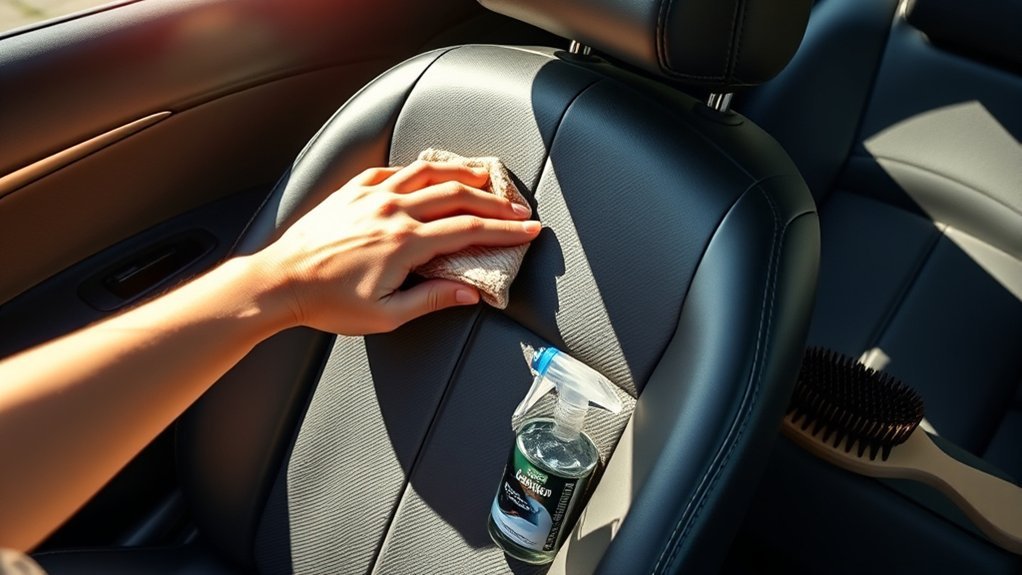
- Park in the shade. Hot leather dries cleaner too quickly and can leave streaks. Let the seats cool before you begin.
- Vacuum thoroughly. Use a soft brush attachment and work gently around seams, perforations, bolsters, and seat creases.
- Wipe with a dry microfiber cloth. This removes fine dust that the vacuum may miss.
- Spot-test your cleaner. Apply a small amount to a hidden area, such as the lower side of the seat, and wait to check for color change or residue.
- Clean small sections. Apply neutral leather cleaner or a mild neutral detergent solution to a cloth, not directly onto the seat. Wipe gently without scrubbing hard.
- Remove residue. Use a separate cloth lightly dampened with clean water. The cloth should be damp, not dripping.
- Dry immediately. Finish with a clean, dry microfiber towel.
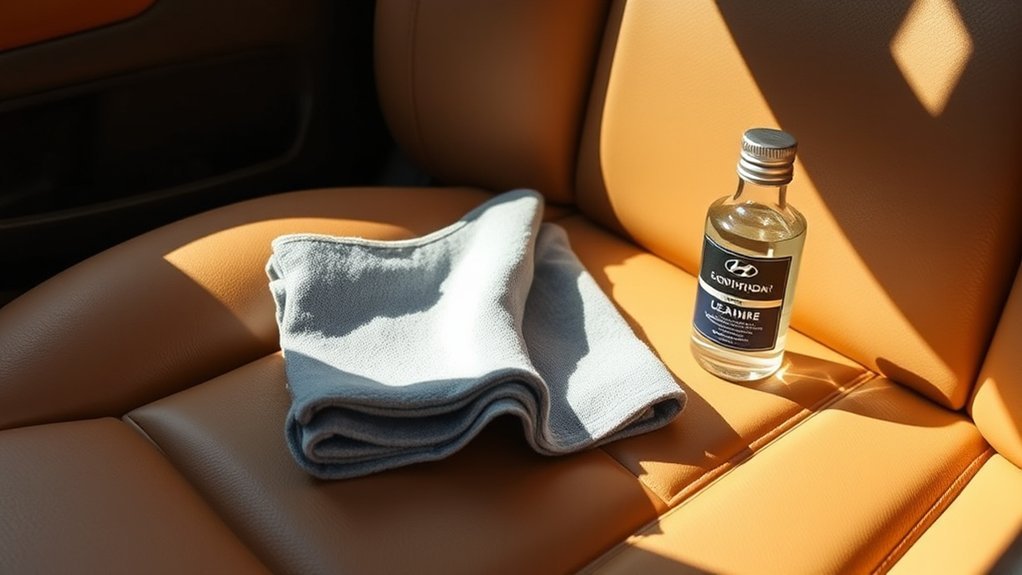
- Apply protection if needed. Use a leather protector or conditioner only if it is compatible with automotive leather and follow the product label.
Warning: Do not soak the seats or spray cleaner near seat switches, electrical controls, heating elements, ventilation perforations, or stitching. Hyundai warns that water or other liquids can damage electrical and electronic components inside the vehicle.
Understanding the Importance of Regular Leather Care
Regular leather care prevents dirt from acting like sandpaper. Hyundai’s owner guidance recommends vacuuming leather seats periodically to remove dust and sand because this helps prevent abrasion and maintain leather quality.
Leather can also wrinkle naturally because it stretches and shrinks with temperature, humidity, and normal use. Light wrinkles are not always a defect. The real goal of maintenance is to prevent avoidable damage: staining, dye transfer, cracking from wet cleaning, abrasion from grit, and fading from harsh chemicals.
Spills deserve quick attention. Cosmetics, perfume, sunscreen, oils, coffee, soft drinks, and clothing dye can discolor the seat if they sit too long. Light-colored leather, such as beige or cream, usually needs more frequent cleaning because stains show faster.
Note: A few natural wrinkles in leather are normal. Focus on preventing grit, excess moisture, harsh cleaners, and dye transfer rather than trying to make every crease disappear.
Best Practices for Long-Lasting Leather Upholstery
Long-lasting leather care comes down to a simple routine: clean gently, keep moisture controlled, protect high-wear areas, and react fast when spills happen.
Regular Maintenance Schedule
Use this schedule as a practical starting point, then adjust based on climate, seat color, and how often you drive.
| Frequency | What to Do | Why It Helps |
|---|---|---|
| Weekly | Wipe high-touch areas with a dry microfiber cloth. | Removes dust, skin oils, and light residue before buildup starts. |
| Every 2–4 weeks | Vacuum seams, bolsters, and seat creases with a soft brush. | Stops grit from abrading the leather surface. |
| Every 2–3 months | Clean with a leather-safe neutral cleaner if seats look dirty. | Keeps grime from becoming a stubborn stain. |
| Every 3–6 months | Apply a compatible leather protector or conditioner as directed. | Helps reduce wear, fading, and dryness when the product is suitable for your seat material. |
| Immediately | Blot spills, oils, sunscreen, and dye transfer as soon as possible. | Reduces the chance of permanent staining. |
Appropriate Cleaning Products
Choose a cleaner labeled safe for automotive leather, or use a small amount of neutral detergent on a soft cloth when appropriate. Hyundai’s interior-care guidance says leather products such as seats and steering wheels should be cleaned with neutral detergents or low-alcohol solutions, while high-alcohol, acidic, or alkaline cleaners may fade the color or strip the surface.
Avoid bleach, ammonia, abrasive powders, magic-eraser-style pads, strong solvents, vinegar-heavy mixtures, and all-purpose degreasers unless the product label specifically says it is safe for automotive leather. These can dry, dull, discolor, or remove protective coatings.
When choosing household cleaners, the EPA Safer Choice program can help identify products made with safer chemical ingredients, but you should still confirm that any product is safe for leather before using it on your seats.
Protective Treatments Application
Leather protectors and conditioners can help, but more product is not better. Too much conditioner can leave a sticky or shiny film that attracts dirt. Always apply a thin, even layer with a microfiber cloth, allow it to dwell only as long as the label says, then buff away excess.
Pro Tip: If your Sonata has perforated heated or ventilated seats, apply cleaner to the cloth instead of the seat. This helps keep liquid from collecting in the holes.
Common Mistakes in Cleaning Leather Seats
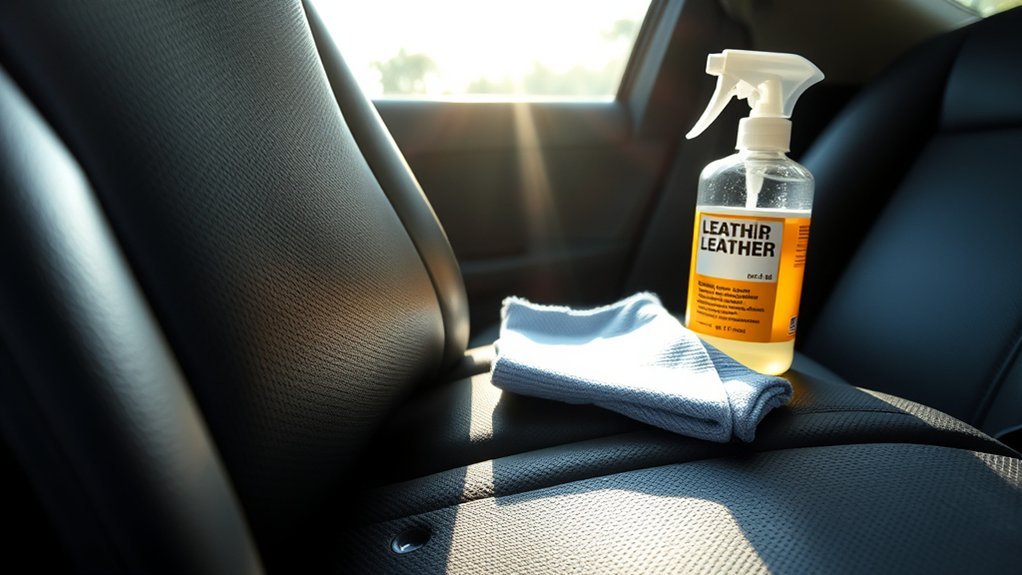
Leather cleaning mistakes usually happen when drivers use too much moisture, too much force, or the wrong chemical. Avoid these problems to keep your Sonata’s seats looking clean without causing new damage.
Using Harsh Cleaners
Harsh cleaners may remove a stain quickly, but they can also fade color, strip the surface, or make leather feel dry and rough. Stay away from strong alcohol, acidic, alkaline, bleach, ammonia, and solvent-based products unless Hyundai or the product maker specifically approves them for your seat material.
Soaking the Seat
Leather seats should never be drenched. Too much water can change the feel of natural leather, seep into seams, or reach electronics. Use lightly damp cloths, work in small areas, and dry each area right away.
Scrubbing Too Hard
Hard scrubbing can wear the surface, especially on bolsters where you slide in and out of the car. Let the cleaner do the work. Use gentle pressure and repeat a mild cleaning pass if needed instead of grinding at the stain.
Neglecting Regular Maintenance
Skipping vacuuming allows sand and crumbs to collect in seams and creases. Over time, that grit can scratch the leather. A quick vacuum and dry wipe-down are easier than restoring neglected seats later.
Ignoring Immediate Spills
Spills are much easier to handle when they are fresh. Blot liquid right away with a dry cloth. Do not rub in circles, because rubbing can spread the stain and push it deeper into the surface.
Handling Spills on Leather Seats
Accidents happen, and quick action can save your upholstery. Use the method below based on the type of spill.
- Water or light beverage spills: Blot with a dry microfiber cloth, then wipe with a lightly damp cloth if needed. Dry immediately.
- Coffee, soda, or sticky drinks: Apply a small amount of neutral detergent to a cloth and wipe gently until the residue no longer smears. Remove cleaner residue with a lightly damp cloth and dry.
- Sunscreen, makeup, or cosmetics: Use a leather-safe cleansing cream or cleaner on a cloth. Wipe the spot gently, then remove residue and dry.
- Oil or greasy residue: Blot excess oil immediately with an absorbent cloth. Use a stain remover made for natural leather if your Sonata has genuine leather.
- Chewing gum: Harden the gum with ice in a sealed bag, then remove it gradually. Do not scrape with a sharp object.
- Jean dye transfer: Clean as soon as you notice it. Light-colored seats are especially vulnerable to dye from dark denim and clothing that bleeds color.
Warning: Do not use sharp tools, stiff brushes, or aggressive stain removers on leather. If a stain does not lift with a gentle leather-safe cleaner, stop and get professional help before the damage spreads.
[Products Worth Considering]

Weiman Leather Cleaner, Conditioner & Protector helps restore the look and feel of finished leather by removing dirt, soil, and residue while softening and moisturizing surfaces. Its multi-action formula cleans, conditions, and protects in one simple step, making it ideal for furniture, fashion accessories, and vehicle interiors. Built-in UV protection helps shield leather from fading, cracking, and sun damage.

Bickmore Bick 4 Leather Conditioner cleans, conditions, polishes, and protects all types of smooth and finished leather while helping preserve its original color. Its wax-free formula will not darken leather or leave sticky residue, making it ideal for boots, shoes, jackets, bags, furniture, car interiors, saddles, and other leather goods. Easy to apply in one step, this USA-made conditioner helps keep leather soft, breathable, and looking its best.
Signs You Need Professional Leather Care
Some leather problems need more than a basic cleaning. Consider professional leather care if you notice:
- Deep cracks, peeling, or exposed backing material
- Heavy discoloration that does not improve after gentle cleaning
- Sticky buildup from old conditioners or protectants
- Strong odors that remain after cleaning
- Oil, ink, dye, or cosmetic stains that keep spreading
- Damage on perforated, ventilated, heated, or Nappa leather surfaces
A specialist can identify whether the seat needs cleaning, coating correction, color repair, or panel replacement. This is safer than repeatedly applying stronger chemicals at home.
Gather Your Leather Cleaning Supplies
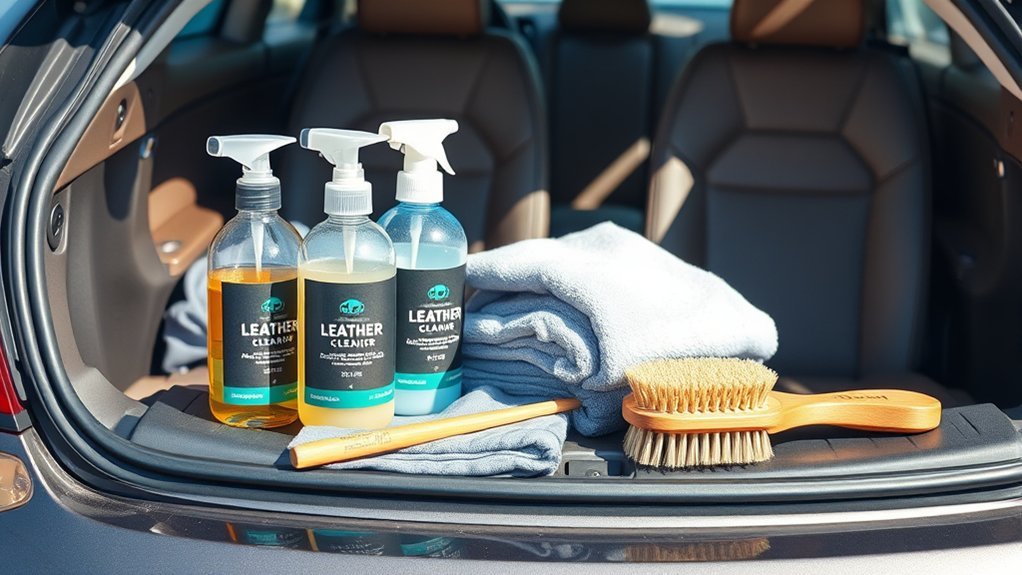
Before you start, gather everything you need so you are not leaving cleaner to dry on the seat while you search for a towel.
- Vacuum with a soft brush attachment: Removes grit from seams and seat creases.
- Clean microfiber cloths: Use separate cloths for cleaning, rinsing, and drying.
- Neutral leather cleaner or neutral detergent: Helps clean without stripping the leather when used correctly.
- Clean water: Use only enough to lightly dampen a cloth for residue removal.
- Leather protector or conditioner: Choose one made for automotive leather and follow the label.
- Soft detailing brush: Optional for textured areas, but use very gentle pressure.
- Ice in a sealed bag: Helpful for hardening chewing gum before careful removal.
How to Keep Your Leather Looking New
Keeping your leather seats looking new is mostly about prevention. Park in the shade when possible, use a windshield sunshade during hot months, and clean light-colored leather more often. Avoid leaving sunscreen, hand sanitizer, cosmetics, food wrappers, or oily items on the seat.
Be careful with clothing and accessories, too. Hyundai notes that belts with metal accessories, zippers, keys in back pockets, and clothing that bleeds dye can damage or contaminate leather seat surfaces. If you often wear dark jeans, wipe the driver’s seat more frequently and consider using a compatible leather protector.
The best leather seat care is not aggressive deep cleaning. It is regular dust removal, fast spill cleanup, and using the mildest product that gets the job done.
Frequently Asked Questions
How do I clean Hyundai Sonata leather seats?
Vacuum the seats first, wipe with a dry microfiber cloth, spot-test a neutral leather cleaner, clean small sections gently, remove residue with a lightly damp cloth, and dry immediately. Do not soak the leather or use harsh alcohol, acidic, or alkaline cleaners.
What can I use to clean leather seats in my car?
Use a cleaner labeled safe for automotive leather or a small amount of neutral detergent applied to a soft cloth. Always spot-test first. Avoid bleach, ammonia, abrasive pads, strong solvents, high-alcohol cleaners, acidic cleaners, and alkaline degreasers.
How often should I condition Hyundai leather seats?
For many drivers, every 3–6 months is enough, but follow the product label and your owner’s manual guidance. Hot climates, light-colored leather, frequent passengers, and regular sunscreen or lotion use may require more frequent cleaning and protection.
Does Hyundai use real leather seats in the Sonata?
It depends on the Sonata model year and trim. For example, Hyundai lists leather seating on current Sonata Limited Hybrid trim information, while other trims may use cloth, leatherette, or suede-like materials. Check your trim details, window sticker, or Hyundai owner resources for your exact vehicle.
Can I use wet wipes on Hyundai leather seats?
Avoid regular household disinfecting wipes unless the label says they are safe for automotive leather. Many wipes contain alcohol or other chemicals that can dry, dull, or discolor leather over time.
What should I do if my leather seats feel sticky after cleaning?
Sticky leather often means cleaner or conditioner residue was left behind. Wipe the area gently with a lightly damp microfiber cloth, then dry it. If the sticky feeling remains, stop applying products and ask a professional leather technician to inspect it.
Conclusion
Keeping your Hyundai Sonata’s leather seats clean does not require harsh chemicals or complicated tools. The best routine is simple: vacuum often, wipe with soft cloths, use a neutral leather-safe cleaner only when needed, dry the surface immediately, and protect the seats from spills, dye transfer, sun, and sharp accessories. With consistent care, your Sonata’s interior can stay comfortable, clean, and polished for years.
Sources
- Hyundai Owner’s Manual — Interior Care — backs up Hyundai’s guidance on vacuuming, neutral detergents, leather spill cleanup, moisture cautions, and harsh cleaner warnings.
- Hyundai Manuals & Warranties — helps owners find model-year-specific owner information.
- Hyundai Digital Owner’s Manual — supports checking instructions for a specific Hyundai vehicle and model year.
- Hyundai USA 2026 Sonata Limited Hybrid — backs up current Sonata trim information showing leather seating on the Limited Hybrid.
- U.S. EPA Safer Choice — supports guidance on selecting cleaning products with safer chemical ingredients while still checking leather compatibility.