
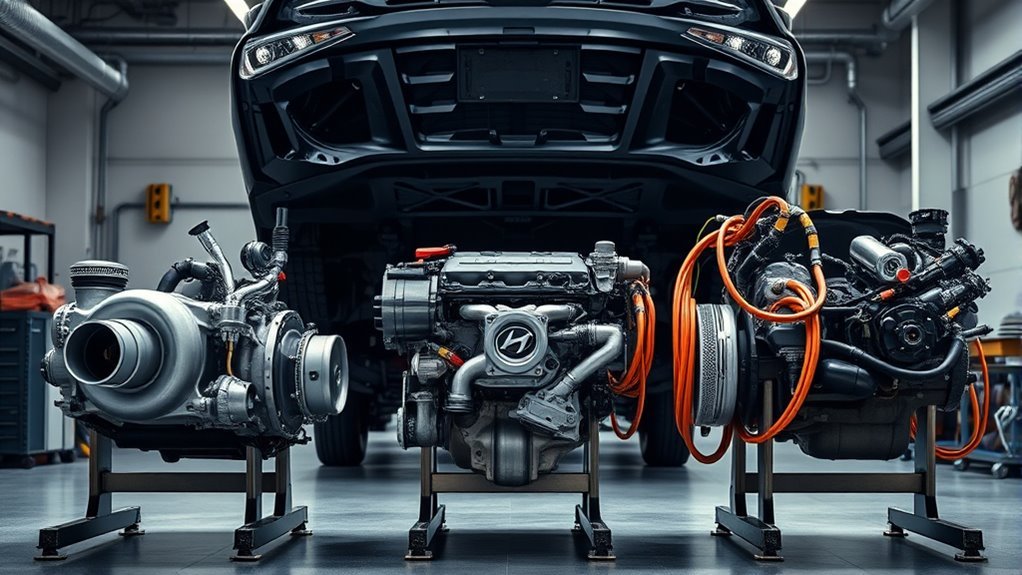
The current U.S.-market Hyundai Sonata gives you three clear powertrain paths: a 2.5L gas engine for balanced daily driving, a 2.0L hybrid for the best fuel economy, and the 2.5L turbo N Line for the strongest acceleration. The right choice depends on whether you care most about price, MPG, all-weather traction, or sporty response.
Quick Answer
Choose the Sonata 2.5L gas engine for simple, affordable daily use; the Sonata Hybrid if fuel economy is your top priority; and the Sonata N Line if you want the 290-hp turbo engine, wet dual-clutch transmission, and sportier driving feel.
Key Takeaways
- Best all-around pick: the 2.5L gas Sonata is the simplest choice for everyday commuting, lower starting cost, and available HTRAC AWD on SEL Sport.
- Best MPG: the Sonata Hybrid Blue is EPA-rated as high as 47 city / 56 highway / 51 combined MPG.
- Best performance: the Sonata N Line uses a 290-hp turbocharged 2.5L engine with 311 lb-ft of torque and an N 8-speed wet DCT.
- Important trim note: AWD is not offered on the hybrid or N Line in the U.S.; it is optional on the gas SEL Sport.
Sonata Engine Lineup: Gas, Hybrid, and N Line
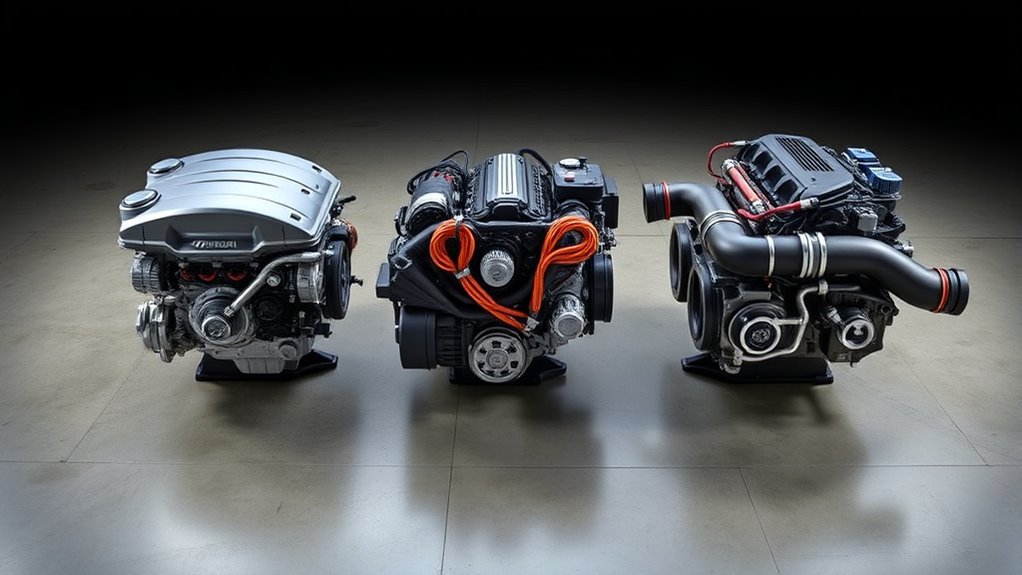
Although the Sonata lineup shares the same midsize-sedan foundation, the three available powertrains are built for different drivers. Hyundai lists the standard 2026 Sonata with a 2.5L GDI/MPI 4-cylinder engine, the Sonata Hybrid with a 2.0L hybrid system, and the Sonata N Line with a turbocharged 2.5L engine.
The standard gas engine makes 191 horsepower and 181 lb-ft of torque, paired with an 8-speed automatic transmission. It is the practical choice if you want predictable power, simpler ownership, and the option to add HTRAC All Wheel Drive on the SEL Sport trim.
The hybrid makes 192 net horsepower and uses a 2.0L gas engine with a 39 kW permanent-magnet electric motor. It uses a 6-speed automatic transmission and is tuned to reduce fuel use in traffic and on long highway drives.
The N Line is the performance version. Its 2.5L turbocharged 4-cylinder produces 290 horsepower and 311 lb-ft of torque, and it is paired with an N 8-speed wet dual-clutch transmission with paddle shifters.
Note: Hyundai does not present hybrid torque the same way it presents gas-engine torque. For the hybrid, focus on the 192 net horsepower rating, EPA fuel economy, and test-drive feel rather than trying to add gas-engine and electric-motor torque figures together.
[Products Worth Considering]

This compact adapter converts factory-wired CarPlay and Android Auto systems to wireless for a cleaner, more convenient driving experience. It offers fast auto-connect, stable performance, and plug-and-play setup so you can enjoy navigation, music, calls, and voice control without extra cables. The included USB-to-USB-C converter helps it fit a wide range of vehicle ports.

This wireless CarPlay screen adds modern smartphone connectivity to almost any vehicle with easy plug-and-play installation. It supports Apple CarPlay and Android Auto, online maps, voice control, phone mirroring, and multiple audio output options for safer, more convenient driving. The included night vision backup camera and OTA updates help improve visibility, compatibility, and long-term performance.

These custom-fit TPE floor mats are designed for Hyundai Sonata and Kia Optima models, delivering precise coverage with high-edge protection to help trap spills, dirt, and everyday messes. Built for all-weather durability, they offer anti-slip stability, odorless construction, and easy cleanup while helping preserve your vehicle's original carpet.
Quick Spec Comparison: HP, Torque, MPG, and Drivetrain
Use this table to compare the Sonata engine choices at a glance. EPA fuel economy varies by trim, drivetrain, wheel size, and equipment, so the “best MPG” numbers apply only to the most efficient version of that powertrain.
| Powertrain | Output | Transmission | EPA MPG | Best For |
|---|---|---|---|---|
| 2.5L GDI/MPI gas 4-cylinder | 191 hp / 181 lb-ft | 8-speed automatic | Up to 28 city / 38 highway / 32 combined MPG | Balanced daily use, lower complexity, available AWD |
| 2.0L hybrid with 39 kW electric motor | 192 net hp | 6-speed automatic | Hybrid Blue: 47 city / 56 highway / 51 combined MPG; other hybrid trims: 44 city / 51 highway / 47 combined MPG | Maximum fuel economy and long commuting range |
| 2.5L turbo GDI/MPI N Line | 290 hp / 311 lb-ft | N 8-speed wet DCT | 23 city / 32 highway / 27 combined MPG | Strong acceleration and sportier response |
The Sonata Hybrid Blue’s EPA estimate of 51 combined MPG is the efficiency benchmark of the lineup; the N Line’s 290 hp is the performance benchmark.
For size and practicality, the Sonata keeps the same core midsize-sedan dimensions across the lineup: a 111.8-inch wheelbase, 193.3-inch overall length, and 15.6 cubic feet of trunk volume. That means your engine choice changes the driving character more than the basic cabin and cargo footprint.
Pro Tip: If you see “up to 56 MPG highway” in a listing, confirm that the car is the Hybrid Blue. SEL Hybrid and Limited Hybrid trims are still efficient, but their EPA highway estimate is lower.
[Products Worth Considering]

The OXILAM jump starter delivers powerful emergency starting performance for gas engines and up to 12L diesel engines, helping revive dead batteries in seconds. It also doubles as a portable power bank and LED flashlight, with USB and Type-C ports for convenient device charging. Built with multiple safety protections, a clear LED display, and a rugged portable design, it is a reliable roadside companion for cars, trucks, motorcycles, and more.

This compact adapter upgrades compatible factory wired CarPlay or Android Auto systems to wireless convenience for both iPhone and Android users. It uses WiFi 6 and Bluetooth 5.4 for fast, stable connections with quick auto-connect startup and reliable voice, navigation, and music performance. Its mini plug-in design helps keep the dashboard tidy while supporting easy setup and broad vehicle compatibility.

HAFIDI floor mats are custom-fit for select Kia Optima and Hyundai Sonata Hybrid models, using 3D laser scanning for precise coverage of the front and rear rows. Built from durable TPE with raised edges and anti-slip backing, they help contain dirt, water, snow, and spills while staying secure and easy to clean.
When to Pick the Sonata 2.5L Gas Engine
Pick the Sonata 2.5L gas engine when you want a straightforward sedan that handles commuting, errands, and highway trips without chasing maximum performance or maximum MPG. Its 191 hp and 181 lb-ft are enough for normal daily driving, and the 8-speed automatic keeps the experience smooth and familiar.
This is also the powertrain to consider if you want HTRAC All Wheel Drive. In the U.S. lineup, AWD is optional on the SEL Sport gas model, not on the hybrid or N Line. That makes the 2.5L gas Sonata the better match for drivers who deal with wet roads, light snow, steep driveways, or mixed surfaces.
- You want a practical midsize sedan with steady power delivery.
- You prefer a lower-complexity gas powertrain over a hybrid system.
- You want the option of AWD for added traction.
- You drive a mix of city and highway routes and are satisfied with up to 28 city / 38 highway MPG in the most efficient FWD gas configuration.
Note: AWD improves traction, but it also lowers fuel economy. The EPA lists the 2026 Sonata AWD at 24 city / 33 highway / 27 combined MPG.
Why Choose the Sonata 2.0L Hybrid
Choose the Sonata Hybrid if fuel economy is the main reason you are shopping for this car. The Hybrid Blue is EPA-rated at 47 city / 56 highway / 51 combined MPG, while other hybrid trims are rated at 44 city / 51 highway / 47 combined MPG. Either way, the hybrid uses much less fuel than the gas and N Line versions.
The hybrid pairs a 2.0L GDI 4-cylinder engine with a 39 kW electric motor and a 6-speed automatic transmission. In daily driving, that setup helps most at low speeds, in stop-and-go traffic, and during gentle cruising. You still get normal Sonata comfort, a usable trunk, and modern tech such as a 12.3-inch touchscreen and wireless Apple CarPlay/Android Auto availability across the lineup.
The hybrid also reduces long-term fuel-cost exposure. Hyundai’s warranty information states that hybrid, plug-in hybrid, and electric-vehicle batteries and system components are covered by a 10-year/100,000-mile warranty, though coverage details can vary by ownership status and warranty terms.
- Pick Hybrid Blue if your priority is the best MPG and lowest fuel use.
- Pick SEL Hybrid if you want more comfort features while keeping strong efficiency.
- Pick Limited Hybrid if you want the most premium Sonata Hybrid experience, including higher-end convenience and driver-assistance features.
Who Needs the Sonata N Line Turbo
The Sonata N Line Turbo is for drivers who want the most power in the lineup. Its turbocharged 2.5L 4-cylinder engine makes 290 hp and 311 lb-ft of torque, which is a major jump over the standard gas and hybrid models. The N 8-speed wet dual-clutch transmission also gives it a quicker, more direct feel than the regular automatic.
This version makes the most sense if you enjoy fast merging, responsive passing power, paddle shifters, firmer tuning, and sportier styling. It is still a roomy midsize sedan, but it is not the best choice if your top goal is fuel economy or AWD.
- Performance-focused drivers who want the strongest acceleration in the Sonata lineup.
- Daily drivers who want a practical sedan with a sportier personality.
- Drivers who prefer sharper transmission response and paddle-shifter control.
- Buyers who like the N Line’s exterior styling, 19-inch wheels, sport seats, and dual twin exhaust outlets.
Warning: Do not buy the N Line expecting hybrid-like efficiency or AWD traction. It is front-wheel drive and EPA-rated at 23 city / 32 highway / 27 combined MPG.
Which Sonata Engine Is Best for Your Driving Style?
The best Sonata engine is the one that matches how you actually drive. A short test drive may make the N Line feel exciting, but your daily route, fuel budget, climate, and trim priorities matter more over years of ownership.
| Your Priority | Best Sonata Choice | Why |
|---|---|---|
| Lowest fuel use | Hybrid Blue | Best EPA rating: 47 city / 56 highway / 51 combined MPG |
| Balanced daily driving | 2.5L gas | Simple, predictable, and less expensive than the sport or premium hybrid trims |
| All-weather traction | 2.5L gas SEL Sport with AWD | Only current U.S. Sonata configuration with optional HTRAC AWD |
| Sportiest feel | N Line | 290 hp, 311 lb-ft, wet DCT, sport-oriented hardware |
| Premium comfort plus efficiency | Limited Hybrid | Keeps strong hybrid MPG while adding the most upscale Sonata features |
[Products Worth Considering]

These Jenofa floor mats and cargo liners are made for a precise fit in compatible Kia K5 and Hyundai Sonata models, helping protect the original floor and cargo area from daily messes. Built from durable TPE material with all-weather coverage, they resist heat, cold, mud, snow, and spills while remaining easy to clean and simple to install. The sleek noir design adds a clean, integrated look to the interior while delivering practical protection.

This wireless adapter upgrades factory wired Apple CarPlay and compatible Android Auto systems into a seamless cordless experience without replacing your original infotainment system. After a quick one-time setup, it reconnects automatically for navigation, music, calls, messages, and voice control, while compact plug-and-play design helps keep your dashboard clean and your driving experience more convenient.

This portable car stereo brings wireless Apple CarPlay and Android Auto to your vehicle for easier access to navigation, music, calls, and messages. The large HD touch screen supports mirror link and multiple audio output options, while voice control adds safer hands-free use on the road. An included backup camera and simple dashboard mount make installation quick and convenient without replacing your original radio.
What to Check on a Test Drive
Specs are useful, but the test drive should decide the final choice. Drive the same route if you compare more than one Sonata powertrain, and include city streets, a highway merge, a rough patch of road, and a parking-lot maneuver.
- In the 2.5L gas model: check whether acceleration feels strong enough with passengers or cargo.
- In the hybrid: listen for smooth handoffs between electric assist and the gas engine, especially in stop-and-go traffic.
- In the N Line: decide whether the firmer ride and quicker transmission feel are worth the lower MPG.
- If considering AWD: compare the SEL Sport AWD against the FWD version so you understand the trade-off in weight, cost, and fuel economy.
- For any trim: confirm seat comfort, road noise, visibility, infotainment usability, and driver-assistance settings before you buy.
Frequently Asked Questions
What are the engine choices for the Hyundai Sonata?
The current U.S.-market Hyundai Sonata offers three main powertrain choices: a 191-hp 2.5L gas 4-cylinder, a 192-net-hp 2.0L hybrid system, and a 290-hp turbocharged 2.5L N Line engine.
Which Hyundai Sonata engine gets the best gas mileage?
The Sonata Hybrid Blue gets the best fuel economy, with EPA estimates of 47 MPG city, 56 MPG highway, and 51 MPG combined. Other Sonata Hybrid trims are rated at 44 city, 51 highway, and 47 combined MPG.
Is AWD available on the Hyundai Sonata Hybrid or N Line?
No. In the current U.S. lineup, HTRAC All Wheel Drive is optional on the gas SEL Sport model. The Sonata Hybrid and Sonata N Line are front-wheel drive.
Is the Sonata N Line worth it?
The Sonata N Line is worth it if you want the most powerful Sonata, quicker response, and sportier styling. It is not the best value if fuel economy, AWD, or the lowest purchase price matters more than performance.
How long does a Hyundai 2.4 engine last?
The current Sonata does not use a 2.4L engine, but older Hyundai 2.4L engines can last a long time when maintained correctly. There is no official mileage guarantee, so judge any used car by its service records, oil-change history, recalls, inspection results, and how it drives today.
Does the Sonata Hybrid battery have a warranty?
Hyundai lists a 10-year/100,000-mile warranty for batteries and system components in hybrid, plug-in hybrid, and electric vehicles. Always review the warranty booklet for the exact vehicle, owner status, exclusions, and coverage limits.
Conclusion
The Sonata’s three powertrains are easy to separate once you match them to a real mission. Choose the 2.5L gas model for a balanced daily sedan and available AWD, the 2.0L hybrid if you want the best fuel economy, and the N Line turbo if power and sportier response matter most. The best next step is to test-drive the exact trim you plan to buy, because MPG, ride feel, traction, and acceleration all change depending on the powertrain.
Sources
- Hyundai USA — 2026 Sonata — official gas Sonata model information and trim context.
- Hyundai USA — 2026 Sonata Hybrid — official hybrid model information and feature context.
- Hyundai USA Brochures — official brochure source for horsepower, torque, transmission, dimensions, and trim availability.
- FuelEconomy.gov — 2026 Hyundai Sonata — EPA fuel economy estimates for gas, hybrid, AWD, and turbo Sonata configurations.
- Hyundai USA Warranty — Hyundai warranty coverage for hybrid, plug-in hybrid, and electric-vehicle battery and system components.


[…] VIN and engine information when ordering parts or following a service procedure. This overview of Hyundai Sonata engine options can help you identify the broad engine family before checking the vehicle-specific […]
[…] dead battery can turn a normal Hyundai Sonata drive into a roadside problem fast. The safest fix is to use the correct 12-volt jump-start […]
[…] your Hyundai Sonata infotainment screen is frozen, slow, stuck on the Hyundai logo, or refusing to connect to […]