
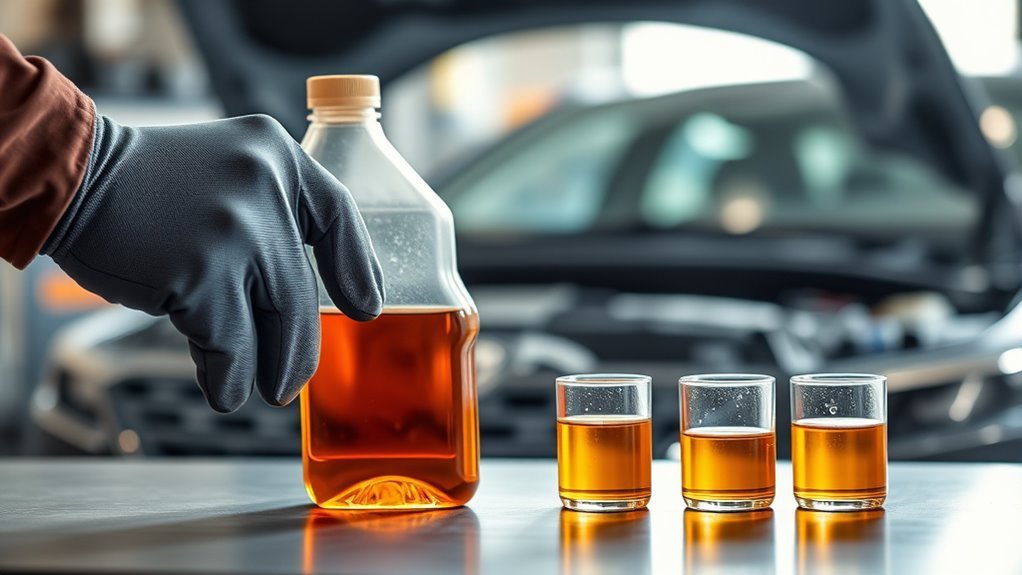
Choosing oil for a Hyundai Sonata is not a one-size-fits-all 5W-30 decision. Some Sonata engines allow 5W-30, especially many 2011–2019 gasoline models, but many newer U.S.-market Sonata engines call for lighter full-synthetic oil such as 0W-20 or 0W-30. The safest answer is simple: match the viscosity, oil standard, and capacity listed in your owner’s manual or on the oil-filler cap before buying oil.
Quick Answer
Use 5W-30 synthetic oil in your Hyundai Sonata only if your specific engine’s owner’s manual or oil cap lists 5W-30 as an approved grade. Many 2015–2019 Sonatas allow 5W-30, while many 2020–2026 U.S. Sonatas use 0W-20 or 0W-30 instead.
Key Takeaways
- 5W-30 is correct for some Hyundai Sonata engines, but not every model year or engine.
- Many newer Sonata engines require full synthetic oil that meets API SP and/or ILSAC GF-6 standards.
- Oil capacity varies by engine; do not rely on one universal quart amount for every Sonata.
- Check oil on level ground, add small amounts, and never overfill the crankcase.
- Use the severe-service interval if you drive mostly short trips, heavy traffic, dusty roads, extreme temperatures, or long idle periods.
Which Oil Should You Use in a Hyundai Sonata?
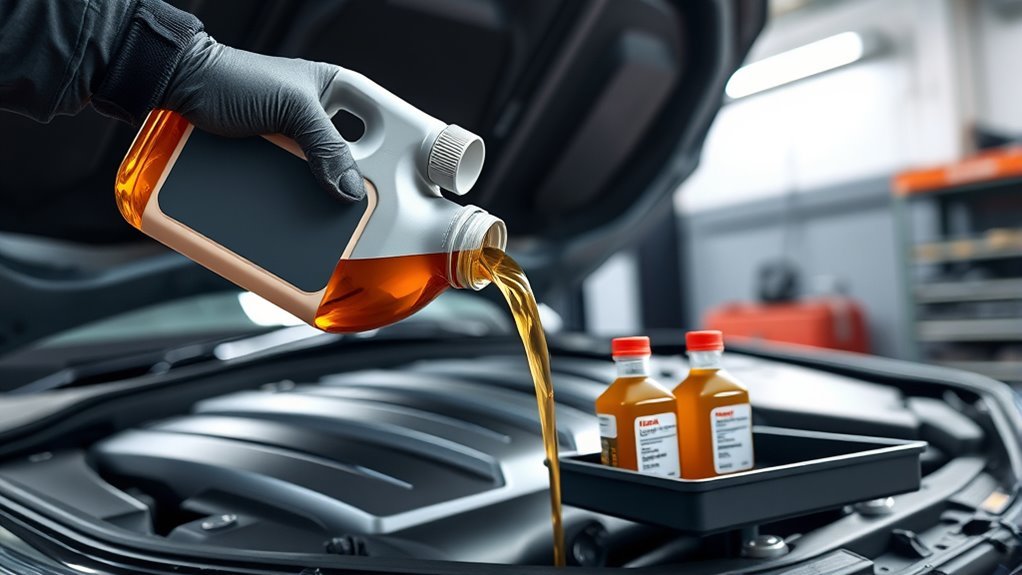
The correct Hyundai Sonata oil depends on the model year, engine, market, and the manual revision for your vehicle. A 2016 Sonata 2.4L may allow 5W-20 or 5W-30, while a newer Sonata with a Smartstream engine may specify 0W-20 or 0W-30. Before you buy oil, confirm the exact specification in the official Hyundai owner’s manual portal or on the oil-filler cap.
Warning: Do not assume “5W-30 synthetic” is automatically correct because another Sonata owner uses it. Using the wrong viscosity or oil standard can affect fuel economy, cold-start lubrication, engine wear, and warranty coverage.
[Products Worth Considering]

Castrol EDGE 0W-20 advanced full synthetic motor oil is engineered for drivers seeking strong wear protection, excellent viscosity control, and thermal stability. It delivers superior performance in critical engine areas, including fuel economy, high-temperature protection, sludge control, and wear defense. Designed for extended oil-change intervals, it helps keep modern engines running smoothly under demanding conditions.

Castrol GTX Full Synthetic 5W-30 motor oil is designed to deliver maximum engine protection in severe driving conditions. It helps fight wear, control sludge, and resist viscosity breakdown while supporting longer intervals between oil changes. Formulated to meet or exceed key industry and vehicle manufacturer specifications, it offers dependable performance for modern engines.

The Funnel King 32950 Oil Drain Pan is a compact fluid catch basin designed for clean, easy draining during routine maintenance. Its open shape and pour edge help transfer used oil, coolant, and other shop fluids with less mess, while the lightweight polypropylene construction stands up to common automotive chemicals. Sized to fit under many cars and small engines, it is a practical choice for garages, workshops, and DIY oil changes.
Common Hyundai Sonata Oil Types by Model Year and Engine
The table below gives common U.S.-market guidance, but your owner’s manual is the final authority because specifications can vary by year, engine, country, and production update.
| Sonata model / engine | Common oil viscosity | Important note |
|---|---|---|
| 2024–2026 Sonata 2.5L GDI | 0W-20 full synthetic | Use oil meeting the API/ILSAC specification listed in the manual. |
| 2024–2026 Sonata 2.5L Turbo / N Line | 0W-30 full synthetic | Turbo engines are especially sensitive to oil quality and change intervals. |
| 2020–2023 Sonata 2.5L Smartstream GDI | Often 0W-20 full synthetic | Do not default to 5W-30 unless your manual specifically allows it. |
| 2020–2023 Sonata 1.6L Smartstream Turbo | Often 0W-20 or another manual-specified full synthetic grade | Confirm by model year and manual; some early references differ from later manual printings. |
| 2015–2019 Sonata 2.4L GDI | 5W-20 or 5W-30 | 5W-30 is commonly approved for all-temperature use on many 2.4L models. |
| 2015–2019 Sonata 2.0L Turbo | 5W-30 or 5W-40 | Use the correct turbo-rated oil standard and shorten intervals under severe driving. |
| 2011–2014 Sonata gasoline engines | Often 5W-20, 5W-30, or 5W-40 depending on engine | Older models vary more by engine and climate, so manual verification matters. |
Note: oil capacity also changes by engine. Many Sonata engines take roughly 4.8–5.8 liters with the filter, but you should refill gradually and confirm the final level on the dipstick rather than pouring in a guessed amount.
When 5W-30 Is a Good Choice for a Sonata
5W-30 is a good choice when your Sonata’s manual lists it as an approved viscosity. It is especially common on many older naturally aspirated and turbocharged gasoline Sonatas. Compared with 5W-20 or 0W-20, 5W-30 is slightly thicker at operating temperature, which can help maintain oil-film strength in heat, high-load driving, or older engines that are approved for that grade.
That does not mean thicker is always better. Newer Smartstream engines are designed around specific oil flow, pressure, emissions, fuel-economy, and timing-system requirements. If Hyundai specifies 0W-20 or 0W-30 for your engine, use that grade instead of choosing 5W-30 on your own.
Why Synthetic Oil Is Usually the Best Pick
For most modern Sonatas, full synthetic oil is the safest choice because it resists heat breakdown, flows well during cold starts, and helps control deposits better than conventional oil. This matters most in turbocharged and gasoline direct-injection engines, where high heat and fuel dilution can stress the oil faster.
When shopping, look beyond the front label. The bottle should match the viscosity listed in your manual and meet the required oil standard, such as API SP and/or ILSAC GF-6 for many newer gasoline engines. The American Petroleum Institute explains current gasoline-engine oil categories and the performance areas these standards cover.
Pro Tip: If two oils have the right viscosity, choose the one that clearly lists the manual-required API/ILSAC approval on the back label. “Full synthetic” alone is not enough if the oil does not meet the required standard.
[Products Worth Considering]

This filter combo is designed for Hyundai Sonata gas models from 2015 to 2019, including non-hybrid 2.4L vehicles, and replaces both the engine and cabin air filters in one convenient set. It helps improve engine airflow while also refreshing the cabin environment with activated carbon odor control and high-efficiency particle filtration for cleaner, quieter driving.
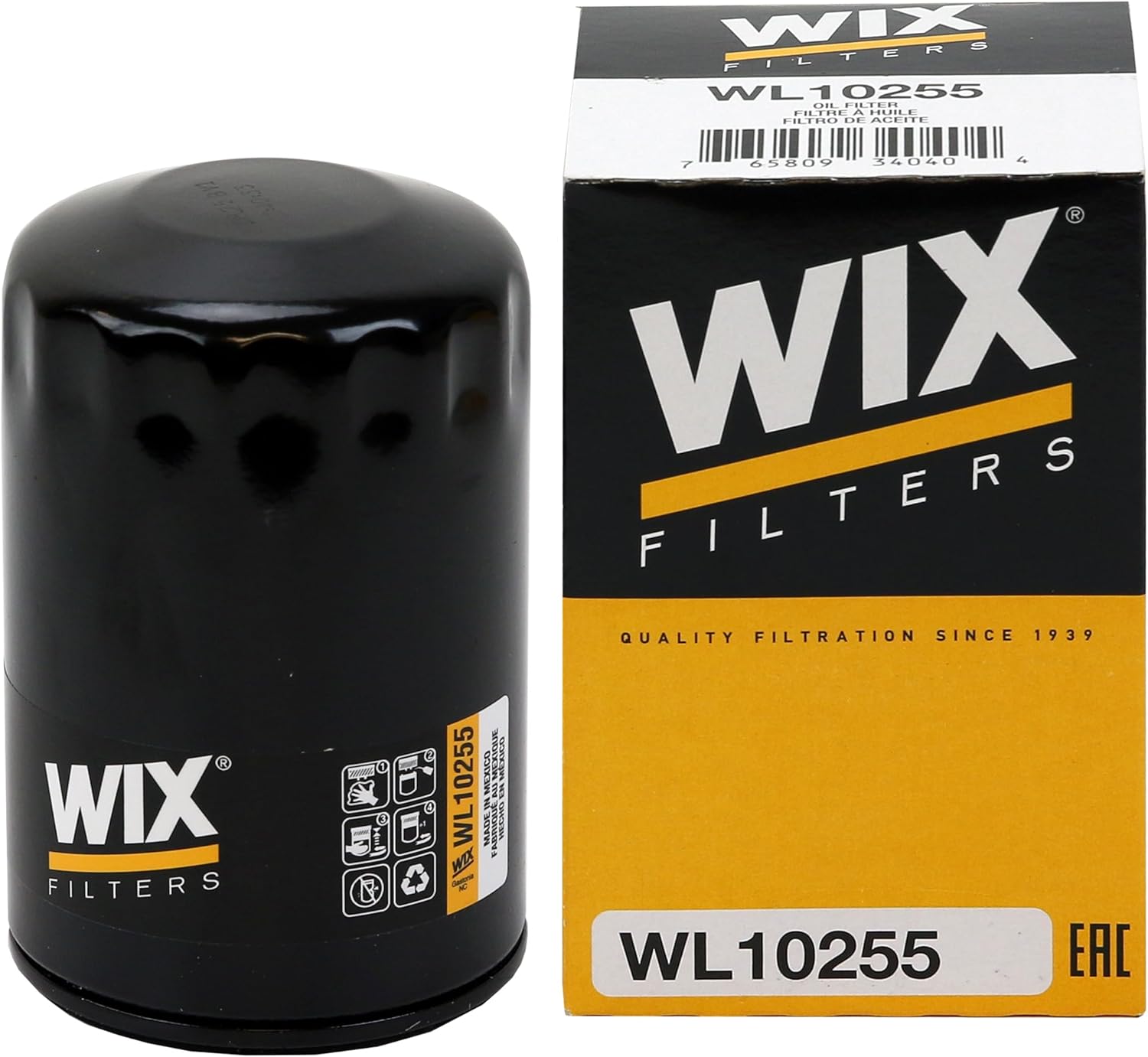
WIX WL10255 is a premium oil filter designed for synthetic and high-mileage oils, delivering reliable protection in everyday driving, towing, stop-and-go traffic, and long highway trips. Its advanced blended media captures fine contaminants with high efficiency, while the silicone anti-drainback valve helps prevent dry starts and supports dependable engine performance over extended service intervals.
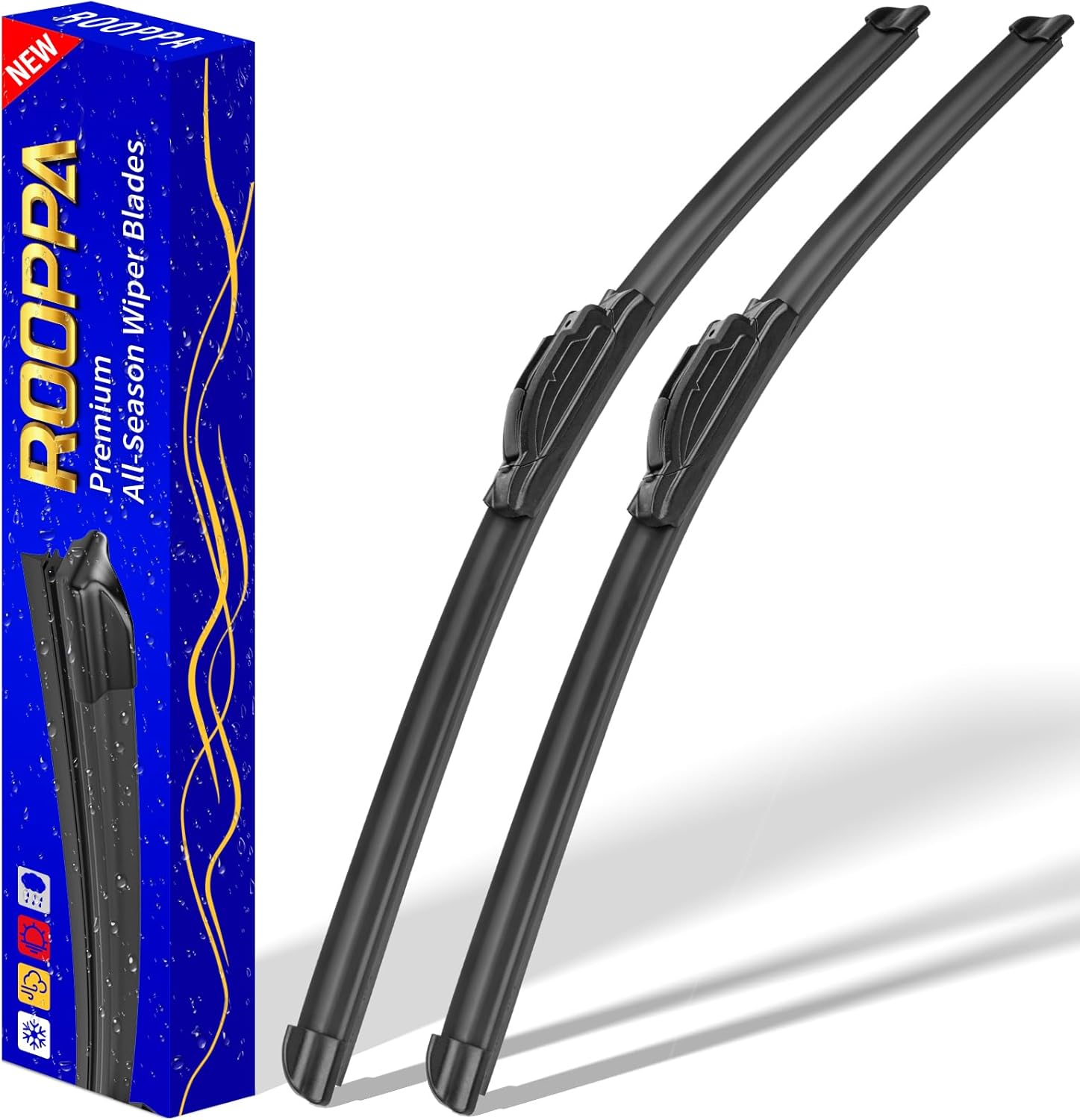
These front windshield wiper blades are designed as a direct replacement for compatible Hyundai models, helping restore clear visibility in rain and road grime. The hard-molded frame and stronger spring support smooth, reliable wiping performance, while the easy plug-and-play installation makes replacement simple. Included as a two-piece set, they are built for dependable everyday use with a one-year warranty for added confidence.
How 5W, 0W, 20, and 30 Affect Cold Starts and Hot Protection
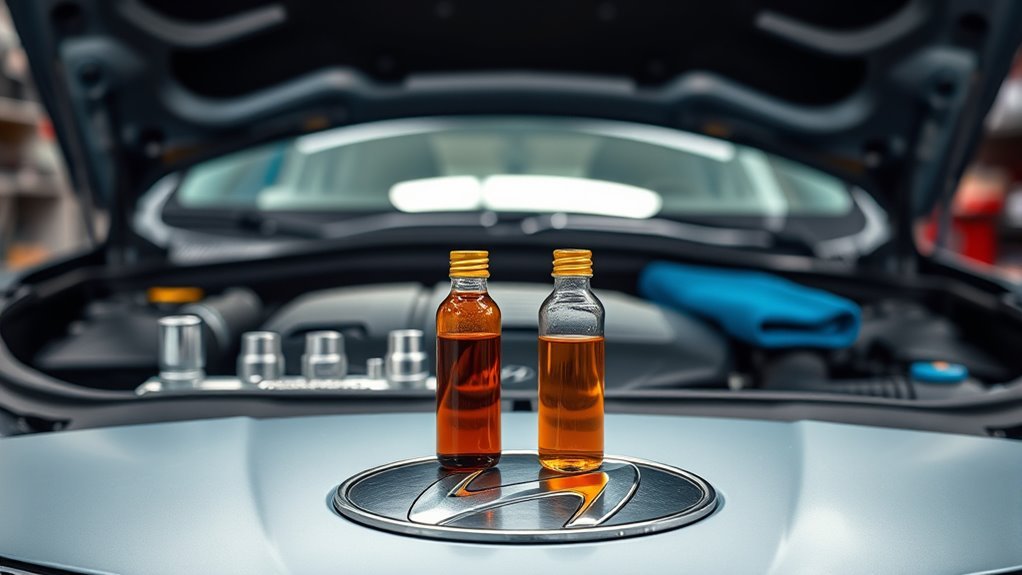
The first part of the oil grade tells you how the oil behaves in cold conditions. A 0W oil flows more easily in cold starts than a 5W oil, which is one reason many newer engines use 0W-20 or 0W-30. Faster cold flow helps oil reach bearings, camshafts, timing components, and turbocharger parts sooner after startup.
The second number describes viscosity at operating temperature. A 30-grade oil is thicker when hot than a 20-grade oil. That can be useful when the engine is designed for it, but it can be a problem if the engine was calibrated for a thinner oil. Always balance cold-start flow and hot-engine protection by using the grade Hyundai specifies.
| Oil grade | Cold-start behavior | Hot-engine behavior |
|---|---|---|
| 0W-20 | Excellent cold flow | Thin, efficient hot viscosity for engines designed for it |
| 0W-30 | Excellent cold flow | More hot-film thickness than a 20-grade oil |
| 5W-20 | Good cold flow | Common on many older Sonata engines |
| 5W-30 | Good cold flow | Good hot protection when approved by the manual |
Oil Capacity and Change Intervals
Do not use one universal capacity for every Sonata. A complete oil change with a filter can vary by engine, and the final dipstick reading matters more than a number found online. Add oil in stages, wait for it to settle, and verify that the level is between the dipstick marks.
Hyundai advises owners to check the manual for oil grade, viscosity, and change frequency; depending on driving habits, more frequent changes may be needed than the normal interval.
For many Hyundai vehicles, normal oil-change intervals are commonly around 6,000–7,500 miles, but severe-service driving can call for shorter intervals. Hyundai’s own oil-change guidance notes that combined driving habits may make a 4,500–5,000-mile interval more appropriate than waiting for the full normal interval. Check the maintenance schedule for your exact Sonata at Hyundai’s oil-change service page.
Use a Shorter Interval If You Drive in Severe Conditions
Severe service does not only mean towing or racing. Many daily drivers qualify without realizing it. Shorten the interval if your Sonata regularly sees:
- Repeated short trips where the engine does not fully warm up
- Heavy stop-and-go traffic or long idle time
- Dusty, sandy, muddy, or salted roads
- Very hot or very cold weather
- Mountain driving or frequent high-speed highway driving
- Turbocharged driving with hard acceleration and high heat
Synthetic, Conventional, or Blend: Which Should You Pick?
Full synthetic is the best choice for most Sonata owners, especially for newer engines, turbo engines, and anyone following longer normal-service intervals. Synthetic oil handles heat better, resists sludge, and flows more predictably in cold weather.
Conventional oil may be acceptable only on some older engines if the manual allows it, but it gives less margin under heat and short-trip driving. Synthetic blend sits in the middle, but it still may not meet the full requirements of newer engines. If the manual calls for full synthetic, do not substitute conventional or blend oil to save a few dollars.
[Products Worth Considering]

This A-Premium cartridge engine oil filter is designed for a wide range of Toyota and Lexus vehicles, helping support cleaner oil flow and dependable engine protection. With high filtration efficiency and included O-rings, it offers a practical replacement solution for routine maintenance. Built for extended service intervals, it is suitable for conventional or synthetic oil applications.

These genuine Toyota oil drain plug gaskets are designed to help maintain a reliable seal during oil changes, reducing the chance of leaks and supporting proper engine maintenance. With an OEM fit and trusted Toyota quality, they are a practical choice for routine service on compatible vehicles. The convenient quantity pack is ideal for keeping multiple maintenance intervals covered.

This 6-pack engine oil filter set is designed for Toyota applications and compatible cross-reference part numbers, helping support clean oil flow and dependable engine protection. Built from quality materials and featuring 99% multi-pass efficiency, it is made to help extend engine life and maintain performance between service intervals. The included six filters make it a practical choice for routine maintenance and multiple oil changes.
Signs Your Sonata Needs an Oil Change Now
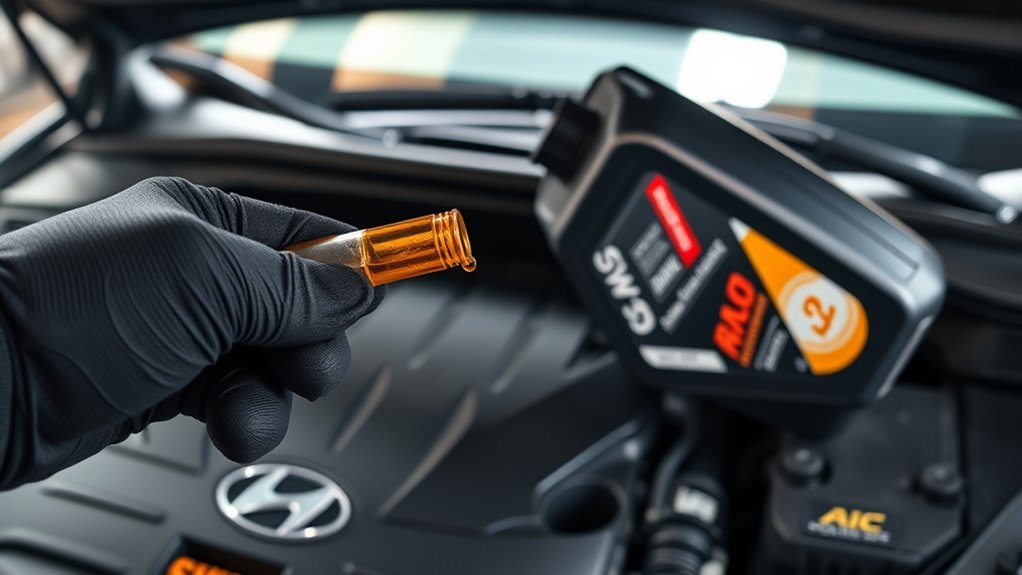
Oil does not always fail all at once. Watch for clear signs that the oil is old, low, contaminated, or no longer protecting the engine properly:
- Dark, gritty oil on the dipstick: Oil naturally darkens, but gritty texture or heavy contamination means service is due.
- Low oil level: Running below the safe range can reduce oil pressure and increase wear.
- Ticking, knocking, or rattling noises: These can point to low oil, old oil, or a separate mechanical issue that needs diagnosis.
- Oil-pressure or oil-change warning light: Stop and check the manual immediately; an oil-pressure warning is not the same as a routine maintenance reminder.
- Burning-oil smell or visible leaks: Look for oil around the valve cover, drain plug, filter, oil pan, and under the car.
- Fuel-economy drop or rough running: Oil may not be the only cause, but overdue maintenance can contribute.
Warning: If the red oil-pressure light comes on while driving, pull over safely and shut the engine off. Driving with low oil pressure can destroy an engine quickly.
How to Check and Top Off Hyundai Sonata Oil
At a Glance
| Time Required | 5–10 minutes |
| Difficulty | Easy |
| Tools Needed | Clean rag, funnel, correct engine oil, gloves optional |
| Cost | Free to check; about the cost of one quart if topping off |
- Park on level ground. A slope can give a false dipstick reading.
- Shut the engine off and wait a few minutes. This lets oil drain back into the pan.
- Pull the dipstick and wipe it clean. Use a lint-free rag or paper towel.
- Reinsert the dipstick fully, then pull it again. Read the oil level between the low and full marks.
- Add only the correct oil if the level is low. Use a funnel and add small amounts, such as 1/4 quart at a time.
- Wait, recheck, and adjust. Stop when the oil level is within the safe range. Do not fill above the full mark.
- Replace the oil cap and dipstick securely. Wipe any spills before starting the engine.
Pro Tip: Keep a photo of your oil cap, manual oil-spec page, and last service receipt on your phone. It makes buying the correct oil much easier when you are standing in the parts aisle.
Common Mistakes That Shorten Sonata Engine Life
The right oil helps, but only if it is used correctly. Avoid these common Sonata oil mistakes:
- Using 5W-30 when the manual requires 0W-20 or 0W-30: The wrong viscosity can affect oil flow, fuel economy, and engine calibration.
- Ignoring the API/ILSAC standard: Viscosity is only half the requirement. The oil also needs the correct performance rating.
- Overfilling the engine: Too much oil can foam, raise crankcase pressure, and cause leaks or drivability problems.
- Underfilling after an oil change: Always recheck the dipstick after running the engine and letting it sit briefly.
- Skipping the filter: A fresh oil filter is part of a proper oil change.
- Extending intervals under severe driving: Short trips, traffic, idling, and heat can wear oil faster than highway cruising.
- Using bargain oil with unclear approvals: A cheap bottle is not a good deal if it does not meet Hyundai’s required standard.
When to Consult a Dealer or Certified Technician
Ask a Hyundai dealer or certified technician for help if you are not sure which engine your Sonata has, your manual and oil cap seem to disagree, your engine is consuming oil between changes, or you notice leaks, warning lights, smoke, ticking, knocking, or sudden performance changes.
You should also get professional advice before switching to a different viscosity for high mileage, hot climates, track use, or oil consumption. A thicker oil may hide a symptom temporarily, but it will not fix worn seals, piston-ring issues, PCV problems, leaks, or internal wear.
Frequently Asked Questions
Can I use 5W-30 instead of 5W-20 in my Hyundai Sonata?
Yes, but only if your owner’s manual lists 5W-30 as an approved grade for your engine and climate. Many older Sonata engines allow both 5W-20 and 5W-30, but some newer engines require 0W-20 or 0W-30 instead.
What oil is recommended for a Hyundai Sonata?
The recommended oil depends on the year and engine. Many 2015–2019 2.4L models allow 5W-20 or 5W-30, many 2.0T models allow 5W-30 or 5W-40, and many newer Smartstream engines use 0W-20 or 0W-30 full synthetic. Always verify the manual for your exact vehicle.
What kind of oil does a 2016 Hyundai Sonata 2.4L take?
Many 2016 Hyundai Sonata 2.4L engines allow SAE 5W-20 or SAE 5W-30, depending on the manual and climate guidance. Use an oil that meets the required API category and confirm capacity in the owner’s manual before refilling.
Is full synthetic oil required for a Hyundai Sonata?
Full synthetic is required or strongly recommended for many newer Sonata engines, especially turbocharged and Smartstream engines. Older models may allow other oil types, but full synthetic usually gives better heat resistance, cold-start flow, and deposit control.
How often should I change the oil in a Hyundai Sonata?
Follow the maintenance schedule for your model year. Many normal-service intervals fall around 6,000–7,500 miles, but severe driving can require shorter intervals. Short trips, heavy traffic, long idling, dusty roads, and extreme temperatures all justify changing oil sooner.
Conclusion
5W-30 synthetic oil is a smart choice for a Hyundai Sonata only when Hyundai approves it for your exact engine. Many older Sonatas allow it, but many newer models use 0W-20 or 0W-30 full synthetic instead. Match the manual, use the right API/ILSAC-rated oil, check the dipstick regularly, and shorten the interval when driving conditions are hard on the engine. Correct oil care is one of the simplest ways to protect your Sonata from avoidable wear and expensive repairs.
Sources
- Hyundai Owner’s Manual Portal — official source for model-year-specific oil viscosity, capacity, and maintenance information.
- Hyundai Manuals & Warranties — official Hyundai resource for owner manuals and warranty documents.
- Hyundai Oil Change Guidance — backs up oil-grade, oil-level, and change-frequency guidance.
- American Petroleum Institute: Latest Oil Categories — explains current gasoline-engine oil standards such as API SP and ILSAC GF-6.
- American Petroleum Institute: Oil Categories — supports checking the vehicle owner’s manual for the required oil performance category.


[…] glitter-like metal particles, or oil that is far overdue for service are red flags. Use only the oil viscosity and specification listed for your exact model year and engine in the Hyundai owner’s manual […]