
To protect a Hyundai Sonata from road salt, rinse salt from the body, wheels, wheel wells, rocker panels, and underbody before heavy residue builds up; keep drain holes open; repair paint chips promptly; and renew wax when water stops beading. Hyundai’s 2026 exterior-care guidance says to thoroughly flush the underbody and wheel openings once a month in corrosive conditions and again at the end of winter. Regular inspection matters too, because corrosion around brake lines, suspension mounts, seams, and structural metal may develop where it is difficult to see.
Last updated: September 16, 2026. Reviewed against Hyundai’s current 2026 U.S. exterior-care guidance, current Hyundai warranty information, and current road-salt maintenance sources.
Editorial basis: This is a source-based maintenance guide, not a hands-on rustproofing durability test. It separates Hyundai’s published care instructions from optional aftermarket corrosion-protection choices.
Quick Answer
Protect your Hyundai Sonata from road salt by washing salt from the body, wheels, wheel wells, and underside, keeping drainage points open, repairing paint chips quickly, and waxing when water stops beading. Hyundai recommends thoroughly flushing the underbody and wheel openings once a month in corrosive conditions and cleaning them again at the end of winter. Optional rustproofing may add protection in severe conditions, but it does not replace washing or inspection.
Key Takeaways
- Rinse away road salt instead of letting it remain on the paint, wheels, wheel wells, rocker panels, and underbody.
- In salty or otherwise corrosive conditions, follow Hyundai’s guidance to flush the underbody and wheel openings once a month and again at the end of winter.
- Repair chips and scratches promptly, especially when bare metal is visible.
- Wax according to paint condition and product directions, not a universal calendar interval.
- Treat bubbling paint, flaking metal, heavily corroded lines, or structural rust as professional repair issues.
At a Glance
| Time Required | Varies by wash method; allow additional time for drying, waxing, touch-up work, or detailed inspection |
| Difficulty | Easy for washing and inspection; moderate for paint touch-up; professional service for advanced rust |
| Tools Needed | Car-safe soap, hose or underbody wash, microfiber towels, wax or sealant, flashlight, and color-matched touch-up paint when needed |
| Cost | Low for routine DIY care; professional corrosion treatment or body repair varies by product, vehicle condition, and location |
How Does Road Salt Cause Rust on a Hyundai Sonata?
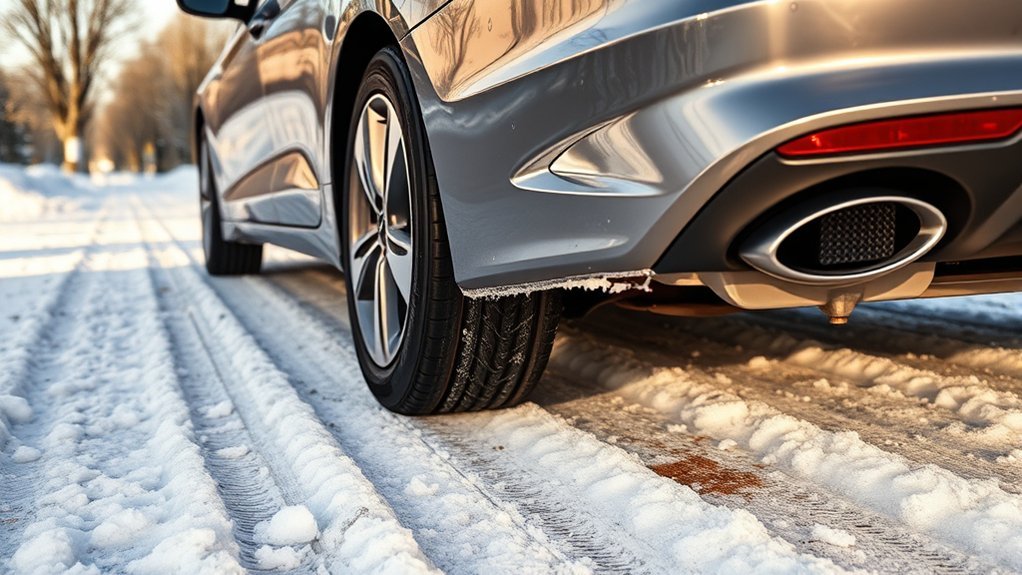
Road salt improves traction and helps crews manage snow and ice, but chloride-based deicers can also accelerate corrosion when chlorides remain in contact with metal in the presence of moisture and oxygen. Abrasive winter grime and stone impacts can also damage paint or protective coatings and expose the metal below.
The highest-risk areas are places that trap wet debris: wheel wells, pinch welds, rocker panels, lower door seams, subframes, fasteners, metal lines, suspension mounting areas, and hidden underbody pockets. Rust may begin where you cannot see it during a normal walk-around.
Not every alternative deicer is harmless. The Federal Highway Administration notes that sodium chloride, calcium chloride, and magnesium chloride leave chloride residues that can corrode vehicles and structures. Calcium magnesium acetate is generally less corrosive, but drivers usually cannot control what a public road agency applies. At home, use any driveway deicer exactly as labeled and keep it away from the vehicle when practical.
Practical rule: corrosion risk rises when chloride residue stays wet against metal. Removing the residue and allowing trapped water to drain matters more than relying on a single “rust-proof” product.
How Often Should You Wash a Hyundai Sonata After Road Salt?
Regular washing removes salt, mud, and grime before they remain trapped against the Sonata’s finish and underbody. Hyundai advises owners in high-corrosion areas to hose off the underside at least once a month during winter and clean it thoroughly when winter ends. Hyundai’s current 2026 exterior-care guidance also calls for thoroughly flushing the underbody and wheel openings once a month. More frequent cleaning is sensible after heavy salt exposure, visible white residue, coastal driving, or repeated travel on wet treated roads.
How to Wash Salt From Your Sonata
- Choose a suitable location. Use a self-service or automatic wash with an underbody rinse, or wash at home when water can drain safely and will not freeze.
- Rinse loose grit first. This reduces the chance of dragging abrasive salt and sand across the paint.
- Wash from top to bottom. Use car-safe soap and a clean microfiber mitt or sponge.
- Flush the wheel wells and underside. Pay attention to areas behind the wheels, under the fenders, along rocker panels, and around underbody seams.
- Clean the wheels. Hyundai advises cleaning aluminum wheels after driving on salted roads and using mild soap or neutral detergent rather than abrasive cleaners, solvents, wire brushes, or aggressive acidic or alkaline cleaners.
- Clear drainage points. Make sure the drain holes along lower doors, rocker panels, and frame members are not blocked by dirt.
- Rinse and dry. Remove soap and salt residue, then dry the painted surfaces with clean microfiber towels.
- Check the brakes. After washing, drive slowly in a safe area and apply the brakes lightly. If braking feels reduced because of water, continue gentle braking at low speed until normal response returns.
Warning: Do not spray high-pressure water into the engine compartment. Hyundai also warns that high-pressure water can damage cameras, sensors, vehicle trim, rubber or plastic boots, and connectors. Follow your model-year Sonata owner’s manual and the washer manufacturer’s operating instructions.
What Type of Car Wash Is Best After Road Salt?
A wash that reaches the underbody is useful because the most important salt buildup is often below the visible body panels. A touchless or self-service wash with an underbody rinse can help when home washing is impractical. If your Sonata has a matte paint finish, follow the specific finish-care instructions for your model: Hyundai’s 2026 guidance says matte-finish vehicles should not go through automatic car washes that use rotating brushes.
How Often Should You Wash in Winter?
There is no single schedule that fits every climate. Use Hyundai’s monthly underbody rinse as a minimum for high-corrosion winter areas, then adjust for exposure. Wash sooner after major storms, long trips on heavily treated roads, or whenever salt film is visible. Consumer Reports also advises at least monthly washing during snow season and more often when the vehicle is coated in salt. A final detailed wash at the end of winter is especially important because residue can remain in hidden areas after road treatment stops.
Does Wax Help Protect a Hyundai Sonata From Road Salt?
Wax or a compatible paint sealant adds a sacrificial layer over sound clear coat and paint. It can make winter grime easier to remove and help reduce direct exposure to water and contaminants. It does not repair damaged paint, stop rust that has already started, or protect uncoated underbody metal by itself.
- Paint protection: Adds a barrier over sound paint and clear coat.
- Easier cleaning: Salt film and road grime may release more easily from a protected surface.
- Water behavior: Beading can help you judge when protection is weakening.
- Seasonal preparation: Applying protection before winter can make repeated washing easier.
Instead of automatically waxing every three or four months, inspect the finish. Hyundai recommends waxing when water no longer beads on the paint. Always wash and dry the vehicle first, use a product compatible with the finish, and follow its label. Matte-finish vehicles require different care, so follow the finish-specific instructions in the owner’s manual.
Pro Tip: If a tar remover, polishing compound, or spot cleaner strips protection from one area, reapply compatible protection there even if the rest of the car still beads water.
[Products Worth Considering]

Meguiar's Gold Class Car Wash combines cleaning and conditioning in one easy step for a smooth, high-gloss finish. Its advanced, biodegradable formula creates rich suds that lift away dirt and road grime while helping preserve existing wax protection. Versatile for bucket washing or foam cannon use, it leaves paint looking radiant, renewed, and ready for a professional-level detail.

Rain-X Foaming Car Wash is a concentrated cleaner designed to lift dirt, grime, and road residue while helping reduce spots and streaks for a glossy finish. Its biodegradable formula is safe for waxed surfaces and delivers high-foaming cleaning action for an exceptional wash. Ideal for routine vehicle care, it helps leave your car looking clean and bright after every wash.

Keep your vehicle smelling fresh with LITTLE TREES Vent Wrap, a discreet car air freshener designed to slide onto vent blades for a hidden look. Its slim profile allows air to flow freely while delivering a long-lasting New Car scent with notes of leather, white florals, metallics, and powdery musk. Each Vent Wrap provides steady fragrance for days, making it a simple way to refresh your car interior.
How Should You Repair Sonata Paint Chips Before They Rust?
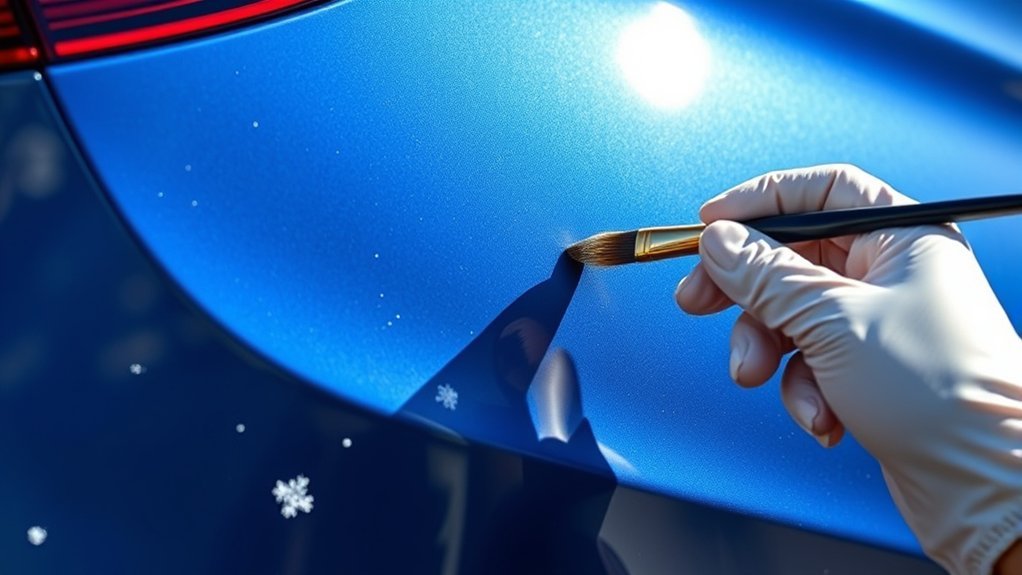
Inspect high-impact areas such as the hood edge, front bumper area, rocker panels, lower doors, wheel arches, trunk opening, and the metal around chips caused by stones. A shallow mark that affects only the clear coat is mostly cosmetic. A chip that exposes primer or bare metal needs faster attention. If you need to identify the factory finish before buying touch-up paint, use the site’s Hyundai Sonata paint-code guide rather than guessing from the color name.
| Condition | Recommended Action | Urgency |
|---|---|---|
| Light clear-coat scratch | Clean and inspect; polish only with a paint-safe method if appropriate | Routine |
| Chip with primer visible | Clean, dry, and use color-matched touch-up paint according to its instructions | Prompt |
| Bare metal visible | Protect quickly; use a qualified body shop if the chip is large, deep, or already corroding | High |
| Bubbling paint or flaking rust | Have the area opened, treated, and refinished professionally | Immediate evaluation |
[Products Worth Considering]

EPAuto CP134 is a premium cabin air filter designed to help keep the air inside your vehicle cleaner and fresher. It includes activated carbon to help reduce odors and support a more comfortable ride for drivers and passengers. Built as a replacement option for many Honda and Acura models, it offers broad compatibility and dependable cabin air filtration.

This rear trunk lid weatherstrip is designed to fit select Toyota Camry and RAV4 models, helping restore a secure seal around the trunk area. It supports protection against dust, moisture, and road noise while offering a reliable replacement for worn or damaged factory seals. Made for straightforward installation, it provides a practical fit-and-finish upgrade for everyday driving.

【Perfect Color Match】:for Hyundai touch up paint Hyper White(WC9)Compatible with Sonata, Elantra, Tucson, Santa Fe achieves an exact match with your car's original factory color, ensuring a seamless and professional finish.
How to Handle a Small Paint Chip
- Confirm the paint code for your Sonata and obtain compatible touch-up paint.
- Wash the area and remove all salt, wax, and dirt.
- Dry it fully. Do not seal moisture under the repair.
- Apply thin layers according to the touch-up product instructions.
- Allow the repair to cure before washing or waxing the area.
Do not simply cover active rust with touch-up paint. If orange or brown corrosion is present, the corrosion must be correctly removed or professionally treated before the finish is sealed.
Why Does the Sonata Undercarriage Need Extra Salt Protection?
The underside receives direct spray from salted roads and contains seams, brackets, shields, and cavities that can hold wet debris. Keeping it clean helps protect the floor pan, subframes, suspension mounting areas, metal lines, fasteners, and lower body seams.
- Flush the underbody and wheel openings at least monthly in high-corrosion winter areas.
- Wash after unusually heavy salt, mud, coastal, or floodwater exposure.
- Clean the underside thoroughly at the end of winter.
- Keep lower-door, rocker-panel, and frame drain holes open.
- Inspect for damaged factory coating, loose shields, rust stains, and swollen seams.
Note: A light rinse that only wets packed mud can make matters worse. Hyundai specifically advises removing the buildup rather than merely dampening it.
Is Professional Rustproofing Worth It for a Hyundai Sonata?
Professional rustproofing is not automatically required for every Sonata. It may be useful for vehicles that spend years in a heavy road-salt region, live near the ocean, have exposed seams or repaired bodywork, or receive frequent winter use. The quality of preparation and application matters as much as the coating itself. Hyundai’s published exterior-care guidance emphasizes washing, drainage, paint repair, and corrosion prevention; it does not make an aftermarket rustproofing treatment a substitute for those steps.
[Products Worth Considering]

This product is: New

This product is: New
Rust-Proofing Benefits Explained
- Coverage of vulnerable areas: Some compatible products can reach seams and cavities that are difficult to protect with normal paint wax.
- Added moisture barrier: A suitable coating can reduce direct exposure of clean metal to salty water.
- Easier inspection: A professional can identify damaged factory coating, blocked drains, and early rust before treatment.
- Potential long-term value: Preventive care may reduce corrosion-related repairs, but no treatment guarantees a rust-free vehicle.
How to Compare Rustproofing Treatments
Common services include oil-based sprays, wax-based cavity coatings, and durable underbody coatings. The right choice depends on the vehicle’s age, existing rust, climate, application instructions, and whether the coating needs regular inspection or renewal. Before authorizing work, ask what surfaces will be cleaned, how existing rust will be handled, what areas will be masked, how often inspection or reapplication is required, and whether the treatment affects any warranty or future repair procedure.
Warning: Do not apply a protective coating over wet dirt or simply hide active rust. Keep coatings away from brake friction surfaces and any other components, drains, sensors, connectors, moving parts, or hot exhaust areas prohibited by the product instructions. Follow the coating label and your Sonata owner’s manual.
Can Parking Habits Make Road-Salt Corrosion Worse?
Parking under cover can reduce fresh snow, road spray, and airborne salt exposure, but “indoors” is not always better. Hyundai warns that a damp, poorly ventilated garage can create favorable conditions for corrosion. A heated garage can melt snow and salt into brine, so ventilation and moisture removal matter.
Sheltered Parking Options
- Use a dry, well-ventilated garage or carport when available.
- Do not leave packed snow around the wheel wells, rocker panels, or lower doors.
- Avoid parking beside plowed snowbanks that can splash concentrated salty water onto the car.
- If using a car cover, choose a clean, breathable cover and place it only on a reasonably clean, dry vehicle.
- Keep the parking surface free of standing salty water and wet debris.
How Should You Handle Coastal Saltwater Exposure?
Coastal air and saltwater spray can accelerate corrosion. Avoid parking directly beside surf or saltwater spray when practical. After beach access roads, coastal storms, or saltwater splash, rinse the wheels, wheel wells, body seams, and underbody as soon as conditions allow. Do not drive through saltwater or floodwater merely to reach a parking spot.
What Should You Do Before, During, and After Winter?
A useful winter plan begins before the first salted road and continues after the last storm. The goal is to start with clean, protected paint and then remove contamination throughout the season. For tires, battery, washer fluid, wipers, defrosters, lights, and other cold-weather checks beyond corrosion prevention, see the Hyundai Sonata winter-driving preparation guide.
- Before winter: Wash, inspect the paint, repair chips, and apply compatible wax or sealant if water no longer beads.
- During winter: Remove visible salt, flush the underside at least monthly in high-corrosion areas, and clean sooner after severe exposure.
- After storms: Clear packed snow and salty slush from wheel wells and lower body seams.
- At winter’s end: Perform a thorough wash, inspect the underbody and drain holes, and address any new chips or corrosion.
- During service: Ask the technician to note corrosion on metal lines, subframes, fasteners, suspension mounting points, and damaged protective coatings.
Hyundai Sonata Seasonal Rust-Prevention Schedule
| When | What to Do |
|---|---|
| After heavy salt exposure | Rinse the body, wheels, wheel wells, rocker panels, and underside when conditions allow |
| At least monthly in salty winter areas | Flush the underside and wheel openings thoroughly |
| Monthly visual check | Look for chips, bubbling paint, blocked drains, loose coating, and rust stains |
| When water stops beading | For compatible paint finishes, wash, dry, and reapply suitable wax or paint protection according to Hyundai and product instructions |
| End of winter | Complete a detailed underbody wash and corrosion inspection |
| During routine service | Ask for inspection of metal lines, subframes, suspension mounts, and damaged protective coatings |
What Rust Signs Should Sonata Owners Look For?
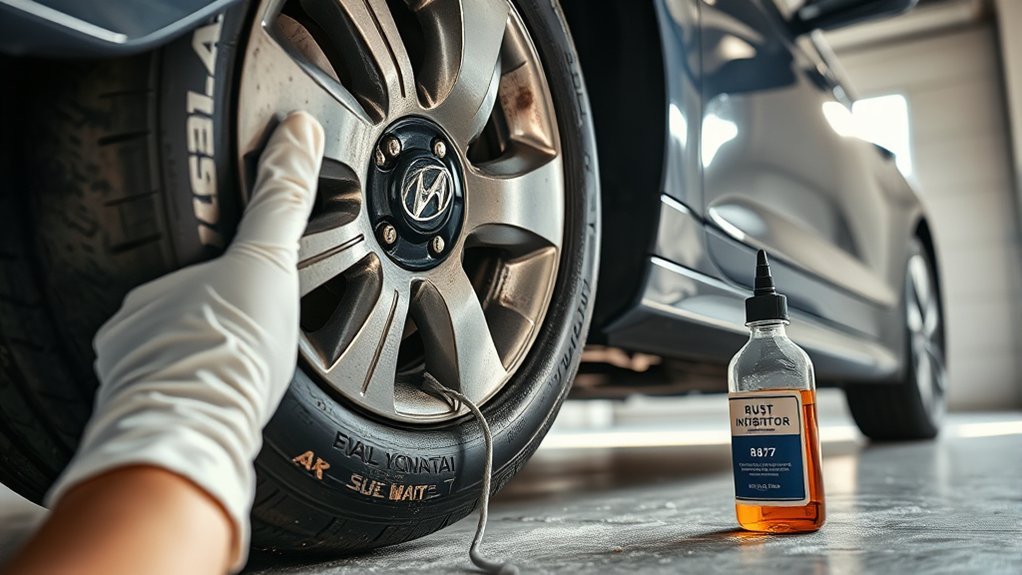
Use a bright flashlight and inspect only from a safe position. Never crawl under a vehicle supported only by a jack. Look around the wheel wells, lower doors, rocker panels, pinch welds, trunk lip, visible subframes, suspension mounting points, and any accessible metal lines.
Early Signs You Can Address Promptly
- White salt film or packed salty mud
- Small paint chips without spreading rust
- Light surface discoloration on non-critical hardware
- Blocked drain holes
- Small areas of damaged underbody coating
Serious Signs That Need Professional Inspection
- Bubbling paint, swollen seams, or flaking metal
- Deep scaling or holes in structural areas
- Heavy corrosion on brake or fuel lines
- Rust around suspension, seat-belt, seat, or subframe mounting points
- Fluid leaks, brake warning lights, soft brake-pedal feel, or reduced braking
Warning: Corrosion on brake lines, fuel lines, suspension mounts, or structural metal can be a safety issue. Do not rely on a spray coating to hide it. Have the vehicle inspected and repaired by a qualified technician.
When Does Sonata Rust Need Professional Repair?
Book a professional inspection when rust is spreading beneath paint, metal is flaking or perforated, a brake or fuel line looks heavily corroded, factory underbody coating is peeling over a large area, or you are unsure whether a rusty part is structural. A body shop handles paint and panel corrosion, while a qualified repair shop should evaluate brake, fuel, suspension, and structural components.
For a newer U.S.-market Sonata, review the warranty booklet before paying for corrosion work. Hyundai currently lists seven-year, unlimited-mile anti-perforation coverage and defines that coverage as qualifying perforation—rust-through from inside to outside—of original Hyundai body sheet metal due to defects in material or factory workmanship under normal use and maintenance. Hyundai states that surface corrosion is excluded from anti-perforation coverage. Exact eligibility, exclusions, model year, market, prior damage, maintenance history, and repair history still matter, so use the warranty information for your exact vehicle and obtain dealer guidance when making a claim.
Frequently Asked Questions
How do you protect a Hyundai Sonata from salted roads?
Remove salt with regular washing, flush the wheel wells and underside, keep drainage holes open, repair paint chips quickly, and maintain compatible paint protection. In high-corrosion winter areas, Hyundai recommends rinsing the underside at least once a month and cleaning it thoroughly when winter ends.
Is undercarriage rust protection worth it?
It can be worthwhile for a Sonata used for years in a heavy-salt or coastal area, but it is not a substitute for cleaning and inspection. Surfaces should be correctly prepared, existing corrosion must be addressed, and the coating must be used only where its instructions permit.
What type of car wash is best after road salt?
Choose a wash that can rinse the underbody and wheel wells, because salt accumulates in areas a normal exterior wash may miss. Touchless or self-service washes with an underbody rinse can be useful. If the Sonata has a matte finish, follow Hyundai’s finish-specific instructions; Hyundai warns against automatic washes with rotating brushes on matte paint.
How do you protect a car from salt air near the coast?
Rinse salt spray from the body, wheels, wheel wells, and underbody; keep paint chips sealed; maintain compatible paint protection; and park in a dry, ventilated location. Avoid direct surf spray and rinse the vehicle after beach-road or saltwater exposure.
Should you wash a salted car every week?
Weekly washing may be reasonable during repeated storms or heavy salt use, but it is not a universal Hyundai requirement. Base the schedule on exposure. Use at least a monthly underbody rinse in high-corrosion winter areas, and wash sooner when heavy salt residue is visible or the car repeatedly travels on wet treated roads.
Can a warm garage make road-salt corrosion worse?
It can if the garage is damp and poorly ventilated. Warmth melts salty snow into liquid brine, while poor ventilation slows moisture removal. Hyundai specifically advises against parking in a damp, poorly ventilated garage and notes that even a heated garage can contribute to corrosion unless moisture can disperse.
Does Hyundai’s anti-perforation warranty cover surface rust?
Not under the anti-perforation coverage described by Hyundai USA. Hyundai defines that coverage around qualifying rust-through of original body sheet metal and states that surface corrosion is excluded. Check the warranty information for your exact model year and vehicle because other coverage terms and exclusions may apply.
Conclusion
Protecting your Hyundai Sonata from road salt is a routine, not a one-time treatment. Remove salt from the body, wheels, wheel wells, and undercarriage; keep drains open; repair paint damage; maintain compatible paint protection; and inspect hidden metal parts throughout winter. Optional rustproofing can add another barrier in severe climates, but preparation, correct application, continued washing, and early corrosion repair remain essential. If you see deep scaling, perforation, heavily corroded lines, or rust around structural or suspension mounting areas, arrange a professional inspection rather than covering the problem with a coating.
Sources
- Hyundai Owner’s Manual: Exterior Care — corrosion causes, underbody rinsing, drainage holes, paint repair, and garage ventilation.
- Hyundai 2026 Owner’s Manual: Exterior Care — washing, underbody and wheel-opening care, waxing, pressure-washer precautions, matte-finish guidance, wheel care, and corrosion prevention.
- Federal Highway Administration: Environmental Technology Brief — corrosion effects of chloride-based deicing chemicals and comparison with acetate deicers.
- Federal Highway Administration: Corrosion Background — the role of chlorides, moisture, and oxygen in corrosion.
- Consumer Reports: How Often Should You Wash Road Salt Off Your Car? — 2026 winter wash-frequency and undercarriage-wash guidance.
- Hyundai USA: Warranty Information — current U.S. anti-perforation period, rust-through definition, and surface-corrosion exclusion.