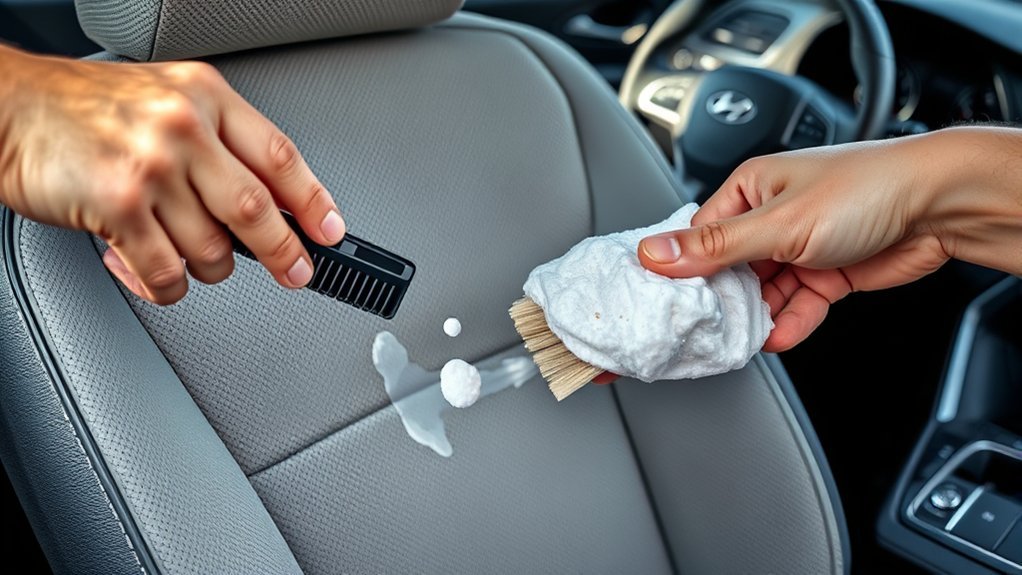
Cloth seats in a Hyundai Sonata can look fresh again with a careful vacuum, a light upholstery-safe cleaner, gentle scrubbing, and plenty of drying time. The key is to avoid soaking the fabric, test every cleaner first, and use mild products instead of harsh chemicals that can fade or damage the seat material.
Quick Answer
To clean cloth seats in a Hyundai Sonata, vacuum the seats first, spot-test a mild upholstery cleaner, lightly spray stained areas, gently scrub with a soft brush, blot with a microfiber cloth, and let the seats dry fully with good airflow before driving or adding a fabric protector.
Key Takeaways
- Vacuum first so dirt does not turn into mud when cleaner is added.
- Use a mild upholstery or carpet cleaner, and always test it on a hidden area before cleaning the full seat.
- Blot stains instead of rubbing hard, which can spread the stain or rough up the fabric.
- Use as little liquid as possible and dry the seats completely to help prevent odors and mildew.
- After cleaning, a fabric protector or washable seat cover can make future spills easier to handle.
At a Glance
| Time Required | 30–60 minutes of cleaning, plus 2–6 hours of drying time depending on airflow and humidity |
| Difficulty | Easy |
| Tools Needed | Vacuum, crevice tool, soft-bristled brush, microfiber cloths, spray bottle, mild upholstery cleaner, optional wet/dry extractor |
| Cost | About $10–$30 for basic supplies if you already own a vacuum |
Why Keeping Your Hyundai Sonata Seats Clean Matters
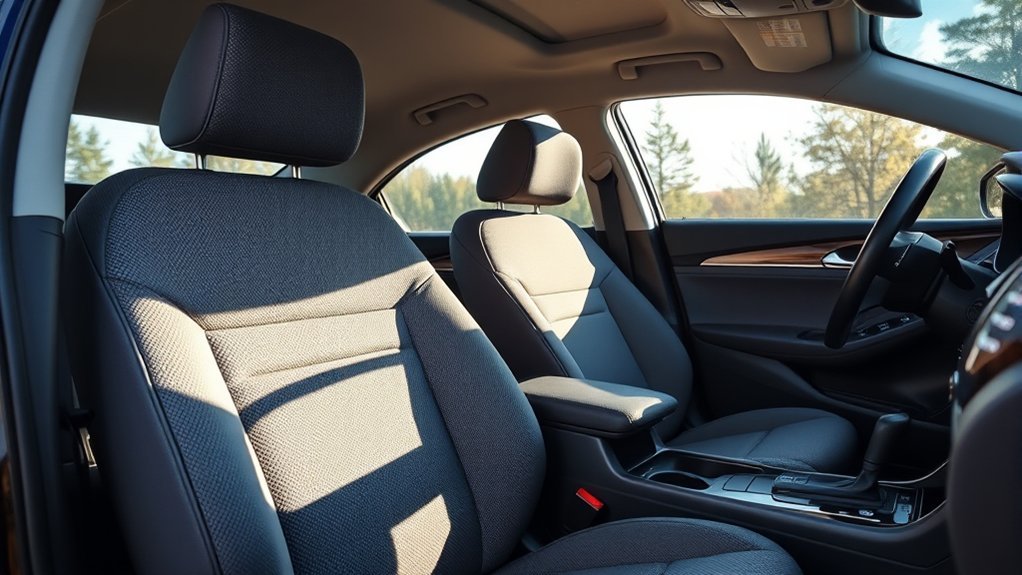
Keeping your Hyundai Sonata’s cloth seats clean does more than make the cabin look better. Fabric seats collect dust, crumbs, body oils, pet hair, pollen, and spills. Over time, that buildup can cause stains, odors, and a worn-looking interior.
Regular cleaning also helps protect the seat fabric. Hyundai’s owner guidance for interior care recommends removing dust and loose dirt with a whisk broom or vacuum, then cleaning fabric with a mild soap solution recommended for upholstery or carpets. It also recommends testing cleaners on a concealed area before use.
Clean seats can also help preserve resale appeal. A buyer may not notice spotless upholstery right away, but they will notice odors, water rings, greasy spots, and old spill stains. A simple monthly routine can keep your Sonata’s interior looking cared for without needing a full detail every time.
Essential Tools for Cleaning Cloth Seats
Before you start, gather everything you need so you do not leave the seats wet while searching for towels or tools. The safest approach is gentle: remove dry debris first, use light moisture, and blot often.
[Products Worth Considering]
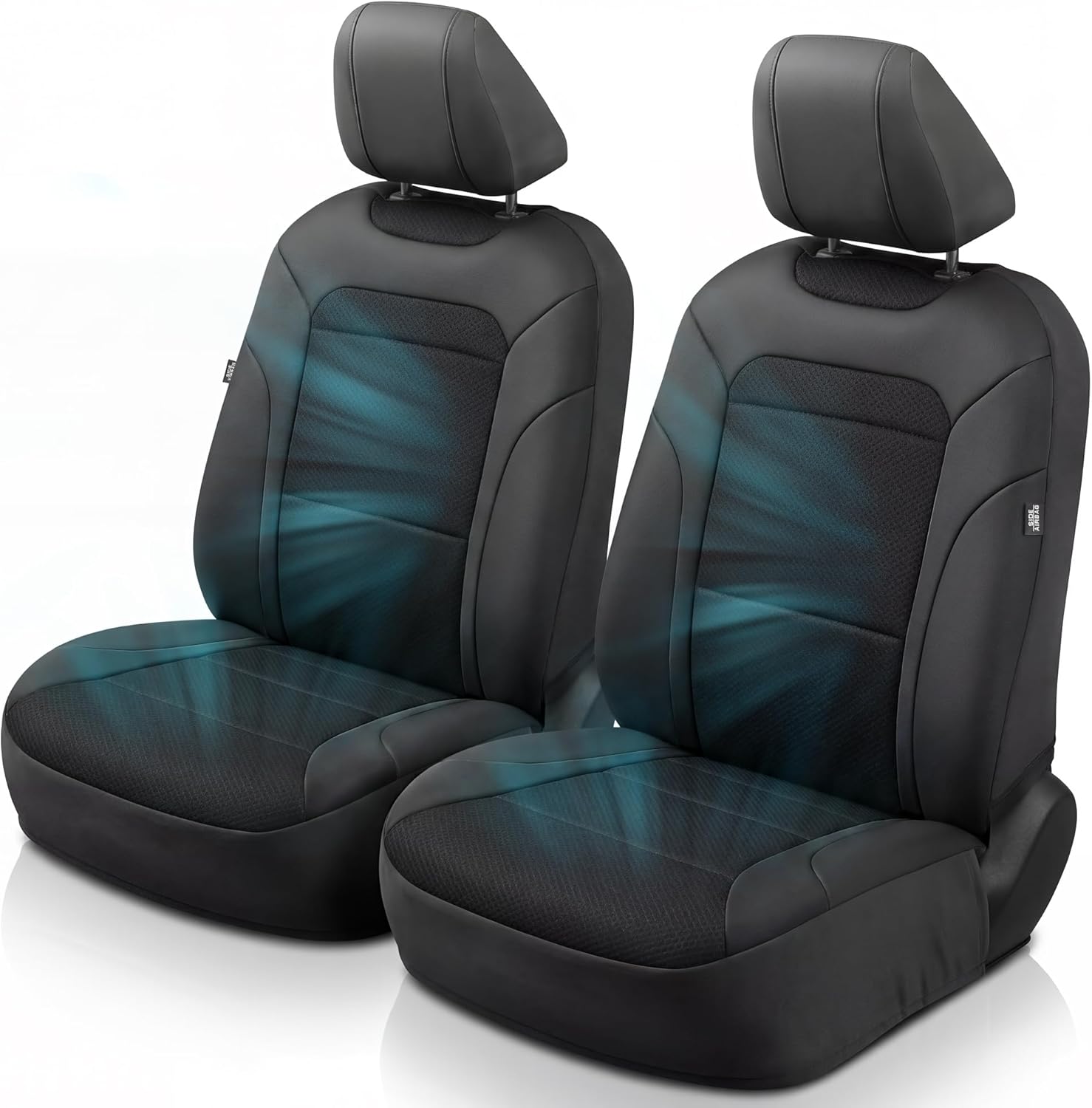
This custom-fit front seat cover set is designed for select Toyota models to improve comfort and help keep drivers cool on daily commutes and long road trips. The breathable mesh and faux leather construction offers easy cleaning, stain resistance, and a supportive feel, while the sponge padding adds cushioning and reduces fatigue. Built-in storage pockets and a stretch-fit design make it practical, tidy, and simple to install without interfering with seat adjustments.

These custom-fit seat covers are tailored for Toyota RAV4 gasoline models from 2019 through 2025, giving your SUV a refined interior upgrade with a precise OEM-inspired look. The spill-resistant faux leather surface helps protect against daily messes, scuffs, and pet wear while staying easy to clean, and the reinforced airbag-compatible stitching supports safety without sacrificing style. A secure strap, zipper, and Velcro installation system helps keep the covers in place for a stable, comfortable fit in all seasons.

This cordless handheld cleaner combines vacuuming, blowing, inflating, and suction in one compact tool for cars, home, electronics, and outdoor use. Its brushless motor delivers strong performance with multiple power levels, while the rechargeable battery and included accessories make cleaning, dusting, and inflating quick and convenient.
Basic Cleaning Tools Needed
- Vacuum cleaner with a brush attachment: Lifts dust, sand, crumbs, and pet hair from the fabric.
- Crevice tool: Reaches between the seat cushions, seat rails, and console area.
- Soft-bristled upholstery brush: Helps loosen stains without fraying the fabric.
- Microfiber cloths: Blot stains, lift cleaner, and absorb moisture without leaving lint.
- Spray bottle: Lets you apply cleaner lightly and evenly.
- Wet/dry extractor or portable upholstery cleaner: Optional, but helpful for deep cleaning heavily soiled seats.
Recommended Cleaning Products
For most Hyundai Sonata cloth seats, choose a fabric-safe automotive upholstery cleaner or a mild soap solution made for upholstery or carpet. Products such as Turtle Wax upholstery cleaner, BISSELL upholstery formulas, or similar automotive fabric cleaners can work well when used according to the label.
For a simple homemade option, mix a small amount of mild upholstery-safe soap with warm water. Avoid strong detergents, bleach, ammonia, harsh degreasers, and cleaners made for leather or hard plastic. These can leave residue, discolor fabric, or weaken the seat material.
Warning: Never soak Sonata cloth seats. Too much liquid can seep into the cushion foam, cause water rings, create odors, and slow drying. Use light sprays, blot often, and keep air moving until the seats are fully dry.
How to Vacuum Your Seats Like a Pro
Vacuuming is the step most people rush, but it makes the biggest difference. If you skip it, dirt and dust can mix with cleaner and spread deeper into the cloth.
Essential Vacuuming Tools
- Brush attachment: Best for the main seat panels and backrests.
- Crevice tool: Best for seams, seat edges, and the gap between the seat and center console.
- Handheld vacuum: Useful for quick cleanups between deeper details.
- Lint roller or rubber glove: Helpful for stubborn pet hair after vacuuming.
Proper Vacuuming Technique
- Remove loose items first. Take out trash, coins, toys, chargers, and anything hiding in the seat cracks.
- Move the seats forward and back. This exposes dirt near the rails and under the seat edges.
- Start dry. Vacuum the entire seat before adding any cleaner.
- Use slow passes. Move the vacuum slowly over the seat fabric so the suction has time to pull up debris.
- Work the seams. Use the crevice tool along stitching lines, bolsters, and the seat-bottom gap.
- Finish with the brush attachment. Lightly agitate the fabric while vacuuming to lift dust from the fibers.
Regular Maintenance Schedule
For normal use, vacuum your Sonata’s cloth seats about once a month. If you have kids, pets, rideshare passengers, work gear, or frequent drive-through meals in the car, vacuum every one to two weeks. Quick vacuuming prevents grit from grinding into the fabric and makes deep cleaning easier later.
Pro Tip: Brush the fabric in one direction after vacuuming. It helps the seat look more even and makes remaining stains easier to spot before you apply cleaner.
Making a Homemade Cleaning Solution for Stains
A homemade cleaner can help with light stains, but keep it mild. Hyundai’s interior care guidance calls for gentle cleaning and spot testing, so do not use strong household cleaners on the seats.
For a basic cloth-seat solution, mix:
- 2 cups warm water
- 1 teaspoon mild upholstery-safe soap
- Optional: 1 teaspoon white vinegar for light odor control
Pour the mixture into a spray bottle and shake gently. Spray the cloth lightly, not heavily. You want the fabric damp enough to clean, not wet enough to soak the cushion.
For tougher stains, make a paste with baking soda and a small amount of water. Apply it only to the stain, let it sit for 10–15 minutes, then gently brush and remove the residue with a damp microfiber cloth. Vacuum again after the area is dry.
Note: Always test any cleaner on a hidden area first, such as the lower side of the seat. Let the test spot dry before cleaning the visible panels so you can check for color change, residue, or fabric texture changes.
[Products Worth Considering]

These HOMEXCEL microfiber cleaning cloths deliver excellent absorbency and gentle, scratch-free cleaning for cars, homes, and glass surfaces. The soft, lint-free towels help remove dirt, water, and streaks quickly for a polished finish, and they are machine washable for repeated everyday use.

This two-piece horsehair brush set is designed for gentle yet effective cleaning of leather and interior surfaces. The soft bristles help lift dirt from seams, tight spaces, upholstery, carpets, and shoes without scratching, while the two sizes support both broad cleaning and detailed polishing. A comfortable wooden handle improves grip and control for easier daily care.

This all-in-one car detailing kit provides a complete set of cleaning tools for interior and exterior vehicle care, including brushes for dashboards, vents, wheels, tires, glass, and tight spaces. Designed for cars, trucks, SUVs, motorcycles, RVs, and more, it helps remove dust, grime, brake dust, and stubborn dirt while protecting delicate surfaces from scratches. The included storage box keeps everything organized for easy use at home or on the go.
Effective Stain Removal Techniques for Cloth Seats
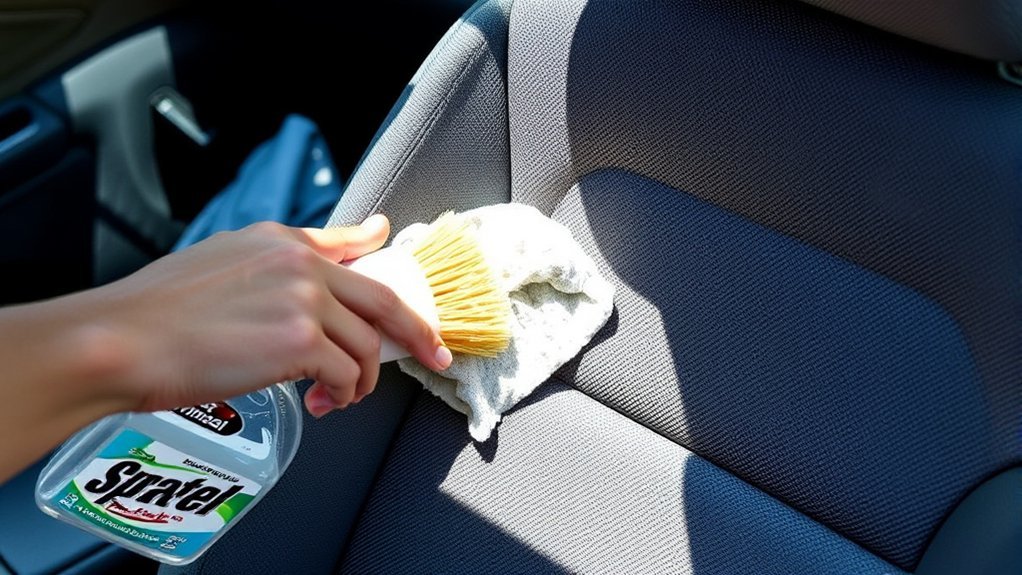
Different stains need slightly different methods, but the basic rule is the same: blot first, clean lightly, and avoid aggressive scrubbing.
[Products Worth Considering]

This custom-fit passenger storage organizer mat is designed for the Toyota RAV4 2026 to help protect and organize the center console storage area. Made from soft silicone with an anti-slip surface, it keeps small items neatly in place while adding a clean, refined look to the interior. Installation is quick and tool-free, making it an easy upgrade for everyday convenience.

Upgrade your vehicle interior with these stylish full set seat covers designed to add a modern luxury look while improving comfort. Made with premium NAPPA leather, they help protect seats from spills, stains, pet hair, and daily wear while maintaining key functions like airbags, seatbelts, and seat adjustments. The universal fit and included installation hardware make them a practical choice for many cars, SUVs, trucks, and pickups.

Upgrade your vehicle interior with this universal-fit seat cover set designed for most cars, trucks, vans, and SUVs with adjustable or removable headrests. The breathable poly material helps protect against spills, dirt, and daily wear while adding a stylish two-tone look with detailed stitching. Easy-to-follow installation instructions and video guidance make setup quick and simple for front and rear seats.
Step-by-Step Cloth Seat Cleaning Method
- Vacuum the seat thoroughly. Remove dry dirt, crumbs, and grit before adding liquid.
- Check the stain type. Food, coffee, mud, grease, and pet messes may need different cleaners.
- Spot-test your cleaner. Test a hidden area and let it dry.
- Apply cleaner lightly. Spray the cloth or your microfiber towel, not the seat until it is dripping.
- Gently scrub. Use a soft-bristled brush in small circles or short strokes.
- Blot the area. Press a clean microfiber cloth onto the stain to lift moisture and residue.
- Repeat if needed. Two light passes are safer than one soaked pass.
- Rinse lightly. Wipe with a barely damp cloth to remove cleaner residue.
- Dry completely. Open doors or windows in a safe place, run fans, or use the vehicle’s ventilation to speed drying.
Common Stains and How to Handle Them
| Stain Type | Best First Step | Cleaning Tip |
|---|---|---|
| Coffee or soda | Blot with a dry microfiber cloth | Use mild upholstery cleaner, then blot with a damp cloth to reduce sticky residue. |
| Mud | Let it dry, then vacuum | Do not scrub wet mud; it spreads deeper into the cloth. |
| Grease or oil | Blot, then apply a fabric-safe cleaner | Avoid heavy degreasers; use an automotive upholstery product made for fabric. |
| Pet accidents | Blot immediately | Use an enzyme cleaner labeled safe for upholstery, then dry fully. |
| Water rings | Lightly clean the full panel | Cleaning only the center of the spot can leave a ring; feather the cleaner outward and blot evenly. |
When to Use a Steam Cleaner or Extractor
A portable upholstery extractor can help with deep dirt because it sprays cleaning solution and pulls moisture back out. This is often safer than soaking the fabric by hand because it removes more liquid.
Use caution with steam. High heat and too much moisture can be risky on some automotive fabrics, adhesives, and seat components. If you use a steamer, keep it moving, avoid saturating one spot, and do not aim steam at electrical controls, seat heaters, airbag tags, buckles, or seat seams for long periods.
Moisture control matters: the EPA advises drying wet materials within 24–48 hours to help prevent mold growth. In a car seat, the safest goal is much faster—dry the fabric the same day whenever possible.
How to Prevent Future Stains on Your Sonata Seats
Once the seats are clean and fully dry, prevention is much easier than stain removal. A few habits can keep your Sonata’s cloth seats looking newer for longer.
- Blot spills right away. Use a clean cloth and press down. Do not rub the spill across the fabric.
- Keep microfiber towels in the trunk or glove box. Fast cleanup prevents many permanent stains.
- Use seat covers when needed. They are helpful for pets, gym clothes, work uniforms, beach trips, and kids’ snacks.
- Apply a fabric protector only after cleaning and drying. Products such as Scotchgard Auto Water Shield are designed for fabric seats, carpets, floor mats, trunks, and carpeted cargo areas, but should not be used on leather or plastic.
- Vacuum regularly. Dirt and sand act like fine grit, wearing down fabric over time.
If you apply a fabric protector, follow the product label exactly. Use it in a well-ventilated area, apply light coats, and let the seat dry fully before sitting on it.
How to Maintain Your Cloth Seats After Cleaning
After a full cleaning, your goal is simple: keep the seats dry, reduce daily dirt, and treat spills before they set.
- Leave doors or windows open while drying when safe. Airflow helps moisture leave the fabric faster.
- Use fans if cleaning at home. Point air across the seats, not just at one wet spot.
- Avoid driving with damp seats. Pressure from sitting can push moisture deeper into the cushion.
- Vacuum monthly. Make this part of your normal car wash routine.
- Spot clean small stains early. A five-minute cleanup today can prevent a deep stain later.
If the seats still smell musty after drying, they may be too wet inside the cushion. Re-vacuum with a wet/dry extractor if available, increase airflow, and avoid closing the car up while the interior is damp.
What Mistakes Should You Avoid When Cleaning Your Hyundai Sonata Seats?
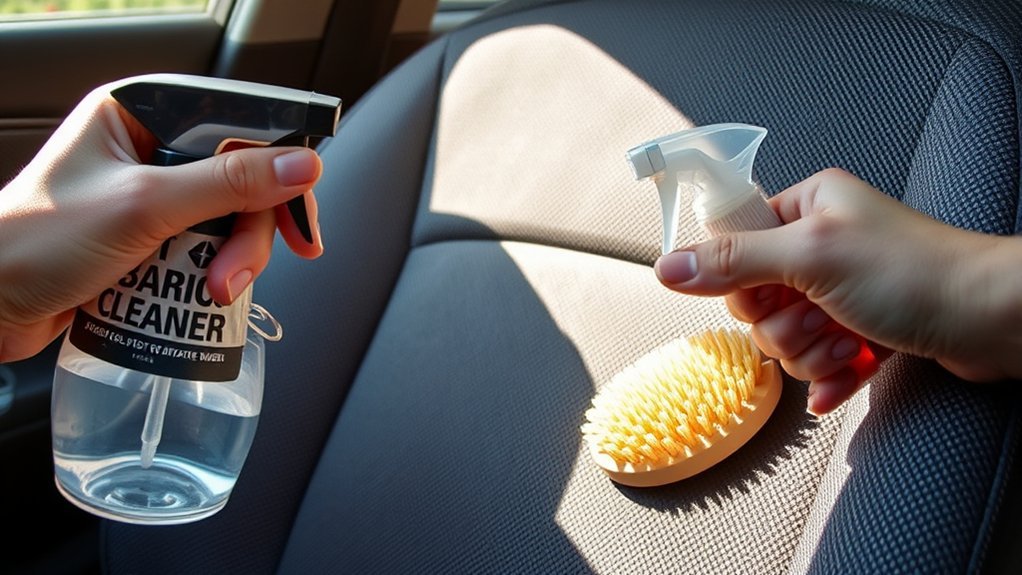
Cleaning cloth seats is simple, but a few mistakes can make stains worse or damage the fabric.
- Skipping the vacuum: Wet cleaner turns dry dirt into muddy residue.
- Using too much liquid: Oversaturation can cause odors, water rings, and slow drying.
- Scrubbing too hard: Aggressive brushing can fuzz or fray the seat fabric.
- Using harsh chemicals: Bleach, ammonia, strong degreasers, and abrasive cleaners can discolor or weaken cloth.
- Forgetting the spot test: Even a good cleaner can react badly with certain fabrics or dyes.
- Closing the car before the seats dry: Trapped moisture can create musty smells.
- Cleaning around electronics carelessly: Keep liquid away from seat controls, wiring, heated-seat elements, and airbag areas.
Warning: Do not remove seat covers, unplug seat wiring, or soak areas near side airbags or powered seat controls unless you are following Hyundai service guidance. For heavy contamination, flood damage, or persistent mildew smells, a professional interior detailer is the safer choice.
Frequently Asked Questions
What can I clean my cloth seats with in my car?
Use a mild automotive upholstery cleaner or a mild soap solution recommended for upholstery or carpets. Vacuum first, test the cleaner on a hidden area, apply it lightly, scrub gently with a soft brush, and blot with microfiber cloths.
Are you supposed to wash car seat fabric?
Yes, cloth car seat fabric can be cleaned, but it should not be soaked like clothing in a washing machine. Clean it in place with light moisture, a fabric-safe cleaner, gentle brushing, blotting, and thorough drying.
Can I use laundry detergent on Hyundai Sonata cloth seats?
It is better to use a cleaner made for upholstery or automotive fabric. Some detergents can leave residue or attract dirt if they are not rinsed well. If you use a homemade mix, keep it very mild and test it first.
How do I dry cloth car seats after cleaning?
Blot out as much moisture as possible with dry microfiber towels, then increase airflow. Open the doors in a safe area, use fans, or run the vehicle ventilation. Do not sit on the seats until they feel fully dry.
How often should I clean my Hyundai Sonata cloth seats?
Vacuum about once a month for normal use and spot clean spills immediately. A deeper fabric cleaning every three to six months is enough for many drivers, but families, pet owners, and rideshare drivers may need to clean more often.
Conclusion
Keeping your Hyundai Sonata’s cloth seats clean is mostly about consistency. Vacuum often, treat spills quickly, use a mild fabric-safe cleaner, and avoid soaking the seats. With a soft brush, microfiber towels, and proper drying, you can remove most everyday stains and keep the cabin smelling fresh. Finish with a fabric protector or seat covers if your seats handle frequent spills, pets, or heavy daily use.
Sources
- Hyundai Owner’s Manual — Interior Care — supports vacuuming first, using mild cleaner, and spot-testing interior cleaners.
- U.S. Environmental Protection Agency — A Brief Guide to Mold, Moisture and Your Home — supports drying wet materials within 24–48 hours to help prevent mold growth.
- Scotchgard — Auto Fabric & Carpet Protector Use Guide — supports where automotive fabric protector can and cannot be used.
- Rug Doctor by BISSELL — Upholstery Cleaning Guide — supports testing a hidden fabric area before upholstery cleaning.
- Turtle Wax — How to Clean Car Seats & Interior Upholstery — supports use of automotive upholstery cleaners on fabric car interiors.