If you’ve got a water leak in your Toyota Supra’s trunk, start by checking for damaged tail light gaskets, worn weather stripping, or blocked drain channels. Look for water pooling or damp carpets inside. Use a hose to locate entry points, and clear debris from drainage areas. Repair or replace any faulty seals or gaskets to keep your trunk dry. With a bit more insight, you can conquer that leak for good and prevent future issues.
Common Causes of Water Leaks in Your Toyota Supra
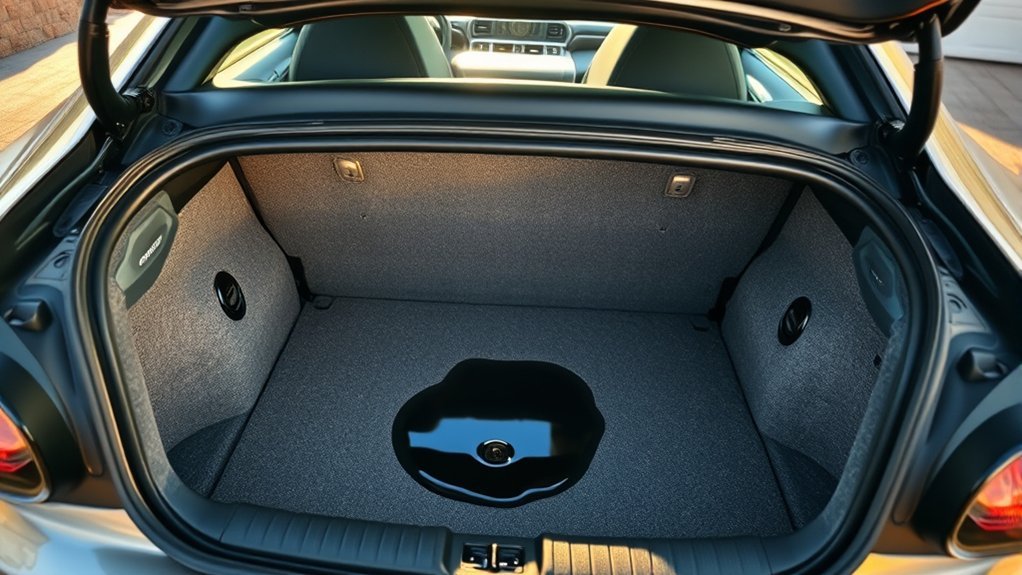
When it comes to water leaks in your Toyota Supra, a few common culprits often come into play. Tail light issues are frequently at the forefront; worn or damaged gaskets can dry out and crack, allowing moisture to seep in. Additionally, the rear hatch dam gasket, especially under the chrome rubber trim, can deteriorate or misalign, hiding potential leaks. Don’t overlook brittle back glass outer trims—these can contribute to water infiltration, especially on the driver’s side. Regularly inspecting clips, seals, and rubber gaskets is essential, as their degradation can lead to significant leaks. Finally, rusted pinch-weld areas, often ignored, can also let water in if not properly maintained. Stay proactive to keep your Supra dry!
How to Inspect for Water Leaks?
To inspect for water leaks in your Toyota Supra, start with a thorough visual examination of the trunk seals and weather stripping for any wear or cracks. Next, simulate rain by using a garden hose to pinpoint areas where water might be entering. Don’t forget to check drainage channels for blockages and inspect rear light fittings for gaps; these are common culprits in leaks.
Visual Inspection Techniques
Identifying water leaks in your Toyota Supra starts with a careful visual inspection. Begin by examining the seal integrity around the trunk and rear hatch. Look for any signs of wear, cracks, or deterioration in the weather stripping. Next, inspect drainage channels for blockages; clear away any debris that might prevent water from flowing away. Check the alignment and condition of the rear lights and spoiler bolts, as misalignments can lead to leaks. Don’t forget to examine the pinch-weld areas for rust or damage, which can serve as entry points for water. By conducting this thorough visual inspection, you’ll be well on your way to implementing effective drainage solutions and resolving potential water issues.
Water Test Methodology
A thorough water test is essential for pinpointing leaks in your Toyota Supra. Start by having a partner observe inside the trunk while you use a water spray from a hose. Focus on key areas like the hatch, tail light seals, and around the rear window, as these are common leak points. As you spray, your partner should watch for any signs of water entry or trails forming inside the trunk.
After the test, grab a flashlight to inspect for visible leaks. Pay close attention to pinch welds and drainage channels; any rust or damage here can worsen leaks. Document your findings to effectively guide your repair efforts and guarantee you tackle the issue head-on.
How to Repair Water Leaks in Your Trunk
To tackle water leaks in your trunk, start by identifying common sources like worn weather stripping and seals. You’ll want to use effective inspection techniques, such as simulating rain with a garden hose, to pinpoint where water might be entering. Once you locate the leaks, employing proper repair methods will guarantee your trunk stays dry and protected.
Common Leak Sources
When it comes to water leaks in your Toyota Supra’s trunk, several common sources often lead to trouble. Worn weather stripping around the boot, damaged tail light gaskets, and degraded seals on the rear window can all let water in during heavy rain. Regular trunk maintenance is essential; inspect the rubber seals for any signs of deterioration and plan for seal replacement if necessary. A simple water test—spraying the trunk area with a hose—can help pinpoint leaks. Additionally, clear any blockages in drainage channels to guarantee proper water flow. For minor cracks around the rear light fittings and boot seals, using silicone sealant can enhance waterproof integrity and keep your trunk dry.
Inspection Techniques
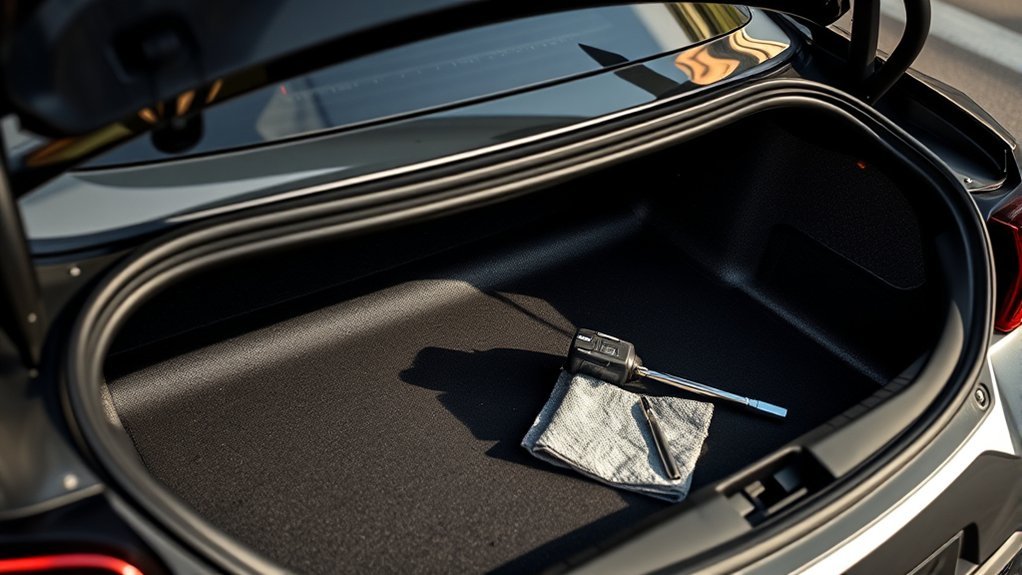
Identifying leaks in your Toyota Supra’s trunk requires thorough inspection techniques that can help you pinpoint problem areas. Start by inspecting the rubber seal around the hatch; pull it back to check for rust, deterioration, or blockages that compromise seal integrity. Next, use a garden hose to simulate rainfall, spraying different areas and watching for water ingress. Don’t forget to remove the rear glass trim for a closer look at hidden leaks, focusing on gasket condition and any visible cracks. Regularly check and clean drainage channels to prevent debris buildup, which can lead to pooling. Document your findings and consider using RTV sealant around identified leak points for enhanced protection against water entry.
Repair Methods
While water leaks in your Toyota Supra’s trunk can be frustrating, addressing them promptly can save you from costly repairs down the line. Start by inspecting the rubber seals around the trunk lid and tail lights for wear or damage; faulty gaskets often cause leaks. Conduct a water test using a garden hose to pinpoint water entry points inside the trunk. If you find broken or brittle tail light gaskets, replace them immediately. Re-seal the rear window with butyl tape or RTV sealant for a watertight fit. Don’t forget to clean out the drainage channels to prevent water pooling. Regular seal maintenance is essential to catch potential issues early and protect your Supra from extensive water damage.
Preventive Measures to Keep Your Trunk Dry
To keep your trunk dry and free from leaks, it’s vital to be proactive about maintenance. Regular seal maintenance is important; inspect and replace any worn seals or gaskets around the trunk and hatch. Verify proper drainage cleaning by clearing debris from drainage channels to avoid blockages. Whenever possible, store your vehicle in a garage or covered area to minimize rain exposure. Applying flowable silicone sealant around vulnerable areas, like the rear window gasket, enhances waterproofing. Finally, conduct water tests with a hose after heavy rain to identify new or persistent leaks.
| Preventive Measure | Frequency |
|---|---|
| Inspect seals and gaskets | Every 6 months |
| Clean drainage channels | Monthly |
| Apply silicone sealant | As needed |
| Perform water tests | After heavy rain |
Real User Tips for Fixing Trunk Leaks
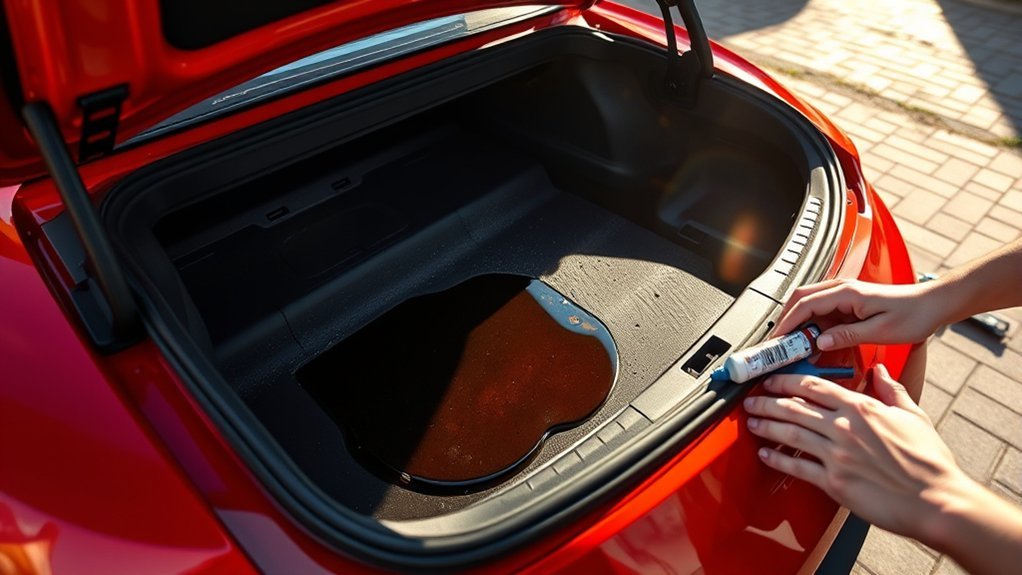
When tackling trunk leaks in your Toyota Supra, knowing where to start can save you time and frustration. Begin by inspecting and replacing worn rubber seals around the rear window and tail lights; these are common leak sources. Conduct a water test using a hose, focusing on the hatch seal and spoiler bolts to pinpoint trouble areas. Regularly clean drainage channels to prevent blockages that can lead to water pooling in your trunk. For any cracks or gaps in the boot lid, use high-quality sealants like Permatex ultra-black silicone for a watertight fit. Don’t forget to document your repairs and observations—this helps with future user maintenance and leak troubleshooting, empowering you to keep your Supra dry and road-ready.
When to Seek Professional Help for Persistent Trunk Leaks
If you’ve tried fixing trunk leaks in your Toyota Supra but still find water pooling, it’s time to contemplate professional help. Replacing seals and gaskets repeatedly without success often signals structural issues that need a professional assessment. If persistent leaks lead to mold or mildew growth, you should seek expert consultation immediately to prevent further interior damage. Regularly maintaining drainage channels and inspecting seals might not cut it if water continues to accumulate. Additionally, rust around critical areas like pinch-welds or the rear window typically requires specialized repair techniques best handled by professionals. If your DIY efforts fall short and you can’t pinpoint the source of the leak, consulting a professional is your next best step.
Frequently Asked Questions
Why Is Water Getting in My Trunk When It Rains?
Water’s getting in your trunk when it rains due to a faulty trunk seal or a blocked drainage system. Regularly check these areas to prevent leaks and maintain your vehicle’s integrity during wet weather.
Why Is the Trunk of My Car Leaking?
Is your trunk leaking water? It could be faulty trunk seals allowing moisture buildup. Check for cracks, blockages, or worn-out components. Regular maintenance guarantees you stay dry, liberating you from unexpected surprises during rainy days.
Conclusion
In summary, tackling water leaks in your Toyota Supra’s trunk can seem intimidating, but with the right approach, you can handle it. You might worry about the complexity of repairs, but remember, many fixes are straightforward and require minimal tools. By following our guide and staying proactive with maintenance, you’ll keep your trunk dry and protect your vehicle’s integrity. Don’t hesitate to seek professional help if leaks persist; sometimes, expert insight is the best solution.