
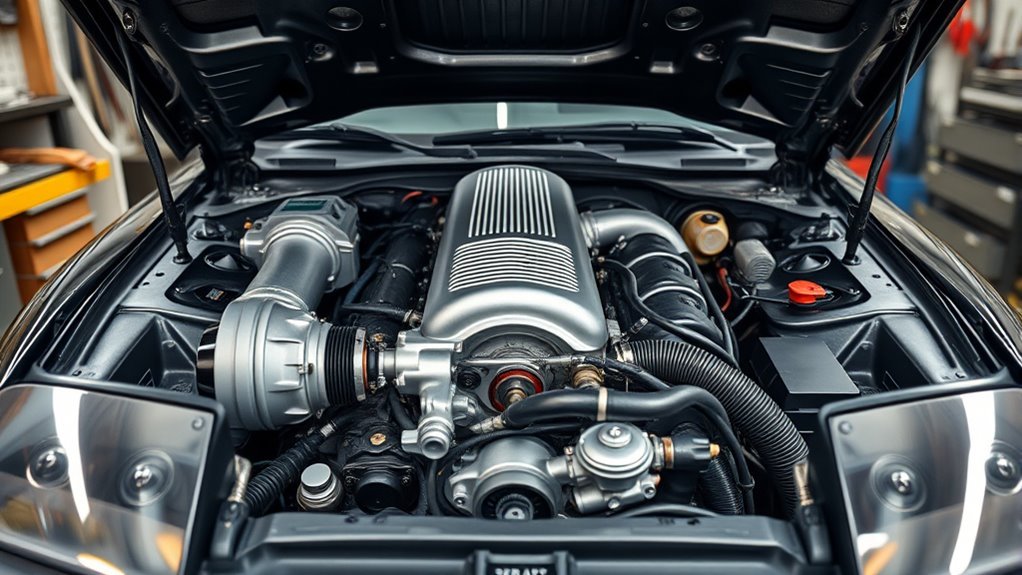
You’re looking at Toyota’s 3.0-liter 7M-GTE: a turbocharged, DOHC 24-valve inline-six best known from the A70/MK3 Supra Turbo and related Toyota models. Toyota rated the U.S.-market Supra Turbo at 230 hp and 246 lb-ft. The factory service specifications list 142 psi as standard compression for the 7M-GTE, with 128 psi as the minimum and no more than 14 psi difference between cylinders. Reliability depends heavily on head sealing, cooling health, oiling, maintenance history, and tune quality. Toyota did not publish a safe modified-horsepower limit, so engine condition matters more than an internet power number.
Quick Answer
The 7M-GTE is worth keeping when compression is even, the engine has no oil-and-coolant contamination or overheating history, and you want the original character of an A70/MK3 Supra Turbo. Before increasing boost, verify compression, leakdown, fuel pressure, cooling, head sealing, intercooling, and tune quality. Toyota did not publish a safe modified-horsepower ceiling for the stock engine, so do not treat a single online horsepower number as a guaranteed limit.
Key Takeaways
- The 7M-GTE is a 2,954 cc turbo inline-six with a cast-iron block, aluminum head, DOHC valvetrain, and 24 valves.
- Toyota rated the U.S. Supra Turbo at 230 hp and 246 lb-ft.
- Toyota service specifications list 142 psi as standard 7M-GTE compression at 250 rpm, 128 psi as the minimum, and 14 psi as the maximum difference between cylinders.
- The biggest reliability concerns are head sealing, cooling health, detonation control, oiling, and decades of unknown maintenance or modification history.
- There is no Toyota-published modified horsepower limit for stock 7M-GTE internals. Judge a build by engine condition, fuel, boost, turbo, cooling, monitoring, and tuning rather than a single dyno number.
- A 1JZ or 2JZ swap can make sense when the existing 7M-GTE already requires major rebuilding and your long-term goals justify the additional swap cost and complexity.
What Are the 7M-GTE Factory Specs and Performance Figures?
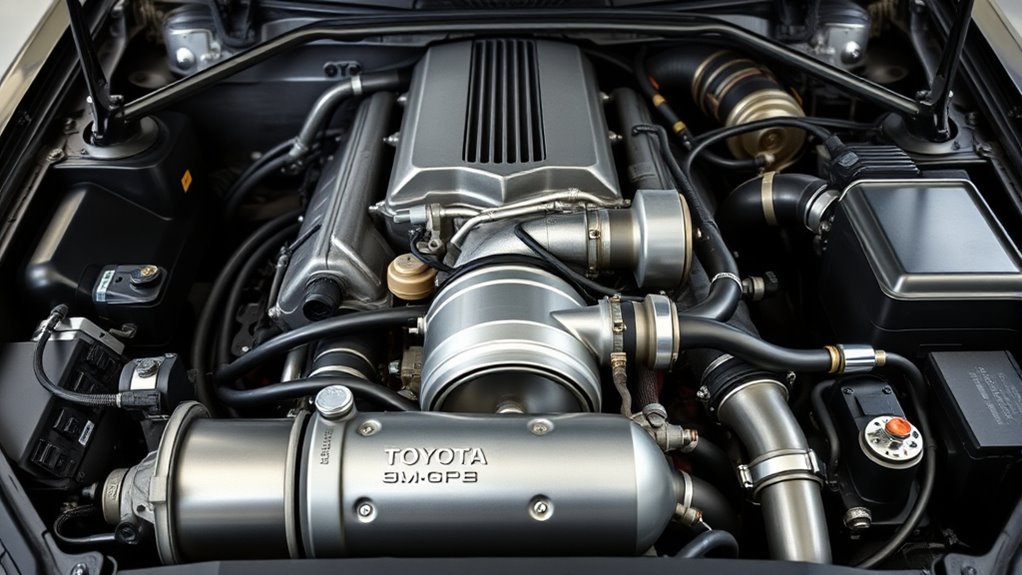
The 7M-GTE was Toyota’s turbocharged version of the 7M family: a 3.0-liter straight-six with electronic fuel injection, an intercooled CT26 turbocharger, and a timing-belt-driven DOHC cylinder head. Toyota’s Supra history identifies the A70 as the first Supra to offer ABS and says the later Supra Turbo used the turbocharged/intercooled 7M-GTE rated at 230 hp and 246 lb-ft in U.S. specification.
| Spec | 7M-GTE Detail |
|---|---|
| Configuration | Turbocharged inline-six, DOHC, 24 valves |
| Displacement | 2,954 cc / 3.0 liters |
| Bore x stroke | 83.0 mm x 91.0 mm |
| Compression ratio | 8.4:1 |
| Block / head | Cast-iron block / aluminum cylinder head |
| Factory turbo | Toyota CT26, intercooled |
| Factory output | 230 hp and 246 lb-ft in Toyota’s U.S. Supra Turbo history; other-market figures can differ |
| Factory compression check | 142 psi standard at 250 rpm; 128 psi minimum; maximum 14 psi difference between cylinders |
| Best known applications | A70/MK3 Supra Turbo and Toyota Soarer applications depending on market |
You’ll appreciate the 7M-GTE most when you treat it as an old turbo performance engine, not a modern sealed-for-life motor. The cast-iron block provides a solid foundation, while the long 91 mm stroke helps give the engine its characteristic inline-six torque delivery. However, surviving engines are now decades old, so maintenance and repair quality matter more than brochure specifications alone.
Note: Factory power figures vary across markets, model years, and rating standards. For a U.S.-market Supra Turbo, Toyota’s own history gives 230 hp and 246 lb-ft. Keep U.S., Japanese, and other-market figures separate when comparing specifications.
Should You Keep a 7M-GTE or Swap to a 1JZ or 2JZ?
Keep the 7M-GTE when the engine is fundamentally healthy and originality, period-correct character, and cost control matter. A 1JZ-GTE or 2JZ-GTE swap becomes more attractive when the existing 7M already needs major rebuilding and you want a different long-term parts, tuning, or power path. The decision should start with the condition of the engine you already own, not the reputation of an engine you might buy.
| Option | Best For | Trade-Off |
|---|---|---|
| 7M-GE | Naturally aspirated ownership and a simpler powertrain | Much less straightforward power potential than a factory turbo 7M-GTE |
| 7M-GTE | Original MK3 turbo character and builds based around an engine you already own | Head sealing, age, cooling, wiring, and tuning history require careful inspection |
| 1JZ-GTE | A Toyota turbo-six swap with broad enthusiast support | Engine cost plus wiring, mounts, transmission fitment, exhaust, cooling, and parts sourcing |
| 2JZ-GTE | A large aftermarket and established high-power build ecosystem | Higher buy-in cost and potentially unnecessary expense for a modest street MK3 |
Decision Rule: Keep the 7M-GTE if compression is consistent, fluids are clean, overheating history is absent, and your goals fit the engine you already have. Rebuild it when originality matters but mechanical tests show wear. Compare a JZ swap only after pricing the complete swap—engine, transmission solution, wiring, cooling, exhaust, mounts, fuel system, and tuning—not just the replacement engine.
What Are the Common Signs of a Tired 7M-GTE?
The main warning signs are oil consumption, coolant contamination, repeated overheating, uneven compression, turbo smoke, excessive crankcase pressure, and abnormal engine noise. A clean engine bay cannot prove mechanical health. A cold start, service records, fluid inspection, compression test, leakdown test, cooling-system check, and turbo inspection tell you much more.
Excessive Oil Consumption
Excessive oil consumption can come from worn piston rings, valve stem seals, turbo oil-seal problems, crankcase ventilation faults, or external leaks. Check the oil level before and after a meaningful drive and pay attention to when smoke appears:
- Blue smoke after startup can point toward valve stem or guide-seal wear, although other oil-entry paths are possible.
- Blue smoke under boost can indicate turbo oil leakage, excessive crankcase pressure, or engine wear.
- Blue smoke during deceleration can suggest oil entering through the valve-guide area.
- Oil around the turbo feed, drain, valve covers, or front seals indicates external leakage that should be repaired before judging oil consumption.
Compression and leakdown testing help separate ring, valve, and head-sealing problems instead of diagnosing the engine from exhaust smoke alone.
Coolant Contamination Signs
Coolant contamination is a major 7M-GTE warning sign. Inspect the dipstick and oil cap for abnormal milky residue, check the coolant for oily contamination, and look for unexplained coolant loss. Persistent white exhaust vapor after the engine is fully warm, repeated bubbling in the cooling system, recurring overheating, or a rapidly pressurized cooling system can justify further combustion-leak and head-gasket testing.
Warning: Do not keep driving a 7M-GTE that is overheating or mixing oil and coolant. Coolant-contaminated oil can damage bearings, while repeated overheating can distort or damage the aluminum cylinder head and sealing surfaces.
Unusual Engine Noises
A deep bottom-end knock can indicate bearing trouble. A sharp tick can come from the valvetrain, injectors, an exhaust leak, or another mechanical source. A high-pitched turbo-area noise can be related to turbo wear, a boost leak, or intake plumbing. Grinding or rattling near the front of the engine deserves immediate inspection of the timing-belt drive and accessories.
Do not diagnose by sound alone. Confirm the cause with oil-pressure checks, compression, leakdown, timing inspection, fluid inspection, and a proper turbocharger inspection.
How Much Power Can a Stock 7M-GTE Handle?
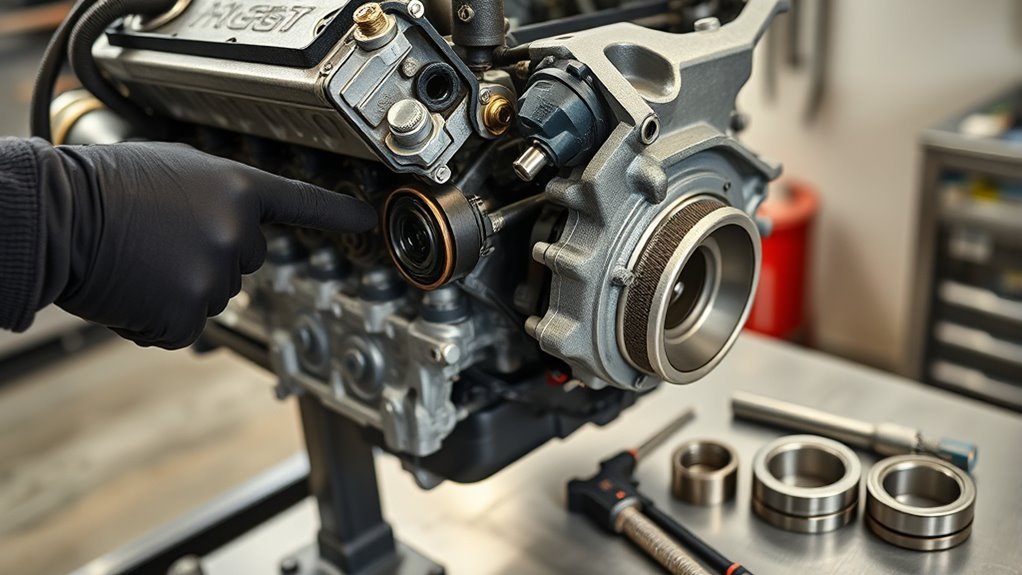
Toyota did not publish a safe modified-horsepower limit for the stock 7M-GTE. That makes a single “stock internals can handle X hp” number misleading. Internet dyno claims also mix crank horsepower and wheel horsepower, different fuels, turbochargers, boost pressures, engine-management systems, and engines with very different wear histories.
The safer approach is to treat engine condition as the first limit. An unopened engine with tired bearings, cooling problems, weak fuel delivery, poor head sealing, or unknown tuning history should not be pushed simply because another 7M-GTE made a larger dyno number. Before increasing boost, verify compression, leakdown, fuel pressure and injector capacity, cooling, ignition, intercooling, oil pressure, air-fuel ratio, boost control, and knock behavior.
Toyota’s service specifications list 7M-GTE compression at 142 psi (981 kPa) standard at 250 rpm, 128 psi (883 kPa) minimum, and no more than 14 psi (98 kPa) difference between cylinders.
Compression numbers should be judged as a set, not as one impressive cylinder. An engine with six similar readings above the minimum is more encouraging than one with a large spread. Pair compression testing with leakdown testing so you can identify whether pressure is escaping through the rings, intake valves, exhaust valves, or head-gasket area.
[Products Worth Considering]
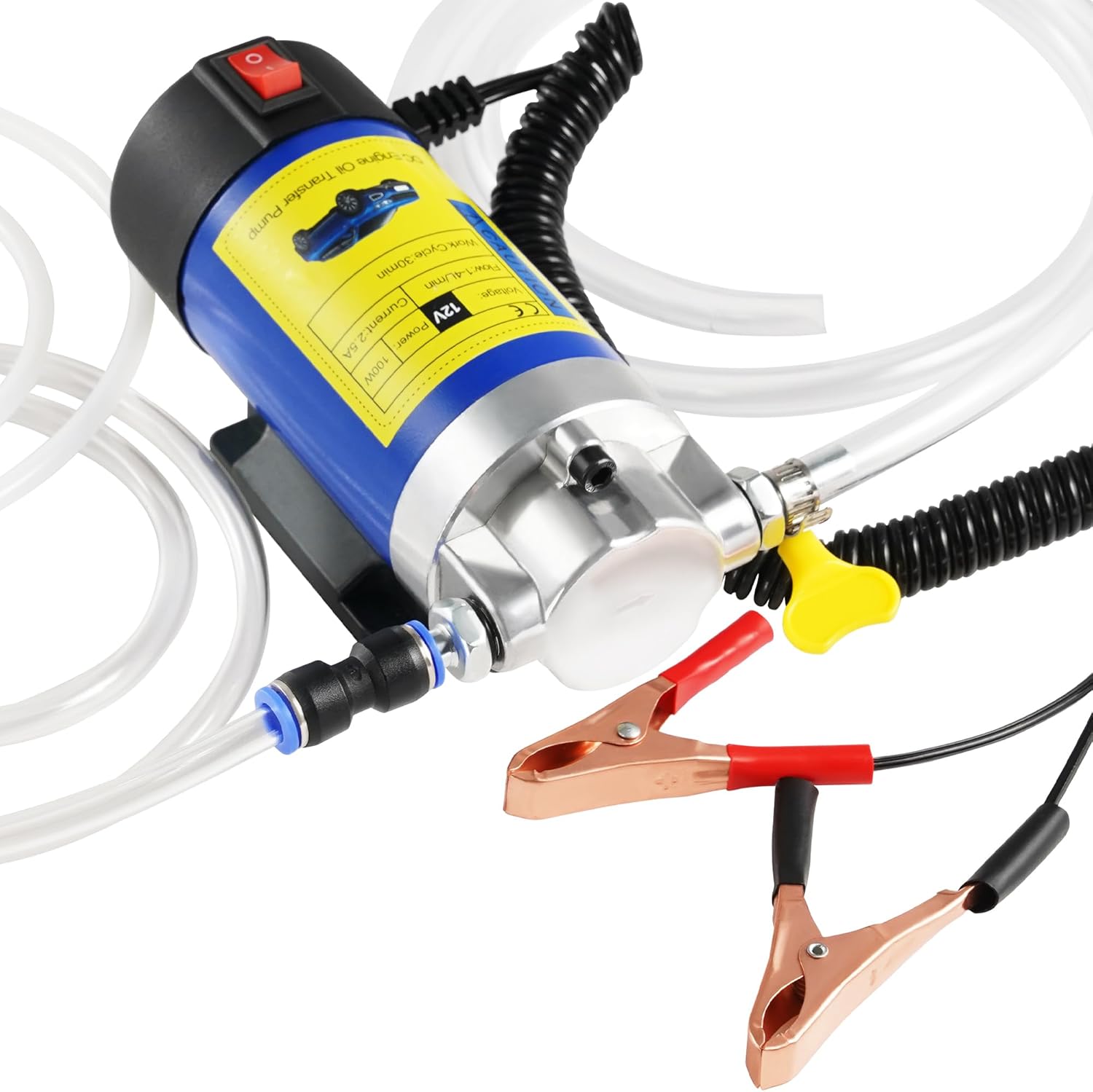
This electric oil extractor pump makes DIY oil changes cleaner and easier by removing old fluid through the dipstick tube, eliminating the need to crawl under the vehicle or deal with messy drain plugs. It is designed for synthetic oil changes and fluid maintenance across cars, motorcycles, lawn mowers, boats, and Jet Skis, while its pure copper motor delivers stable suction and dependable performance. Built for efficient topside oil changes, it supports multiple fluid types and offers continuous operation for longer service tasks.

Drift’s original wood car air freshener brings a refined, designer-inspired scent experience to your vehicle while helping eliminate odors. Made in the USA with sustainably sourced wood and clean ingredients, it uses a magnetic metal clip for easy visor attachment and delivers a long-lasting teak fragrance with notes of amber, cedar, and teakwood.

This universal brake bleeder kit makes one-person brake and clutch line bleeding simple by using compressed air to create stable vacuum-assisted fluid flow. Its extra-large 3L tank helps complete full-system flushes with fewer interruptions, while the included refill bottle, flexible hose, and universal adapter support clean, efficient use on standard and ABS brake systems.
Which 7M-GTE Upgrades Should Come First?
The best first upgrades are the ones that make the engine easier to monitor and reduce the chance of heat, fuel, or boost-control problems. Do not raise boost simply because an intake or exhaust has been installed.
- Baseline the engine: check compression, leakdown, fluid condition, oil pressure where appropriate, fuel delivery, ignition condition, and cooling-system health before modifying anything.
- Cooling system refresh: inspect the radiator, thermostat, hoses, fan clutch or fan setup, pressure cap, and bleeding procedure. This is reliability work before it is performance work.
- Exhaust upgrade: a freer-flowing downpipe and exhaust can reduce exhaust restriction, but boost behavior and air-fuel ratio still need monitoring after airflow changes.
- Intercooler and piping: improved charge-air cooling and leak-free piping help control inlet temperature and maintain consistent boost.
- Intake and boost-leak repairs: replace cracked couplers and old vacuum lines before assuming poor performance is a turbo problem.
- Fuel-system support: verify pump health, injector condition and capacity, fuel pressure, wiring, and the fuel used for the tune before raising boost.
- Monitoring and engine management: use a reliable boost gauge, wideband oxygen sensor, and a tuning strategy that can control fuel and ignition safely.
- Head sealing: if the cylinder head is removed, inspect the head and block sealing surfaces and choose a gasket compatible with the measured surface condition and build goal. Follow the fastener manufacturer’s installation and torque procedure.
Pro Tip: On a modified 7M-GTE, a wideband oxygen sensor and accurate boost gauge give you information the original gauges cannot. They can expose lean operation, unexpected boost behavior, or tune problems before you continue making full-load pulls.
[Products Worth Considering]

Refresh your vehicle with Febreze Car Air Freshener Vent Clips in Platinum Ice, designed to deliver consistent scent for up to 40 days on low. Patented Steady Release Technology helps spread an even fragrance through your car’s vents while odor-fighting freshness keeps every ride pleasant. The Platinum Ice scent blends Italian orange, magnolia, amber, and oakmoss for a cool, clean driving experience.

The Mityvac MV8500 Silverline Elite is a versatile automotive service kit for brake and clutch bleeding, diesel fuel priming, and vacuum or pressure testing. Its dual-capability pump streamlines diagnostics and maintenance across motorcycles, cars, trucks, and SUVs, while the ergonomic design supports comfortable use during longer jobs. Built with a durable zinc-aluminum die-cast body and a 4.5oz fluid reservoir, it delivers reliable performance for professional and DIY repair work.
When Should You Rebuild a 7M-GTE?
Plan for teardown when testing reveals oil-and-coolant mixing, repeated overheating, compression below the service limit, excessive cylinder-to-cylinder variation, heavy blow-by, bearing noise, metal in the oil, or recurring head-sealing failure. A proper rebuild is not simply replacing the head gasket; inspection and machine measurements determine what can safely be reused.
During teardown, inspect the head and block for flatness and damage, check coolant passages for corrosion, measure cylinder-bore wear, inspect the crankshaft and bearings, examine pistons and ring lands, and verify oil-pump condition. Decide the intended use before ordering pistons, rods, injectors, turbocharger, clutch, or engine management so the parts work as one system.
Gasket choice should match the condition and surface finish of the block and cylinder head. A multi-layer steel gasket requires suitable sealing surfaces. A composite-style gasket can suit a different type of build or surface preparation. If aftermarket studs or replacement head bolts are used, follow the fastener maker’s specified lubricant, tightening sequence, and torque procedure rather than copying an unsourced forum number.
How Should a Daily-Driver 7M-GTE Build Differ From a Track Build?
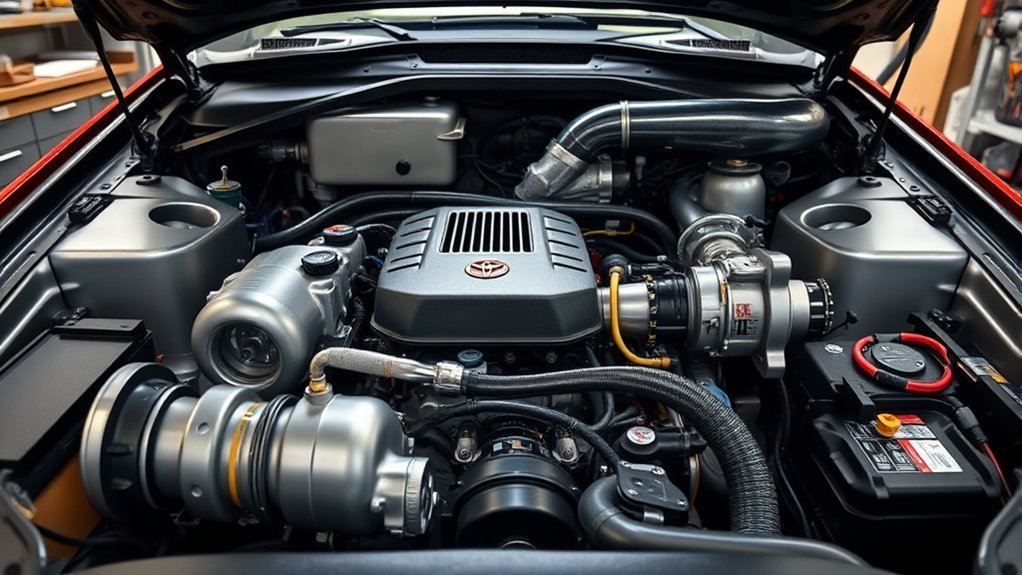
A daily-driver build should prioritize temperature control, drivability, monitoring, and easy service. A track or high-load build requires greater attention to sustained oil control, fuel delivery, cooling capacity, engine management, data logging, and parts that tolerate repeated heat cycles. The more severe the use, the less useful a simple peak-horsepower target becomes.
| Build Path | Recommended Focus | Avoid |
|---|---|---|
| Reliable daily | Baseline testing, cooling refresh, healthy turbo, leak-free intake system, wideband monitoring, conservative tune, verified head sealing | Increasing boost on old hoses, questionable fuel delivery, unknown head-gasket history, or engine problems that have not been diagnosed |
| Fast street car | Appropriately sized turbo, fuel system, engine management, clutch/transmission planning, intercooling, cooling, monitoring, and documented tuning | Fuel-system shortcuts, uncontrolled boost changes, or airflow modifications without recalibrating the tune |
| Track/high-load use | Measured engine clearances, oil-control strategy, fuel system, standalone or capable engine management, data logging, upgraded cooling, and appropriate machine work | Assuming decades-old stock components and factory cooling will survive repeated high-load sessions without validation |
If you want the engine to last, build the supporting systems before chasing the dyno number. A well-sorted moderate build with stable temperatures, adequate fuel, clean oil pressure, correct air-fuel ratio, and controlled ignition is more useful than a higher peak number with no safety margin.
What Should You Inspect Before Buying a 7M-GTE?
At a Glance
| Inspection Depth | Cold start, fluid inspection, cooling-system checks, compression, leakdown, turbo inspection, wiring review, and road-test behavior where possible |
| Skill Level | Moderate to advanced; use a knowledgeable technician if you cannot safely perform compression, leakdown, cooling, and turbo checks |
| Useful Tools | Compression tester, leakdown tester, flashlight, cooling-system pressure tester, multimeter, basic hand tools, and clean inspection rags |
| Major Stop Signs | Oil/coolant mixing, repeated overheating, compression below the service limit, large cylinder variation, bearing noise, severe turbo damage, or undocumented aggressive modifications |
Start by asking for receipts and records. Cooling-system work, cylinder-head or head-gasket repairs, timing-belt service, oil changes, turbo replacement, fuel-system work, and tuning documentation help you determine whether you are buying a maintained engine or inheriting somebody else’s unfinished diagnosis.
[Products Worth Considering]

The 10PCS leak down tester kit includes different type connectors to give you more options and a better repair experience.
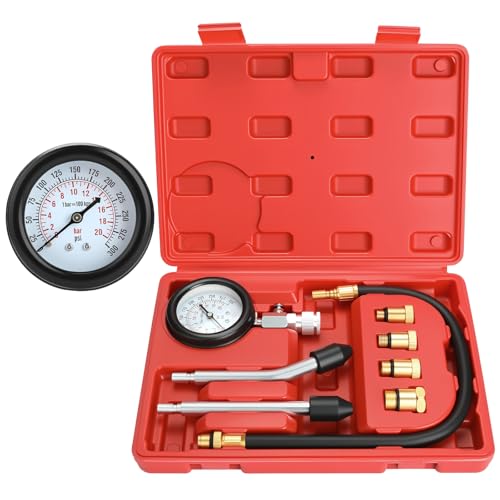
Checking Compression On Petrol Engine Quickly And Accurately
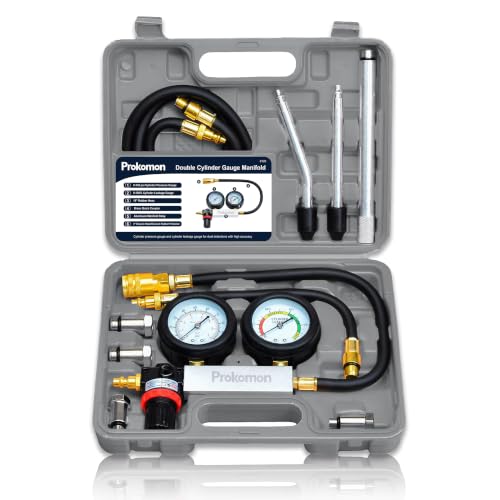
Engine Cylinder Leak Down Tester: Leakdown gauge tool hooks up to air compressor(prepare by yourself) can help to detect common engine faults such as worn piston rings, worn valves, cracks in cylinder walls and blown head gaskets
Compression and Leakdown
Compression and leakdown tests are among the best first filters for a 7M-GTE purchase. The Toyota 7M-GTE repair information lists a standard compression figure of 142 psi (981 kPa) at 250 rpm, a minimum of 128 psi (883 kPa), and no more than 14 psi (98 kPa) difference between cylinders.
Use leakdown testing to locate where pressure is escaping. Air heard through the crankcase can indicate ring or bore leakage. Air through the intake can indicate an intake-valve sealing problem. Air through the exhaust can indicate an exhaust-valve problem. Bubbles appearing in the cooling system during an appropriate leakdown test can justify further investigation of the head gasket, cylinder head, or block.
Turbo and Oil Lines
The CT26 turbo and its oil plumbing deserve close attention. Inspect the compressor wheel for contact damage, check shaft condition correctly, look for excessive oil in the intake tract, and inspect the feed and drain lines for leakage, damaged fittings, cracking, restriction, or heat damage.
- Check feed and drain fittings for seepage or damaged threads.
- Confirm the drain routing is unobstructed and returns oil correctly.
- Inspect intercooler piping for excessive oil accumulation, cracked couplers, and loose clamps.
- Watch for abnormal smoke after boost, extended idle, and throttle lift.
Head Gasket Condition
Because head-sealing trouble is one of the 7M-GTE’s best-known concerns, inspect it carefully. Look for coolant loss, contaminated coolant, milky oil, recurring cooling-system pressure, overheating history, external seepage at the head-to-block joint, and compression results that do not meet the service specification.
If a seller says “the head gasket was done,” ask what the repair actually included. Useful documentation should identify whether the cylinder head and block sealing surfaces were inspected, what gasket and fasteners were used, and whether the installation procedure and machine work were recorded.
Electrical, Fuel, and Tuning Checks
Old or modified wiring can create symptoms that resemble mechanical trouble. Inspect grounds, injector connections, ignition wiring, sensors, fuel-pump wiring, added controllers, and any aftermarket engine-management installation. Poor wiring, inadequate fuel delivery, or a bad calibration can damage an otherwise mechanically healthy engine.
On a modified car, ask who tuned it, which fuel the calibration requires, what boost it is intended to run, what injectors and fuel pump are installed, and whether there are wideband or logged data to support the setup. “Unknown tune, unknown injectors, manual boost controller” should increase your risk assessment rather than the purchase price.
How Do You Make a 7M-GTE Last?
A 7M-GTE rewards preventative maintenance. Keep the oil and coolant in good condition, replace aging rubber and belts, maintain the cooling system, watch for small leaks, and investigate changes in oil pressure, temperature, smoke, boost, or air-fuel ratio before continuing to drive hard.
- Use the correct quality oil and service it consistently, especially on an engine that regularly sees boost.
- Refresh the cooling system when its history is unknown and repair the cause of any overheating rather than repeatedly topping up coolant.
- Replace failed vacuum lines and couplers so boost leaks do not create misleading symptoms.
- Inspect timing-belt components and replace worn or age-unknown parts using the correct service procedure.
- Monitor air-fuel ratio on modified engines with a reliable wideband system.
- Do not increase boost until compression, leakdown, fuel delivery, cooling, head sealing, and tune quality have been verified.
Frequently Asked Questions
How long does a 7M-GTE engine last?
Toyota does not provide a universal lifespan figure for every surviving 7M-GTE. Age, maintenance history, overheating, head sealing, oiling, tune quality, and previous modifications matter more than mileage alone. Compression, leakdown, fluid condition, oil pressure, and maintenance records are better indicators of engine health than an odometer number by itself.
What cars used the 7M-GTE?
The 7M-GTE is best known from the A70/MK3 Toyota Supra Turbo. Toyota also used the turbocharged 7M in Soarer applications in some markets. Exact model availability and specifications vary by country and production period, so use market-specific documentation when identifying an imported engine.
Is the 7M-GTE better than a 1JZ or 2JZ?
Not universally. The 7M-GTE makes sense when originality, period-correct MK3 character, and using a healthy engine you already own are priorities. A 1JZ or 2JZ can make more sense when the existing 7M requires major rebuilding and your goals justify the cost and complexity of a complete swap.
How much power can a stock 7M-GTE handle?
Toyota did not publish a safe modified-horsepower ceiling for stock 7M-GTE internals. Online dyno figures are not directly comparable because they mix crank and wheel horsepower, different fuels, boost pressures, turbochargers, engine condition, and tuning. Verify compression, leakdown, fuel delivery, cooling, oiling, head sealing, monitoring, and calibration before increasing boost.
Why do 7M-GTE head gaskets fail?
Head-gasket failure can involve loss of clamping, overheating, detonation, damaged or warped sealing surfaces, aging materials, or poor previous repair work. A lasting repair requires inspecting the head and block sealing surfaces, choosing a suitable gasket and fasteners, following the correct installation procedure, and fixing any cooling or tuning problem that contributed to the failure.
What compression should a 7M-GTE have?
Toyota service specifications list 7M-GTE compression at 142 psi (981 kPa) standard at 250 rpm. The minimum is 128 psi (883 kPa), and the difference between cylinders should not exceed 14 psi (98 kPa). Test procedure, cranking speed, engine temperature, and gauge accuracy also affect the readings.
What turbo does the 7M-GTE use from the factory?
The standard 7M-GTE is associated with Toyota’s CT26 turbocharger and an intercooler. Because many surviving engines have been rebuilt or modified, confirm the actual turbo installed on a specific car rather than assuming it still has its original unit.
Conclusion
The 7M-GTE is more than simply the engine that came before Toyota’s JZ family. It is a 3.0-liter turbo inline-six with period-correct A70 Supra character and useful modification potential, but its condition must set the limits. Start with the factory diagnostic baseline: look for consistent compression, clean oil and coolant, stable temperatures, sound oiling, healthy fuel delivery, and documented head-sealing work. Fix those fundamentals before adding boost. If the engine already needs major rebuilding, compare the complete cost of rebuilding the 7M with the complete cost of a JZ swap before deciding which path makes sense.
Sources
- Toyota USA Newsroom: Toyota Supra — An Icon A Half-Century in the Making — supports A70 Supra history and Toyota’s U.S. 230-hp / 246-lb-ft Supra Turbo figures.
- Toyota Support: History of the Supra — official Toyota Supra history reference.
- Toyota Owners: 1987 Supra Manuals and Warranties — official Toyota owner-literature portal for the 1987 Supra.
- Toyota 7M-GTE Repair Manual: Compression Check — supports the compression-test procedure and 7M-GTE pressure limits.
- Engine-Specs: Toyota 7M-GTE Technical Data — cross-reference for displacement, bore, stroke, compression ratio, CT26 turbo, and general engine architecture.

[…] If you are also evaluating the engine’s wider maintenance needs, see the site’s related 7M engine guide for additional classic-Supra […]