
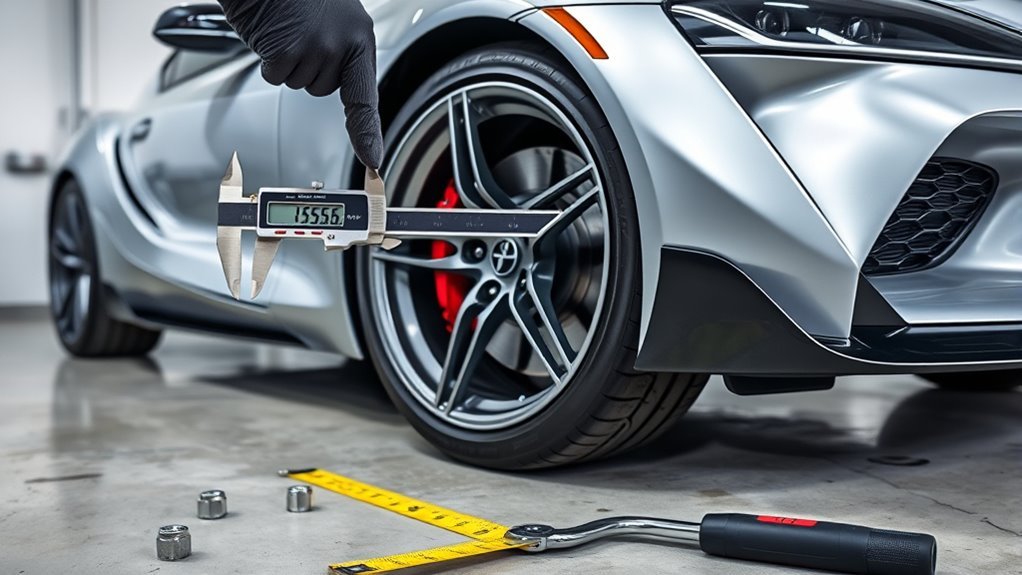
Choosing the right Supra wheel offset is not just about making the wheels sit flush. Offset, wheel width, tire size, brake clearance, center bore, ride height, spacers, and camber all work together. Use this guide to measure your GR Supra fitment, compare common 18-inch, 19-inch, and 20-inch setups, and avoid the usual problems: fender rub, inner suspension contact, vibration, and caliper interference.
Quick Answer
For the A90/A91 Toyota GR Supra, most street-friendly aftermarket setups land around ET22–ET35 in front and ET30–ET40 in the rear, depending on wheel width, tire width, ride height, and brake design. Always verify the 5×112 bolt pattern, 66.6 mm hub bore, brake-template clearance, and tire-to-fender clearance before buying.
Key Takeaways
- The current GR Supra uses a 5×112 bolt pattern and a 66.6 mm center bore; do not confuse it with the MK4/A80 Supra, which uses different fitment specs.
- Lower offset pushes the wheel outward; higher offset pulls it inward toward the brakes, strut, and inner suspension.
- Offset alone does not guarantee brake clearance. Spoke shape and barrel profile must clear the front caliper.
- A 5 mm spacer reduces effective offset by 5 mm, so ET40 with a 5 mm spacer behaves like ET35.
- Lowering, wider tires, track alignment, and negative camber can make a “safe” wheel either perfect or problematic.
At a Glance
| Time Required | 20–45 minutes for measuring; longer if test-fitting wheels |
| Difficulty | Moderate |
| Tools Needed | Tape measure, ruler or straightedge, flashlight, wheel/tire calculator, brake template if available |
| Cost | Free to measure; spacers, hub rings, tires, alignment, and fender work vary by setup |
How This Guide Helps You Pick the Right Supra Wheel Offset
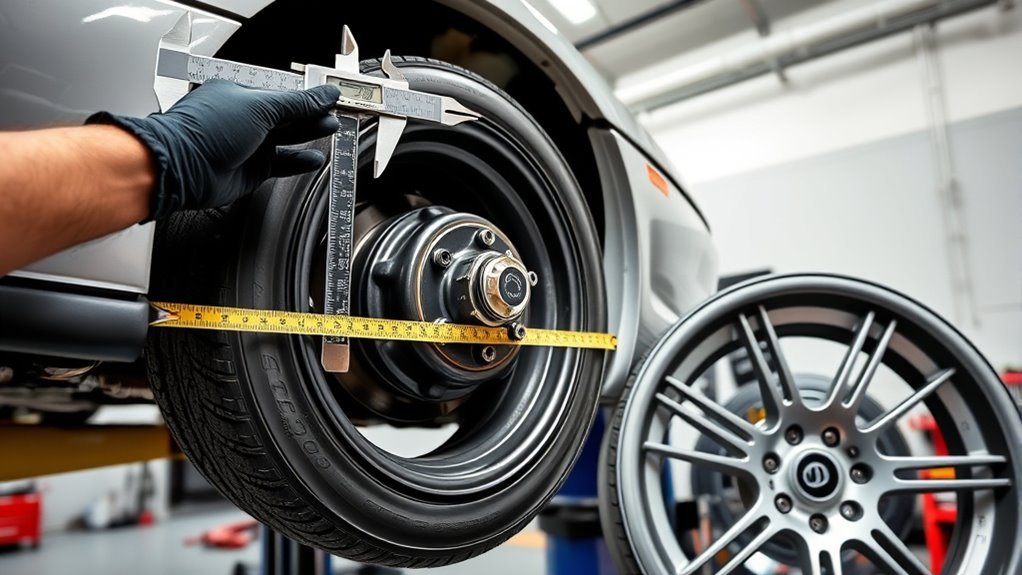
This guide is written for the fifth-generation Toyota GR Supra, commonly called the A90/A91 or MK5 Supra. The goal is to help you choose a wheel offset that improves stance and tire support without creating rubbing, vibration, brake contact, or poor handling.
Factory-style fitment keeps the wheel tucked safely inside the body. More aggressive aftermarket fitment usually lowers the positive offset and/or adds wheel width. That moves the tire outward, increases track width, and creates the flush look many Supra owners want. The trade-off is that you must check both sides of the wheel: the outer tire edge near the fender and the inner barrel near the strut, control arms, liner, and brake caliper.
For reference, the A90/A91 GR Supra commonly uses staggered factory 19-inch sizing around 19×9 ET32 front and 19×10 ET40 rear, with 255/35ZR19 front and 275/35ZR19 rear tires on many 3.0 models. Toyota’s current U.S. specifications and owner materials confirm the 19-inch performance-tire focus for the 2026 GR Supra lineup, while fitment databases such as Wheel-Size.com list the wheel, offset, hub, and bolt-pattern data by market and model year.
Note: Always confirm specs for your exact year, trim, market, brake package, and suspension setup. A 2026 MkV Final Edition, a lowered 2021 3.0 Premium, and a track-prepped car on coilovers may need different offsets even when the wheel diameter looks similar.
Stock GR Supra Wheel Specs to Verify First
Before choosing a wider rim, write down the baseline specs for your car. These numbers tell you what must match and what can be changed.
| Spec | A90/A91 GR Supra Reference | Why It Matters |
|---|---|---|
| Bolt pattern | 5×112 | The wheel must physically bolt to the hub. |
| Center bore | 66.6 mm | The wheel must center correctly on the hub to reduce vibration. |
| Factory 19-inch front reference | About 19×9 ET32 with 255/35ZR19 | Good starting point for calculating outer poke and inner clearance. |
| Factory 19-inch rear reference | About 19×10 ET40 with 275/35ZR19 | Helps compare staggered rear fitments such as 19×10.5 or 19×11. |
| Hardware style | Wheel bolts, not traditional lug nuts | Use the correct seat type, thread, and torque procedure. |
Warning: Do not assume MK4 Supra wheels fit a MK5 GR Supra. The A80/MK4 Supra commonly uses 5×114.3 and a 60.1 mm center bore, while the A90/A91 GR Supra uses 5×112 and a 66.6 mm center bore.
How Wheel Offset, Backspacing & Center Bore Affect Supra Fitment
You need to balance offset, backspacing, and center bore to get correct wheel placement. Wheel offset is the distance from the wheel’s mounting surface to its centerline. Positive offset places the mounting pad toward the outside face of the wheel, which tucks the wheel inward. Lower positive offset moves the wheel outward.
Offset Vs. Tire Clearance
Changing offset directly changes how the tire sits relative to the fender, brake caliper, and suspension. On a GR Supra, a small offset change is easy to feel because the front has limited inner room and the rear rewards careful tire sizing.
Use this simple rule:
- Lower offset: wheel moves outward, more flush stance, more fender-rub risk.
- Higher offset: wheel moves inward, more inner-suspension and caliper-clearance risk.
- Wider wheel at the same offset: adds width both inward and outward.
| Component | Effect | What to Check |
|---|---|---|
| Offset | Moves the wheel in or out | Fender poke, suspension clearance, scrub radius feel |
| Backspacing | Shows inner wheel depth | Strut, spring perch, liner, control-arm clearance |
| Center bore | Centers wheel on the hub | 66.6 mm fit or proper hub-centric rings |
| Tire profile | Changes real section width and shoulder shape | Fender liner, bumper tab, sidewall bulge, ride height |
| Spoke design | Controls brake-caliper clearance | Front caliper template and spoke-to-caliper gap |
Backspacing And Fitment
Backspacing is the distance from the wheel mounting pad to the inner lip of the wheel. It is often measured in inches, while offset is usually shown in millimeters. Backspacing matters because it tells you how close the wheel barrel sits to the suspension.
A quick estimating formula is:
Backspacing ≈ (wheel width + 1 inch) ÷ 2 + offset converted to inches
The “+ 1 inch” accounts for the outer lips that are not included in nominal wheel width. It is an estimate, not a substitute for measuring the exact wheel.
For example, moving from a 19×9 ET32 front wheel to a 19×9.5 ET22 wheel adds about 12.7 mm of wheel width and drops offset by 10 mm. The outer lip moves roughly 16 mm outward, while the inner lip actually gains a few millimeters of clearance. That is why 19×9.5 ET22 can look much more flush without always causing inner rub—though tire width and shoulder shape still matter.
Center Bore Importance
Fitment starts at the hub. The GR Supra’s 66.6 mm center bore should seat precisely to reduce vibration and keep the wheel centered as the bolts are torqued. If an aftermarket wheel has a larger bore, use the correct hub-centric ring. Tire Rack’s centerbore guide explains why the bore helps position the wheel accurately on the hub before tightening hardware.
- A correctly centered wheel helps prevent vibration at highway speed.
- Excessively high positive offset can move the tire and barrel too close to the strut or caliper.
- Excessively low offset can push the tire into the fender lip or bumper tab.
- Hub-centric rings should match the wheel’s outer bore and the Supra’s 66.6 mm hub.
Measure Wheel and Brake Clearances on Your Supra
You can check most wheel and brake clearances with a tape measure, ruler, straightedge, and flashlight. For the final decision, use the wheel manufacturer’s brake template or test-fit the actual wheel before mounting tires.
- Park on level ground. Set tire pressures correctly and make sure the car is at its normal ride height.
- Check outer fender clearance. Measure from the outer tire sidewall to the fender lip. Leave extra room if the car is lowered or driven hard.
- Check inner clearance. Look behind the wheel and measure the gap to the strut, spring perch, control arm, and liner.
- Check brake clearance. Measure the space between caliper and spokes. A visible 3 mm minimum gap is a practical starting point; 5 mm or more is safer because wheels, pads, bearings, and heat can slightly change the available gap.
- Turn the steering wheel lock-to-lock. Check front tire clearance at full left and full right steering lock.
- Compress the suspension if possible. A setup that clears at rest can still rub over dips, bumps, or curbing.
| Location | Practical Gap Target | Purpose |
|---|---|---|
| Caliper to spoke | 3 mm minimum; 5 mm preferred | Prevents caliper contact under heat and flex |
| Inner barrel/tire to suspension | About 10 mm or more | Avoids strut, liner, and control-arm interference |
| Outer tire to fender lip | 5–10 mm or more, depending on ride height | Prevents rub during suspension travel |
| Front tire at full lock | No liner or bumper-tab contact | Prevents rubbing while parking or cornering tightly |
Pro Tip: Before buying, compare your current setup with the new wheel and tire using a calculator such as Will They Fit. Then confirm with real measurements, because tire brands vary in actual width.
[Products Worth Considering]

This steering clock spring is designed to restore reliable steering wheel controls across a wide range of Toyota models. It supports audio, cruise control, and other multifunction commands while matching OEM part numbers for confident replacement fitment. Built for dependable signal transfer and straightforward installation, it is an effective solution for repairing steering column control issues.

This 2-piece suspension tool set combines a compact strut spreader with a high-leverage lower control arm prying tool to help speed up safe suspension service. Designed for many FWD, import, and domestic vehicles, it supports strut, hub, ball joint, and control arm work while helping reduce the risk of damage to surrounding components. Heavy-duty steel construction makes it a dependable choice for mechanics and serious DIY suspension repair.

This DIY toe alignment tool kit helps home mechanics quickly check and adjust front-end toe after suspension, steering, or tire service. Stainless steel toe plates and dual tape measures provide a simple, reliable reference for reducing uneven tire wear and improving straight-line tracking without needing a full alignment machine.
Pick the Right Offset for 18″, 19″, and 20″ Supras: Staggered Vs. Square
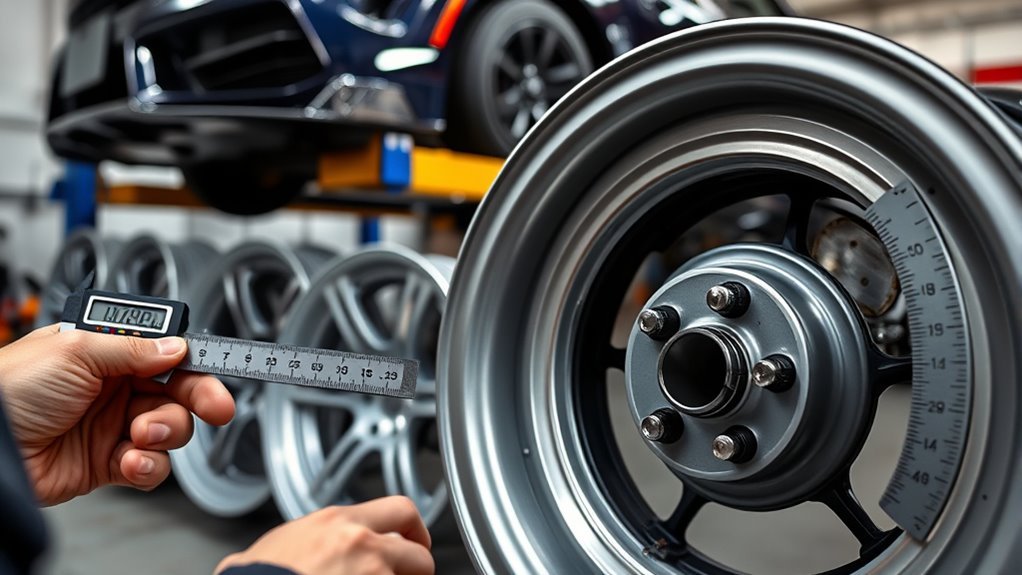
Once you have checked caliper, inner, and fender clearances, choose offsets that match your goal. A staggered setup keeps a wider rear tire and fits the Supra’s rear-wheel-drive balance. A square setup uses the same size front and rear, which helps tire rotation, track consistency, and front-end grip.
[Products Worth Considering]

This 121-piece 4-in-1 clip kit provides a versatile replacement solution for Toyota and Lexus body, bumper, fender liner, and splash shield fasteners. It includes multiple clip and screw styles designed to fit common mounting points across popular models, helping restore secure panel attachment and reduce rattles or loose trim. Ideal for maintenance, repair, and restoration projects, this assortment supports a wide range of wheel well and exterior trim applications.
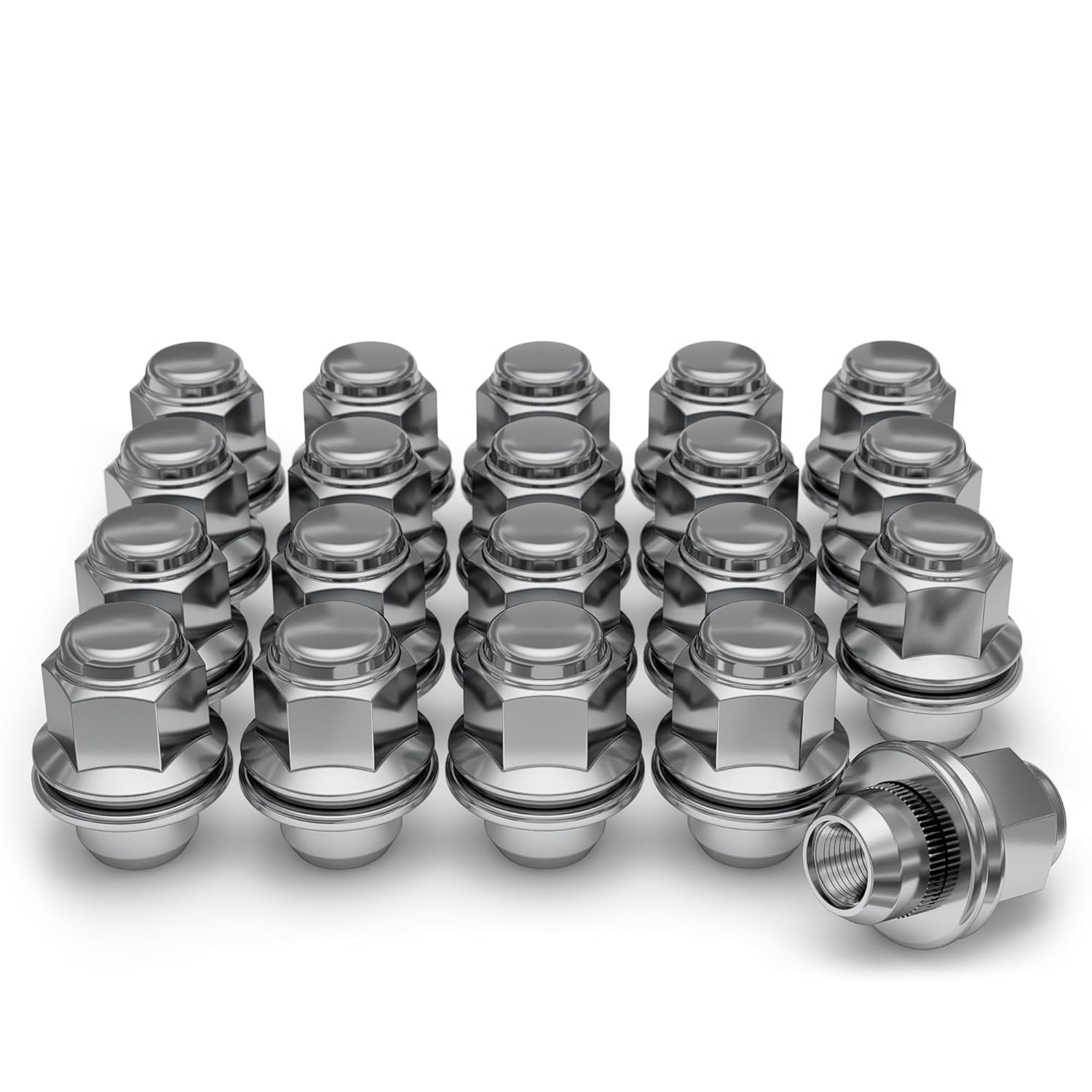
These White Knight mag-style lug nuts are designed for select Toyota, Lexus, Kia, and Genesis vehicles, delivering a secure fit and a clean factory-inspired look. Made from heat-treated cold forged carbon steel with a chrome finish, they offer durable strength, reliable corrosion resistance, and easy installation with a traditional hex-body, flat-seat design. Use them to replace worn or damaged lug nuts while maintaining proper wheel fitment and dependable performance.

This wheel alignment tool makes it easy to check and adjust toe-in and toe-out at home for better handling, stability, and more even tire wear. Designed for one-person use, it includes tape-measure slots for simple setup and accurate measurements without extra help. Its stainless steel construction and broad vehicle compatibility make it a practical addition to any DIY garage.
18-Inch Supra Wheel Fitment
Many performance drivers choose 18-inch wheels for lower tire cost, more sidewall, and better tire availability. A common square performance route is around 18×10 ET30 with 275/35R18 tires. APEX’s GR Supra fitment guide lists 18×10 ET30 as a popular bolt-on-style fitment, with wider tire options requiring more care.
- Street square: 18×10 ET30 with 275/35R18.
- Wider track setup: 18×10 or 18×10.5 with 285-width tires, depending on tire shape and suspension clearance.
- Aggressive track setup: 18×11-type fitments may require negative camber, coilovers, and careful tire selection.
19-Inch Supra Wheel Fitment
For most street cars, 19-inch wheels are the easiest way to improve stance while staying close to the factory look. This is also where many staggered setups make the most sense.
- Front street target: 19×9.5 around ET22–ET30 with 265/35R19 or 275/35R19, depending on ride height and tire shape.
- Rear street target: 19×10.5 around ET35–ET40 with 285/35R19 or 295/30R19.
- Flush staggered example: 19×9.5 ET22 front and 19×10.5 ET35 rear can work on many cars, but must be checked for fender, liner, and brake clearance.
- Square option: 19×9.5 around ET22–ET30 all around can improve rotation options, but tire width and alignment become more important up front.
20-Inch Supra Wheel Fitment
20-inch wheels are mainly a style choice on the GR Supra. They can look sharp, but the shorter tire sidewall gives less room for error and can make the ride firmer.
- Front reference range: 20×9.5 to 20×10, often around ET28–ET35.
- Rear reference range: 20×10.5 to 20×11, often around ET32–ET40.
- Tire planning: Use low-profile tire sizes that keep overall diameter close to stock and do not overload the fender line.
Warning: “Fits a Supra” does not mean “fits every Supra.” The 2026 MkV Final Edition has braking and chassis updates, and any car with aftermarket big brakes must be checked with a brake template before purchase.
How Lowering, Spacers, and Camber Change Ideal Offset and Tire Size
Lowering, spacers, and camber change the ideal offset because they change where the tire travels under load. Treat them as one system, not separate upgrades.
Lowering The Car
Lowering reduces the vertical gap between the tire and fender. A wheel that clears at stock height may rub after springs or coilovers are installed. Lowered cars often need more negative camber, a narrower tire, a slightly higher offset, fender-lip work, or a combination of those changes.
Using Spacers
A spacer pushes the wheel outward and lowers effective offset. For example, ET40 with a 5 mm spacer becomes ET35 effective offset. Thin hub-centric spacers can help clear inner suspension or improve stance, but too much spacer can create outer fender rub and increase hardware demands.
Adding Negative Camber
Negative camber tilts the top of the tire inward. It can help a wider tire clear the fender and improve cornering grip, but excessive camber can increase inner-tire wear on the street. After changing camber or ride height, get an alignment and recheck tire wear after a few hundred miles.
Choosing Tire Width
Tire width is not exact from brand to brand. A 275 tire from one manufacturer can measure wider than a 285 from another. Track-oriented 200-treadwear tires often have square shoulders and run wide, so they need more clearance than a mild street tire in the same labeled size.
The safest Supra fitment is not the lowest offset you can buy. It is the offset that supports your tire, clears your brakes, avoids rubbing at full suspension travel, and keeps the car predictable.
Real-World Supra Wheel and Tire Examples With Safe Offset Ranges
Every build is different, but these examples give you a practical starting point. Use them to narrow your search, then confirm clearance on your own car.
| Setup Type | Wheel Example | Tire Example | Fitment Notes |
|---|---|---|---|
| OEM+ square | 18×10 ET30 | 275/35R18 | Popular for performance street and track use; check front tire shoulder clearance. |
| Street staggered | 19×9.5 ET22–ET30 front; 19×10.5 ET35–ET40 rear | 265/35R19 or 275/35R19 front; 285/35R19 or 295/30R19 rear | Good balance of stance and usability when brake clearance is confirmed. |
| Aggressive staggered | 19×10 front; 19×11 rear in carefully chosen offsets | 275–285 front; 295–305 rear | May need camber, liner trimming, fender work, or coilover clearance checks. |
| Track-focused square | 18×10.5–18×11 with higher positive offset | 285–295 depending on alignment | Strong grip potential, but usually not a casual bolt-on street setup. |
| Show-oriented 20-inch | 20×10 front; 20×11 rear | Low-profile tires close to stock diameter | Prioritize fender clearance and ride quality; pothole protection is reduced. |
Note: Wheel width changes are just as important as offset changes. A 10.5-inch wheel at ET35 is not only 5 mm farther out than ET40; it may also be wider than the factory wheel, so part of that width moves outward and part moves inward.
Troubleshooting Fitment: Rubbing, Caliper Contact, and Fixes
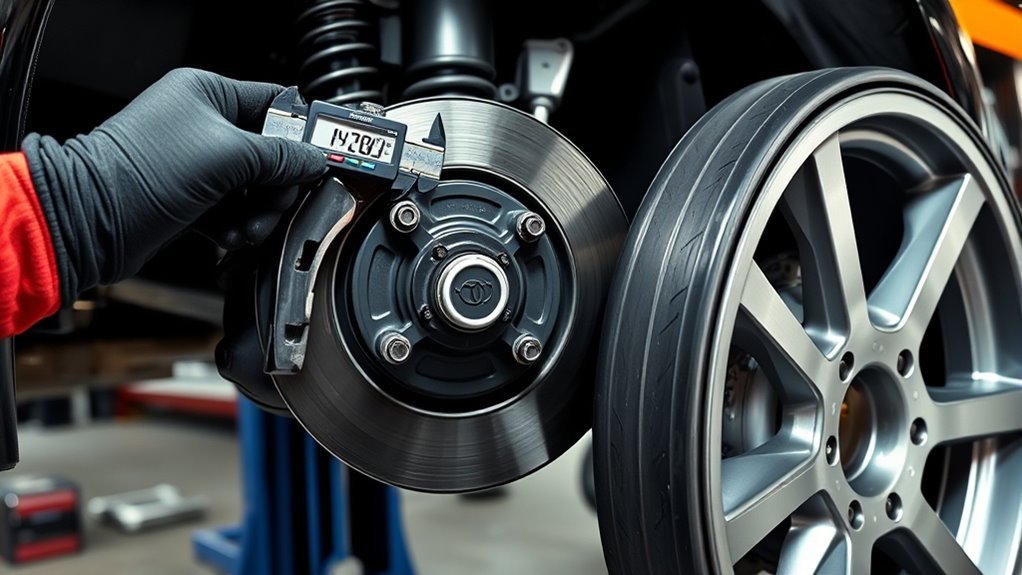
If your Supra rubs or the wheel touches the brake caliper, do not keep driving and hope it clears itself. Identify exactly where the contact happens first, then choose the fix.
| Problem | Likely Cause | Fix |
|---|---|---|
| Outer fender rub | Offset too low, tire too wide, car too low, not enough camber | Raise ride height, add slight negative camber, use narrower tire, roll/modify fender if appropriate, or choose higher offset. |
| Inner strut or liner rub | Offset too high, tire too wide, coilover clearance issue | Use a small hub-centric spacer, choose lower offset, or select a narrower tire. |
| Caliper touches spokes | Spoke profile does not clear brakes | Use the wheel maker’s brake template; a small spacer may help only if fender clearance and hardware engagement remain safe. |
| Highway vibration | Wrong center bore, missing hub rings, wheel imbalance, improper torque | Install correct hub-centric rings, rebalance wheels, inspect wheel runout, and torque hardware to the owner’s manual or wheel-maker spec. |
| Rubbing only at full lock | Front tire too tall or too wide; liner/bumper-tab contact | Use a slightly narrower tire, adjust ride height, check alignment, and inspect liner contact points. |
Warning: Do not stack cheap universal spacers to “make it fit.” Use quality hub-centric spacers, correct-length hardware, and proper torque. If you are unsure, have a performance alignment or wheel-fitment shop inspect the setup.
[Products Worth Considering]

This brake caliper hanger set helps hold calipers securely during brake pad changes and other suspension or axle work, making brake service safer and more convenient. Built from durable steel with rust-resistant coating, it features rubber tips to help prevent scratches and protect brake hoses and surrounding components. Brightly colored and easy to spot, it is a practical mechanic tool for keeping calipers supported while you work.

This wheel lock key set is designed to help remove and replace compatible Toyota and Lexus wheel locks with confidence. It includes four wheel lock nuts and one key, offering a practical replacement solution for many popular models while supporting secure wheel protection and reliable fitment. Built for durability and corrosion resistance, it is a useful choice when matching OE reference numbers and vehicle compatibility is important.

This microfiber leather steering wheel cover adds a sleek black look while improving grip and comfort for everyday driving. Its anti-slip rubber lining helps keep the cover secure, while the durable, protective design helps guard against wear, scratches, heat, and sun exposure. Made for standard steering wheels, it offers a snug fit and easy maintenance for a cleaner, more comfortable driving experience.
Frequently Asked Questions
What is the offset on MK4 Supra wheels?
Many MK4/A80 Supra factory wheels are around ET50, such as 16×8/16×9 or 17×8/17×9.5 staggered setups depending on market, year, and trim. The MK4 uses a different bolt pattern and center bore than the A90/A91 GR Supra, so MK4 specs should not be used as a direct MK5 fitment guide.
What does +30 offset mean?
A +30 offset means the wheel’s mounting surface is 30 mm toward the outside face of the wheel from the centerline. On the same wheel width, ET30 sits 10 mm farther outward than ET40 and 8 mm farther inward than ET22.
What does +40 offset mean?
A +40 offset means the mounting surface is 40 mm outward from the wheel centerline. On the GR Supra, ET40 is close to common factory rear-offset territory, so it usually gives a more tucked and conservative fit than lower offsets like ET35 or ET30.
What does +35 offset mean?
A +35 offset places the mounting pad 35 mm outward from the wheel centerline. Compared with ET40 on the same wheel width, ET35 pushes the wheel 5 mm farther outward. Compared with ET30, ET35 tucks the wheel 5 mm farther inward.
What offset is best for a flush GR Supra stance?
For many street cars, a flush but usable A90/A91 setup is around 19×9.5 ET22–ET30 front and 19×10.5 ET35–ET40 rear. The exact answer depends on tire width, tire brand, ride height, camber, brake package, and whether the fenders or liners have been modified.
Do I need hub-centric rings on a GR Supra?
You need hub-centric rings if the aftermarket wheel’s center bore is larger than the GR Supra’s 66.6 mm hub. If the wheel is already machined to 66.6 mm, rings are not needed. If the bore is smaller than 66.6 mm, the wheel will not fit the hub.
Can I fix caliper clearance with a spacer?
Sometimes, but only if the spoke barely contacts the caliper and the car still has enough fender clearance and safe bolt engagement. The better solution is to choose a wheel proven to clear the factory brakes or to use the wheel manufacturer’s brake template before buying.
Conclusion
You now have the process for choosing Supra wheel offset with precision: confirm the A90/A91 baseline specs, calculate how offset and width change wheel position, measure brake and suspension clearance, then match the setup to your ride height, tire width, and driving style. For most owners, a well-chosen 18- or 19-inch setup will deliver the best balance of stance, grip, cost, and real-world clearance.
The biggest mistake is buying by offset alone. A safe GR Supra fitment also needs the correct 5×112 bolt pattern, 66.6 mm hub bore, spoke shape, tire profile, alignment, and suspension clearance. Measure first, test-fit whenever possible, and treat spacers, camber, and lowering as part of the same fitment equation.
Sources
- Toyota GR Supra official specifications — current model-year vehicle and tire specification reference.
- Toyota 2026 Supra Owner’s Manual — owner guidance for tires, pressures, operating materials, and service checks.
- Toyota USA Newsroom: 2026 GR Supra MkV Final Edition — updates on final-edition brakes, suspension, tires, and chassis changes.
- Wheel-Size.com Toyota Supra A90/J29/DB fitment data — wheel width, offset, bolt pattern, and center-bore reference by market and model year.
- Tire Rack: What Is Wheel Offset? — offset and backspacing definitions.
- APEX Wheels Toyota GR Supra Fitment Guide — real-world performance wheel and tire fitment examples.

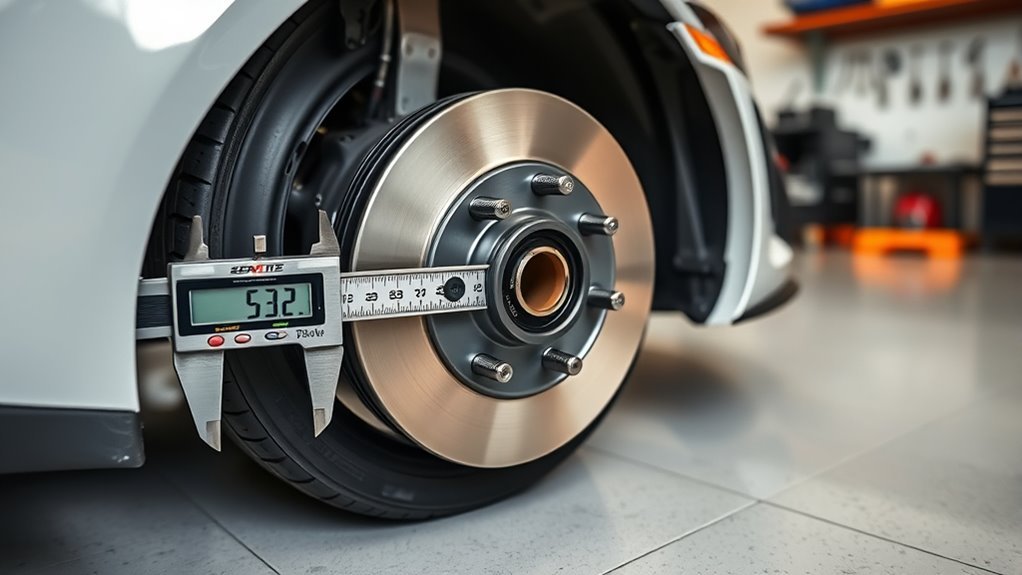

[…] For a complete physical measuring procedure, including center-bore, brake-template, and mounted-wheel checks, use the site’s Supra wheel offset measurement guide. […]