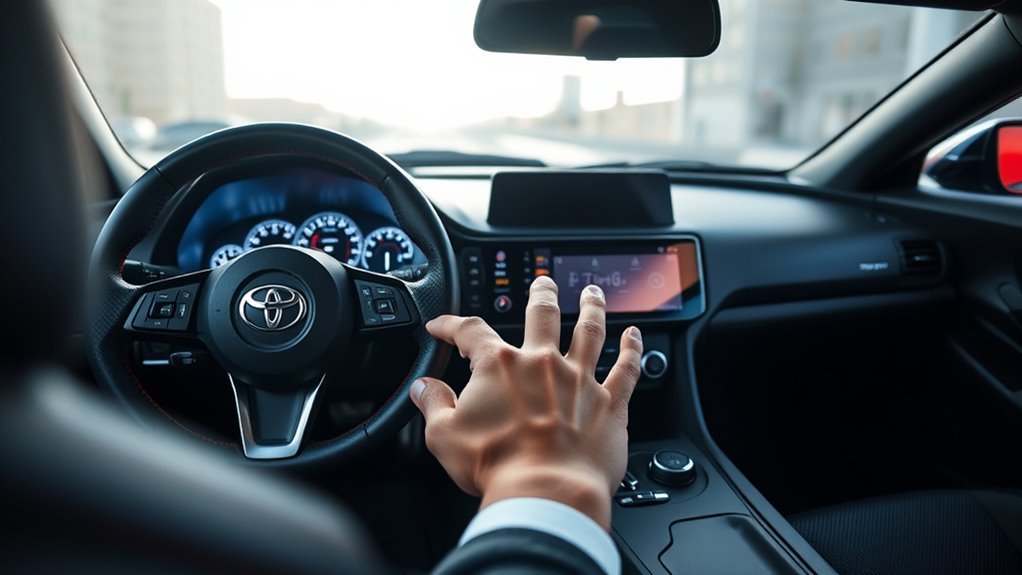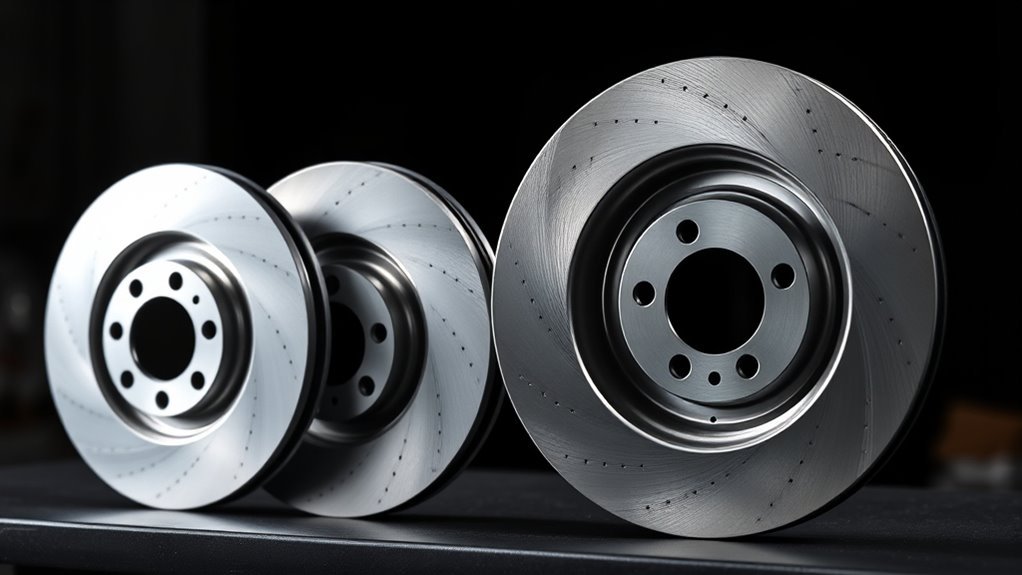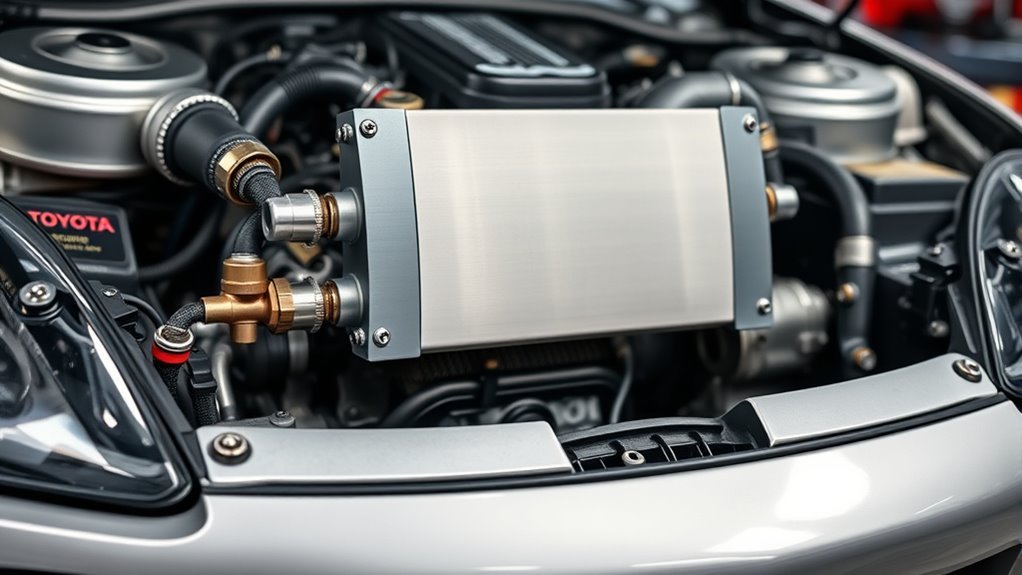
You can drive a Toyota Supra in winter on properly cleared roads, but the car needs the right tires, careful route choices, and smooth inputs. Start with four matching winter tires, correct cold tire pressure, fresh winter washer fluid, a healthy battery, and a compact emergency kit. Toyota recommends winter tires for winter roads, while the Supra’s low ride height means deeper snow can become a clearance problem even when the tires still have traction.
Quick Answer
The best way to make a Toyota Supra safer in winter is to fit four proper winter tires, use the door-jamb cold tire pressure, leave Vehicle Stability Control active for normal driving, clear all snow before moving, and use gentle steering, throttle, and braking. Avoid deep or untreated snow, freezing rain, and routes that require tire chains because Toyota says tire chains cannot be mounted on the Supra.
Key Takeaways
- Use four matching winter tires with the correct size, load capability, and permissible speed for your Supra.
- Check tire pressure cold; pressure changes by about 1 PSI for every 10°F change in ambient temperature.
- Leave VSC active for normal winter driving. Toyota says Traction mode can be useful briefly in slush, uncleared snow, or when moving off from deep snow, but driving stability is reduced while it is active.
- Do not fit tire chains. Toyota’s Supra manual says chains cannot be mounted and snow tires should be used instead.
- If the car gets stuck, stop spinning the tires, clear snow, add traction material, and use a flatbed/loading-platform recovery service if the car cannot be freed safely.
At a Glance
| Time Required | 30–60 minutes for basic prep; longer if mounting winter wheels |
| Difficulty | Easy to moderate |
| Tools Needed | Tire pressure gauge, snow brush, ice scraper, washer fluid, flashlight, compact shovel |
| Cost | Low for basic supplies; higher for a dedicated winter tire and wheel package |
Can You Drive a Toyota Supra in Winter? Quick Decision Guide
| Road Condition | Best Choice | Why |
|---|---|---|
| Cold, dry, or plowed pavement | Drive cautiously with winter-capable tires | Cold-weather tires preserve traction while the road remains clear |
| Light or packed snow | Possible with four winter tires and reduced speed | Traction is manageable, but braking and cornering margins are smaller |
| Deep or uncleared snow | Avoid when possible | The Supra can high-center as snow packs beneath its low underbody |
| Freezing rain or untreated ice | Postpone the trip | Even winter tires and stability systems cannot create grip on severe ice |
| Route requires tire chains | Use another vehicle | Toyota says tire chains cannot be mounted on the Supra |
Why Winter Tires Matter for a Toyota Supra
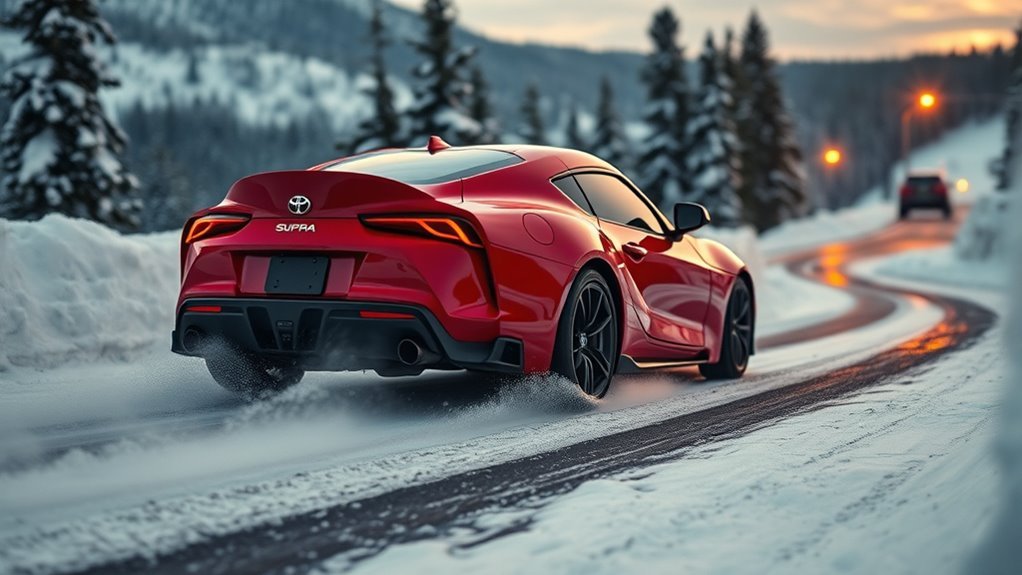
Winter tires are the most important winter upgrade for a Supra. Toyota’s current owner’s manual recommends winter tires for winter roads and notes that M+S all-season tires generally do not deliver the same winter performance. The car’s rear-wheel-drive layout and strong torque make tire grip especially important when accelerating, braking, or changing direction on snow.
In a Tire Rack snow test using a rear-wheel-drive 2006 BMW 325i—not a Supra—the winter-tire-equipped car stopped from 30 mph in about 59 feet, while the all-season-equipped car needed about 30 additional feet. The exact distances should not be applied directly to a Supra, but the test illustrates how much the tire category can change available snow traction.
Warning: Do not drive a Supra in snow, ice, or freezing rain on summer performance tires. Review the summer-tire cold-weather limits before temperatures fall.
[Products Worth Considering]

The AstroAI S8 is a compact 12V lithium jump starter designed to get gas and diesel vehicles back on the road quickly, even from low or fully drained batteries. It combines powerful starting performance with smart boost mode, built-in safety protections, and a versatile 5-in-1 design that also works as a power bank and flashlight for everyday emergencies and travel.

This foldable dog car ramp is designed to help pets enter and exit vehicles more safely and comfortably, reducing strain on joints and paws. Built with a sturdy aluminum frame, anti-slip walking surface, and a gentle longer incline, it supports everyday use for small to large dogs. Its four-fold design and built-in carry handle make it easy to store, transport, and use at home or on the go.
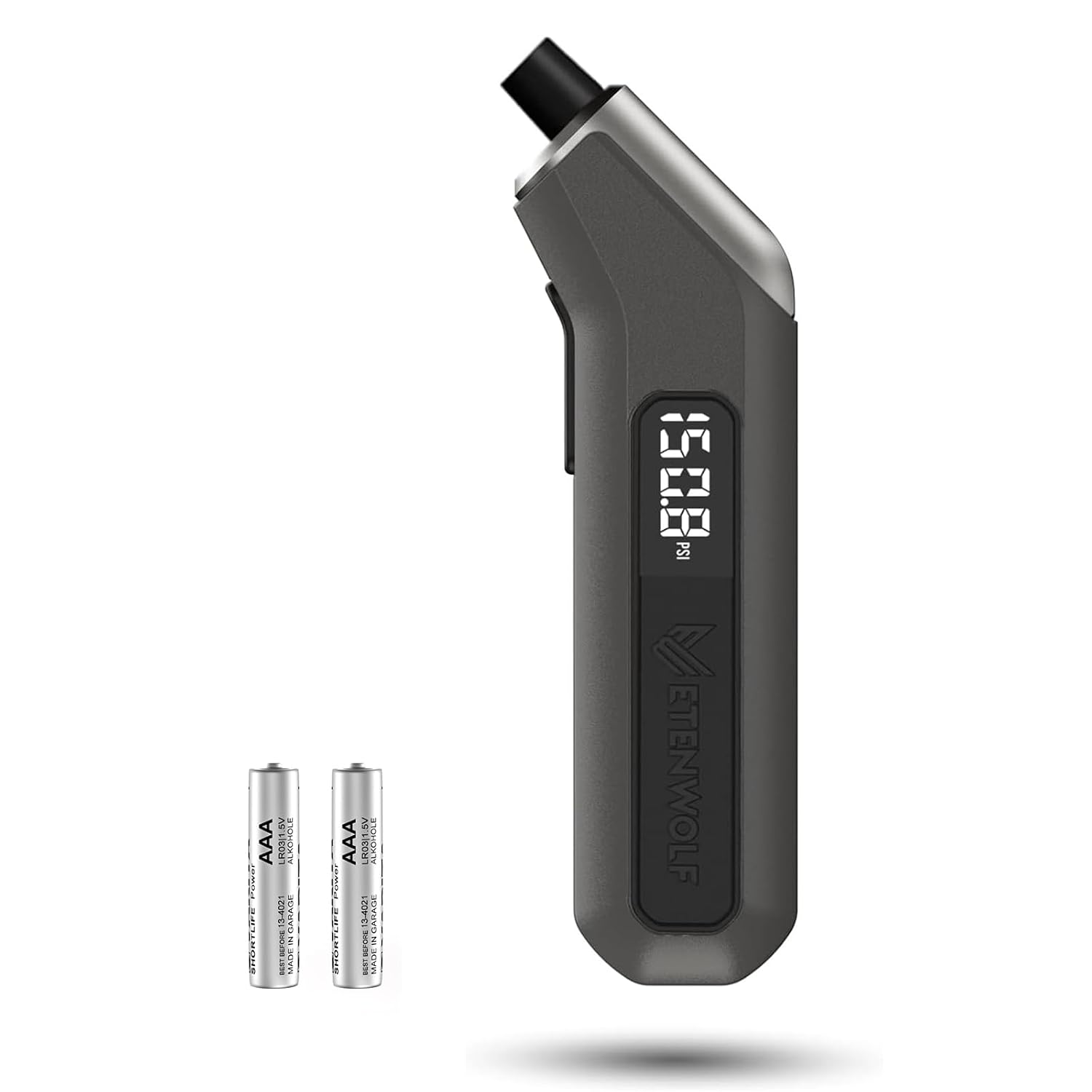
The ETENWOLF T300 digital tire pressure gauge delivers precise readings for cars, RVs, trucks, bikes, and heavy-duty vehicles with a wide measuring range and consistent accuracy. It is built to perform in extreme temperatures, includes a bright LED light for low-visibility use, and uses replaceable AAA batteries for convenient long-term operation. Durable enough to withstand rugged use, it is a practical tool for maintaining proper tire pressure across a variety of vehicles.
The Three Must-Dos Before Driving Your Supra in Snow
Before you drive a Supra in snow, handle three non-negotiable checks: tires, visibility, and cold-weather readiness.
- Fit proper winter tires. Use four matching winter tires, not just two on the rear. A mixed setup can give the front and rear axles very different steering, braking, and cornering grip.
- Clear snow and ice completely. Clean the windshield, roof, hood, trunk, lights, mirrors, sensors, and license plate before moving. Loose roof snow can slide forward or blow into traffic.
- Verify fluids and battery health. Top up winter-grade washer fluid, confirm the coolant meets Toyota specifications, and have the battery and charging system checked if starting performance or battery condition is questionable.
Also check the weather, road closures, and hills on your route. A Supra with winter tires can work on cleared roads, but it is not a high-clearance snow vehicle. Deeper accumulation can pack beneath the car and high-center it even when the tires themselves still have usable traction.
Pre-Trip Checklist: Tires, Battery, Fluids, and Rust Protection
A winter-ready Supra starts before you leave the driveway. Use this checklist before a snowy trip, especially if the car has been sitting outside overnight.
[Products Worth Considering]

This extendable snow brush and ice scraper helps clear windshields, roofs, and windows quickly in harsh winter conditions. Its 360° pivoting brush head, wide ice scraper blade, and comfortable foam grip make snow removal easier, while the detachable design stores compactly in your vehicle.

This portable roadside emergency car kit helps drivers stay prepared with essential tools for common breakdowns and unexpected roadside situations. It includes jumper cables, a tow strap, a flashlight, a rain poncho, gloves, and a first aid kit, all stored in a durable zippered case for easy access and organization. With included roadside assistance coverage, it adds extra peace of mind for commuters, new drivers, and road trips.
Tire Condition and Choice
Check the tire label in the driver’s door jamb and the owner’s manual for your exact tire size and pressure. Supra wheel and tire specifications vary by model year and configuration, so do not rely on a generic online size. If you change to a winter wheel package, use a qualified tire shop that can confirm brake clearance, wheel offset, load capability, overall tire diameter, permissible speed, and tire-pressure-monitor compatibility.
Toyota’s current Supra owner’s manual says tires with less than 0.16 in/4 mm of tread are less suitable for winter operation. Replace tires sooner if they are cracked, cut, bulged, unevenly worn, or otherwise damaged. Age also matters because rubber can lose flexibility even when visible tread remains.
Pro Tip: Do not assume a square winter wheel-and-tire setup used on another Supra will fit yours. Confirm the exact year, trim, brake package, wheel dimensions, load capability, and TPMS compatibility before buying.
Battery Health Check
Cold weather reduces available battery power while a gasoline engine needs more power to start. NHTSA recommends having the battery, charging system, and related components checked before winter if their condition is uncertain.
| Item | Action | Why It Matters |
|---|---|---|
| Cold-start performance | Have the battery and charging system checked before severe cold if starting is slow | Cold reduces available battery power |
| Terminals | Inspect for corrosion and secure connections | Poor electrical contact can contribute to starting problems |
| Repeated discharge | Have the battery professionally tested | A marginal battery is more likely to fail during a cold snap |
| Backup | Carry jumper cables or a charged jump pack | Provides a backup if the car will not start away from home |
Fluids, Wipers, and Rust Protection
Use winter-grade windshield washer fluid with de-icer suitable for your climate. Replace streaky wiper blades before snow season, check that the defrosters work, and confirm coolant level and protection according to Toyota’s maintenance guidance. NHTSA specifically recommends winter washer fluid, functional wipers, and a properly maintained cooling system for winter travel.
Road salt can attack the underbody, suspension hardware, brake components, and wheel finish. Toyota advises washing the Supra frequently in winter because heavy soiling and road salt can damage the vehicle. When using high-pressure equipment, Toyota lists a maximum water temperature of 140°F/60°C and at least 12 in/30 cm of distance from sensors, cameras, and seals. See the full guide on how to wash the Supra in winter without trapping water in freezing areas.
Tire Size and Pressure for Winter: Fit Your Supra Correctly
Correct pressure matters as much as the tire itself. Check pressure when the tires are cold. NHTSA defines a cold check as tires that have not been driven for at least three hours. Use the door-jamb placard for your Supra’s recommended pressure, not the maximum pressure printed on the tire sidewall.
Cold air lowers tire pressure. Bridgestone’s tire inflation guidance says tire pressure changes by approximately 1 PSI for every 10°F change in ambient temperature. A pressure that looked correct during a warmer afternoon can therefore be several PSI lower after a sharp overnight temperature drop.
Check winter tire pressure at least monthly, before long trips, and after major temperature swings. Use the pressure specified for your car rather than intentionally lowering street pressure for snow traction.
Should You Use Tire Chains on a Supra?
No. Toyota’s current Supra owner’s manual says not to fit tire chains. It states that chains can damage the vehicle body and suspension, adversely affect driving performance, and cannot be mounted; snow tires should be used instead. If a road or mountain pass requires chains, choose another vehicle or another route rather than attempting to fit an aftermarket chain or cable device to the Supra.
Should You Add Ballast for Better Traction on a Supra?
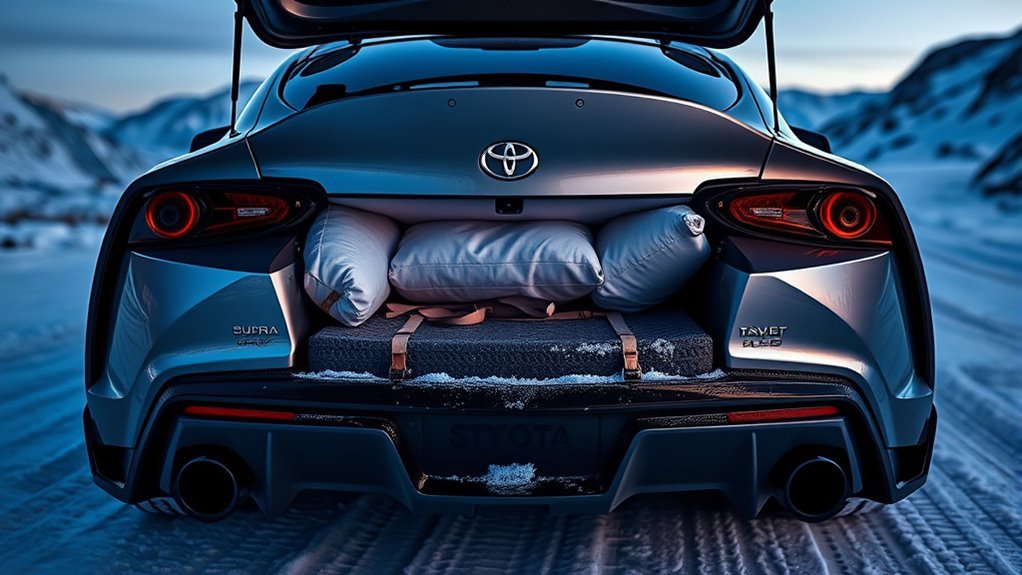
Do not treat improvised ballast as a substitute for proper winter tires or correct tire pressure. The Supra’s traction depends first on the tires, road surface, throttle input, and stability systems. Extra cargo also changes vehicle loading and can become dangerous if it is not secured.
If you carry sand or another abrasive material as part of an emergency kit, secure it firmly so it cannot slide or become a projectile during braking or a collision. Stay within the vehicle’s stated load limits and keep emergency tools accessible.
Note: If you need more winter traction, spend your effort on four suitable winter tires, correct pressure, adequate tread, and safer route selection before adding unnecessary weight.
How to Drive a RWD Supra in Snow: Steering, Throttle, Gears
Driving a rear-wheel-drive Supra in snow is about staying below the available traction limit. Keep your inputs slow and progressive: steer gently, accelerate gently, and brake earlier than you would on dry pavement.
Smooth Steering Inputs
Use small steering movements and look where you want the car to go. Avoid abrupt steering corrections because they transfer weight quickly and can exceed the tires’ limited grip on snow or ice.
If the rear begins to step out, smoothly reduce throttle rather than abruptly lifting or adding power, look toward the path you want to follow, and make small corrective steering inputs. Avoid sudden braking or large steering movements unless you must respond to an immediate hazard.
Throttle and Gear Control
Use gentle, progressive throttle and avoid aggressive Sport-mode responses on slippery roads. Leave Vehicle Stability Control active for normal winter driving. Stability control cannot create tire grip, but it can help manage excessive wheelspin and unwanted vehicle rotation within the traction available.
When Should You Use Supra Traction Mode?
Toyota describes Traction mode as a version of Vehicle Stability Control that prioritizes forward momentum on loose or difficult surfaces. The current Supra manual says it can be useful briefly in slush, on uncleared snow-covered roads, or when driving off from deep snow or loose ground.
Traction mode is not the normal setting for an entire winter trip. Toyota warns that driving stability is reduced during acceleration and cornering while the mode is active. Use it only when the extra wheel movement is needed, then return to the normal VSC setting once you are moving on a stable surface.
Braking Distance and Following Room
Brake much earlier than you would on dry pavement and increase your following distance substantially. If ABS activates, NHTSA advises firm, continuous brake-pedal pressure rather than pumping the pedal. Reduce speed before corners and avoid stopping on steep icy hills when a safer route is available.
How to Get Unstuck Safely: Traction, Recovery, and Flatbed Tips
If your Supra gets stuck, stop spinning the tires. Wheelspin can polish packed snow into ice and dig the tires deeper. Turn on the hazard lights if you are near traffic, keep people clear of the wheels, and if the car will remain stationary with the engine running, keep the exhaust outlet clear of snow.
- Clear snow first. Shovel around the tires and remove packed snow from beneath the car where it is safe to reach.
- Add traction. Place sand, kitty litter, or purpose-made traction boards where the drive tires can use them.
- Use Traction mode briefly if needed. Toyota specifically identifies it for moving off from deep snow or loose ground. Use light throttle and return to normal VSC operation after the car is moving.
- Stop if the car will not move. Repeated wheelspin or aggressive rocking can make the situation worse.
- Request loading-platform transport. Toyota’s manual says the Supra should be transported on a loading platform rather than towed with one axle lifted. Tell the recovery company that the car is a low-clearance GR Supra.
Warning: Do not use kinetic recovery straps, hard jerks, suspension parts, wheels, body panels, or the screw-in tow fitting as improvised snow-recovery anchors. Toyota limits the supplied tow fitting to its intended towing use on paved roads and warns against lateral loading or lifting the vehicle by the fitting.
Supra Winter Kit and Post-Drive Care: Washing and Undercarriage Maintenance
A compact winter kit gives you options if traffic stops, weather changes, or the car gets stuck. The National Highway Traffic Safety Administration recommends supplies including a snow shovel, broom, ice scraper, abrasive material, jumper cables, flashlight, warning devices, first aid kit, blankets, phone charger, water, food, and necessary medicine.
[Products Worth Considering]

WARM TIPS: If you want to use both undercarriage pressure washer and foam cannon, please use the large aperture brass car undercarriage cleaner's nozzle; If you use small diameter stainless steel under car washer's nozzle, it will cause LEAKAGE at the junction between the foam cannon and power washer wand

【Powerful High-Pressure Impact for Deep Undercarriage Cleaning】This heavy-duty undercarriage cleaner delivers strong water impact and multiple spray nozzles designed to blast away dried mud, dirt, and debris from every corner of your vehicle’s chassis. Perfect for car enthusiasts or professional detailers who demand a thorough clean, especially after off-road adventures or winter road salt exposure.

Come with 13 inch pressure washer undercarriage cleaner with 4 nozzles and 2 casters. 1/4" quick connect 13 inch pressure washer extension wand and 13 inch 45 degree pressure washer angle wand
What to Keep in the Car
- Snow brush and ice scraper
- Compact shovel
- Traction material such as sand or kitty litter
- Flashlight or headlamp with spare batteries
- Phone charger or power bank
- Blanket, gloves, hat, and warm layers
- First aid kit
- Jumper cables or charged jump starter
- Water and shelf-stable snacks
- Reflective warning triangles or LED warning lights
Wash and Inspect After Salty Drives
After winter drives, remove salt and slush from the body, wheel wells, wheels, and underbody when temperatures allow. Toyota specifically recommends frequent winter washing because road salt and heavy soiling can damage the vehicle.
If you use high-pressure equipment, follow Toyota’s care limits: keep water temperature at or below 140°F/60°C, maintain at least 12 in/30 cm from sensors, cameras, and seals, and do not spray one area continuously. After washing, Toyota also advises applying the brakes briefly in a safe area to help dry the brake discs and pads.
Check for packed snow behind the wheels and beneath the front of the car. Frozen buildup can affect wheel balance, rub surrounding components, or reduce already-limited ground clearance on the next drive.
When Not to Drive Your Supra in Winter
Even with winter tires, there are times when the better choice is to leave the Supra parked. Postpone the trip when snow is deep enough to pack beneath the car, freezing rain is falling, roads are untreated, visibility is poor, or the route requires tire chains. Also avoid winter driving if the tires are damaged or below Toyota’s winter tread guidance, the battery cannot reliably start the car, washer fluid is frozen, or the glass cannot be kept clear.
Real-world Supra tests show why road condition matters as much as tire grip. Car and Driver’s long-term 2020 Supra repeatedly became high-centered when several inches of snow packed beneath the car despite winter tires. In contrast, The Car Guide’s 2021 winter test found good traction with Pirelli SottoZero tires on snowy roads but still identified snowbanks and low ground clearance as important limits. These older MkV tests point to the same practical lesson: suitable tires help, but they cannot give a low sports car SUV-like snow clearance.
Frequently Asked Questions
Is a Toyota Supra good for winter?
A Supra can work on plowed winter roads with four quality winter tires, correct tire pressure, and a careful driver. Its main limitation is low ground clearance, so deeper or uncleared snow can stop the car even when the tires still have traction.
Can you drive a Supra in snow with all-season tires?
Some all-season tires can manage occasional light, plowed snow, but Toyota recommends winter tires for winter roads and says M+S all-season tires generally do not provide the same winter performance. Use four proper winter tires for regular snow, slush, or icy conditions.
Should I put winter tires only on the rear of a Supra?
No. Use four matching winter tires. A rear-only winter setup can leave the front axle with much less steering and braking grip than the rear, creating an unbalanced car on snow or ice.
How much tread depth do winter tires need for a Supra?
Toyota’s current Supra manual says tires with less than 0.16 in/4 mm of tread are less suitable for winter operation. Replace a tire sooner if it is cracked, bulged, cut, unevenly worn, or otherwise damaged.
Should traction control stay on in snow?
Yes. Leave Vehicle Stability Control active for normal winter driving. Toyota’s Traction mode can be used briefly in slush, uncleared snow, or when moving off from deep snow or loose ground, but Toyota warns that driving stability is reduced while the mode is active.
Can you put tire chains on a Toyota Supra?
No. Toyota’s current Supra owner’s manual says tire chains cannot be mounted because they can damage the vehicle body or suspension and adversely affect driving performance. Use winter tires instead, and choose another vehicle if chains are mandatory on your route.
What kind of tow truck should recover a stuck Supra?
Toyota says the Supra should be transported on a loading platform rather than towed with one axle lifted. Request a flatbed or equivalent loading-platform recovery vehicle and tell the operator that the Supra has low ground clearance.
Conclusion
A Toyota Supra can handle winter driving on cleared roads when it has four proper winter tires, correct cold tire pressure, good visibility, a healthy battery, and a prepared driver. Leave VSC active, use Traction mode only briefly when Toyota’s specified loose-surface conditions call for it, and remember that tire chains cannot be mounted. The biggest hard limit is deep snow: once accumulation can pack beneath the low car, leave the Supra parked and use a higher-clearance vehicle.
Sources
- Toyota Supra Owner’s Manual — winter tires, winter tread guidance, VSC/Traction mode, snow-chain prohibition, towing/transport, and winter vehicle-care guidance.
- NHTSA Winter Weather Driving Tips — winter preparation, batteries, washer fluid, ABS use, emergency supplies, tire checks, and stranded-vehicle safety.
- Tire Rack: All-Season vs. Winter Tire Snow Test — rear-wheel-drive packed-snow braking, acceleration, and cornering comparison.
- Bridgestone Tire Inflation Guidance — monthly cold-pressure checks and the approximate 1 PSI per 10°F temperature relationship.
- Car and Driver: Long-Term Toyota Supra Winter Experience — real-world winter-tire use and deep-snow clearance limitations.
- The Car Guide: 2021 GR Supra Winter Test — snow driving with winter tires and low-clearance observations.