
Brake fade in a Toyota Supra is not “weak brakes” in the simple sense. It is a heat problem. Repeated hard braking can overheat the pads, rotors, calipers, or brake fluid until the system no longer turns speed into heat in a controlled way. The result can be a longer stop, a firmer pedal with less bite, or a soft pedal that sinks farther than normal. Treat any sudden change in pedal feel or stopping distance as a safety warning, not as a normal part of spirited driving.
Quick Answer
To stop brake fade on a Toyota Supra, slow down safely, let the brakes cool, inspect pads and rotors, bleed old or overheated fluid, and use pads and brake fluid matched to your driving style. For track use, prioritize high-temperature pads, fresh DOT 4 racing fluid, correct bedding, and regular post-session inspections.
Key Takeaways
- A firm pedal with less stopping power usually points to pad fade; a soft or sinking pedal often points to fluid boiling or air in the hydraulic system.
- Fresh, correct-spec brake fluid matters because glycol-based DOT 3, DOT 4, and DOT 5.1 fluids absorb moisture over time, lowering boiling resistance.
- Street pads, track pads, rotors, tires, and fluid must work as a system. A single upgrade will not fix overheating caused by the wrong pad compound or poor maintenance.
- If the pedal becomes very soft, the brake warning light appears, or the car will not stop normally, stop driving and have the Supra inspected before continuing.
At a Glance
| Time Required | 10–20 minutes for a roadside cool-down check; 1–3 hours for pad inspection, fluid bleed, or bedding work |
| Difficulty | Moderate for inspection; advanced for bleeding, pad replacement, or track setup |
| Tools Needed | Flashlight, jack stands, torque wrench, brake fluid tester or fresh fluid, bleed tools, gloves, eye protection |
| Cost | Low for fresh fluid; moderate to high for performance pads, rotors, lines, or professional labor |
Warning: Do not keep pushing the car if the brake pedal sinks, smoke is visible, the brakes smell burned, or stopping distance suddenly increases. Find a safe place to stop, let the system cool, and arrange inspection before driving hard again.
What Brake Fade Means for a Supra
Brake fade is a loss of braking effectiveness caused by heat. In a Toyota Supra, the heat load rises quickly during repeated hard stops, mountain-road descents, autocross runs, or track sessions. The brake system is designed to convert motion into heat through pad-and-rotor friction, but every pad compound, rotor, caliper, and fluid has a useful temperature range.
When that range is exceeded, the Supra may still have working brakes, but not the same predictable braking force. The problem can come from the friction side, the hydraulic side, or both at the same time.
- Pad fade: The pads get too hot for their compound and lose friction against the rotor.
- Fluid boil or vapor lock: Brake fluid gets hot enough to form vapor bubbles, which compress under pedal pressure and make the pedal feel soft or long.
- Green fade: New pads that were not bedded correctly release gases and resins under heat, reducing bite.
- System heat soak: Calipers, rotors, wheel bearings, lines, and nearby parts hold heat after repeated stops, making the next braking event worse.
Toyota’s owner information for the Supra notes that time-dependent maintenance items, including brake fluid service, should be performed by a Toyota dealer or qualified service provider. Follow the maintenance reminder system and shorten service intervals for track use, repeated high-speed braking, or very aggressive driving. Toyota Supra owner information
How Brake Fade Shows Up: 6 Warning Signs to Watch
Brake fade usually gives you a warning before total loss of confidence. The key is to notice whether the pedal feel changed, the stopping distance changed, or both.
1. Soft or Spongy Brake Pedal
A soft, spongy, or sinking pedal usually points to a hydraulic problem. Under heat, old or moisture-contaminated fluid can boil and create vapor bubbles. Air in the system, a leaking component, or a swollen rubber hose can feel similar, so do not assume it is “just fade.”
Brake fluid choice matters. U.S. FMVSS No. 116 lists minimum boiling-point requirements for DOT brake fluids, and high-performance fluids can exceed those minimums. For example, Motul’s RBF 600 technical data sheet lists a dry boiling point of 312°C / 594°F and a wet boiling point of 204°C / 399°F. 49 CFR 571.116 Motul RBF 600 technical data sheet
2. Firm Pedal but Less Bite
If the pedal still feels firm but the car does not slow as hard as expected, suspect pad fade. This often happens when a street pad is pushed beyond its temperature range. You press harder, but the brakes feel dull, wooden, or unwilling to bite.
3. Longer Stopping Distance
Longer stopping distance is the most important real-world symptom. It means the Supra is no longer slowing at the rate your foot and brain expect. Even if the pedal feels normal, back off and let the brakes cool.
4. Burning Smell or Visible Smoke
A sharp burned smell after repeated braking often means the pads, rotors, or nearby hardware are overheated. Light odor after a bedding cycle can be normal, but smoke, a harsh acrid smell, or repeated odor during normal driving calls for inspection.
5. Brake Pull, Vibration, or Pulsing
Pulling to one side can come from uneven pad deposits, caliper drag, uneven tire grip, or a hydraulic issue. Vibration can come from uneven pad transfer, rotor thickness variation, or heat-damaged rotors. Do not diagnose vibration as “warped rotors” until the pads, rotors, calipers, and hub faces are inspected.
6. Squeal, Grinding, or Glazed Pad Surfaces
Noise alone does not prove fade, but squeal with reduced bite can mean overheated or glazed pads. Grinding means the car needs immediate inspection because the friction material may be worn out or hardware may be contacting the rotor.
Pad Fade vs. Fluid Boil: How to Tell the Difference
The fastest way to narrow the problem is to compare pedal feel with braking force. Brembo describes brake fading and vapor lock as separate heat-related problems, and the fix changes depending on which one you have. Brembo brake fading and vapor lock guide
| Symptom | Most Likely Cause | What to Do |
|---|---|---|
| Firm pedal, less bite | Pad fade or glazed pads | Cool the brakes, inspect pads and rotors, choose a higher-temperature pad if needed |
| Soft, long, or sinking pedal | Fluid boil, air, leak, or hose expansion | Stop hard driving, inspect for leaks, bleed with fresh correct-spec fluid |
| Smoke or strong burned smell | Overheated pads, rotors, or calipers | Let the system cool fully; inspect before another aggressive session |
| Vibration after hard use | Uneven pad transfer, heat spots, rotor variation | Check rotor faces, pad deposits, hub cleanliness, and caliper hardware |
| Fade only with new pads | Improper bedding or wrong pad compound | Follow the pad maker’s bedding procedure and recheck pad/rotor surfaces |
Note: A soft pedal after a track session can feel like normal heat fade, but it can also mean boiled fluid, a leak, or trapped air. If the pedal does not return to normal after cooling, do not drive the car hard.
Rapid Diagnostic Checklist: Pads, Rotors, Lines, Fluid
Use this checklist after the car is parked safely, the brakes have cooled, and the Supra is supported correctly. Hot brake parts can burn skin and hot fluid can damage paint, so wear gloves and eye protection.
[Products Worth Considering]
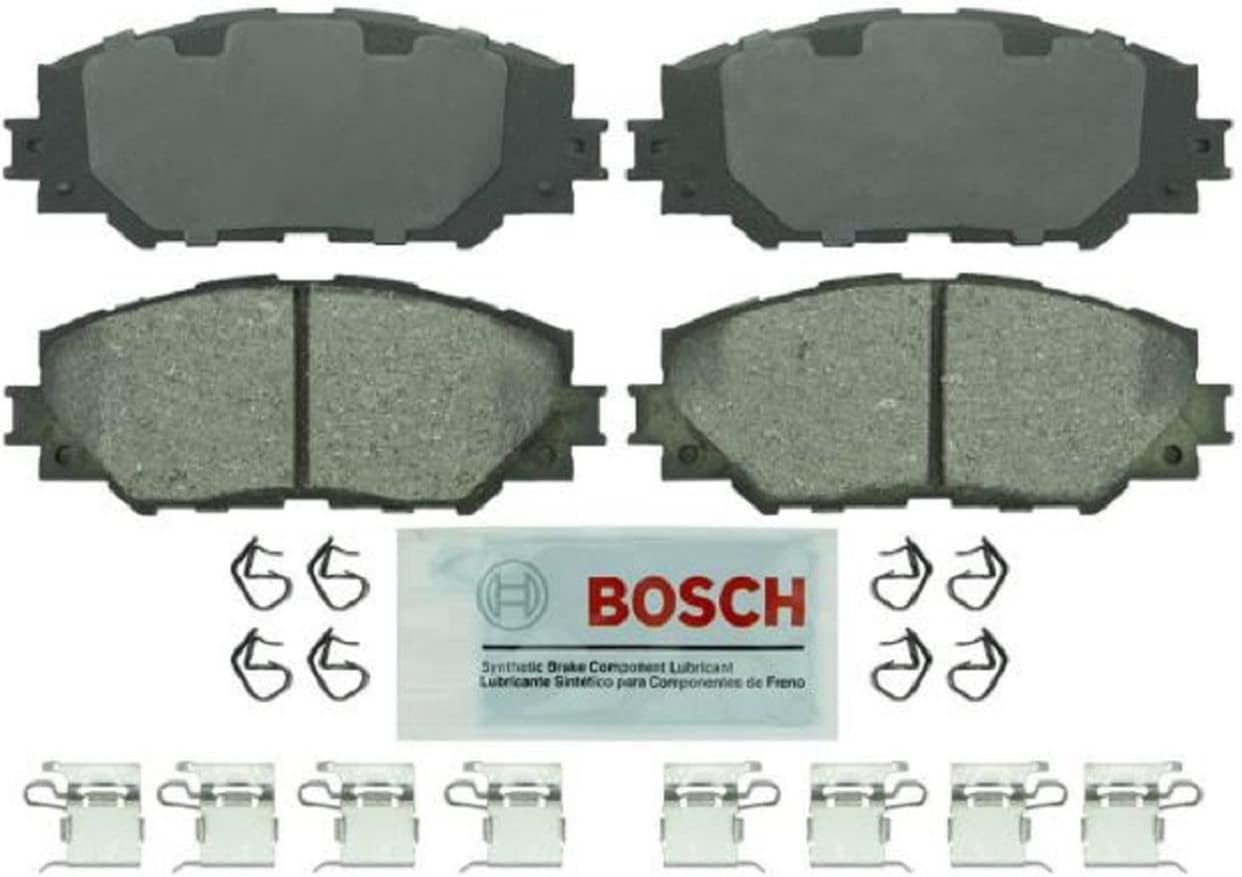
Bosch Blue ceramic front brake pads deliver dependable stopping power with platform-specific friction material designed for select Lexus, Pontiac, Scion, and Toyota vehicles. OE-style shims, slots, and chamfers help promote quiet braking, while the rust-inhibitive coating supports long-lasting performance and cleaner operation. The set includes hardware and synthetic lubricant for easier installation on one axle.
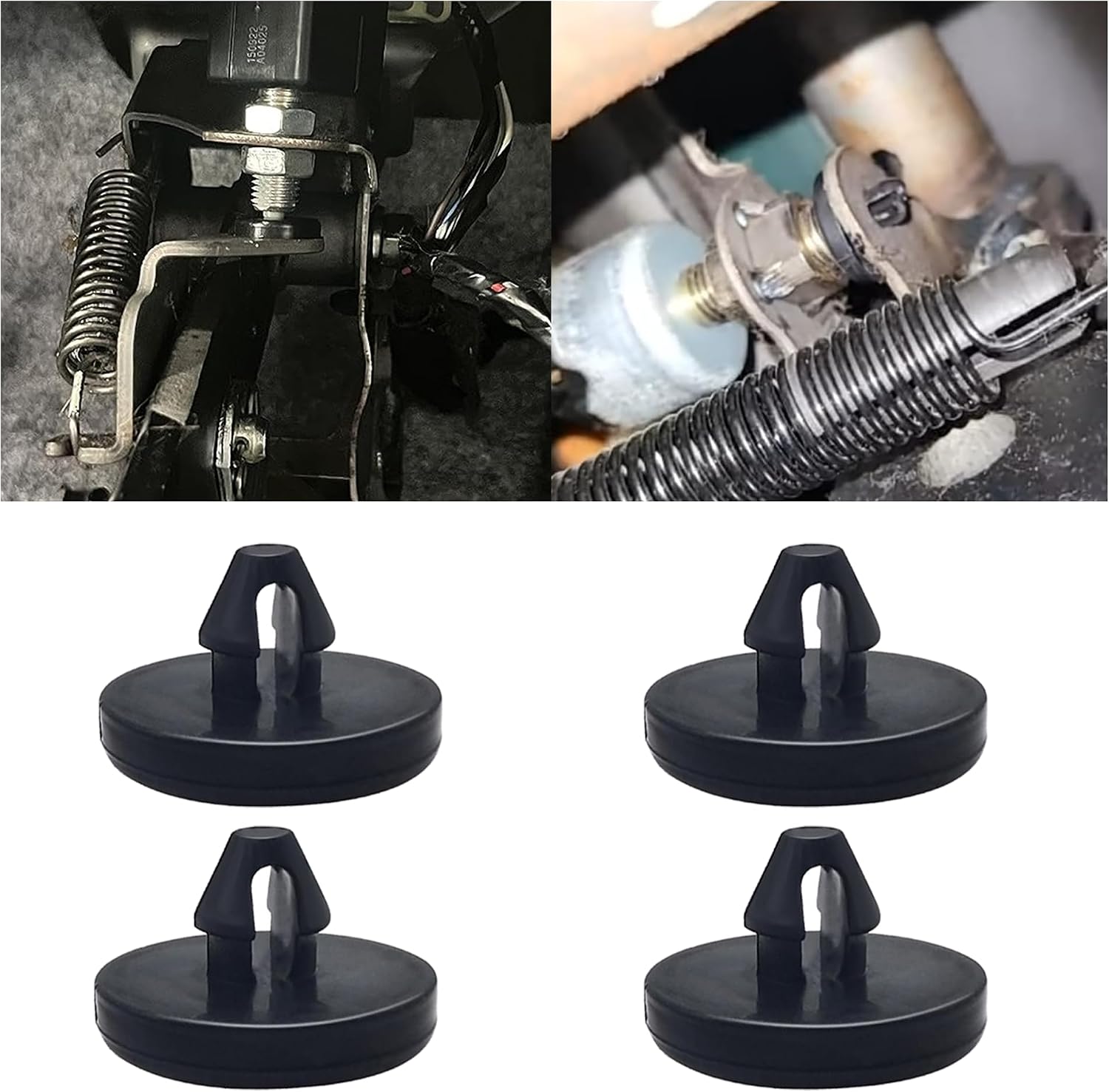
This brake pedal stop pad set is designed as an OEM replacement for compatible Toyota, Lexus, and Scion models, helping restore proper brake light switch function when the brake light stays on. Made from durable nylon, these compact stoppers are built for reliable long-term use and quick, tool-free installation. The set includes multiple pieces for convenient replacement and sharing.

Bosch QuietCast premium ceramic rear brake pads are engineered for quiet, reliable stopping power with low dust performance. Featuring pre-attached multilayer shims, corrosion-resistant backing plates, and OE-style slots and chamfers, this set is designed for smooth fitment and long-lasting durability. It includes pads for one axle, plus hardware and lubricant where available, making installation easier for compatible Lexus, Pontiac, and Toyota vehicles.
Pad Condition Check
- Measure pad thickness: Check inner and outer pads on both sides. Uneven wear can point to a sticking caliper, seized slide, or poor pad contact.
- Look for glazing: A shiny, hard pad face can reduce bite and cause squeal.
- Check for cracking or crumbling: Track heat can damage pads that are not designed for sustained high temperature.
- Inspect pad transfer: A smooth, even transfer layer is good; blotchy deposits can cause vibration and inconsistent bite.
Rotor Assessment
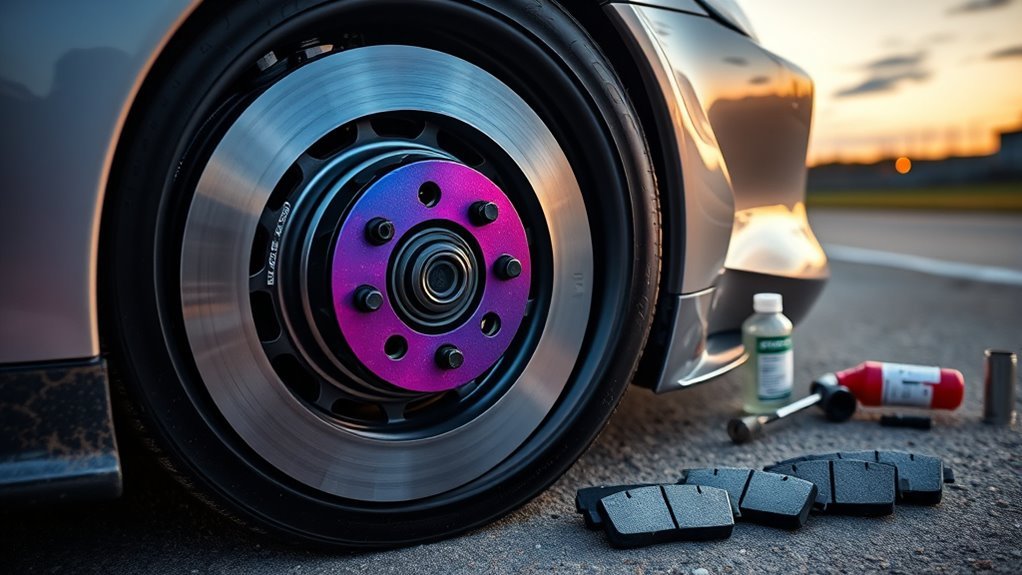
- Look for heat spots: Blue, purple, or dark patches may indicate severe heat cycles.
- Check for cracks: Small surface checking can appear on some performance rotors, but cracks reaching an edge or drilled hole require replacement.
- Feel for heavy ridges: Deep grooves or lips mean the rotor may be near its service limit.
- Check both faces: The inside face can be worse than the outside face and is easy to miss.
Fluid and Line Inspection
Brake fluid should be clean, correct for the car, and replaced on schedule. Brembo recommends following the vehicle manufacturer’s brake-fluid interval and notes that fluid commonly deteriorates as it absorbs moisture over time. Brembo brake fluid guidance
- Check fluid condition: Dark, cloudy, or contaminated fluid should be replaced.
- Inspect the reservoir level: A sudden drop can mean a leak or very worn pads.
- Inspect hoses: Cracks, swelling, chafing, or dampness are warning signs.
- Use the correct fluid: Do not mix silicone DOT 5 fluid into a system designed for glycol-based DOT 3, DOT 4, or DOT 5.1 fluid.
- Store fluid correctly: Keep bottles tightly closed because many brake fluids absorb moisture from air after opening.
Calipers, Hardware, Tires, and Driving Conditions
Brake fade is not only a pad-and-fluid problem. A dragging caliper adds heat before you even brake hard. Worn tires can make the brakes feel weak because the tire, not the caliper, limits deceleration. A heavily loaded car, repeated downhill braking, or back-to-back track laps can overwhelm a setup that feels perfect on the street.
What to Do Right Now If Your Brakes Start Fading
If the brakes fade while driving, your goal is to reduce heat without creating another hazard.
- Stay calm and look far ahead. Create space and avoid sudden inputs.
- Reduce speed gradually. Use light, brief brake applications instead of riding the pedal.
- Downshift when safe. Engine braking can reduce the load on the brake system.
- Stop in a safe place. Let the brakes cool without parking where hot parts can ignite dry grass or debris.
- Do not set the parking brake hard on very hot rear brakes. Let the system cool first when possible.
- Inspect before continuing. Look for smoke, fluid leaks, severe odor, warning lights, or a pedal that still feels wrong.
Warning: If the pedal goes near the floor, braking is inconsistent, or a leak is visible, do not try to “limp it home.” Have the Supra towed to a qualified technician.
Everyday and Track Prevention Steps That Work
The best way to prevent brake fade is to match the brake setup to how the Supra is used. A quiet street setup, an autocross setup, and a full track-day setup have different priorities.
Use Fresh, Correct-Spec Brake Fluid
For normal street driving, follow Toyota’s service reminders and maintenance guidance. For track days, many drivers bleed or replace fluid more often because high brake temperatures age fluid faster. Use a fluid compatible with the brake system and suitable for your driving. A high-temperature DOT 4 racing fluid can improve boiling resistance, but it still absorbs moisture and still needs regular replacement.
Choose the Right Pad Compound
Street pads are quiet, low-dust, and effective when cold, but many are not built for repeated high-speed stops. Track pads tolerate more heat but may be noisy, dusty, abrasive, and less friendly when cold. The safest choice is not always the most aggressive pad; it is the compound that fits your tire grip, rotor, driving pace, and temperature range.
Bed Pads and Rotors Correctly
New pads need a controlled heat cycle so the pad lays down an even transfer layer on the rotor. Poor bedding can cause green fade, vibration, uneven deposits, and weak initial bite. Always follow the specific pad manufacturer’s bedding instructions because street, hybrid, and race compounds can require different procedures.
Do Not Ride the Brakes on Descents
Long downhill braking can overheat even a healthy brake system. Use lower gears where safe, brake firmly for short periods, and release the pedal to let air move through the brakes.
Inspect After Aggressive Driving
After a spirited drive or track session, inspect the pads, rotor faces, fluid color, and pedal feel. Catching early heat damage is cheaper than replacing calipers, rotors, and lines after a severe overheating event.
Pro Tip: Keep a simple brake log for track use: pad compound, fluid type, bleed date, rotor condition, tire type, track, ambient temperature, and pedal feel. Patterns show up quickly and make future upgrades easier to choose.
Best Supra Brake Upgrades for Street vs. Track Use
Brake upgrades should solve a specific problem. Do not install parts only because they look aggressive. Start with the symptom: pad fade, fluid boil, vibration, poor pedal feel, or rotor heat damage.
[Products Worth Considering]

Bendix Premium Ceramic Front Brake Pads are engineered to match original equipment fit, form, and function for a straightforward replacement. Built with durable materials to help resist wear and corrosion, they support consistent braking performance and reduced brake fade for everyday driving. These pads are a dependable choice for compatible Pontiac, Scion, Toyota, and related vehicles.

This Yuirote universal car motor diagnostic tool helps drivers quickly detect engine fault codes and identify system issues for routine inspections and maintenance. It also supports electronic parking brake reset and emergency release functions, making it useful for handling EPB-related problems without a repair shop visit. Its compact, ergonomic design and broad vehicle compatibility make it a practical choice for car owners and DIY repair enthusiasts.

This flexible oil funnel is designed to make fluid changes cleaner and easier by guiding oil around obstacles like skid plates and crossmembers. Its shape-retaining core and silicone body can be molded for custom positioning, while the heat-resistant, leak-proof design helps prevent spills during draining and filter removal. Reusable and easy to clean, it works well for cars, trucks, motorcycles, and other hard-to-reach fluid fill or drain applications.
Best First Upgrades for Street and Spirited Driving
- Quality performance street pads: Choose a compound that works cold and resists moderate heat.
- Fresh DOT 4 brake fluid: Use fluid that meets the vehicle’s requirements and replace it on schedule.
- Good tires: Tires determine how much braking force the car can use before ABS intervention.
- Healthy rotors and calipers: Worn or damaged parts will not be fixed by better pads alone.
Best First Upgrades for Track Days
- Track-capable pads: Use pads rated for the heat range of your track pace.
- High-temperature brake fluid: Use a compatible racing DOT 4 fluid and bleed before events.
- Rotor inspection or upgraded rotors: Choose rotors based on durability, heat capacity, and replacement cost.
- Cooling and technique: Brake ducts, cool-down laps, and proper braking technique can matter as much as parts.
- Stainless-steel braided lines: Quality lines can improve pedal consistency, but they do not fix boiled fluid or overheated pads.
What to Avoid
- Do not mix incompatible fluid types. Silicone DOT 5 is not a universal upgrade.
- Do not use track-only pads for cold street use unless the manufacturer says they are street-safe.
- Do not ignore rear brakes. Rear pad condition, rotor condition, and stability systems affect the whole braking balance.
- Do not assume drilled rotors are always better. Some drilled designs can crack under severe track heat if not suited to the application.
Bedding, Bleeding, and Maintenance to Reduce Fade
How to Bed Brake Pads Safely
Follow the pad manufacturer’s instructions first. If no procedure is provided, use a conservative bedding approach on a safe road or closed course where repeated braking is legal and safe.
- Warm the brakes with several light stops.
- Make a series of moderate decelerations without coming to a full stop on hot pads.
- Increase brake pressure gradually if the pad maker’s instructions require it.
- Drive at speed with minimal braking to cool the system.
- Avoid holding the car stopped with the brake pedal while pads and rotors are very hot.
The goal is an even transfer layer, not smoke, panic stops, or ABS activation. If the brakes smell extremely burned or pedal feel changes sharply, stop the bedding cycle and let the system cool.
How to Bleed Brake Fluid Correctly
Brake bleeding removes old fluid and air from the system. Use the fluid type recommended for the car and never allow the reservoir to run dry. If the Supra has been overheated severely, or if you are not comfortable with ABS-equipped brake systems, have a qualified technician perform the service.
- Protect painted surfaces from brake fluid.
- Use fresh fluid from a sealed container.
- Bleed until clean, bubble-free fluid exits each caliper.
- Torque wheels correctly after service.
- Test the pedal at low speed before returning to normal driving.
Maintenance Schedule for Fade Prevention
| Use Case | What to Check | Best Practice |
|---|---|---|
| Daily driving | Fluid level, brake warning lights, noise, pedal feel | Follow Toyota service reminders and inspect during routine maintenance |
| Spirited road driving | Pad thickness, rotor condition, fluid color, hose condition | Inspect more often and use a pad/fluid combination suited to heat |
| Autocross | Pad bite, rotor deposits, pedal consistency | Use pads that work from cold but tolerate repeated short runs |
| Track days | Pads, rotors, fluid, caliper dust boots, tires, torque marks | Bleed before events, inspect after sessions, and replace heat-damaged parts early |
Troubleshooting: Match the Symptom to the Fix
| Problem | Likely Reason | Fix |
|---|---|---|
| Brakes fade after a few hard stops | Pad compound too mild for heat | Upgrade to a higher-temperature pad and bed it properly |
| Pedal gets soft during hard driving | Fluid boiling, moisture, or air | Bleed with fresh compatible high-temperature fluid and check for leaks |
| Vibration appears after track use | Uneven pad deposits or heat-stressed rotors | Inspect rotor faces, re-bed if appropriate, replace damaged rotors |
| One wheel smells hotter than the others | Sticking caliper, hose restriction, or parking brake issue | Inspect caliper movement, hoses, hardware, and rear brake components |
| New pads feel weak | Not bedded, wrong compound, contaminated rotor | Confirm pad type, clean/inspect rotors, and repeat the proper bedding procedure |
[Products Worth Considering]
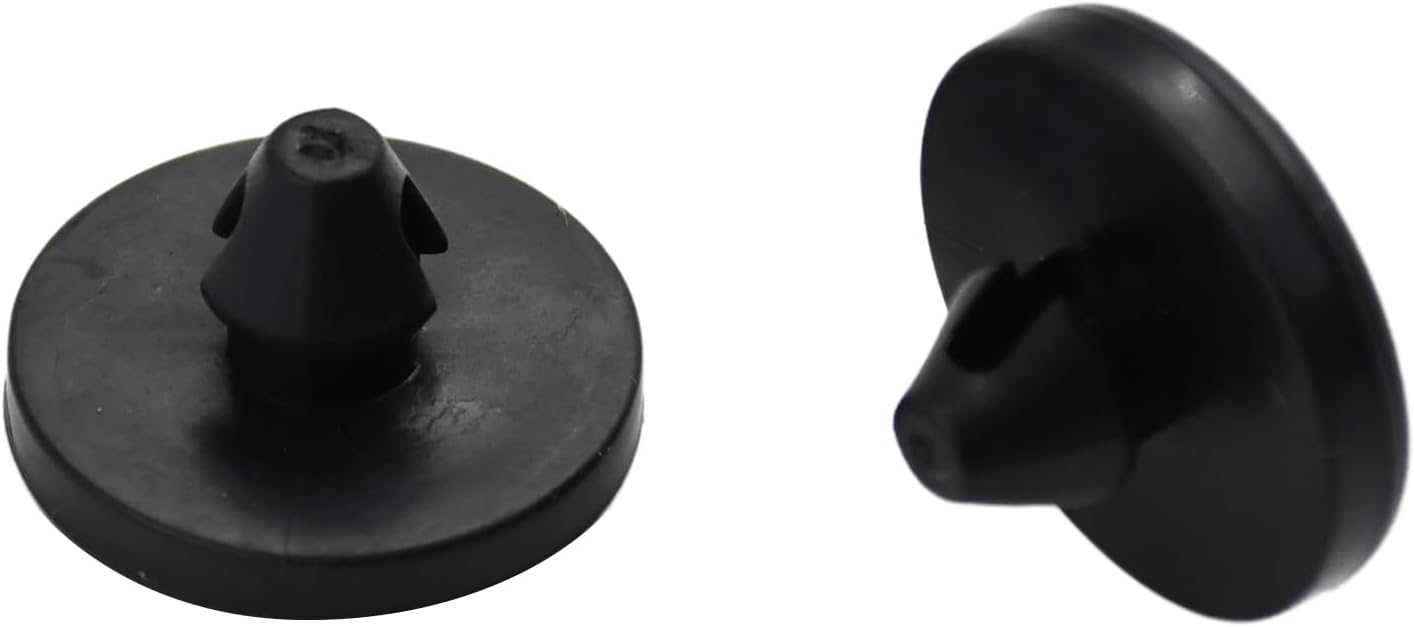
This brake switch stopper set helps restore proper brake pedal and brake light switch operation on a wide range of Toyota, Lexus, and Scion vehicles. Designed as a direct replacement part, it supports reliable pedal contact and can help fix worn or missing stoppers that affect brake light function. The package includes two stoppers for convenient replacement or spare use.

This A-Premium cartridge engine oil filter is designed for a wide range of Toyota and Lexus vehicles, helping support cleaner oil flow and dependable engine protection. With high filtration efficiency and included O-rings, it offers a practical replacement solution for routine maintenance. Built for extended service intervals, it is suitable for conventional or synthetic oil applications.
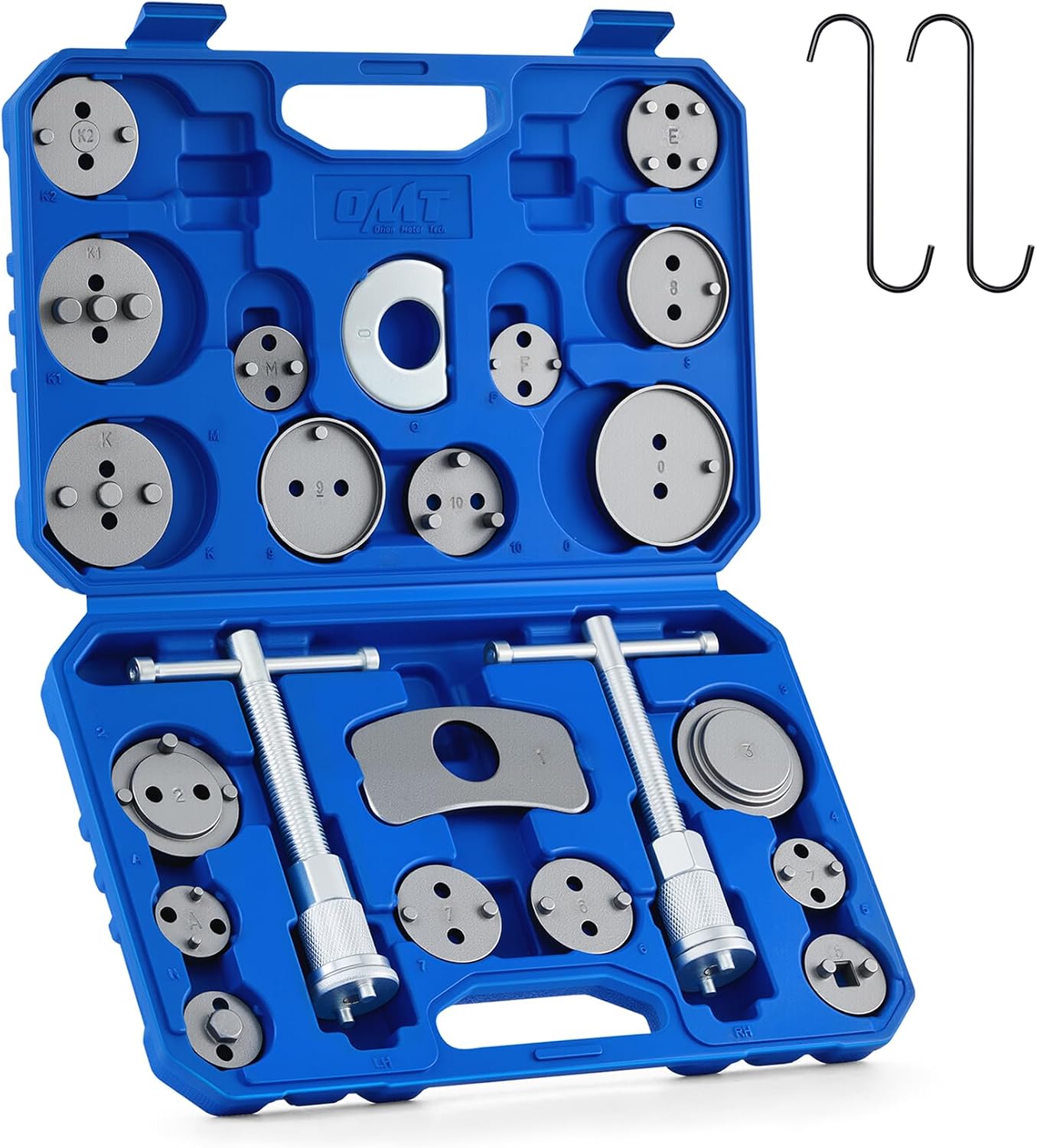
This 24-piece brake caliper compression tool set helps you quickly and safely rotate pistons back into the caliper during brake pad service. It includes multiple adapters, retaining plates, thrust bolt assemblies, and hangers for broad vehicle compatibility, while the heavy-duty steel construction and organized storage case make it ideal for reliable shop or home repairs.
Frequently Asked Questions
What causes brake fade on a Toyota Supra?
Brake fade is caused by excess heat. The most common causes are overheated pads, boiled brake fluid, improper pad bedding, worn rotors, dragging calipers, old fluid, repeated downhill braking, or using street pads beyond their intended temperature range.
How do I fix brake fade?
First, stop aggressive driving and let the brakes cool. Then inspect pads, rotors, calipers, hoses, and fluid. Replace overheated or worn parts, bleed old fluid, bed pads correctly, and choose pads and fluid that match your driving. If the pedal remains soft, have the car inspected before driving.
How can I tell pad fade from brake fluid boil?
Pad fade usually feels like a firm pedal with less bite. Fluid boil usually feels like a soft, long, or sinking pedal because vapor bubbles compress under pressure. Both can happen together after severe heat, so inspect the whole system.
How long do Supra brakes last?
Brake life depends on driving style, pad compound, tires, road conditions, and track use. Street-driven pads can last many thousands of miles, while track pads may wear quickly in a few events. Inspect pad thickness and rotor condition instead of relying only on mileage.
Is high-temperature brake fluid enough to stop fade?
No. High-temperature fluid helps prevent fluid boil, but it will not stop pad fade if the pad compound is wrong for the heat. A fade-resistant setup needs compatible pads, healthy rotors, fresh fluid, good tires, proper bedding, and smart driving technique.
Can I drive after the brakes cool down?
Only drive gently if the pedal returns to normal, no warning lights are present, no leaks are visible, and the brakes respond normally at low speed. If the pedal is still soft, the car pulls, smoke appears, or stopping feels inconsistent, do not continue driving.
Conclusion
Brake fade on a Toyota Supra is preventable when you treat it as a heat-management problem. A soft pedal, dull bite, smoke, vibration, or longer stops all point to a system that needs attention. Start with fresh correct-spec fluid, healthy pads and rotors, proper bedding, and a brake setup matched to the way you drive. For track use, inspect often and upgrade with a purpose. Predictable brakes come from the whole system working together.
Sources
- Toyota Supra Owner Information — Maintenance — supports Toyota’s guidance on time-dependent maintenance items such as brake fluid service.
- Brembo: Brake Fading and Vapour Lock — supports the difference between brake fade and vapor lock plus prevention advice.
- Brembo Brake Fluid Guide — supports brake-fluid selection, moisture concerns, and fluid replacement guidance.
- Motul RBF 600 Technical Data Sheet — supports dry and wet boiling point specifications and fluid handling cautions.
- 49 CFR 571.116: Motor Vehicle Brake Fluids — supports federal DOT brake-fluid boiling point and performance requirements.



Spinning some reels over at one21slots. They have a decent selection of games. Wish me luck!