The Toyota Supra has long defined the performance of Japanese sports cars through its signature inline-six engines. From the modest beginnings of the Mk1 to the modern turbocharged power of the Mk5, each generation provides a distinct platform for enthusiasts. You will find that understanding these power differences helps you choose the right generation for your specific goals.
Quick Answer
Supra horsepower ranges from about 110 hp in the first generation to 382 hp in the modern Mk5. While the Mk4 is famous for its massive tuning potential, each generation offers a different balance of mechanical simplicity, classic style, and modern performance technology.
Supra Horsepower Evolution (Mk1 to Mk5)

Toyota gradually increased the displacement and technical complexity of the Supra engine lineup over several decades. The Mk1 Celica Supra started with a 2.6L engine making about 110 hp. By the time the Mk4 arrived with the 2JZ-GTE, the factory rated output reached 320 hp. Today, the Mk5 uses a BMW-sourced engine to produce 382 hp in its current form.
Mk1 (Celica XX) 1978–1981: Stock Performance
The first Supra lineage began with the Celica XX, which featured a 2.6-liter inline-six engine. This engine produced between 110 and 117 hp during its production run. You will find that the Mk1 focuses on mechanical simplicity rather than high-speed performance. Enthusiasts who own these cars often prefer light modifications like intake and exhaust work to improve throttle response without changing the vintage character of the car.
Mk2 (A60) 1982–1986: Stock Performance and Reliability
The Mk2 Supra introduced the 2.8-liter 5M-GE engine. Early models produced 145 hp, while the 1984 refresh updated the intake manifold and raised the compression ratio to reach 160 hp. Toyota offered the car in P-type (performance) and L-type (luxury) trims. If you are shopping for an A60, inspect the hatch and shock towers closely, as these areas commonly suffer from rust issues.
The Mk2 A60 Supra uses a refined 5M-GE inline-six engine. Output increased from 145 hp to 160 hp after the 1984 model year refresh.
- Stock: 145 hp in early years; 160 hp after 1984.
- Trims: P-type focuses on sport; L-type focuses on comfort.
- Tuning: Simple modifications like exhaust and intake systems allow for modest power gains.
Mk3 (A70) 1986–1992: NA vs Turbo
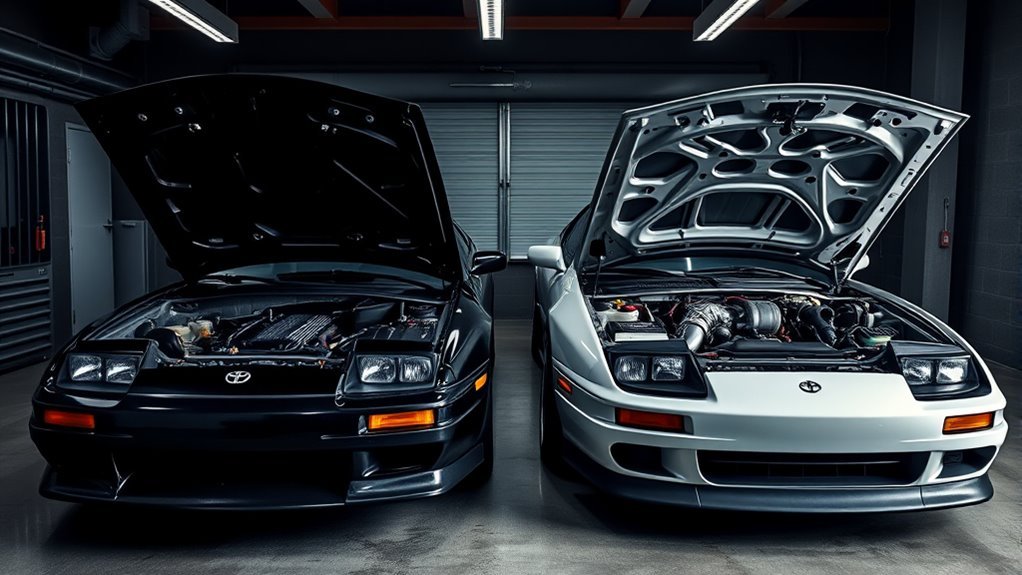
The Mk3 offered two distinct engine paths: the naturally aspirated 7M-GE and the turbocharged 7M-GTE. The naturally aspirated engine produced about 200 hp, providing a predictable and smooth power delivery. The 7M-GTE turbocharged variant produced 232 hp and offered significantly more potential for aftermarket modification.
[Products Worth Considering]
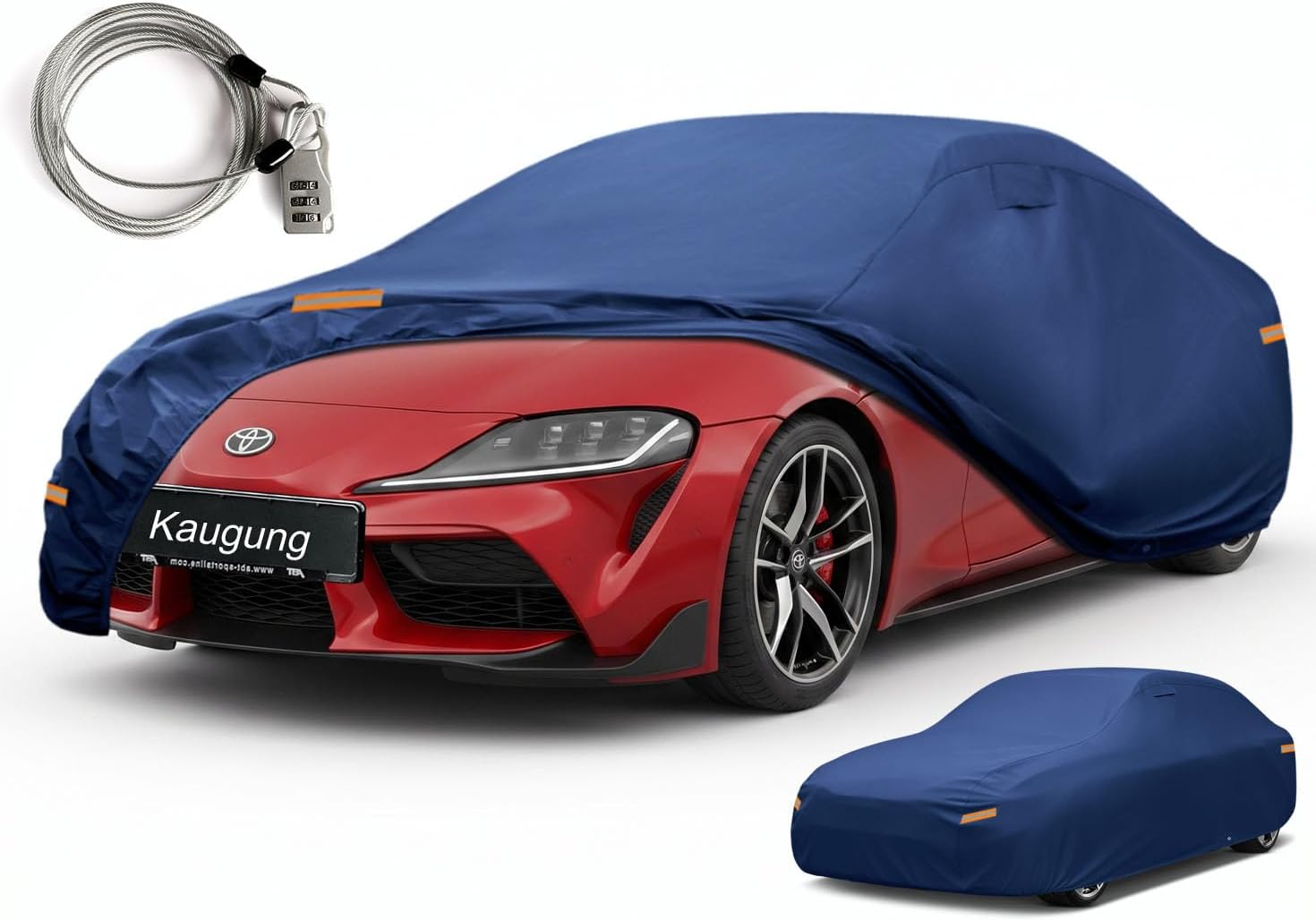
This custom-fit car cover is designed for Toyota Supra and GR Supra models, offering dependable all-weather protection for both indoor and outdoor use. Built with durable Oxford fabric and a soft cotton lining, it helps shield your vehicle from rain, sun, snow, dust, and UV exposure while protecting the paint finish. Windproof straps, dual air vents, reflective details, and included security accessories add convenience and peace of mind.

This dual filter kit helps keep your vehicle running and riding cleaner by replacing both the engine air filter and cabin air filter at the same time. It is designed for a range of Toyota and Lexus hybrid models, helping support engine performance while reducing odors and airborne particles inside the cabin. Built with high-quality filtration materials, it offers a convenient maintenance solution for routine filter replacement.

This 3-piece intake manifold gasket set is designed to help restore a tight, reliable seal between the intake manifold and cylinder head. It is compatible with a range of Lexus and Toyota vehicles and is made from durable silicone for dependable performance under demanding engine conditions. The set is sized to match original specifications for a proper fit and is intended as a practical replacement for worn or damaged intake gaskets.
Stock Horsepower Figures
The performance gap between the NA and turbo models defines the A70 experience. While the 200 hp NA model remains reliable for daily driving, the 232 hp turbo model cuts the 0–60 mph time to roughly 6.1 seconds. Choose the naturally aspirated model if you prioritize simplicity, or the turbo model if you plan to increase power later.
Common Performance Upgrades
Turbocharged Mk3 models respond well to larger intercoolers, aftermarket exhausts, and improved engine management. These changes often push output beyond 300 hp. If you own an NA model, you can expect minor gains from cold air intakes and custom tuning. Always prioritize the head gasket during maintenance, as these engines require careful thermal management to remain reliable under high load. Always consult a qualified professional before making engine modifications.
Mk4 (A80) 1993–2002: The 2JZ-GTE Platform

The 2JZ-GTE engine in the U.S.-spec Mk4 Supra produced 320 hp and 315 lb-ft of torque. Because Toyota built this engine with a forged crankshaft and robust internals, it became a legend in the tuning community. It is common to see these engines push 600 hp or more with bolt-on parts and upgraded turbochargers.
[Products Worth Considering]
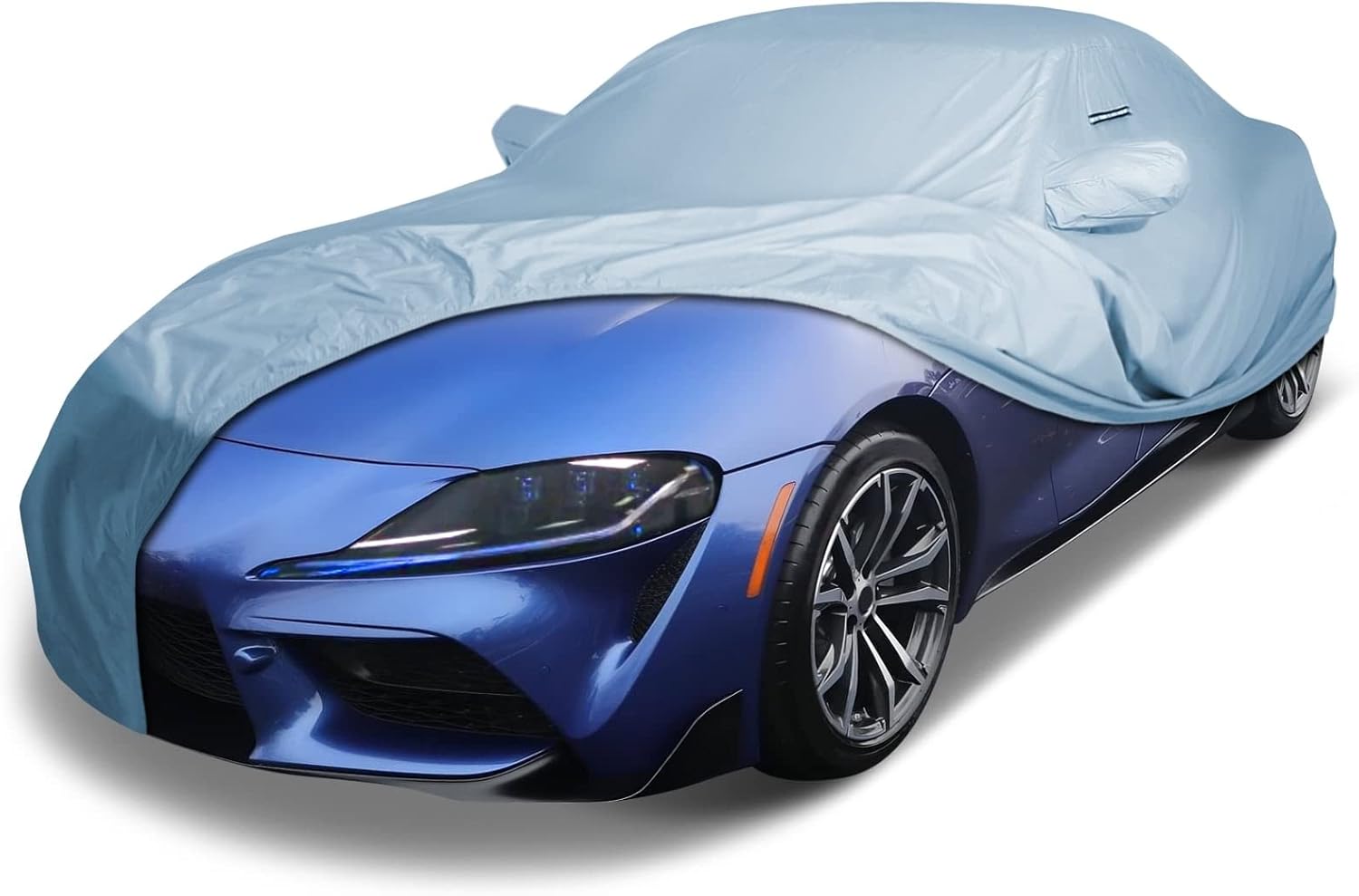
Protect your 2020-2026 Toyota GR Supra with a precision custom-fit cover designed to hug the vehicle’s contours for a secure, reliable fit. Built for all-weather use, it helps guard against rain, snow, sun, and other outdoor elements while the soft inner lining helps reduce the risk of scratches. Added straps, waterproof seams, and ventilation provide dependable protection and everyday convenience.

KUST Custom Fit Trunk Mat is designed for 2020-2026 Toyota GR Supra models to help protect the cargo area from dirt, spills, and daily wear. Its TPE construction offers a fresh, odor-free feel, while the raised-edge design adds extra coverage for all-weather protection. Lightweight and easy to remove, it makes cleaning simple and helps keep the trunk neat and protected.

This comprehensive master disconnect tool kit is designed to remove fuel lines, A/C lines, transmission cooler lines, and other quick-connect fittings on a wide range of vehicles. It includes multiple color-coded tools and sizes to help speed up repairs, reduce line damage, and improve workflow for DIY users and professional technicians alike. The set comes organized in a portable case for easy storage, transport, and quick access.
Stock Power Output
The factory 320 hp rating proved conservative for the A80 platform. Many enthusiasts found that the engine and the Getrag 6-speed transmission could handle much higher power figures with ease. This overbuilt nature is exactly why the Mk4 remains a sought-after vehicle for power-focused builds today.
Strengths and Limits
The iron block of the 2JZ-GTE resists fatigue well even at high boost levels. However, you must pay attention to thermal management and fuel system capacity to prevent engine damage. While the stock internals handle significant power, upgrading the fuel system and using precise engine management remains necessary for long-term reliability.
Common Upgrades and Headroom
The stock short block typically supports up to 500 hp safely. Beyond that, many builders install forged pistons and connecting rods to support 600+ hp setups. Success depends on pairing the right turbocharger with a high-flow exhaust and a dyno-tuned ECU. Always verify your progress on a dyno to ensure the engine runs safely under load.
Mk5 (A90) 2019–Present: Modern Performance
The current A90 Supra uses a BMW-sourced 3.0-liter turbocharged inline-six. The 2020 model debuted with 335 hp, but Toyota increased this to 382 hp for the 2021 model year and beyond. This engine delivers broad torque and helps the car achieve a 0–60 mph time of about 4.1 seconds. The car also features an 8-speed automatic transmission designed for quick and consistent gear changes.
Claimed HP vs Dyno: Understanding Measurements
Manufacturers measure horsepower at the crankshaft, but your car puts power to the ground through the wheels. Drivetrain losses in the transmission and differential account for a difference between advertised numbers and actual dyno results. Environmental factors like high altitude, extreme heat, or low-quality fuel can also lower your measured power output.
Choosing Your Supra
Consider your primary goal before you start your search:
- Daily Driving: The GR Supra (2020–present) provides the best balance of power, technology, and cabin comfort.
- Track Tuning: The Mk4 Supra remains the most versatile platform for high-horsepower racing and custom builds.
- Collecting: Low-mileage Mk4 Turbo models serve as stable assets, while early Celica XX models appeal to vintage enthusiasts.
[Products Worth Considering]

This 8-piece automotive pliers set is designed to make fuel line, hose clamp, connector, and trim removal jobs easier and faster. The ergonomic, spring-loaded tools help you work comfortably in tight engine spaces while the included storage pouch keeps every piece organized and ready to use. Built from durable steel with anti-slip handles, it is a practical solution for car, truck, motorcycle, and SUV maintenance.

This A-Premium engine air filter is designed to help maintain clean airflow for compatible Lexus and Toyota vehicles, supporting better engine performance and efficiency. It uses fine filtration media to capture debris while minimizing airflow restriction, making it a practical replacement for routine maintenance. With fitment for multiple popular models and a convenient boxed single-pack design, it offers a straightforward solution for keeping your engine protected.

This MotoRad fuel tank cap is designed as a direct replacement for a wide range of Toyota, Honda, Mazda, Subaru, Nissan, Chevy, and more applications. It helps restore a secure seal at the fuel neck, supporting proper fuel system performance and dependable everyday driving. Use fitment verification to confirm compatibility with your specific vehicle before purchase.
Frequently Asked Questions
How Much Horsepower Does a 3rd Generation Supra Have?
The naturally aspirated 3rd generation Supra produces about 200 hp. The turbocharged version outputs roughly 232 hp.
How Much Horsepower Does a Gen 4 Supra Have?
U.S.-spec turbocharged Mk4 Supras produce 320 hp. The naturally aspirated Mk4 produces about 220 hp.
How Much Horsepower Does a Gen 1 Supra Have?
The first generation Supra produced between 110 and 117 hp depending on the engine trim.
Conclusion
The Supra’s power evolution shows a transition from simple naturally aspirated engines to advanced turbocharged technology. While factory numbers provide a baseline, the real thrill comes from tailoring the car to your specific driving needs. Evaluate your budget and goals before you select your generation. Once you pick the right platform, you can build a car that performs exactly how you want it to on the road or track.