Last updated: September 14, 2026
If your Toyota Supra has a rough or unusually high idle, hesitation, a new hissing or whistling noise, or a Check Engine Light with a lean or misfire-related fault, an intake or vacuum leak is one possible cause. Do not replace parts from symptoms alone. Start with a visual inspection, read the stored codes and available scan data, then confirm a suspected leak with a regulated automotive smoke test performed with the engine off. Avoid spraying carburetor cleaner or starting fluid around a hot running engine. Supra generation matters: the intake and crankcase-ventilation layout of a 2020+ MkV GR Supra is different from that of an older Supra, so use the service information for your exact model year and engine.
| What You Notice | What It May Suggest | Best Next Check |
|---|---|---|
| Rough or hunting idle | Intake leak, PCV/crankcase-ventilation fault, ignition or fueling problem | Scan codes and fuel data, then inspect and smoke-test the intake |
| Hissing or new whistle | Air leak, PCV fault, loose connection, or normal turbo/intake noise | Locate the sound and confirm with physical testing |
| P0171 or lean indication | Possible intake leak, but also possible fuel or sensor fault | Do not replace a sensor from the code alone; follow the diagnostic path |
| Hesitation under acceleration | Intake/vacuum leak, charge-side boost leak, ignition or fuel-delivery problem | Determine whether the fault occurs mainly at idle/vacuum or under boost |
| Hard brake pedal | Possible brake-assist fault | Stop driving and have the braking system inspected |
What Is a Toyota Supra Vacuum Leak?
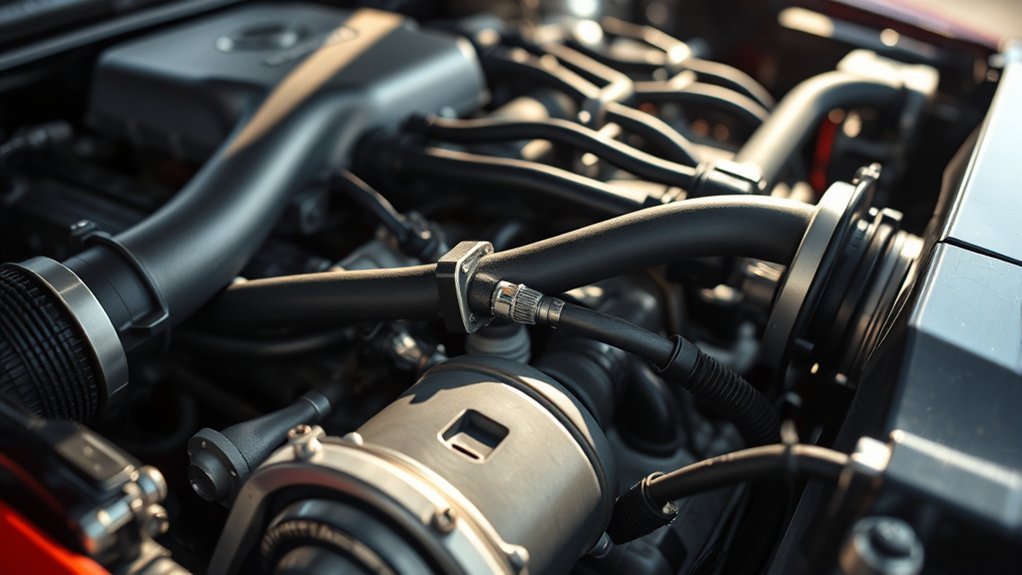
A vacuum or intake leak is an unintended opening in a part of the engine’s intake, crankcase-ventilation, or vacuum system that should be sealed. The leak can disturb the engine-management system’s expected airflow and mixture control, especially at idle, and may cause rough running, hesitation, abnormal fuel correction, or a warning light.
Generation matters. Toyota identifies the current GR Supra as the fifth-generation MkV model, and its 3.0-liter version uses the B58 inline-six. Older Supras use substantially different intake, emissions, and vacuum layouts. Do not assume that a hose diagram, PCV repair, diagnostic code, or repair procedure for one Supra generation applies to another. For year-specific service procedures, use Toyota’s Technical Information System or the service information for your exact model.
Toyota Supra Vacuum Leak Symptoms
The strongest clues are usually a rough or unstable idle, an unexpected hiss or whistle, hesitation, and scan data showing that the engine is correcting for a lean condition. None of those symptoms proves a leak by itself, so confirmation matters.
Rough Idle Issues
A leak can have a larger effect at idle because the engine is moving less air overall. Your Supra may hunt for a stable idle speed, shake, stumble, or occasionally stall. A large leak can also produce an idle that is higher than expected.
However, rough idle is not unique to a vacuum leak. Spark plugs, ignition coils, injectors, fuel pressure, sensor faults, mechanical problems, and crankcase-ventilation faults can produce similar behavior. Scan for stored and pending faults before replacing any component.
Decreased Acceleration Performance
A significant air leak can contribute to hesitation or weak response, but acceleration problems on a turbocharged Supra require an important distinction: an intake/vacuum-side leak is not automatically the same as a charge-side boost leak.
- A problem that is worst at idle or light throttle points more strongly toward an intake, vacuum, or crankcase-ventilation issue.
- A problem that appears mainly when the turbocharger builds pressure may justify testing the pressurized charge-air side.
- Misfire under load can also come from ignition or fuel-delivery faults rather than an air leak.
- A new whistle should be tested rather than assumed to be a leak because turbo and intake systems can also produce normal airflow noise.
Check Engine Light and Lean-Code Clues
An OBD-II scanner can provide useful evidence, but it does not identify a vacuum leak directly. On the 1997 2JZ-GTE, Toyota’s factory diagnostic information lists a loose air-intake hose as one possible cause of P0171, alongside fuel-pressure, injector, oxygen-sensor, airflow-meter, and coolant-temperature-sensor faults. That is the correct way to interpret a lean code: it identifies a condition that requires diagnosis, not a part that should automatically be replaced.
Because Supra engines use inline cylinder layouts, avoid blindly applying V-engine advice that tells you to expect separate Bank 1 and Bank 2 lean codes. Always interpret the exact code for your engine and model year.
Can You Drive a Toyota Supra With a Vacuum Leak?
A small confirmed intake leak may still allow the car to run, but it should be repaired rather than ignored. Continued abnormal mixture control can worsen drivability and may contribute to misfires or catalyst stress. The severity of the symptoms should determine whether you keep driving.
- Stop driving if the engine repeatedly stalls, runs severely rough, enters reduced-power operation, or the Check Engine Light flashes.
- Stop driving if the brake pedal becomes unusually hard or braking behavior changes. Treat that as a safety-critical brake-assist problem, not merely an engine-performance complaint.
- If the car runs normally enough to move safely but has a persistent warning light, hiss, or mild rough idle, arrange diagnosis before continuing normal use.
Common Causes of Vacuum Leaks in the Supra
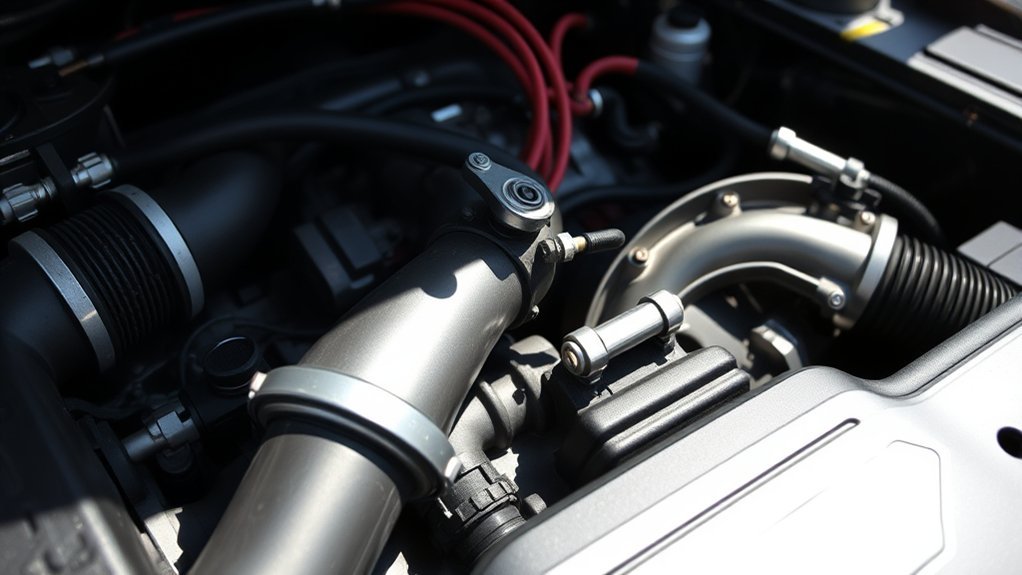
The likely leak point depends on the Supra generation and what has recently been serviced or modified. Common areas worth inspecting include intake connections, crankcase-ventilation/PCV components, seals, hoses, and intake-manifold joints. Modified intake systems deserve extra attention because a disturbed seal, clamp, O-ring, or connector can create a problem immediately after installation.
Common Issues With Hoses
Older rubber hoses can harden, split, loosen, or crack near their fittings. Newer systems may use molded plastic pipes, quick-connect fittings, O-rings, and crankcase-ventilation connections instead of long runs of traditional vacuum hose.
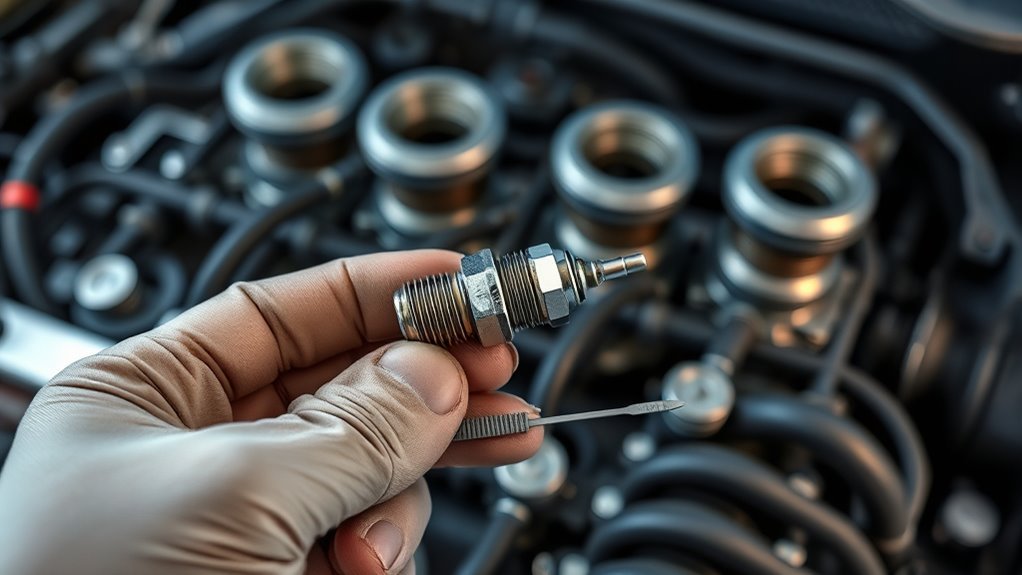
- Inspect for visible splits, oil-softened rubber, broken plastic, damaged O-rings, and loose connections.
- Check any part that was recently disconnected during intake, turbo, valve-cover, or engine work.
- Do not assume that a component is good simply because the outside looks clean; small sealing faults often require smoke testing to reveal them.
- Use the exact model-year routing and service procedure before disconnecting modern quick-connect fittings.
Faulty Gasket Connections
Intake-manifold and throttle-body sealing surfaces can leak, but not every engine gasket is a “vacuum gasket.” For example, an ordinary external valve-cover oil leak or an exhaust-manifold gasket failure should not automatically be categorized as an intake vacuum leak.
| Area | Possible Clue | How to Confirm |
|---|---|---|
| Intake connection or boot | Hiss, rough idle, fault after intake work | Visual inspection and smoke test |
| Crankcase ventilation / PCV system | Idle problem, whistle, abnormal crankcase behavior | Model-specific PCV diagnosis and smoke testing |
| Intake-manifold seal | Lean running or rough idle | Smoke test and service-manual checks |
| Throttle-body seal | Leak near throttle-body joint | Visual inspection and smoke test |
| Modified intake connection | Problem begins after installation | Recheck seals, O-rings, clamps and connections |
How Do You Diagnose a Toyota Supra Vacuum Leak?
The most reliable approach is to move from evidence to confirmation instead of replacing the most likely part. A practical sequence is identify the engine → inspect → scan → smoke-test → isolate the failed component → repair → retest.
- Identify your Supra generation and engine. Use the correct service information rather than a generic hose diagram.
- Inspect with the engine off and cool. Look for disconnected hoses, cracked pipes, disturbed intake fittings, damaged seals, or loose connections.
- Read diagnostic codes before clearing them. Record stored, pending, and freeze-frame information when your scanner provides it.
- Review live data where available. Lean correction that is more pronounced at idle can support an unwanted-air diagnosis, but there is no universal fuel-trim number that proves a leak on every Supra.
- Confirm with a regulated automotive smoke test. Follow the correct procedure for the system being tested and keep the engine off. Do not connect unrestricted shop air directly to intake plumbing.
- Repair the confirmed leak. Replace the failed hose, pipe, seal, gasket, or related component according to the service procedure.
- Retest. Recheck the system for additional leaks and confirm that the idle, scan data, and fault behavior return to normal.
Avoid using carburetor cleaner or starting fluid as the primary leak test. Spraying combustible solvent around a running hot engine creates an unnecessary fire risk and is less precise than a proper smoke test.
[Products Worth Considering]

This tire repair kit provides an easy do-it-yourself solution for sealing small punctures in a wide range of tires, including motorcycle, truck, tractor, and bicycle applications. The spiral rubber studs are designed for secure adhesion, strong sealing, and simple installation without removing the tire, helping restore performance quickly and reliably.

This premium leather seat gap filler helps stop dropped items from disappearing between your seat and console while adding convenient storage to your cabin. Its universal fit is designed for most sedans, SUVs, and trucks, and the slim profile helps preserve legroom while keeping essentials close at hand. Built-in card slots and cable management make it a practical upgrade for everyday driving.

This wireless CarPlay adapter upgrades compatible factory wired CarPlay or Android Auto systems with wireless connectivity and built-in entertainment apps. Enjoy navigation, calls, music, and hands-free control through Apple CarPlay, plus streaming from popular video platforms when connected to a hotspot. It also supports USB media playback and an HD media port for rear-seat entertainment on road trips and daily drives.
What Else Can Mimic a Vacuum Leak?
| Possible Fault | Why It Can Look Similar |
|---|---|
| Spark plug or ignition-coil problem | Can cause rough idle, shaking, hesitation and misfire codes |
| Fuel-pressure or injector problem | Can produce a lean condition and poor acceleration |
| Sensor or wiring fault | Can give the ECU incorrect airflow, temperature or mixture information |
| Exhaust leak near an oxygen sensor | Can introduce oxygen and distort mixture feedback |
| Charge-side boost leak | Can cause hesitation or loss of power primarily when boost builds |
How to Fix Common Vacuum Leaks
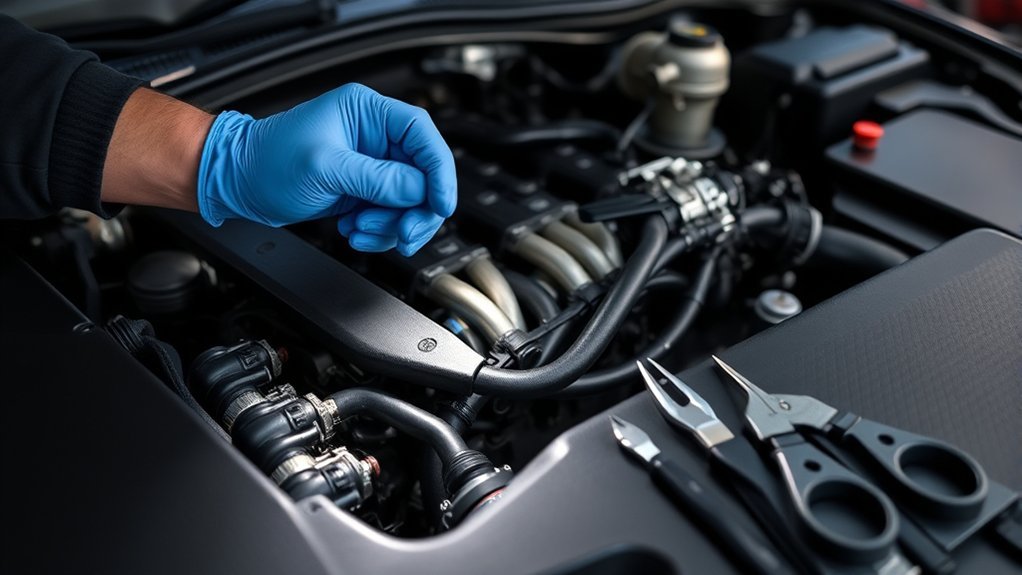
Fix the component that testing actually identifies. A cracked hose or damaged O-ring may be straightforward; an intake-manifold, crankcase-ventilation, or hard-to-access sealing fault can require substantially more disassembly. Do not apply sealant or tighten hardware beyond specification as a shortcut.
[Products Worth Considering]
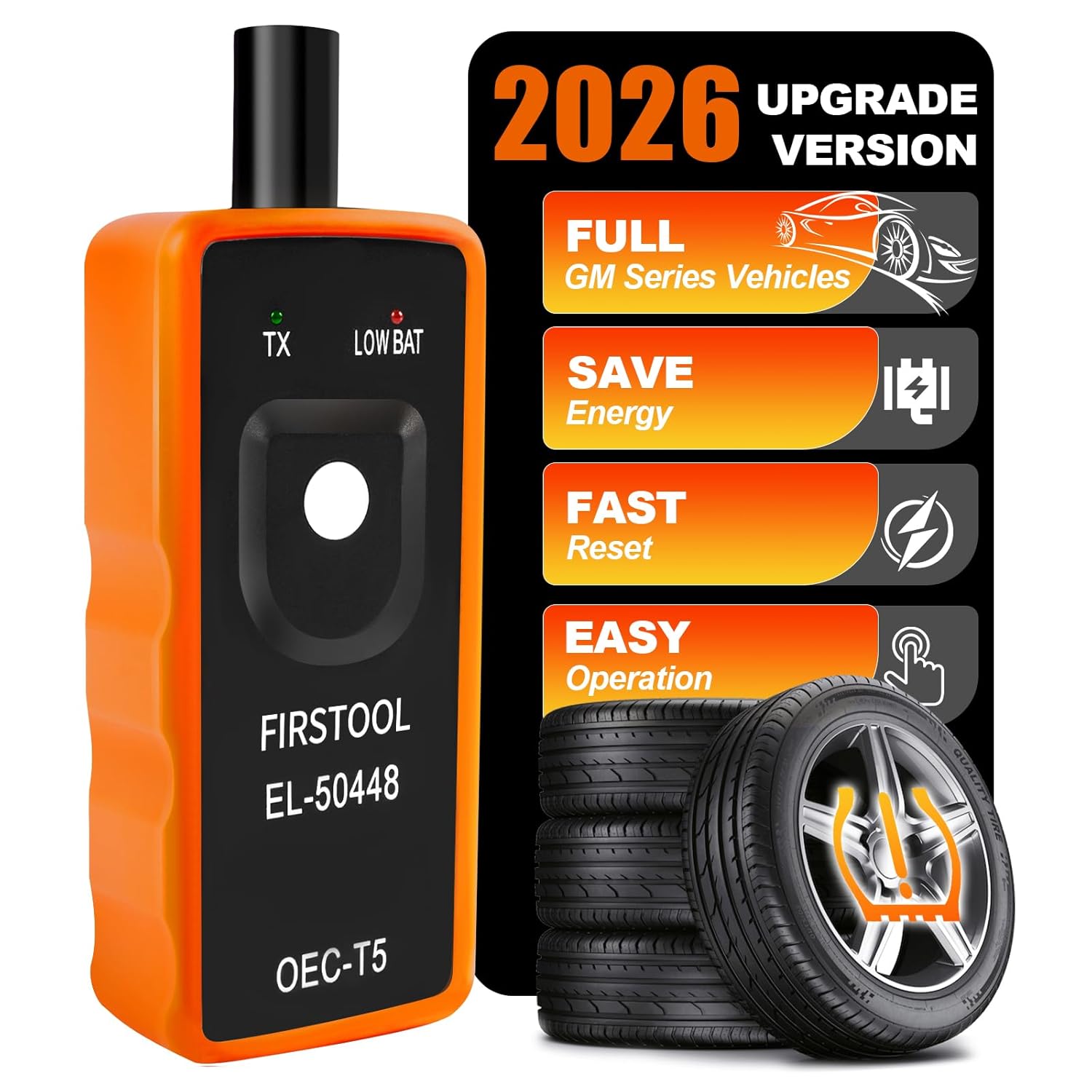
This EL-50448 TPMS relearn tool helps quickly activate and reset tire pressure sensors so your vehicle’s monitoring system stays accurate after tire rotations, sensor replacement, or seasonal tire changes. Designed for many GM-related vehicles and compatible with common 315 and 433 MHz TPMS systems, it offers simple one-button operation and reliable performance for clearing warning lights and relearning sensor positions.
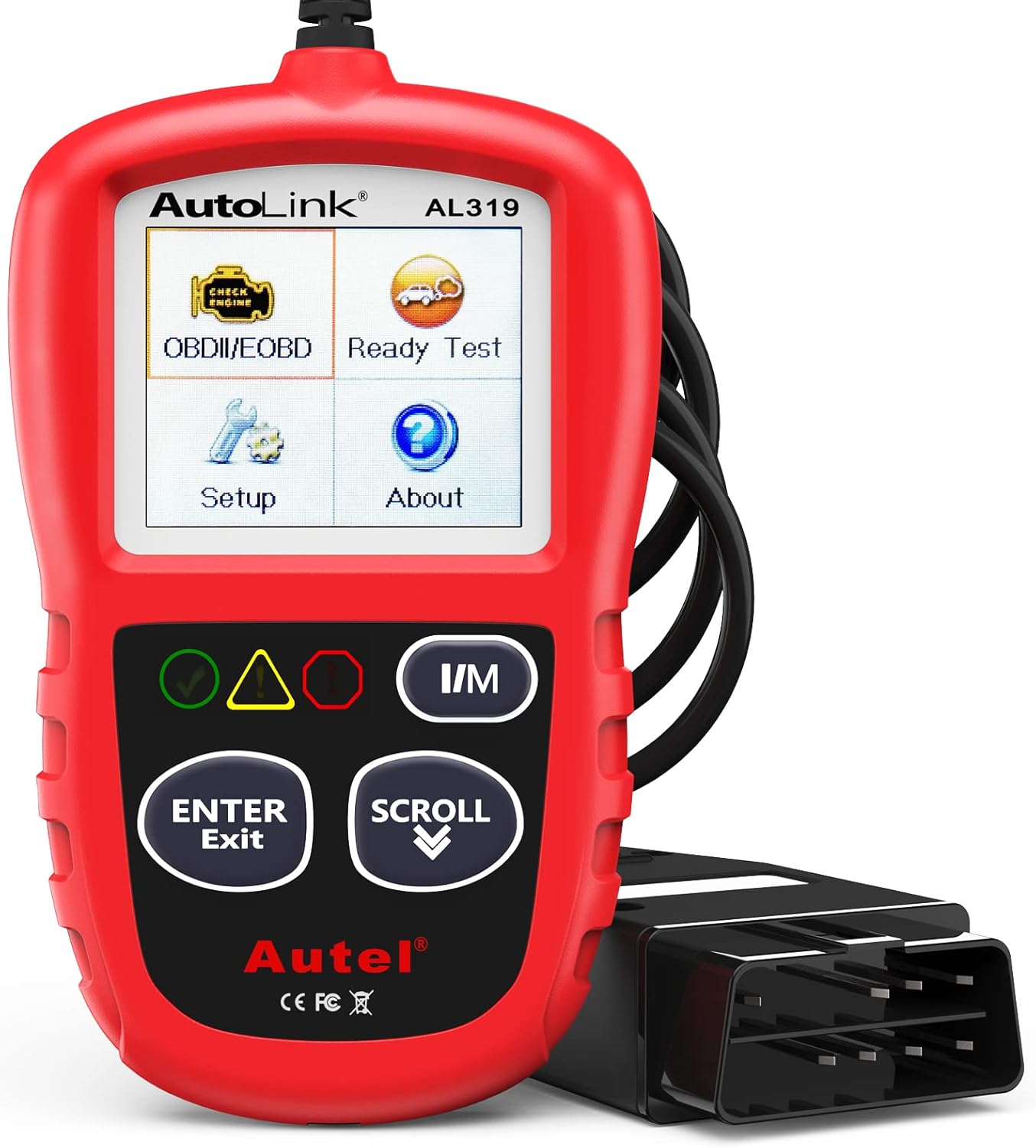
The Autel AL319 is a user-friendly OBD2 scan tool designed to help drivers quickly diagnose check engine light issues and understand vehicle fault codes. It supports reading and clearing DTCs, live data, freeze frame, I/M readiness, and vehicle information, making it a practical choice for DIYers and everyday car owners. With plug-and-play operation, a color display, built-in speaker, and broad vehicle compatibility, it delivers fast, reliable diagnostics without complicated setup.

[Built-in Air Pump]: Smoke machine features a built-in air pump, eliminating the need for an external air source, allowing you to perform tests anytime, anywhere. Simply add about 20ml of baby oil or Glycerin (oil not included) to start your testing effortlessly
Confirm the Cause Before Replacing Parts
- Replace a cracked or hardened hose with the correct specification and routing.
- Replace damaged O-rings or seals where the service procedure calls for replacement.
- Make sure quick-connect fittings are fully engaged and undamaged.
- If an aftermarket intake was recently installed, recheck every disturbed connection and transferred seal.
- For a suspected PCV or crankcase-ventilation fault, use the model-specific procedure rather than replacing parts on a universal mileage schedule.
- For an intake-manifold or throttle-body sealing fault, clean and prepare mating surfaces only as specified by the repair procedure.
Effective Repair and Verification
The repair is not finished when the first damaged part is replaced. Confirm that the system seals correctly afterward and that the original symptom is gone.
| Repair Step | Purpose |
|---|---|
| Replace confirmed failed component | Correct the actual leak rather than a suspected one |
| Follow specified tightening procedure | Avoid creating a new sealing problem |
| Re-smoke where appropriate | Check for another leak before reassembly is considered complete |
| Recheck scan data | Confirm that mixture correction and fault behavior have improved |
| Road-test safely | Verify idle and acceleration after the repair |
When Should You Call in the Pros for Repairs?
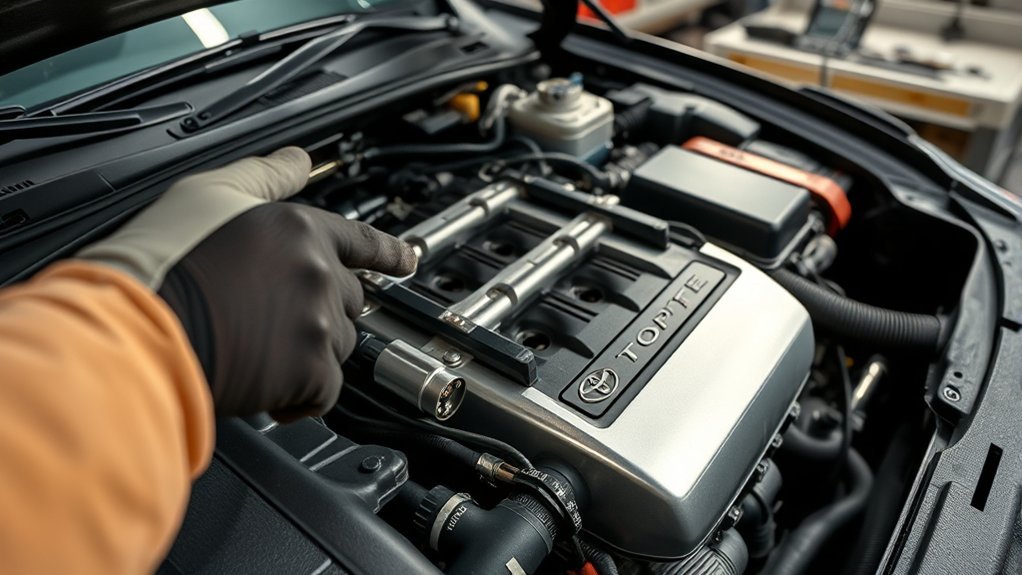
Professional diagnosis makes sense when the leak is not visible, the car has severe drivability symptoms, you lack a regulated smoke machine, or the suspected repair requires removal of major intake components.
A code can tell you what condition the ECU detected; it usually cannot tell you which hose, seal, gasket, sensor, or fuel-system component caused it.
- The engine stalls repeatedly or cannot hold a stable idle.
- The Check Engine Light flashes or the engine is clearly misfiring.
- The vehicle enters reduced-power operation.
- A hard brake pedal or other braking change appears.
- The problem began after complex engine or turbo work.
- A visual inspection finds nothing and you cannot safely perform the correct smoke test.
- The same lean or misfire fault returns after a previous repair.
How Much Does a Toyota Supra Vacuum Leak Cost to Repair?
There is no single “vacuum leak repair price.” The cost depends on the Supra generation, the failed component, access, local labor rates, and whether diagnosis reveals more than one leak.
As a useful example of why generation matters, RepairPal’s live Supra pages list different national estimates for an intake-manifold-gasket replacement: its GR Supra vacuum-leak guide lists approximately $427–$627, while its 1997 Supra information lists approximately $268–$394. These are reference estimates, not guaranteed shop quotes, and actual totals can differ with taxes, location, parts choice, diagnostic time, and related repairs.
A loose connection or small hose can cost far less than a manifold, integrated ventilation component, or labor-intensive repair. Pay for confirmation of the failed part before approving an expensive replacement based only on a lean code.
Preventing Vacuum Leaks: Best Practices
You cannot prevent every aging seal or plastic component from failing, but careful inspection and correct reassembly reduce avoidable leaks.
- Inspect intake, ventilation, and vacuum connections during routine engine-bay service.
- Pay particular attention to components that were recently disconnected.
- Replace damaged O-rings, clips, seals, and hoses rather than forcing a questionable connection back together.
- Follow model-specific tightening specifications for intake and throttle components.
- Do not use a universal 60,000- or 90,000-mile PCV replacement rule unless your exact Toyota service schedule or repair information specifies it.
- After installing an intake or performing turbo/engine work, verify that every hose, sensor, seal, and clamp is correctly seated before diagnosing a new drivability problem elsewhere.
What Can Supra Owner Reports Tell You?
Owner forums can help identify patterns, but they should be treated as anecdotal evidence, not a diagnosis. For example, MkV owners discussing a new whistle have proposed causes ranging from crankcase-ventilation problems and intake leaks to normal turbocharger noise. That disagreement is exactly why a sound alone should not determine which part you buy.
If a forum post closely matches your symptoms, use it to build a list of areas to inspect. Then confirm the fault on your own car with scan data, a visual inspection, and the appropriate physical test. A modified Supra may also behave differently from a stock car.
Frequently Asked Questions
What Are Signs of a Bad Vacuum Leak?
Common signs include a rough or unusually high idle, hesitation, a new hissing or whistling sound, stalling, and a Check Engine Light with a lean or misfire-related fault. These symptoms are not exclusive to vacuum leaks, so confirm the cause before replacing parts.
How Do You Diagnose and Find a Vacuum Leak?
Identify the correct Supra engine, inspect intake and ventilation connections, read the stored codes and scan data, and then use a regulated automotive smoke test with the engine off to locate escaping smoke. Repair the confirmed fault and retest the system afterward.
Will a Vacuum Leak Throw a Code?
It can. A sufficiently large leak may cause a lean-condition, idle-related, or misfire fault, but a diagnostic code does not prove that a vacuum leak is the cause. Fuel, ignition, sensor, wiring, and other air-system faults can produce similar codes.
Can an OBD Scanner Detect a Vacuum Leak?
No. An OBD scanner can reveal clues such as lean-condition codes, misfire faults, freeze-frame data, and abnormal mixture correction, but it cannot normally identify the physical opening. A visual inspection and smoke test are used to confirm the leak location.
Can You Drive With a Vacuum Leak?
A mild leak may leave the car driveable, but it should still be diagnosed promptly. Stop driving if the Supra stalls repeatedly, misfires severely, shows a flashing Check Engine Light, enters reduced-power operation, or develops an unusually hard brake pedal or other braking change.
What Is the Difference Between a Vacuum Leak and a Boost Leak on a Supra?
A vacuum or intake-side leak affects a part of the system that is under negative pressure during relevant operating conditions, while a boost leak allows pressurized charge air to escape when the turbocharger builds boost. Rough idle points more strongly toward a vacuum/intake or ventilation problem, while a fault that appears mainly under boost may require charge-system testing.
Sources and Technical References
- Toyota 2026 Supra Owner’s Manual
- Toyota Technical Information System (TIS)
- Toyota GR Supra model and engine background
- RepairPal GR Supra vacuum-leak and repair reference
- Popular Mechanics vacuum-leak diagnostic methods
Conclusion
If you suspect a Toyota Supra vacuum leak, do not start by buying a PCV component, sensor, or gasket. First identify your Supra generation and engine, visually inspect the intake and ventilation system, record the diagnostic codes and available scan data, and confirm the leak with a regulated smoke test when appropriate. Repair only the component the testing identifies, then retest the system and verify that the rough idle, hesitation, warning light, or other original symptom is gone. If the engine is stalling, severely misfiring, or braking behavior changes, stop driving and have the car professionally inspected.