The Toyota GR Supra ADAS uses several driver-assistance sensor groups rather than one all-purpose safety system. A forward camera and front radar support collision-warning functions and available Dynamic Radar Cruise Control, rear radar supports available Blind Spot Monitor and Rear Cross-Traffic Alert, and ultrasonic bumper sensors support available parking assistance. On U.S.-market GR Supra models, the lane feature is Lane Departure Warning with Steering Assist rather than continuous lane-centering assistance.
Last updated: September 1, 2026
Scope note: This guide uses U.S.-market 2025–2026 GR Supra documentation. Equipment and terminology can differ by model year, transmission, grade, and country, so confirm the features on your specific car before relying on a setting or operating limit.
Quick Answer
Toyota Supra ADAS uses a windshield camera, front and rear radar sensors, and available ultrasonic parking sensors for different tasks. Standard U.S.-market safety equipment includes Pre-Collision System with Pedestrian Detection and Lane Departure Warning with Steering Assist, while features such as Full-Speed Dynamic Radar Cruise Control, Blind Spot Monitor, Rear Cross-Traffic Alert, and parking sensors depend on transmission, grade, or package. Keep sensor areas clean, follow repair-manual calibration requirements after relevant repairs, and remain ready to brake or steer because these systems have detection limits.
How Supra ADAS Works: Camera, Radar, and Parking Sensors
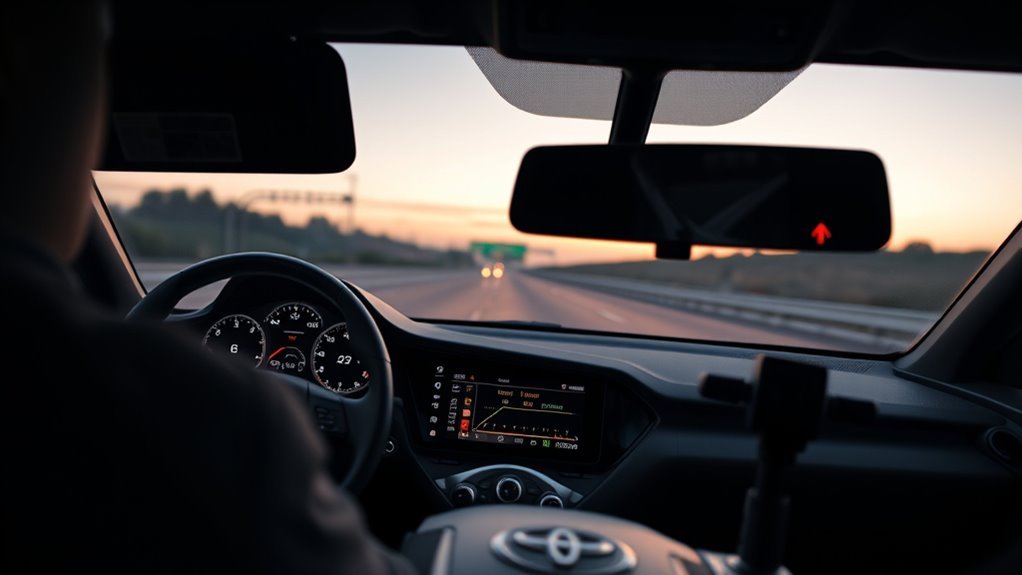
The GR Supra does not use every sensor for every driver-assistance feature. The forward-facing camera near the windshield and the front radar sensor work with forward collision and distance-control functions. Rear radar sensors support functions that watch traffic beside and behind the car, while available ultrasonic sensors measure nearby obstacles during parking.
This distinction matters when troubleshooting. Dirt on the front radar area may affect forward distance detection, while contamination or damage near a rear radar sensor can affect blind-spot or cross-traffic warnings. A blocked windshield camera can affect forward-safety and lane-warning functions.
| Sensor Group | Typical Supra Functions | Common Limitation |
|---|---|---|
| Windshield camera | Collision detection, lane warning, sign/speed-limit information | Glare, fog, dirt, snow, blocked view |
| Front radar | Forward collision support and available DRCC | Ice, dirt, misalignment, bumper-area damage |
| Rear radar | Available BSM and RCTA | Sensor obstruction or rear-bumper damage |
| Ultrasonic sensors | Available front/rear parking assistance | Dirt, ice, close or unusual obstacle surfaces |
[Products Worth Considering]

This Toyota navigation SD card provides updated North America maps and points of interest for compatible factory navigation systems. It is preloaded with recent road and location data to help drivers find destinations, services, and routes more easily across the U.S. and Canada. Designed for select Toyota models, it offers a simple plug-and-play replacement for the original navigation card.

Protect and refresh your Toyota RAV4 entry points with these carbon fiber leather door sill guards designed to cover existing scuffs and help prevent new scratches. The adhesive-backed trim offers a secure fit, easy installation, and durable everyday protection while adding a sporty, OEM-style look to your vehicle interior. Suitable for front and rear doors, this set is made to match the contours of the specified RAV4 model years.

AUTOBOO windshield wiper blades are designed for dependable all-season visibility with smooth, streak-free wiping in rain, snow, and heat. The bracketless aerodynamic design helps reduce noise and drag while the memory spring steel structure delivers even pressure for consistent windshield contact. Built for quick installation on compatible U/J hook arms, these blades offer a quiet, reliable upgrade for everyday driving.
Which Toyota Supra Driver-Assistance Features Are Standard or Optional?
Do not assume two GR Supras have identical driver-assistance equipment. On recent U.S.-market cars, Pre-Collision System with Pedestrian Detection, Lane Departure Warning with Steering Assist, and Automatic High Beams are core safety features. Other systems depend on transmission, grade, and optional packages.
| System | Recent U.S. GR Supra Status | Main Job |
|---|---|---|
| Pre-Collision System with Pedestrian Detection | Standard | Warns of some forward collision risks and may assist braking |
| Lane Departure Warning with Steering Assist | Standard | Warns of unintended lane departure and may provide brief steering support |
| Automatic High Beams | Standard | Automatically changes high-beam use when conditions permit |
| Full-Speed Dynamic Radar Cruise Control | Available on equipped automatic-transmission models | Adjusts speed to maintain a selected following distance |
| Blind Spot Monitor | Equipment/package dependent | Warns about detected vehicles in monitored side/rear areas |
| Rear Cross-Traffic Alert | Equipment/package dependent | Warns about approaching cross traffic while reversing |
| Front and rear parking sensors | Equipment/package dependent | Warn about nearby obstacles and may add emergency braking when equipped |
How the Supra Pre-Collision System Works
The Pre-Collision System with Pedestrian Detection watches the area ahead using the forward camera and, depending on equipment, front radar. When the system detects a potential collision within its operating range, it can provide visual and audible warnings. If the situation becomes more urgent, braking support or automatic braking may be applied.
The system is designed to reduce risk, not guarantee that a crash will be avoided. Detection varies with the object, vehicle speed, lighting, weather, road shape, sensor condition, and other factors. Do not attempt to test automatic emergency braking by deliberately driving toward an obstacle.
What Can the Pre-Collision System Detect?
Recent GR Supra documentation describes forward-collision functions for vehicles as well as pedestrian and cyclist detection. The operating range is not one universal speed threshold, so the earlier idea that the entire system simply activates “above 7 mph” is misleading.
Pedestrians who are partly hidden, outside the detection area, unusually small in the camera image, or difficult to distinguish from the background may be detected late or not at all. Similar limitations apply to vehicles with unusual shapes or vehicles that enter your path suddenly.
How Dynamic Radar Cruise Control Works
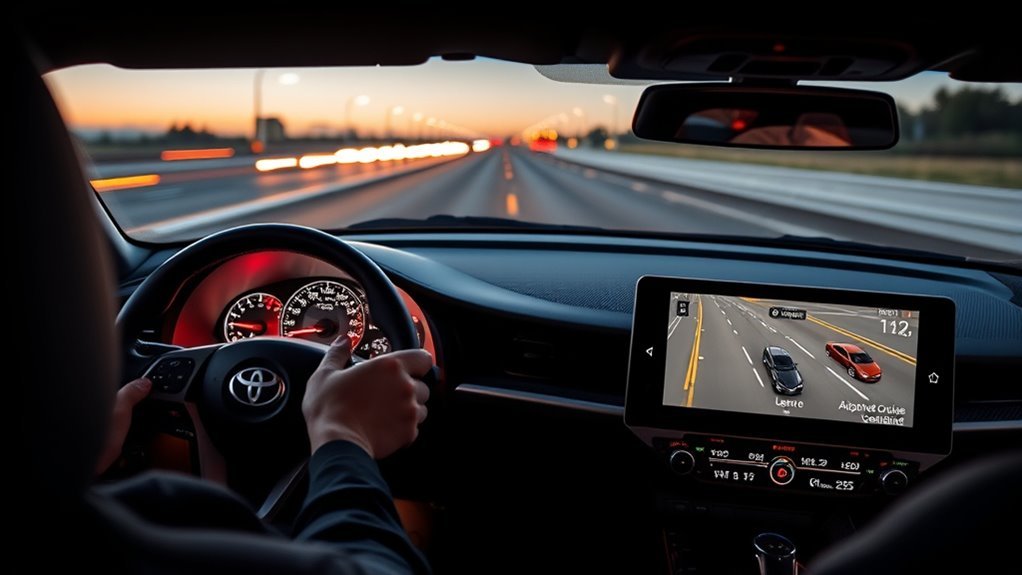
Full-Speed Dynamic Radar Cruise Control (DRCC), when equipped, uses the forward camera and front radar to maintain a selected speed and following distance. If a slower vehicle is detected ahead, the Supra can reduce speed; when the lane clears within the system’s limits, it can accelerate toward the selected speed again.
On recent U.S.-market GR Supras, Full-Speed DRCC is associated with equipped automatic-transmission models. Manual-transmission models use conventional cruise control, so a manual Supra owner should not expect the same automatic distance-control behavior.
What Happens in Stop-and-Go Traffic?
Full-Speed DRCC can slow the vehicle substantially and, in supported situations, brake it to a stop. If the vehicle ahead moves again within a brief period, the system may continue following it. After a longer stop or when another interruption condition occurs, you may need to resume the system or control acceleration and braking yourself.
Never assume DRCC will respond to every object. It is intended mainly for following detected vehicles on suitable roads. It should not be relied on to brake for pedestrians, red traffic lights, cross traffic, or oncoming vehicles.
Managing Following Distance
You can select from multiple following-distance settings when DRCC is available. The displayed gap represents a system setting rather than a promise that a fixed physical distance will always be maintained. Traffic speed, road shape, weather, sensor visibility, and the behavior of the vehicle ahead can change how the system responds.
Use a larger safety margin in poor conditions and remain ready to brake. Cruise and distance-control systems are most appropriate on well-constructed roads where traffic is moving predictably.
Does the GR Supra Have Lane Centering?
No. U.S.-market GR Supra documentation describes Lane Departure Warning with Steering Assist, not continuous Lane Tracing Assist. The camera watches detectable lane markings and warns when the vehicle appears to be leaving the lane unintentionally.
The warning can include steering-wheel vibration. When steering intervention is enabled and operating conditions are satisfied, the system may add a brief corrective steering input. That intervention is meant to help with an unintended departure; it does not turn the Supra into a hands-free or continuously lane-centered vehicle.
Using the turn signal before an intentional lane change suppresses the normal lane-departure warning for that maneuver. Keep your hands on the wheel and continue checking mirrors, traffic, and lane position yourself.
Speed Limit Information and Head-Up Display
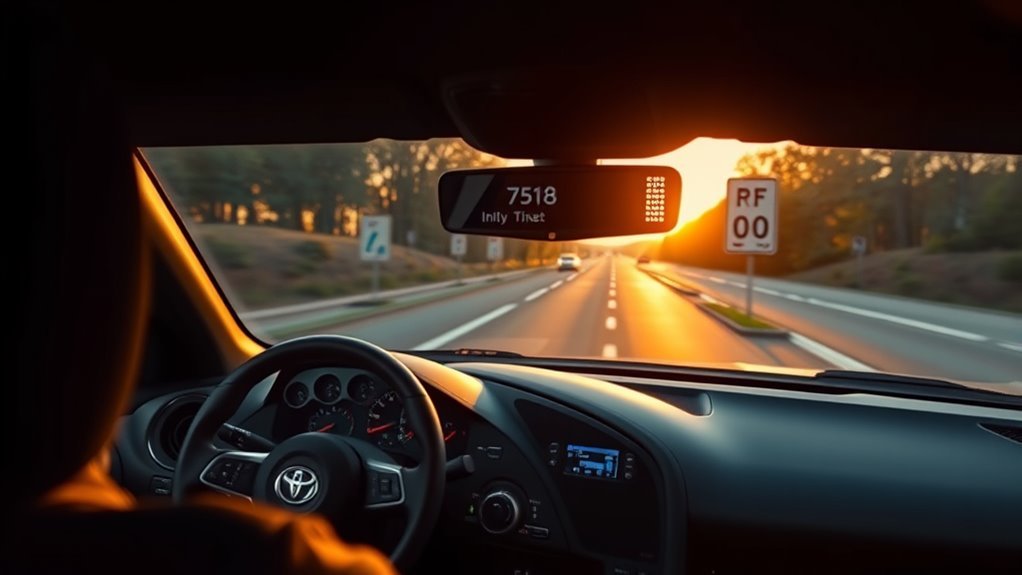
U.S.-market GR Supra documentation commonly uses the term Speed Limit Information. Depending on equipment, detected or stored speed-limit information can appear in the instrument display, and some driver-assistance information can also appear in the available Head-Up Display.
Do not assume that every Supra has the same display hardware or sign-recognition functions. Head-Up Display availability, navigation integration, and related information features vary by grade, package, year, and market.
Blind Spot Monitor, Rear Cross-Traffic Alert, and Parking Sensors
These systems use different sensors from the forward collision functions. Blind Spot Monitor (BSM) and Rear Cross-Traffic Alert (RCTA), when equipped, rely on radar monitoring around the rear of the vehicle. Available parking assistance uses ultrasonic sensors positioned in the bumpers.
How Blind Spot Monitor and RCTA Help
BSM can illuminate a warning in the exterior mirror when a vehicle is detected in the monitored area beside or behind the Supra. Depending on system configuration, activating a turn signal while another vehicle is in the warning area can produce a stronger alert.
RCTA is designed for situations such as reversing from a parking space or driveway where side visibility is restricted. Rear radar sensors monitor for approaching cross traffic and can provide visual or audible warnings. Neither system replaces a shoulder check or direct observation.
Can Supra Parking Sensors Apply the Brakes?
When the car is equipped with Parking Sensors with Emergency Braking Function, the ultrasonic system can do more than increase the warning-beep frequency. During very low-speed reversing or rolling maneuvers, it may apply emergency braking when an acute collision risk with a detected obstacle is identified.
The system cannot prevent every parking collision. Approach obstacles slowly, use the backup camera and mirrors, and visually check around the vehicle instead of judging clearance only by the display or warning tone.
Troubleshooting Supra Safety Warnings and Sensor Limits
Dirt, ice, snow, heavy rain, fog, glare, a fogged windshield, or physical blockage can reduce camera or radar performance. A radar sensor can also be affected by misalignment after parking damage, bumper repair, or improper work around the sensor area.
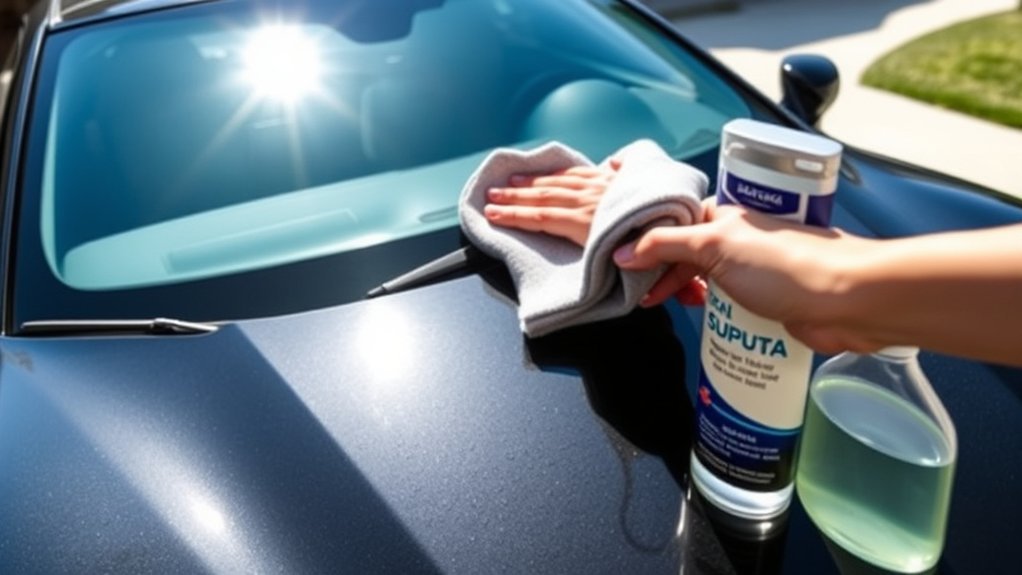
If a driver-assistance warning appears, start with the simple causes. Safely park the vehicle, inspect the windshield-camera viewing area and exposed sensor zones, and remove dirt, snow, ice, stickers, or other obstructions without damaging the sensor surface. If the warning returns after the sensor area is clear, have the system diagnosed rather than assuming the feature is working normally.
- Keep the windshield area in front of the camera clear.
- Keep front and rear sensor areas free of mud, ice, and coverings.
- Do not place stickers, films, or accessories over a radar or camera field of view.
- Have persistent “system unavailable” or driver-assistance warnings diagnosed.
- After bumper, windshield, camera, radar, or collision work, confirm whether calibration or adjustment is required.
[Products Worth Considering]

Rain-X WeatherBeater wiper blades deliver dependable, conventional performance designed to meet or exceed OEM standards for quality and durability. The natural rubber squeegee, galvanized steel frame, and multiple pressure points work together to provide a clean, consistent wipe while resisting cracking, rust, and corrosion. A pre-installed multi-adapter helps simplify installation on many vehicles.

SYLVANIA 9003 XtraVision halogen headlight bulbs deliver enhanced down-road visibility with no added glare, helping improve nighttime driving confidence. Designed for high beam, low beam, and fog light replacement applications, these bulbs are built with a durable filament and proprietary gas mixture for reliable performance. Replacing bulbs in pairs helps maintain balanced light output and consistent visibility.
When Does a Supra Need ADAS Calibration?
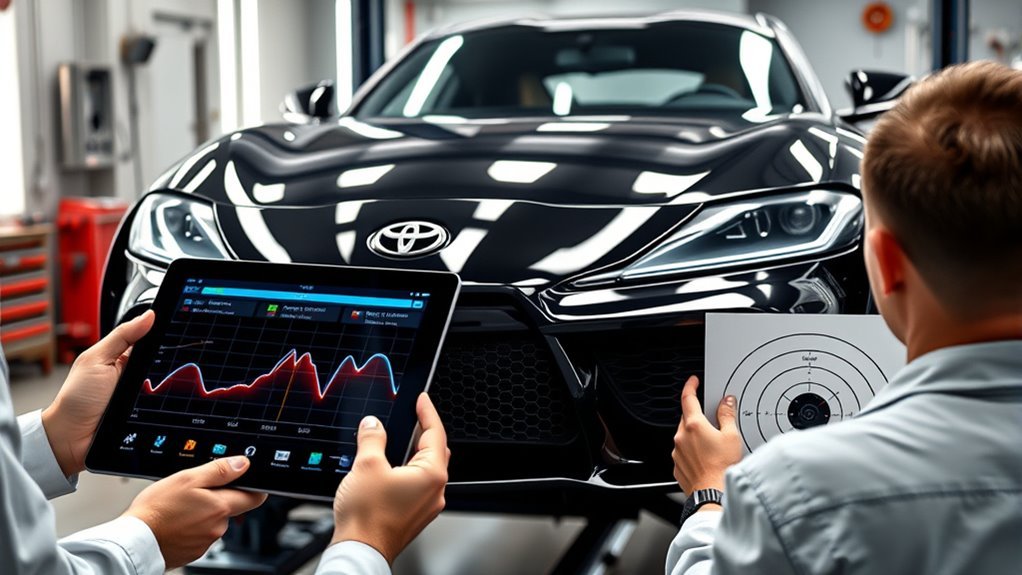
A Supra does not automatically need a “full ADAS recalibration” after every body repair. Calibration or sensor adjustment may be required when a repair changes the position, alignment, or view of an ADAS camera or radar sensor.
Common triggers can include windshield or forward-camera replacement, radar-sensor removal, bumper or collision work near a sensor, sensor misalignment, and repair procedures that specifically call for calibration. Work involving bodywork near a radar location also deserves attention because paint or repair errors around the sensing area can affect performance.
Use a repair facility with GR Supra-compatible diagnostic and calibration capability, and require the procedure specified for your exact model year and repair. Keep the calibration or alignment documentation with your repair records.
Daily Supra ADAS Best Practices
Before relying on a driver-assistance feature, confirm that your Supra is actually equipped with it and that no warning message shows it as unavailable. Learn the difference between a warning feature, a brief corrective intervention, and a system that can actively control speed.
Keep the windshield and sensor areas clean during normal washing and drying. After snow, freezing rain, muddy driving, bumper contact, windshield replacement, or collision repair, pay extra attention to sensor condition and warning messages.
Most importantly, use ADAS as backup assistance. You remain responsible for steering, braking, choosing a safe following distance, checking blind spots, reading traffic signals, and deciding whether conditions are suitable for cruise control.
Frequently Asked Questions
What is included in the Supra Driver Assist Package?
On recent U.S.-market GR Supra models, the available Driver Assist-related equipment can include Full-Speed Dynamic Radar Cruise Control on automatic-transmission cars, Blind Spot Monitor, Rear Cross-Traffic Alert, and parking sensors with an emergency-braking function. Exact package content depends on model year and grade.
Does the Toyota GR Supra have lane centering?
No. U.S.-market GR Supra documentation describes Lane Departure Warning with Steering Assist. It can warn of an unintended lane departure and may provide a brief corrective steering input, but it is not continuous lane-centering assistance.
Does a manual Toyota Supra have adaptive cruise control?
Recent U.S.-market manual-transmission GR Supras use conventional cruise control. Full-Speed Dynamic Radar Cruise Control is associated with appropriately equipped automatic-transmission models.
Is Blind Spot Monitor standard on every GR Supra?
No. Blind Spot Monitor availability varies by model year, grade, market, and package. Check the original window sticker, equipment list, or your vehicle’s menus and warning indicators rather than assuming every Supra has it.
Why does my Supra say a safety system is unavailable?
A blocked camera or radar sensor, heavy weather, glare, dirt, ice, sensor misalignment, or a system fault can temporarily disable driver assistance. Clean visible sensor areas and have persistent warnings diagnosed if they remain after normal conditions return.
Does a Supra windshield replacement require camera calibration?
Windshield or forward-camera work can require calibration because the camera’s position and view must meet the applicable repair specification. The exact procedure should be determined from the repair information for your model year and equipment.
Can Toyota Supra parking sensors automatically stop the car?
If the Supra is equipped with Parking Sensors with Emergency Braking Function, the system may apply braking during certain very low-speed reversing or rolling situations when it detects an acute collision risk. It cannot prevent every parking collision, so continue checking the area yourself.
Conclusion
Toyota Supra ADAS combines several separate camera, radar, and ultrasonic systems, and the exact feature set depends on your vehicle’s year, transmission, grade, and options. The most important distinctions are that U.S. cars use Lane Departure Warning with Steering Assist rather than continuous lane centering, and Full-Speed Dynamic Radar Cruise Control is tied to appropriately equipped automatic-transmission models.
Keep sensor areas clean, investigate persistent warnings, and confirm calibration requirements after windshield, sensor, bumper, or collision repairs. Treat every ADAS feature as assistance rather than permission to stop monitoring the road.