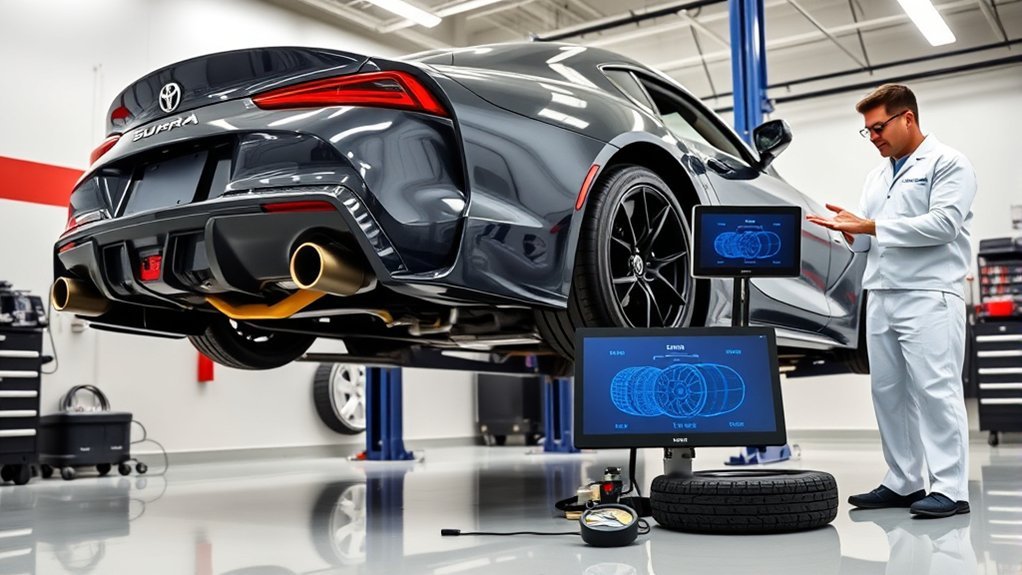
Keeping the tires and alignment right on a Toyota GR Supra is not the same as following a generic sedan maintenance schedule. The Supra is a rear-wheel-drive performance car, and 2025 models are listed by Toyota with staggered front and rear tire sizes. That means you should inspect the tires often, check pressure with a gauge, and confirm whether your specific tire setup can be rotated before swapping anything.
Quick Answer
For a 2025 Toyota GR Supra, inspect tire pressure, tread depth, damage, and uneven wear regularly, and follow the maintenance reminder or Toyota’s scheduled service guidance. Do not assume a 5,000–7,500-mile front-to-rear rotation applies, because the factory 19-inch setup is staggered. Check alignment yearly, after impacts, or when handling changes.
Key Takeaways
- Many 2025 GR Supra models use different front and rear tire sizes, so a normal front-to-rear tire rotation is not appropriate.
- Toyota’s 2025 Supra maintenance guide focuses on scheduled maintenance, tire-pressure checks, tire damage checks, and uneven-wear inspection.
- Check alignment at least once a year, after a hard pothole or curb hit, after suspension work, or when the car pulls, drifts, vibrates, or wears tires unevenly.
- The tire pressure monitor is helpful, but it does not replace regular cold-pressure checks with a gauge.
At a Glance
| Time Required | 10–15 minutes for DIY tire checks; professional alignment time varies by shop and adjustment needs. |
| Difficulty | Easy for pressure and tread checks; professional service required for accurate alignment. |
| Tools Needed | Tire-pressure gauge, tread-depth gauge or penny, flashlight, and the tire placard/owner’s manual. |
| Cost | DIY checks are usually free if you own a gauge; alignment pricing varies by dealer, independent shop, region, and whether suspension issues are found. |
Supra Tire Rotation: What the 2025 Schedule Actually Means
Toyota’s 2025 Supra Warranty & Maintenance Guide says to obtain scheduled maintenance every 10,000 miles, 12 months, or when the maintenance reminder appears, whichever comes first. Its tire maintenance item is to check tire pressure and inspect tires for damage and uneven wear.
The reason this matters is simple: the 2025 GR Supra is not a square-tire commuter car. Toyota’s 2025 GR Supra eBrochure lists high-performance Michelin Pilot Super Sport summer tires in staggered sizes: 255/35ZR19 in front and 275/35ZR19 in the rear. Because the front and rear sizes are different, you should not move the rear tires to the front or the front tires to the rear.
Warning: Do not perform a front-to-rear rotation on a staggered GR Supra tire setup. Different front and rear tire sizes are designed for specific positions. Swapping them can affect handling, fitment, traction-control behavior, and tire clearance.
If your Supra has the factory staggered setup, the best “rotation” strategy is really a tire-inspection strategy: keep pressures correct, measure tread depth, watch for inner-edge wear, and align the car before uneven wear ruins the tires. If your Supra has an aftermarket square setup with the same size on all four corners, ask a qualified tire shop whether the tires are directional, asymmetrical, or safe to rotate in a specific pattern.
How Often Should You Check Alignment?
For normal street use, have the alignment checked about once a year or any time the car gives you a reason to suspect the wheels are not pointing correctly. AAA’s alignment guidance lists common triggers such as uneven tread wear, pulling to one side, an off-center steering wheel, and impacts from potholes or curbs.
On a GR Supra, it is also smart to check alignment after:
- Installing new tires.
- Changing wheels or tire sizes.
- Suspension repair or suspension upgrades.
- A hard pothole, curb strike, or road-debris impact.
- Track-day or high-performance driving that increases tire and suspension stress.
- Noticing inside-edge wear, steering drift, vibration, or a crooked steering wheel.
Pro Tip: Before paying for an alignment, check cold tire pressure on all four tires. A low tire, damaged tire, road crown, or worn suspension part can mimic alignment pull.
Why Tire Maintenance and Alignment Matter on a GR Supra
The Supra’s steering, rear-wheel-drive layout, wide tires, and low-profile sidewalls make tire condition easy to feel from the driver’s seat. Small pressure or alignment problems can show up as tramlining, steering pull, uneven shoulder wear, or reduced confidence during braking and cornering.
Better Tire Life
Proper alignment helps the tire contact patch sit where it should. When toe, camber, or caster is out of specification, the tire may scrub across the pavement instead of rolling cleanly. That can create feathering, inner-edge wear, or shoulder wear long before the rest of the tread is used.
Sharper Handling
A well-aligned Supra should feel stable at highway speed and predictable when turning. If the steering wheel is off-center or the car drifts without input, the alignment or tire condition deserves attention before the wear pattern becomes permanent.
Safer Braking and Wet Grip
Tread depth matters. Federal passenger-car inspection standards refer to a 2/32-inch tread-depth minimum, but a performance car can lose wet-road confidence before that point. Use a tread-depth gauge and replace tires early if wet traction, braking feel, or visible wear patterns become concerning.
How to Identify When Your Supra Needs a Wheel Alignment
Schedule an alignment inspection if you notice any of these symptoms:
- The steering wheel is off-center while driving straight.
- The car pulls or drifts left or right on a flat road.
- The front tires show inner-edge or outer-edge wear.
- The tread feels feathered when you run your hand lightly across it.
- You feel vibration after hitting a pothole or curb.
- The car feels nervous, wanders, or follows road grooves more than usual.
- New tires begin wearing unevenly within the first few thousand miles.
Note: A tire with existing uneven wear may continue to make noise or feel rough even after alignment is corrected. Fix the alignment early so the tire does not develop a wear pattern that cannot be reversed.
What Happens During a Tire Alignment Service?

During a proper alignment, the technician should inspect the tires, wheels, steering linkage, and suspension before making adjustments. That matters because bent components, worn bushings, low pressure, or damaged tires can lead to poor results even if the alignment machine is accurate.
| Service Step | Why It Matters |
|---|---|
| Tire and wheel inspection | Finds uneven wear, low pressure, bent wheels, or tire damage before adjustments are made. |
| Suspension and steering check | Identifies loose or damaged parts that can prevent the alignment from holding. |
| Camber, caster, and toe measurement | Shows whether the wheel angles are within the correct specification range. |
| Adjustment and printout | Documents before-and-after settings so you can see what changed. |
| Road test | Confirms the steering wheel is centered and the car tracks properly. |
Ask for a four-wheel alignment printout. On a performance car, the before-and-after numbers are useful because they show whether the car was truly out of spec or whether the issue may be tire-related.
[Products Worth Considering]

This dial type tire tread depth gauge helps you quickly check tread wear on motorcycles, cars, trucks, and buses with easy-to-read 1/32-inch increments. Its colorful zone markings make it simple to assess tire condition for safer driving in different weather, while the durable zinc cast body and legible dial provide dependable everyday use.

This wheel alignment tool makes it easy to check and adjust toe-in and toe-out at home for better handling, stability, and more even tire wear. Designed for one-person use, it includes tape-measure slots for simple setup and accurate measurements without extra help. Its stainless steel construction and broad vehicle compatibility make it a practical addition to any DIY garage.

This digital tire tread depth gauge helps you check tire wear quickly and accurately with fractional inch, decimal inch, and millimeter readouts. Its large LCD screen, zero reset function, and automatic shutoff make it easy to use for cars, motorcycles, SUVs, trucks, and pickups. Designed for clear readings and dependable measurement, it is a practical tool for routine tire safety checks.
Easy DIY Checks for Tire Health and Alignment Status
You cannot accurately align a GR Supra at home with a tape measure and expect professional results, but you can catch many tire problems early. These checks take only a few minutes and can prevent avoidable tire damage.
Check Cold Tire Pressure
Use a reliable tire-pressure gauge when the tires are cold. Toyota’s tire-pressure guidance says to use the manufacturer’s recommended pressure, not the maximum pressure printed on the tire sidewall. The pressure label on the vehicle and the official Supra Owner’s Manual are the places to confirm the correct specification for your car and tire setup.
The Tire Pressure Monitor System is a backup warning system, not a replacement for routine checks. Toyota’s brochure specifically says to check pressure regularly with a gauge for optimal tire wear and performance.
Measure Tread Depth
Use a tread-depth gauge across the inner, center, and outer grooves of each tire. The federal passenger-car tread standard refers to a 2/32-inch minimum, but do not wait for the legal minimum if the tire is losing wet grip, wearing unevenly, or showing damage.
Look for Uneven Wear Patterns
Read the tire surface like a report card:
- Inner-edge wear: often points to alignment, camber, toe, or aggressive driving conditions.
- Outer-edge wear: can come from underinflation, hard cornering, or alignment issues.
- Center wear: may suggest overinflation or pressure that does not match the tire/load condition.
- Cupping or scalloping: may indicate suspension, balance, or wheel/tire problems.
- Feathering: often points to toe misalignment.
Inspect After Impacts
After a pothole or curb strike, check for sidewall bubbles, cuts, bent wheel lips, sudden pressure loss, and steering changes. If the wheel is visibly bent or the car pulls afterward, book a professional inspection rather than continuing to drive hard.
Understanding Costs and Warranty Coverage
Alignment cost varies by location, labor rate, equipment, and whether extra diagnosis is needed. A simple alignment is usually less expensive than replacing a set of performance tires early, so do not ignore uneven wear on a GR Supra.
Warranty coverage is also important. Toyota’s 2025 Supra Warranty & Maintenance Guide says air conditioning recharge, wheel alignment, and wheel balancing are covered for 12 months or 12,000 miles, whichever comes first, when the issue is covered by warranty. Routine maintenance, normal wear, road-hazard damage, abuse, and wear from improper maintenance are different matters, so keep service records and ask the dealer to explain what is covered before authorizing work.
Original equipment tires are covered by the individual tire manufacturer, not Toyota. If you are making a tire claim, keep alignment records, pressure records, and tire inspection notes because uneven wear can affect tire warranty decisions.
Toyota notes that the Supra’s 19-inch performance tires may wear substantially faster than conventional tires depending on driving conditions, so regular inspection matters more than a generic mileage rule.
[Products Worth Considering]

This universal wheel alignment tool helps you perform precise toe alignment at home with professional-grade accuracy and easy DIY operation. Its no-caliper-removal design simplifies setup, while the heavy-duty stainless steel construction and compact detachable form make it durable, stable, and easy to store. It is suitable for a wide range of vehicles, including cars, trucks, SUVs, ATVs, and UTVs.

This LUMITECO tire tread depth gauge set makes it easy to monitor tire wear and maintain safer driving performance. The color-coded scale provides quick, easy-to-read measurements, while the compact pocket-size design and included clip make it convenient to keep in your vehicle or toolbox. Suitable for cars, trucks, motorcycles, and more, it offers a simple reusable way to check tread depth whenever needed.

This smart tire tread depth gauge provides quick, accurate readings from 0 to 1 inch in 1/32-inch increments, helping drivers assess tire wear with confidence. Its color-coded display makes it easy to see tread condition at a glance, while the pocket clip adds convenient portability for garages, glove boxes, and on-the-go inspections. Designed for use on trucks, motorcycles, automobiles, and other passenger vehicles, it is a simple tool for safer tire maintenance.
Finding the Best Alignment Services for Your Toyota GR Supra
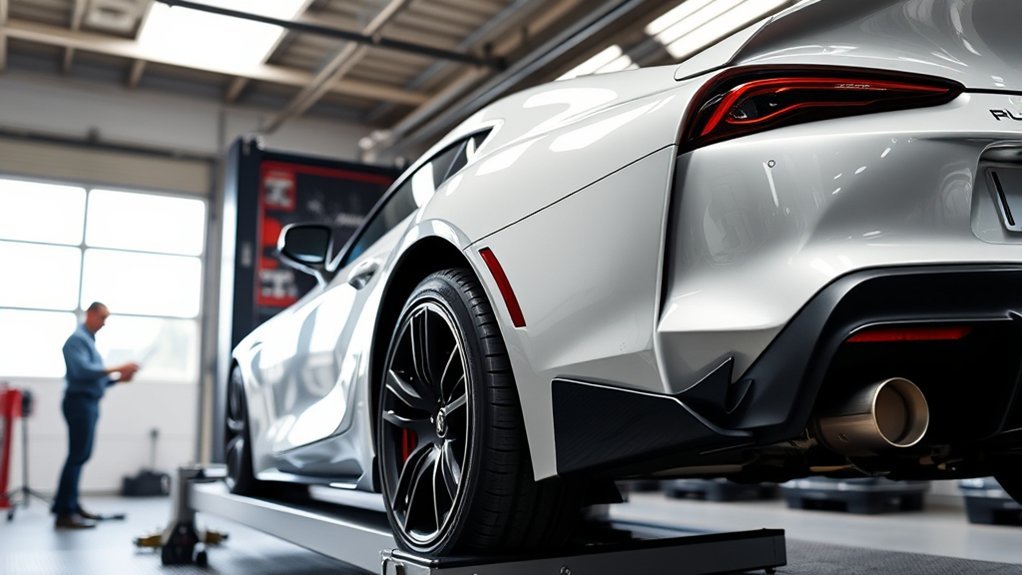
Choose a shop that understands low-profile performance tires and staggered setups. The right shop should inspect before adjusting, use current alignment specifications, and provide a clear before-and-after printout.
Look for these service details:
- Four-wheel computerized alignment equipment.
- Experience with performance cars, low-profile tires, and staggered wheel setups.
- Suspension and steering inspection before adjustment.
- Cold tire-pressure check before the alignment reading.
- Before-and-after alignment printout.
- Road test after the work is complete.
- Clear explanation of any worn or bent parts found during inspection.
If your Supra is lowered, has aftermarket wheels, or uses non-factory tire sizes, tell the shop before the appointment. Modified ride height and fitment can change alignment needs and tire-clearance risks.
[Products Worth Considering]

This color coded tire tread depth gauge helps you quickly check tire wear and monitor when replacement is needed. Calibrated in easy-to-read 32nds with clear red, yellow, and green ranges, it offers fast visual results for cars, trucks, motorcycles, and other passenger vehicles. The pocket clip makes it simple to keep on hand for routine maintenance and safety checks.

This GM TPMS relearn tool helps reset tire sensors, clear warning lights, and match tire positions after rotation quickly at home. Designed for Chevrolet, GMC, Cadillac, and Buick vehicles, it offers one-button operation, fast activation, and broad compatibility with many GM models. It is best suited for OE/OEM sensors and includes paper instructions plus video guidance for easier DIY use.
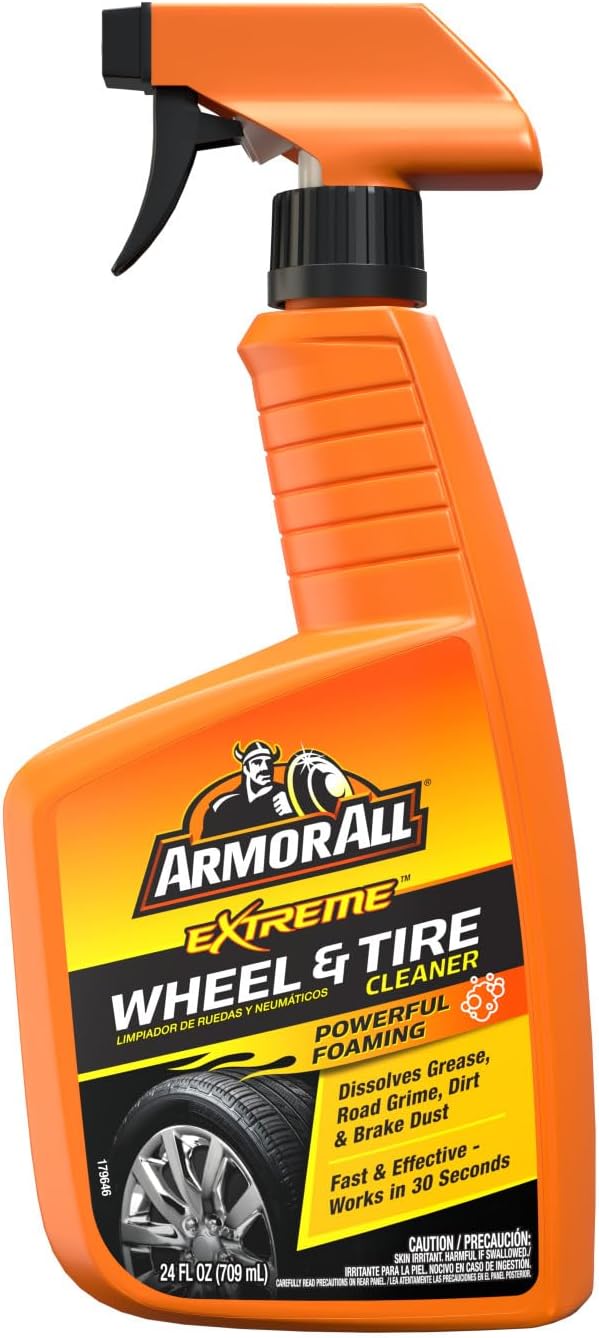
Armor All Extreme Wheel and Tire Cleaner is a powerful spray designed to cut through stubborn dirt, grease, tar, and brake dust on wheels and tires. It is safe for use on factory and aftermarket finishes, including alloy, steel, chrome, and plastic wheel trims, while its fast-acting formula works in just seconds. The deep-cleansing action helps reach hard-to-clean areas and leaves wheels looking clean and shiny.
Frequently Asked Questions
How often does Toyota recommend rotating tires on a 2025 GR Supra?
Toyota’s 2025 Supra maintenance guide does not give a simple universal 5,000–7,500-mile rotation rule. It calls for scheduled maintenance every 10,000 miles, 12 months, or when the reminder appears, and it tells owners to check tire pressure, tire damage, and uneven wear. Because the factory setup is staggered, front-to-rear rotation is not appropriate.
Can you rotate staggered GR Supra tires?
You should not move staggered front and rear tires front-to-rear because the sizes are different. Side-to-side rotation may be possible only if the tires are the same size on that axle and the tire design allows it. Directional tires, some asymmetrical tires, and certain wear patterns may limit even side-to-side swaps.
How often should a Toyota GR Supra get an alignment?
A good rule is to check alignment about once a year, after new tires, after suspension work, after a hard pothole or curb hit, or whenever the car pulls, drifts, vibrates, or wears tires unevenly. More aggressive driving may justify more frequent checks.
Should alignment be done before or after tire rotation?
If your tire setup can be rotated and you are doing both services, rotate first and align afterward so the alignment is set with the tires in their final positions. On a staggered GR Supra, front-to-rear rotation is not normally part of the service, so the priority is inspection, pressure correction, and alignment diagnosis.
Does the tire pressure monitor replace manual pressure checks?
No. TPMS warns when pressure is critically low, but it does not replace checking pressure with a gauge. Check pressures cold, use the tire placard and owner’s manual, and recheck before long trips or major weather changes.
When should Supra tires be replaced?
Replace tires before they become unsafe, damaged, or too worn. The 2/32-inch tread-depth threshold is a legal minimum reference, not a performance target. Replace earlier if the tires have sidewall damage, exposed cords, bubbles, severe uneven wear, cracking, or noticeably reduced wet traction.
Conclusion
For a 2025 Toyota GR Supra, the safest tire-maintenance plan is to stop treating rotation as a generic mileage task and start treating tire condition as a performance check. Inspect pressure, tread depth, damage, and wear patterns regularly. Do not rotate staggered front and rear tires front-to-rear. Check alignment yearly, after impacts or suspension work, and any time the car pulls, drifts, or starts wearing tires unevenly. That routine protects handling, tire life, and the sharp feel that makes the Supra worth maintaining properly.
Sources
- Toyota 2025 Supra Warranty & Maintenance Guide — scheduled maintenance timing, tire inspection item, tire warranty, and alignment/balancing warranty context.
- Toyota 2025 GR Supra eBrochure — factory staggered tire sizes, Michelin Pilot Super Sport tire listing, TPMS disclosure, and performance-tire wear note.
- Toyota 2025 Supra Owner’s Manual — owner guidance for wheels, tires, tire pressure, and vehicle-specific limitations.
- NHTSA TireWise — tire pressure, tire safety, and routine tire-care guidance.
- 49 CFR § 570.9 Tires — passenger-car tire tread-depth standard.
- AAA Guide to Vehicle Wheel Alignment and Suspension — alignment symptoms, service purpose, and annual/pothole/tire-replacement alignment guidance.