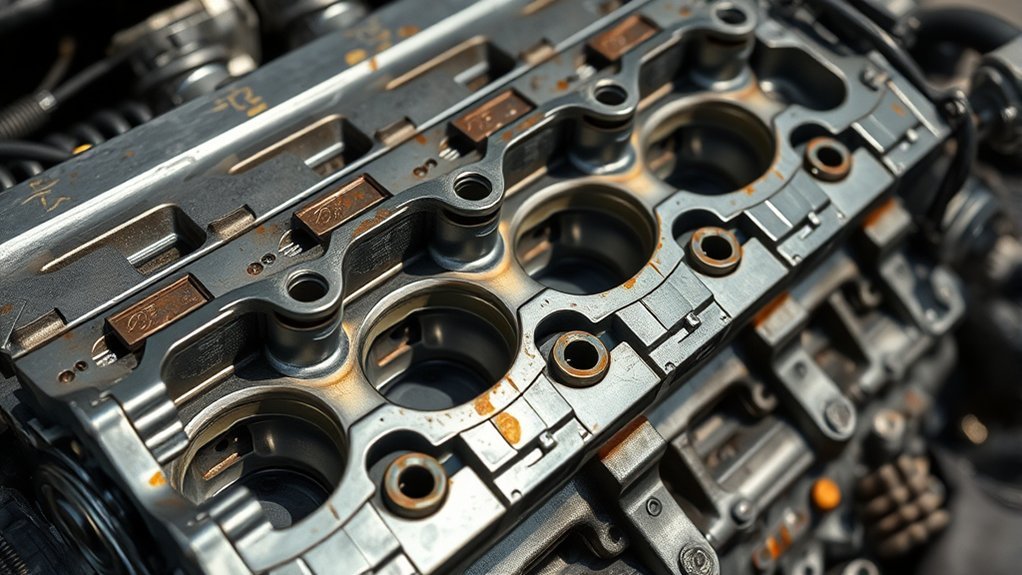
When comparing open and limited slip differentials (LSD) for your Supra, it’s vital to understand their effects on performance. Open differentials allow independent wheel rotation, making them less effective on slippery surfaces. LSDs distribute power evenly, enhancing traction and cornering stability. This means LSDs improve acceleration during turns, giving you more control. If you’re considering an upgrade, it’s important to know the benefits and costs involved. Want to reveal even more insights? Keep exploring to find out!
What Are Open and Limited Slip Differentials, and How Do They Affect Performance?

When it comes to vehicle performance, understanding differentials is essential, as they play a key role in how power is distributed to the wheels. There are two main differential types: open and limited slip differentials (LSD). Open differentials allow each wheel to spin independently, which can lead to traction loss when one wheel slips. This makes them less effective in high-performance situations. On the other hand, LSDs distribute power more evenly, enhancing traction and stability, especially during cornering. They allow for controlled wheel spin, improving handling dynamics at higher speeds. While open diffs may offer better fuel efficiency at lower power levels, LSDs provide superior acceleration and performance under aggressive driving conditions, greatly impacting your overall driving experience.
Comparing Traction and Handling: Open vs. Limited Slip Differentials
While both open and limited slip differentials play essential roles in vehicle dynamics, their impact on traction and handling can be starkly different. Open differentials allow each wheel to rotate independently, which can lead to loss of traction, especially during acceleration or cornering. In contrast, limited slip differentials (LSD) enhance traction control by distributing torque more evenly between wheels, making them perfect for aggressive driving and sharp cornering. This performance tuning results in better mid-corner acceleration and improved overall handling dynamics. While open diffs offer smoother, more predictable handling for daily driving, they struggle on low-traction surfaces. Ultimately, choosing between these two options hinges on your driving style and the conditions you frequently encounter.
How Can You Tell What Differential You Have?
How can you determine whether your vehicle is equipped with a Limited Slip Differential (LSD) or an open differential? It’s straightforward once you know what to look for:
- Check for a sticker on the differential indicating LSD presence.
- Jack up the rear and spin one wheel; if the opposite one turns in the same direction, you’ve got an LSD.
- Check the build plate or option codes, or have a technician identify the differential; a quick test is to lift both rear wheels, put the car in neutral, and turn one wheel: if the other turns the same direction, it is likely a limited-slip unit.
Understanding your differential type is key for effective differential maintenance and revealing performance benefits. Knowing if you have an LSD or open diff can greatly impact your driving experience, enhancing control and traction when you need it most.
Why Upgrade to a Limited Slip Differential?
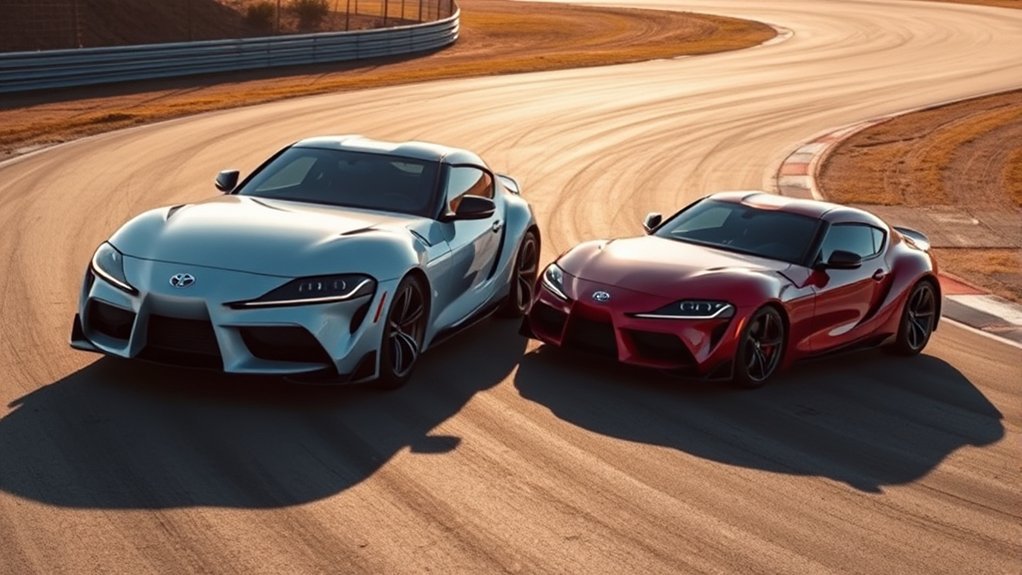
Upgrading to a Limited Slip Differential (LSD) can greatly enhance your vehicle’s performance, especially if you’re an enthusiast seeking better traction and control. LSDs distribute torque to both wheels, which means you’ll experience improved acceleration and cornering compared to an open differential. This is essential in low-traction conditions, as it prevents one wheel from spinning faster, providing stability during aggressive maneuvers. With a mechanical LSD, both wheels turn in unison, ensuring effective power delivery. This upgrade not only boosts handling dynamics but also elevates your confidence, particularly in high-power applications. By reducing the chances of losing forward thrust during hard acceleration, LSDs deliver significant traction benefits and overall performance enhancement, making them a top choice for performance-oriented drivers.
What Are the Costs and Options for Upgrading to a Limited Slip Differential?
Curious about what it’ll cost and what options you have for upgrading to a Limited Slip Differential (LSD)? The costs can vary widely, typically ranging from $350 to $1,500 based on differential types and brands. Used factory LSD units and aftermarket clutch-type LSDs are both common upgrades, so match the ratio to your transmission and intended use.
Here are a few cost considerations:
- Installation: DIY can save cash, while professional help could add $200 to $500.
- Performance: An LSD greatly enhances handling and acceleration during aggressive cornering.
- Maintenance: Regular oil changes and friction modifiers are essential for longevity.
Frequently Asked Questions
What Is Better for Drifting, Open Diff or LSD?
For drifting, an LSD’s superior torque distribution enhances your drifting techniques, allowing controlled slides. While it may increase tire wear, the performance gains and stability during corners make it the better choice over an open diff.
What Are the Disadvantages of Open Diffs?
Open diffs are like a car on ice; they struggle with traction loss, allowing one wheel to spin freely. This can lead to uneven tire wear, compromising performance and making them unsuitable for aggressive driving.
What Is the Difference Between Open and LSD?
Open differentials allow wheels to rotate independently, risking traction loss, while LSDs enhance torque distribution for better traction control. This means LSDs maintain stability and performance, especially when traversing uneven surfaces or during acceleration.
Conclusion
In the world of performance driving, choosing between an open differential and a limited slip differential can feel like a twist of fate. You may find that the right differential transforms your handling and traction, revealing your vehicle’s true potential. Whether you’re tearing up the track or steering through winding roads, upgrading to a limited slip differential could be the game-changer you didn’t know you needed. Don’t leave your performance to chance—make an informed choice and elevate your driving experience.