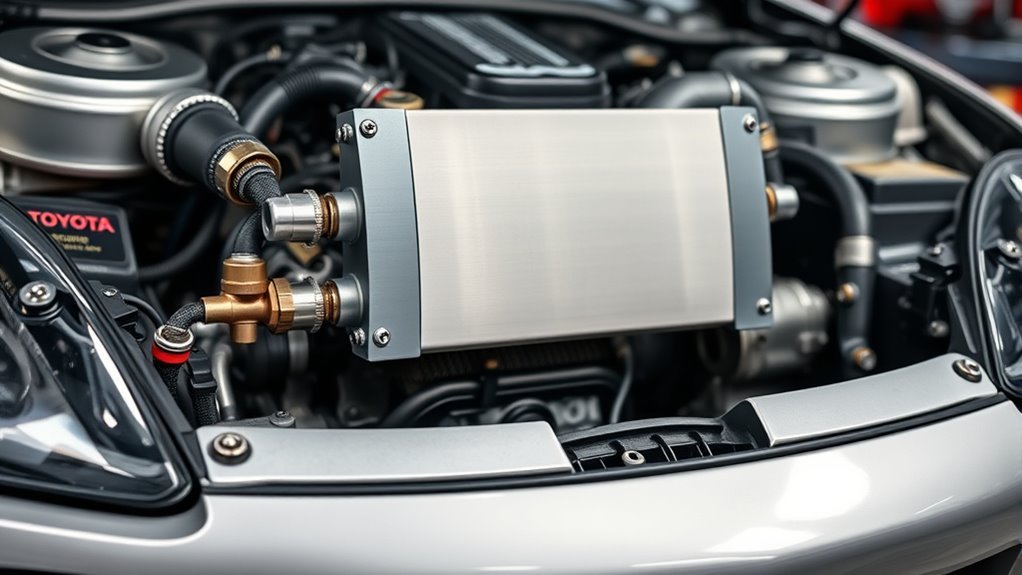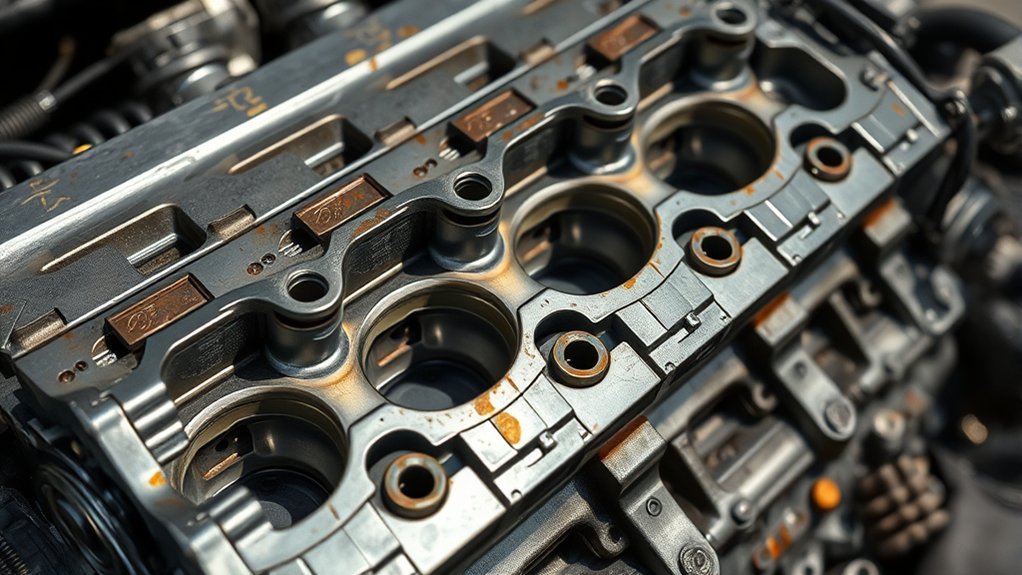
The Toyota 7M-GE and 7M-GTE are well known for head gasket problems, but the factory history is more nuanced than simply saying Toyota used the wrong torque. Toyota service information specifies 58 ft-lb (78 N·m) for the original cylinder-head bolts, and Toyota’s 1991 TSB EN91-011 kept that torque unchanged while introducing a head gasket with added primer. If your Mk3 Supra is overheating, pushing coolant into the overflow bottle, losing coolant, producing persistent white exhaust after warm-up, or showing coolant/oil contamination, diagnose the problem before replacing parts. A cooling-system pressure test, combustion-gas test, compression test, and leak-down test can help confirm an internal leak. If the head is removed, flatness and surface condition must also be checked before the engine goes back together.
Last updated: August 8, 2026
Understanding the 7M Head Gasket Problem
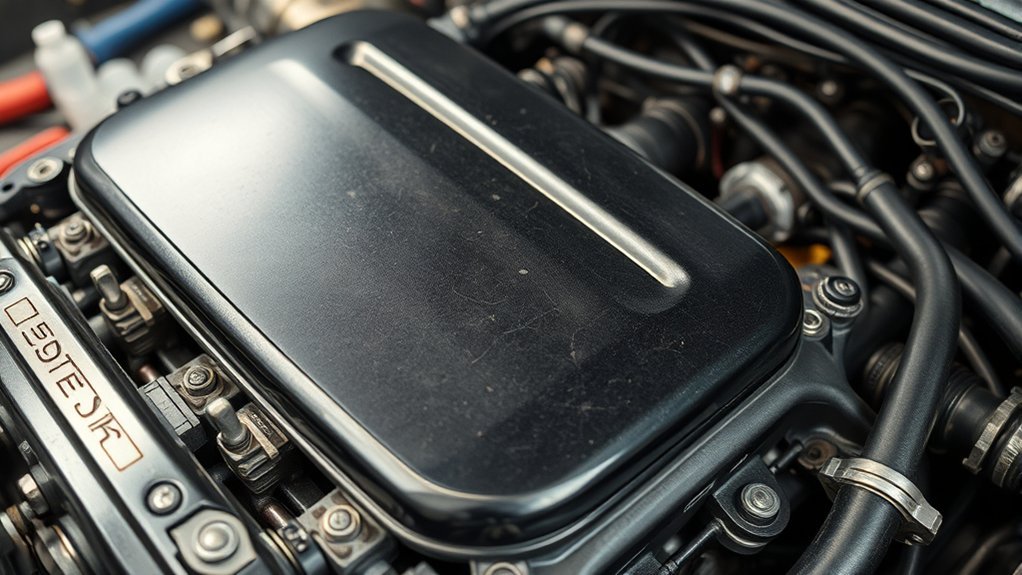
The 7M head gasket problem affects both naturally aspirated 7M-GE and turbocharged 7M-GTE discussions, particularly in the A70/Mk3 Supra community. However, separate documented Toyota information from later repair practices.
Toyota’s service procedure specifies tightening the fourteen cylinder-head bolts uniformly in several passes to 58 ft-lb (78 N·m). Toyota TSB EN91-011, dated August 23, 1991, states that the 7M-GE and 7M-GTE cylinder-head gasket was improved by adding primer to the gasket surface. The bulletin specifically says the tightening torque remained unchanged. It also lists gasket part number 11115-42021 as the replacement for 11115-42020, with the production change effective from June 1991.
That does not mean clamping load is irrelevant. Many modern 7M rebuilds use aftermarket head studs and different gasket materials to improve sealing, especially on modified turbo engines. The important distinction is that an aftermarket fastener or gasket system must be installed according to its own specifications. Do not combine Toyota’s stock-bolt torque value with an aftermarket stud installation procedure.
Common Symptoms of a Blown Head Gasket
A failed 7M head gasket can leak in several directions. Combustion pressure may enter the cooling system, coolant may enter a cylinder, or coolant and oil may mix. That means milky oil is not required for a head-gasket failure to be present.
| Symptom | What It May Indicate | Next Check |
|---|---|---|
| Repeated overheating | Cooling-system fault or combustion gases entering coolant | Inspect cooling system and perform a combustion-leak test |
| Bubbles or coolant pushed into overflow | Cooling-system pressurization from combustion gases | Combustion-gas/block test |
| Persistent white exhaust after warm-up | Coolant entering a combustion chamber | Check coolant loss, plugs, compression and leak-down results |
| Milky or frothy oil | Coolant contamination of the lubrication system | Stop driving and investigate the internal leak |
| Oil film or contamination in coolant | Possible oil-to-coolant leakage | Pressure-test and inspect both systems |
| Unexplained coolant loss | External leak or internal engine leak | Cooling-system pressure test |
| Misfire, rough running or low power | Compression loss between cylinders or coolant entering a cylinder | Compression and leak-down testing |
Do not diagnose a blown head gasket from one symptom alone. A bad radiator cap, thermostat, water pump, clogged radiator, damaged hose, fan problem, trapped air, or external coolant leak can also produce overheating. Confirm the failure before removing the cylinder head.
How to Diagnose Head Gasket Failure in Your Mk-III Supra?
Start with the least invasive checks and build evidence before disassembly.
- Stop driving if the engine is overheating. Continued operation can distort the aluminum cylinder head, contaminate the oil and damage bearings.
- Inspect the cooling system when the engine is cold. Check coolant level, visible leaks, hoses, radiator condition, fan operation, thermostat history and other obvious cooling-system faults. Never remove a pressurized radiator cap from a hot engine.
- Pressure-test the cooling system. Use the correct test procedure and pressure for the vehicle’s cooling system. A pressure loss can reveal an external leak or support further investigation of an internal one.
- Perform a combustion-gas test. A block-style chemical tester can detect combustion gases reaching the cooling system, which is strong evidence of a cylinder-to-coolant leak.
- Run compression and leak-down tests. Look for cylinders with abnormal compression or pressure escaping into the cooling system or an adjacent cylinder.
- Inspect the cylinder head after removal. Toyota 7M-GTE service information gives a maximum cylinder-head warpage of 0.10 mm (0.0039 in.). A precision straightedge and feeler gauge are used for the check.
A single normal compression test does not automatically rule out every head-gasket leak. Some failures primarily send combustion gases into the cooling system, which is why combining several tests is more useful than relying on one result.
[Products Worth Considering]

This engine water pump kit is designed to help maintain reliable cooling performance across a wide range of compatible Toyota, Lexus, Scion, and Pontiac vehicles. Built with aluminum and tested for leak-free operation, it offers a direct replacement solution that supports engine efficiency and long-term service life. The kit includes a professional water pump and gasket for a convenient installation-ready repair.

This precision straight edge is designed for accurate engine block and cylinder head inspections, helping machinists and mechanics check flatness with confidence. Made from thick cold rolled steel and finished with a protective powder coat, it offers durability, rigidity, and long-term reliability in demanding shop environments. A reusable edge cover and hang hole add convenience for storage and care.

The OEMTOOLS coolant vacuum refill kit helps quickly refill a vehicle’s cooling system while removing trapped air that can lead to overheating and engine damage. It also performs vacuum leak tests to help confirm system integrity and reduce the chance of repeat repairs. With multiple bushings, adapters, and a tapered cone seal, it is designed for flexible use on many radiator and coolant bottle necks.
How Should You Repair a 7M Head Gasket?
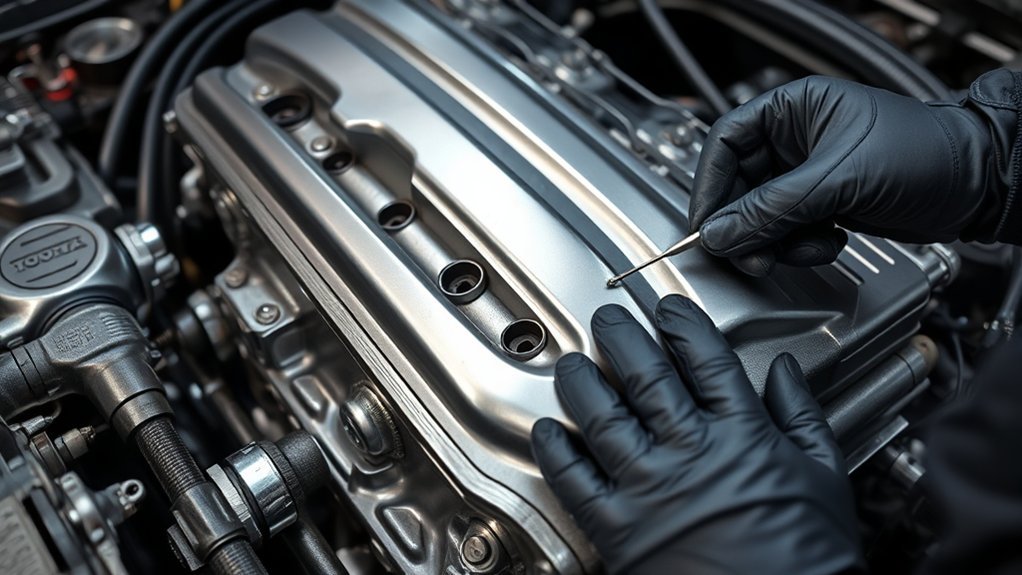
A proper 7M head-gasket repair is not simply a matter of installing a stronger gasket. The sealing surfaces, fasteners, gasket type and cooling system all have to work together.
[Products Worth Considering]

This professional water pump kit is designed as a direct OE replacement for select Toyota and Lexus 3.5L V6 vehicles, helping restore reliable engine cooling performance. Built to strict quality standards and tested for leak-free operation, it includes the necessary gasket for easier installation and a secure fit. It offers a practical upgrade for drivers seeking dependable cooling system maintenance and long-lasting performance.

This professional compression tester kit helps diagnose engine health quickly and accurately in gasoline-powered cars, trucks, ATVs, and small engines. The fluorescent triple-scale gauge improves readability in low light, while the built-in Schrader valve, safety release, and included adapters make testing simple, stable, and reliable.

AISIN OE matched engine coolant thermostat delivers consistent temperature control for reliable cooling system performance. Built with high-quality materials and designed for perfect OE form, fit, and function, it helps maintain efficient engine operation across a wide range of compatible Lexus, Scion, and Toyota vehicles. The correct OE specified operating temperature supports dependable cooling, while note that a gasket is not included.
Inspect the Head and Block First
Remove old gasket material without gouging the aluminum head or iron block. Check the cylinder head for distortion and inspect both mating surfaces for corrosion, erosion, cracks or damage around the combustion sealing areas. If machining is needed, the final surface finish must also satisfy the specifications of the gasket you plan to install.
This is especially important with a multi-layer-steel (MLS) head gasket. An MLS gasket should not be treated as an automatic upgrade that can compensate for an uneven or poorly prepared deck.
Choose Fasteners and Torque as One System
If the engine is being assembled with factory-style head bolts and the Toyota factory procedure is being followed, Toyota service information lists 58 ft-lb (78 N·m), applied uniformly in several passes and in the specified tightening sequence.
If you use aftermarket fasteners, follow the fastener manufacturer’s instructions instead. ARP lists 203-4202 as its Toyota 7MGTE Supra head-stud kit. Lubricant, thread preparation, washer installation and torque procedure affect the clamp load, so an internet torque number should not replace the instructions supplied for the actual hardware being installed.
ARP part number 200-8574, sometimes discussed in specialized 7M modifications, is a universal hardened insert-washer product rather than the dedicated 7M head-stud kit. Installing insert washers requires additional preparation and should not be presented as a basic bolt-on head-gasket repair.
Do Not Add Sealant Unless Specified
Do not automatically coat a replacement head gasket with FIPG, RTV, copper spray or another sealant. Install the gasket according to its manufacturer’s instructions. Seal packing used elsewhere on the 7M engine should not be assumed to belong on the cylinder-head gasket itself.
What Head Gasket and Torque Should You Use?
| Setup | Best Approach | Important Warning |
|---|---|---|
| Factory-style bolts and gasket | Follow Toyota’s service sequence and documented 58 ft-lb specification | Do not substitute an aftermarket-stud torque value |
| ARP 203-4202 head studs | Follow the current instructions supplied for the ARP kit | Fastener lubricant and installation procedure affect clamp load |
| Composite replacement gasket | Verify head/block condition and follow gasket-maker installation instructions | Do not assume a new gasket will compensate for warped surfaces |
| MLS head gasket | Verify flatness and the gasket maker’s required surface finish before assembly | An unsuitable surface finish can prevent reliable MLS sealing |
For a stock or mildly used street engine, the best repair is the combination that matches the actual condition of the head and block and can be installed correctly. A modified 7M-GTE running increased boost places greater demand on gasket sealing, but stronger fasteners do not compensate for overheating, detonation, poor machining or an inadequate tune.
[Products Worth Considering]

This coolant thermostat is a direct replacement designed for a wide range of Toyota, Lexus, and Scion vehicles. It helps maintain proper engine temperature, supports reliable cooling system performance, and installs easily without special tools or programming. Built to meet OEM standards, it offers durable, stable operation and dependable fitment for compatible models.

This coolant electric water pump is designed as a replacement for select Toyota vehicles, helping maintain proper engine cooling performance and reliable temperature control. Built to OE specifications, it offers fitment support for compatible Avalon, Camry, and RAV4 models with 2.5L L4 engines. It also includes cross-reference part numbers for easier matching and comes with after-sales support for covered defects.

This all-in-one radiator pressure tester and vacuum refill kit helps diagnose cooling system leaks, measure temperature, and refill coolant efficiently. It includes a wide range of adapters for broad vehicle compatibility, plus a pressure tester, vacuum refiller, thermometer, and storage case for organized use. Designed for DIY mechanics and professionals, it simplifies coolant service while reducing guesswork and unnecessary repairs.
How Can You Prevent Another 7M Head Gasket Failure?
Preventing a repeat failure starts with controlling the conditions that damage the seal rather than relying on one hardware upgrade.
- Keep engine temperature stable. Investigate overheating immediately instead of continuing to drive.
- Maintain the complete cooling system. Check the radiator, thermostat, water pump, hoses, fan or fan clutch, cap and coolant condition.
- Bleed the cooling system correctly. Trapped air can interfere with coolant circulation and produce misleading temperature behavior.
- Verify the head and block before assembly. A new gasket cannot reliably seal seriously damaged or distorted mating surfaces.
- Match the gasket to the surface preparation. Follow the specific gasket manufacturer’s requirements, particularly with MLS construction.
- Follow the correct fastener instructions. Toyota stock bolts and aftermarket studs are not interchangeable torque procedures.
- Control boost and detonation on modified 7M-GTE engines. Extra cylinder pressure raises the demand on the gasket and fasteners.
Do not blindly retorque an assembled engine to a higher figure simply because a number is popular in enthusiast discussions. First identify the installed gasket and fasteners and use the procedure appropriate to those components.
Frequently Asked Questions
Why Do 7M Head Gaskets Fail?
7M head-gasket failure can involve loss of sealing between the cylinder head and block, overheating, surface distortion and inadequate clamp load for the operating conditions. Toyota documented a 58 ft-lb factory head-bolt specification and later introduced a primer-treated head gasket while leaving that torque unchanged. Modified engines may use different gasket and fastener systems for additional sealing capacity.
What Is the Factory 7M Head-Bolt Torque?
Toyota service information for the 7M specifies 58 ft-lb (78 N·m) for the factory cylinder-head bolts, tightened uniformly in several passes and in the specified sequence. That number should not automatically be used for aftermarket head studs.
How Can You Confirm a 7M Head Gasket Leak?
Start with cooling-system inspection and pressure testing, then use a combustion-gas test, compression test and leak-down test as needed. If the head is removed, inspect the gasket and mating surfaces and check cylinder-head flatness. Using several forms of evidence is more reliable than diagnosing the gasket from milky oil or overheating alone.
Should You Use a Metal Head Gasket on a 7M?
An MLS or other metal gasket can be appropriate for some 7M builds, particularly performance engines, but only when the head and block meet the gasket manufacturer’s flatness and surface-finish requirements. Installing an MLS gasket on poorly prepared surfaces can create another sealing problem rather than solve one.
Do ARP Studs Use the Toyota 58 ft-lb Torque Spec?
Do not assume they do. Toyota’s 58 ft-lb specification applies to the factory bolt procedure. ARP 203-4202 is an application-specific 7MGTE Supra head-stud kit, and it should be installed using the current ARP instructions supplied for that hardware and lubricant.
Conclusion
The Toyota 7M head gasket problem deserves careful diagnosis rather than a one-number repair. Toyota documented a 58 ft-lb factory head-bolt specification and revised the gasket in 1991 without changing that torque. If your Mk3 Supra is overheating, losing coolant, pressurizing the cooling system or showing coolant/oil contamination, stop driving it hard and confirm the fault before disassembly. When rebuilding, inspect the head and block, choose a gasket suited to the engine and surface preparation, and follow the exact instructions for the fasteners being used. Those steps do more to prevent a repeat failure than simply installing a metal gasket or applying an arbitrary higher torque value.